
As an ecommerce professional, there’s no doubt you’re familiar with the concept of the funnel.
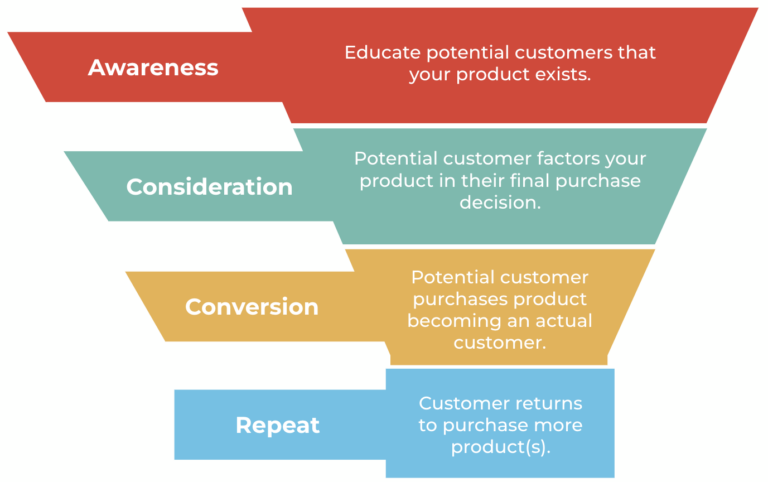
But in case you need a refresher…the ecommerce purchase funnel, also known as the sales funnel, is a framework that describes the journey a consumer makes from the moment they become aware of a product or service to the point of making a purchase – and coming back for more.
A quick Google search will make it clear there are many different funnel frameworks. But all have the same basic tenets. Essentially, the funnel is divided into different stages – each involving a different level of engagement with your brand and its offerings.
It’s Imperative to Measure and Optimize Your Funnel
The most successful B2C brands understand the funnel – and have a grip on how to move consumers through each funnel stage.
In other words, these brands understand how their customers navigate the purchase journey. They understand where shoppers get stuck in the funnel or fall off altogether. They use this intel to adjust their focus – and their resource allocation.
The power and strength of your brand plays a big role in how consumers progress through the funnel. If you’re an established, mature business, your target market likely already has awareness of your products and services. That awareness makes it easier to launch new products and services.
Conversely, a new brand launching a new product will likely need significant focus on generating awareness.
The below model – an ecommerce maturity axis – illustrates how marketing investment and focus typically evolves over time as brands and retailers grow.
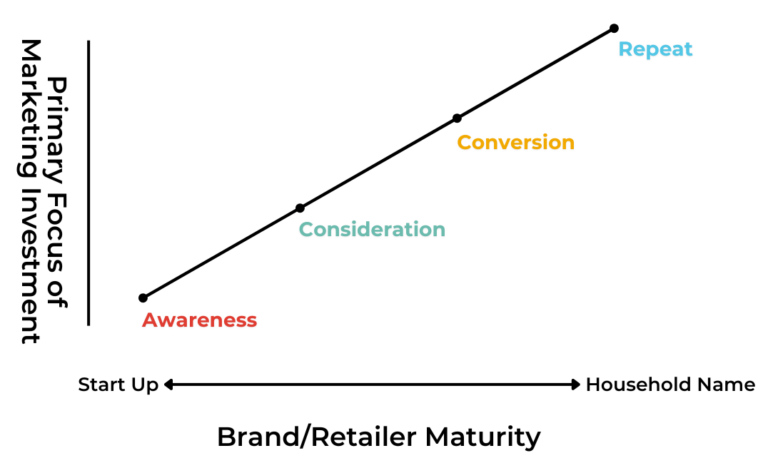
Although simplistic, it provides high level direction. Here at PowerReviews, we’ve worked with ecommerce businesses of all shapes, sizes, and stages. This axis typically reflects how a business’ focus evolves and matures as they become more established.
The key – as mentioned before – is to gain a deep understanding of the perception and performance of your product and then adapt resource deployment and focus accordingly.
Different Funnel Stages Require Different Approaches
The path to purchase is full of twists and turns. It’s the responsibility of the marketing team to understand which factors consumers trust throughout this journey – and which impact their behavior.
There are myriad strategies and tactics available to marketing teams. Typically, marketers employ different strategies and tactics at different stages of the funnel. For example, a marketing team might invest heavily in social media advertising to boost awareness – and email for those shoppers who have already made a purchase.
Ideally, each strategy or tactic should have accompanying metrics, which are regularly tracked to assess how effective each initiative is at moving shoppers through the funnel. Those metrics vary based on the funnel stage and channel but here are some examples.
| Stage | Example Measurement |
|---|---|
|
Awareness |
Ad Impression,
Ad Engagement (e.g. Video Watch),
Email Open,
Website Visit,
Organic Social Impression,
Search Activity |
|
Interest |
Website Engagement (e.g. which pages viewed),
Social Media Engagement (Follow, Comment etc.),
Time on Site,
Time on Page,
Ad Click Through,
Email Click Through |
|
Conversion |
Conversion Rates |
|
Renewal |
Repeat Purchase,
Customer Lifetime Value,
Loyalty Program Sign Up,
UGC Submission (Product Review, Social Post etc.) |
There’s no doubt many factors impact a shopper’s behavior across the purchase journey. But some strategies are proven to hold more power than others.
Yet, many brands and retailers continue to invest heavily in initiatives that aren’t as impactful as they might think.
Consider paid media – including digital advertising. According to Statista, worldwide spending on digital advertising is expected to reach $616 billion this year. Yet, according to a Nielsen report, a significant portion of consumers don’t trust these channels. Specifically, 36% of consumers don’t trust ads served up in search engine results; likewise, the same percentage distrust social media ads.
Of course, some types of advertising are more influential than others. According to Statista survey, 41% of respondents find social media advertising to be the most influential; 39% cite TV and streaming ads.
And while some brands have shifted a significant portion of their marketing budgets on influencer engagement, a report from Nielsen found that less than a quarter (23%) of consumers trust ads from influencers. Our own research found just 17% of shoppers consider influencer endorsements when making a purchase decision.
However, a recent survey of more than 8,000 shoppers in the US found that 90% consider customer ratings and reviews when it comes to making a purchase decision, and 73% consider photos and videos of products taken by real consumers who have used the products in question.
Other, more traditional marketing efforts – including TV commercials, influencers, and even social media – fall much further down on the list.
UGC Positively Impacts Purchase Behavior Throughout the Funnel
The data doesn’t lie: consumers value UGC over brand- and influencer-generated content. But why?
It all comes down to trust and authenticity.
There are many benefits of building and maintaining trust with shoppers. According to a report from PwC, nine in ten (91%) of consumers are more likely to buy from a company they trust. And 88% are likely to recommend the company to others.
But the same report found that just 30% of consumers have a “high level of trust” in businesses.
Of course, there are many ways to build trust and maintain trust with consumers. But collecting user-generated content (yes, even the less-than-flattering stuff) is a key way to bolster trust. In fact, according to Statista, reviews are the #2 factor impacting shoppers’ willingness to trust a brand – only behind price.
Brand-created content is developed with the ultimate goal of selling products. Consumers know this to be true. However, UGC is submitted by consumers with no motive – aside from sharing their feedback. This content is authentic, and shoppers trust it.
As such, UGC – including product ratings and reviews, consumer images and videos, and questions and answers (Q&A) is hugely powerful validation of product value. And it consistently plays a huge role in moving shoppers through each stage of the funnel. Let’s take a closer look at each stage in more detail.
Stage 1: Awareness
Awareness is the initial stage of the ecommerce funnel. This is the stage where a consumer becomes aware of your brand and its offerings – having not been so before.
This might be the result of seeing a TV commercial – or it could be from hearing about your brand and product from a friend.
During the awareness stage, the goal is to increase visibility of your brand and offerings so more consumers enter the rest of the funnel. After all, a consumer can’t purchase your products if they don’t know those products (or your company) exist.
Marketing teams employ a number of different tactics to increase awareness. Those tactics depend largely on the strength and general market awareness of the brand.
For example, an established brand might focus on SEO to ensure their new product pages rank high in search engine results. That same brand might also invest in paid search ads for their new product offerings. This makes sense, as 63% of consumers depend on search engine results to learn about new products.
A new, niche brand, on the other hand, may allocate a large portion of their spending on highly targeted, paid and organic social media posts.
However, UGC is also a key way consumers learn about new brands and products. A recent survey found that nearly three-quarters (74%) learn about new products through ratings and reviews – and 60% do so through user-generated imagery.
Based on these results, the powerful social proof of UGC should be a key element of any top of funnel brand awareness activity.
Paid and organic search
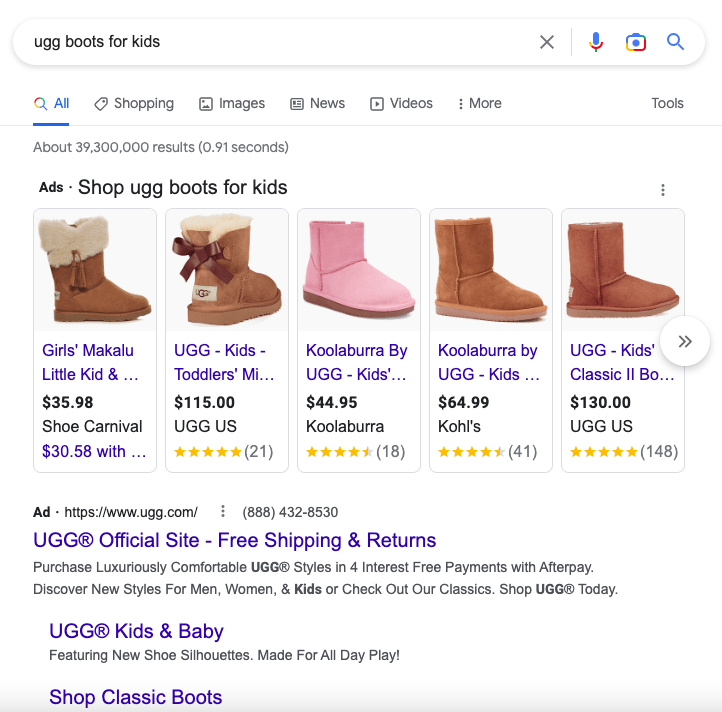
Take, for example, search engine results. If your brand collects a steady stream of reviews, star ratings and excerpts from reviews can display within organic search results (here’s technical guidance for PowerReviews customers). You can also display star ratings and review count in paid search ads to peak interest – and boost clickthrough.
Social
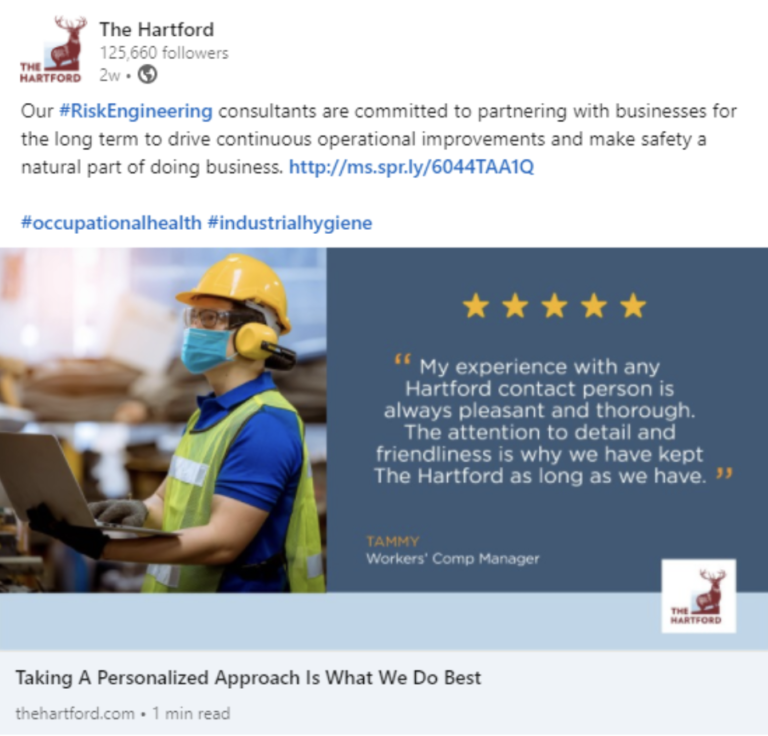
Social media is another top channel consumers turn to to learn about new products. Incorporating UGC into paid and organic social posts is an effective way to increase engagement – and nudge shoppers further down the funnel.
According to a recent survey, nearly half of shoppers say that the presence of ratings and reviews increases their likelihood of clicking on a social media post or ad.

Display Ads
UGC can also be easily incorporated into display ads. Again, adding a star rating or a snippet from a review is an easy, effective way to boost clickthrough.

Traditional Advertising
Brands and retailers can even incorporate UGC into more traditional top-of-funnel initiatives, including TV commercials and print ads.


Consumers trust UGC – and this content has the power to significantly increase awareness of your brand and your products. Look for ways to incorporate UGC into your top-of-funnel marketing. It’ll increase shoppers’ awareness of your brand and your product – and pull them further into the funnel.
Retailer Sites
The awareness-stage tactics we’ve explored up to this point are primarily focused on increasing visibility and generating more traffic to a brand’s product pages. However, it’s important to note that retailer sites are also a key destination for product discovery. Brands must have a strategy to stand out in this crowded environment.
Let’s say a consumer navigates to a retailer site – perhaps to find a product to address a new need, replace an existing product that no longer fits their needs, or simply because their go-to product isn’t available.
Once a consumer lands on a retailer’s home page, they can launch their search in any number of ways. Perhaps they use the site menu to navigate to a specific product category and are taken to a product listing page of all items in that category. Or maybe they type a search term into the search box. Again, they’re taken to a listing page with all results that meet the search criteria.
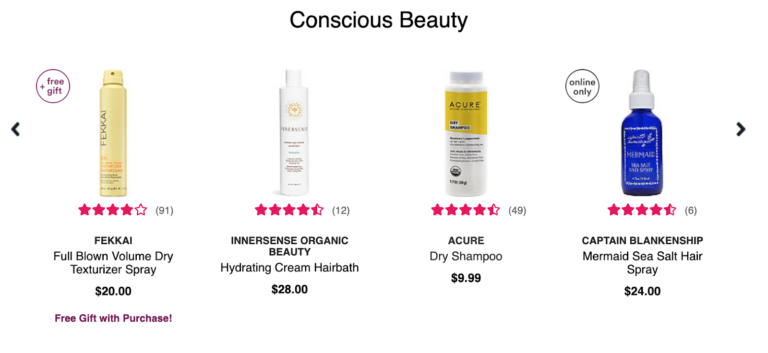
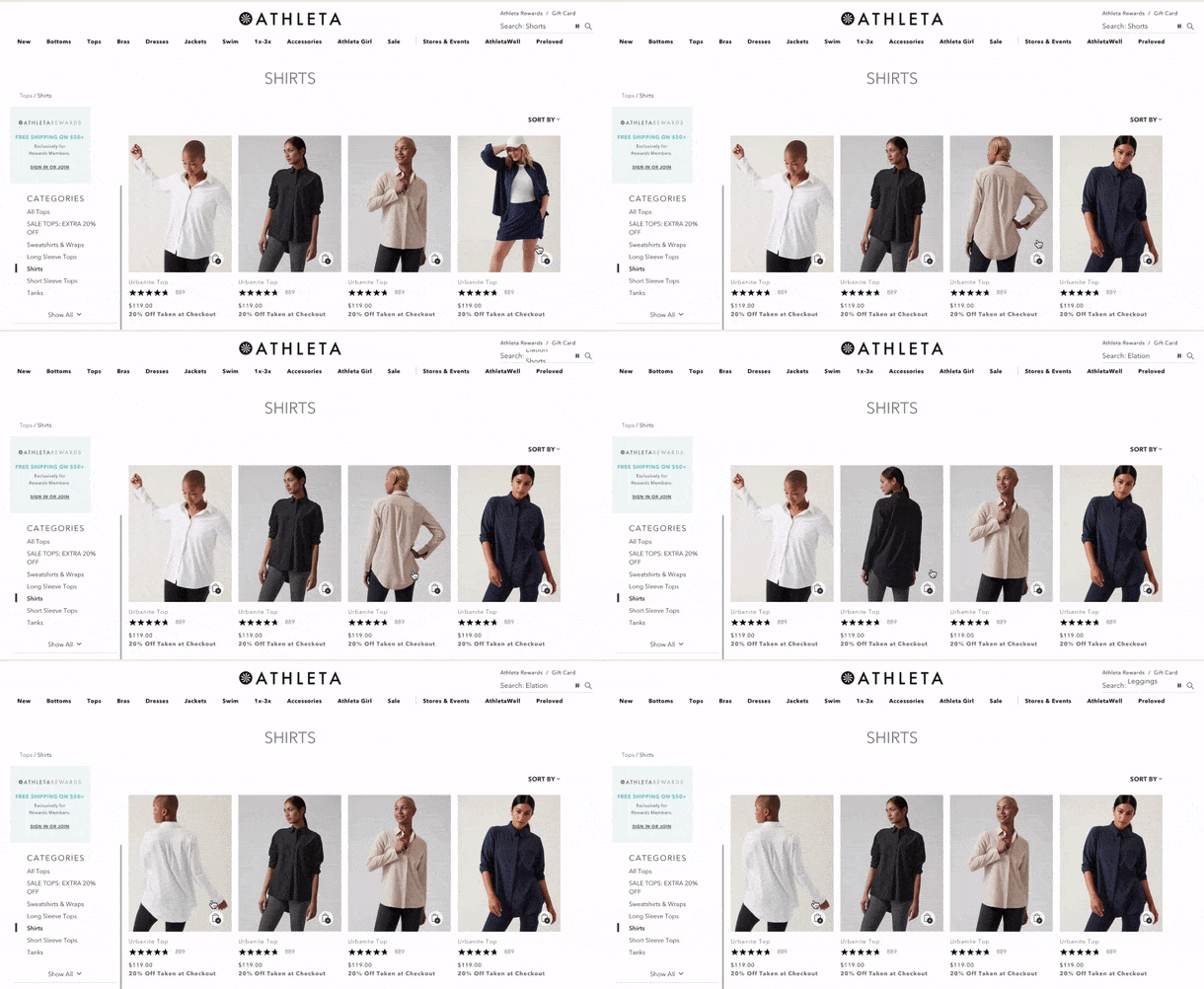
When a consumer lands on a product listing page (PLP), category page, search page, or even the homepage, there are a few factors that have a huge impact on where they go next. One top factor is the review footprint, which includes the item’s average star rating and the review count.
Research tells us that pages with reviews attract significantly more traffic. And in general, the more the reviews, the bigger the page view gains. As such, generating reviews is key to standing out on retailer sites.
In addition, a growing number of retailers now enable shoppers to purchase directly from the PLP and search results page – without first navigating to the PDP. This further accentuates the need for a strong reviews footprint.
Stage 2: Consideration
In the second stage of the ecommerce funnel, consumers have an awareness of your brand and your products. Now, they’re doing their homework to determine whether your products are the best fit for their needs.
In today’s economic climate, nearly three-quarters of consumers are researching purchases more than before. And most often, that research takes place online. A survey found that 87% of consumers always or regularly research online when making a purchase decision.
PDP Best Practices
At this stage, UGC is hugely influential. 90% of consumers consider ratings and reviews when it comes to making a purchase decision. And 73% consider user-generated imagery.
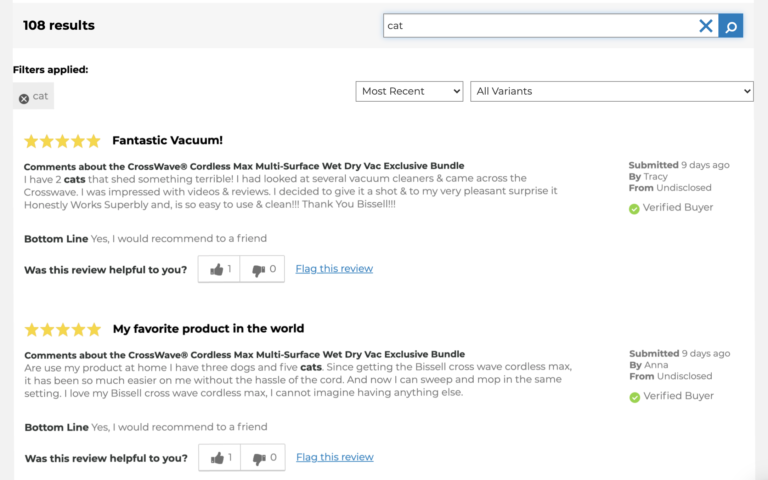
Of course, consumers don’t read every single review available for a product they’re considering. Rather, they dig to find the content that speaks to their specific needs and use cases. As such, it’s imperative to provide robust sort, filter, and search capabilities in the review display on your product detail pages so shoppers can easily surface the most relevant content.
There’s also plenty of opportunity to infuse the power of UGC into your other consideration-level efforts to boost purchase likelihood.
Retargeting ads can be an effective way to re-engage with shoppers who were exploring your products – but left empty handed. According to Invesp, website visitors who are retargeted with display ads are 70% more likely to convert on the ecommerce website. Per a MarketingProfs article, the average clickthrough of a retargeting ad is 10X that of a display ad – 0.7% versus 0.07%.
Re-targeting
Incorporating UGC into those retargeting ads can boost clickthrough even more.
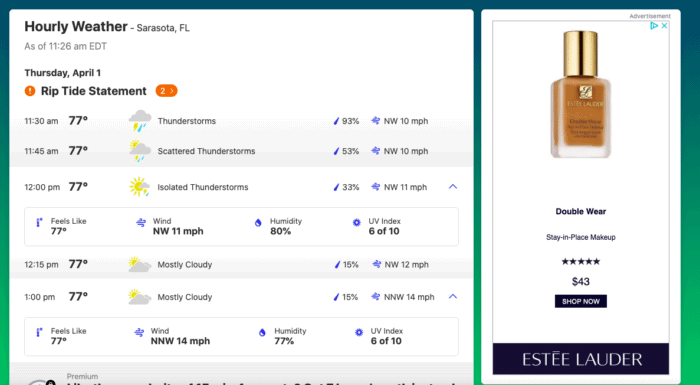
Let’s say a consumer isn’t ready to make a purchase – but opts in to emails. The brand can incorporate UGC into its emails to re-engage the shopper – and entice them to give a product another look.

Consumers have seemingly endless options. UGC – whether on its own or incorporated into other marketing initiatives – is key to building their confidence that your product is the right fit for their needs.
Stage 3: Conversion
A consumer knows about your products, has done their research, and has determined your offering is the best for their needs. But that doesn’t mean they’re guaranteed to convert. You’ve got to work for it.
Optimize PDPs for Conversion
There are some critical factors impacting conversion, including pricing, checkout process, and shipping. However, based on the data, user-generated content is a key part of the overall puzzle.
A recent analysis found that there’s a 108.6% lift in conversion among site visitors who interact with ratings and reviews. The lift is 177.2% for those who interact with Q&A and 103.9% for those who interact with user-generated imagery.
Sure, even a single review will increase conversion. But as a general rule, the more reviews, the larger the impact on conversion. While the “ideal” number depends on a number of factors, a recent analysis found there’s a staggering 292.6% lift in conversion when a product displays 5,000 or more reviews. So aim high!
A product’s average star rating also has a big impact on conversion rates. Per a recent report, the sweet spot lies between 4.75 and 4.99 stars. Products in this range see the highest conversion rates.
It’s imperative your product pages are built for conversion. And a key part of this is ensuring user-generated content is easy to find and consume on any device. If it’s not, you’re leaving money on the table.
Be sure to display a UGC overview at the top of your product pages – which may include such information as the average star rating and review count for the product in question.
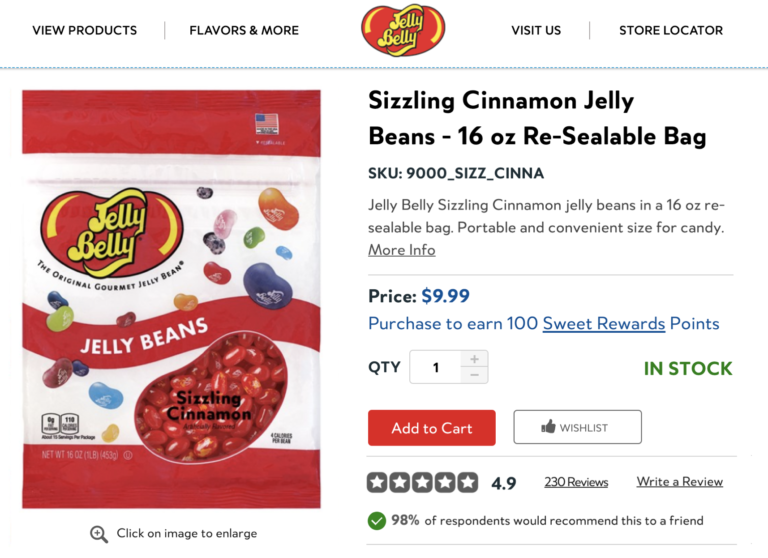
Then, make it as easy as possible for visitors to sort, filter, and search reviews to find relevant content. Including demographic information about reviewers can also make it easier for shoppers to find content written by those with similar characteristics.
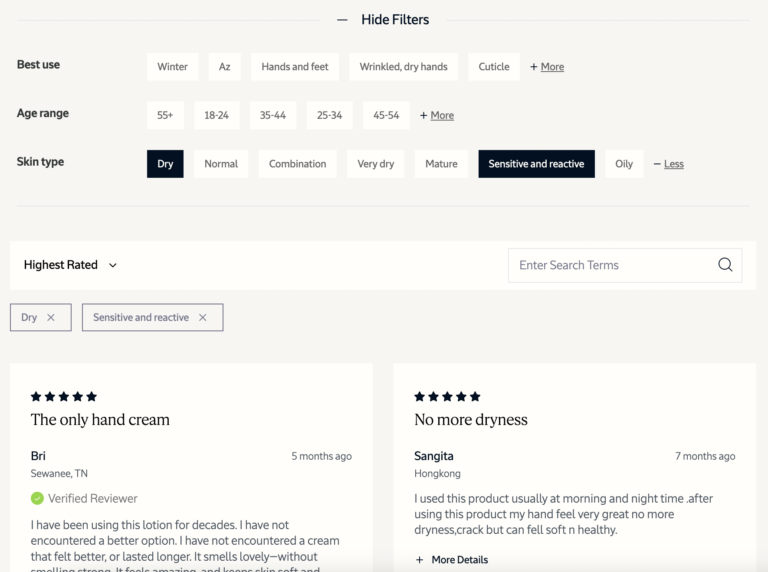
Be sure your Q&A content is also searchable – and that shoppers can easily submit their own questions. After all, Forrester data tells us 55% of US consumers are likely to abandon a purchase if they can’t find a quick answer to a question.
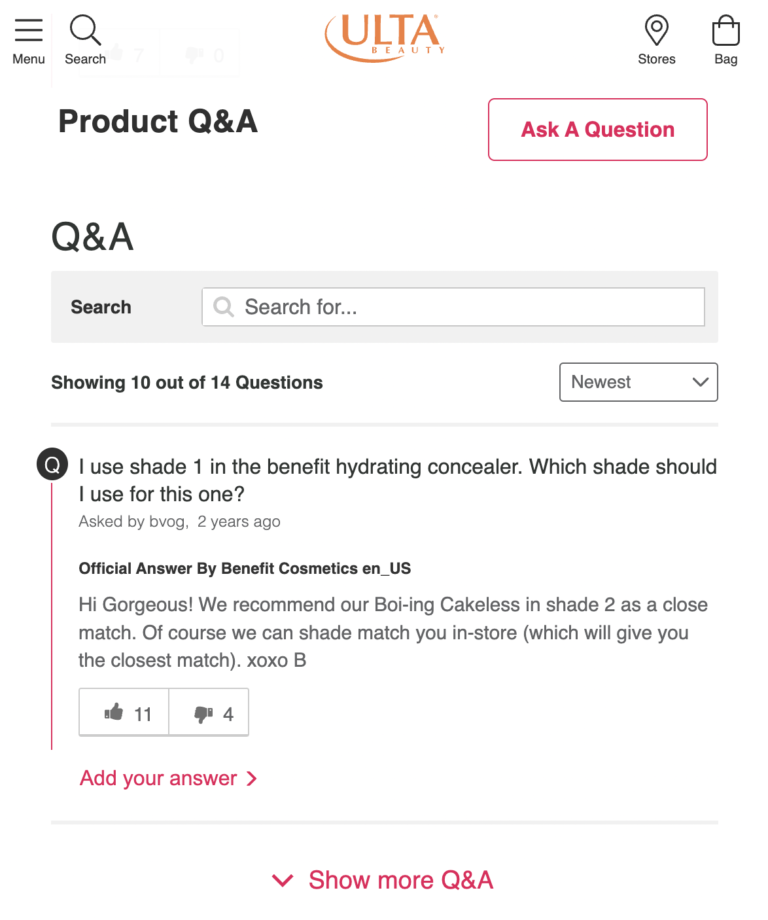
Email campaigns can also help boost shoppers’ confidence – and get them to cross the finish line. This is especially true if those campaigns incorporate certain key elements.
Personalized Product Emails
Research tells us 85% of consumers are more likely to click through a marketing email if it includes timely price discounts or sales promotions. Nearly half (46%) say that the presence of ratings and reviews increases their clickthrough – and 30% say compelling imagery will convince them to learn more.
Personalized, product-specific ads are especially effective at this stage of the funnel – especially if they showcase UGC. For example, a shopper might spend a lot of time on a product page for a specific vacuum cleaner.
They put the item in their cart, but for whatever reason, they don’t purchase it. The brand can push out cart abandonment marketing for this specific product via social media, display ads, or email.
The messaging can remind the shopper they left an item in their basket – and share the item’s average star rating and a snippet of a positive review so the shopper understands why others have purchased the product.
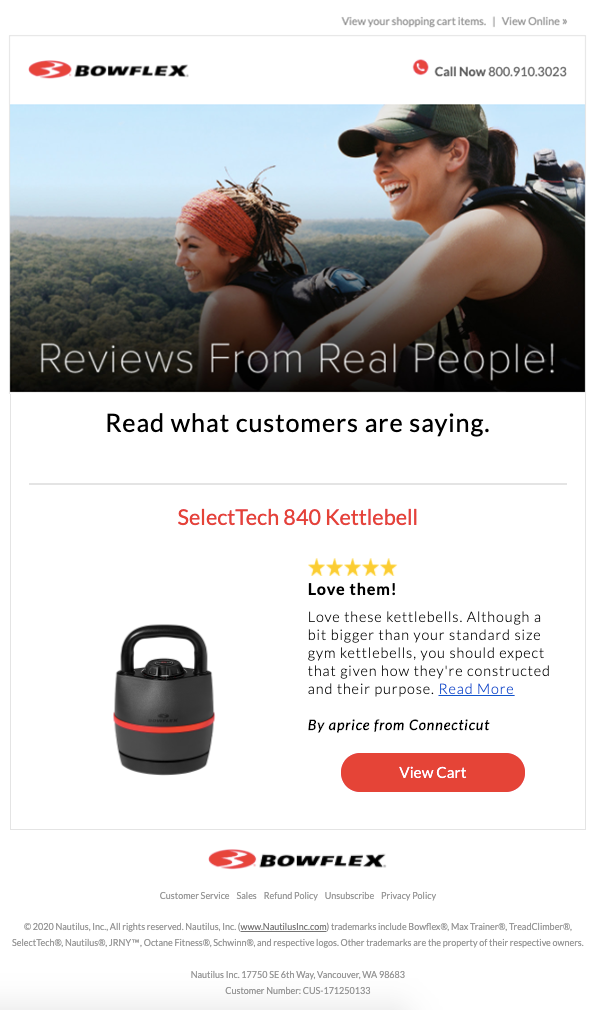
A consumer may have found the perfect product for their needs. But that doesn’t guarantee conversion. It’s essential to boost their confidence and remove any purchase-blocking barriers. UGC is the perfect tool to do just that.
Stage 4: Repeat
A lot of focus, effort and budget is dedicated to attracting and converting shoppers. But the customer journey doesn’t end at conversion.
According to an article for Forbes, acquiring a new customer can cost five to seven times more than retaining an existing one. But retention isn’t exactly easy. According to a Salesforce report, 71% of consumers have switched brands at least once in the past 12 months.
Marketing teams must invest in initiatives that foster loyalty and drive repeat purchases.
For example, brands can leverage digital channels – including social media, display, and email to re-engage those who have made a purchase in the past.
Personalized Repeat Purchase Outreach
Perhaps it’s an email to let them know it’s time to restock a skincare product. Or maybe it’s a social media ad for a complimentary or new product offering.
In both cases, infusing UGC – whether it’s a star rating, an excerpt from a review, or an image submitted by a customer – can capture a customer’s attention and encourage a repeat purchase.
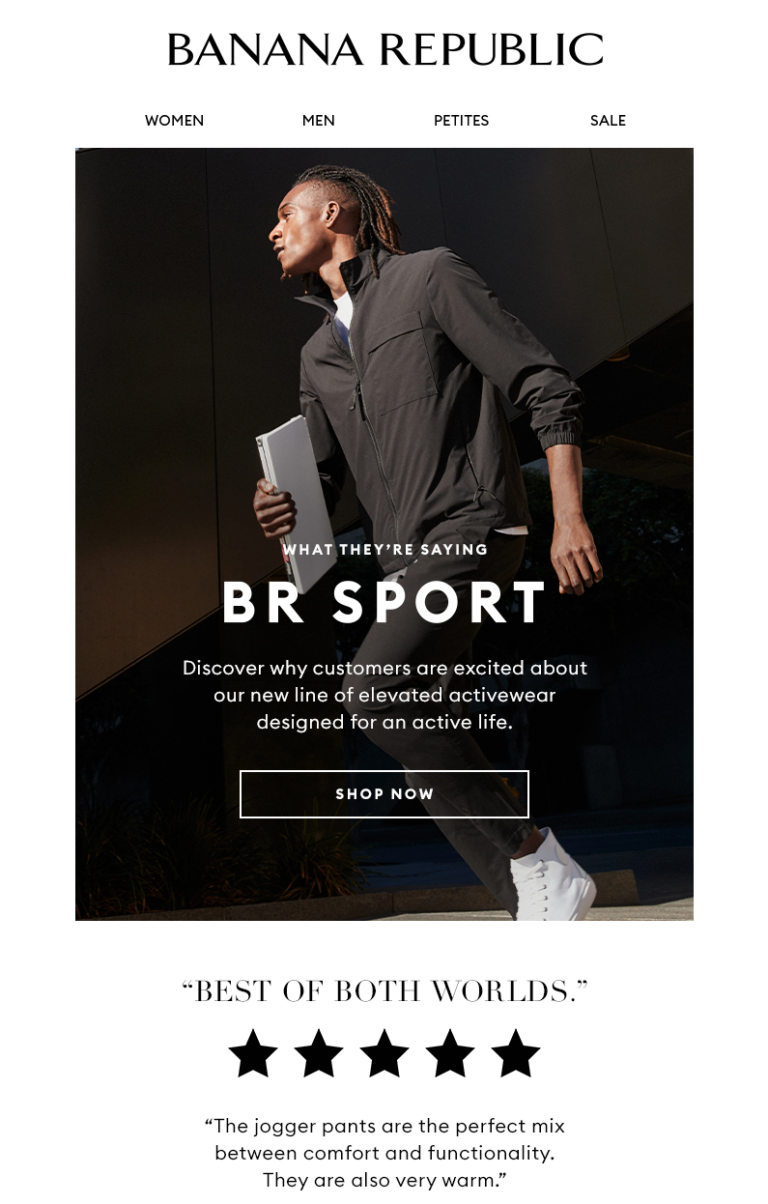
Leverage Reviews To Create Engagement
Another great way to engage shoppers after a purchase is to ask them to submit a review or share their experience on social media. This can be done through automated customer outreach services – as well as through product inserts or social media contests.
Asking for reviews is a great way to engage with shoppers in a way that doesn’t involve directly promoting a specific purchase. When a business asks a customer for a review, the customer feels their feedback (and their business) is valued.
This can strengthen their relationship with the brand and fosters a sense of community. These raving fans are more likely to make another purchase in the future – and create buzz for your brand and its products.
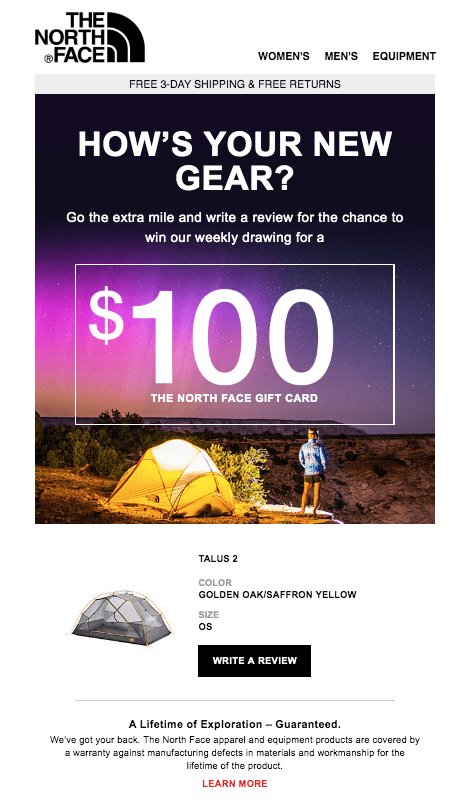
Oftentimes, if a consumer has a positive experience with a brand, they’re willing to tell their family and friends about it. This is especially true if there’s something in it for them, like a coupon or loyalty points. Consider an automated referral tool to encourage your customers to share their experiences with others. This is an effective way to retain an existing customer – and win a new one.
Remember: the funnel doesn’t end when a consumer makes a purchase. Loyalty must be a top focus of any brand. UGC is an effective tool for engaging with shoppers after they’ve made a purchase.
Start Leveraging UGC to Move More Shoppers Through the Funnel
Modern consumers have nearly endless options so the natural temptation is to implement a diverse full funnel marketing strategy. However, unless you have unlimited resources and do not have to worry about ROI, this is unlikely to be the most efficient approach.
Instead, you must have a clear understanding of what affects your customers’ behavior in every stage of the ecommerce funnel. Optimize for impact over any other factor and adjust focus and investment accordingly.
This may seem like stating the obvious but given the sheer volume of options available for reaching prospective customers, it’s natural to want to experiment.
However, user-generated content is proven to have significant power at each funnel stage and should be a core tenant of your marketing strategy.
Ready to see firsthand how PowerReviews can empower your brand to collect, display, and amplify user-generated content that resonates with shoppers in every stage of the funnel? Contact us to schedule your live, personalized demo today.