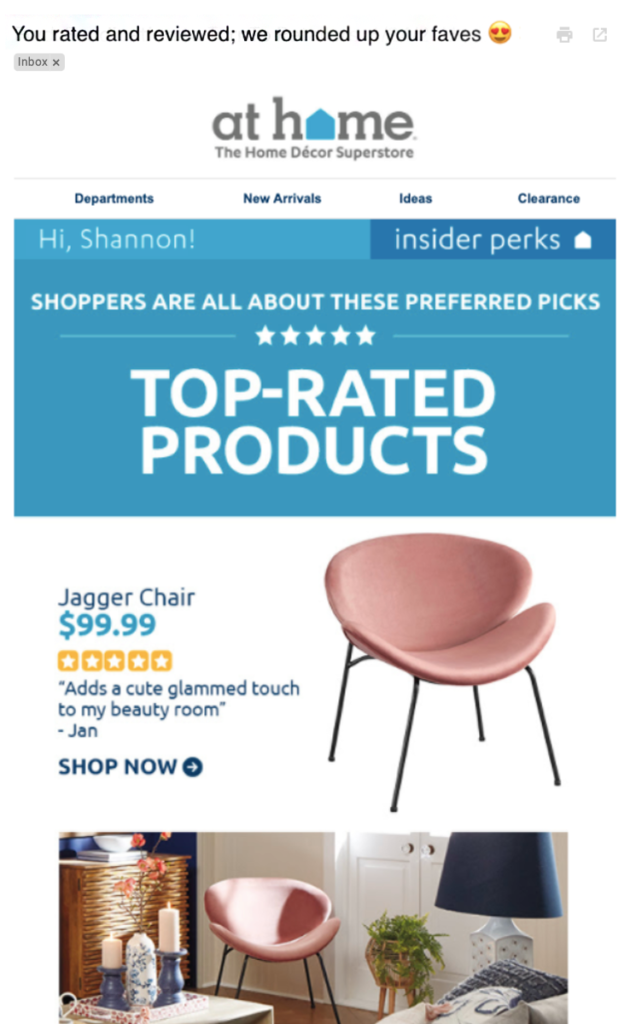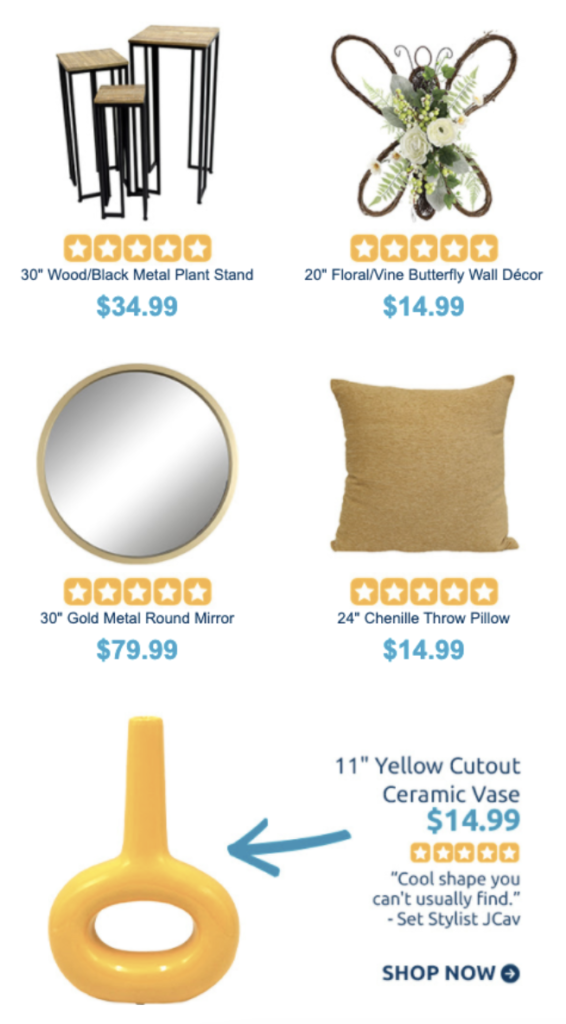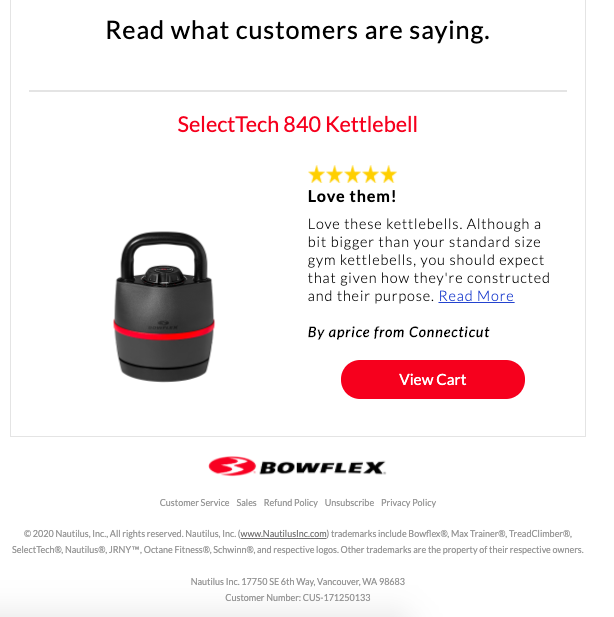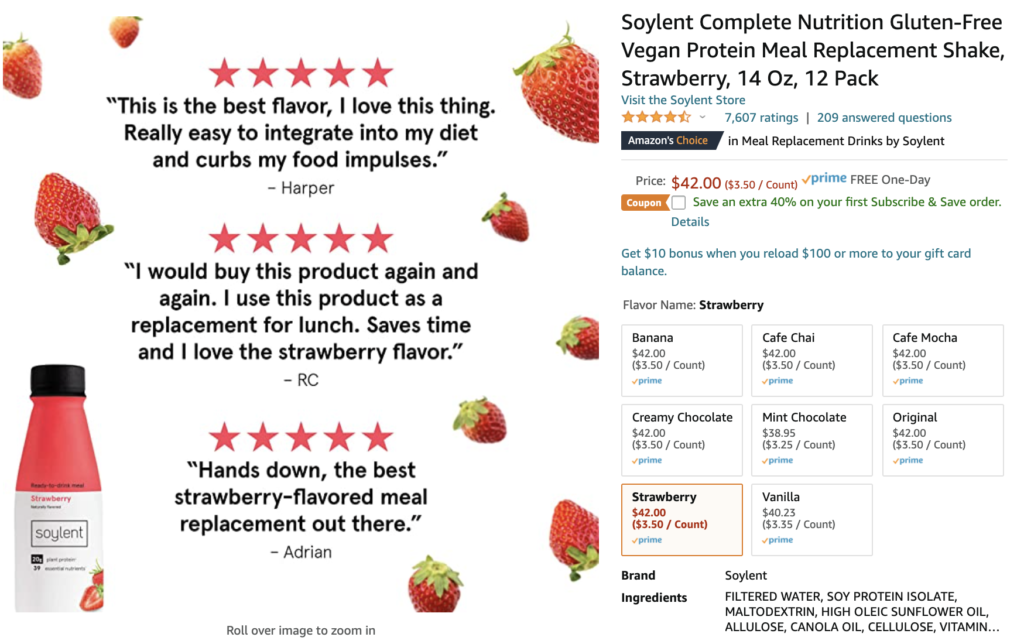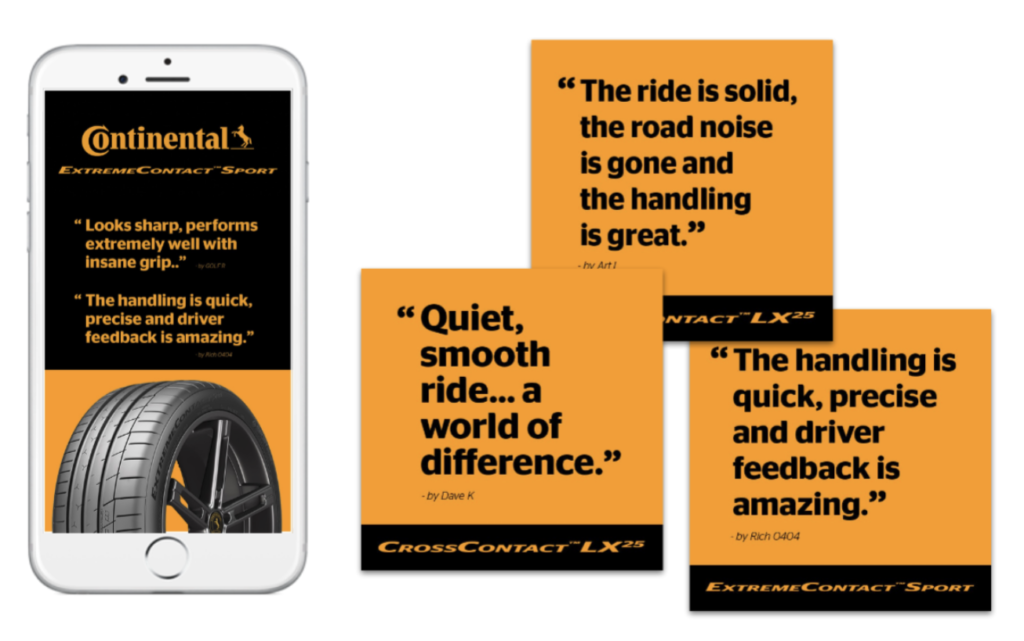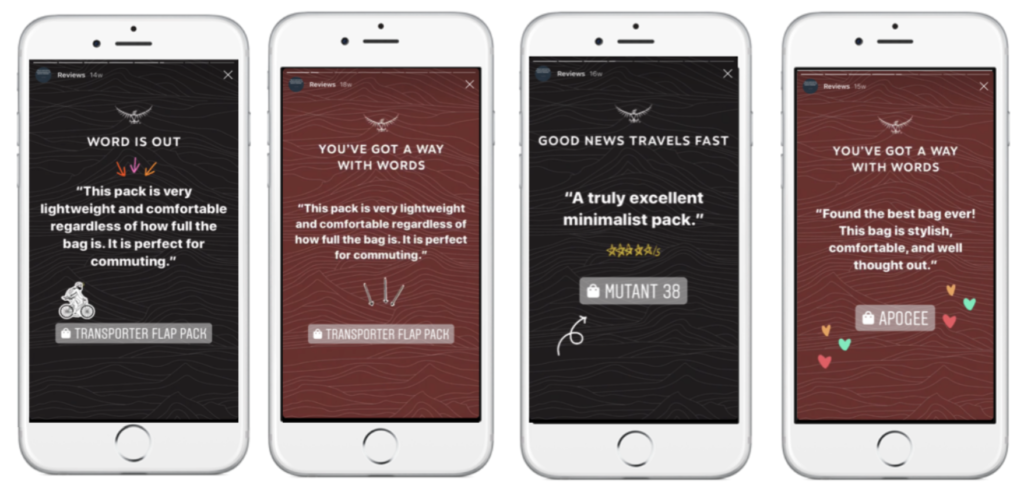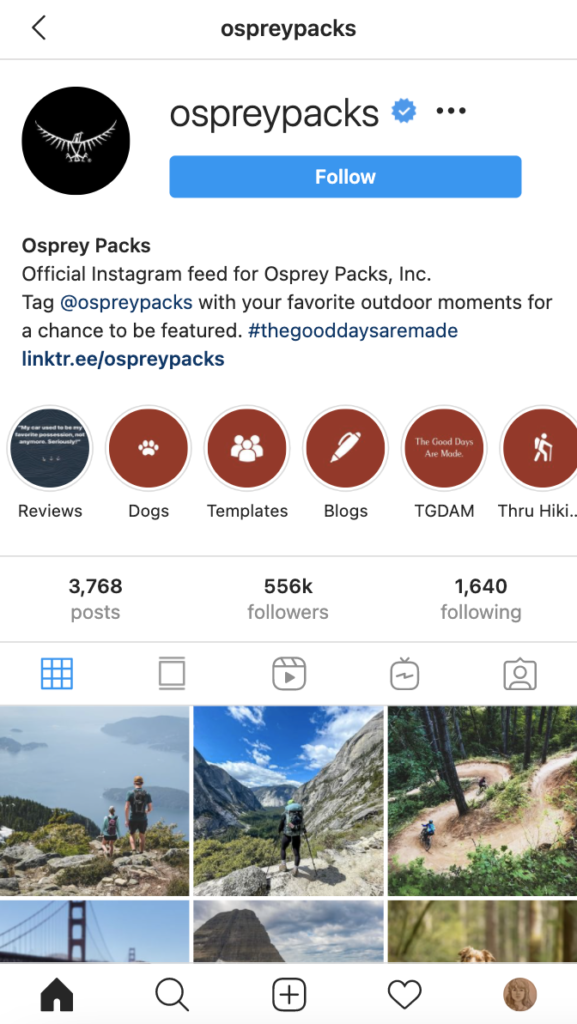
Let’s face it: modern consumers have A LOT of options. That’s the case whether they’re shopping for clothing, groceries, makeup, toys, or just about anything in between.

So once a brand or retailer earns a customer’s trust (and the initial sale), they’ve got to make it a priority to foster loyalty; it’s well worth the effort. As the business adage goes, it costs five times as much to acquire a new customer than it does to retain an existing one. What’s more, according to Microsoft, loyal customers are five times more likely to repurchase, five times more likely to forgive a mistake, and four times more likely to refer a family member or friend. 

Many brands and retailers have developed loyalty or rewards programs to foster relationships with customers — and drive repeat purchases. And, when done well, these programs can drive some impressive bottom-line results. Per a Bond report, 79% of consumers indicate that loyalty programs increase their likelihood of doing business with a brand. And 73% say that they’re more likely to recommend a brand with a good loyalty program.

But there’s one (often overlooked) way brands can increase the impact of their loyalty programs. That’s by incorporating user-generated content (UGC) like ratings and reviews, photos and videos into their existing loyalty programs. 

Let’s explore why brands should incorporate UGC into their existing loyalty programs — and how to go about doing it. 

Loyalty and UGC: A Match Made in Heaven

According to a report from Accenture, more than 90% of companies have some form of customer engagement or loyalty program. For brands and retailers, these loyalty programs are typically based on transactions. For example, Ulta, a beauty retailer, awards one point for every dollar spent. And once the shopper accumulates a certain number of points, they can redeem them to receive a certain number of dollars off a future transaction. 

It makes perfect sense to award points for transactions. After all, the ultimate goal of any rewards program is to drive repeat sales. But transactions aren’t the only way to engage with shoppers.

Today, a growing number of brands integrate UGC into their loyalty programs, rewarding consumers for submitting reviews, photos, videos, and other content. Doing so is a great way to engage with shoppers beyond monetary transactions. And these engagements are an effective way to foster authentic relationships with customers — and long-term loyalty.

Incorporating UGC into loyalty programs gives consumers opportunities to engage with a beloved brand in a way that doesn’t involve a purchase. What’s more, these consumers see firsthand that the brand values and appreciates their feedback and UGC contributions — which deepens their emotional connection to it. And of course, getting loyalty points to redeem with a favorite brand is always appreciated.

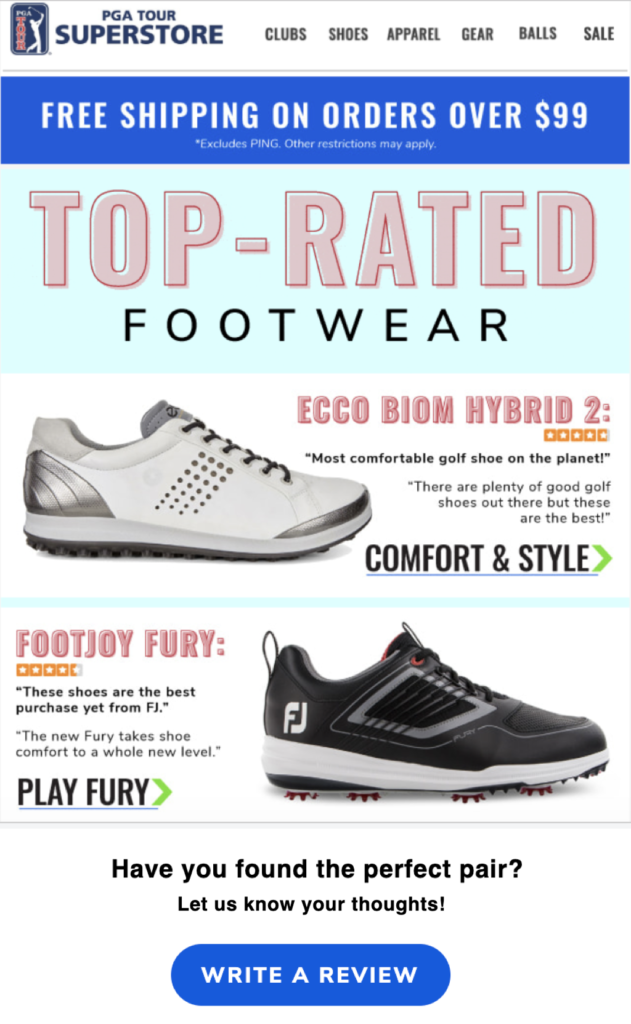
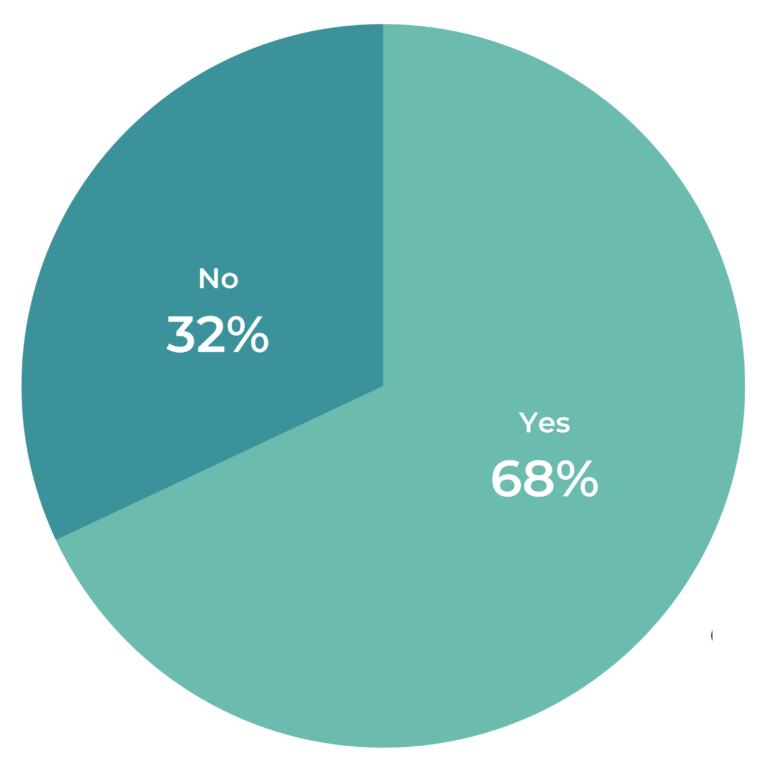
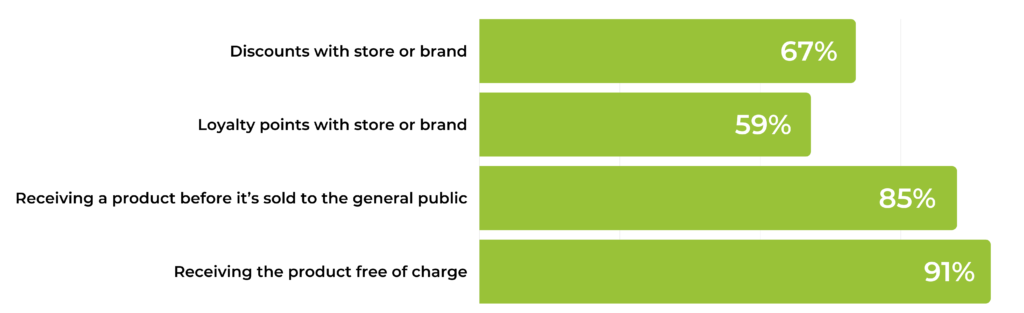
Of course, rewarding consumers for their contributions of reviews, photos and videos also benefits brands. Perhaps the most obvious benefit is that it helps the brand collect a higher volume of user-generated content. According to a recent survey, over half (59%) of consumers indicated they’d be motivated to write reviews if they received loyalty points in exchange. 

Incentives leading to review submission
The user-generated content submitted by loyalty program customers has the power to positively impact the purchase behavior of future shoppers. In fact, our recent research found that ratings and reviews have become the most influential factor impacting purchase decisions — even above price.

What’s more, an analysis of 1.5MM online product pages from more than 1,200 brand and retailer sites found that there’s a 120.3% increase in conversion when a shopper engages with ratings and reviews on a product page. And there’s a 91.4% lift when a visitor interacts with user-generated photos and videos on a product page.

Combining UGC with a loyalty program also gives brands the opportunity to strengthen relationships with existing customers. This will increase loyalty — and repeat sales. 

A Simple Framework for Incorporating UGC Into Your Loyalty Program

Clearly, incorporating UGC with an existing loyalty program is a win-win for consumers and brands alike. But doing so can seem overwhelming when you’re not sure where to start.

Here’s a simple framework for incorporating UGC into your brand’s existing loyalty program to get you started. 

Determine Which Types of UGC Will Earn Loyalty Points 

You’ve made the decision to incorporate UGC into your loyalty program. The next step is to determine what types of UGC will earn points for customers in your loyalty program. To do this, you’ll need to consider which types of UGC are most valuable for your brand. 

For example, let’s say you’re a cosmetics brand. You regularly analyze the impact of UGC on conversion and have noticed that site visitors who interact with the following types of UGC convert at a rate that’s significantly higher than average:

  • Ratings and reviews
  • User-submitted photos
  • User-submitted videos

In order to generate more of this conversion-boosting content, you decide to award points for submission of these types of content. 

You also know that beauty shoppers turn to social media sites like Instagram for inspiration. So you decide it also makes sense to reward points to those who post photos and videos of your products (and tag your brand) on Instagram (if you use them in your own marketing).

Specify Quantity of Points Awarded for Each Action

Once you’ve decided which types of UGC submissions will be eligible for loyalty points, you’ve got to determine how many points each submission is worth. In order to determine the appropriate value, you’ll need to consider the value of the type of UGC to your brand as well as the level of effort required from the shopper. 

For example, you might decide on the following points structure.

UGC TypeNumber of Loyalty Points Awarded
Ratings and review submission10
Native photo submission15
Native video submission15
Instagram post with brand tagged20
Providing an approved response to a question from a fellow customer20

It’s important to strike the right balance between offering an incentive that’ll entice customers to submit content — while still ensuring that the resulting content is authentic. 

You may also want to consider setting a limit on the number of points a loyalty program member can earn by submitting UGC. For example, you might determine that your customers can earn a maximum of 100 points per calendar year by submitting UGC. That helps ensure customers aren’t submitting a high volume of low quality content just to get points.

Promote Your Enhanced Loyalty Program to Current and Prospective Members 

Your loyalty program members probably know that they receive points for purchases — as well as bonuses for things like birthdays and membership anniversaries. Be sure they also know that they have the opportunity to earn points for submitting UGC.

Send out an email communication to your existing loyalty program members to let them know they can now earn points by submitting UGC — as well as how to do so. And when you send post purchase emails to your loyal customers, make it clear that they can earn rewards for their content contributions. 

In addition, use the fact that you’ve incorporated UGC into your loyalty program as a selling point to get new members to sign up. You can promote this through a number of different channels, including (but not limited to):

  • Your website
  • Email campaigns
  • Paid and organic social media posts
  • In-store signage
  • Your store associates

Collect and Display UGC

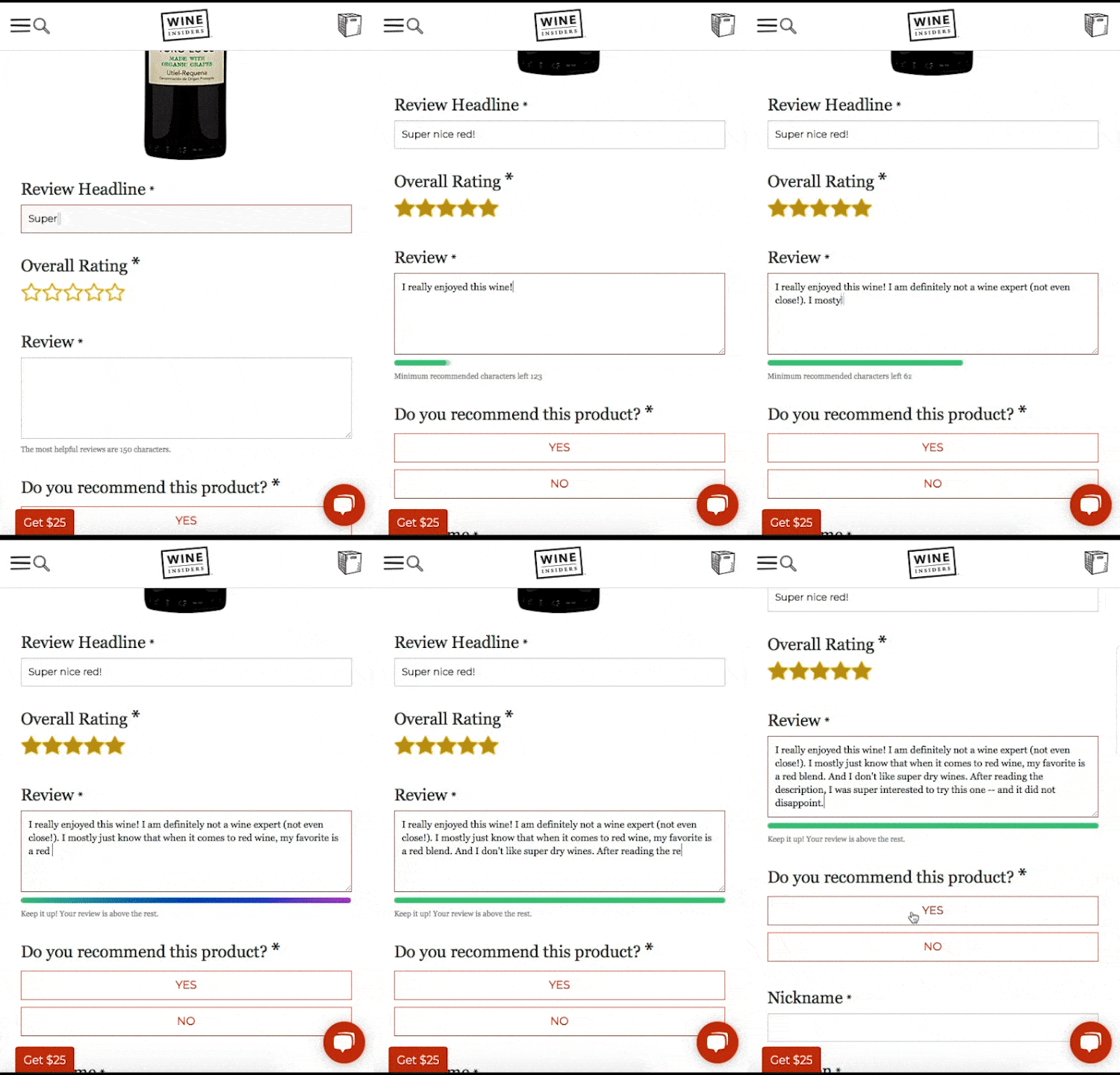
The promise of earning loyalty points is enough to make a lot of customers start the UGC submission process. But if they run into any problems while submitting their reviews, photos or videos, they’re likely to abandon the process altogether.

So be sure the entire UGC submission process is quick and easy — and can be completed from any device.  

Once you’ve collected content,  it’s time to display your UGC front and center. Doing so shows the content submitter that you appreciate and value their feedback and content — which boosts positive sentiment and loyalty. And, it makes it easy for future shoppers to find the content they need to make informed, confident purchase decisions.

Remember: when it comes to incentivized reviews, transparency is key. Be sure to display a badge or some small text (such as “Reviewed in exchange for loyalty points”) so it’s clear that the customer received an incentive for their contributions. 

Reward Points to Those Who Submit UGC

Once a shopper has submitted a piece of content (and that content has been displayed), make sure they’re awarded the appropriate number of points. The points they earn from UGC submissions should be reflected in their total points as soon as possible to avoid unnecessary confusion and inquiries.

Streamline the Process with the Right Technology Partners

Incorporating UGC into your loyalty program is an effective way to generate more content and foster loyalty with shoppers. But regularly tracking content submissions and assigning and totalling points for submitting content can be a manual, time consuming process leaving a lot of room for error.

A better approach is to streamline the process by partnering with the right ratings and reviews and loyalty program platforms. Ideally, these two technologies should integrate with each other to make for a simple, seamless program.

For example, our fictitious beauty brand might opt to partner with PowerReviews, a best-in-class UGC platform — with a best-in-class customer loyalty platform like Zinrelo (like our friends at Jelly Belly do), Annex Cloud or Lootly. Because we can integrate these platforms via API, it’s easy to streamline the entire program.

Measure Continuously and Optimize Accordingly 

You’ve successfully incorporated UGC into your loyalty program. But that doesn’t mean you should put it on autopilot from here on out. Instead, be sure to regularly measure performance to understand which parts of your program are working well — and which aren’t. Then, use that data to make optimizations to improve performance.

The right UGC and loyalty platforms will provide you with all of the data you need to understand performance — and make meaningful, impactful optimizations that’ll drive business results. So be sure to ask about the capabilities of any providers you’re considering.

Boost the Impact of Your Loyalty Program with UGC  

It’s less expensive to retain an existing customer than to acquire a new one. So fostering loyalty must be a top priority.

Loyalty programs are an important way for brands and retailers to build lasting relationships with shoppers that lead to greater lifetime value. Incorporating UGC into these programs makes them even more effective — and helps drive bottom line results.
Mallie Keller

Partnerships Manager by day, avid Bravo TV and Sauvignon Blanc enthusiast by night. Mallie is responsible for building, maintaining, and managing long-term relationships with current and prospective partners in User-Generated Content (UGC).

Power Points

  • When collecting and displaying reviews, financial services companies have to be more thoughtful of industry regulations and privacy laws.

  • Despite these limitations, financial services companies have a number of creative options for collecting, displaying, and leveraging reviews throughout their marketing.

  • With strategic use of ratings and reviews, financial services brands can boost traffic, increase engagement, and convert more customers.

In financial services, marketers have unique limitations on how they can promote their services to clients and leverage user-generated content while still staying on the right side of privacy laws and industry regulations. 

Consider the following:

  • Customers who interact with ratings and reviews are 120% more likely to convert than those who don’t. 

  • Reviews have the single-highest impact on whether a customer decides to convert, even more so than price and brand. 

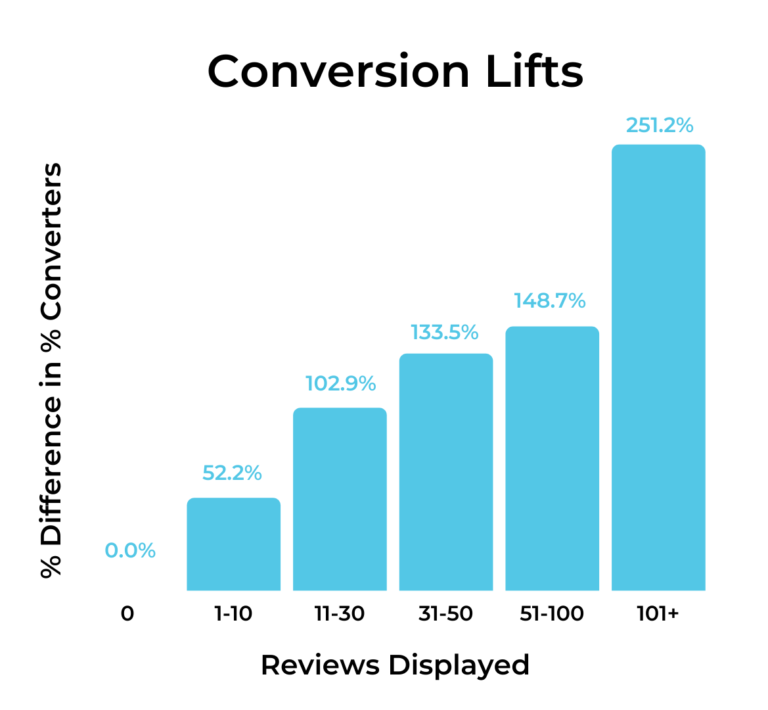
  • With more reviews, comes more conversions. Pages with just a single review experience a 52% conversion lift compared to a page with no review. Pages with over 100 reviews experience a 251% conversion lift.

Clearly, reviews are important for driving desired outcomes online and especially in ecommerce— but you already knew that. But how can YOU – as a financial services company – leverage this content?

Read on as we share ideas and best practices for financial services companies to collect, display, and leverage reviews throughout their marketing.

Collecting Reviews

To enjoy the benefits of reviews, you first need to collect them. Here are three proven tactics financial services companies can use to generate reviews.

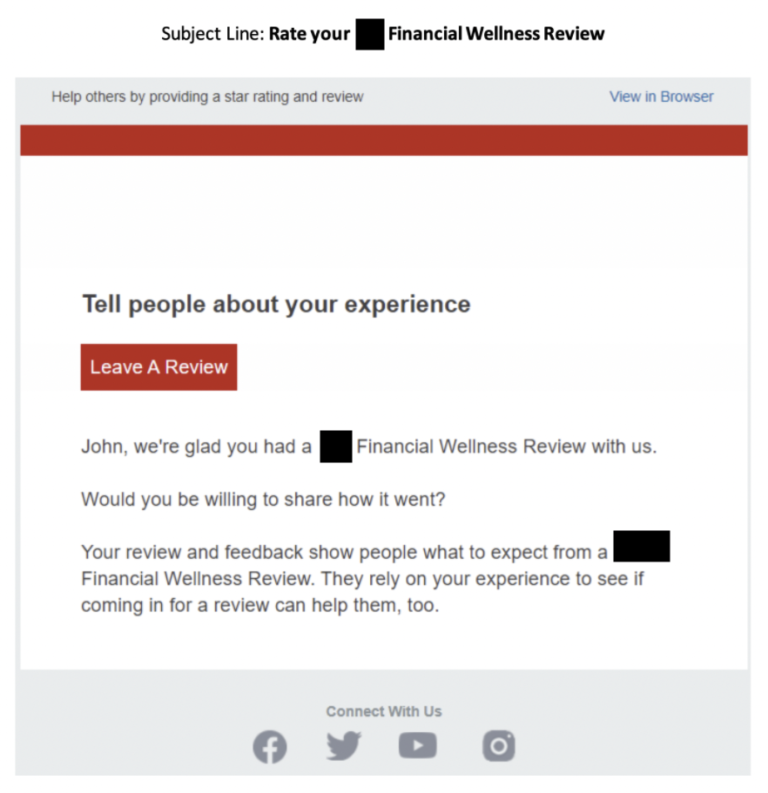
1. Request reviews via email

Between 60% to 90% of all reviews come from an email request. Email is the singlehanded best way to collect reviews from customers.

All you need is a simple branded email with a CTA to leave a review. Encourage customers to share their experience to help future customers.

Emailing customers a review request can lift your review volumes instantly, and significantly — one PowerReviews customer saw a 1,000% increase in review collection within a month of implementing email requests.

2. Ask for reviews at key customer touchpoints

The feedback people share in a review can provide valuable insights for your company. Send out an email with a link to your review form after customers:

  • Meet with an account representative
  • Open a new account or loan
  • Open a new credit card
  • Complete an application online
  • Visit one of your banking centers

3. Customize your review form

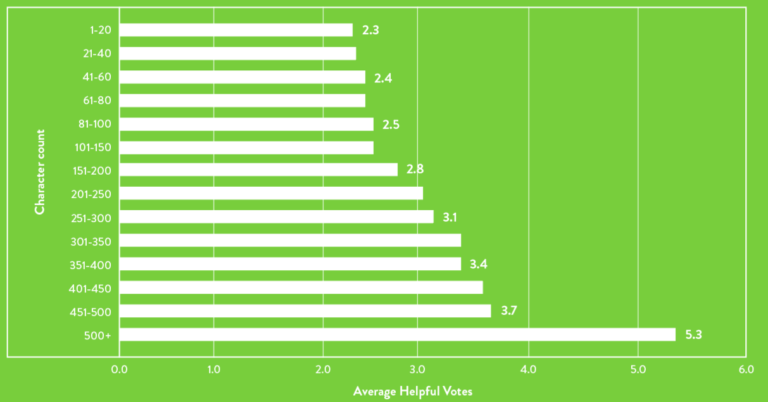
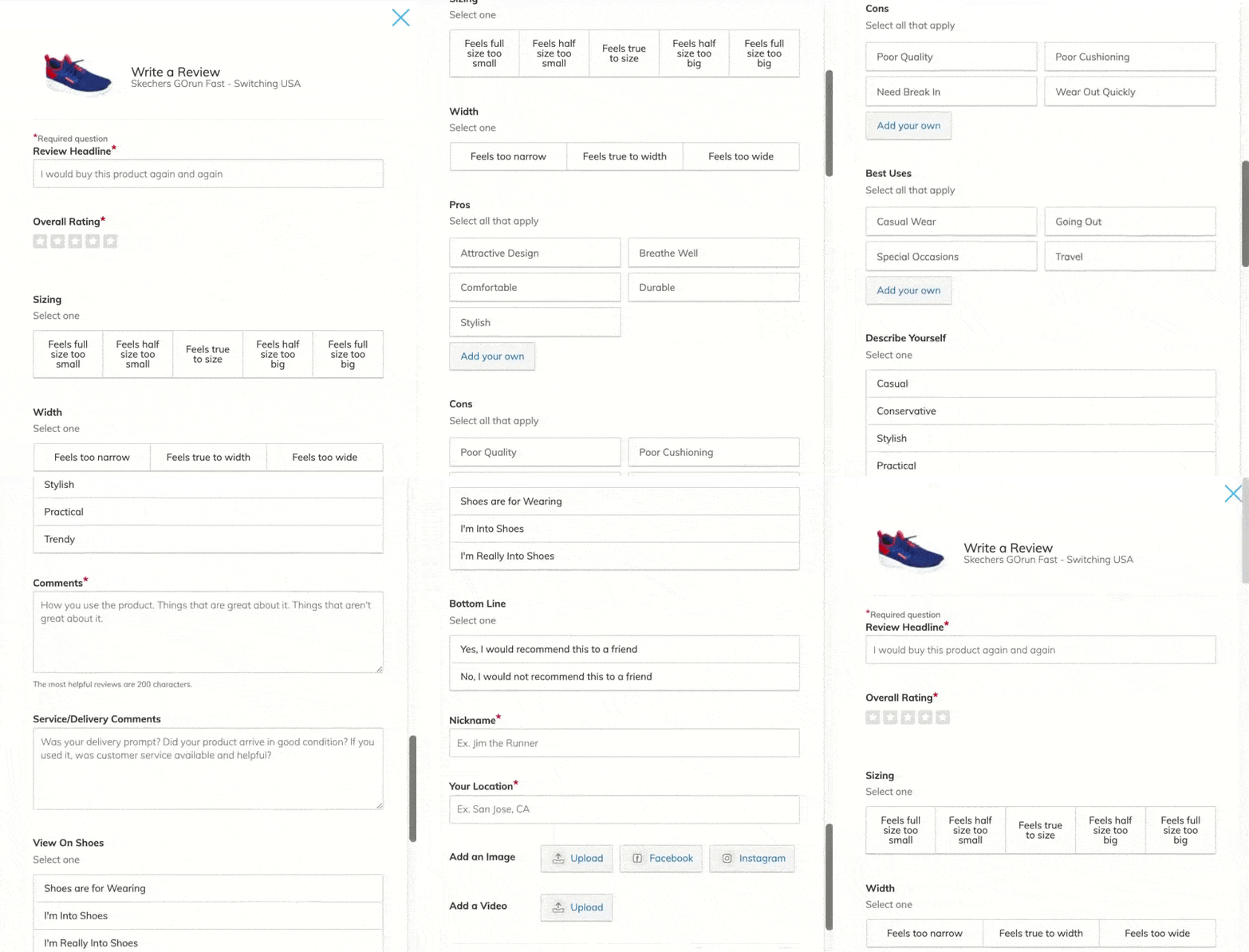
Reviews are unlikely to be one-size-fits-all. Consider what customizations you can make to the standard review form to make the information more useful for potential customers — and make it easier for people to write a more detailed review. Our research shows longer reviews receive more engagement:

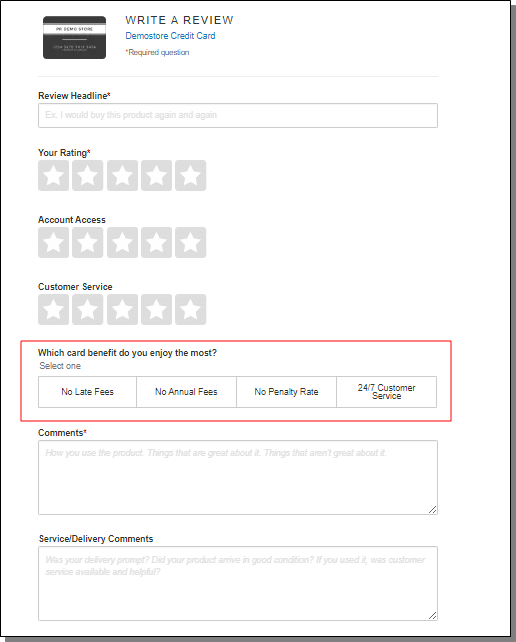
For example, you might ask reviewers to provide ratings for your banking app or customer service team, in addition to an overall rating. You could also ask them to pick their favorite benefit offered by your credit card, banking account, or insurance policy:

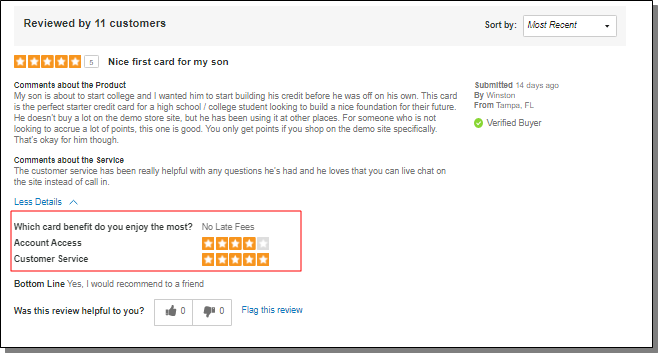
Then, on your Review Display front-of-site, this additional information can appear alongside their review, giving site visitors and potential customers more information to consider. 

Displaying Reviews

Future customers want to know what it’s like to work with your customer service agents, or get approved for a home loan or credit card. Give them the inside scoop with these creative ideas for displaying reviews.

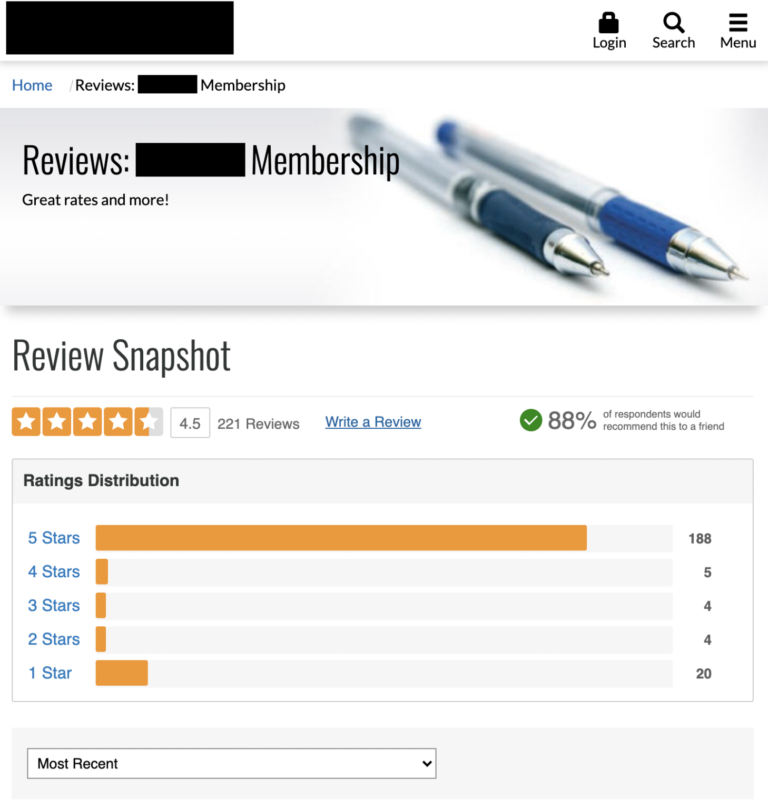
4. Include star ratings on product landing pages

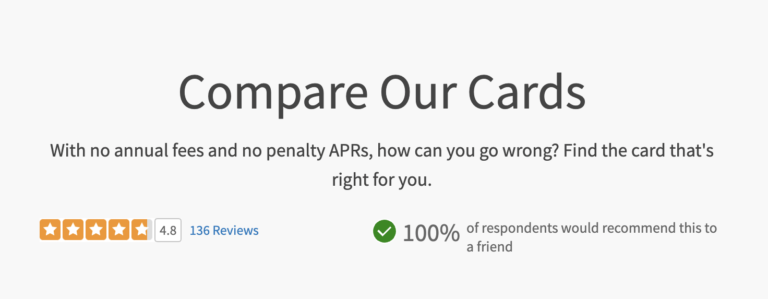
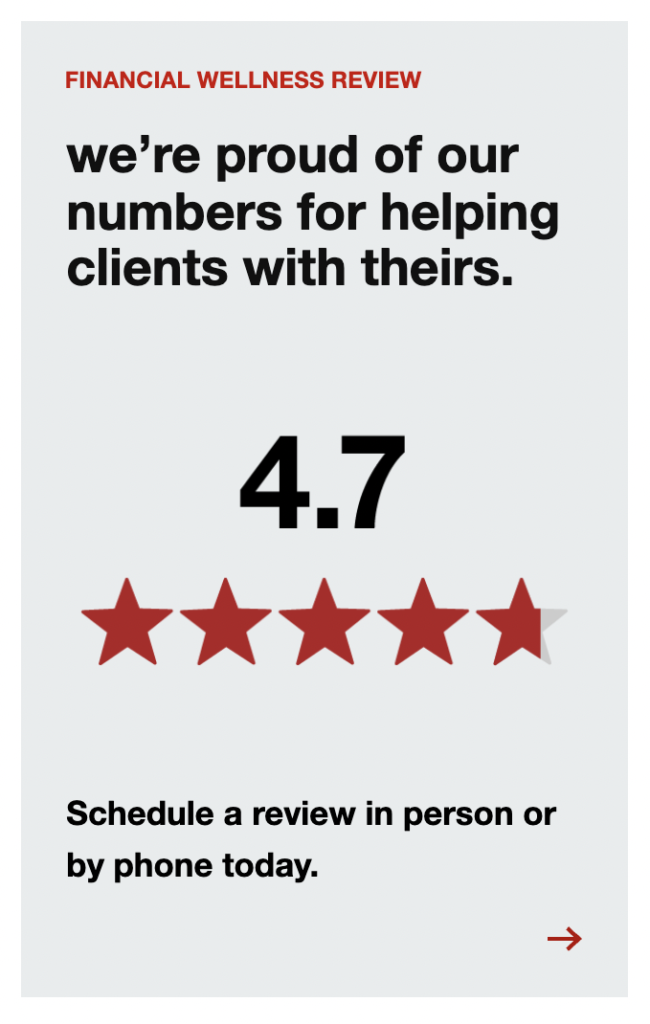
Build consumer trust instantly by featuring overall star ratings and review count at the top of your product landing pages. You can also include a stat of how many people would recommend your product or service to a friend:

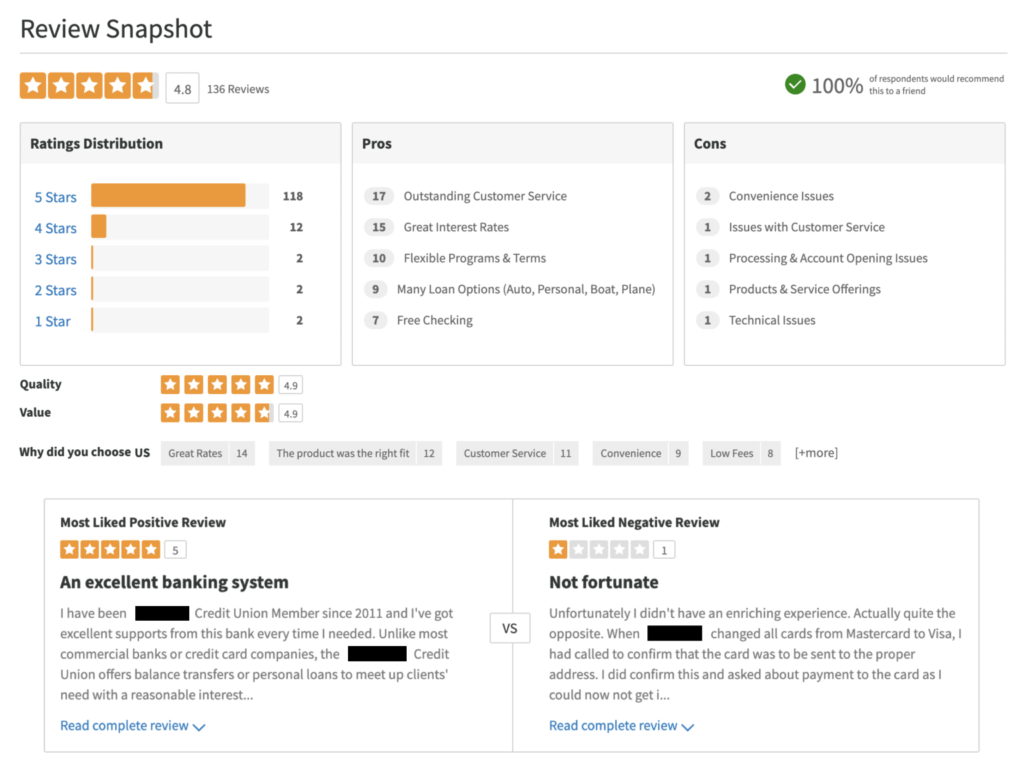
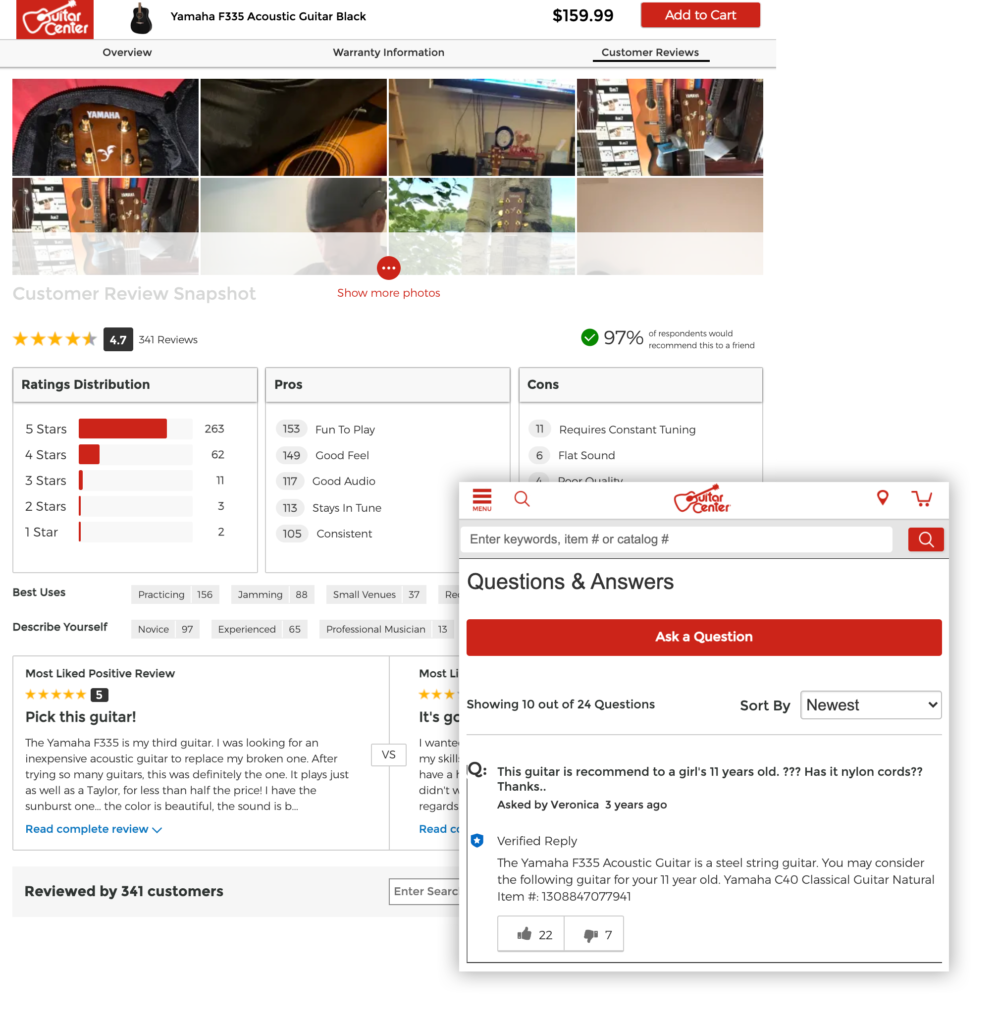
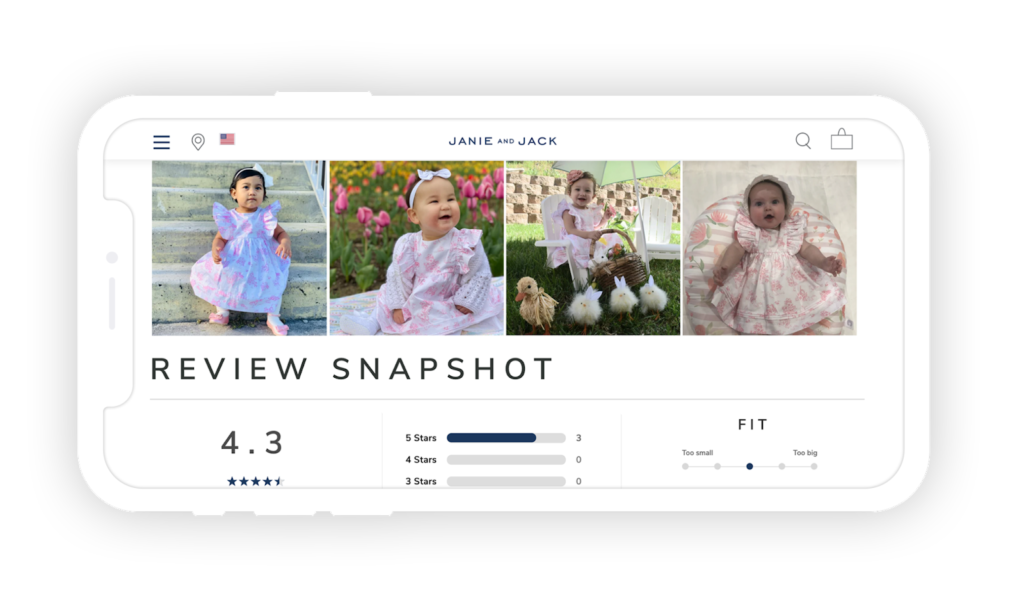
5. Include a review snapshot

At the bottom of your service landing page, you can display all your reviews. Make the information easy to consume by including a Review Snapshot at the top. This includes:

  • Overall star rating
  • Overall review count
  • Ratings distribution
  • Pros
  • Cons
  • Most liked positive and negative review

This kind of transparency builds trust with consumers. Even the Cons list, which features common customer complaints about credit cards, reassures customers by showing the small number of reviewers who listed it as a con. 

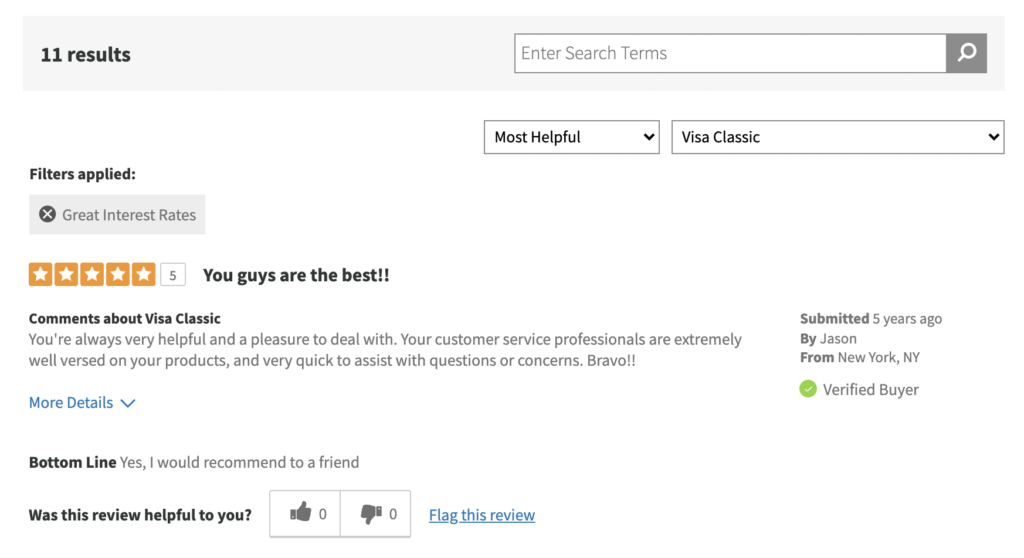
6. Add search and filter functionality to your reviews

The Review Snapshot gives customers all the info they need at a glance. But any financial decision, whether it’s opening a new checking account or applying for a car loan, requires careful consideration. Make the research process easier for customers by letting them search and filter to find reviews from people like them, who share similar pain points.

For example, with the PowerReviews Review Display, the tags in the Pros and Cons lists are all searchable, so customers can simply click one to see all the reviews that mention “Great Interest Rates.” 

You can also let people enter their own search terms, like “phone support,” to find what they need. Finally, invite customers to filter to see only reviews from those who opened the same credit card or loan product that they’re considering.

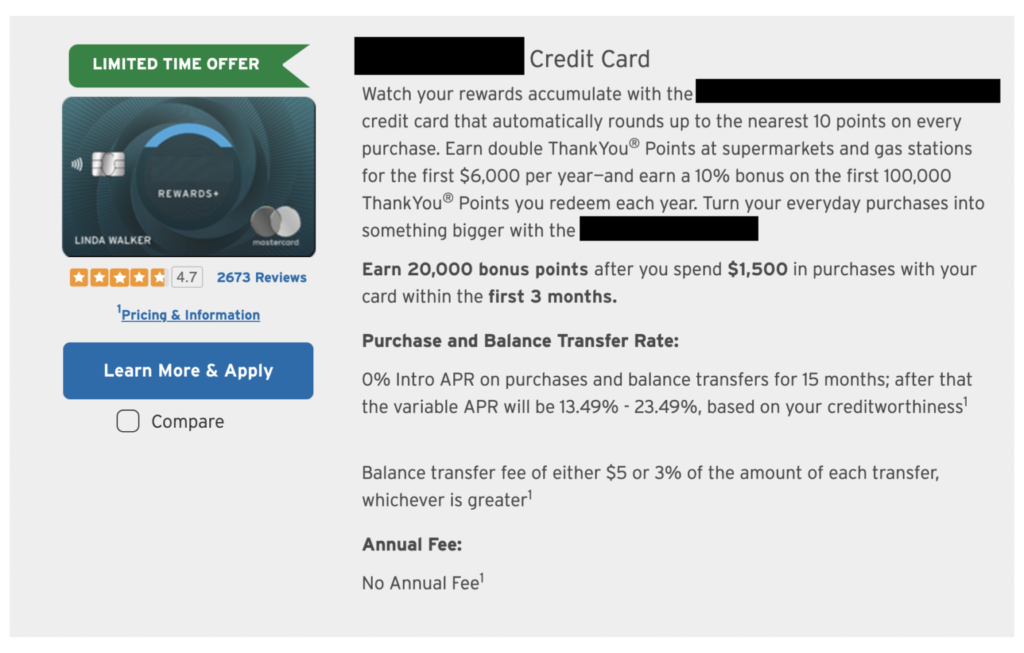
7. Include star ratings on category pages

If you offer multiple credit cards or coverage options, consider adding reviews to your category landing pages. These review snippets share a key message instantly: customers can trust your products. 

A high star rating, combined with a high review count, conveys to customers that dozens, hundreds, or even thousands of people like them have had a positive experience. 

8. Create a separate page just for reviews

Want to use reviews in an email or advertising campaign? Set up a dedicated landing page that features your reviews. 

Leveraging Reviews

Reviews don’t have to be siloed to your landing pages. Here are seven ways financial services brands can leverage reviews across their website, SEO, social media, and other channels.

9. Use reviews as customer testimonials on your homepage

Adding reviews to your homepage can boost consumer confidence in your service. 

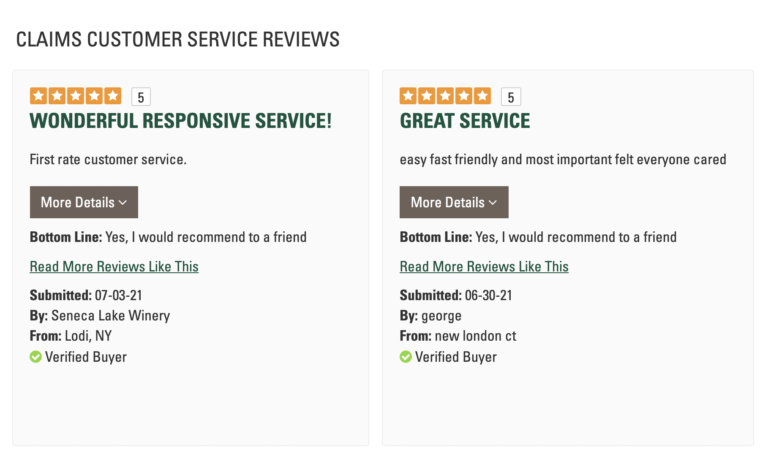
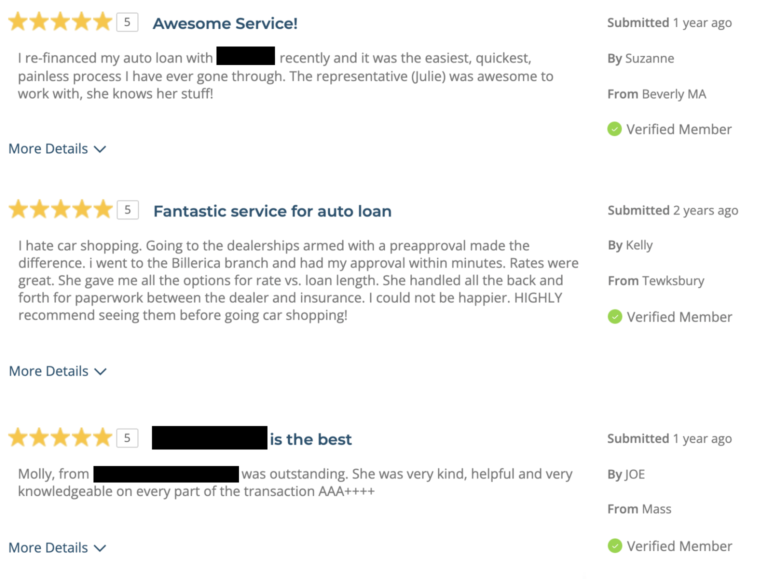
You can even curate reviews related to a specific customer pain point. For example, an insurance provider may showcase reviews of their customer service and claims process on the homepage, relieving concerns about the speed of the process:

10. Syndicate your reviews

It’s common for retail brands to syndicate their reviews to all of their third-party sellers. If your insurance agents and partners operate their own websites, you can do the same. Syndicate reviews you collect on your website to those of the individual agents mentioned in the review. 

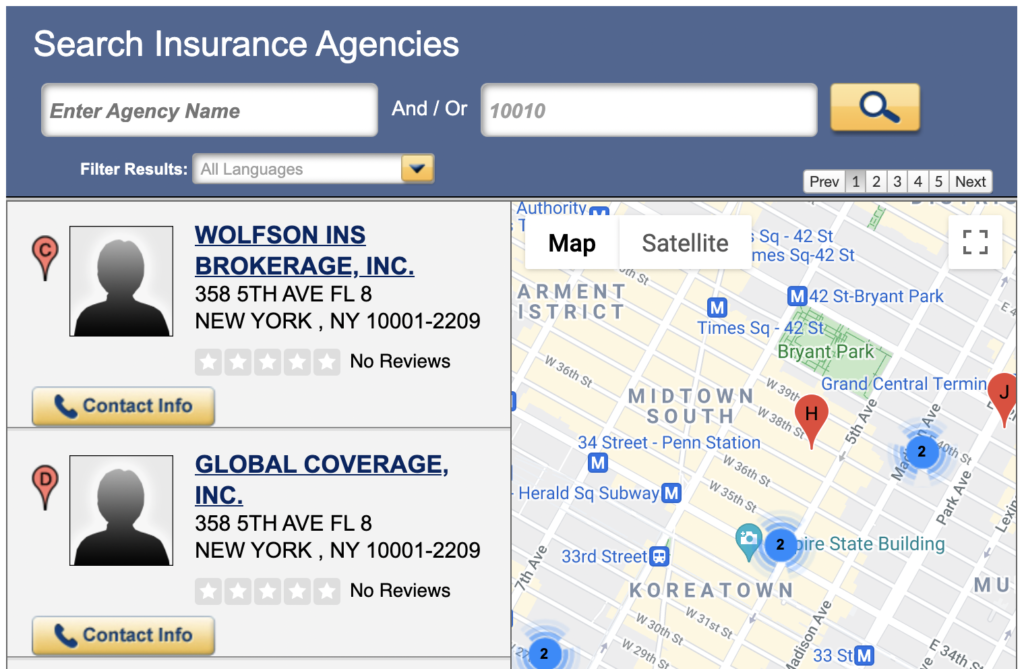
You can also feature review ratings in a provider locator tool, if you collect reviews on individual agents or office locations. Learn more about review syndication here.

11. Boost your SEO

When brands add reviews to their product page, they enjoy an average traffic increase of 108%. By adding reviews to your service landing pages, you (by way of your reviewers) provide Google with a fresh stream of keyword-rich content related to your service.

For example, a car loans page will have reviews that include keywords like “better rate,” “refinancing,” “vehicle,” “online auto loan application,” and more.

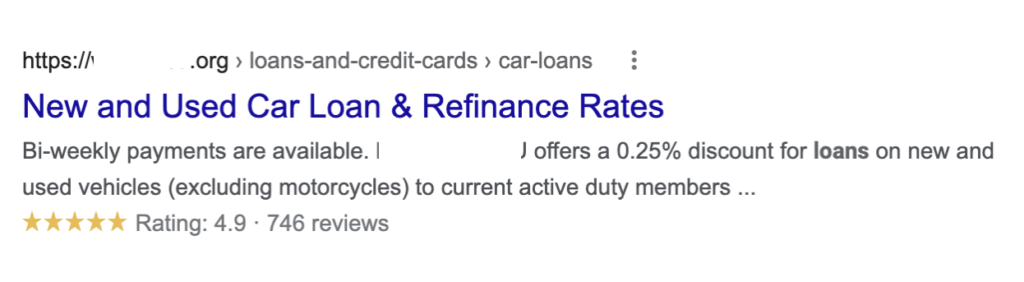
You can also enable product schema for these pages, which adds star ratings to your Google results. These stars help your website stand out in the search results, which leads to increased traffic.

12. Highlight reviews on social media

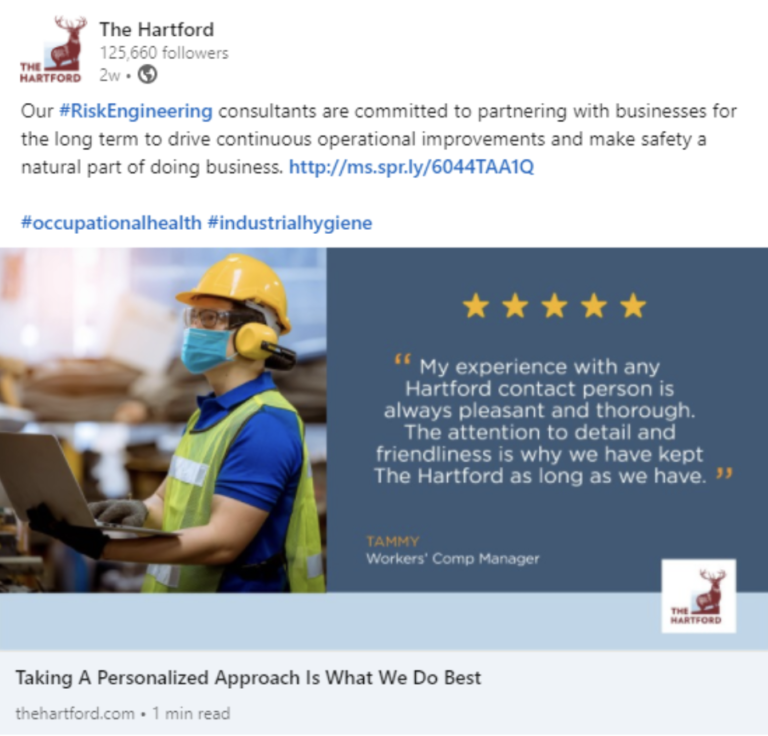
Is your social media team running into writer’s block? Encourage them to use reviews to create custom graphics. They’ll never run out of content again!

13. Use reviews to amplify hiring efforts

Reviews can even help out your HR team. By showcasing positive reviews on your Careers page, you can help job applicants get inspired to work for a company that makes a difference.

14. Feature reviews in your TV commercials and other media

Reviews can also be used to make your television commercials more impactful. Include an overall star rating, approval score, or short phrases from positive reviews.

Analyzing Reviews

Ready to power up your reviews? Analyze them. By analyzing your reviews, you can discover insights that apply to other parts of your business, from marketing operations to customer support.

15. Use reviews as keyword research

With PowerReviews Review Search Reporting, you can see the specific search terms people are looking for in your reviews. These often suggest key customer concerns and pain points, which you can address by including them in the rest of your marketing materials.

For example, if keywords like “roadside” or “roadside assistance” keep coming up for an auto insurance provider, they may want to speak to those benefits in more detail on their product page.

16. Gauge customer sentiment

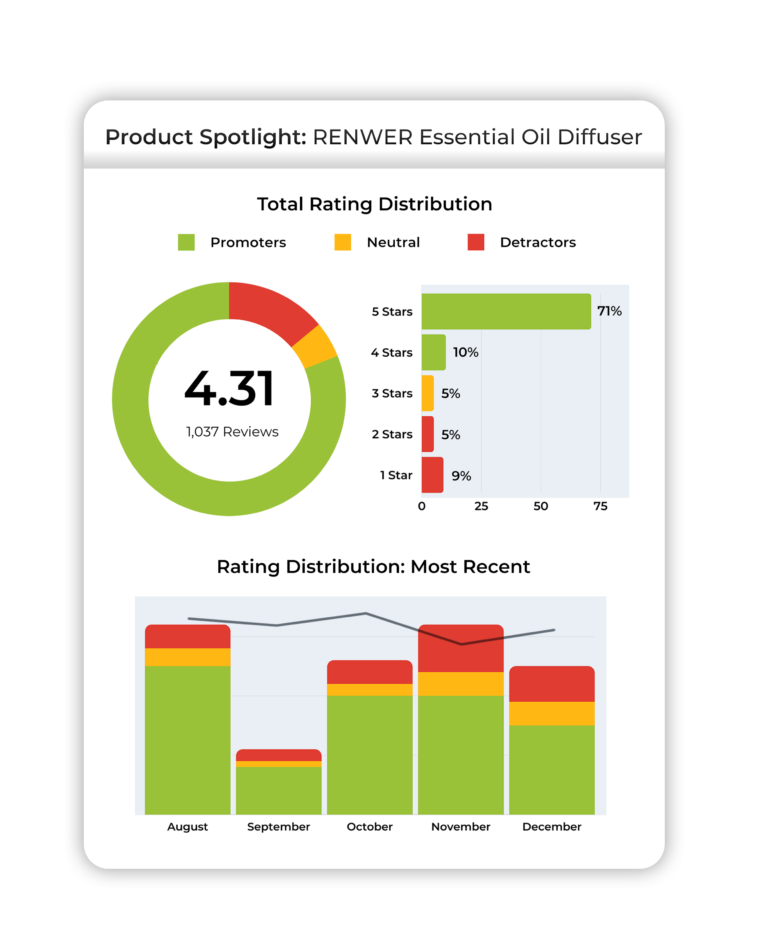
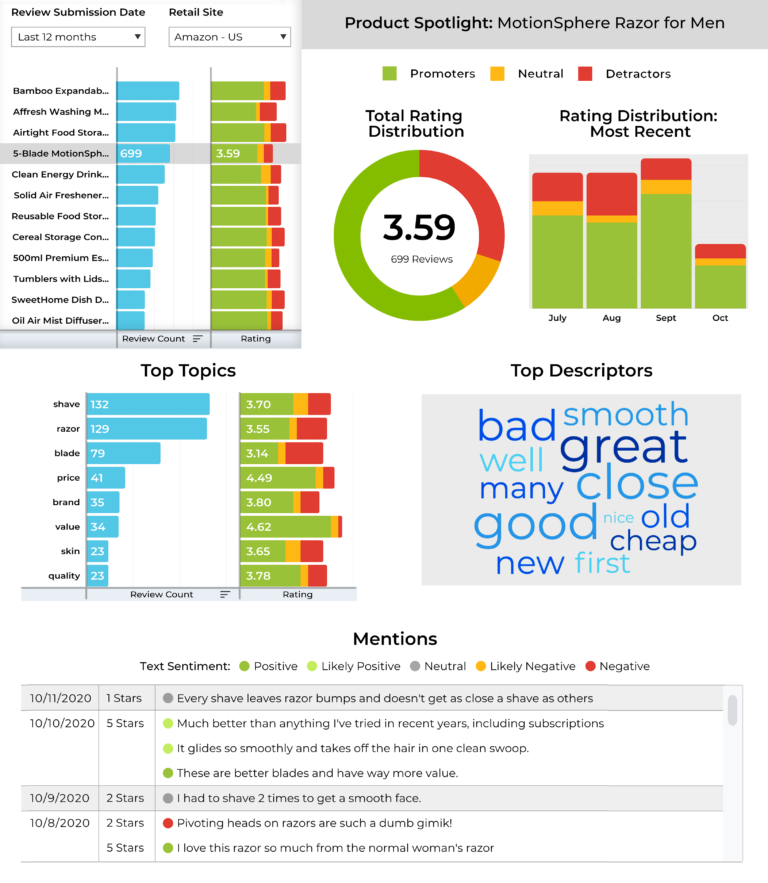
Ever wonder how customers are feeling about your services? Supplement your surveys with Product Sentiment Analytics from PowerReviews. This data reveals how customers feel about your service offerings, and charts customer sentiment over time. Notice a big drop in your ratings? You can investigate what happened and fix it.

Whether someone is opening a new bank account, applying for a credit card, or purchasing business insurance, ratings and reviews are extremely important to the buyer journey. Use the tips above to get more value from your customer reviews, and convert more customers.

Kylie Sheehan

Kylie Sheehan is an Enterprise Customer Success Manager at PowerReviews. When she's not helping her clients optimize their Ratings and Reviews strategy to help them grow their sales, you can find her doing home renovation projects (and spending the majority of her time at Target and Home Depot)!

If you’re like us, you’re savoring every last minute of summer. But we all know the holidays are just around the corner, and it’s time to start planning. There are emails to draft, product catalogs to update, and sales to promote.

If you work in ecommerce, you are likely bracing for what’s to come in the rest of the year. Keeping your head above water may be your primary concern.

Clearly, prioritizing your efforts in line with what will have the biggest revenue impact will be critical.

But considering 99.9% read reviews before making an online purchase, those who read them convert at 120.3% of those who don’t and 70% say access to reviews before purchase makes them less likely to return an item, your holiday UGC strategy should undoubtedly be on that list.

UGC in the Holiday Season

And UGC will be even as important as ever this Holiday season.

Our Holiday Survey conclusively backs this up. Nearly all (99%) of consumers will do at least a portion of their holiday shopping digitally this year (50% will do most of their holiday shopping online, and 13% will do all of it online). 41% of consumers plan to do more holiday shopping online this year than last (when we asked the same question last year, the comparative figure was 37%  – for context, that was right at the heart of the pandemic pre-vaccine availability).

Bottom line: how you show up online will be crucial to how your Holiday 2021 shakes out.

In this environment, ratings and reviews will be critical to converting browsers to buyers. In fact, our Holiday survey highlights how it’s second only to price in enabling consumers to determine whether to follow through with a purchase – with 71% saying they have an impact when considering gifts for others and 68% when buying Holiday items for themselves.

You need to be ready for this. In order to maximize your share of dollars for the Holiday and thereafter, UGC will be absolutely critical.

But – although this is undoubtedly the case – the Holidays also represent a fantastic opportunity to enhance your existing program. Make sure you’re doing the right things now, and reap the rewards in 2022 and beyond.

Get ready for Holiday 2021

As someone who works with leading brands and retailers on their UGC strategies day-in day-out (and has worked through my fair share of holiday seasons), I wanted to share some helpful recommendations for optimizing your ratings and reviews program at this time of year. 

Given you are likely to have a bunch of competing priorities for the Holiday season, we have tried to focus purely on four things you can realistically achieve for this blog.

Consider this a checklist to make sure you are doing the right things. If not, consider making some tweets. Because a few small adjustments can really go a long way.

Pre-Holiday Season
During the Holidays
Post-Holidays
Pre-Holiday Season

Optimize your current review collection methods

The Holidays are a big sales season. Like we very clearly outline above, ratings and reviews are proven to drive conversions. So to be successful this Holiday season, you’ll need a healthy volume of ratings and reviews on your site.

At the time of writing, we are a matter of weeks out so realistically – given time constraints combined with the likely resources you have available – you probably aren’t equipped to significantly alter your own review volumes.

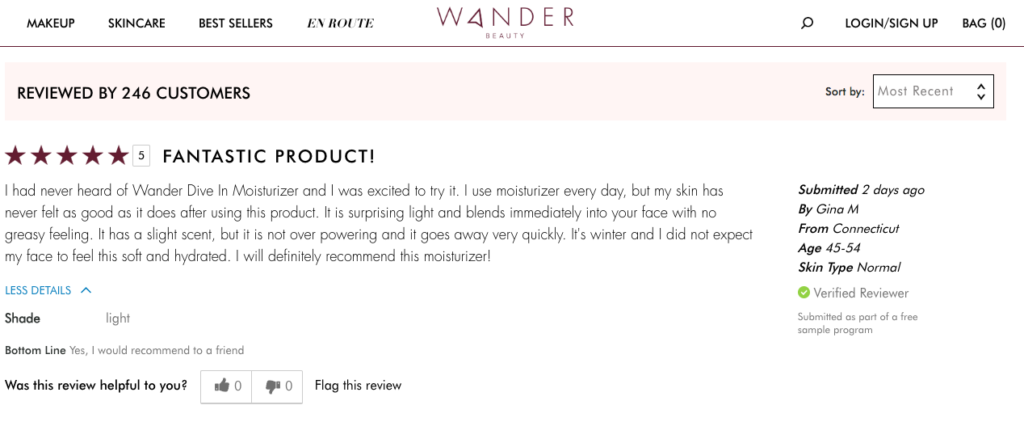
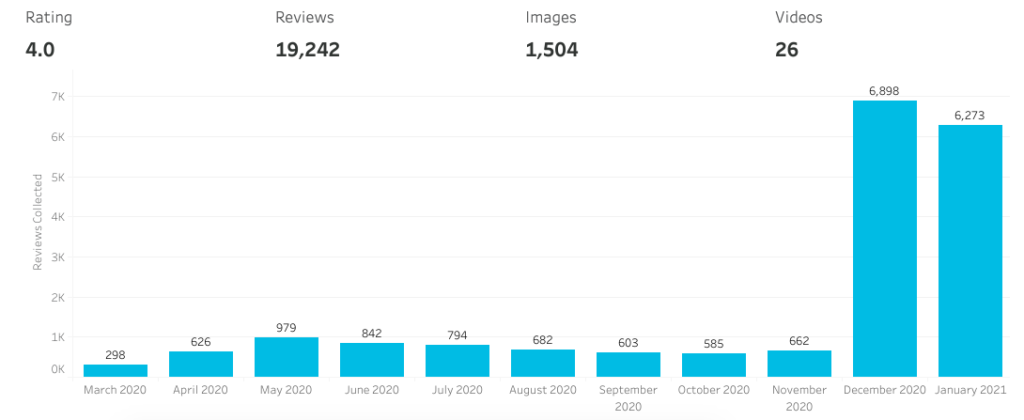
Although – as an aside – there are ways you can do this should you want to: in fact, PowerReviews product sampling and “Receipt. Review. Collect.” programs are designed to enable brands and retailers to generate significant review volumes in short time periods.

Here, though, we wanted to focus on things you can and should do given the likely resources at your disposal.

And this means looking on the Holidays as an awesome opportunity to generate a ton of new review content to convert more shoppers down the line.

But you need to make sure you are best placed to capitalize: now is a good time to audit your review collection processes and consider if there are any improvements you can make.

Review Your Review Form

Take a look at your review form. 

Is there some type of feedback you are looking to collect for specific products that you aren’t currently gathering? 

The holidays are the perfect time to edit your review form as your review volume will be increasing. Instead of just comments and an overall star rating, ask additional questions specific to your product or consumer to get more detailed feedback. 

Are you currently collecting images and videos on your review form? 

If visual content strategy is going to be a focus for 2021, you might want to start. After all, our recent consumer survey highlighted the growing importance of this content to shoppers: 99% now actively seek out imagery and video content from other customers (this is up from 88% in 2016). And consumers who interact with user-generated imagery are 91.4% more likely to convert than those who don’t.

Would you like your reviews to be longer? 

Based on our own review interaction data (taken from an analysis of 1.5m+ product pages across 1,200+ brand and retail sites), longer reviews are more likely to receive “helpful” ratings by consumers. Consumers who engage with “helpful” reviews convert at higher rates than those who don’t. 

Consider Your Post-Purchase Email Strategy

Your shoppers’ email inbox is the perfect place to gather new reviews. If you aren’t currently, follow up with customers soon after they receive their purchases, and ask them to write a review.

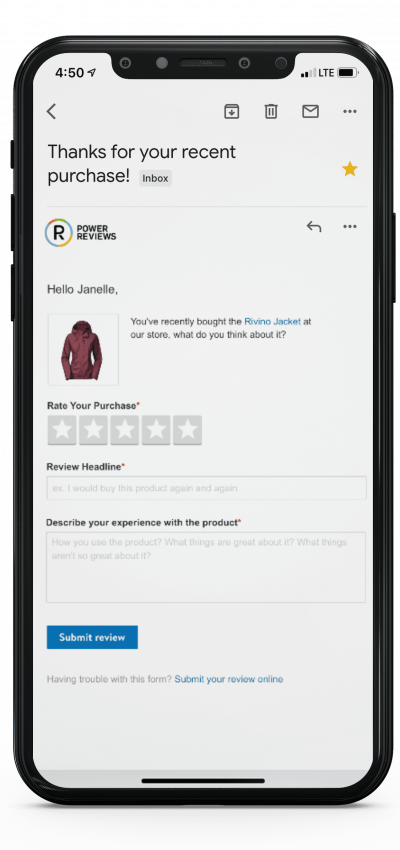
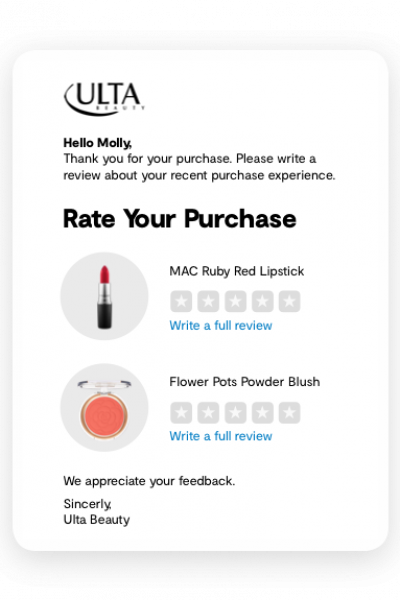
People can get busy during the holidays. Make your shoppers’ lives easier by inviting them to submit their review right from the email itself. An In-Mail Submission enables customers to provide review content directly within review invitation emails.

inmail-review
Ulta Post Purchase Email

What about customers who purchase multiple gifts from you?

You can make their lives easier, too. Invite them to write multiple, shorter reviews all at the same time. 

Enable customers to write multiple product reviews on one form through the post-purchase email. These reviews collect the star rating, headline, review comments, and an image or video for multiple products from a single email.

Brands I’ve personally worked with have experienced exceptional results when implementing this capability — in fact, one generated a 54% increase in reviews displaying on site in the first 30 days of it being in use. Quite a shot in the arm for the entire program.

Now that your customers are becoming more comfortable with the idea of shopping in store, consider maximizing your post-purchase email by providing an in-store order feed. We recently surveyed shoppers on their feelings about shopping in store post a vaccination being available. 

Over 70% of consumers have no concerns about returning to in-store shopping, a 2.4x increase from our September 2020 holiday data.

Share Reviews Across Channels

To stand out during the Holiday season, you don’t just need to provide compelling validation on your own site. You also need to show up digitally wherever you are selling or people are talking about your products. So consider how you can grow your review coverage across other websites and even social media.

Do you sell your products on Amazon? 

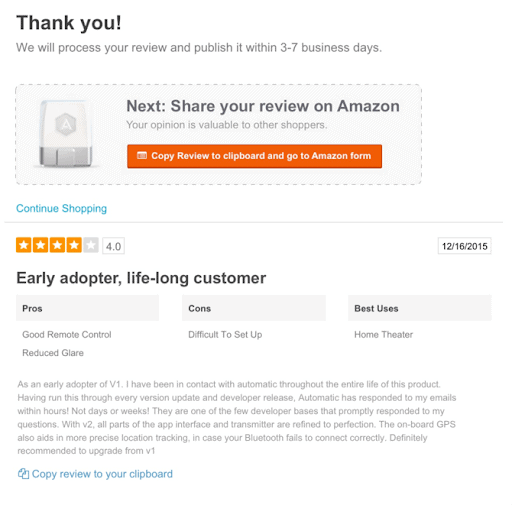
Like it or not, it’s the first stop for most shoppers (93% of consumers anticipate doing at least some Holiday shopping there). How are you currently funnelling your customers to write reviews? At PowerReviews, our Share Button makes it very easy for your customers to syndicate their review content to your product page on Amazon and other major retailers. On average, 31% of customers click this button. That’s a lot of reviews!

Syndicate your review content 

Review syndication is by now a well-established practice for most brands – and for good reason. If you sell on Target.com – for example – you are competing against a ton of other brands. So you need to stand out.

How do you convince folks to click through from a main listings page – where consumers have the entire Target.com product inventory to choose from – to your product? Reviews are a highly compelling mechanism for driving this action. We offer the full breakdown on syndication here.

How about social media? 

81% of people use Instagram to research products and services.

At PowerReviews, our Share to Social button allows your customers to share their review content to Facebook, Twitter and Pinterest — ultimately increasing your UGC on social media platforms, driving organic traffic to your product pages, and boosting your conversion rates. We even track clicks and coverage so you can keep an eye on things!

During the Holidays

Get More Out of Your Holiday Reviews

You want to be prepared once the reviews start flowing in. Bring your customer service team up to speed on review moderation best practices. Identify key opportunities to feature top-rated products on your site banners and gift guides during the holidays.

Finally, amplify the impact of your existing reviews content through email marketing and social channels.

Let’s start with moderation best practices.

Respond to Reviews

Always respond to reviews, positive or negative.

This simple task builds credibility with shoppers by demonstrating you care about what they have to say. Check with your Customer Success Manager to ensure that merchant response notifications are enabled.

Remember, negative reviews help to build credibility. Our research shows 96% of consumers specifically seek this content out and 46% are suspicious of products with average 5-star ratings.

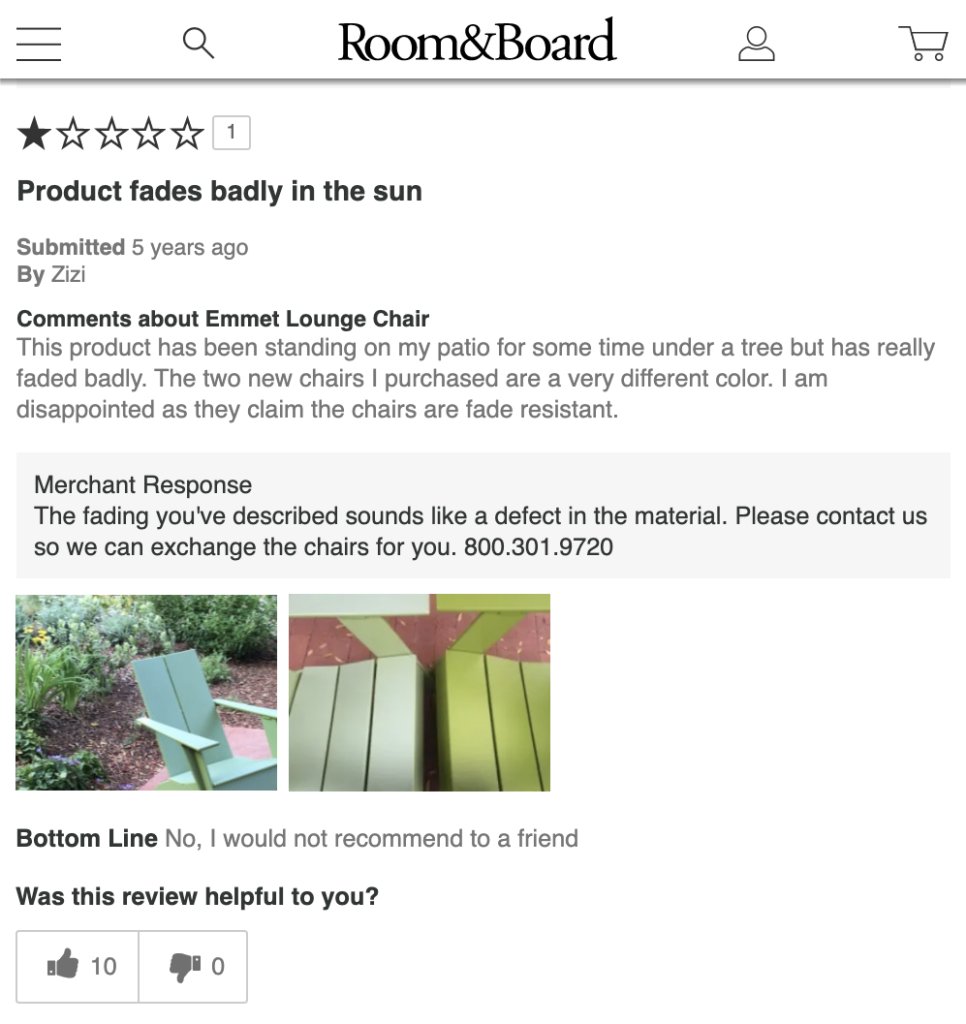
Customers know things can happen. Something broke during shipping, or the wrong item was sent. What’s more important to them is how you deal with it. Your review response is the place to share that information. Showing customers that you are there to support them and make it right is just as powerful as the experience with the product.

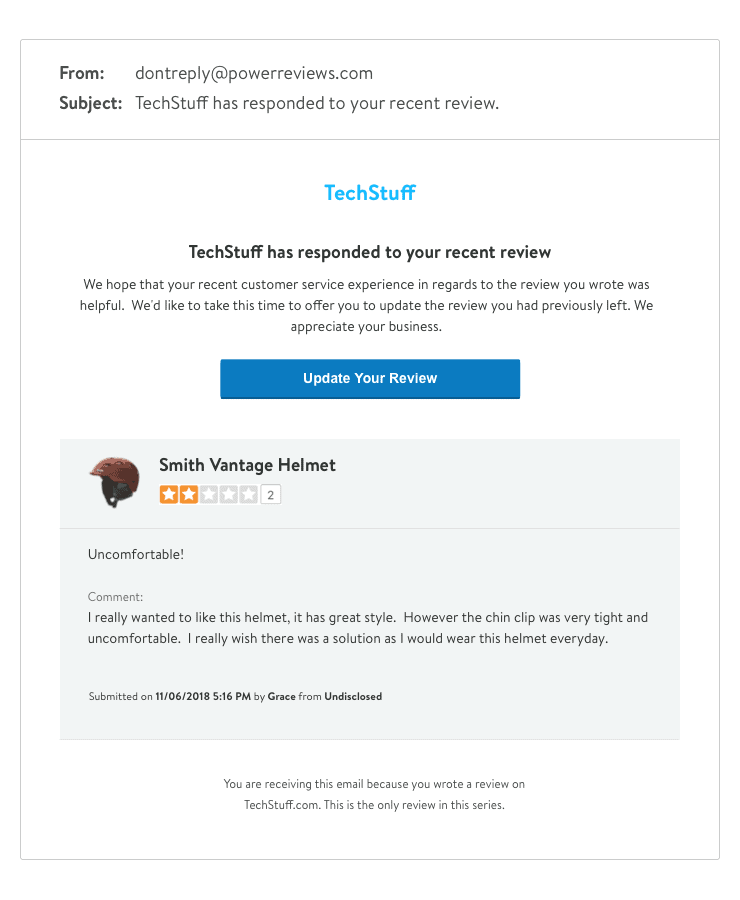
By responding to your reviews, you have the opportunity to turn a negative experience into a positive. Then, you can ask customers to update their review.

Leverage Your Review Content

Let’s concentrate on all the positive reviews you collect during the holidays. Think about how you can put them to good use.

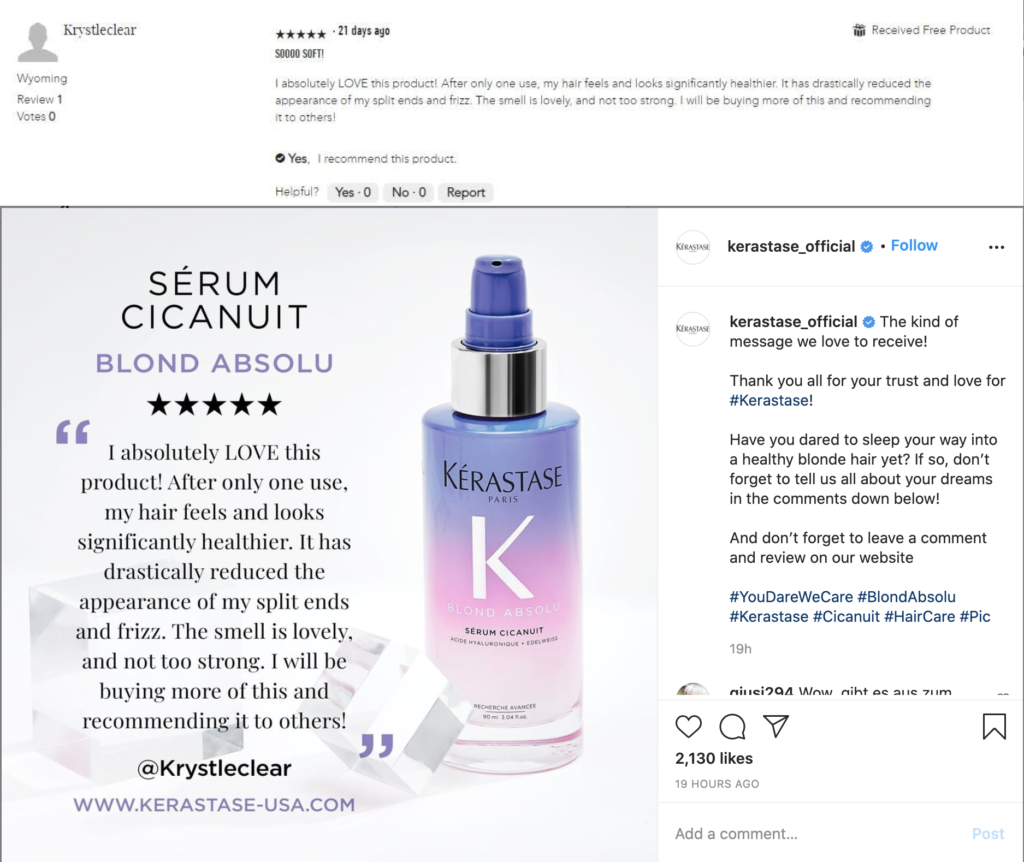
You can include star ratings and review quotes in your Instagram posts and stories throughout the holidays.

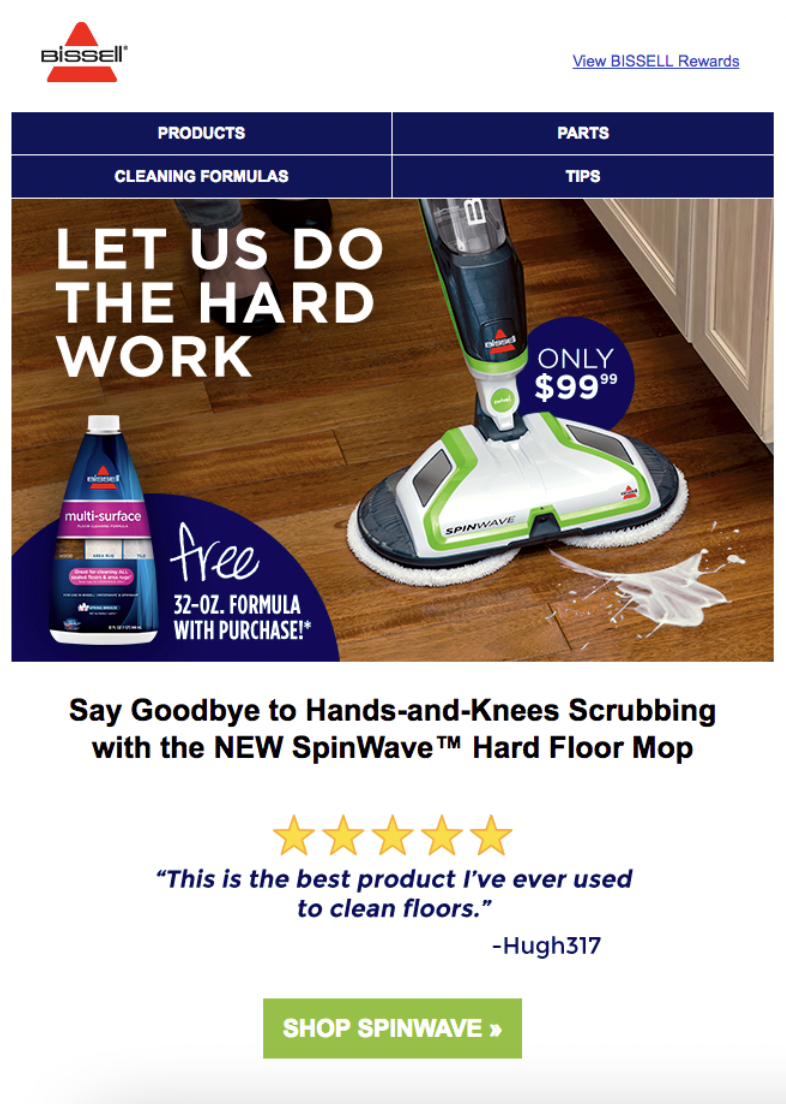
You can also highlight reviews in your marketing emails as customer testimonials to build credibility.

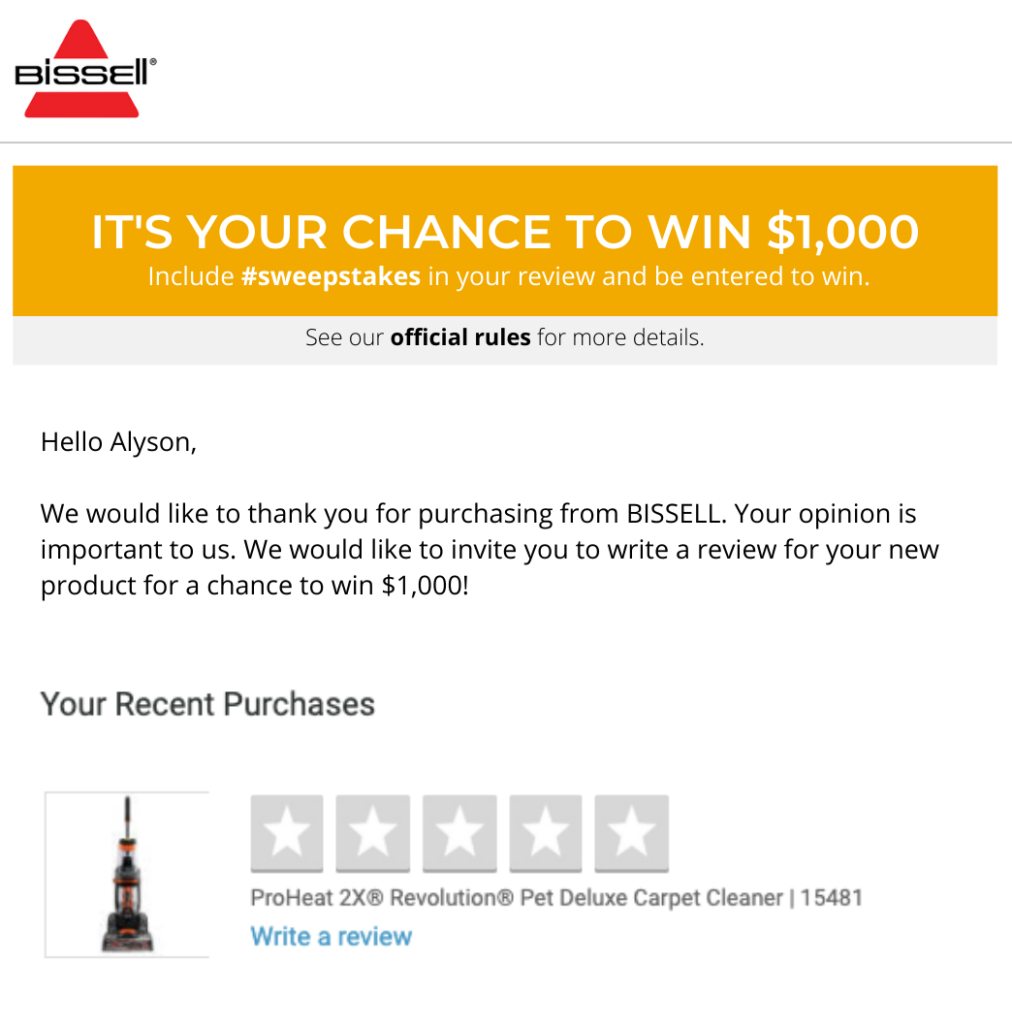
bissell-email
During the Holidays

Increase Review Volumes

With your review collection methods all in order, it’s time to drum up more reviews — and all the sales that come along with them. Engage your followers on social media and leverage your email list to collect more reviews. Here are a few creative ideas to get you started. 

Generate Reviews Through Social Media

Have you considered asking for reviews on Facebook, Instagram or Twitter? 

You may already have a community of engaged followers across your social channels, so why not ask these customers to write reviews for specific products?

Taking that a step further, do you have customers who are already raving about your products on social? Lucky you!

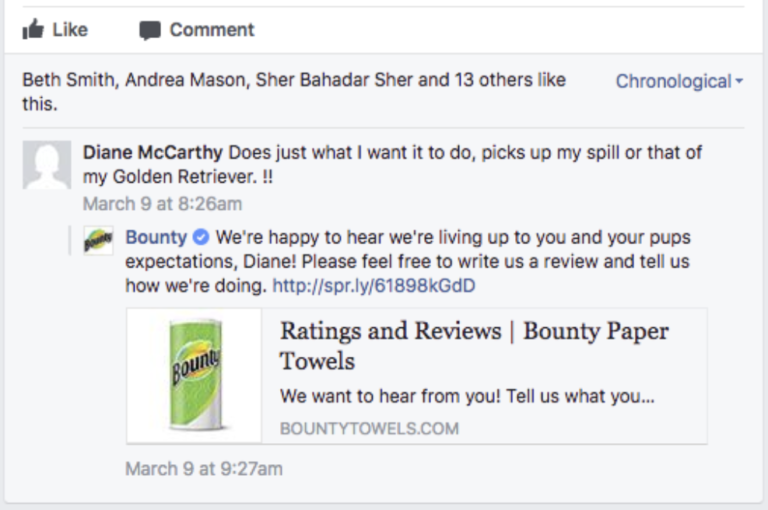
Rather than simply responding with a generic “Thank you, we’re glad you loved it,” why don’t you point the happy customer directly to your website to write a review? They are clearly impressed with your product, so this is the perfect opportunity to gather a positive review!

Ask for Reviews Through Other Emails

Do you plan to highlight specific holiday products within your newsletters or other marketing communications? 

If so, we recommend embedding your review form (or link) within these communications. This is especially impactful for non-eCommerce sites that are unable to send a post-purchase email. You could also highlight a product with low review volume to increase coverage prior to the holiday.

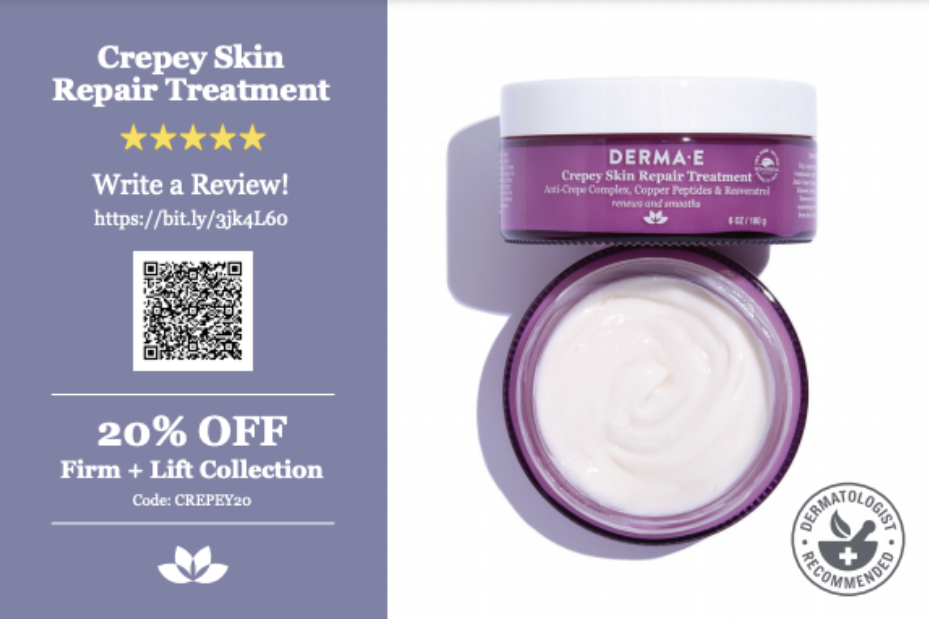
Screen Shot 2019-06-13 at 10.21.10 AM

Host a Review Contest

We have had many clients find success with creating and promoting a giveaway contest to collect reviews. In this example, Bumble and Bumble offered ten $100 gift cards for customers who wrote a review within a specific time period. All the customer had to do was sign into their account and submit a review on any product that they’ve used. 

Once the contest was over, Bumble & Bumble was able to use our reporting to identify customers who had written a review within that time period, and they picked the winner randomly with that data. This specific campaign increased review collection by 1400% month over month.

Post-Holidays

Analyze Your Review Content to Iterate and Improve

Now that you’ve made it through the holidays, I’m sure you are ready for a much needed vacation but don’t head to a tropical beach just yet. We’ve got some essential things for you to consider when planning for the New Year.

Your holiday reviews are chock full of useful customer feedback and sentiment. You want to gather this content so you can share it with your internal teams for product enhancements, marketing, and more. 

At a minimum, we recommend thinking about the following:

Rated 4.5 out of 5
4 & 5 star reviews
These can supply your product managers and marketing team with sound bites to leverage in campaigns.
Rated 1.5 out of 5
1 & 2 star reviews
These can alert customer service and product development teams about common issues and complaints.
The Impact of Your Review Displays
Understand how visitors interacted with UGC on your site and how that impacted conversion. This should then be factored into any site redesign planning.

Take notice of the main trends you see in your reviews. Which products get the best (or the worst) reviews? Are any products having a harder time generating reviews, despite having similar sales numbers to other, more-reviewed products? If you made changes to a product during the holiday season, did it affect the reviews positively or negatively? 

Don’t forget your competition. Take time to review your competitors’ reviews, too. For similar products, how do your reviews match up against the competition? Is there anything you can learn from how your competitors respond to their reviews? 

When you’ve got thousands, hundreds — or heck, even dozens — of products, it can be tough to answer these questions without turning it into a full-time job. As you head into the next year, it might be time to consider looking into reviews analytics software. These platforms use AI to analyze reviews at scale, surface the most impactful trends, deliver competitive insights, and spin up smart, actionable reports for you to use when crafting your UGC success plan for 2021.

If you’re a PowerReviews customer, talk to your Customer Success Manager about your goals and objectives for UGC in 2021. We can be a partner throughout this process.

jakob-owens-o0OnkkvJHrg-unsplash

Wrapping Up

We hope that these UGC best practices were informative and will help you to prepare for the holidays. Start by reviewing your review collection methods now. Then work on generating reviews before and throughout the holiday sales season. Finally, gather actionable insights you can apply to next year’s goals. 

Good luck this holiday season. We wish you happy holidays, and lots of positive reviews!

Kelli Seaquist

Kelli manages the Enterprise Customer Success team at PowerReviews. Over the past four years, she has worked with our largest brands and retailers to provide strategic recommendations for collecting, analyzing, and leveraging user-generated content. Her passion for ratings and reviews has truly helped her thrive at her number one hobby: online shopping. Seriously, she rarely has to return a purchase!

Power Points:
  • Product sampling is a common tactic brands and retailers rely on to generate quality review content quickly

  • Consumers love it because it makes them feel special and exclusive

  • But a phenomenal product sampling campaign will always incorporate specific key elements – all of which are covered here

  • Due to the complexity, brands and retailers often rely on vendors to manage these campaigns for them

By now, the majority of brands and retailers recognize the huge role ratings and reviews play in the purchase journey. But in case you still need convincing, a recent survey found that ratings and reviews have actually become the top factor impacting purchase decisions, surpassing other elements including price, free shipping and brand.

Top Factors Impacting Purchase Decisions
Ratings & Reviews
94%
Price of the product
91%
Free shipping
78%
Brand of the product
65%
Recommendation from friends/family
60%
Imagery provided by people who have previously purchased the product
52%
Imagery provided by the brand or retailer
46%

What’s more, the presence of ratings and reviews is proven to drive bottom line results. Recently, we analyzed 1.5MM product pages across more than 1,200 brand and retailer sites throughout the entire year of 2020 and found there was a 120.3% lift in conversion when visitors interacted (think clicking, searching, filtering and sorting) with ratings and reviews.
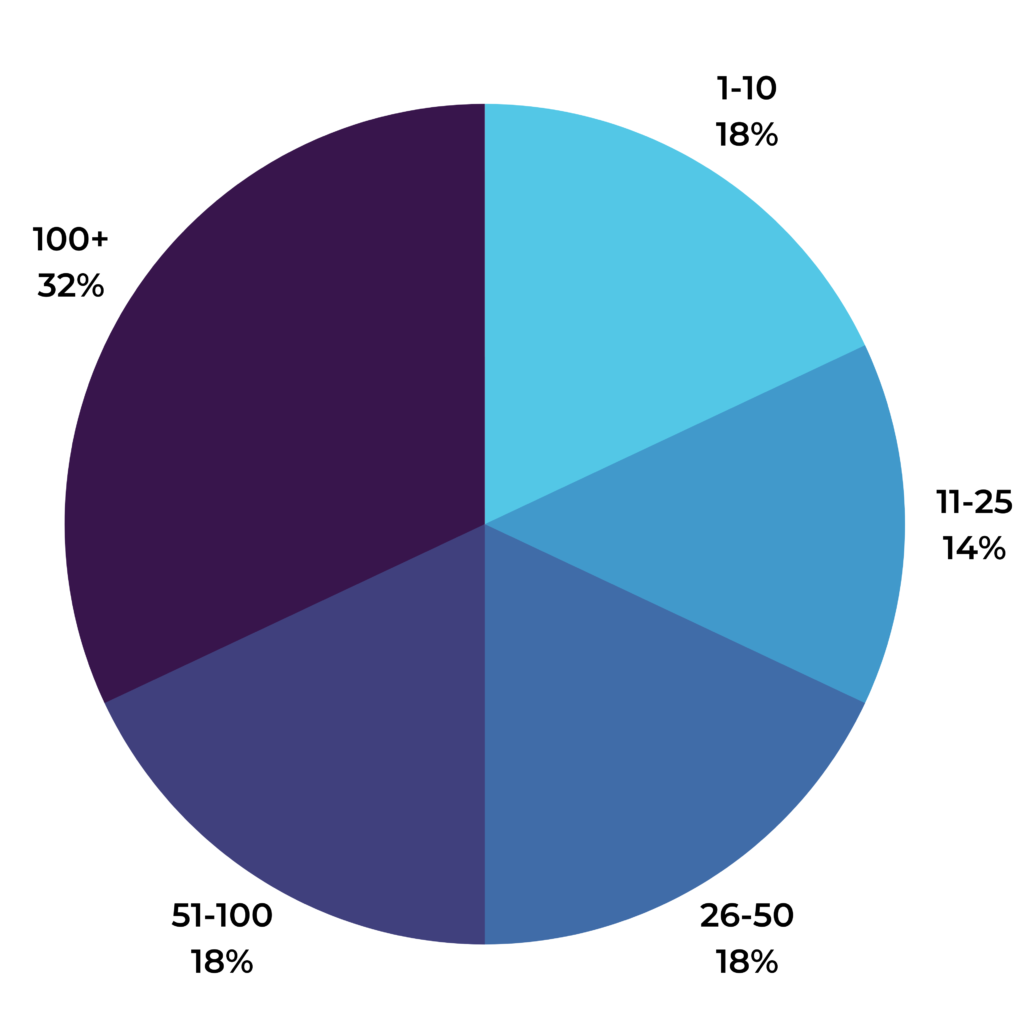
Consumers have high expectations when it comes to reviews. For starters, they want plenty of reviews available for the products they’re considering. A third of consumers say that ideally, a given product should have more than 100 reviews!

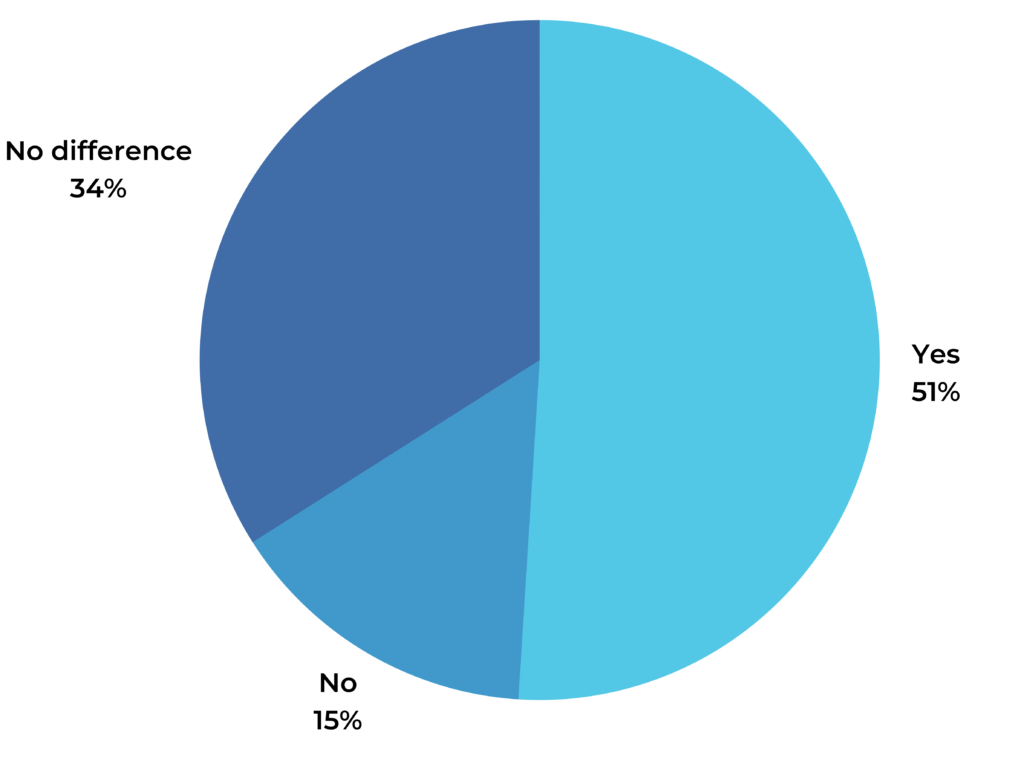
Shoppers want to find fresh, recently-written reviews. Nearly three-quarters (71%) consider recency when reading reviews. And 51% say they’d be less likely to buy a product if all the reviews were over a year old.

Older Reviews Hold Less Weight for Half of Consumers
If all reviews for a product were over a year old, would you be less likely to purchase it?

Brands and retailers must make it a priority to continuously generate a high volume of reviews for the products in their catalogs.

Product Samples Motivate Consumers to Write Reviews

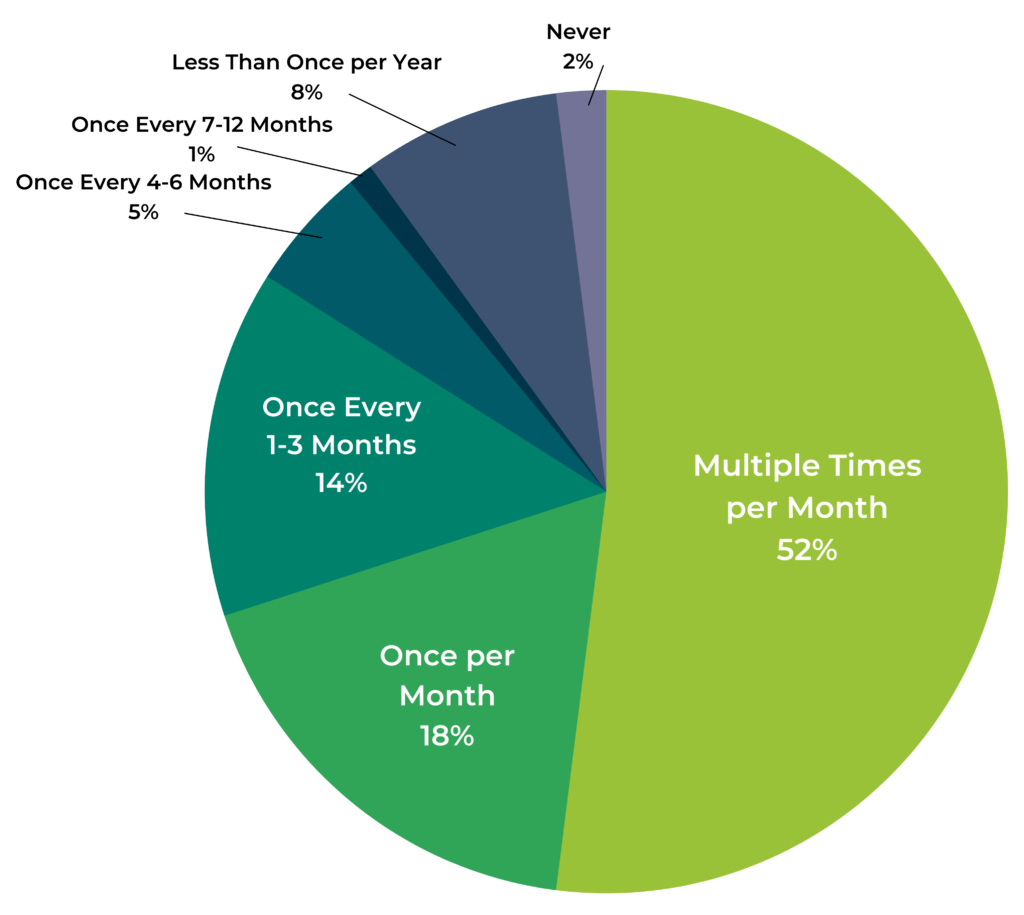
Although most consumers — 99.9% to be exact — read reviews when shopping online (and 57% do so when shopping in a physical store location), far fewer write them on a regular basis. A recent survey focused on what motivates consumers to contribute user-generated content found that just over half of consumers write reviews more than once per month. The remainder submit this content far less frequently — if ever.

The good news is, there are certain strategies that can motivate more consumers to write reviews. One of those strategies is product sampling. In fact, 86% of consumers indicate that receiving a free sample would motivate them to write a review. That’s probably not terribly surprising. After all, who doesn’t like receiving things for free?

How Product Sampling for Reviews Works

The concept of product sampling isn’t a new one. In fact, it’s an age-old strategy employed by brands and retailers to get people to try a product — with the hope they’ll love it so much they’ll purchase it on their own when the sample runs out. For example, pre-COVID, a beverage brand might distribute free samples of a new product at the grocery store. Or a CPG brand may mail out samples of a new laundry detergent to try to get consumers hooked.

Product sampling for reviews is a similar concept — with a different end goal. 

A brand sends out free samples of a product to a specific audience. The product can be as small as a travel-size toothpaste or as large as a vacuum cleaner. And it doesn’t have to be the product itself; it could also be a coupon or gift card that the consumer redeems for a free product in a store.

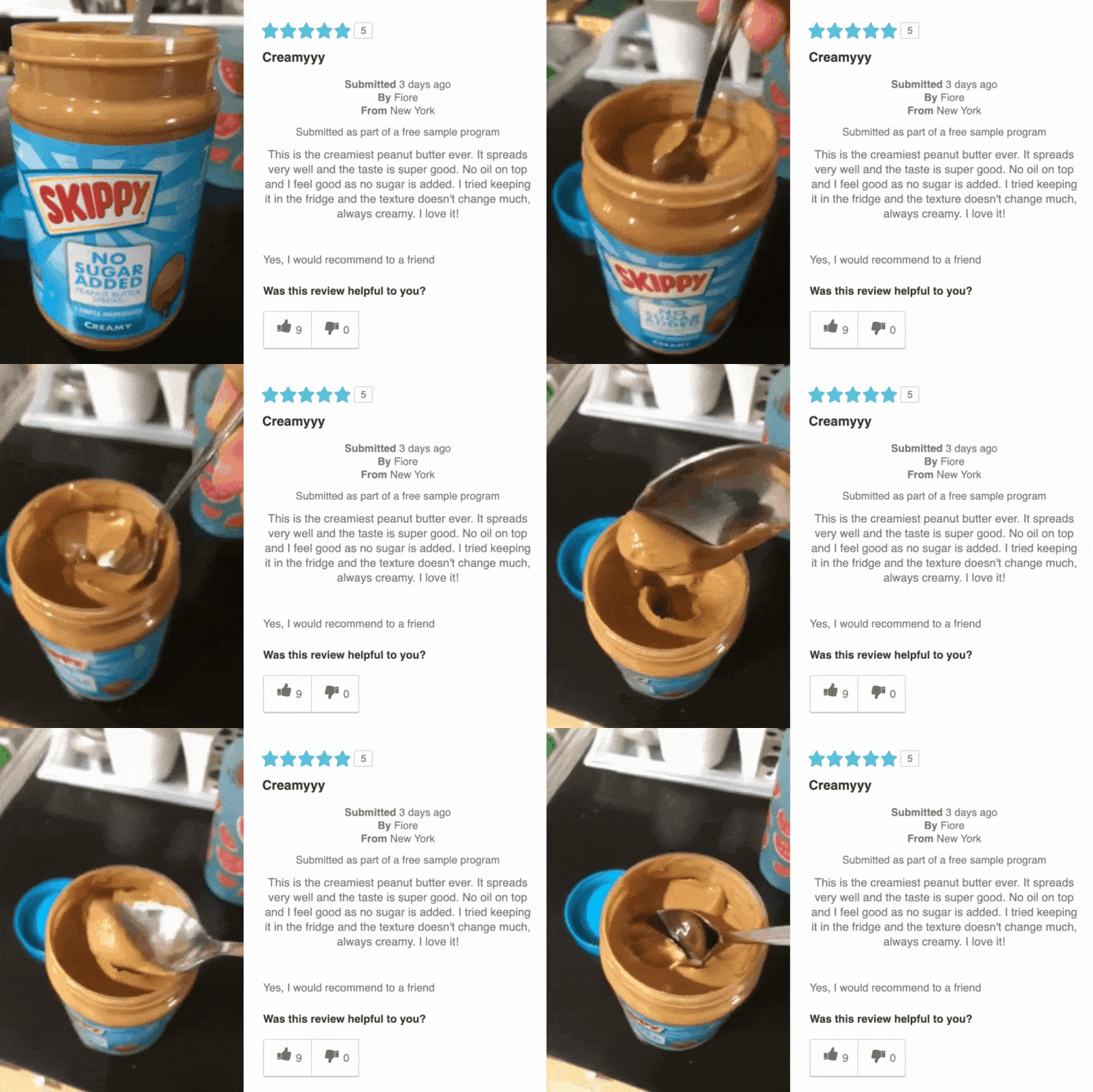
After the consumers have had a chance to try out the product, they’re asked to share their honest opinion by writing a review. Those consumers can also include a photo or video of the product in action as part of their reviews.

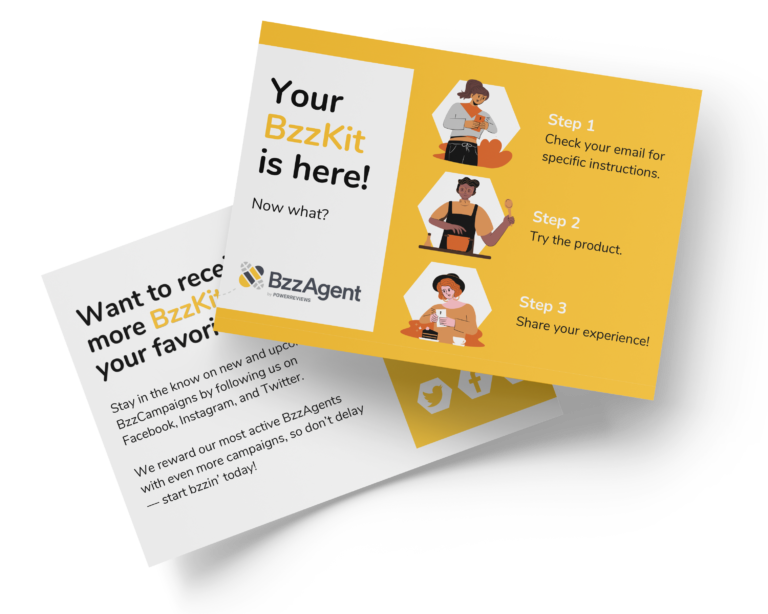
It’s a relatively simple strategy — but it works. Here at PowerReviews, we’ve found that 85% of our consumer community – BzzAgents to give them their proper brand name – that receive a free sample go on to write a review.

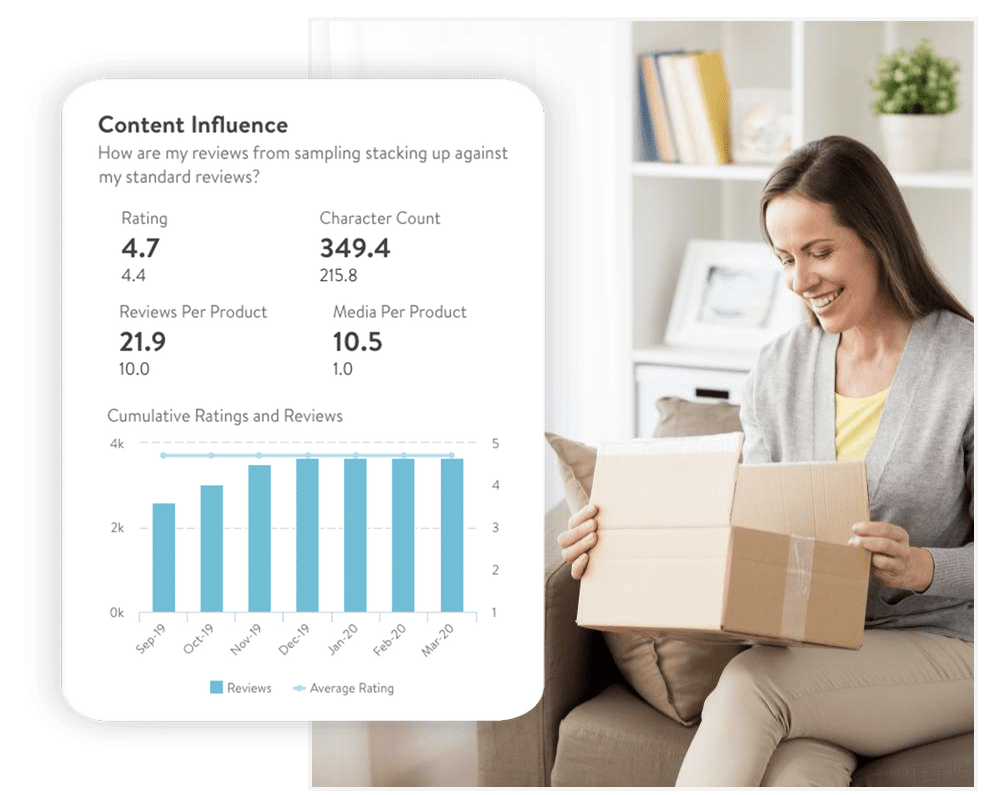
And while some may be concerned that the reviews are poor quality, this simply isn’t the case. We’ve found that reviews that result from a product sampling campaign are actually 83% longer than those captured via other methodologies.

The 9 Key Elements of a Great Product Sampling Campaign

Of course, simply sending out product samples doesn’t guarantee a high volume of reviews (or visual content, if that’s what you’re after). Instead, there are certain elements that are essential to a successful product sampling campaign. 

Based on our extensive experience managing product sampling campaigns for brands and retailers of all sizes, here are the nine key components of a great product sampling campaign that yields a high volume of quality content. 

1. A Solid Goal

The first step of any product sampling campaign is to determine your goal. Without a clear goal, it’ll be impossible to execute a successful campaign — and measure its success or failure.

So, think about what you hope to accomplish with a product sampling campaign. Here are a few goals we see frequently from our customers.

Example Goal #1
Generate Reviews Prior to a Product Launch

When new products are launched, brands typically invest heavily in digital marketing to drive traffic to the product pages. But if a shopper lands on a product page and there’s no user-generated content available, they’re a lot less likely to convert. In fact, nearly half of shoppers won’t purchase a product if there aren’t any ratings or reviews for it. 

With product sampling, you can collect reviews prior to a launch. That way, reviews will be pre-populated when the product officially hits store (and digital) shelves. 

If you’re launching a product that’s highly visual in nature (think cosmetics, apparel or home goods), you might also want to ask samplers to submit photos or videos of the product alongside their reviews. Research tells us that 85% of shoppers are more likely to purchase a product that has user-generated visual content, in addition to written text.

Example Goal #2
Generate More Reviews for Targeted, Existing Products

There are likely products in your catalog that could benefit from additional review coverage. For example, you might have product pages with high traffic, but low conversion rates. Displaying more reviews can help boost shoppers’ confidence — and increase the likelihood that they’ll convert.

Or, you might have products with significantly fewer reviews than similar products from a competitor. A higher volume of reviews might be just the ticket to getting more consumers to choose your products over that of your competitors. 

Remember: a third of consumers think that a given product should have more than 100 reviews. When you collect and display more reviews, shoppers are more likely to find content that’s relevant to their own unique needs. 

Example Goal #3
Generate Fresh Reviews for Target Products

You might have a product with a ton of reviews. But the thing is, all of the reviews were written months — or even years ago. That’s a problem, as a third of shoppers want to find reviews that are between a week and a month old. And 21% want to read reviews posted within the last week!

"How recently would you like to see review content was left on a product you're considering?"

Product sampling is a great way to “freshen up” reviews for targeted products.

2. The Right Number of Samples

If you’re considering a product sampling campaign, you’re likely wondering how many samples you need to send out. There’s no “one-size-fits-all” answer here. It really depends on your campaign goal, as well as your budget. 

First, you’ve got to determine the number of reviews (or pieces of visual content) you want from a given campaign.

For example, perhaps you want to generate 500 reviews prior to launching a new makeup product. Then, consider how many of your samplers will actually go on to write a review (here at PowerReviews, our sampling campaigns yield a 85% average review submission rate. That means out of every 10 samples sent, a brand or retailer can expect about 8.6 reviews. This is far higher than competitors, whose review submission rates are typically in the 40-60% range).

3. The Right Audience

It’s not an effective approach to send samples to a random group of consumers. For example, you don’t want to spend money sending makeup samples to consumers who don’t wear (and have absolutely no interest in) cosmetics. You’re better off throwing the samples into the trash!

Instead, you’ve got to ensure your samples go to the right audience. A great way to do that is to send a survey to potential samplers with questions relevant to the product to determine if they’re a good fit.

For example, if you’re doing a sampling campaign for a baby monitor, you’ll likely start by targeting adults aged 30-40. But don’t stop there! Instead, send these consumers a survey to determine whether they have a young child. If they don’t, they’ll have no use for your product — and probably won’t write a review (at least, not a relevant one). 

Working with the right product sampling vendor is the best way to ensure your product samples get into the right hands.

These vendors typically have curated databases of consumers that represent a wide range of demographics (including age, gender and geographic location, among others) and niches (such as foodies and beauty enthusiasts).

That way, you can get your products into the hands of shoppers that meet your specific criteria. 

Some product sampling partners will tout the size of their database. But be sure to ask them how engaged the consumers in their database are. A large database of consumers is meaningless if they’re not engaged and actively writing reviews!

4. A Means for Fulfillment and Distribution

Once you’ve determined how many samples you’ll send and who you’ll send them to, it’s time to get those samples in the mail. Sounds simple enough, right?

The reality is, manually distributing product samples is inefficient and time consuming when you handle it internally. This is especially true if you’re planning a high volume sampling campaign.

A better approach might be to partner with a product sampling partner who is equipped to handle your entire campaign — including distribution. Your only “to-do” as far as distribution goes should be to send a shipment of samples to the vendor; they handle the rest. 

5. The Right Communication Cadence

The ultimate goal of a product sampling campaign is to generate as many reviews (or visual content) as possible. Of course, there will be some consumers who will submit content soon after receiving their sample. But that won’t be the case for everyone. 

So, be sure to send regular communications to your samplers to ensure the highest collection rate possible.

For starters, include a letter in the product sampling package that reminds consumers to submit a product review — and details how to do so. Then, send reminder emails to those who haven’t yet submitted their review. 

And don’t be afraid to send more than one reminder email. Nearly a third of consumers indicate they need to be asked two or even three times before they write a review.

In all of your communications, make it extremely clear exactly what you want the consumer to do. For example, if you want them to submit photos or a video alongside their written review, spell it out for them.

6. Tools to Measure Campaign Performance

Measuring the performance of your product sampling campaign is essential. If you don’t, there’s no way to determine if your campaign actually achieved what you set out to do. It’ll also be impossible to understand where your campaign fell flat — and identify ways to improve future campaigns. 

But don’t wait until the campaign has wrapped up to measure your performance. Instead, check your progress throughout the campaign. That way, you can make real-time adjustments as needed to improve outcomes. 

If you’re working with a product sampling vendor, be sure to ask what tools they provide to allow you to continuously measure campaign performance.

7. Tools to Identify Actionable Insights

Reviews generated from product sampling campaigns give brands and retailers unique insight into what consumers love (and don’t love) about a given product. These insights can be used to improve products and customer experiences.

For example, let’s say a beauty brand is launching a new face cream in the next few months. The brand executes a pre-launch sampling campaign so there are plenty of reviews in place when the product hits the shelves.

The brand analyzes the reviews and notices that there are several written by consumers with sensitive skin that indicate the product caused a rash. Armed with these insights, the brand reworks the product description to make it clear that the product isn’t a good fit for consumers with sensitive skin. And, the product development team gets to work creating a similar product for sensitive skin. 

Reviews are a treasure trove of actionable insights. But the thing is, combing through each individual review to identify trends and uncover insights isn’t exactly effective or efficient. 

Be sure to ask your product sampling partner about the reports and analytics that are available to you.

8. Authenticity and Transparency

Shoppers trust reviews because this content comes from others like them. In order to preserve that trust, brands and retailers executing product sampling campaigns must make authenticity and transparency a priority.

Of course, it’s important to moderate reviews that result from product sampling campaigns to ensure the content is authentic, written about the correct product, and free of slander and profanity. But reviews should never, ever be filtered out simply because they’re negative. 

Negative reviews are an important tool that helps shoppers make better purchase decisions. In fact, 96% of consumers specifically seek out negative reviews at least sometimes. This content allows shoppers to easily identify the worst case scenario of a product — and then decide whether they can live with it. 

What’s more, the presence of negative reviews actually helps you boost trust with shoppers. After all, nearly half (46%) of shoppers say they’re suspicious of products with a perfect five star rating.

In addition, be sure to display a badge or a small print disclosure alongside reviews that are generated as the result of a product sampling campaign. It’s an important way to maintain transparency — and meet FTC guidelines.

9. The Right Product Sampling Partner

It’s certainly possible to plan and execute a product sampling campaign on your own. But a great product sampling campaign has a lot of moving parts. And managing these moving parts is time consuming, with a lot of room for error. 

The vendors you’re considering should have extensive expertise with product sampling, as well as the ability (and experience) to manage your entire campaign end-to-end.

In order to generate the best results, be sure to find a partner that has a highly engaged community and a high average submission rate. Also, ensure your chosen partner can execute quickly. Ideally, you should have reviews rolling in within four weeks of a project kickoff call.

Start Generating More Reviews with Product Sampling

More than ever before, consumers depend on reviews to make informed purchase decisions. In fact, a whopping 99.9% of consumers read reviews when shopping online at least sometimes. And 57% do so when shopping in brick-and-mortar stores. 

Brands that consistently collect and display reviews are better positioned to meet customer expectations — and drive bottom line results. The pressure’s on to collect and display as many high quality reviews as possible.
If you’re looking for an effective strategy to generate more reviews, consider product sampling. It’s a simple, proven way to generate a high volume of high quality content — fast. 

Power Points:
  • Fresh UGC is essential to SEO. From reviews and Q&A to user-submitted images and video, UGC provides Google with a steady stream of fresh, keyword-rich content

  • Keywords are the foundation of product page SEO. If you want to improve your product’s rank, you need to include keywords in your title tag, meta description, H1 tag, and product description.

  • Additional product page SEO best practices include marking up images with alt text, using a clear URL structure, and implementing schema markup. 

As any marketer will tell you, there’s an art to crafting the perfect product page. You need to design with all the best practice acronyms in mind — CRO (conversion rate optimization), UX (user experience), and SEO (search engine optimization) — and then you need to account for the unique needs of your users and your brand.

Today, we’re focusing on the third of those acronyms: SEO (search engine optimization). 

Here are the 5 essential SEO elements to include on your product pages for improved rankings, traffic, and conversions.

1. UGC is good for SEO

First off, we’re a Ratings and Reviews company and we know all about the importance of UGC from an SEO perspective.

The top search results always feature product pages with lots of reviews and a good rating. That’s because Google knows people are looking for the best product, and reviews and ratings help Google determine that.

But reviews are just one aspect of user-generated content, or UGC. There’s also Q&A and user-submitted images and videos. Together, all three forms of UGC are essential to product SEO for a few key reasons:

  1. UGC provides additional content for the search engines to gobble up. The more content Google has, the better their understanding of your site.

  2. That content is often keyword-rich. Customers include all sorts of key phrases in their reviews, more than you could ever include in a snappy product description.

  3. The content is being generated on a regular basis, signaling to Google that your page is still relevant to people searching for these keywords.

Plus, people WANT to see UGC. 88% of shoppers specifically look for images and videos provided by other consumers before making a purchase, and after interacting with UGC, they become twice as likely to convert.

The takeaway? Give the shoppers what they want! 

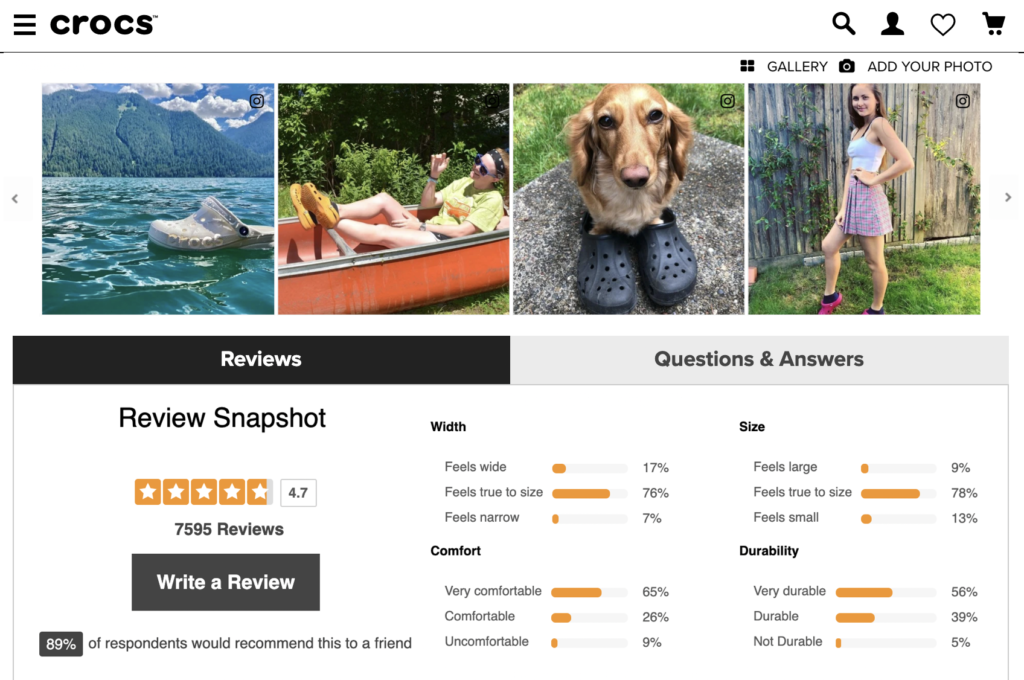
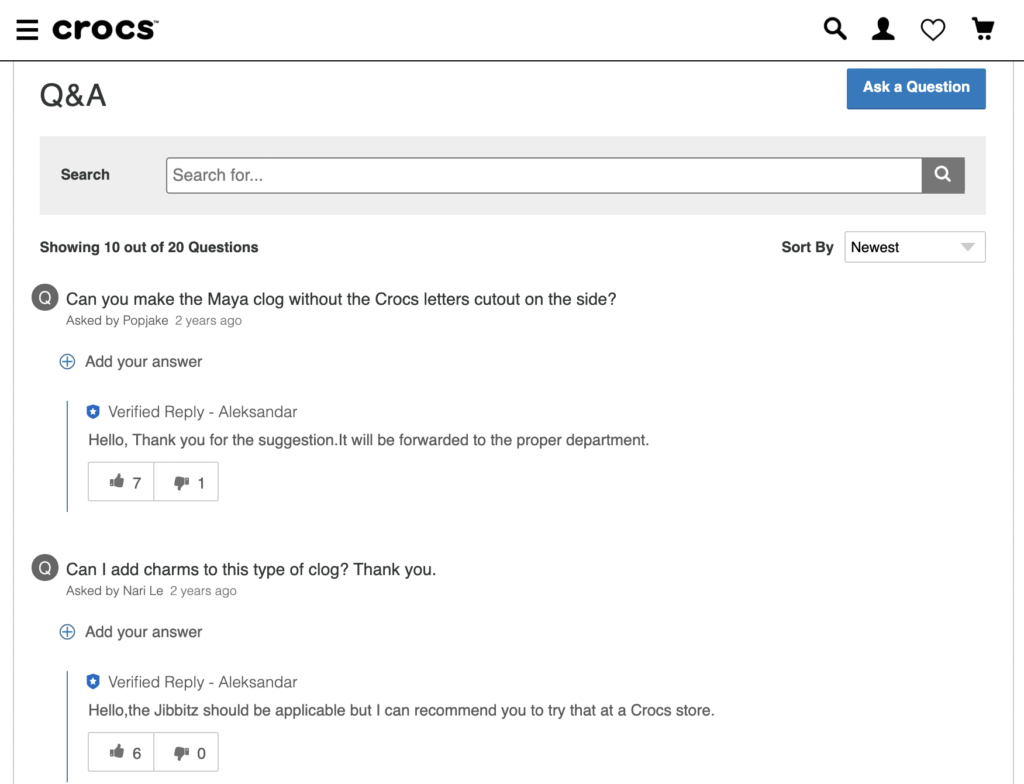
Crocs features all three UGC elements on their product pages, with an interactive photo gallery, and a searchable Q&A and Reviews section.

Crocs product pages feature interactive image galleries and searchable reviews, along with specific ratings related to key words
Crocs product pages feature searchable Q&A sections for customers needing additional info

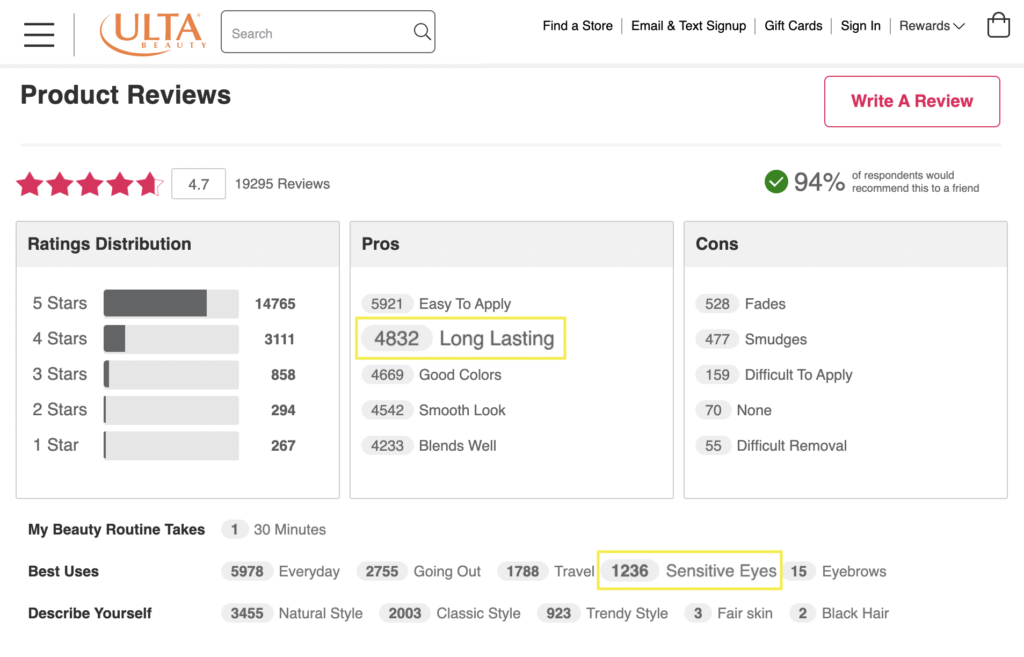
Ulta Beauty’s Reviews section includes clickable filters that make it easy for shoppers to hone in on reviews from people like them.These filters also highlight keywords that are relevant to Google, helping Google connect the dots that this product is good for someone with “sensitive eyes” or anyone looking for a “long lasting” eyebrow pencil.

Ulta reviews use filters to help customers find long lasting brow pencils or options for people with sensitive eyes

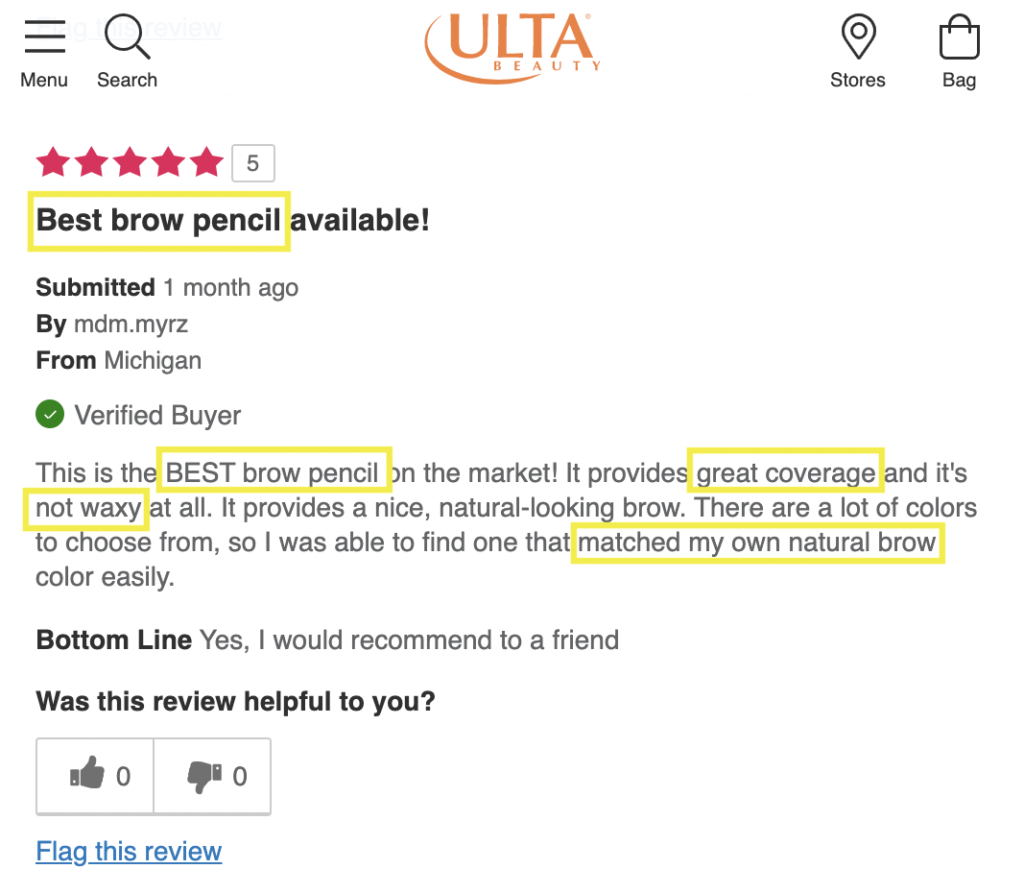
If you dig into the reviews, you’ll notice plenty more keywords. Take a look at how many we highlighted in this one: 

Reviews are a great source for keywords that help boost your product's SEO

It’s no wonder a recent study found that having keywords in your reviews is one of the top ranking factors for product pages! 

2. Use keywords in all the right places

Keywords are the foundation of SEO. Whether it’s “waterproof hiking jacket” or “color safe shampoo,” keywords are the words people use during discovery and it’s important to use them when describing your products.

If you want to increase your visibility in search engines, you’ve got to include keywords in all the key places (see what we did there?) on your product page. Your customers will already take care of keywords for you in your product reviews. Where else can you include them?

  • Your title tag
  • Your meta description
  • Your H1 
  • Product description

Title tag

Your title tag appears alongside your Google search result in Google. It lives in your site code, so you’ll never see it unless you go to Google. You can fit about 55-60 characters of text in your title tag.

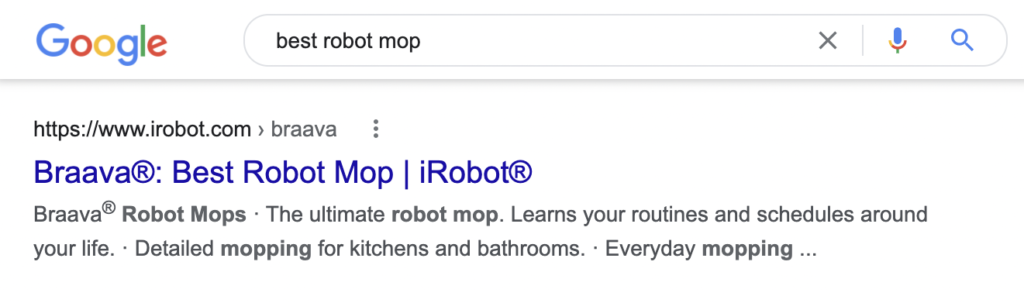
Many retailers simply copy and paste their product name, but this is a chance to speak directly to what searchers are looking for. iRobot does it best, with a combination of their product name, and the keyword “best robot mop”:

google search for best robot mops shows irobot product based on title tags
Including keywords in your title tag is a great way to boost your listing in search results.

Meta description

Your meta description is the two lines of text that appear beneath your title tag in the Google search results. Like your title tag, it lives in your site code, not on the front-end of your product page.

Together, these two elements serve as a virtual billboard — advertising your product to people in the search results. Will your billboard encourage people to click, or to scroll on by? Add keywords, and they’re more likely to click. 

It’s common for Google to auto-generate their own meta description using text on the page. Still, it’s a best practice to write your own so you have more control over how your brand appears in the search results. You can include up to 160 characters. 

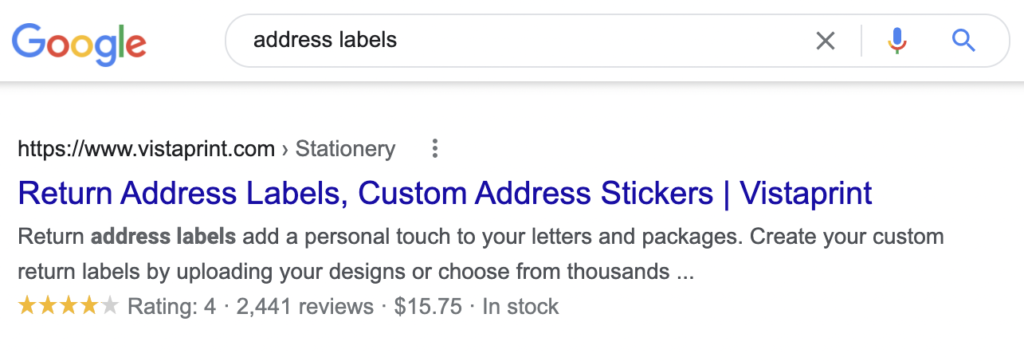
Vistaprint knows that people use a variety of keywords to describe their products, from “custom address stickers” to “return address labels.” They include them all in their title tag and meta description:

Google search where the meta description for a Vistaprint listing includes address lables
Writing your own meta descriptions gives you more control over how your brand appears in search results. Vistaprint takes full advantage of this.

H1 tag

On the page itself, you probably have a big bold heading that puts your product name in bold. This is your h1 tag, and it’s one more area where you can incorporate a keyword. 

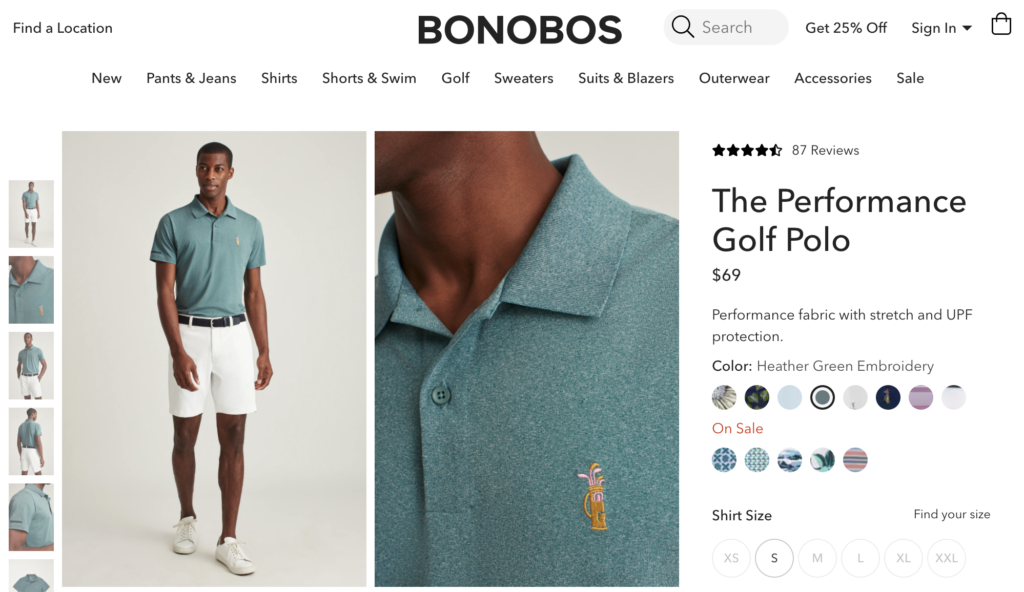
For example, by adding the word “golf,” Bonobos is able to help Google differentiate between this performance polo and their other performance polos when people are searching for golf polo shirts.

Bonobos includes golf as a use case in the h1 text for this polo shirt

Product description

Finally, you can include keywords in the biggest piece of text on your product page: the product description. When writing your product descriptions, keep in mind the pain points people are looking for your product to solve. They may be searching for those very same things in Google! 

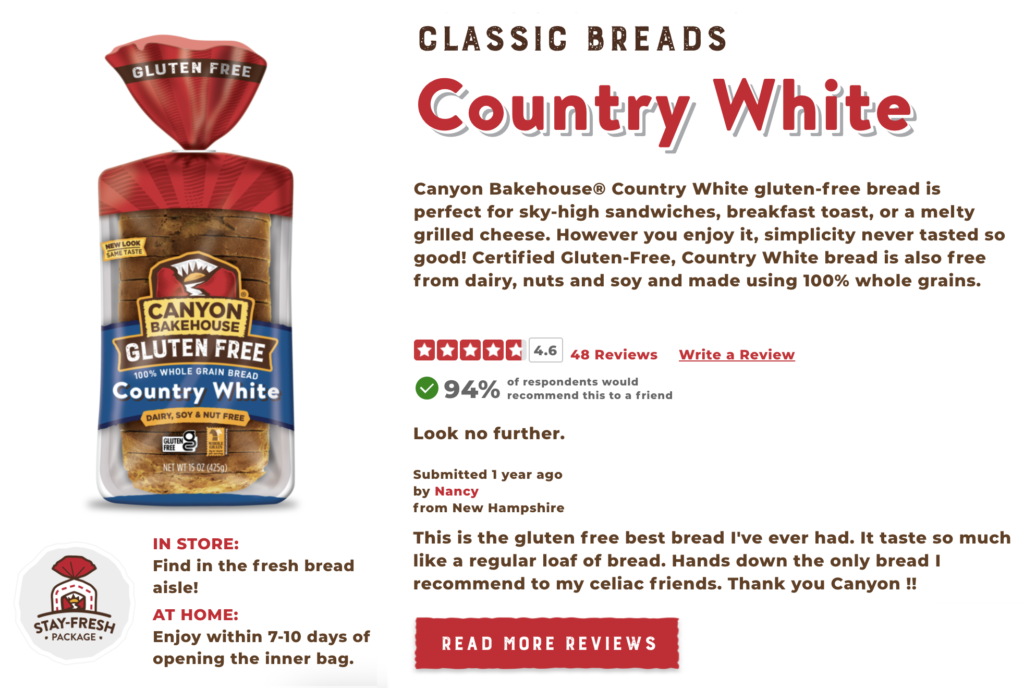
In their product description, Canyon Bakehouse makes sure to include important keywords a person on a gluten-free diet may be looking for, like “certified gluten-free” and “100% whole grains,” or a bread they can use to make “toast” or “sandwiches.”

Finding Keywords in Google Search Console
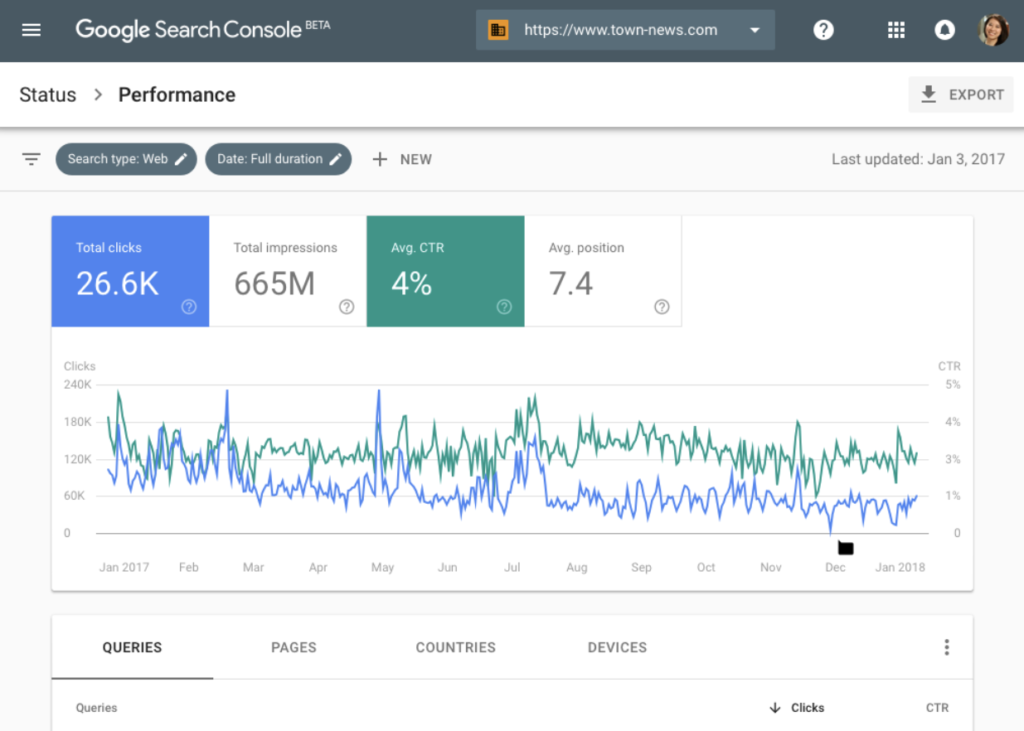
  1. Open up Google Search Console, and navigate to the Performance report. By default, the report is set to “Queries” at the bottom. 
  2. Toggle over to the Pages tab, and click on an individual page. 
  3. Then, you can toggle back to Queries to view the specific keywords that page is ranking for.
navigating the google search console to find the keywords your rank in for free

Of course, the Google Search Console report only tells you the keywords you’re currently ranking for. To discover keywords before they start trending in Google, you can look to your review analytics!

All PowerReviews customers using our Ratings & Reviews product with the Review Search feature enabled,now have access to Review Search Reporting. With this tool, you can see the specific keywords customers are entering in when they search through your reviews. 

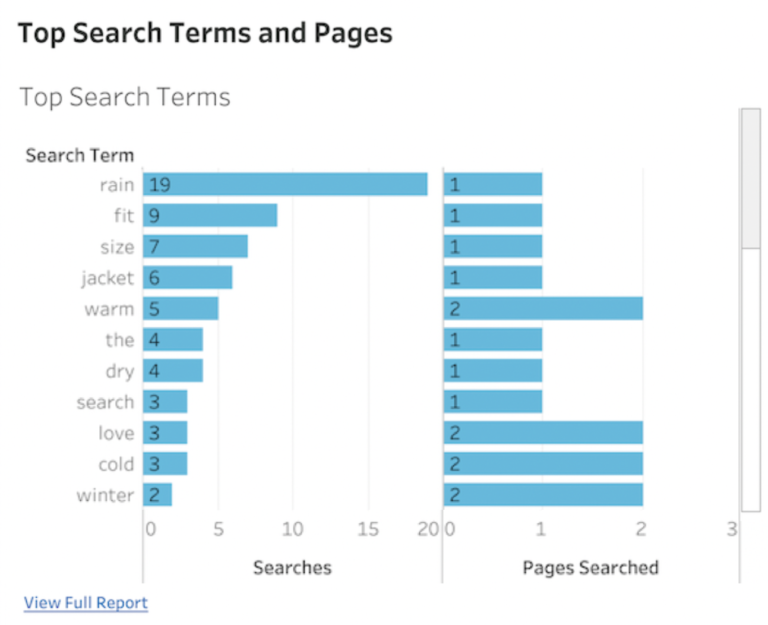
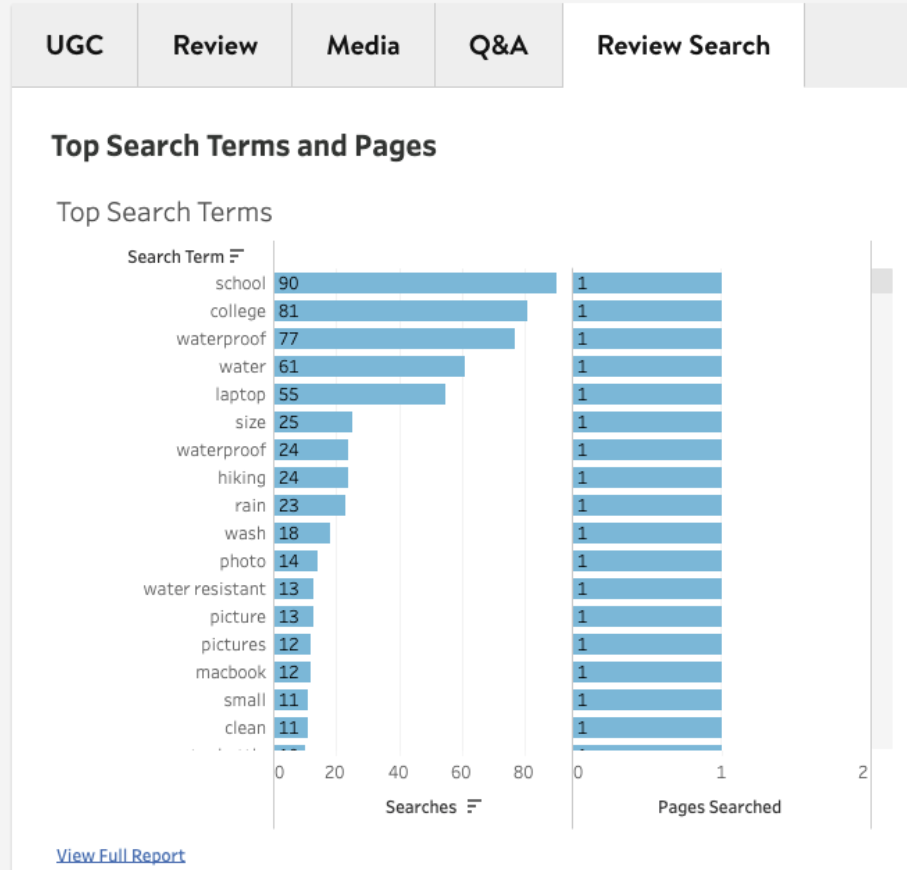
For the clothing retailer below, it’s clear that their customers seriously want to know whether this product is waterproof. Search terms like “waterproof,” “water,” “rain,” and “water resistant” dominate the top search results:

PowerReviews UGC Analytics reports show what your customers are searching for in your content
Knowing what your customers are searching for in your review content can help you write better product descriptions.

The fact that customers are typing these words into the review search box may indicate that they’re not adequately addressed in the rest of the product page. Thanks to these insights, the retailer can now take action to incorporate waterproof-related keywords into the product page for a SEO boost. 

3. Mark up your images

Images speak louder than words. Nowhere is that statement more true than in the world of eCommerce. In fact, according to our recent study 80% of consumers find photos from other customers more valuable than photos from brands or retailers. Shoppers want to see photos of your product from all angles, in action, and in a lifestyle setting. 

Now, search engines like Google can’t “see” images (yet), but you can tell them what’s in your image, via a little thing called alt text. Like your title tag and meta description, alt text lives in your site code, where search engines can read it to gather more context. (People who are visually impaired also rely on alt text, as their screen readers read it aloud to describe what’s in an image.)

It’s easy to copy and paste the product name or SKU into the alt text field. It’s also a serious waste of a SEO opportunity. By adding descriptive alt text, you not only make your site more accessible to more people, but you also increase your chances of ranking for the right keywords — and for showing up in Google image search!

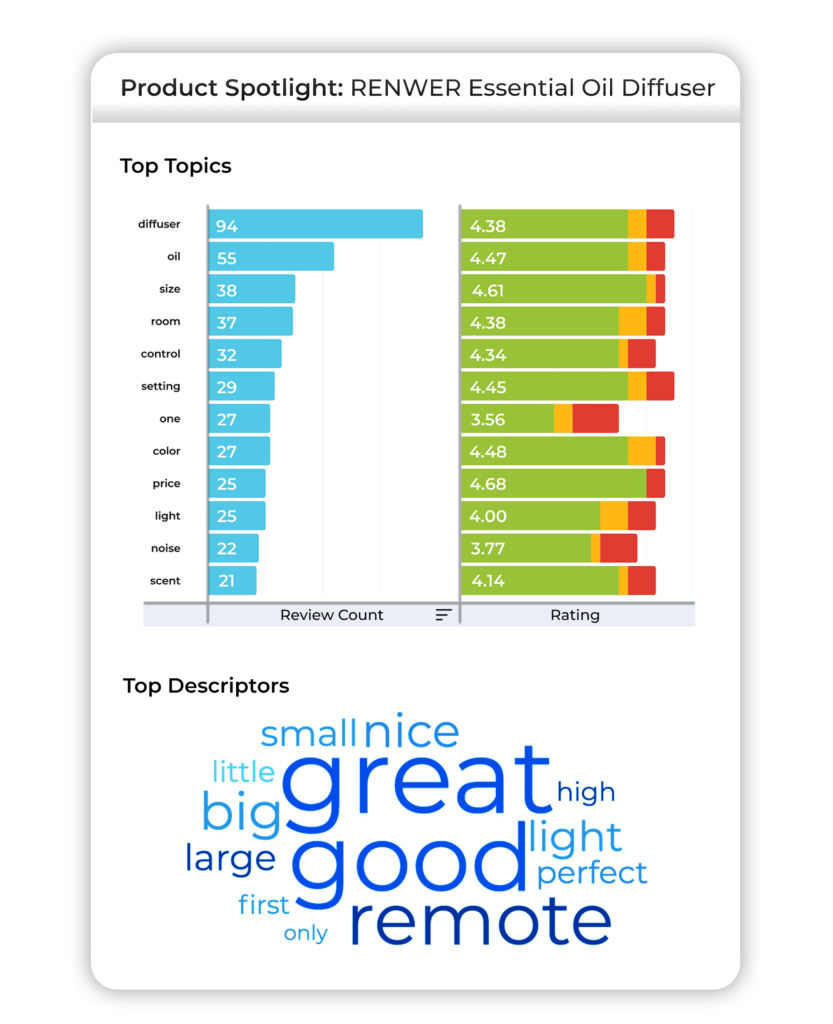
PowerReviews customers using our UGC Analytics solution can see the tops words and phrases customers use in their reviews.

Where can you find the keywords to add to your image alt text? Look at your reviews! Your customers do a fantastic job describing your products using the words other customers use. What phrases come up again and again? Things like “desk chair for kitchen office” or “favorite hot yoga shorts” would be perfect additions for your alt text. PowerReviews customers using our UGC Analytics solution can see the tops words and phrases customers use in their reviews.

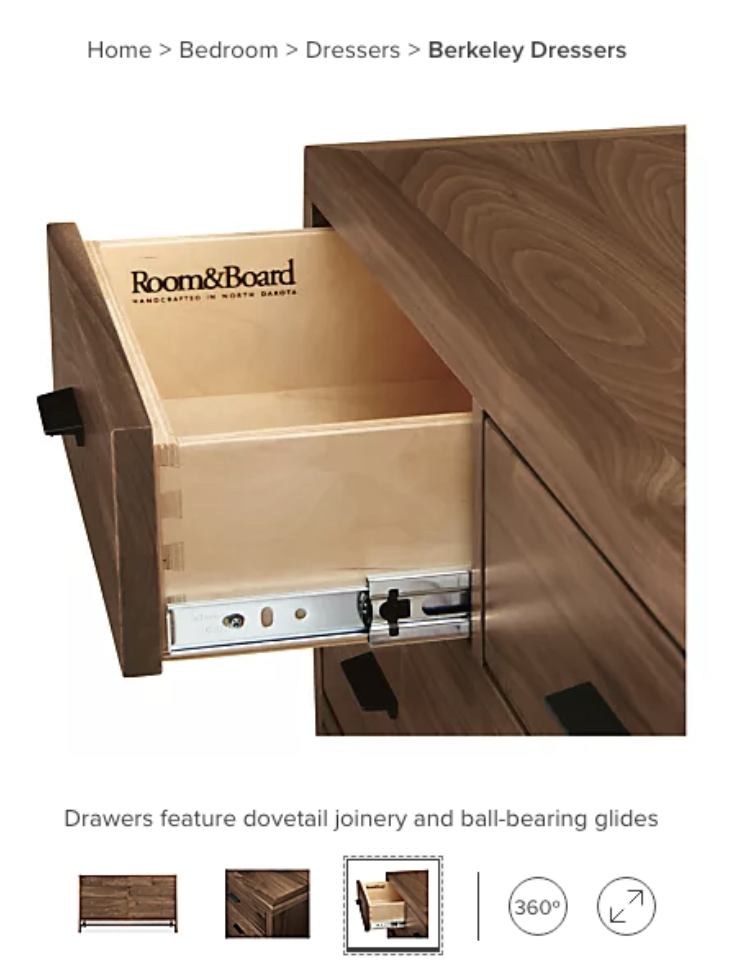
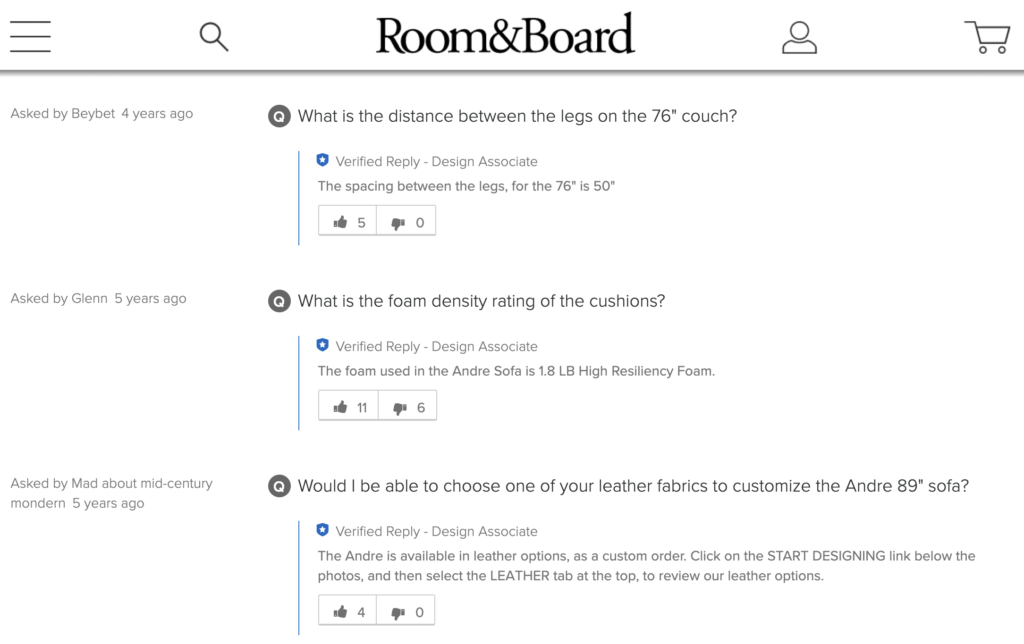
Search engines read captions, too. If it makes sense, consider adding them to your images like  Room & Board does:

Room & Board uses image captions to boost SEO
Both shoppers and search engines skim your image captions, so it's a great place to put additional information or reiterate details.

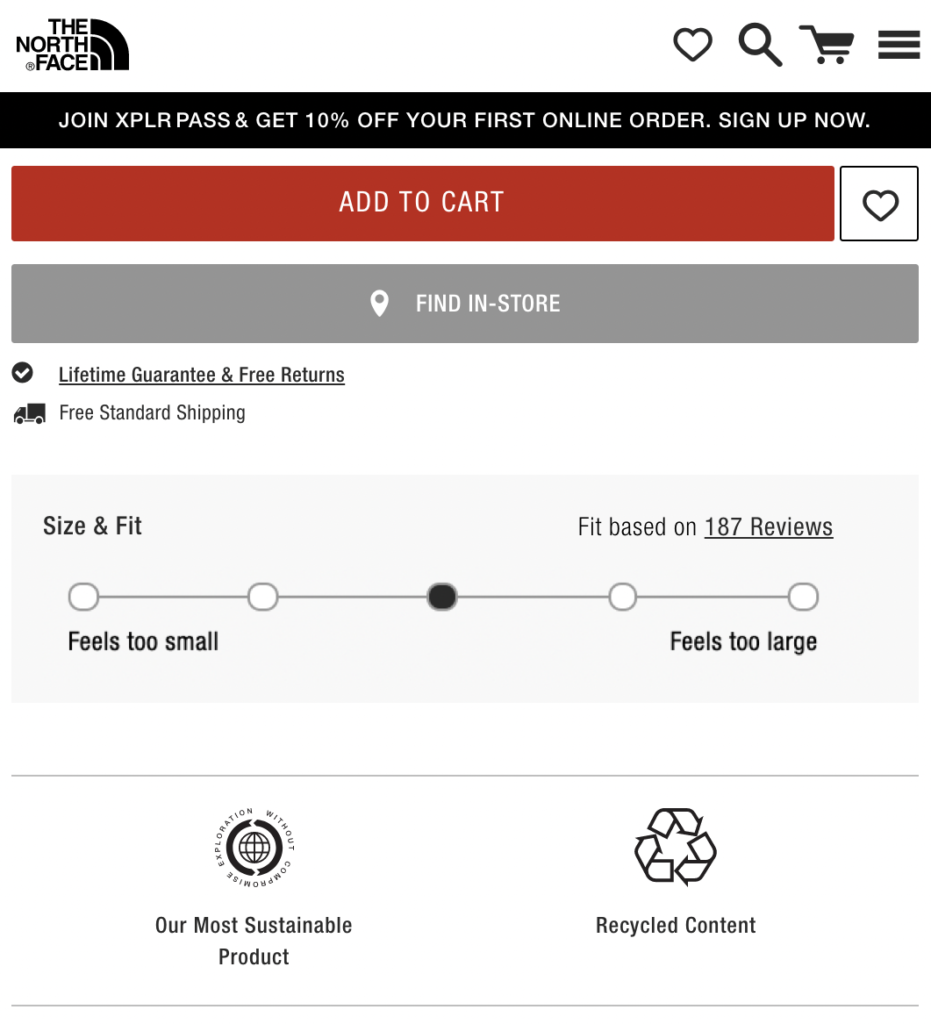
Remember to markup other images on your page beyond the product gallery. For example, The North Face has alt text for the two icons on their product page: “our most sustainable product” and “recycled content.” Adding alt text to these images may encourage Google to show their product when people are searching for sustainable clothing.

4. Use a clear URL structure

There’s one more thing that shows up in the search results: your URL. 

URL structure is an afterthought for many brands, with the developers left to do whatever feels most logical to them. However, a clean, clear URL structure can make the difference between Google crawling your web pages with ease… or getting lost somewhere along the way. 

You want to avoid URLs that look like this:

  • www.yourbrand.com/us/shop/products/123/product-catalog/xty-1222

Whew, that’s stressful Looking at that URL, I have no idea what the page is offering. I can tell that it’s an ecommerce site, but that’s about it.

SEO-friendly URL structures, on the other hand, look something like this:

  • www.yourbrand.com/products/category-name

  • www.yourbrand.com/products/category-name/sub-category-name

  • www.yourbrand.com/products/category-name/sub-category-name/product-name

As you can see, there’s a clear hierarchy to this hypothetical website. These URLs say, “Hey, Google. We are a retailer and we list products on our website. You can find them via these category, sub-category, or individual product pages.”

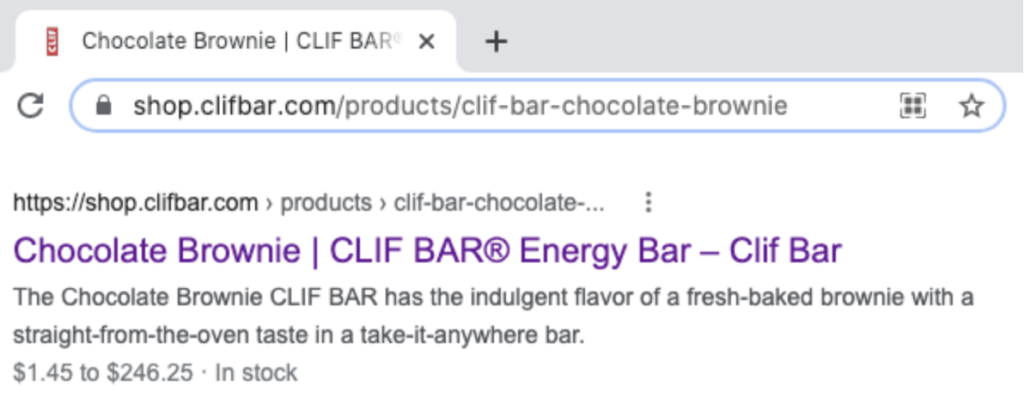
Depending on the size of your catalog, you may not need multiple levels to your URL structure. For example, Clif Bar has one level. Look at these simple, keyword-rich URLs:

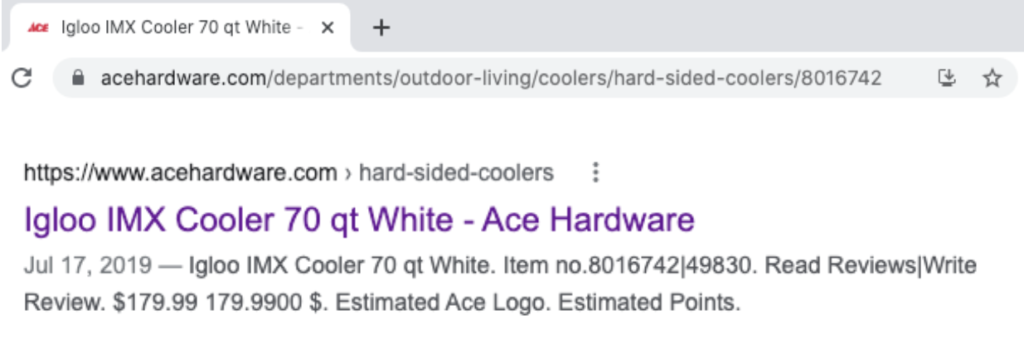
When you have a large product catalog, though, it becomes really helpful to have the different levels, as you can see in this example from Ace Hardware:

When you have a clear URL structure like this, Google will often display breadcrumbs with your search result. In the Ace Hardware example, that’s the “hard-sided-coolers” above the title tag. That breadcrumb information confirms to potential customers that they a) have the type of cooler they’re looking for and b) have enough of a selection for it to warrant its own category. That’s the kind of information that encourages more clicks and better SEO!

Beyond having a clear structure, you can boost your product page SEO with a SEO-first internal linking strategy. Link to your bestsellers in blog posts, and link to related items or product categories in carousels on your product pages. This improves the discoverability of these products, and gives Google additional semantic meaning about the relationship between these products.

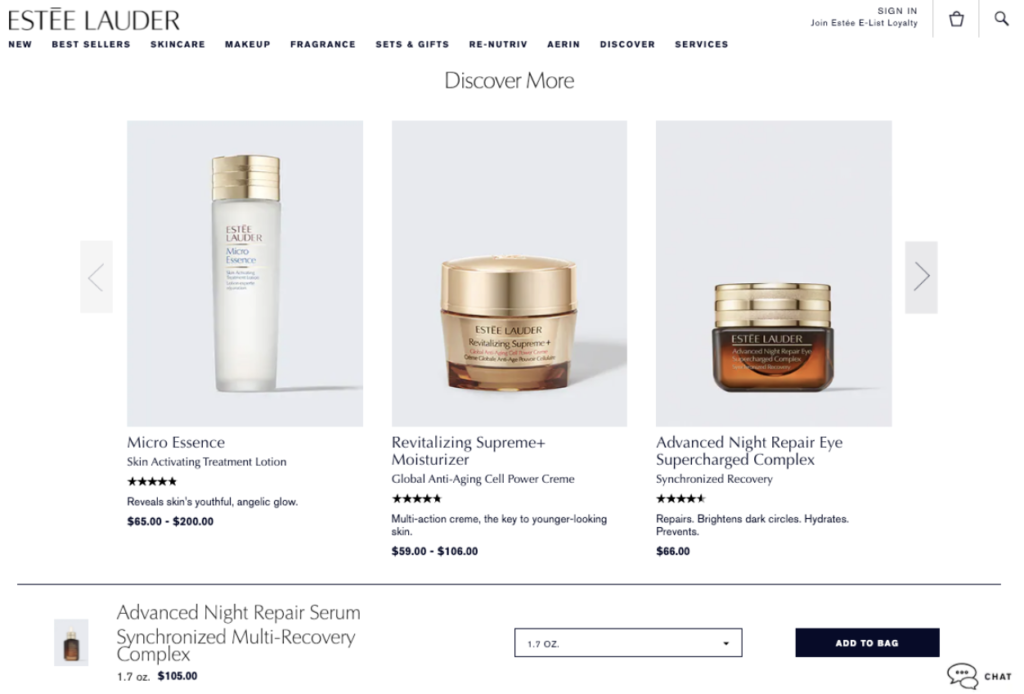
For example, on the product page for their Advanced Night Repair Serum, Estee Lauder links to related products that speak to the same pain points, like their Advanced Night Repair Eye cream.

products related to estee lauder Advanced Night Repair Eye cream

Also keep an eye out for what other products customers mention in their reviews. For example, let’s say you’re an outdoor clothing retailer. Do reviewers regularly mention one of your jackets in their reviews of your hiking boots or hiking pants? Feature that jacket in your Related Products carousel. 

5. Implement schema markup

Think back to the last time you were shopping online. Have you ever noticed how the search results for products look different than normal results? For example, they often display star ratings, price, and in-stock information.

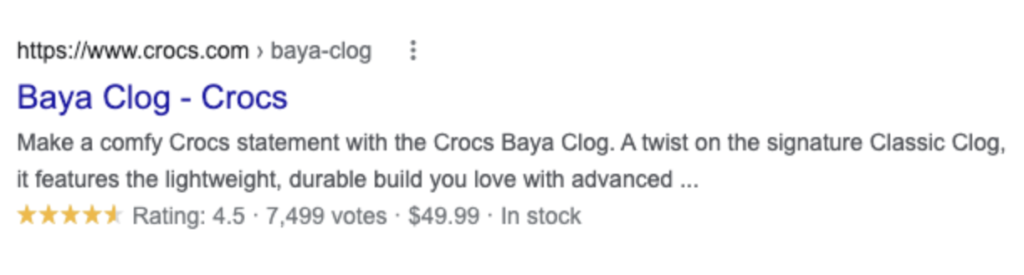
Once you start to look for them, you’ll notice these stars show up all over Google:

Crocs uses Google review schema to display star ratings in search results

This extra information, especially the stars, is called rich snippets. Rich snippets stand out to shoppers browsing the Google search results. Rich snippets also expand the size of your search result. Either way, searchers are more likely to click through when they see them. 

To enable rich snippets, you need to add schema markup to your website. Schema is code that speaks the search engine’s language and tells them key information about your product, like its price, availability, ratings, and more. To improve your product page SEO, consider adding these schemas to your product pages:

If you’re a PowerReviews customer, good news! We already take care of this for you. Our Review Display comes with schema markup built in.

Psst… Speaking of our Review Display, we just released our 4.1 update which is packed with even more SEO goodness. Display 4.1 boasts a smaller JavaScript bundle size and faster load times. With Google’s recent Page Experience update and continued focus on site speed, these improvements will make our Review Display load even zippier than before. Google will love it, and your users will, too. 

From SEO to sales

If you want more conversions, you need more traffic — and that’s where SEO becomes critical. Implement the five best practices above, and see what it does for your rankings, your traffic, and your sales! 

Alyson Fischer

Alyson Fischer is our Product Marketing Manager, obsessed with using data-driven storytelling to deliver a best-in-class customer experience and inspire dynamic engagement across channels. When she’s not agonizing over writing this bio, you can find her exploring Chicago with her furry sidekick or watching a true crime documentary on Netflix.

The role of Q&A on PDPs and how this content impacts purchase behavior, based on insights from more than 7,500 U.S. consumers.

Survey at a Glance:

How Q&A Eliminates Uncertainty and Boosts Ecommerce Sales is based on survey responses from 7,528 consumers across the United States. Key findings include:

Most consumers read Q&A to make more informed purchase decisions.
  • 99% of consumers read Q&A at least occasionally; Nearly three-quarters (72%) read Q&A always or regularly.  

  • Q&A and ratings and reviews both have roles to play. Of consumers who read Q&A, 98% do so in addition to reading reviews. 

  • Consumers read Q&A for various reasons, including to get a better understanding of product performance (83%), to see if the product fits their personal needs (70%) and to get a better sense of size or sizing (58%).
Many consumers ask and answer questions via Q&A -- and they have high expectations when it comes to getting answers.
  • 68% of those surveyed indicate they’ve left a question in the Q&A section of a product page. 

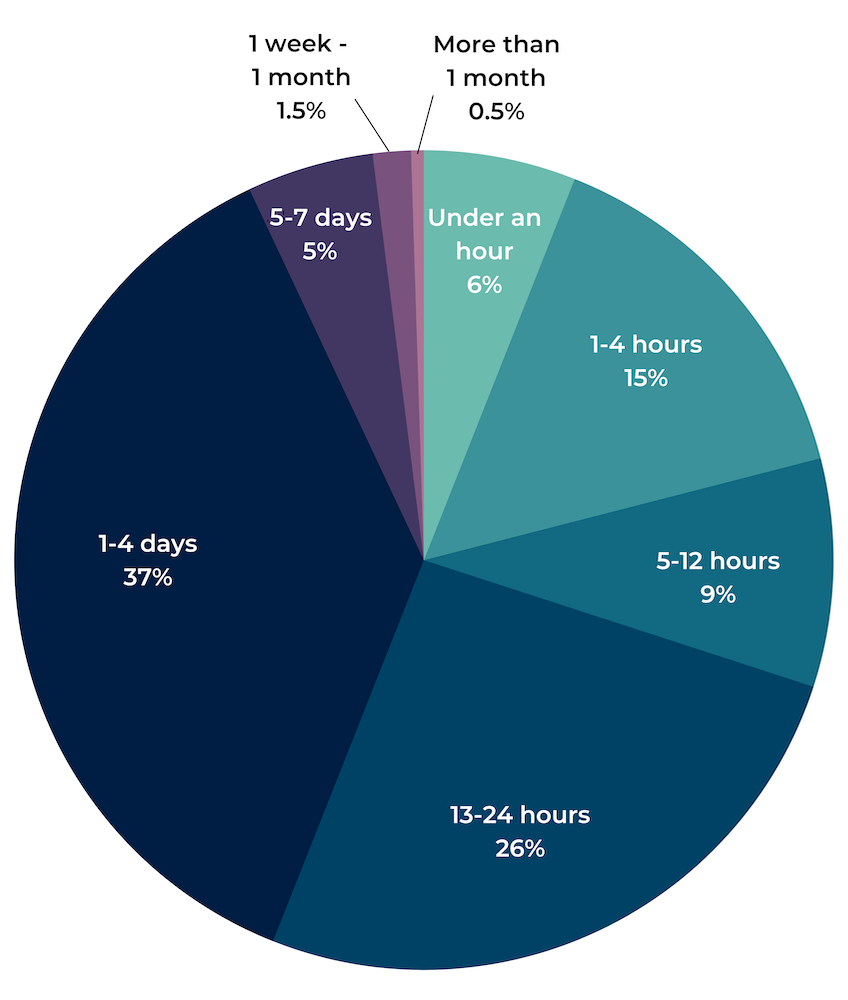
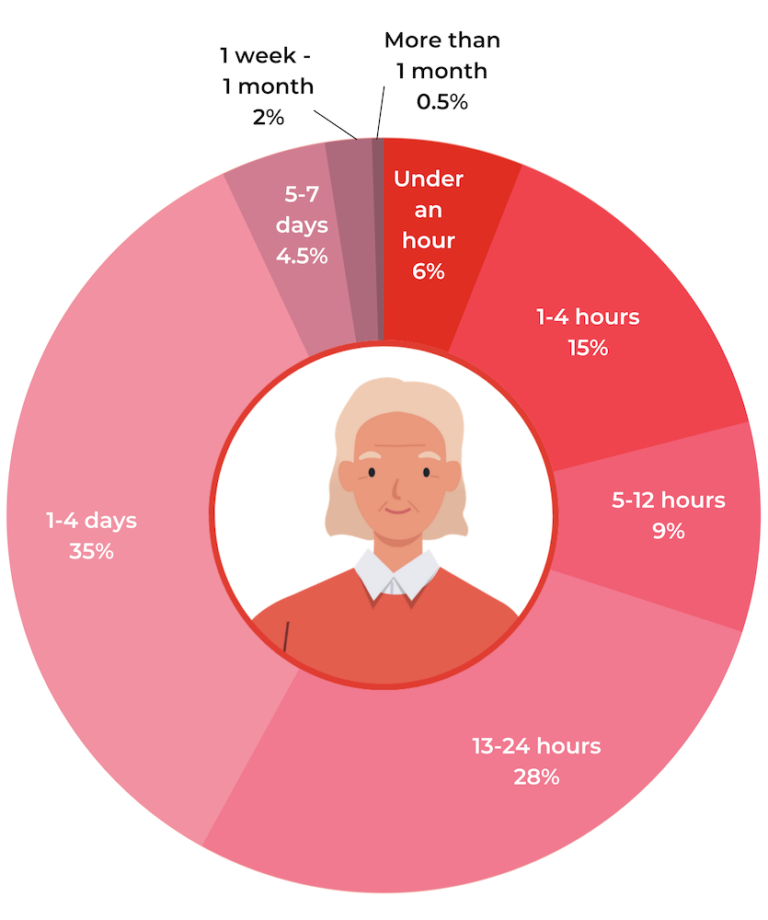
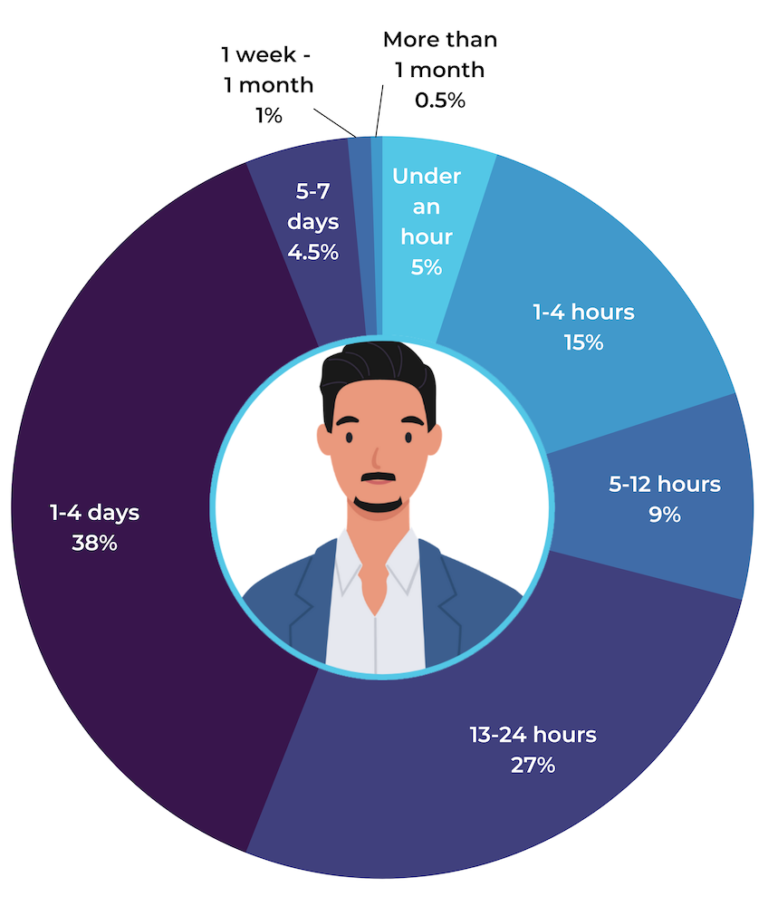
  • Consumers expect fast responses to their questions. 56% expect to get an answer within 24 hours, and 21% expect an answer in four hours or less.

  • 71% of shoppers have answered questions submitted by other shoppers via Q&A.
Consumers pay attention to the source of responses on Q&A -- and they place the highest value on answers from other shoppers.
  • 82% of consumers take note of the small print detailing who provided a Q&A response.  

  • 94% of shoppers value answers from verified buyers who have already purchased the product in question. 

  • 45% value answers from the brand or retailer selling the product.

  • A mere 18% value answers from other consumers that aren’t verified as having purchased the product in question.
The absence of Q&A content can deter shoppers.
  • A recent analysis found that there’s a 157.1% lift in conversion when visitors interact with Q&A.
  • 26% of shoppers are more suspicious about the quality of a product or brand if the product page doesn’t have a questions and answers section. 33% of Gen Z shoppers say this is the case. 
  • 24% of consumers are less likely to purchase a product if there isn’t a Q&A section on the product page. This number is even higher — 33% — among Gen Z shoppers. 

Introduction

Modern Consumers do Their Research

The modern consumer wants to find out all they can about a product before commiting to a purchase. But even the most comprehensive product detail page won’t address every possible question and scenario that crosses a consumer’s mind.

Oftentimes, Online Shoppers Struggle to Get Answers to Purchase-Blocking Questions

When a consumer is shopping in a brick-and-mortar store, many of their outstanding questions can be answered simply by seeing and touching the product in person. And if they still have questions, they can seek out a sales associate to get answers. 

However, when consumers shop online, they don’t have the same opportunities to overcome their hesitations. And if they can’t get an answer to a question, they’re likely to go elsewhere. In fact, according to research from Forrester, 55% of shoppers will abandon an online purchase if they can’t find quick answers to their questions.

55% of shoppers will abandon an online purchase if they can’t find quick answers to their questions.

Q&A is Proven to Positively Impact Purchase Behavior

It’s essential to provide website visitors with a means to ask questions standing in the way of a purchase — and answer questions from fellow shoppers. A growing number of brands and retailers do this by adding a questions and answers (Q&A) section to their product pages, typically alongside product ratings and reviews.

And those that do see a large, positive impact on purchase behavior.  In fact, our recent analysis found that there’s a 157.1% lift in conversion when visitors interact with Q&A.

This makes it the most impactful type of user-generated content (UGC) on purchase behavior. It’s like the number one digital body language equivalent indicator that a customer is going to buy.

Start Leveraging Q&A to Drive Greater Consumer Engagement and Sales

Clearly, Q&A can drive powerful bottom line results. However, in order to effectively leverage this content, it’s important to understand how modern shoppers engage with Q&A — and what their expectations are when it comes to this content. 

PowerReviews surveyed more than 7,000 consumers to understand the role of Q&A in online shopping and how it influences purchase decisions. This report explores the key findings from this survey, as well as six recommendations for brands and retailers seeking to leverage Q&A to the fullest to attract and convert more shoppers.

Who We Surveyed

Generations

Gen Z
(1997-present)
1%
Millennials
(1981-1996)
50%
Gen X
(1965-1980)
36%
Baby Boomers
(1946-1964)
13%

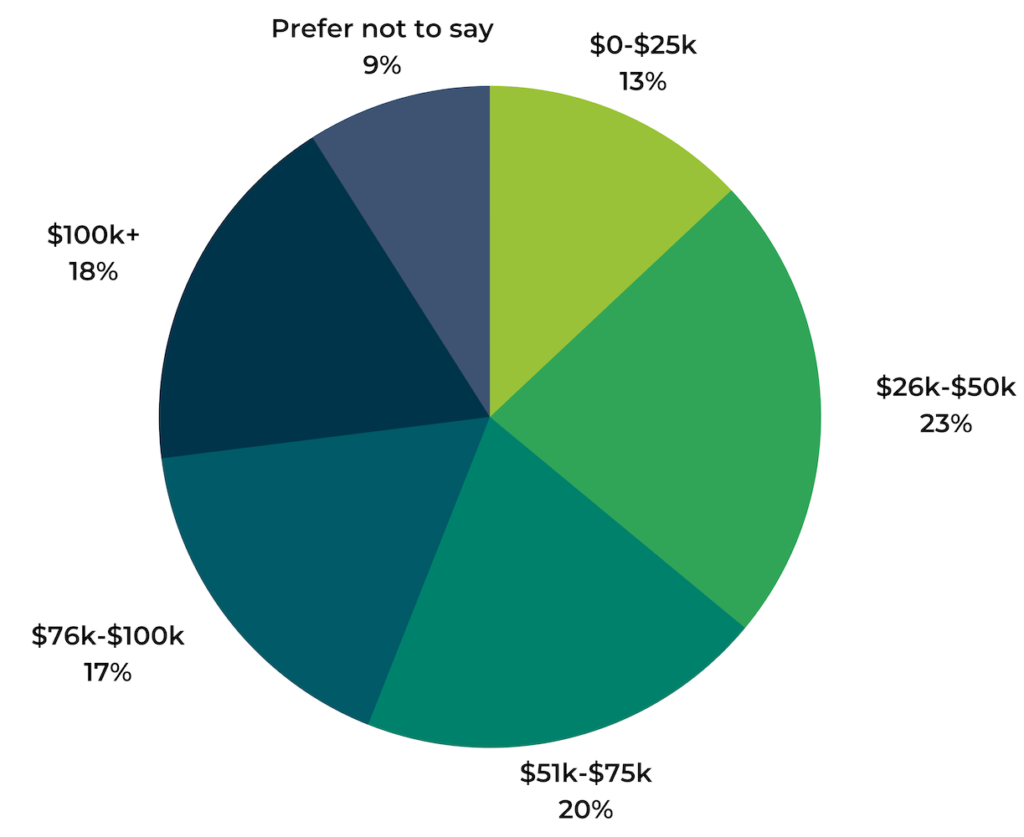
Household Income

How Often Consumers Consult Q&A

In-store shoppers have the opportunity to see, touch and experience products prior to making a purchase. And if they have outstanding questions, they can seek out a sales associate for assistance. This isn’t the case for online shoppers. 

We know from previous research that the majority of shoppers turn to ratings and reviews and user-submitted visual content to bridge the gap when shopping online. Another type of user-generated content — Q&A — also plays an important role.

The Vast Majority of Shoppers Consult Q&A

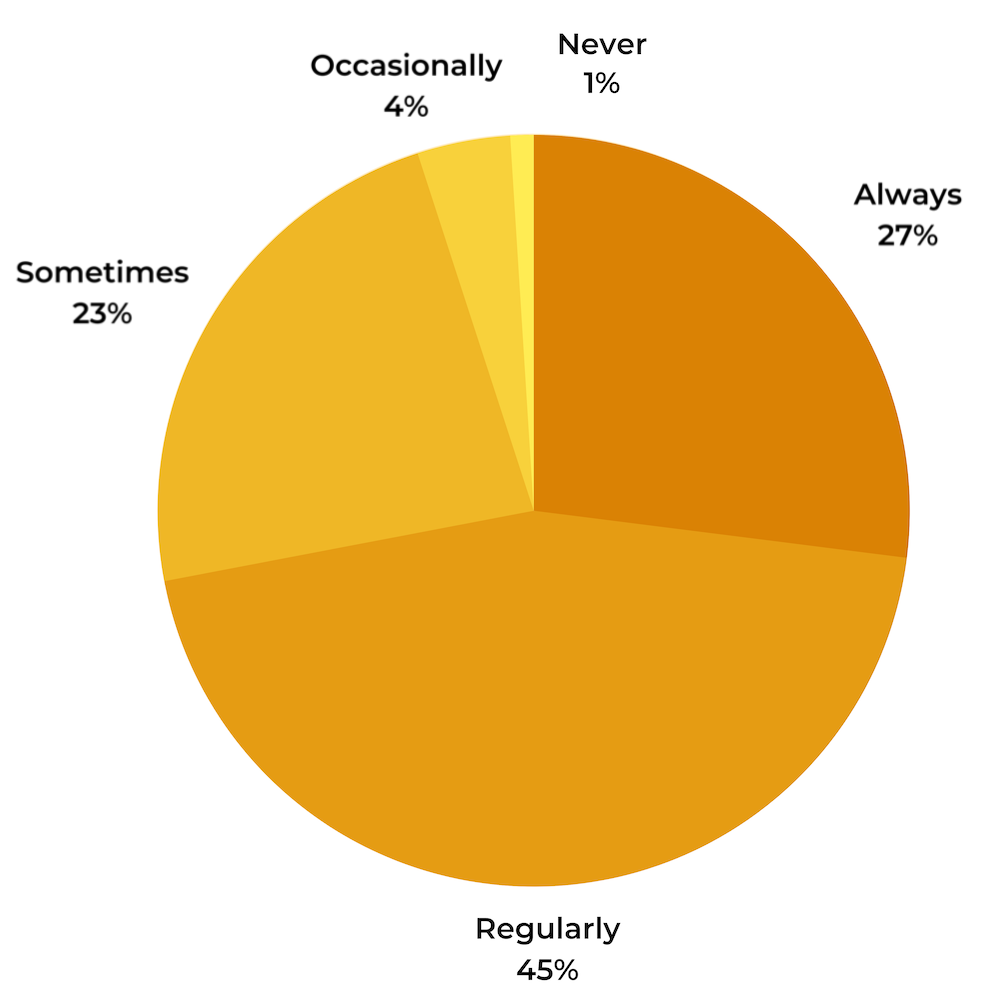
A growing number of brands and retailers display Q&A alongside ratings and reviews on product pages. When this content is available, 99% of consumers read it at least occasionally. And nearly three-quarters (72%) read Q&A always or regularly.  

How Often Consumers Read Q&A

Of note, younger consumers are actually less likely to read Q&A content than older generations. 64% of Gen Z shoppers read Q&A always or regularly, compared to 72% of Boomers, 73% of Gen X’ers and 70% of Millennials.

How Often Consumers Read Q&A
Boomers
Gen X
Millennials
Gen Z

Consumers Consult Q&A in Addition to Ratings and Reviews

When it comes to ratings and reviews and Q&A, it’s not a matter of either/or. Instead, each of these types of user-generated content has an important role to play. Of consumers who read Q&A, 98% do so in addition to ratings and reviews. Just 2% read Q&A instead of ratings and reviews. 

Q&A and Ratings and Reviews Both Play Important Roles
Do you read Q&A in addition to or instead of ratings and reviews?
In addition to:
98%
Instead of:
2% 2%

Consumers value both ratings and reviews and Q&A; one doesn’t replace the other. Brands and retailers must provide both types of content in order to meet the expectations of modern shoppers. 

Why Consumers Read Q&A

Today, nearly all shoppers read the Q&A section of product pages. But what are their motives for doing so?

Consumers Seek Out Additional Product Information by Reading Q&A

Shoppers read Q&A to get product information that goes beyond what’s available in the product description. But what topics do they want to learn more about? 

84% read Q&A to get more information about product quality, and nearly three-quarters (73%) do so to learn more about product experience. 66% seek out information about overall service and experience when buying the product. Other popular topics include product warranty (28%) and shipping (23%).

Most Important Information Included in Q&A
When reading Q&A on a product page, which of the following topics have you been seeking more information on?
Product quality
84%
Product experience
73%
Overall service/experience when buying the product
66%
Product warranty
28%
Shipping
23%

Consumers Seek Out Additional Product Information by Reading Q&A

We know that consumers turn to Q&A to get more information about products. But why do they value this content as much as they do?  
The most popular reason why consumers read Q&A is that it helps them understand product performance; 83% say this is the case. 70% of consumers indicate that Q&A helps them determine if a product fits their own personal need, and over half (58%) say this content helps them get a better sense of size or sizing. 

Other top reasons consumers read Q&A is that it’s more specific than a typical customer review (56%), it’s more authentic and real than standard brand-created information (51%), and it creates trust in the brand or product (34%).

Why Consumers Read Q&A Content
Better understand product performance
83%
To see if the product fits a personal need
70%
Get a better sense of size/sizing
58%
It’s more specific than a typical customer review
56%
It’s more authentic and real than standard brand-created information
51%
It creates trust in the brand/product
34%

Consumers read Q&A for a wide variety of reasons and use this content to gain information on many topics. It’s essential to display Q&A on product pages to address shoppers’ purchase-blocking concerns — and ultimately, drive more sales.
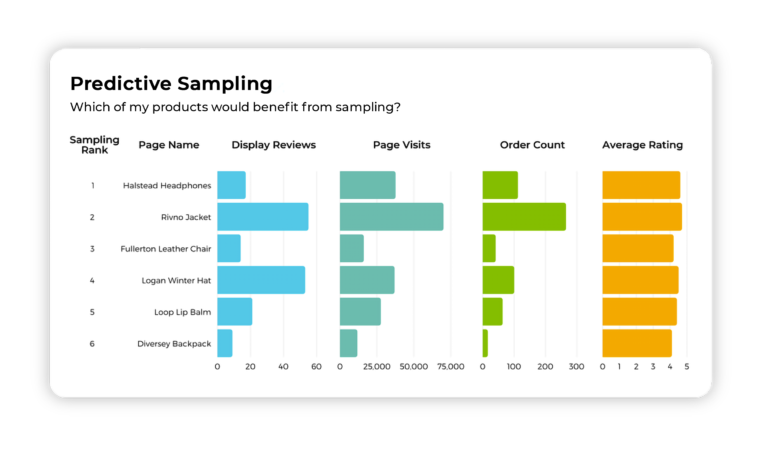
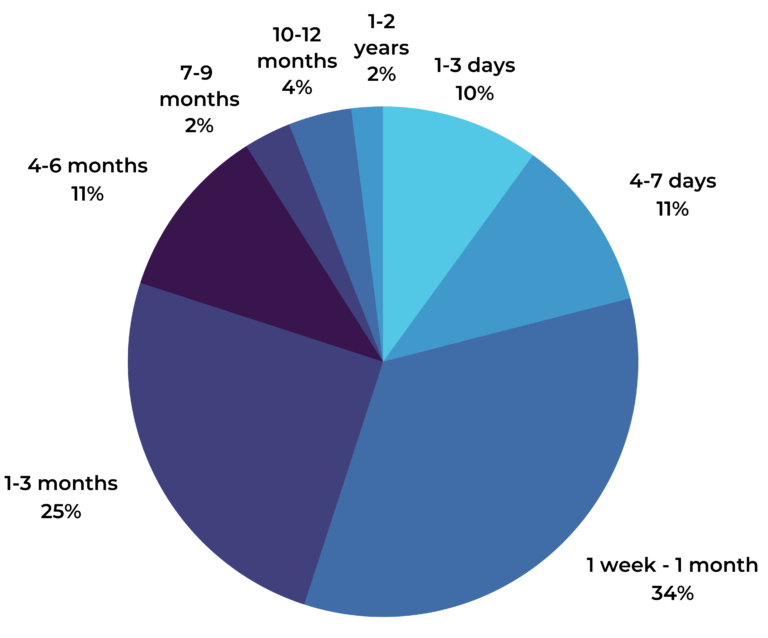
How Consumers Interact with Q&A - and Their Expectations When They Do So

We know that 99% of consumers read Q&A at least occasionally, with many doing so much more often. Consumers also interact with Q&A by posing their own questions — and answering the questions of fellow shoppers. 

Consumers Use Q&A to Submit Their Own Purchase-Blocking Questions

Most shoppers read through existing Q&A to get more information about products. But if they still have a question standing in the way of making a purchase, many won’t hesitate to submit it. 
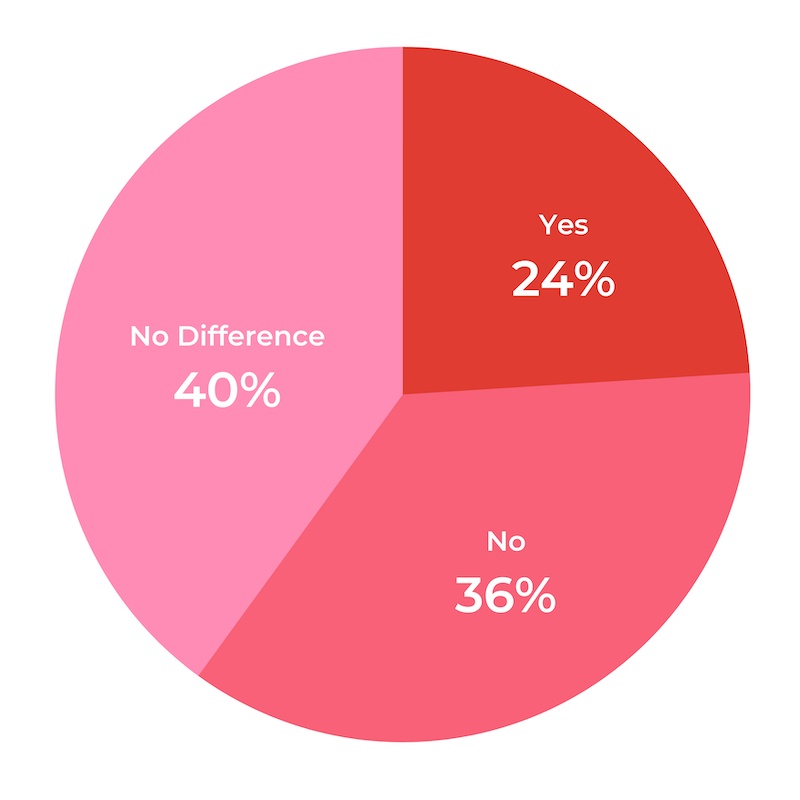
68% of the consumers we surveyed said they’ve left a question in the Q&A section on a product page.

Many Consumers Post Questions Via Q&A
Have you ever left a question in the Q&A portion of a product page?

Of note, older consumers are more likely to submit questions than their younger counterparts. 70% of Boomers have left a question in the Q&A portion of a product page, compared to 55% of Gen Z shoppers. 
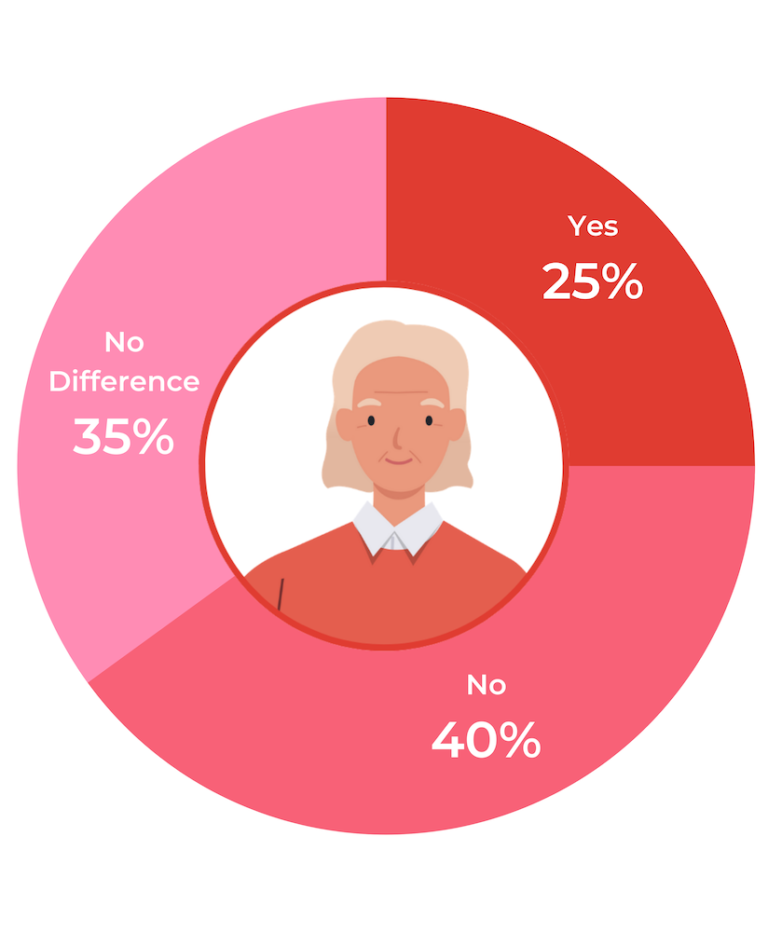
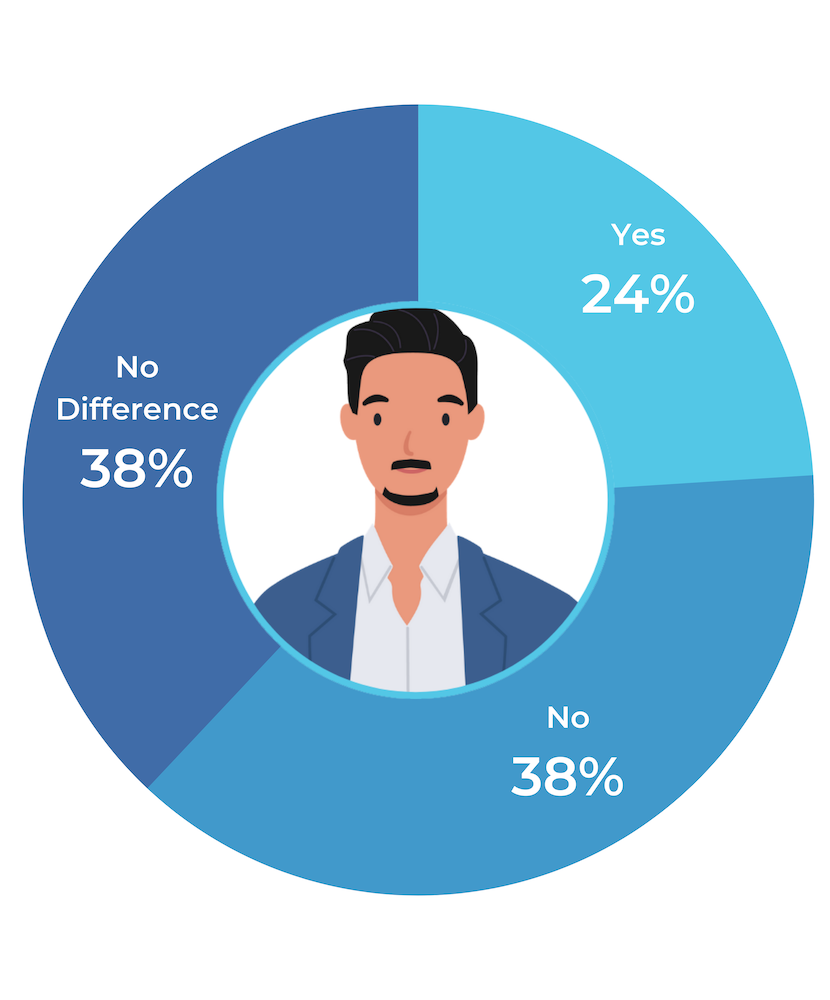
Consumers of All Generations Pose Questions Via Q&A
Percentage of consumers who have posted questions
Boomers
70%
Gen X
69%
Millennials
67%
Gen Z
55%

Shoppers Expect Fast Answers

Most consumers submit questions via the Q&A section of product pages. And when they do, they expect to get answers — quickly.

Over half (56%) expect to get an answer to a question within 24 hours. And nearly a quarter (21%) expect an answer in four hours or less.

Consumers Have High Expectations for Quick Answers
If you ask a question through Q&A on a product page, how long would you expect to wait for an answer?

Gen Z shoppers have slightly higher expectations than other age groups. 60% of Gen Z’ers expect a response from a question within 24 hours, compared to 55% of Millennials, 56% of Gen X consumers and 58% of Boomers. 

Regardless of age, shoppers expect speedy answers to the questions they pose via Q&A. Make it a priority to provide timely answers. If you don’t, your shoppers may lose interest and seek out a more responsive brand.

Consumers Have High Expectations for Quick Answers
If you ask a question through Q&A on a product page, how long would you expect to wait for an answer?
Boomers
Gen X
Millennials
Gen Z

Consumers Recognize that the Answers in Q&A Come from Various Sources

On some brand and retailer websites, questions are solely answered by the business itself. But on other sites (including Amazon), shoppers can post answers to questions from other shoppers. 

For the most part, consumers seem to understand that answers come from various sources. The vast majority (86%) believe answers to questions in the Q&A section of a product page are created by verified buyers who already bought the product in question, and 63% recognize that answers come from the brand or retailer selling the product. Just over a third (35%) think answers come from other consumers that haven’t been verified as having bought the product in question.

Consumers Recognize That There are Multiple Answer Sources
Who do you think creates the answers to questions in the Q&A section on product pages?
Verified buyers who already bought the product
86%
The brand or retailer that is selling the product
63%
Other consumers not verified as having bought the product
35%

Shoppers Take Note of Who Responds to Q&A

Many brands and retailers display a badge or some text detailing who provides each answer in the Q&A section of a product page. And customers browsing Q&A take note. 82% of consumers say they pay attention to the small print detailing who provided the answer response.

Consumers Take Note of Who Provides Q&A Answers
When browsing Q&A content on product pages, do you pay attention to the small print detailing who provided the answer response?

Interestingly, Boomers are the generation most attuned to who responds to the questions in the Q&A portion of product pages. 85% of Boomers pay attention to the small print detailing who provided the answer response, compared to 72% of Gen Z shoppers.

Older Consumers Pay More Attention to the Source of Q&A Responses
Percentage of consumers who pay attention to the source of Q&A responses
Boomers
85%
Gen X
82%
Millennials
81%
Gen Z
72%

Make it easy for shoppers to determine who provided each answer in the Q&A section of your product pages. Your prospective customers are paying attention!

Consumers Value Answers from Others Like Them

Shoppers recognize that the answers to questions posed via Q&A come from a variety of sources. But do they value one source over another?

Absolutely.

Nearly all shoppers (94%) value answers from verified buyers who have already purchased the product in question. Just under half (45%) think that answers from the brand or retailer selling the product are valuable. And a mere 18% value answers from other consumers that aren’t proven to have purchased the product.

Consumers Place High Value on Answers from Other Consumers
Which of the following groups who provide answers to questions in Q&A sections on product pages do you value?
Verified buyers who already bought the product
94%
The brand or retailer that is selling the product
45%
Other consumers (not verified as having bought the product)
18%

Clearly, consumers value answers from others like them. And this isn’t terribly surprising. After all, the perceived beauty of user-generated content is that it’s provided by a consumer without an agenda (other than providing accurate information for others).

So if you’re not already, start allowing your customers to answer questions about the products they’ve purchased in the past. It’s a great way to build trust and convert more shoppers. 

Many Consumers Answer Questions Via Q&A

Consumers don’t hesitate to pose their late stage buying consideration questions via the Q&A section of product pages. And as it turns out, many are also willing to share their own experiences with fellow shoppers by answering questions submitted via Q&A. 

In fact, nearly three-quarters (71%) of consumers have answered questions from other shoppers via Q&A. Interestingly, more consumers answer questions than submit their own.

Most Consumers Have Answered Questions from Other Shoppers via Q&A
Have you ever left an answer in the Q&A section of a product page?

Of note, Gen Z shoppers are the group least likely to have answered fellow shopper questions via Q&A. Less than half (48%) have done so, compared to 71% of Boomers and Gen X shoppers and 70% of Millennials. 

Consumers of all Ages Answer Questions from Shoppers via Q&A
Percentage who have left an answer in the Q&A section of a product page
Boomers
71%
Gen X
71%
Millennials
70%
Gen Z
48%

How Q&A Impacts Shopper Trust and Purchase Behavior

Nearly all shoppers interact with Q&A content when it’s available. What’s more, it’s presence (or absence) has the power to significantly impact purchase behavior. 

Consumers Who Interact with Q&A are More Likely to Convert

Reading Q&A can help shoppers overcome their hesitations and purchase a product. In fact, Q&A is proven to increase the likelihood of purchase. 

As we highlighted above, our previous analysis of 1.5MM online product pages from more than 1,200 brand and retailer sites throughout the course of 2020 found that there’s a 157.1% conversion lift when shoppers interact with the Q&A portion of a product page.

Impact of Q&A on Conversion
Overall Conversion
3.4%
Conversion for those who interact with Q&A
8.8%
157.1% lift in conversion

The Absence of Q&A Can Impact Trust

On the flip side, the absence of Q&A can negatively impact consumer trust and purchase behavior. 

Just over a quarter (26%) of consumers are more suspicious about the quality of a product or brand if the product page doesn’t have a questions and answers section.

The Absence of Q&A Increases Suspicious for Some Shoppers
If a product page doesn’t have a Q&A section, does this make you any more suspicious about the quality of the product or brand concerned?

Notably, Gen Z shoppers are the group most likely to be suspicious of product pages lacking a Q&A section. A third (33%) of Gen Z shoppers say the absence of Q&A makes them more suspicious of the quality of the product or brand, compared to 27% of Boomers and 26% of both Gen X’ers and Millennials. 

Generational Comparison: The Absence of Q&A Increases Suspicion for Some Shoppers
If a product page doesn’t have a Q&A section, does this make you any more suspicious about the quality of the product or brand concerned?
Boomers
Gen X
Millennials
Gen Z

The Absence of Q&A Can Decrease Purchase Likelihood

The presence of Q&A can increase purchase likelihood. What’s more, the absence of Q&A can decrease purchase likelihood. 

If a product page lacks a Q&A section, it makes nearly a quarter (24%) of consumers less likely to buy the product.

The Absence of Q&A Decreases Purchase Likelihood for Some Consumers
If a product page doesn’t have a Q&A section, does this make you less likely to buy the product concerned?

Gen Z shoppers are the group most likely to be deterred by a lack of Q&A on a product page. A third (33%) indicate that they’re less likely to buy an item if the product page doesn’t have a Q&A section. In comparison, 25% of Boomers, 24% of Gen X’ers and 23% of Millennials say this is the case.

Generational Comparison: How a Lack of Q&A Impacts Purchase Likelihood
If a product page doesn’t have a Q&A section, does this make you less likely to buy the product concerned?
Boomers
Gen X
Millennials
Gen Z

It’s true that a lack of Q&A isn’t enough to deter the majority of shoppers. However, those who interact with this content convert at higher levels than those who don’t. 

Add Q&A software to your product pages so shoppers can browse questions posed by other consumers — and submit their own. If you don’t, you’re leaving money on the table, as Q&A is proven to significantly boost conversion rates.

6 Tips for Leveraging Q&A to Boost Consumer Engagement and Sales

No matter how comprehensive your product pages, there’s no way to anticipate each and every question customers will have. It’s imperative to provide shoppers with a mechanism for getting further information in order to maximize sales likelihood. Q&A is a highly effective tool to do just that. 

Brands and retailers that leverage Q&A to the fullest are able to more effectively eliminate customer hesitations — and boost sales. Read on for 6 ways to leverage Q&A to increase consumer engagement and sales, based on the key findings of this report.

1
Display Q&A Alongside Reviews

Nearly all (99%) of consumers read Q&A on product pages, and those who engage with it are more likely to convert than those who don’t. On the flip side, nearly a quarter of consumers are less likely to buy a product if there isn’t a Q&A section on the product page. 

So be sure to add a Q&A section to your product pages that allows shoppers to browse questions that have already been asked, submit their own, and answer questions posed by fellow shoppers. A best practice is to display this content alongside your ratings and reviews so consumers can easily find all of the user-generated content they need to make informed purchase decisions.

Make it Easy for Consumers to Search Existing Q&A

Shoppers read Q&A to get more information about various topics, including product quality, product experience and shipping. Make it easy for them to find the information they’re looking for by adding a search feature to your Q&A display. If a shopper finds a question similar to theirs, you’ll get less repeat questions. Plus, the shopper will get an instant answer — and they’ll be more likely to convert right away.

2
3
Provide Fast Answers to Questions

Over half of consumers expect answers to questions within a day. And nearly a quarter expect a response within four hours. Make sure you have a plan in place to ensure questions are answered quickly. If you respond too late, you risk losing the sale to a more responsive business. 

Allow Existing Customers to Answer Questions from Prospective Customers

Consumers value answers from other shoppers who have already purchased a product significantly more than answers from brands or retailers. So start allowing your current customers to answer the questions posed by prospective customers. Hearing about the experiences of fellow consumers will build your shoppers’ confidence — and the likelihood that they’ll make a purchase.

4
5
Disclose Who Answers Questions Submitted Via Q&A

82% of shoppers pay attention to the small print detailing who provides Q&A responses. So for the sake of transparency and credibility, be sure to include a badge or disclosure that makes it clear who submitted each response to a customer question. 

Measure Q&A Performance and Optimize Accordingly

Developing a Q&A strategy isn’t a one time event. Instead, you’ve got to regularly measure the performance of your Q&A content. Then, use the insights you uncover to optimize your program and drive even bigger results for your business.

6

Consumers depend on reviews, regardless of what they’re shopping for.

And the importance of this content is only growing. Recent research found that 99.9% (yes, you read that right) of consumers read reviews when shopping online at least sometimes, compared to 97% who said this was the case in 2018.

What’s more, shoppers seem to have a nearly insatiable appetite for review content. 68% of consumers say that ideally, a product should have 26 or more reviews. And nearly a third feel that a given product should have 100 or more reviews!

The Ideal Number of Reviews a Product Should Have, According to Shoppers

Brands and retailers that don’t collect this content aren’t meeting customer expectations — and are quite literally leaving money on the table.

Not convinced? Our analysis of 1.5MM product pages from more than 1,200 brand and retailer sites during 2020 found that there’s a 120.3% lift in conversion among those who interacted with ratings and reviews.

That means brands that don’t provide this content are missing out on a simple, yet impactful way to grow sales.

The Impact of Reviews on Conversion
Ecommerce UGC Page Visitor Overall
3.4%
Conversion for Those Who Interact with Reviews
7.6%
120.3% conversion lift when visitors interact with reviews

Cleary, the onus is on brands and retailers to collect reviews — and plenty of them.

How Incentives Motivate Shoppers to Contribute Reviews

Ideally, every customer would write glowing reviews about every product they purchased. But that’s just not how the world works, sadly.

Our research found that about half of consumers (52% to be exact) write reviews multiple times per month. The other half submit this content far less frequently –and 2% never do.

Review Submission Frequency

Fortunately, there are several strategies that are proven to increase review volume for brands and retailers. One particularly impactful way to generate more content is to offer an incentive in exchange for a review.

Frankly, incentives are the single most effective way to generate a ton of reviews fast.

Overall, nearly three-quarters (73%) of consumers say they’d be motivated to write a review if they were offered an incentive. And (perhaps not surprisingly), incentives motivate shoppers of all generations.

Incentives Motivate Reviewers Across Generations
Boomers
73%
Gen X
74%
Millennials
73%
Gen Z
73%

Four Impactful Types of Incentives for Generating Reviews, According to 10,000+ Consumers

We know incentives are enough to motivate 73% of consumers to write reviews. But what incentives actually work?

The short answer is that it depends. An incentive that works well for one brand might not be as successful for another.

However, we recently surveyed more than 10,000 consumers to understand what motivates them to write reviews — and there were four incentives that rose to the top. Let’s dig into each of them so you can determine which might be a good fit for your brand.

Incentives Leading to Review Submissions
Receiving the Product Free of Charge
91%
Receiving a Product Before It's Available to the Public
85%
Discounts with Store or Brand
67%
Loyalty Points with Store or Brand
59%

1. Free Products

Let’s face it: people like getting free stuff. So it’s probably not terribly surprising that receiving a free product is the most effective incentive for getting more reviews. 91% of consumers said they’d be motivated to write a review if they received a product free of charge.

So if you’re looking to generate a high volume of reviews fast, product sampling might be just the ticket.

The concept is simple: send free samples to consumers — and then ask them to write a review. But it’s incredibly effective. At PowerReviews, the average submission rate for product sampling campaigns is 85%. That means 85% of those who receive a free sample go on to write a review.

Reviews that result from product sampling campaigns are also high quality. We’ve found that reviews generated through a sampling campaign are 83% longer, compared to those captured via other methodologies.

This is great news, as 56% of consumers say that the length, depth, and detail of review content are factors that matter to them.

2. Receiving a Product Before It’s Sold to the General Public

Getting early access to a product can make a customer feel valued, special, and, quite frankly, a bit like a rock star. It’s a pretty cool feeling to know you have something that hasn’t officially hit the shelves.

Early access to a product can also motivate consumers to write reviews. 85% of consumers say that receiving a product before it’s sold to the general public would motivate them to write a review.

If you’re releasing new products, consider doing a pre-launch product sampling campaign. The consumers who receive early access are likely to write reviews — and that means you can officially launch the product with plenty of reviews already in place!

What’s more, the feedback you get in those pre-launch reviews can help you understand where your product shines — and where it falls flat. Then, you can use the insights you uncover to tweak the product before it officially hits store (and digital) shelves.

3. Discounts with the Store or Brand

Consumers are constantly on the hunt for great deals and discounts. According to a survey from Valassis, 72% of consumers make it a priority to save money by using coupons and discounts.

Who wants to pay full price when they don’t have to? No one!

Offering a coupon or discount can also increase the likelihood that a shopper will write a review. 67% of consumers say they’d be motivated to write a review in exchange for a discount for the store or brand.

So if you’re looking to increase your review volume, consider offering shoppers some sort of deal in exchange for writing a review. For example, you might provide a code for a percentage off a future purchase or free shipping percentage off a future purchase that’s “unlocked” after the customer has submitted a review.

The right discount or deal will help you generate more reviews, and as an added bonus, it’ll give your customers an excuse to shop with you again. The same survey from Valassis found that 54% of consumers said that receiving a coupon or discount has caused them to make an impulse purchase.

4. Loyalty Points with the Store or Brand

Consumers are loyal to the brands they love. According to Motista, customers that feel emotionally connected to a brand stick around for an average of 5.1 years, compared to 3.4 years for customers who aren’t emotionally connected. What’s more, the lifetime value of emotionally connected customers is 306% higher.

A great loyalty program can help you further engage your happy customers — and keep them coming back for more. And if you have a loyalty program, offering points in exchange for reviews can be a great way to generate more of this conversion-boosting content.

After all, 59% of consumers indicate they’d be motivated to write a review if they had the chance to earn loyalty points with the store or brand.

So if you have an established loyalty or rewards program, consider leveraging it to generate more reviews. For example, a customer might earn 10 loyalty points for each review they write.

And once they accumulate a certain number of points, they can redeem them for a coupon or some sort of promotion — such as a dollar amount off their next purchase.

How to Promote Your Chosen Incentive

You’ve chosen the incentive you plan to offer to customers in exchange for reviews. That’s great! Now it’s time to make sure your customers know about it.

Sometimes, a consumer will write a review without being prompted. But in most cases, they need a gentle reminder in the form of a post purchase email. Here at PowerReviews, we’ve found that about 80% of reviews are written as the result of a post purchase email.

So if you’re offering an incentive in exchange for reviews, be sure to prominently promote it in your post purchase emails. When possible, include the incentive in the top portion of the email so your shoppers will see if — even if they don’t scroll through the entire email. For example, this one from Bissell makes it clear that those who write reviews will be entered in a sweepstakes to win a prize.

You can also include these promotions in your packaging like this insert from Derma E.

How to Maintain Transparency (and Preserve Trust) When Incentivizing Reviewers

Consumers value reviews because this content is provided by fellow shoppers sharing their real experiences, rather than a brand trying to sell a product. In order to preserve consumer trust, transparency is a must.

When you display reviews, be sure to include fine print or a badge that indicates when a consumer received an incentive in exchange for a review. That way, future shoppers will have a clear idea of who wrote each review.

For example, it’s clear that the person who wrote this review for Wander Beauty is a verified buyer who received a free sample in exchange for their review.

Start Generating More Conversion-Boosting Reviews with the Right Incentive

Reviews are more important than ever before, regardless of what a consumer is shopping for. Brands and retailers must make it a priority to collect plenty of this content — or risk losing customers to a competitor. Offering the right incentive can be a great way to supercharge your review collection — and boost conversion across your website.

Andrew Smith

Andrew is an experienced ecommerce technology marketer. When he's not thinking about his day job, he's running around after two small children in Chicago's Lakeview neighborhood.

Power Points:
  • Emails are a key medium for review collection. Between 60% to 90% of all reviews originate from an email request.

  • PowerReviews review request emails have an average open rate 59% higher than ecommerce benchmarks.

  • Retailers can optimize email open rates with stronger subject lines. Pro tips include personalizing subject lines, offering an incentive, and A/B testing.

There’s a direct relationship between review collection and sales. When retailers add reviews to their product pages, they see an instant bump in traffic and sales. In fact, consumers who interact with ratings and reviews convert at 108.4% the rate of those who don’t. This probably isn’t surprising given reviews are such an important part of the purchase consideration process – with 99.9% of consumers now claiming they read them

There are a number of ways retailers can boost their review collection efforts, but none are more powerful, impactful and widely-used as email.

Emails are a key medium for review collection. According to our data, between 60% to 90% of all reviews originate from an email request. After implementing review request emails, one of our customers in the home improvement space saw over a 1,000% increase in review volumes the very next month!

After implementing review request emails, this company's review volumes increased by 1,042% in one month.

If the data tells us anything, it’s that if you send a post-purchase email, a review is good as collected. There’s only one thing standing in your way. Customers have to actually open your email.

A Quick Review of Email Open Rates

According to Mailchimp’s latest benchmarks for 2021, the average email open rate is 21.33% across industries. For ecommerce, it’s 15.68%, and for retail, it’s 18.39%.

There’s good news here. At PowerReviews, our open rates for post-purchase review collection emails are all either in-line, or above, Mailchimp’s benchmarks — suggesting that consumers are even more interested in opening emails that request they share their feedback with a retailer. 

Our overall unique open rate is approximately 25% (which is 17% higher than the average from Mailchimp’s data). Our open rates are 59% higher than Mailchimp’s for ecommerce, and 35% higher for retail. (These figures are based on nearly 175 million emails sent from 600+ merchants, as of June 22, 2021.)

PowerReviews Lift vs. Average Open Rates in Key Business Areas
Any Email
(data from Mailchimp)
Percentage Lift of PowerReviews Benchmarks*
All Industries
1 %
+ 1 %
Ecommerce
1 %
+ 1 %
Retail
1 %
+ 1 %
*Calculated on average open rate of 25% across all emailed review requests sent via PowerReviews technology

The data tells us consumers want to write reviews. Earlier this year, we surveyed more than 10,000 active shoppers in the U.S. and nine out of ten reported that they write a review at least once every six months. The better news? 91% of those who do, are motivated by a desire to share a particularly positive experience. All retailers need to do is get them to open their email so they have a chance to.

If you want to increase your email open rates, it all comes down to your subject line. It follows, then, that if you want more reviews, you need to optimize your email subject lines. Here are eight dos and don’ts to help you do just that.

5 Email Subject Line Dos

Follow these five email subject line tips to boost your review collection efforts.

1. DO personalize your subject lines when possible

Personalization is the holy grail of retail marketing. Why? Because consumers are much more likely to respond to something that is highly relevant to them. Customers are 29% more likely to open an email personalized to them, according to Mailchimp

Plus, adding the recipient’s name to your subject line helps your email bypass spam filters (since you’re using their name). Next time, try an email subject line like “We want details! How would you rate your recent purchase, [Name]?”

2. DO be descriptive, but keep it short

Shorter is always better in today’s world of short attention spans. No one wants to read a paragraph. Write shorter email subject lines, and you don’t have to worry about your subject line getting cut off. Aim for around 40 characters, or 7 words. 

This best practice is especially important if the majority of your customers read email on a mobile device (as most people do nowadays).

3. DO include a promotion or contest

Predictably, incentive-based emails get the best open rates (who doesn’t want a chance to win free swag?). However, we’d recommend exercising caution when running a review promotion because ISPs sometimes identify these emails as spam. To avoid your email getting marked as spam, try:

  • Testing your email with a smaller set of customers before launching the campaign to everyone.

  • Including the contest language in the email header so it shows up in the preview instead of the subject line.

Don’t worry too much about sounding spammy. If you’ve emailed these shoppers before (which you probably have when you sent their order confirmation emails), their ISP may already recognize you as a trusted sender and send you straight to their inbox anyway.

Here are some of the top-performing email subject lines we’ve seen:

  • Your review is worth $1000!
  • Review and Earn at [your brand]
  • Review and Win!
  • Rate your purchase for a chance to win!
  • Tell us what you think!
  • If you loved it, let us know! 
  • Review Your Purchase and Receive $10 off Your Next Purchase

According to our data, emails with subject lines mentioning a contest or gift also consistently top the list for review completion rate (meaning that customers actually click through and submit a review after opening the email). One of our apparel clients implemented a review sweepstakes for 45 days and saw a 290% increase in collection rates during that time! They now run it sporadically throughout the year and have more than doubled the amount of user-generated content they collect in a year.

4. DO send at the right times

You can craft the most fantastic, intriguing, ultra-optimized email subject line — but your effort will be completely wasted if your customers never see it. Make sure to send your emails at the prime time to optimize both open rates and review completion rates.

When should you send your review request email?

You want to give your customers sufficient time to use the product so they feel comfortable leaving a review, without waiting so long that you’re no longer top of mind. We recommend sending your review request email between 1 to 3 weeks after the customer purchased the product. Here are the benchmarks we found work best for different types of products:

  • Seasonal items: 7 days
  • Soft goods: 14 Days
  • Perishables: 14 Days
  • Hard goods: 21 Days

If customers don’t open your first email, send them a follow up email 6 to 8 days later.

The best time of day to send emails is around 10am, 1pm, and 6pm, according to Hubspot. Those are averages across industries, and across email content. To find the best time to send review request emails for your brand, you can perform A/B testing, which brings us to our last tip.

5. DO consider A/B testing

Remember that your customers are unique. The “average” best practice may not apply to them. In addition to testing different send times, test a couple variations of your email subject lines. Track which subject line drives the best results, and iterate from there.

3 Email Subject Line Don’ts

Avoid these three email subject line mistakes when sending your post-purchase emails.

1. DON'T send from “do-not-reply” email accounts

No-reply email can be a death knell for your email delivery rates. Many ISPs filter emails sent from no-reply addresses as spam. Plus, it provides a frustrating experience for users — and for you. If there’s a problem with your review collection emails, but customers can’t reply, you’ll never know.

Instead, set up a dedicated email address for your review collection efforts, and ensure it’s monitored in case your customers reply.

2. DON'T include other marketing or sales calls-to-action

You know how they say, “Keep it simple, stupid”? The same goes for your emails. Don’t confuse your customers. Keep the call-to-action focused on review collection, and review collection alone — in both your subject lines and the email copy itself.

3. DON'T go crazy with hashtags and punctuation

Too much punctuation can make your subject line look spammy, especially if you use a lot of special characters (e.g. !!! or $). Hashtags (#) can also be flagged by spam. Stick to normal punctuation, and your email will appeal to customers and ISPs alike.

Get inspired with these top-performing email subject lines

Suffering from email writer’s block? When in doubt, rely on what works. These four examples have driven open rates above 40% (that’s a 61% increase over our average open rate) and review completion rates as high as 10% for brands and retailers we work with.

  • “Please review your [brandname.com] purchase”
  • “We’d love to hear what you think”
  • “Review your recent order!”
  • “Tell us about your new [brand name]”

If we could leave you with one last tip, it’s this. Make the ‘write a review’ action stand out. Make it clear to customers what you’re asking for, and you shall receive!

Alyson Fischer

Alyson Fischer is our Product Marketing Manager, obsessed with using data-driven storytelling to deliver a best-in-class customer experience and inspire dynamic engagement across channels. When she’s not agonizing over writing this bio, you can find her exploring Chicago with her furry sidekick or watching a true crime documentary on Netflix.

Power Points:

  • Reviews are made to be read, on your product pages and anywhere else they can help you sell. 

  • Repurpose your reviews, and you can enjoy more engagement, more clicks, and more sales.

Reviews – by their very nature – are immensely powerful validation of a product or service from someone who has actually used it. They therefore typically have way more credibility than any marketing in your own words.

As a result, brands and retailers are increasingly recognizing the conversion value of review content above and beyond the product page.

In fact, customer reviews are commonly now used in marketing emails, social media posts, throughout company websites — and even on in-store displays and product packaging.

Which – at the risk of repeating myself – makes a ton of sense given the inherent credibility and validity that comes with feedback from your customers in their own words.

If you’re not currently using review content left by customers in your marketing, this article is for you. But even if you are, read on to see how other brands and retailers are doing it to perhaps get your creative juices flowing.

Plus, it’s highly likely that at least some of these ideas will be brand new to you. Many of the brands and retailers we work with are getting super creative with how they use reviews in their marketing, and they’re enjoying tons of positive customer feedback as a result.

So, without further ado, here are 21 fresh ways to use reviews in your marketing this year.

Email marketing

Emails and reviews go together like PB&J. Here are five of the best real-world examples of using reviews in email campaigns that we’ve seen recently.

1. Use reviews to hype holiday promotions

Which is more interesting: A generic email telling you about a holiday promotion, or one that features a review from a real customer raving about what a great gift your product was? 

We love this example from LobsterGram because they use the review as the sales copy for a holiday email promotion. This is a super-efficient approach because not only do you save your marketing team the trouble of creating new copy, you probably end up being more persuasive as a result.

The holidays are coming, so now is an ideal time to start thinking about how you can repurpose reviews in your holiday content. And remember, you can use this technique for any holiday — back to school, Halloween, New Year’s — you name it.

2. Support your latest product launch

Incorporating reviews in your product launch is a great way to get buy-in. Get customers excited about your new product by telling them what other people think, like this example from Banana Republic. 

3. Make reviews the main event

Need some inspiration for your next email campaign? Elevate reviews to be the star of the show. 

This example from At Home is one of our favorites. They sent out an email with a subject line that read “You rated and reviewed; we rounded up your faves.” Talk about building intrigue! The call-to-action-based subject line invites people to open the email and take a look. The email itself featured top-rated products with star ratings and snippets from 5-star reviews.

4. Add to cart abandonment emails

The average cart abandonment rate hovers around 70%. Bring that number down by including reviews in your cart abandonment emails

For some shoppers, a visual reminder of the items they had in their cart might be enough to convince them to come back and buy. But many shoppers will need something more persuasive — like a 5-star review from a real customer. Here’s an example from Bowflex.

5. Augment broader campaigns and messaging

Do your emails feel like they’re missing something? If you’ve got some extra space, include a recent positive review in your marketing emails. 

It’s the perfect opportunity to highlight something positive about one of your products, build a sense of community among your customers, and, of course, remind people to leave their own reviews! Here’s an example from Saje:

Your website

Reviews don’t deserve to be siloed on your product pages. Feel free to repurpose them throughout your website. Here are four ideas to try.

6. Add reviews to your homepage

Your homepage is a centerpiece of your entire marketing strategy. Your messaging and presentation of that message needs to be highly impactful but also attention-grabbing and succinct.

Your customers are generally more persuasive than your marketing team and often talk in blunter terms that are more likely to directly resonate. Take a cue from Suja and highlight snippets from your reviews on the homepage.

7. Turn reviews into headlines

Your website is no doubt made up of a ton of headlines across category pages, product pages, landing pages, and so on. 

Struggling to come up with something that hits the mark?

Turn to your reviews like Molekule did. We love this approach because it’s unique, and it brings a sense of authenticity to the brand.

Whether you have a small marketing team or you just need a little inspiration, look to your reviews to see if you can pull anything from there.

8. Include review snippets in sliders

Traditional Medicinals features reviews in their image carousels (this example is taken from the homepage). We love this example because not only do they show the star rating with the review, but they also include a call-to-action.

If the person is a new shopper, they can click to read more. If they’re a returning customer, there’s a subtle reminder to write their own review.

9. Transform reviews into images

We’re starting to see clients utilize reviews as an alternate image in product photo galleries.

Pop your best reviews into your favorite graphic design tool and transform them into a graphic. You can use them as graphics in your own product gallery as well as on other retailer websites. 

Here are two examples from Soylent:

Social media

Social media is all about conversation. Why not use this marketing channel to promote all the wonderful things customers have to say about your brand? Here are five ways to get started.

10. Include reviews in your Instagram Stories

It’s tough to think up new Instagram Stories content daily — let alone multiple times a day. Give yourself a break and showcase your customers’ voices, like Continental Tires does.

11. Add them to your Instagram Story Highlights

After you share the reviews in your Instagram Stories, save them to your Story Highlights so customers can see them forever. Here’s what to do:

  1. Create a Story Highlight and name it “Reviews.”
  2. Then, whenever you post Stories featuring reviews, save the Story to this Highlight. 

Check out how Osprey Packs and Shindigz are doing it:

12. Feature reviews in your social media posts

You can also show off your reviews in your traditional social media posts, like Healthy Choice does. We love how they paired the review with a delicious photo of one of their meals!

13. Give your ads a boost

Reviews sell, so why not include them in the content you’re creating specifically to sell? (We’re talking about social media ads.) Saje Wellness shows how it’s done: 

14. Highlight reviews on LinkedIn

That’s right. You can even use reviews on LinkedIn. Just take a cue from The Hartford. 

Insurance can be a dry topic, but they keep it interesting by using reviews in their social media posts. They replace the auto-generated thumbnails for their LinkedIn posts with a positive customer review instead.

The five gold stars capture attention on the busy news feed and get people to read their reviews. Brilliant!

Other marketing communication

Our clients have even found creative ways to leverage reviews in their other marketing communications, including print communications and product packaging. Check it out.

15. Go from online to offline

Customer reviews offer more context to your product descriptions. Consider how you can incorporate them into your print catalogs and marketing materials.

This example from Trek Bikes is fantastic because it leverages social proof in two forms: industry awards and customer reviews.

16. Add reviews to product packaging

Make your product packaging multipurpose: highlight customer satisfaction while also boosting review volumes at the same time. Here’s an example from Derma E.

On the front side of their product insert, they include a QR code asking recipients to leave a review. On the flipside, they feature a positive review alongside instructions for using the product.

17. Augment with more specific directional detail

If you have extra space, give customers additional information to guide them in their research.

Hook them in with glowing review content, and then provide specific detail to help them identify whether the product is right for them (e.g. key specs like product dimensions or top-rated use cases). Here’s an example from Topo Athletic.

In-store

Did you know 70% of consumers want to access product ratings and reviews while they’re in store? Here’s how to give the people what they want.

18. Stand out in the product aisle

NYX Cosmetics includes star ratings in their standup display at a Target. The star icons arrest attention, and instantly convey that your product is trusted by shoppers. 

19. Display reviews on the shelf

Instead of listing out product benefits generated by their marketing team, Benefit Cosmetics displays stats generated from real people, like “94% said eyes look more wide open”

20. Use a QR code

You can only fit so many reviews on a shelf display. Invite shoppers to read more reviews by scanning a QR code. Just follow this example from Sensodyne. 

21. The product itself

Finally, you can always include reviews in the spot that’s so obvious you might have missed it — the product itself! Here’s an example from Yeti:

This example I found in a post by Surabu Pokhriyal, Global Head of Ecommerce at Colgate Palmolive, on LinkedIn. This was from her own personal shopping experience in Costco – she actually provides a super interesting take on this in terms of the blurring of store and digital channels and how they work together in the customer journey.

But from a reviews perspective, I love the way the packaging cites 40,000 reviews from a range of different locations. This builds exceptional credibility.

Kylie Sheehan

Kylie Sheehan is an Enterprise Customer Success Manager at PowerReviews. When she's not helping her clients optimize their Ratings and Reviews strategy to help them grow their sales, you can find her doing home renovation projects (and spending the majority of her time at Target and Home Depot)!