While the concept of personalization marketing isn’t new, the demand for businesses to tailor products, offerings and experiences to customers is clearer than ever. That means it’s time to get personal–with your customers, that is.
A lot of demand for personalization marketing specifically comes from needs of shoppers. In fact, the Segment 2017 State of Personalization Report has some incredibly well-documented positive outcomes of brands that focus on personalization marketing for the modern shopper:
71% of shoppers say there’s “some level of frustration” when shopping experiences aren’t personal.
49% of shoppers unintentionally buy a product after getting a personalized brand recommendation.
25% of shoppers think personalization is the No. 1 improvement needed by brands and retailers.
But why does it matter so much, though? Consider the traditional experience of shopping in the digital age: Browse. Click. Add to cart. Repeat.
Yawn.
On the flip side, personalization marketing empowers businesses to form stronger connections with shoppers. Brands should strive to uniquely market to as many individuals as possible rather than take a “one-size-fits-all” approach.
In this guide, we’ll break down six personalization marketing tactics to illustrate how businesses consistently create meaningful experiences for their customers:
1. Recommend Relevant Products You Know Your Customers Want
Personalization marketing is a tactic to make recommendations on products you know your customers want, whether it’s through data analysis or consumer research. That’ why recommendations are arguably the most straightforward way to personalize your shopping experience.
Here’s some food for thought: Salesforce data shows a staggering 26% of ecommerce revenue comes from product recommendations. The takeaway? Customers love to be told what to buy and are highly influenced by peers.
Much like a concierge or store clerk, recommendations provide that much-needed “push” that results in a purchase. Recommendation engines like Amazon and Google product display ads are the bread and butter of today’s ecommerce product discovery. This is true for brands, including those based on previous purchases.
Recommendations shouldn’t be reserved for post-purchase interactions, though. By organizing your product catalog and tags, you present recommendations while visitors are in “just browsing” mode. Here’s a great example from J. Crew:
Connect the Dots With Product Recommendations
The same rules apply to email too. Even without a full-blown recommendation engine, you also highlight your best sellers and popular products among your customers to create a sort of bandwagon effect.
This could be done in a post-purchase email or even private email only for exclusive customers who bought a specific product. The point is to let them know they’re exclusive and you’re recommending X because they bought Y.
Oh, and let’s not forget emerging trends in personalization marketing such as customer quizzes. Serving as an interactive way to gather invaluable customer feedback, quizzes give shoppers exactly what they want through carefully curated answers.
For example, Birchbox’s “Beauty Profile” quiz ensures every product included in their subscription package is relevant to their subscribers. This is huge for consumers who don’t have time to sort through products and find something specific to them.
Now, that’s your job.
Based on the results, quiz-takers are sent to a recommendations page. Then the shoppers will have their boxes customized accordingly to their answers. This not only breaks down preferred products, but it makes the customer experience that much better.
Your shoppers aren’t always as confident in their purchasing decisions as you think. So provide them with tailored recommendations on products based on customer surveys or quizzes so their search turns into something like this:
See how that works?
2. Give Your Offers a Personal Touch
According to Campaign Monitor, personalized emails result in significantly higher click-through and transactional rates. No surprise there, right?
Let’s say you have a customer repeatedly buy boots from your ecommerce store. Wouldn’t it make sense to offer them the occasional discount on, you know, boots as opposed to cashmere sweaters?
Sure, there’s a time and place for store-wide deals. However, segmenting your offers by individual trends and buyer behaviors is a smarter move toward an easier path to purchase.
Another common tactic for personalization marketing is through cart abandonment or behavior-triggered email marketing campaigns. Here’s an example from TeePublic which includes a “They Miss You” message attached to some previously viewed items.
Another low-hanging personalization marketing strategy is to present your shoppers as a community. Like we mentioned earlier, exclusivity is something shoppers often want.
This works for you because you’re not only creating an personalized experience, you’re also driving urgency to buy. In fact, the “email subscriber exclusive” message from Sierra is a good example. It creates a sense of exclusivity for buyers as if they’re “in the know.”
And of course, personalization marketing means treating people like people. Along with your brand voice, messages that celebrate your customers and show your appreciation (think: birthday, customer anniversary), are an awesome tactic to create a stronger sense of brand loyalty.
Check out how TopShop does it through an exclusive birthday offer.
3. Promote the Products People Truly Want the Most
This might seem like a no-brainer. But as you saw from the first data points in the Segment report, businesses don’t always deliver products and experiences their customers want. Think about it. Do businesses create products on a whim? “Just because?”
Absolutely not.
Perhaps the best way to vet your product ideas is by listening to what your customers are saying. This email from Pendleton highlights how brands can market their products based on demand.
Of course, this begs the question: how do you listen for what your customers want, anyway? Dig into your customer feedback to see what your customers are already telling you. From reviews content to social comments, there’s a gold mine of product insights to take your items to the next level.
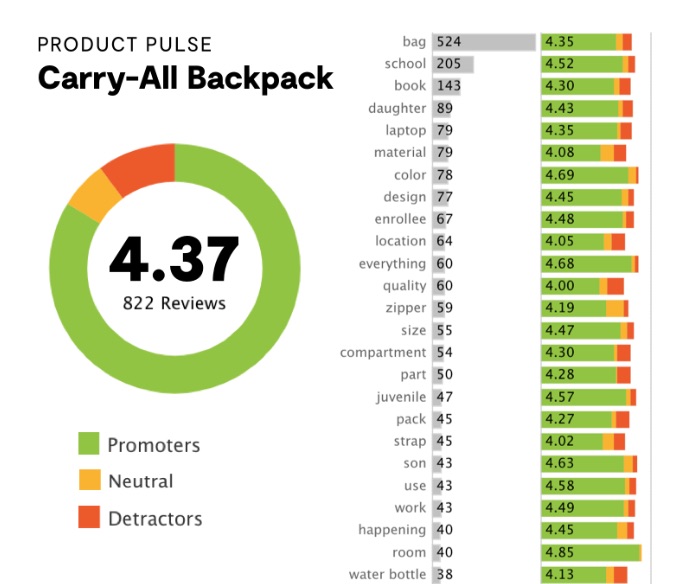
Tools like PowerReviews’ Product Pulse does all the hard work of digging through your content and finding customer comments that matter the most. This includes specific keywords, product features or even adjectives associated to your products that could help you create a more personalized marketing strategy.
Above all, these insights are invaluable for figuring out what your business should promote next. Don’t do the manual work of looking through hundreds of product reviews. Instead, use Product Pulse to analyze your content and uncover insights you might have originally missed or been previously bias to.
4. Understand Your Customer Journey All the Way Through
It might be cliche to say no two customers are the same. But isn’t there a truth to that statement?
From the channels where shoppers discovered you to the ease of their checkout process, it’s paramount that all of your customers have a positive shopper experience from Point A to Point B. But with only 8% of consumers believing brands deliver “incredible” customer experiences, it’s clear that most businesses fail to leave a consistently positive impression.
Being able to see the whole picture does a lot for brands and retailers wanting to improve the customer journey. That’s why tools such as Journey IQ are a game-changer. By turning mystery shoppers into product insights specialists, you pick the brains of your customers and what they think of your shopper experience.
JourneyIQ incentivizes customers who already shop with you to fill out questionnaires, go on search missions and provide helpful feedback to the in-store or online experience. By selecting a specific audience, you have better details of what your shoppers experience in real time.
In such a competitive retail landscape, customer experience personalization is a must. This again speaks to the importance of gathering as much customer data as possible from flesh-and-blood customers.
Similarly, brands should keep an eye on their ecommerce and Google Analytics data to see where there might be drop-off points. If someone’s failing to convert from a particular channel or at a certain point in your funnel, it’s worthwhile to investigate why.
Such detective work might be just what you need to create a better experience for shoppers.
5. Curate as Much Customer Feedback as Possible
Piggybacking on some of the tips above, personalization marketing oftentimes involves picking your customers’ brains. Although analytics data and buying behavior are invaluable, so is good, ol’ fashioned feedback.
https://www.instagram.com/p/BwDSh7VHQy8/
For starters, consider some straightforward strategies to figure out what your customers want on a community-wide or individual level. How do you get this information? Well, it’s actually pretty easy and we’ve already mentioned a few ways earlier!
Try to collect information through:
Social questions: This includes Q&A posts, asking customers to highlight their favorite products or what they want to see from you next.
Email surveys: Whether it’s a formal survey or an informal check in, asking for feedback in exchange for a discount is totally fair game.
Quizzes: As noted earlier, quizzes offer direct answers from your customers regarding what they want and more.
Brands shouldn’t be shy about asking for feedback, either. The majority of consumers are more than happy to provide information to businesses if it ultimately results in a better experience. It’s just a matter of asking.
6. Adapt to Your Customers’ Schedule
Timing is an aspect of personalization marketing that’s easy to overlook. Your customers aren’t “on” around the clock, day after day.
Perhaps you’re all about seasonality. Maybe you sell big-ticket items that are prime for “one-and-done” buyers with serious consideration. Regardless of your target audience, you need to reach out to them when they’re in the mood to buy.
For example, consider the top spending events such as the winter holiday season.
There’s no use hitting folks with deals when they’re “cold.” Timing is a subtle yet significant aspect of giving your customers what they want. But a not-so-subtle aspect of scoring more sales is when your customers are most active.
Especially considering how crowded the ecommerce space is, data-driven timing is absolutely key to making your offers stand out. That’s why tools that perform scheduling optimization are so popular.
For example, MailChimp has it’s optimized timing feature that allows businesses to target individual members of their list based on when they’re most likely to be active. This makes targeting that much easier.
This is crucial for businesses with customers across multiple timezones. After all, who wants to get an offer in the dead of night? Spoiler alert: nobody.
On a related note–timing is key for businesses looking to roll out any sort of social ad strategy. Although remarketing ads like those on Facebook are popular as they create another valuable touchpoint with your customers, they still need to be timed to perfection.
Don’t neglect features such as campaign budget optimization, which does the legwork of figuring out when your audience should see them.
And with that, we wrap up our guide!
What Personalization Marketing Tactics Matter Most to You?
These are the steps that businesses today need to take if they want to create meaningful experiences for their customers. Listen: personalization marketing isn’t just a buzzphrase. Customers still crave the personal touch of old-school brick-and-mortar stores even as ecommerce booms.
Are you greeting them at the proverbial door? Offering service with a smile? Pushing them to purchase when they have doubts? If not, you definitely need to be!
Thankfully, modern tools and analytics make the process of creating positive customer experiences so much easier. And by combining the tactics above and taking advantage of the features baked into PowerReviews’ platform, you can start getting personal with your buyers sooner rather than later.
See how our tools help businesses of all sizes manage customer feedback and surface important product insights. Request a demo today!
A solid relationship is always a two-way street, which is why so many businesses struggle to get a high level of customer satisfaction.
Consumers will buy your products if you give them good reasons. But on one hand, you have to be honest, forthcoming and problem solvers. This lets your customer base know you care and are willing to do your part in the relationship.
Research from Indiana University found across multiple industries, companies tend to overestimate their own customer satisfaction levels. This disconnect in perceptions leads to less satisfied customers and ultimately, fewer shoppers coming back and a huge dent in your sales.
So, how do you prevent all that from happening? The first step is to determine where your customer satisfaction currently stands. Measure satisfaction levels in your business to identify areas that need work and then you creates ways to wow your customers.
First, let’s figure out what truly makes up customer satisfaction and how it works with your business:
What Is Customer Satisfaction?
Customer satisfaction is a metric used to track and gauge the degree of gratification or comfort with a brand’s products and services. Simply put, it finds out how happy your customers are and do they trust your business enough to buy again.
It’s equally important to measure customer satisfaction to fully comprehend how it affects your business. You can’t improve what you can’t measure. If you want to make your customers happy, you need to know how satisfied they are right now. From that point, figure out how to take things to the next level.
Knowing your customer satisfaction numbers also provides valuable insights for research and development. That’s why so many businesses rely on a ratings and reviews platform to uncover opportunities to develop new or enhance products and services.
So how do you measure customer satisfaction? There are various ways that all depend on your industry, offerings and customers. But if you’re curious to learn more–we’ve got you.
Here are five secrets to success to improve customer satisfaction:
1. Let Customer Surveys Tell You Everything You Already Know
As one of the most straightforward ways to gather insights, a survey can give you quantitative and qualitative data about your customers. Likely, you already have some idea of what your customers think.
However, it’s smart to test your hypothesis on a regular basis to know exactly what your customers are thinking about your brand or product. The nature of your survey will depend on the metric or score that you’re trying to find.
For customer satisfaction, the most common scores businesses rely on are the Net Promoter Score (NPS), Customer Satisfaction Score (CSAT) and Customer Effort Score (CES).
Let’s quickly break down each of these scores in detail:
Net Promoter Score (NPS)
The Net Promoter Score measures the likelihood of a customer recommending your company to others. Finding a user’s NPS starts with a simple survey question: How likely are you to recommend the company to a friend or colleague?
In fact, Omniconvert explained that users then answer the question with a scale from 1 to 10, which classifies your customer fulfillment according to their ratings. Those who give you a score of 9 or 10 are called Promoters, while a score of 7 or 8 get named Passives and 6 to 0 are Detractors.
To calculate your overall Net Promoter Score, subtract the percentage of Detractors from the percentage of Promoters. So, if 60% of your customers are Promoters and 5% are Detractors, then your NPS is 55.
Your Net Promoter Score by itself won’t tell you a whole lot because NPS benchmarks vary from one industry to the next. An NPS of 10 for example, might be great if you’re in the Cable and Satellite TV industry, but that same score is considered low if you’re a specialty retail store.
So, look into NPS benchmarks to figure out how you measure up compared to companies in your field. To give you a better idea, here are average NPS industry benchmarks from 2018, as provided by NICE-Satmetrix, the co-developer of Net Promoter:
Pro Tip: Ask Additional NPS Questions
While your NPS gives you insights into customer satisfaction (especially when compared with others in your industry), your score alone doesn’t provide any information around the specific areas of your business that need improvement. If you want to get even more value out your NPS, consider asking additional survey questions based on the user’s initial answer.
For example, if someone gives a score of 8 and below, then you can follow-up with asking what changes would have persuaded a higher rating. But for users rating 9 or 10, your follow-up question could ask what specifically they recommend or what do they think you did really well.
More often than not, you’re going to get honest customer feedback about your buyer journey. This could ultimately help you fix things like product returns, low ratings and abandoned carts.
Customer Satisfaction Score (CSAT)
While NPS measures customer satisfaction at a more general level, the Customer Satisfaction Score measures satisfaction with a specific product, service or brand interaction. To that end, CSAT surveys are typically initiated after an event such as after a purchase or support team interaction. The key is to do it while the experience is still fresh in your customers’ minds.
This is why post purchase emails are essential to gathering valuable customer feedback. PowerReviews Review Collection solutions sends your customers emails asking about their experiences with the products they just purchased. This allows shoppers to give their recent and fresh feedback for every product they purchased.
As you likely know, getting customers to fill out reviews for multiple products is asking a lot and time consuming. Instead, PowerReviews collects all the recent purchases and makes it absolutely simple to enter reviews while staying on the same review page.
Customers are more likely to fill out multiple reviews when they see what’s needed to move on–unlike some review collections that continually jump to new pages and feel endless.
Measuring CSAT Success
Just like with NPS, your customers provide answers by choosing a score from a scale. You can use a 10-point scale (similar to NPS), though a 5-point scale also works for CSAT. Many companies ask customers to rate their satisfaction using a scale from “Very Unsatisfied” to “Very Satisfied”.
One example of a company doing this is Morton’s Steakhouse, which sends their guests a survey a few days after their visit.
Once you’ve gathered enough responses, take note of the scores your received and keep an eye out for trends or patterns. CSAT helps determine which products, experiences or support reps yield the highest satisfaction scores. This allows you to further identify trends in various customer segments.
Customer Effort Score (CES)
Customer Effort Score is a metric measuring satisfaction based on the amount of effort required to use a product or service. According to the Harvard Business Review, CES is the best predictor of whether or not a customer will continue doing business with a company.
You measure CES by asking questions about how much effort was needed to handle the request. Customers use a scale from 1 (Very Low Effort) to 5 (Very High Effort) to provide feedback. The same HBR article found 94% of customers reporting a “low effort” score were likelier to purchase again, while 88% admitted they’d spend more money to get that service.
However, 81% of respondents said if the process was “high effort,” they were likelier to tell friends and family of their negative experience, significantly harming any word-of-mouth marketing strategies in place. With that in mind, once you have enough completed CES surveys, you should have a better idea about:
Would continue buying from you
Would say negative things about your company
NPS vs. CSAT vs. CES
What’s the best metric for measuring customer satisfaction? That depends on your objectives as well as your overall views about customer satisfaction. If you’re looking for a more holistic view of how satisfied your customers are, then NPS would be the best option.
But if you want to gain insights about specific components of your business (e.g., a particular product or service) then CSAT would likely do the trick.
On the other hand, if ease of use is an important metric in your business or if you agree with HBR in that customer effort is a good predictor of future behavior, then consider implementing CES surveys. Each metric has its sets of pros and cons, so do your research, figure out what works best for your specific business and start measuring.
Tools for Conducting Customer Surveys
Whichever metric you choose, you can easily create and send your customers surveys. There are plenty of tools on the market to conduct surveys, and here are a few we recommend:
2. Use Social Media to Truly Listen to Interactions & Conversations About You
Sometimes the best feedback is things customers voluntarily provide. And this is where social media listening is incredibly helpful. Consumers constantly share both positive and negative opinions about brands on social media–it’s up to you to decipher what’s valuable.
In fact, the Sprout Social Q3 2017 Index found 46% of consumers have called out a brand on social media for unfair treatment, a poor experience or multiple reoccurring issues. These experiences are crucial to track whether they’re coming at your brand directly or in-directly.
Invest in a Social Media Listening Tool
Effectively social media listening requires more than manually reading comments and brand mentions. For it to be effective, you need tools that can not only track important mentions, but also provide information that you can quantify and take action on–even if they don’t specifically tag your brand.
Here are some tools that can do everything from monitoring brand mentions and analyzing sentiment to tracking your competitors and generating social media reports:
There are a lot of social media listening tools out there, but we recommend doing your research before signing up for a solution. At the end of the day, the success of your efforts will hinge not on the tools that you’re using, but how you use them. Here’s a few tips to note when using these tools:
Find Your Most Valuable Keywords to Monitor
For starters, most social media monitoring tools let you add specific keywords to monitor. One of the first things you should do is identify all the significant keywords to track on social. These may include:
Your company name
CEO and key executive names
Specific product or feature names
Keywords associated with competitors
Weaknesses about your products or services
Common customer pain points in your industry
The next tip is to act quickly. Social media monitoring will do nothing for customer satisfaction unless you act on the information. A 2018 survey from Clutch found the majority of consumers expect brands to respond to social media comments within 24 hours.
Actually, data shoed 83% expected companies to respond within less than a day, while 38% want brands to connect within an hour. Speed is clearly important to social media users, so if you want to keep their satisfaction levels high, make it a point to respond to their comments ASAP.
Pro tip: Most tools can alert you when important comments come through. Use this feature to your advantage.
3. Thoroughly Mine Your Product Ratings & Reviews
If you collect and display product ratings and reviews (which you totally should), all of this content is a goldmine for customer satisfaction insights. But more likely than not, you know this important, but manually digging through reviews content can be extremely time consuming and create unknowing biases toward responses in the process.
So what do you do if you get dozens or even tens of thousands of product reviews to dig through? It starts to feel like a literal hunt for gold.
That’s why PowerReviews launched its newest feature in its Intelligent Suite: Product Pulse. We listened to our customer feedback and the comments were clear–it’s too time-consuming to dig through review content.
Product Pulse does the heavy lifting by pulling most-used adjectives, trends customers see with the product and sentiment analysis with your items–all at the product level. Powered by our intuitive platform, Product Pulse provides real product insights in an easy-to-digest visual display.
The Intelligence Suite engine has already processed over 40 million consumer product reviews to discover 2 million unique topics with 5 million unique opinions to give your brand actionable product insights.
Want to see more? Sign up today and request a demo of Product Pulse!
4. Always Have the Answers
The quickest ways to frustrate your customers (and diminish satisfaction) is to not have answers to their questions. It’s important to arm your staff with the resources they need to provide prompt and adequate answers to your customers.
In addition to offering ample training, identify the most common question customers have and make sure your team is ready with the answers. At the same time, it helps to give shoppers the ability to find answers for themselves.
According to Forrester, 53% will leave a site if they cannot find an answer to a product question before purchase. So, what’s a brand to do?
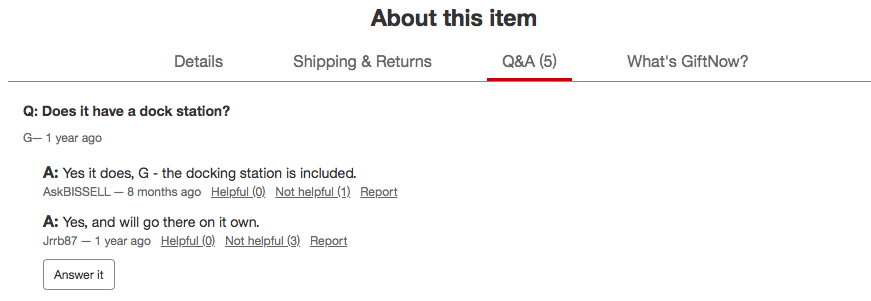
Let your shoppers submit their own questions. This can be helpful on your product pages because it allows shoppers to bring up item-specific concerns.
Consider Skechers, which has an “Ask a Question” button on its product pages. When a customer clicks on it, the site launches a form through a Questions and Answers platform.
Their question is then routed to the most qualified sources based on flexible business rules set by Skechers. Shoppers get an answer within 3 hours or less through a follow-up email with a link to the product page so they can complete their purchase.
With the feature, Skechers saw a 32% increase in conversion for products and a 51% bump in their conversion rate from answer notification emails. This goes to show that shoppers who get answers to their questions are more likely to complete their purchase.
Be Prompt
In addition to having the right answers, being quick with delivering them can also help customer satisfaction. Research from Forrester found 73% of customers believe their own time is the most valuable asset for great customer service.
One of the best ways to show customers that you value their time is to provide answers and services quickly. Here are a few suggestions on how to do that:
Set Up an Auto-Response
Even if can’t answer right away, let people know their message was received. Automate this by setting up a customer service autoresponder that notifies users you got their message. Your auto-response also tells people how they can get in touch if they need to follow up.
For instance, when you submit a customer support ticket on Postmates, you immediately receive a “Request received” message. In some cases, an auto-response can even streamline the support process for you.
Check out this example from ThirdLove. After submitting a Returns/Exchange request, you’ll get an automatic message with instructions on what to do next and a link to download a return label.
Route Questions to the Right Department
Set up your help center in a way that queries are filtered and routed to the right people. If you’re using a form or live chat to collect customer questions and requests, you can do this with a drop-down menu that lets users specify the nature of their request.
Apparel retailer Showpo does just that with its chat form that has a drop-down menu on which customers can select their “Enquiry Type.”
5. Show & Tell Customers You Want to Improve Satisfaction
Once you’ve done something to address customer feedback, follow-up so it’s known you’ve addressed the concern. This is as simple as sending an email or a social media message saying you’ve fixed the issue.
If you’re addressing a larger concern that many customers have brought up, notify users through a product email update or blog post addressing common concerns.
For the longest time, Grammarly users asked for integration with Google Docs. So when it finally happened, Grammarly published a blog post announcing the update and that the customer feedback is the main reason they updated the software.
Deliver on Your Word
It’s all about focusing on delivering first and delighting second.
This may seem like weird advice when we constantly hear businesses should “surprise and delight” their customers. However, a separate Harvard Business Review study found consumers’ tendency to punish bad service is greater than their impulse to reward delightful interactions.
We have updated info for SoundSport Free owners about the reports of an audio/video delay issue with some video sources. More details can be found here: https://t.co/xs1rJ6NNaT
Bose shows you why it’s important to evaluate your existing products, services and experiences customers face when interacting with your brand. They identified areas of dissatisfaction and then took action.
Another company that did this well is Fandango, a ticketing company that lets people book tickets online and through mobile devices. The company gathered feedback from its users and discovered a big problem.
When using Fandango’s seat selection feature, customers had having trouble knowing what side of the theater was faced toward the screen. It’s a simple hurdle that could cause a lot of unhappy front- and back-row customers.
That feedback was routed to Fandango’s product team, which addressed the issue straight away. If you want to improve customer satisfaction, take action on your word and show consumers you listen and fix problems.
Improving Customer Satisfaction Is a Long-Term Process
Boosting satisfaction requires performing two key things very well: measurement and addressing the issues causing the most problems. This isn’t a one-and-done method.
Brands have to keep up and prioritize customer satisfaction as well as product sentiment because moods change over time. So no matter how satisfied your shoppers are today, make it a point to keep measuring and keep improving!
Don’t let anyone tell you that search marketing is dead if you’re an ecommerce brand.
In fact, the PowerReviews Snapshot for Ecommerce report found a staggering 50% of online purchases begin with a Google search. That’s why the ability to put your products front-and-center in search is a crucial part of paving of the path to purchase.
Think about it. Whether someone is just browsing or is dead-set on making a purchase, showing up on the search engine results page (SERPs) is invaluable for retailers looking to make a lasting impression on shoppers.
Enter the world of product listing ads.
In this quick guide, we’ll break down how to set up Google product listing ads and the best practices for making your ads stand out to shoppers.
Why Product Listing Ads Deserve Your Attention
Product listing ads pull data from your online store to populate for specific Google searches. These image-based ads operate on a pay-per-click model, but are much more eye-popping than text-based ads.
At a glance, you might look at these ads and wonder “why bother?”
Hey, fair question.
On the surface, product listing ads might not seem as “sexy” as social ads or influencer campaigns, right? However, that doesn’t change just how insanely effective image-based PPC can be.
For starters, here are some key benefits of product listing ads.
You Only Pay for The Clicks You Get
This might seem like a no-brainer but it’s worth mentioning.
Unlike ad campaigns which are difficult to measure and budget for, product listing ads are fairly straightforward. After all, you only pay for the clicks you get. This makes it easier to determine the ROI of your campaigns and what product categories are your top performers.
Likewise, don’t forget Google’s robust analytics suite, which is baked into each of your campaigns. Want to know which products are killin’ it? Every click is a valuable data point for your business if nothing else.
Stop Sweating Over Search Rankings
Let’s be honest: ranking for individual product keywords is tedious, time-consuming and sometimes seemingly impossible if you’re an up-and-coming brand.
According to recent PPC statistics, shoppers are happy to click on Google ads and consumers are more likely to convert than organic customers anyway. Product listing ads allow you to “skip the line” by appearing atop any given search query. This removes the “what-ifs” and legwork involved with trying to rank for product-related terms organically.
Positioning Power
This benefit is a two-way street. Product listing ads quite literally position your brand right in front of searchers in text, image and shopping searches.
This allows shoppers to use search as a starting point toward choosing a specific item, brand or store. Just look at how many options arise from a simple search of “women’s shoes.”
There’s a ton of opportunity for brands and retailers to take advantage of being in this initial search to shop. However, it’s just as important to also consider how product listing ads position your products from a branding perspective.
Appearing alongside household names in search gives your brand a much-needed sense of authority. In other words, you automatically look “bigger” by association.
Appeal to Visual Customers
Data from a Social Media Examiner 2018 Industry Report found 32% of marketers think visual images is the single most important form of content on their website. And more likely than not, you can guess why.
Seeing is believing for modern customers. Being in search results with visuals gives customers less hesitation and more incentive to click and get additional information.
Everything from high-res photos to showing off products in the wild, product listing ads empower brands to use a variety of imagery to win over customers.
Also, consider how shoppers’ eyes naturally gravitate toward imagery when it comes to search. According to ConversionXL, the traditional ad placements of Google Shopping ads represent prime real estate.
How to Set Up Google Product Listing Ads
Now that we’ve highlighted the benefits, let’s get down to the nitty-gritty. That is, how to set up Google product listing ads for the first time.
The good news is that the process is relatively straightforward, especially if you’re already familiar with AdWords. For starters, you’re going to need to link your AdWords and Google Merchant Center account.
The Merchant Center is where you’ll upload your product data, which will flow between your storefront and Google’s ad platform. The setup for Merchant Center simply requires you to verify your website prior to creating your first campaign.
After your accounts are linked, go ahead and pop into AdWords. Click on the “Campaign” dropdown and select “Shopping.”
You’ll then be asked to name your Shopping campaign and select a Merchant ID: this is your Merchant Center account. Then confirm the country of sale depending on where your products are sold.
Assuming this is your first rodeo, don’t worry about campaign priority quite yet. You can then choose to have your campaign to source all of your products or between specific categories based on inventory filters.
From here, you’ll choose where your ads will be served in terms of geography. You can restrict ads only be served via Google search or other third-party sites running ads. You’ll then choose between manual or automatic bidding as well as when your ads will be scheduled.
Finally (and perhaps most importantly) you’ll need to choose your product groups and categories. To double-check your account set up, you can also reference this nifty video from Google themselves.
Google Product Listing Ads Best Practices
Product listing ads have major potential for just about any ecommerce brand. This is especially true given that PowerReviews’ Mapping the Path to Purchase report found 52% of searchers are more than happy to click on them.
That said, you need to make each and every click count. You’re payin’ for ‘em, after all.
It’s crucial to understand both the best practices of product listing ads as well as promotional strategies to entice those ever-so-important clicks. Below are some tips for fine-tuning and setting up your ads to maximize their performance.
Keep Your Product Information Up-to-Date
Bear in mind that Google requires you to send them up-to-date product data including pricing information and imagery every 30 days. Doing so might seem like a pain, but it makes sense.
You don’t want to send someone to a page with a sold out product or inaccurate pricing. These sorts of errors are conversion-rate killers and Google wants to help you steer clear of them for an all-around better customer experience.
Thankfully, Google allows you to send automatic product updates through its Merchant Center to help you save some serious time. Especially if you’re dealing with a massive inventory, the upfront setup of automatic updates is worth your while.
Choose Your Product Categories Carefully
Picking categories for your product listing ads might be daunting, but it doesn’t have to be rocket science. Don’t think of categories the same way you might think of ranking for specific, product-related keywords.
In fact, Google recommends choosing broader categories and branching out from there. For example, let’s say your storefront sells shoes and your women’s black flats are among the most popular items.
After an initial search, you quickly see the product listing ads are full of competitors with affordable options. Additionally, you see product rankings on the last two items, which means they use a ratings and reviews syndication software like PowerReviews to get customer content in more places.
But for this example, let’s say you really want to hone down your category even further. Luckily, you can specify a sect of your audience, which in this scenario, you might want to target “black flats for women.”
Google gives you the option to take it a step further. Brands and retailers can appeal to shoppers looking for products at a specific price point.
This let’s you target searches for products and price point together like “black flats under $20.”
Let’s say you’re currently running a sale on a specific item. You can set up PLAs to target specific audiences searching for bargains.
In this example, we used the search term “black flats on sale.” And if you haven’t noticed yet there are some commonalities between all the search examples. However, each term does bring different results, which is why you must test your campaigns.
See how that works? The beauty of product listing ads is the ability to drill down into specific categories based on your budget and the specifics of your products.
Include Star-Ratings Alongside Your Products
Food for thought: more than a third of shoppers say average star ratings are the most effective way of understanding a product as well as trusting the seller.
Star-ratings provide shoppers with an extra layer of assurance by highlighting your best products and that other customers are satisfied with what you’re selling. With the help of PowerReviews, you can source your star-ratings directly from your storefront to popular in your product listing ads.
Choose Compelling Product Images
Note that people are looking for “real” visuals when it comes to product searches. As we mentioned earlier, some brands rely on “stock photos” of their products while others show off what they’re selling in a real-world setting.
And data from the same Snapshot of Ecommerce report found 72% of shoppers admit to regularly looking for visual content before making a purchase. So why not make sure you’re properly collecting and displaying images as well as gaining rights to user-generated content for your product pages?
PowerReviews’ easy-to-use dashboard provides businesses control over social programs and visual content collection with predefined UGC channels. This allows companies to adjust on the fly and make sure the appropriate visual content is collected successfully to make product pages drive more sales–both organically and through paid ads.
Use Discounts & Promos to Encourage Clicks
Everyone loves a good deal, right?
Whether it’s a sale announcement, percentage-off or free shipping, having a special offer tacked onto your product listing ads is a brilliant move. The oft-cited statistic that free shipping is the No. 1 incentive for shoppers to make a purchase is rather telling, isn’t it?
Check out how Google displays various types of promos to help give searchers an extra reason to click.
Google allows you to create promotions manually or create a promotional feed that automatically updates your ads based on your most recent offers. Give shoppers the extra push to learn about your product and the benefits to choosing your company.
In the end, you’ll provide more context to buyers and stand out among the competition.
And with that, we wrap up our guide!
Ready to Set Up Your First Product Ad Campaign?
If you’re looking for a cost-effective avenue to raise brand awareness and win new customers, product listing ads can make it happen.
There’s a reason why brands big and small already rely on Google’s PPC platform. Prime advertising real estate? Robust analytics? The opportunity to leapfrog your competitors in the SERPs?
Hopefully, this guide on how to set up Google product listing ads can serve as a much-needed dose of inspiration and motivation to get started yourself. With these tips and tools such as PowerReviews, you can start running click-worthy ads sooner rather than later.
It’s only natural for businesses to strive for positive reviews of their product or service, right? After all, what brand or retailer actually likes receiving negative reviews from customers? Who wouldn’t want to receive a glowing review from a customer?
Plus, thanks to word-of-mouth marketing, we know just how powerful a positive review is for a brand. In fact, data from the Proven Power of Reviews report found 95% of consumers consult customer reviews prior to making a purchase. Seeing reviews with positive sentiment is the push customers need to turn from browsers to buyers.
But what happens when your brand receives negative reviews from customers? Do you throw in the towel and preemptively close up shop—or worse, reply with an equal amount of negativity?
Here’s the thing–negative reviews are not the end of the world.
Instead, this negative feedback can give brands and retailers a major leg-up–if you know how to leverage them properly.
What Role Do Reviews Play in the Customer Journey?
The power of customer opinion is one that shouldn’t be underestimated. Whether a customer chooses to give an opinion in a negative review, on social media or through a text with with a friend, you can be certain consumers share their experiences.
Nick Hajili explained this in the International Journal of Market Research by saying the influence of trust and how it motivates consumers to buy is essential in the customer journey.
“Trust, encouraged by social media, significantly affects the intention to buy,” said Hajili. “Therefore, trust has a significant role in ecommerce by directly influencing intention to buy and indirectly influencing perceived usefulness.”
Online reviews help customers form educated opinions of a product or service, which is why word-of-mouth marketing is so powerful. Data from BrightLocal found 91% of shoppers between the ages 18-34 believe reviews are as trustworthy as personal recommendations.
People trust the feedback of other people, especially those they relate to the most. Despite this number, an Impact infographic showed only 33% of businesses continuously collect reviews for their products.
In addition, if customers are going to search for information about your product or service, why not make it easy for them to find? Online review engines like Yelp, TripAdvisor and Google are go-to sources, but collecting reviews across your product pages are what truly help your business and drive more sales.
For example, one instance where reviews on your site help more than review engines is SEO. By indexing review content from your product pages, you provide search engines with more unique content and long-tail keywords to organically rank.
How Negative Reviews Affect Purchases
Negative reviews affect consumer purchases in a plethora of ways–starting with product page abandonment or even to see why customers gave a bad report. When shopping online, customers want to feel empowered in their decision before making a purchase.
Consumers are driven to research every possible aspect of a product before purchasing, especially if the item is expensive. In fact, research from PowerReviews and Northwestern University found reviews are especially impactful for products that are considered to be of a higher price in their category.
As we looked at a highly-reviewed item like baby food, our data showed there’s more trust to increase spend on products with higher ratings.
Consumers Pay Special Attention to Negative Reviews
We know customers look at positive sentiment and it affects their decisions, but what about negative reviews? For starters, almost as many shoppers who trust positive reviews also prefer to read negative reviews before buying as well.
For example, consumers look at negative reviews for various reasons, such as:
Understand the biggest downfalls of the product product they’re researching
Identify any specific factors that might not work for them (i.e. if a a product caused an allergic reaction)
Learn how customers with negative experiences use the product
Balance consumer feedback to paint a better picture of the review content
On the flip side, customers aren’t searching for perfect five-star ratings to validate their purchase decisions. In fact, perfect reviews often come across as “too good to be true.” In the same PowerReviews and Northwestern study, data showed the average rating between 4.2 and 4.5 stars is more effective and realistic compared to a perfect 5.
Keep in mind, customers take the review into consideration, but they also judge the reviewer as well. If a customer can’t relate to the reviewer, they are likely to ignore that review.
For example, if a customer is scrolling reviews for this lip balm, this type of review may not impact their decision. Why? After seeing the reasoning behind the supposed negative review, customers see it’s due to a personal preference instead of actual product flaw. Some customer will care about bulky packaging, others will not.
How to Use Negative Reviews to Your Benefit
Reviews go beyond customers stating whether or not they like a product. They play a major role in shaping potential customers’ opinions as well as providing valuable insight to brands.
We know that customers rely heavily on feedback to gauge purchase decisions, but what about negative reviews?
Increase Conversion Rates
There’s an overwhelming amount of data that confirms just how important displaying reviews are to driving sales. Though it may seem obvious that if you include reviews on product pages, you see an uptick in conversions. But what’s telling is just how much they help.
A study from the Spiegel Research Center found just by displaying reviews, the chance of a customer converting increase by 270%.
Not only do online reviews drive higher conversion rates across the board, but they also have a significant impact on higher-priced item conversions when compared to lower-priced items. The same study from the Spiegel Research Center found when reviews were shown for a lower-priced product, the conversion rate increased by 109%.
However, when reviews were displayed for a more expensive product, the conversion rate increased by 380%.
That’s quite a leap.
In the mind of the customer, higher-priced items come with more risk. Therefore, the more information at the customer’s fingertips, the more confident they feel about making the purchase. The writing is on the wall: brands that provide a means for customers to learn about their product in an honest way will see a spike in sales.
Establish Trust & Authenticity
It all boils down to keeping things honest and open with your customers. Having negative reviews on your site shows customers you aren’t afraid of them understanding your product in its entirety or of them seeing the good, the bad and the ugly of other customers’ experience with your brand.
As counterintuitive as this may seem, this builds trust between you and your customers. It also reinforces that you are on your customers’ side and want to be fully transparent with them.
A recent analysis of the 7.8 million reviews in the PowerReviews network found that on average, one-star reviews yield more “helpful” votes than other ratings. This is because not only do negative reviews validate the authenticity of review content, but because negative reviews steer customers to products that best benefit their needs.
This negative review received a high “helpful” vote because it provides insight into what customers can expect to get with this particular product, not just that the product wasn’t what the reviewer anticipated.
Drive Improvement & Innovation
There’s no question that online reviews are full of valuable insight that can help you improve your products and your customers’ experience with your brand. Reviews serve as a gateway into consumers’ minds. They are the people who interact with your products, which means their customer feedback—both the good and bad–is extremely valuable.
This is why PowerReviews built Product Pulse, a sentiment analysis tool that can analyze and pull insights of all your review content at the product level. Product Pulse allows brands and retailers to dig even deeper into their review content to uncover product insights that might have been missed otherwise.
In a day and age where businesses want to cut the fat of unsuccessful products or find ways to make processes more efficient and cheaper, digging into negative reviews helps. When businesses don’t look into the commonalities of their negative feedback, they miss major product malfunctions or issues that potential customers see in reviews and abandon their cart.
How to Respond to Negative Reviews
We know the importance of using negative reviews, but how can brands take this feedback a step further?
How your company addresses a bad review can speak volumes about your brand and how you treat your customers. Not to mention, you’re showing both current and potential clients that you care about their feedback and opinions.
Consider the following when addressing a negative review:
Empathize with the customer’s frustration: However, don’t act like it’s the end of the world. It will only drive a customers’ frustration further.
Thank the customer for their feedback: Let customers know you value their input and provide a customer care phone number or on social, ask them to DM your account.
Offer a return, refund or exchange: Tell the customer you’re addressing the issue and not just sending a refund for a quick fix.
That's a "Yikes!" from us. Send us a DM with your order number, please. We'd like to make this right!
Ulta Beauty always does an amazing job answering to their customers’ concerns on social. By doing this, you have a better chance of turning a negative review into a positive experience.
How to Appropriately Reply
Think about how you want to reply to the customer as well. Remember, the bigger deal you make of the issue, the more likely the customer will feel they were scammed or mislead. So when you reply, consider how you should respond to negative reviews or feedback:
Public reply: Be curious, genuine, and professional as other customers and potential customers may see your reply. This is your chance things right with the person who left the negative review. It also demonstrates you care about your customers’ concerns and feedback.
Email reply: With an email reply, you’re respecting customers’ privacy. Even though you’re corresponding with them in private, there’s still a chance the customer could share your reply with the public or with family and friends. Treat any “private” correspondences as if they were public.
This reply from a clothing retailer is concise and polite. It also encourages the reviewer to reach out to the customer service team so they can remedy the issue. By taking the conversation offline, the brand can find out more details about the issue by focusing solely on that customer.
Let Negative Reviews Boost Your Authenticity
How your brand chooses to engage with negative reviews is just as important—if not more important—as responding to positive feedback. The way your brand handles the situation, ultimately leads to the growth of sales. Additionally, your actions provoke trustworthiness and identify areas of your product or service that need to be improved.
The bottom line: don’t ignore negative reviews. You could miss out on an opportunity for your business to shine.
Want more info on how PowerReviews helps brands and retailers increase review collection and boost sales? Reach out today to talk to one of our experts!
Surveys help brands and retailers realize the customer experience through their shoppers’ eyes. This type of insights from mystery shopping survey questions is essential for those wanting to drive more profits and meet the demands of their customers.
The problem is many businesses don’t have the appropriate mystery shopping program set in place to collect customer data. Consider how mystery shopping is supposed to work.
Undercover agents fan out to test corporate assumptions, employee customer service coaching and training and current CX initiatives. Over time, reliable, high-value insights lead to concrete steps to improve store conditions and service.
Disruptive innovations follow.
Customers visit more and spend more, and the brand’s reputation and revenues grow. Reliable, high-value insights: this is where most programs break down.
Without enough of the right kind of data, retailers draw the wrong conclusions, overlook big problems, and make costly mistakes. Instead of creating a virtuous cycle of improvement, they spin their wheels and get nowhere.
To get the results you want out of your mystery shopping program, you need to know which questions to ask and the best way to ask them. You need the right people shopping your stores.
Here we’ll share 35 sample mystery shopping survey questions and explain the most brand-appropriate and cost-effective way to tackle these surveys:
Designing an Actionable Mystery Shopping Survey: 3 Areas to Focus on In Store
Your mystery shopping survey questions should reflect the entire customer journey. This means you need to uncover even the smallest problems and opportunities to yield data, bucket and analyze over time to reveal subtler issues and growing trends.
Survey responses should be easily quantifiable, leaving little room for assumption. Yes/no or multiple choice questions are best. Open-ended questions can be used, but only to allow mystery shoppers to share observations in support of structured responses.
In-Store Cleanliness & Appearance Questions
None of these details will escape your customers’ notice. Any one of them could affect a customer’s decision to purchase and/or return to the store. Store managers should check these items during routine inspections.
However, mystery shoppers deployed to multiple locations over time help ensure all of your stores consistently meet brand standards.
Was the parking lot generally clean?
When you walked up to and through the store entrance, was it clean and well maintained?
Did you notice any worn or damaged signs in the store?
Did you notice any areas that needed attention?
Was the restroom clean, well stocked, and working properly?
Were the aisles clutter-free, with room for two or more carts to pass through?
Employee Behavior Questions
If employees aren’t meeting your brand standards in all locations and at all times, you haven’t achieved brand consistency—a key driver of customer loyalty. Recurring or widespread issues may suggest the need for training refreshers or updates.
When you entered the store, did an associate acknowledge you within 30 seconds?
Approximately how many other customers were in the store while you were shopping?
When you were greeted, what was said?
Did the associate/team member smile?
Did the associate/team member ask what you were shopping for today?
Did the associate/team member offer you help?
Did the associate help you find the product by escorting you, or by giving you directions to find it on your own?
Did the associate/team member recommend other products you might like?
Did the associate/team member give you his/her undivided attention?
Did the associate provide helpful information about the product?
Was every associate you encountered upbeat and friendly?
Were any associates/team members inconsiderate or rude?
Did any associates/team members go above and beyond to serve you? If YES, what was his/her name and department, and how did he/she go above and beyond?
Did all other associates/team members you encountered or passed smile and greet you?
Did the associate/team member provide a pleasant closing comment (“Have a good day,” “Thanks for shopping with us,” “Thank you,” etc.)?
Did the cashier greet/acknowledge you when you reached the counter?
Did the cashier ask if you found everything you needed?
Did the cashier mention the loyalty/rewards program by name during your transaction?
If you’re not a member, did the cashier ask if you’d like to join?
Did the cashier mention the invitation for the customer/guest satisfaction survey at the bottom of the receipt?
Did the cashier thank you at the end of your transaction?
If you had more than 2 bags, did someone offer to help carry them out?
Path to Purchase Questions
Are your products or procedures, or the pace of your operations, discouraging sales? Responses to questions like these will shed some light.
Was every item you wanted to purchase available? If not, please list the unavailable item(s).
Were you able to find the style and size you were looking for?
Did all perishable foods (salads, sandwiches, etc.) appear fresh?
How many registers were staffed when you got in line?
Was there at least one (1) express lane open?
Were there less than three (3) customers in line? If not, did anyone call for additional help (to manage the line or open another register)?
Once you reached the counter, how long did it take to complete the transaction (get your receipt)?
The Most Important Question of All: Who Will Mystery Shop Your Stores?
Great customer experiences aren’t born in the C-suite. They’re built on feedback from customers—people who are genuinely invested in the brand.
The most unforgettable in-store experiences stay in lockstep with customer priorities and expectations, and they reaffirm and fulfill the brand promise. Traditional mystery shopping relies on input from dispassionate observers. But this approach has big downsides.
Not only is the traditional mystery shopping model cost-prohibitive and tough to scale, but professional mystery shoppers are easy to spot. These shoppers don’t have a stake in improving your brand.
That’s why no one is more qualified to mystery shop your stores than your own customers. They’re a perfect match for your ideal customer.
They observe and report on everything in the context of their own history with the brand. These shoppers also tell you what they see and how it impacts them (objective and subjective combined).
Not only do your shoppers love providing improvements to benefit them directly, but they will enjoy knowing their voice is heard by brands giving incentives and better in-store experiences.
Imagine getting a comprehensive, holistic view of the customer experience in one fell swoop. Scaling easily without draining your revenue.
Strengthen loyalty by empowering your own customers. It’s a practical solution to a longstanding problem and more brands are catching on.
Everybody talks about how to improve their email marketing strategy, and to be honest, many have focused on this for some time.
Even for the most senior digital marketers out there working in ecommerce, you’ve probably read dozens of articles about email marketing–so, why read another one?
The scene of email marketing is constantly changing.
This shouldn’t surprise digital marketers, but instead, always make you hungry to learn more. Consumers are so used to email marketing strategies that they ignore branded emails in their inbox much more quickly.
In fact, Mail Chimp found the average email open rate for ecommerce businesses in March 2018 averaged around 15.66% in the U.S. Further, all industries owned a collective 20.81% open rate.
But Epsilon data found the total industry average to be much higher just a few years ago in Q3 2016 with a 34.1% open rate.
What was once marketing channel powerhouse is now something many businesses struggle with in 2019.
Still, some brands are absolutely killing it with email marketing.
And to that point, we know email marketing still works. However, you have to put in the effort to stand out from your competition, which is why we’re here to help.
Here’s eight tips for ecommerce brands to improve their email marketing strategy in 2019:
1. Use Dynamic Content to Personalize Emails
In years past, personalizing an email with someone’s name was a big deal. Now, that’s the very least you could do with personalization marketing efforts.
Today, each of your emails should include personalization in more than one of the following places:
Subject line
Email copy
Images
Product offerings
Take Campaign Monitor as an example. In one of their promotional emails, they decided to test whether changing the images in their email to match the location of the recipient would make a difference. They created images for recipients in the U.S., U.K. and Australia and then tested these emails against a location-agnostic visual
As a result, their click-through rate increased by 29% with that simple of a personalization fix. You can also use dynamic content to personalize emails based on customer behavior and interests.
For example, a clothing brand could tailor their emails to the gender of the recipient or their past browsing history. If a subscriber browses your site for women’s clothing, don’t send them promotional emails highlighting men’s shoes.
This kind of dynamic personalization levels up your email marketing strategy and captures the attention of your audience.
2. Get Email Addresses Before the Checkout
In the past, the main place to get new subscriber email addresses was after a purchase.
Numerous ecommerce stores have opt-in email features right at checkout to get you add your email to their newsletter or promotional lists.
While this is still a viable email marketing strategy, what if you could get a potential customer’s email before the checkout process This would allow you to capture even more leads and to increase your potential for sales through email marketing. Here’s a few tips to try:
Offer Content: Provide content that’s relevant to your audience to easily collect email addresses for future promotions. For example, a company selling kayaks could offer a free guide to the best places to kayak. Your customers give up the email for the guide and you can now send promotional content.
Offer Discounts: Everybody loves a discount and many will give up their email to save. You’ve seen this strategy before in the sometimes comical: No, I don’t want to save money on my next order, pop up. This tactic has become very popular for ecommerce brands by offering a quick 20% off just for signing up through an email–mostly because it works.
Interactive Pop Ups: Another way to offer incentives and spark engagement is through interactive sign ups. This pop up allows you to win over new customers (and get their email address) with the chance to spin the wheel and win some discounts.
Product Availability Notifications: Get shoppers’ emails by allowing them to submit it when a product is out of stock or even running low on availability and want to be notified. This helps get more emails before checkout so potential shoppers turned away from unavailable items still can be involved.
3. Use Transactional Emails to Win More Conversions
We all know that transactional emails (order confirmation, shipping confirmation, etc.) get opened more than your average marketing email.
Are you using these transactional emails to the full? Check out what Nordstrom does at the bottom of their order confirmation emails:
This upsell attempt is based on products that the user looked at but didn’t buy, and is a fantastic example of how to get more out of your transactional emails.
How can you do the same?
First, include more than just the transactional information in your email. Add some personality, and give the customer a chance to see your brand’s fun side.
Next, go for the upsell. Use dynamic content as discussed above to personalize recommendations for this particular customer. You know what they bought already, so you have a good head start in knowing what they might like to buy in the future.
Lastly, you could try for a referral. Skillshare does this with their transactional emails.
By including some of these elements, you can win more conversions from your transactional emails.
4. Segment by Interests & Buyer Type
Segmenting by interests is a must nowadays. Almost every other ecommerce brand already does this, so you need to be on board.
But, what about segmenting by buyer type? Each customer is unique in the way they make purchase decisions. Here are some ideas of how to segment by type of shopper:
High Average Order Value: Do you have some customers whose average order value tends to be higher than others? Tempt them with product bundles and packaged discounts.
Discount Shopper: Some shoppers go weak in the knees for a good discount. If you see a pattern with some shoppers who only make purchases when your products are on sale, make sure you send them special offers or clearance sale updates.
Exclusivity: A sense of exclusivity is a powerful purchase motivator. If you have a limited-time product or a special V.I.P. offer, make sure you let these customers know first. Get them to sign up for a special mailing list that sends them exclusive offers before anyone else.
5. Create Triggered Email Campaigns
Triggered emails win at the end of the day. In fact, a WebFX infographic stated they get 70% higher open rates than normal email marketing efforts.
Here are two types of triggered emails that you can add to your email marketing strategy:
Loyalty Emails: Your customers love to be appreciated. So, why not remind them of a special milestone, such as the anniversary of their first purchase from you? Celebrate brand milestones with your customers like the sock brand Bombas.
Promotions for Returning Shoppers: Imagine that a customer who made a purchase a while back has come back to browse on your site, but doesn’t buy anything. That could be an excellent trigger to send an email their way. You can remind them of the great products you’re offering, update them on new or featured products or give them a special discount.
6. Improve Your Abandoned Cart Emails With Visuals
Abandoned cart emails have been around since the beginning of time, which means it’s high time to spice yours up! One of the best ways to make your abandoned cart emails stand out is by including visuals.
After all, a customer may not remember exactly which product they had in their cart or why they wanted it in the first place. Tailor your abandoned cart email with pictures of the product they were planning to buy.
Homeware brand Fab does this with their abandoned cart emails to get you interested again with a simple, but fun message.
Of course, the visuals in your abandoned cart emails can also be a way to show off your brand personality. For example, Black Milk Clothing does a fantastic job at sending abandoned emails to its customers to tug on their heart strings.
Where can you go wrong with cute puppies to win back customers?
7. Introduce Replenishment Emails
For some ecommerce brands, you know exactly when your customers are going to run out of the products they’ve purchased. This is the perfect time to send them an email to remind them it’s time to fill up on whatever they’re about to run out of.
For example, see how dog food brand Just Right by Purina created the perfect replenishment email:
Besides being extremely precise as to how long you have left to replenish, this email is also personalized by using the name of the dog (because, let’s face it, they’re more important). Even the CTA button is personalized!
Creating replenishment emails is a great way to win back previous purchasers with your email marketing strategy.
8. Use Emails to Get Reviews & User-Generated Content
Another essential part of your email marketing strategy should include review collection. Using the right methods, these kinds of emails can get excellent results.
To add a little incentive, you could even offer a discount on their next purchase. Look at the way Tower Housewares does this with their review collection emails.
Another way to use post-purchase emails is by getting customers to post user-generated content on their social channels. This is exactly what cosmetics brand Lush did with their post-purchase emails.
Again, adding a little incentive also helps motivate users to post those pictures for a chance to win.
At PowerReviews, we believe in making it as simple as possible for brands and retailers to collect as many reviews through a straightforward and easy post-purchase email. Our review collection abilities help businesses increase more authentic and valuable content by making processes short and sweet.
Want to see how PowerReviews can help your business collect more reviews and help you with your email marketing strategy? Talk to our awesome team today!
Take Your Email Marketing Strategy to the Next Level This Year
It’s true, email marketing isn’t something new for ecommerce brands. However, times are changing. If you want to keep engaging your customers and winning their hearts with your emails, you’ll need to keep up with current trends.
Using these innovative email marketing strategies, you’ll stand out from the competition and earn the kind of ROI your brand deserves.
With customer satisfaction falling in retail, it’s tempting to make sweeping changes in your stores. However, consistent minor improvements have as big an impact as substantial changes.
In this article, you’ll learn 15 ways to improve customer satisfaction.
There’s no need to completely revolutionize your stores, but instead, make consumers bigger fans of your brand. If you do this correctly, you’ll get customers coming back to your retail business.
Let’s dive in to these 15 tips to improve customer satisfaction in retail:
1. Justify the Sale With Social Proof
Recent research from Harvard professor Gerald Zaltman shows shoppers buy 95% of the time due to emotional reasons, not rational. After they have bought, they want to justify their purchase with logic.
They need to convince themselves and the important people in their lives that they’ve made a smart choice. Often testimonials get used in the sales process.
Happy to hear that. We'll let the team know. Enjoy your meal and flight. -Alex
To take this to the next level and improve customer satisfaction, provide a printed sheet of testimonials or other social proof. Shoppers can then use this information to justify their decisions.
2. Give Shoppers a Gift & Surprise Them With Another One
When you give shoppers a gift, you activate their reciprocity reflex. This reflex was described in Robert Cialdini’s book, Influence: The Psychology of Persuasion. It is triggered when you give people something for free, and causes them to feel obligated to do something in return.
Giving gifts is a long-established way to boost sales. However, an experiment in restaurants has shown a way to get even better results.
For example: give shoppers a gift, then return a few minutes later with a second one. Waiters who gave diners a mint and then returned unannounced and gave a second mint saw a 23% increase in tips.
3. Take Notes
There’s a valuable lesson in the self-help classic How to Win Friends and Influence People by Dale Carnegie. Everybody is the hero of his or her story. In other words, everybody wants to feel important.
For example: your staff can make shoppers feel like they matter by valuing what they have to say. Staff show they think customers are important by paying attention and taking notes when shoppers are speaking.
4. Train Staff to Handle Disgruntled Customers
The key to handling upset customers comes from that same Dale Carnegie rule about people. People want to feel important.
Sometimes employees handling the initial complaint can make the customer feel valued and solve the problem. At other times, the only way your staff can do this is to escalate the issue to a senior employee.
When they do this, they should take care not to offend the customer further.
It’s not in human nature to be empathic toward someone when they attack us. That’s why you have to train staff to solve the problem for the customer even when under fire.
5. HaveStaffTreatCustomers as the ‘Boss’
When employees see themselves as working for you, they might not feel that they owe you something other than the work they are paid to perform. Teach employees a new mindset: they are president of their company, a professional services firm.
They work for themselves. You are simply their first, best client. In that scenario, customers will benefit from excellent service and your employee will push to increase their quota.
https://www.instagram.com/p/BznqsKBjs1j/
The employee’s success in his company gets tied to the ability to improve your customer’s satisfaction.
6. Celebrate Customer Birthdays
Does remembering customer’s birthdays make a difference? A survey shows that this simple act leads to an 88% increase in brand loyalty.
You have three ways to acknowledge birthdays. Send them a birthday card signed by you and your team. Send them a gift to collect from your store. Alternatively, send them a birthday offer.
Test which method gets the greatest results and use it.
On one hand, you want the experience customers have in your stores to be consistent. After all, you create your brand through these experiences.
However, you want to come up with ways to customize the customer experience. Target did just that recently, they deployed a beacon technology at their stores to engage customers personally while they browse the aisles.
8. Create a Customer Satisfaction Survey
The reason you want to create a customer satisfaction survey is that it gives you a benchmark. It says, this is where we are now.
Before you can get to where you want to be, you need to know your starting point. Surveys allow you to track your progress, identify problems and create a frictionless customer experience.
9. Teach Employees to Be More Service Oriented
Have you ever gone into a store and asked one of the staff to help only to have them tell you it is not their job?
Don’t make the same mistake in your stores. Train employees that everyone is in customer service. If they cannot solve the customer’s problem, they must walk the customer to the person who can.
@TMobile@JohnLegere I swear T-Mobile has THEE best customer service. Every time I call they are patient and I feel important, like my business matters to them. They ALWAYS solve my issues. No attitude. Thanks for your help today Samanthalei!!!!!!!
In many cases, buying decisions are influenced indirectly. When shoppers are in the toy aisle, the person who chooses what to buy is the child.
Are you engaging and delighting this sort of indirect buyer?
11. SetUpSelf–ServiceCheckouts
Few things are more frustrating for shoppers than long lines. In many stores, several checkouts are often not even open.
Why not turn your manned checkouts into self-serve checkouts? Have a staff member available to help people when they purchase and let customers immerse themselves in a ‘wait free’ experience.
12. EntertainShoppersDuringLongWaitingTimes
If your shoppers have to stand in line for a long time, why not engage them? Business is all about building relationships, not blasting people with marketing messages.
Why not hire a magician, a comedian or even a musician to provide some entertainment during this time? Just keep it consistent with your brand and entertaining for your customers.
Remember that emotions are responsible for purchasing decisions, a good experience while waiting can lift spirits and improve their overall customer experience.
13. Establish an Employee Mentorship Program
Why not set up an employee mentorship program?
Many retailers fail to tap into the knowledge and experience of their senior staff. Each week, a junior employee can meet up with a senior team member. In their time together, they can review performance and even bond.
Employee bonds are crucial for moral. It’s one of our most basic needs, we love to be a part of something and feel accepted.
14. Use Customer Relationship Management Software
I’m sure that you use Customer Relationship Management (CRM) software in your store. There are many options ranging from the inexpensive Contactually to the enterprise-class Infusionsoft.
Did you know that your CRM can help you manage customer experiences, not only customer data? Consider this example:
Your CRM alerts you that a regular elderly shopper has not come to the store for a few weeks. Your employees call her and say, “Hi. I noticed you hadn’t been in our store for a couple of weeks. I wanted to offer you a ride.”
Listen to what she says before you respond. If she has not been in because she fell, you could send her a gift. If she’s in good health, you could offer her a coupon that will be valid in the next seven days.
What she will remember is that friendly store that cared enough about her to check on her.
15. Identify Potential Pitfalls
Here’s one final tip to improve customer satisfaction–use a mystery shopping company like Journey IQ. There’s a core benefit you get from hiring a mystery shopping company–an unbiased outsider’s view on how shoppers experience your store.
Not only do you get unbiased opinions, but you push your current customers through better mystery shopping experiences. You essentially get your customers involved with the company so their efforts feel important toward your common goal.
Additionally, you’ll save a ton on these type of expenses with incentives versus paying mystery shoppers outright. Want to learn more? Contact our team today!
Is your Instagram marketing strategy actually resulting in sales?
If the answer is “no” and you’re in the ecommerce space, it’s time to do some soul-searching.
Because to say that business is booming on Instagram would be a massive understatement.
According to Instagram themselves, 60% of users rely on the platform to research and discover products. As a result, retailers and ecommerce brands alike are treating Instagram as a sort of extension of their existing storefronts.
Instagram’s status as a hub for ecommerce sales doesn’t show any signs of slowing down, either. Just look at the ‘gram’s new ad types and features such as checkout on Instagram as proof of that.
The good news? Given how much the platform has evolved and grown, now’s a prime time to rethink your Instagram marketing strategy. For brands primarily interested in scaling their sales from social media, we’ve highlighted eleven actionable Instagram marketing tips below.
1. Stick to a Product-Focused Content Calendar
First thing’s first: what the heck should you post?
As noted in our guide to social commerce, product-related posts are among the most popular types of content on Instagram.
Although brands obviously want to avoid spamming their followers, they also shouldn’t be shy about showing off their products.
As cliche as it may sound, it’s all about presentation. You’re not going to get much traction from simply posting bland, lifeless product photos.
https://www.instagram.com/p/BwISsPNFO9b/
Instead, consider how you can highlight what you’re selling in stylish settings. For example, IKEA showcases their products in a sort of real-world shopping window.
Beyond photos, videos should most definitely be part of your Instagram marketing strategy as well. Eye-catching and entertaining, anything from mini-commercials to loop-able, Boomerang-style videos are fair game.
Even massive brands such as Swatch publish playful, engaging video content to show off their products.
https://www.instagram.com/p/Bvj2Xmrn_uH/
But the real key to killing it on Instagram is user-generated content. Sharing customer photos does double-duty of highlighting your followers and proving to prospects that people love your products.
Check out how Dr. Martens fills their content calendar with satisfied customers, including a call-to-action for followers to put their brand loyalty on display.
https://www.instagram.com/p/BxM2-cggeuX/
The takeaway here is that product-related posts should be central to your Instagram marketing strategy. Although they shouldn’t necessarily be the only type of content you publish, brand shouldn’t be afraid of self-promotion.
2. Make Your Creativity & Voice Count
The sort of “gold rush” mentality of scoring sales on Instagram means that brands are often facing crowded competition.
To break through the noise, you need to use creativity to your advantage. Brands that are capable of carving out some sort of niche or trademark are often the ones that score significant follower counts.
And the more followers you have, the more opportunities to sell. There’s obviously no “right way to make an impression on your followers, but let’s look at a few examples.
Color is a subtle (and sometimes not-so-subtle) way to grab someone’s attention on Instagram. The example above is a great instance of a color-specific collage from Skullcandy.
The brand cycles through different color schemes periodically, making for an aesthetically pleasing feed that keeps followers guessing.
Another popular tactic for making an impression on Instagram is humor. Whether it’s a meme or clever caption, people will generally appreciate funny content as a sort of “break” from traditional sales messages.
https://www.instagram.com/p/BwSqCG7DARk/
That said, it’s more than possible to combine humor with product-based posts. You don’t have to be comedian on your brand’s Instagram, but some clever content will go a far way.
Check out how Milk Makeup promotes their products with witty captions.
https://www.instagram.com/p/Bw75EqEn5G3/
If humor isn’t your brand’s forte, don’t sweat it. Inspiration and motivation are also popular angles for brands to take on Instagram to connect with followers.
Fitbit regularly posts inspirational content to get you to care about what they care about.
https://www.instagram.com/p/BuovDjyhV9D/
Brands should strive to find their trademark and voice on the ‘gram sooner rather than later. For the sake of doing just that, here’s a quick sample of Instagram marketing tools to step up your creativity:
VSCO: the gold standard for Instagram editing, including a variety of filters and style options
In-Shot: perhaps the most popular video editor for Instagram, boasting features such as music and speed control
Canva: this free editor makes it a cinch to create image macros, memes and text-based posts tailor-made for social media
3. Couple Your Posts With the Right Hashtags
Hashtags and Instagram go hand in hand. That said, their function isn’t totally understood by brands who try to spam them.
Hashtags not only enable new followers to discover your content but also encourage others to share posts related to your brand. For example, a brand-specific hashtag is a must-have for ecommerce brands.
Look at how Rifle Paper Company uses their own #riflepaperco hashtag.
https://www.instagram.com/p/BxIOgY1gH3i/
By promoting their hashtag via content and their Instagram bio, fans have an avenue to share their lasted Rifle-related purchases and creations.
Branded hashtags aren’t the be-all, end-all for brands, though. There are dozens of community and industry-specific hashtags out there which are relevant to your target audience.
In the case of Rifle, you can find fabric fans using tags such as #bagineer and #sewcialist which have thousands of posts tied to them.
https://www.instagram.com/p/Bw9BRN-AJRt/
Although these tags are admittedly niche, they highlight an extremely specific audience that’s willing to engage with brands. Digging through these sorts of hashtags is a smart move for brands who want to narrow down who they should target and sell to.
Pro Tip:Instagram has over one billion users. Connecting with smaller communities is much more actionable than trying to dominate massive tags (#sewing or #haircare, for example).
Beyond looking at what tags your target audience is using, you can use free Instagram marketing tools such as All Hashtag to brainstorm even further.
There’s some debate over how many hashtags is considered “ideal.” Although Instagram limits posts to 30, using that many tags can certainly feel akin to keyword stuffing which isn’t a good look for brands.
Generally speaking, you’ll notice that major brands tend to take a “less is more” mentality. Experiment with tags and make a point to take on at least one beyond your branded tag if possible.
4. Curate & Promote User-Generated Content
This is a big one.
Again, customer photos are pure gold from a marketing perspective. Filling up your content calendar with user-generated content is one of the best ways to sell your product and brand at large to Instagram’s audience.
Discovering these photos “by hand” is possible, albeit time-consuming. Digging through hashtag mentions and asking manually for permission for each and every piece of UGC isn’t exactly efficient, especially if you have followers posting customer photos on the regular.
If you want to feature UGC as part of your Instagram marketing strategy in a way that’s scalable, you’ll need a curation tool like the PowerReviews Social Collection.
Our Social Collection abilities removes the legwork of spotting UGC in the wild and enables you to share it without asking for permission from individual accounts over and over again.
5. Sell With Instagram Stories
If there’s a type of content that’s dominating Instagram right now, it’s Stories.
With over 500 million daily users, Stories are no longer just a novelty for ecommerce brands and retailers.
Stories offer brands a ton of creative freedom in terms of promoting products. Want to post an off-the-cuff selfie? A polished product photos with a specific call-to-action? Stories allow you to do both, all the while putting your brand front-and-center in your followers’ Instagram feeds.
For example, ShopDisney encourages followers to swipe up via Stories “see more” feature which takes users directly to a product page.
Meanwhile, MeUndies has a dedicated Stories feed for showing off their user-generated content.
Bear in mind that there are tons of new features and stickers consistently being rolled out for Stories. It’s smart to stay up to date with these new features so you can be fresh with your client base.
Check out how Hot Topic uses the open-ended question sticker to ask followers what they liked best from a recent fashion showcase.
On the other hand, look at how Stok uses a quiz sticker to pick their followers’ brains on what they like about their products. This not only drives engagement, but shows you’re all about community, conversation and learning about what your customers want.
Evolving your Instagram marketing strategy means keeping up with these features to come up with more compelling Stories in the future.
6. Create Instagram-Specific Landing Pages
Instagram only offers brands a single, precious bio link to funnel traffic directly from the platform to your website.
Don’t let this real estate go to waste.
For example, don’t just publish a general homepage link in your Instagram bio. Doing so limits your ability to assess the behavior or your social traffic or the ROI of your Instagram marketing strategy. Oh, and you’ll want to make sure that your destination pages are optimized for Instagram’s mostly mobile user base.
This is exactly why many brands promote Instagram-specific landing pages or, at the very least, mobile-optimized landing pages. The benefit here is two-fold: you create a seamless shopping experience for visitors and have an opportunity to measure how well your Instagram followers convert.
For example, Pura Vida’s Instagram bio link promotes a page dedicated to new arrivals. When we click through, we’re introduced to a landing page that’s scrollable with easy-to-click buttons.
Here’s another example from the Container Store, with large, clickable images and scroll-friendly interface.
If nothing else, make a point to track the clicks and conversions rated to your Instagram bio link. Notice that both brands above use Bitly links which can help you understand the behavior of your Instagram traffic in addition to Instagram’s native analytics.
7. Promote Your Most Popular Products Via Instagram Ads
Once you’ve gotten a handle on your organic Instagram marketing strategy, paid ads shouldn’t be too far behind.
Allowing you to target specific audiences and scale your promotions, Instagram’s ad platform is worth exploring for ecommerce and retail brands in particular.
We highly recommend our Instagram sizes guide to learn the proper dimensions for all formats–organic or paid.
One brand who is using Instagram Stories ads really well is Saint Chic. The company does a wonderful job showcasing the power of Stories ads and their ability to reel users in with great content.
Additionally, you can use your top-performing Instagram posts or products as the basis for an ad to ensure that it performs well. Here’s an example from Milly which uses a product carousel, consisting of photos that actually came from their Instagram feed.
Working with influencers allows brands to put a human face to their brand while also introducing themselves to totally new audiences. Check out even big brands like Skechers rely on influencer relationships to promote their products.
https://www.instagram.com/p/BxDuILKlq11/
Brands are working with influencers of all shapes and sizes to engage with customers. To streamline and scale your ability to foster influencer relationships, consider how the PowerReviews Influencer and Sampling Suite could help.
We have a massive network of shoppers, advocates and influencers to help you launch a product sampling campaign that will not only boost product awareness across Instagram, but also generate more reviews or even visuals for your product pages.
We help uncover relevant influencers to shout-out your product without requiring extensive outreach on your part.
9. Rethink Your Posting Frequency
To maximize your potential sales from Instagram, it’s important for brands to post on a regular basis.
This means posting at least daily rather than treating Instagram as a sort of secondary platform. Additionally, staying in the good graces of the Instagram algorithm means publishing when your audience is most engaged.
While engagement rates differ based on your business’ location and industry, this data from Sprout Social can give you a general idea of the “ideal” times to publish content.
And yes, the process of posting daily might seem daunting. This is especially true if you’re regularly trying to cover ground on Instagram Stories too.
Rather than scramble for new content, it’s common practice to brands to stick to particular themes for the sake of organizing their content calendar. Here’s a sample content calendar for inspiration:
Monday: Post a meme
Tuesday: Regram a customer photo
Wednesday: Promote your latest story
Thursday: Regram a customer photo
Friday: Post about your upcoming sale
Saturday: Ask followers how they’re spending their weekend
Sunday: Post a product photo
This snapshot of ModCloth’s feed highlights what a diverse content calendar looks like in action. This also serves as an example of the creative freedom you have in terms of your Instagram marketing strategy.
10. Promote Your Instagram Anywhere & Everywhere
Rather than hide your Instagram from potential customers, you should make your presence loud and clear.
For example, let’s say you already have a sizable Facebook, Twitter or Pinterest following. Cross-posting your content and tailoring it for other networks is totally fair game. For example, here’s an Instagram post from Urban Decay.
https://www.instagram.com/p/BxNTFaUDCHk/
And here is the same exact post, edited ever-so-slightly for Facebook.
Your brand’s website is also a place to promote your Instagram through social buttons, hashtags and customer look-books. ThinkGeek’s Instagram showcase is a great example, and again highlights the importance of curating user-generated content.
If you have an engaged email list, sending out Instagram-specific newsletters or promos can help grow your following.
And if you’re a brick-and-mortar business, don’t neglect promoting your Instagram to customers in-person. These business cards from Vistaprint showcase are a great example of that.
https://www.instagram.com/p/BwsBywuFiRN/
11. Listen to Your Customers
This might seem glaringly obvious, but it’s definitely worth mentioning.
As you grow your Instagram presence, you’ll find more and more customers sounding off with questions and suggestions.
And hey, that’s a good thing.
For example, Instagram can be used as a customer support channel to answer your followers’ questions to help them decide on a particular purchase.
As a result, Instagram is yet another platform to gather feedback and understand what people want from your brand. These valuable insights can help improve your products and fine-tune your Instagram marketing strategy at large.
On the flip side, you can also use your customers’ favorite features and product details to your advantage on Instagram. One of our features was built just for this reason.
Product Pulse gives brands and retailers a look at the common words, adjectives and sentiment at the product level by analyzing your review content.
Does your new line of backpacks fit a laptop well even without a compartment for it? Does the strap tend to break after heavy use? Use these insights to improve products and take the common promoters to use for marketing material.
And with that, we wrap up our guide!
What Does Your Instagram Marketing Strategy Look Like?
Selling through Instagram is arguably easier than ever for brands.
Granted you understand the landscape of the platform.
Hopefully these Instagram marketing tips provided some insight and much-needed inspiration on what it takes to use Instagram to drive sales. Following these steps along with the help of tools like PowerReviews, you will build a strategy to acquire new customers and show love to the ones you already have.
Ecommerce has quickly become one of the most lucrative and prospective industries for aspiring business owners around the world. But as ability to sell products to a global consumer base makes it easier to drive sales, the challenge of creating customer loyalty increases.
One of the recent online shopping statistics shows just how enormous the ecommerce world is as each business tries to acquire a portion of the 2.48 trillion-dollar cake. And to build a world-renowned brand from the comfort of your home is one of those modern-day perks that wannabe entrepreneurs are quickly trying to capitalize.
But yet again, you’d be mistaken to think the road to ecommerce success is not laden with obstacles and pitfalls.
At the center of long-term ecommerce success lies in your ability to generate repeat business through smarter customer retention strategies. After all, that’s how you inspire customers to come back to your site by creating emotional relationships customers have established with your brand.
And as you already know, acquiring a new customer costs a lot more than nurturing an existing one. I It’s smart to focus on keeping your current customers happy and satisfied so it’s easier to find new ones.
To give you better insights on how to do this, here are the six most-effective ways to build customer loyalty and propel your ecommerce business forward:
1. Never Compromise on Product Quality
First and foremost, there’s no compromise when it comes to product quality.
It doesn’t matter if you’re a drop-shipper or if you’re manufacturing and selling the products–today’s modern customers expect nothing but stellar quality for the money they’re dishing out.
In fact, a huge survey by Zendesk concluded that as much as 88% of online shoppers consider product quality to be the foundation of brand loyalty.
For you, this not only means that you need to be clear and transparent about your products and features. Instead, you need to deliver the specified item in the condition it was advertised every single time.
Fail to do this and you will lose shoppers forever. Even worse, the news of the subpar quality of your products will spread like wildfire across through industry word of mouth, alienating potential customers in the process.
Increase your product quality through the help of analysis tools like Product Pulse. Not only can you get product-specific insights, but Product Pulse allows you to find issues with your items that are mentioned regularly throughout your reviews content.
If your customers tell you there’s something wrong, make sure you listen. Use their insights from reviews to get a better understanding of where you can improve.
2. Welcome Every Customer With a Friendly Message
There’s nothing like a friendly greeting and a small discount to put a smile on the face of your shoppers. And to get people coming back for more, it’s smart to consider a personalized marketing strategy to speak directly to your individual customers.
Welcome emails and popups are excellent at achieving this and much more, but only if you offer something of true value to the customer. This is your opportunity reel in new customers with deals and discounts.
But this also gives you the chance to surprise repeat customers with tailored promotions and special loyalty bonuses. Remember that shoppers love being a part of a tribe and a customer loyalty group where they know the brand cares about them,
You need to have a special incentive for every type of shopper–new, old, loyal and the customers that only drop by once a year. Incentivize people to keep coming back and to become your brand advocates by getting them to subscribe to your email list.
Here you make the promise of future discounts and special deals that will allow them to save money. That said, keep in mind that the key to email marketing success lies in personalization.
Be sure to tailor your email copy to the customer rather than sending out template messages nobody will want to read.
3. Monitor the Online Chatter & Act Accordingly
One of the most important elements–if not the most important–of long-term success in the competitive ecommerce landscape is knowledge.
Knowledge equals power, and for a number of reasons. First off, knowing everything about your target demographic as well as your competitors gives you the edge to make cost-effective decisions.
Secondly, monitoring online chatter in real time gives you the power to tailor your approach on the go and capitalize on the latest trends. This is why successful brands in the ecommerce industry use in-depth social media monitoring tools to track brand mentions, engagement and all other statistics vital to their long-term success.
You can use this information to create detailed reports about your shop’s standing in the industry. Then tailor your offering to the exact requirements of your demographic.
Today’s social monitoring doesn’t even need the ability to mention or tag a brand. Instead, businesses are finding opportunities to engage playfully just by monitoring the use of their company name.
Imagine how your customer loyalty rates will skyrocket if you knew exactly what people were talking about, giving you the tools to surpass your competitors in the process.
4. Emphasize User-generated Content
Another tried-and-tested method that builds customer loyalty is user-generated content. People trust other people. In other words, they are much more open to buying from brands that have passed social proof than those trying to push hard sales or ads.
The truth is that nobody will ever believe the stories you’re telling if there isn’t a substantial number of satisfied customers to back them up. With that in mind, it’s time you started prioritizing user-generated content in order to boost transparency and trust.
https://www.instagram.com/p/BxXau4EgMqU/
Create a solution to all of the essential customer needs and be sure to post user-generated images, stories and product reviews to improve the reputation and credibility of your brand.
This will help inspire customers on the fence to make the decision to buy your product. Complement these content types with an engaging tone of voice and strive to maintain regular communication with your audience.
Customer loyalty starts with a brand who wants to and is willing to show off their awesome shoppers.
5. Make It Easy for People to Communicate With You
Brand-consumer communication is one of the pillars of good ecommerce nowadays. As modern customers’ expectations grow, many want their favorite brands to be easily reachable at all times.
Some customers might not be in a hurry, and wouldn’t mind waiting a few hours for you to respond to their emails. Other customers want to get in touch with you right now via chat (website and social media). This means that you need to be online and ready to respond in a matter of seconds.
Additionally, shoppers have questions about your products. And for the most part, unanswered questions lead to more cart abandonment.
Make sure your reviews provider offers questions and answers software that not only takes up minimal space on your product pages, but also quickly shows shoppers answers to common questions.
But also don’t forget about the customers that want to talk to a customer service agent in real time. This has companies increasingly integrating comprehensive chat systems into their processes.
Creating such an omni-channel communication strategy might be a bit taxing on your customer service department, but it will nonetheless prove instrumental in building a customer loyalty relationship between you and your shoppers.
6. Be the Brand People Know & Love
Finally, keep in mind that good branding always wins the day. The ecommerce industry is a saturated playing field.
In fact, this market accommodates to as many as 24 million stores around the world. So for the growth-oriented businesses, double your branding efforts to separate from the competition.
https://www.instagram.com/p/BxaLqnvHtRu/
How else will people remember if you don’t have a unique visual identity and a memorable brand persona? Always try to make a compelling and trustworthy connection with your customers to win their trust.
At the same time, invest in quality visuals, content and storytelling. Then you’ll give customers something to hold on to and become your loyal brand followers. Do this to become an inextricable part of their lifestyle.
In Closing
In the modern Ecommerce world, success is built on the foundation of recurring business. Instead of spending a fortune trying to replace the customers that leave you, focus on maximizing customer lifetime value through these solutions.
Throughout the process, you should have no problem future-proofing your ecommerce brand for years to come.

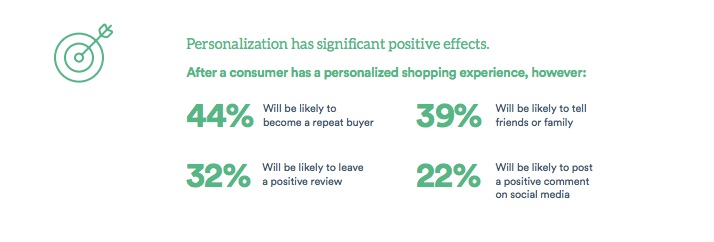
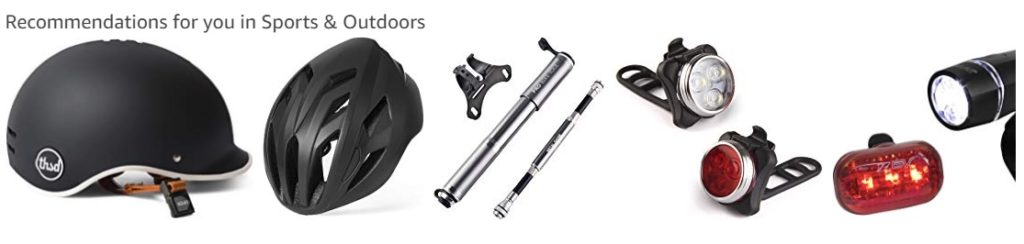
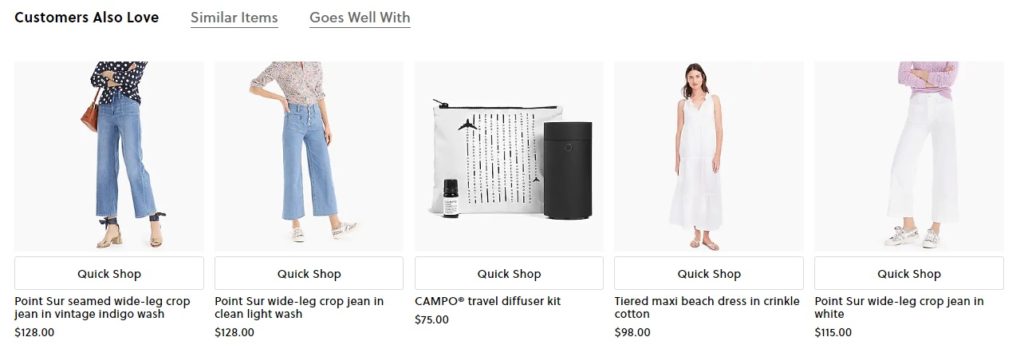
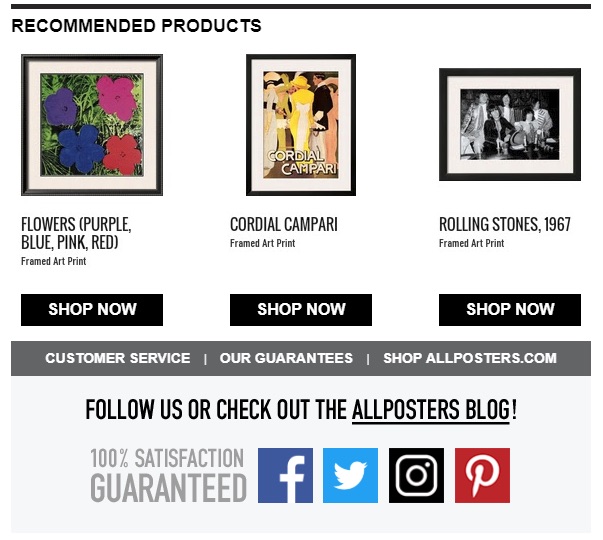
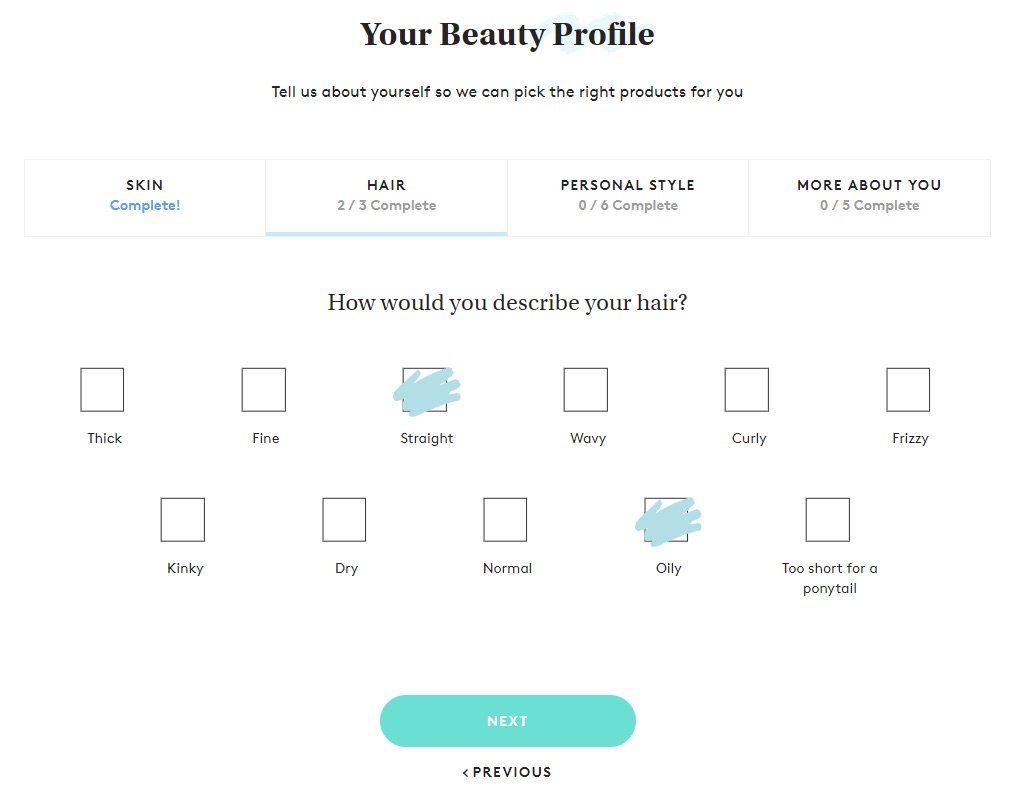
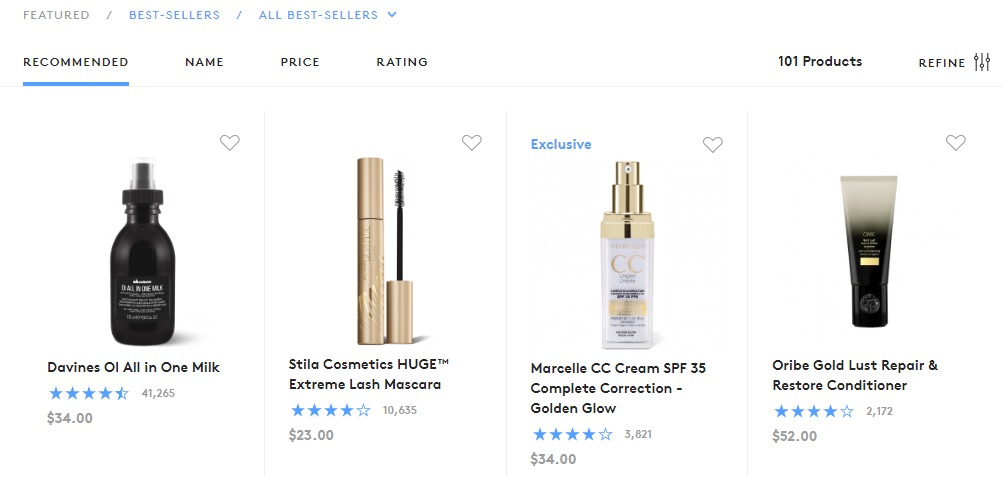
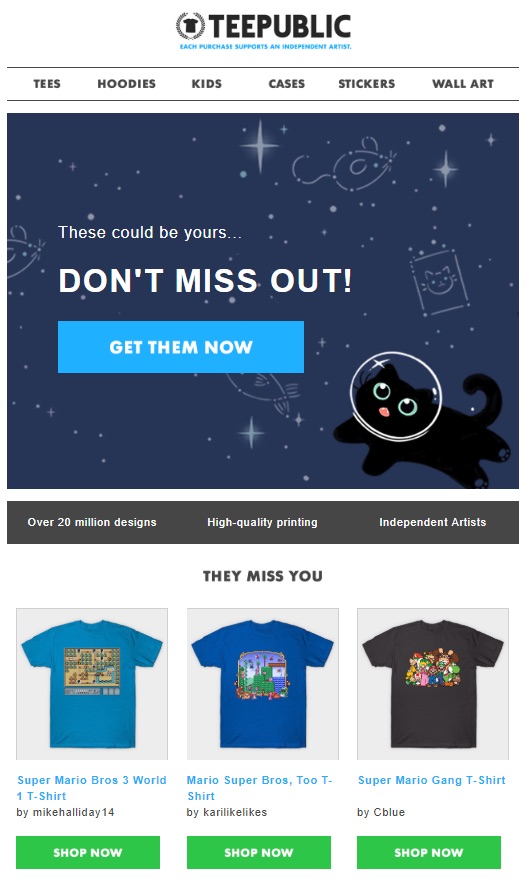
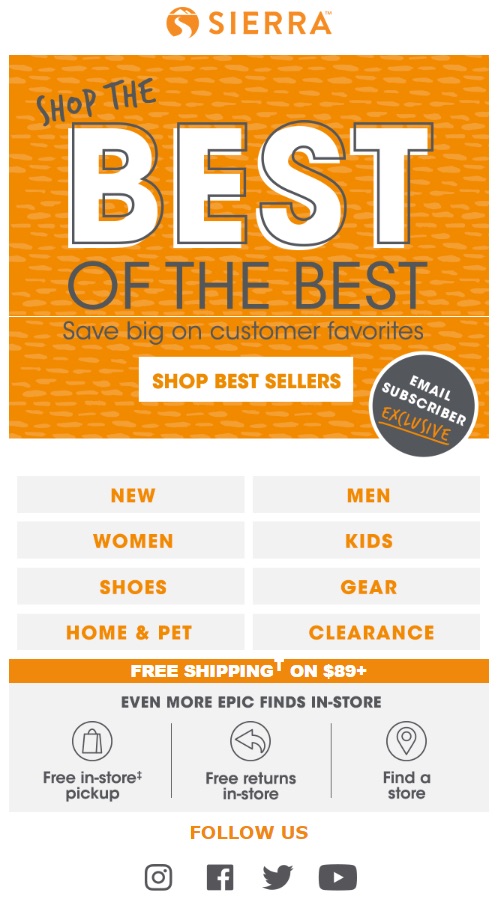
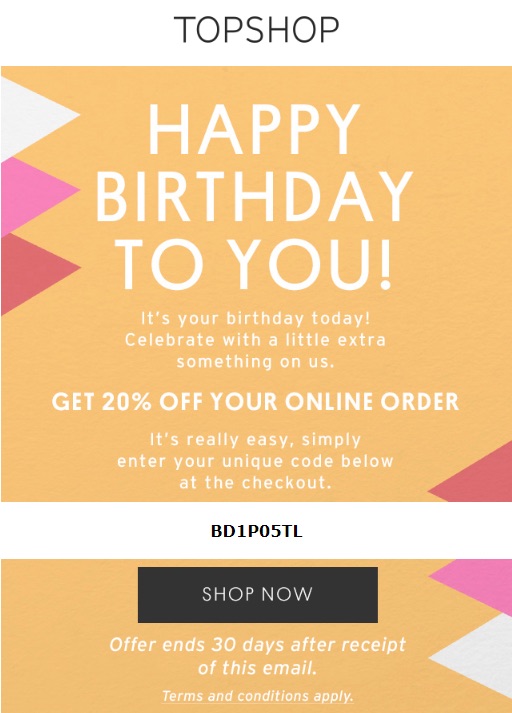
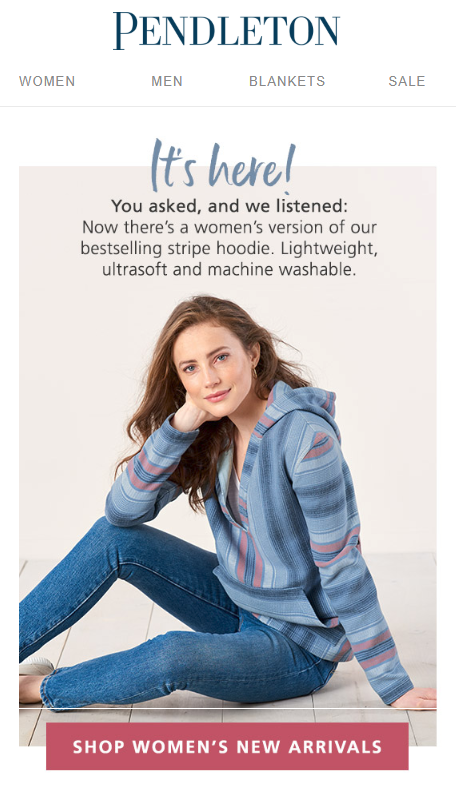
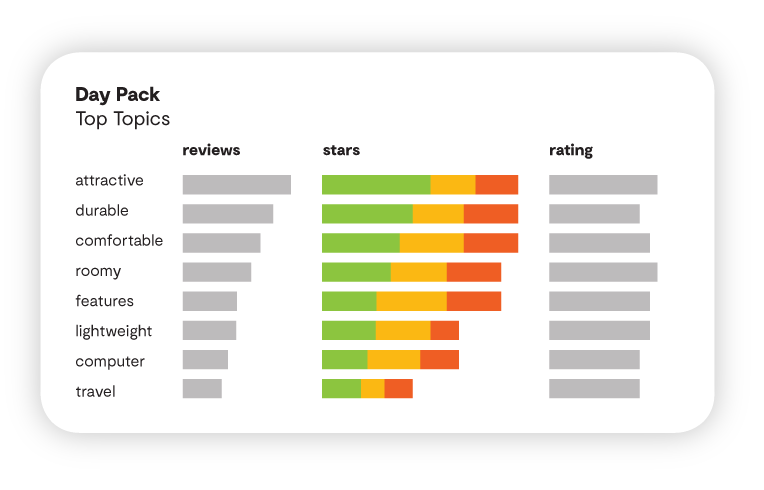
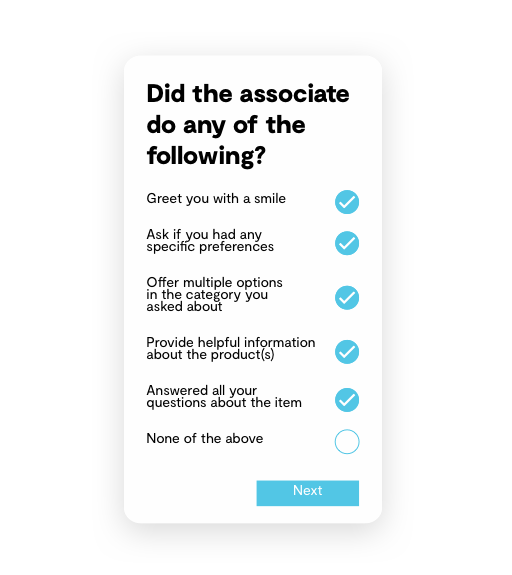
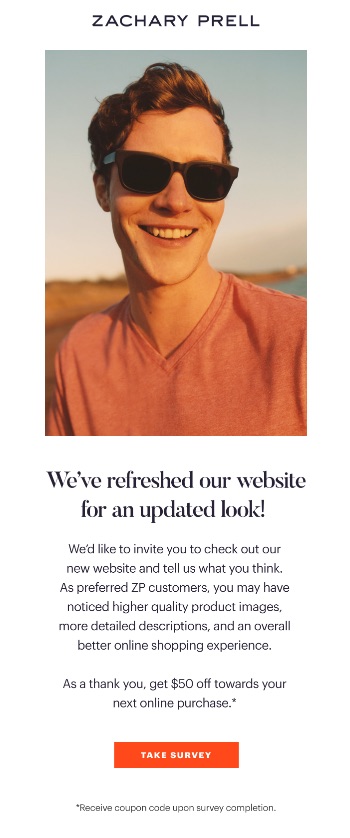
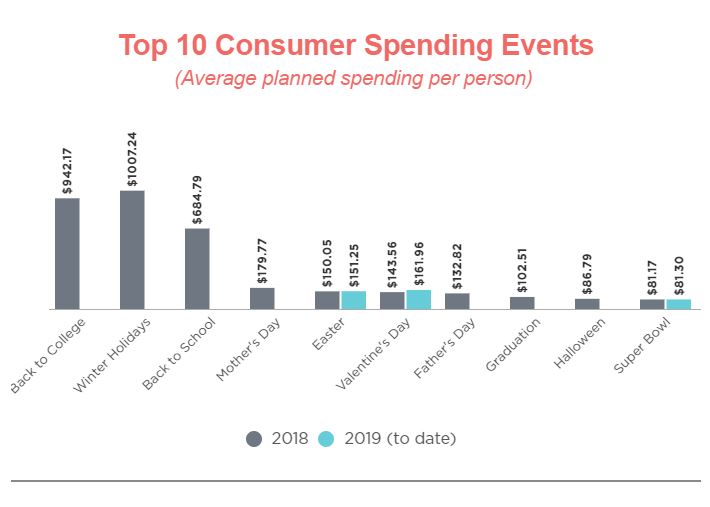
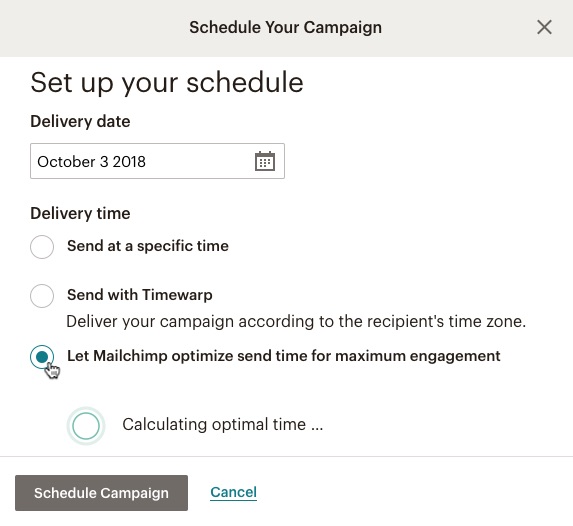
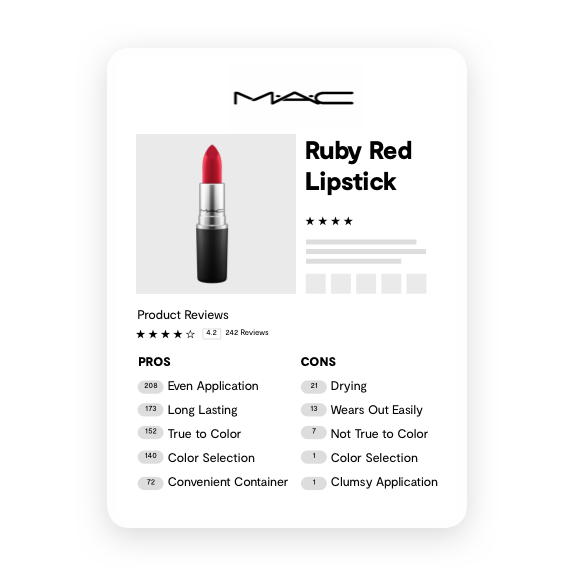
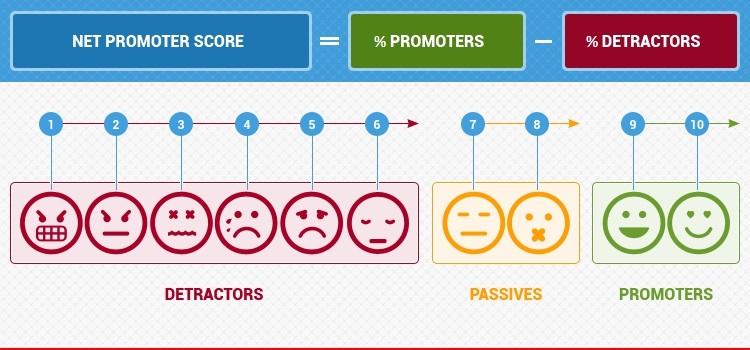
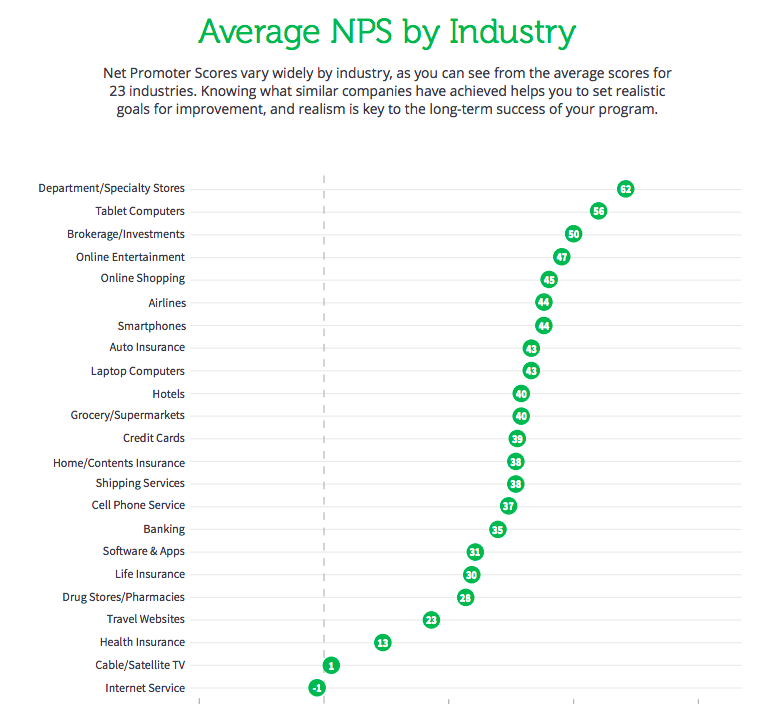
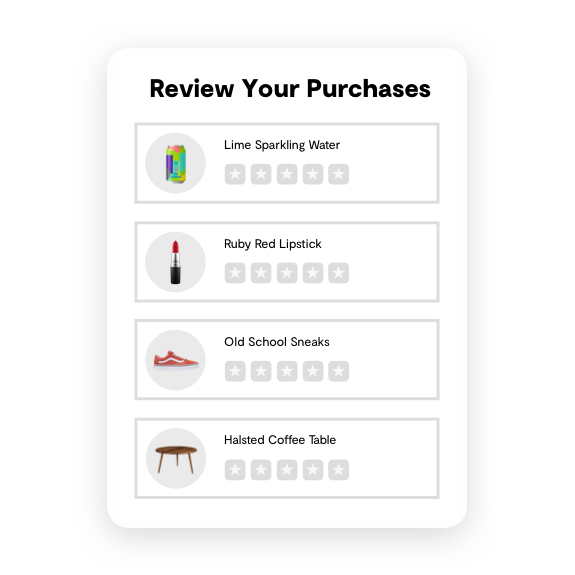
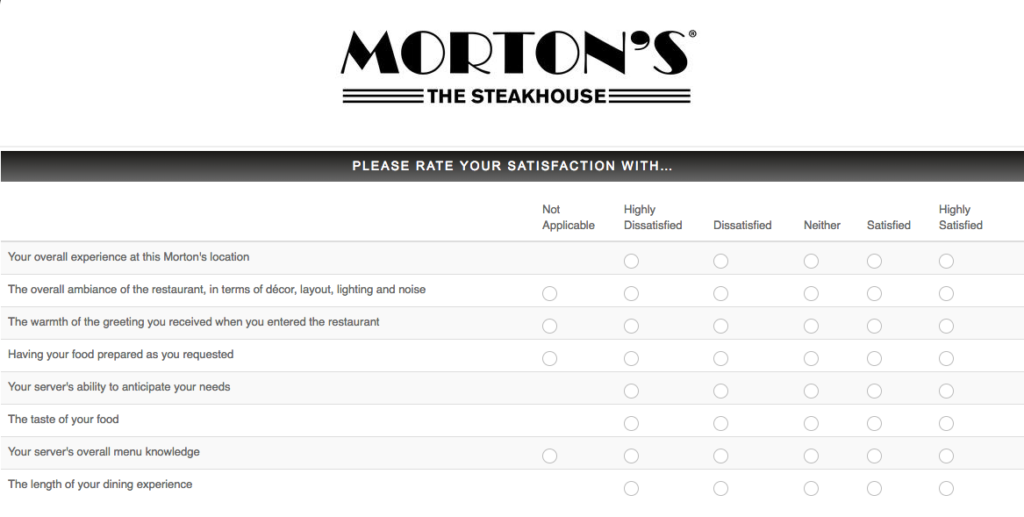
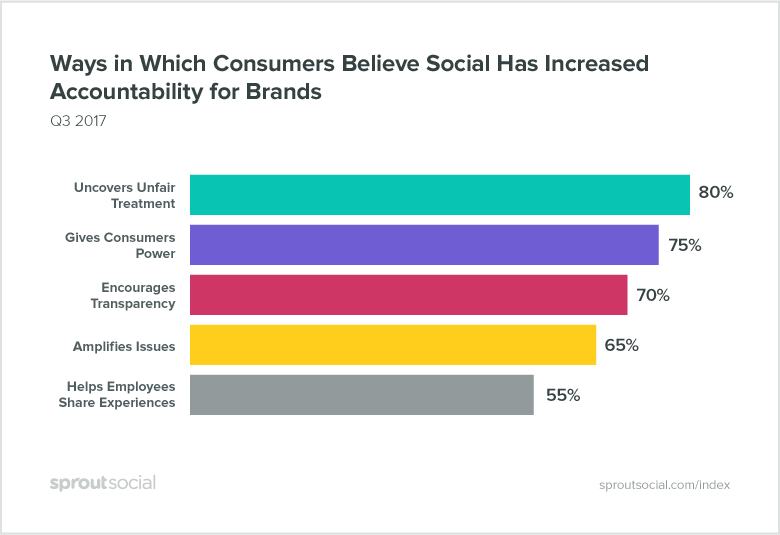
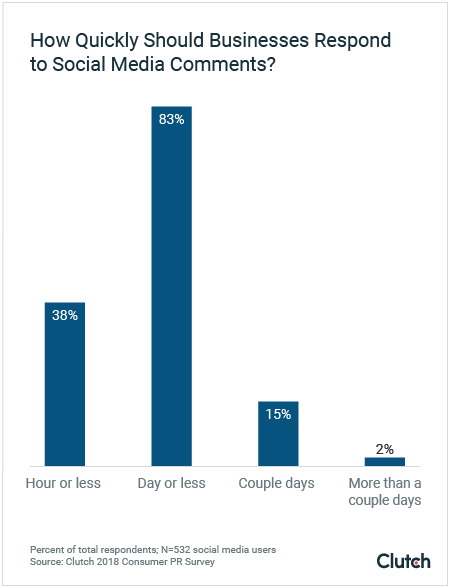
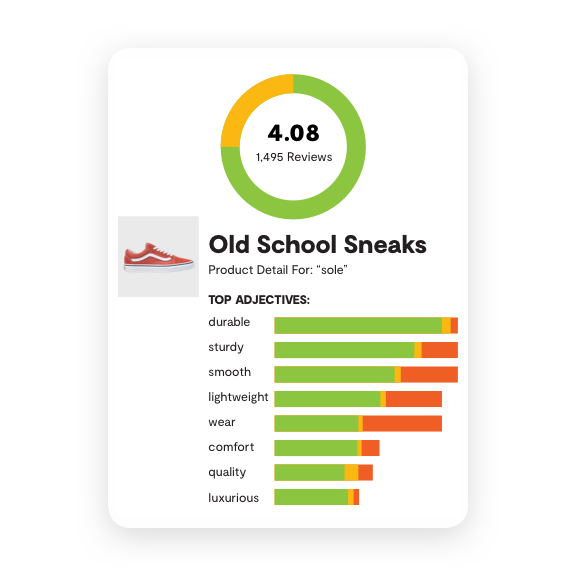
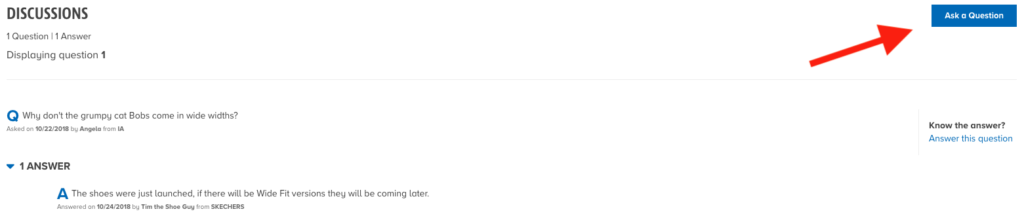

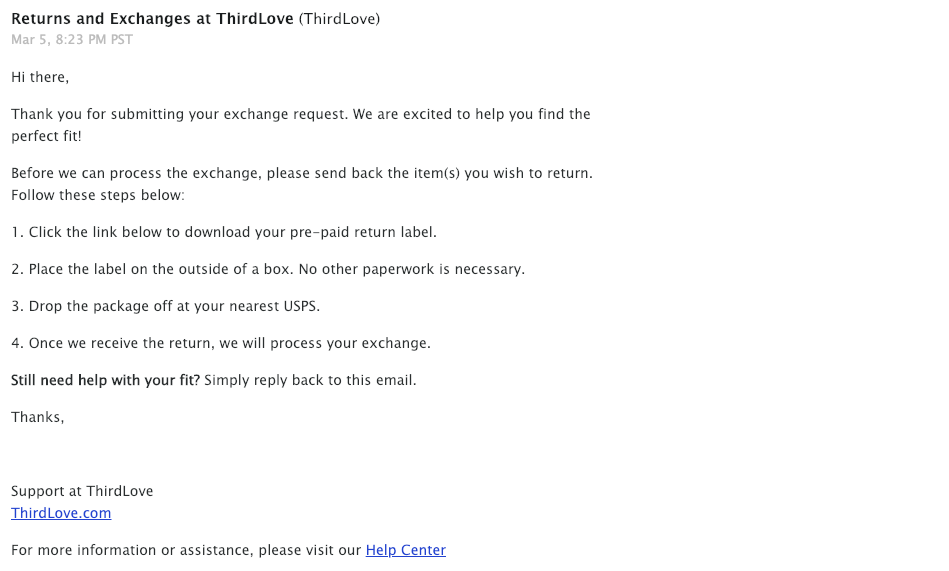
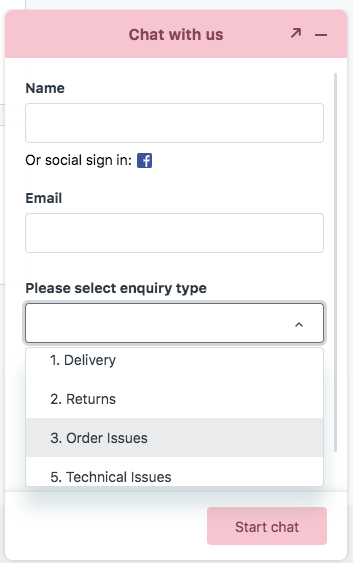
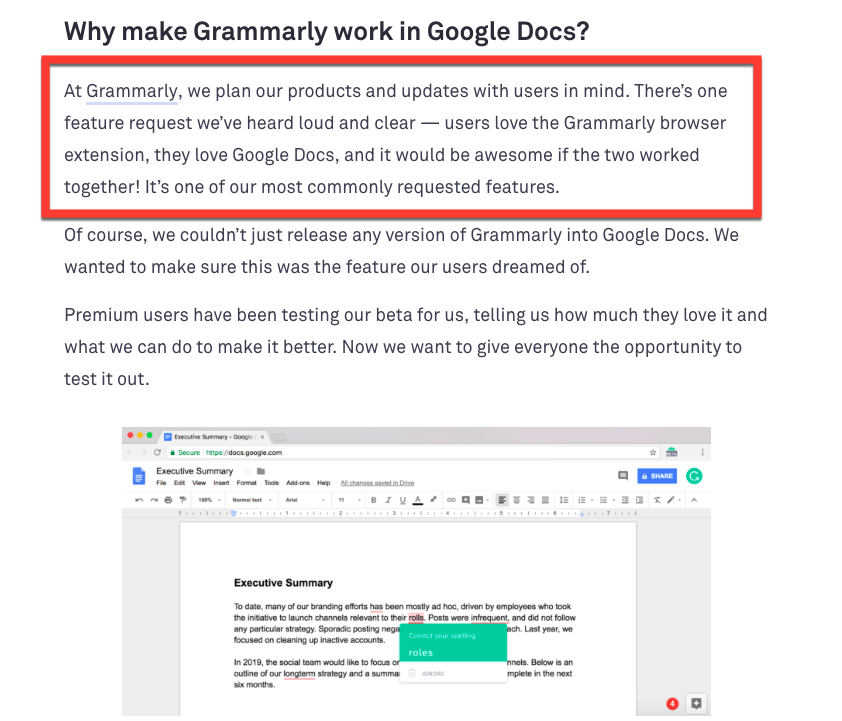
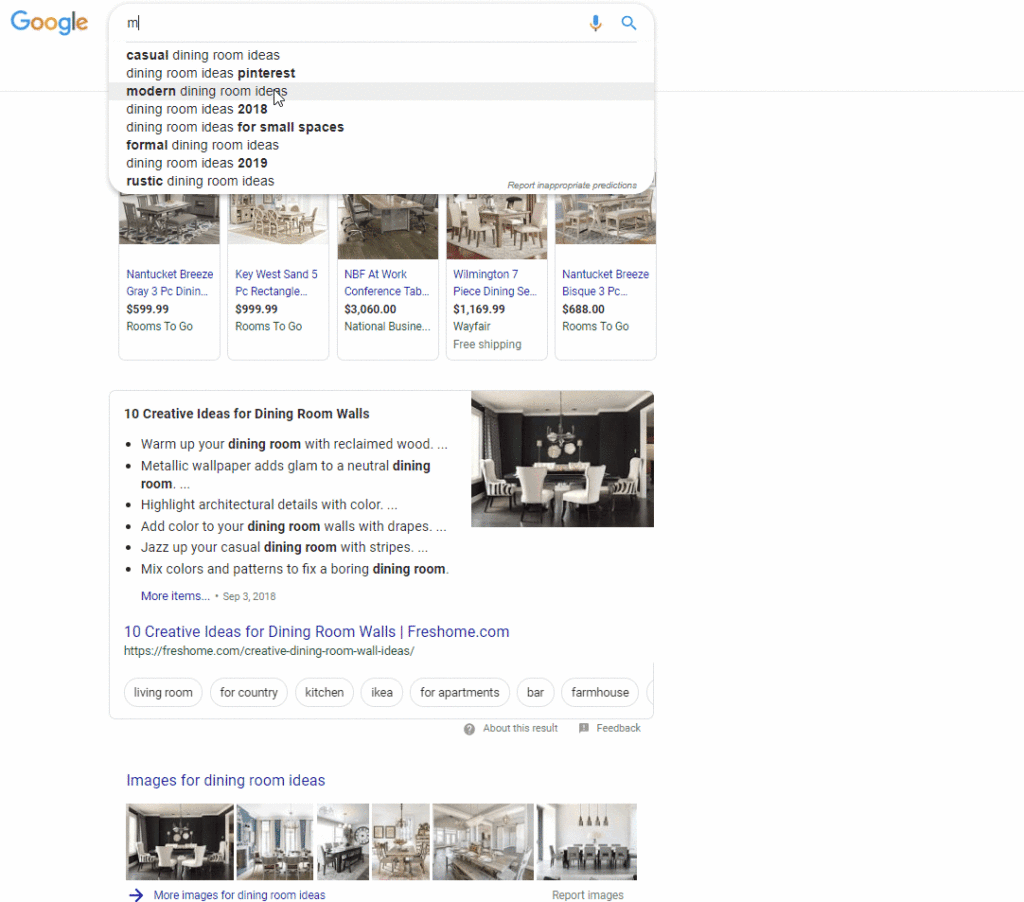
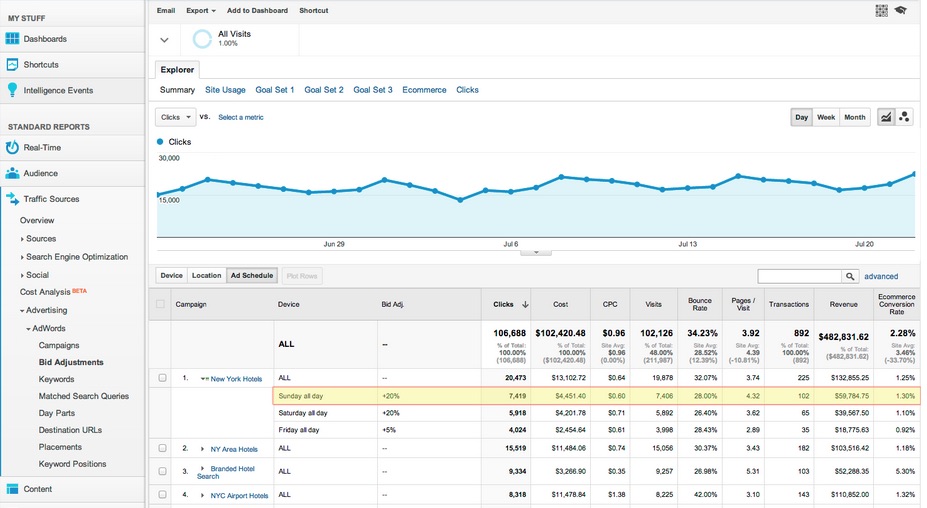
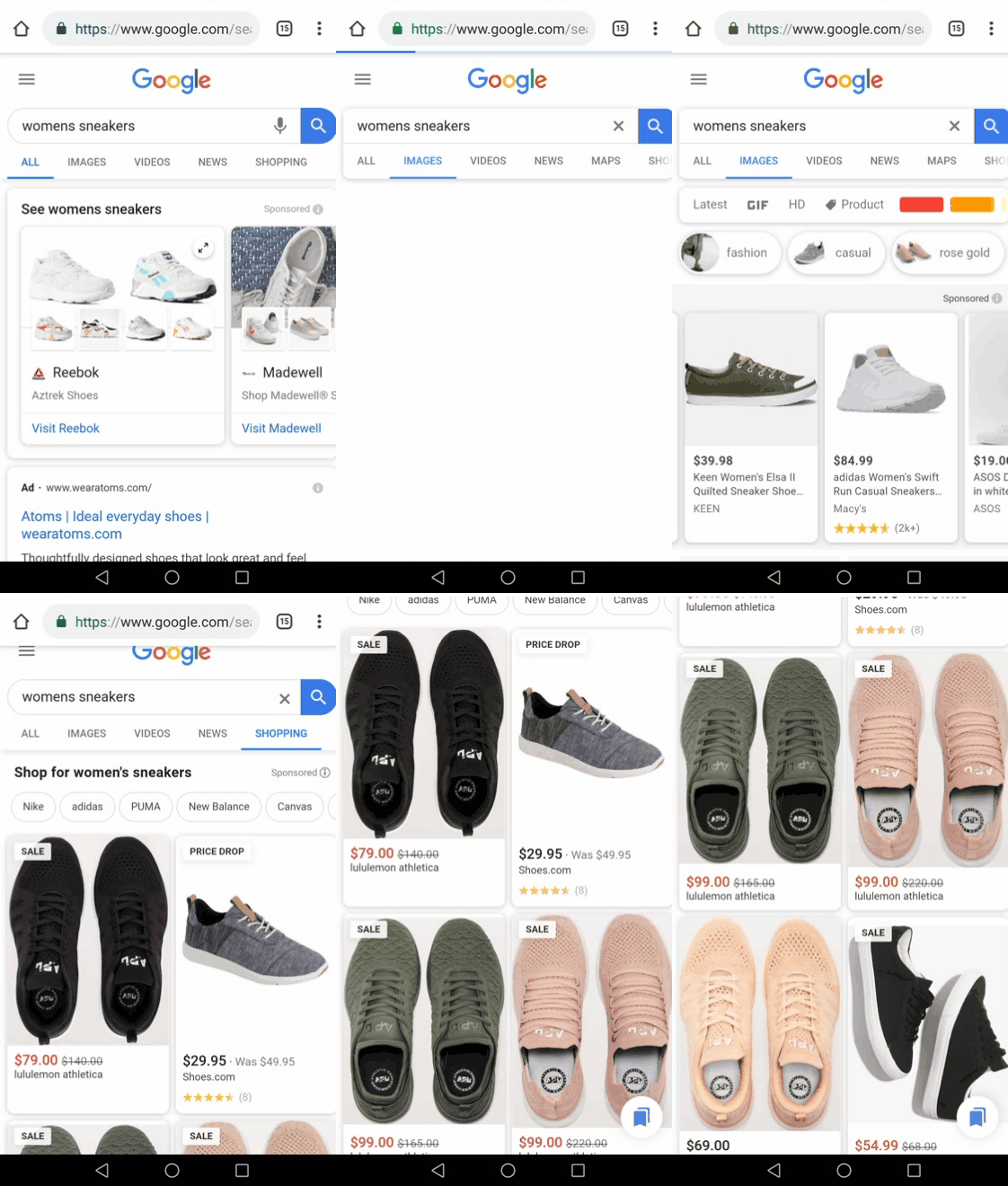
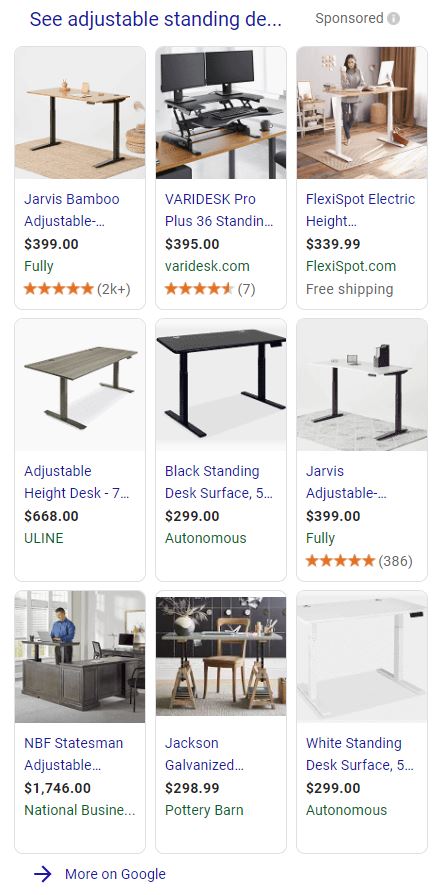
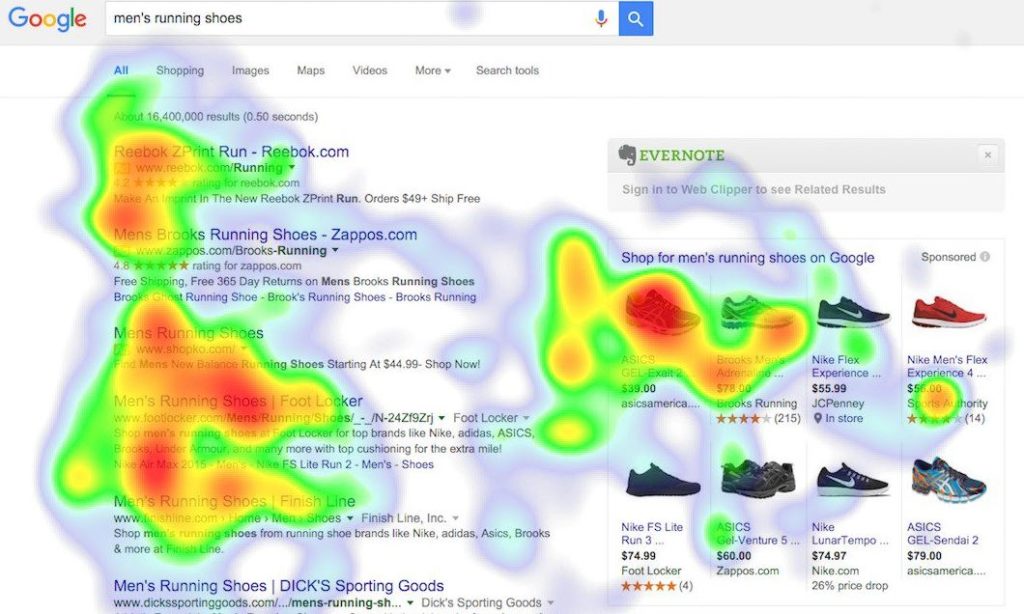

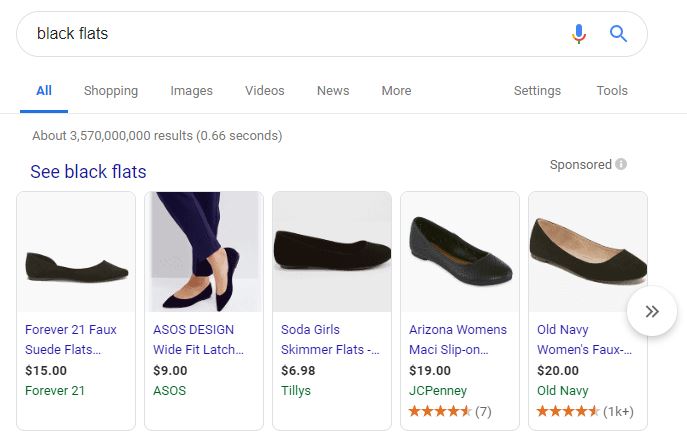
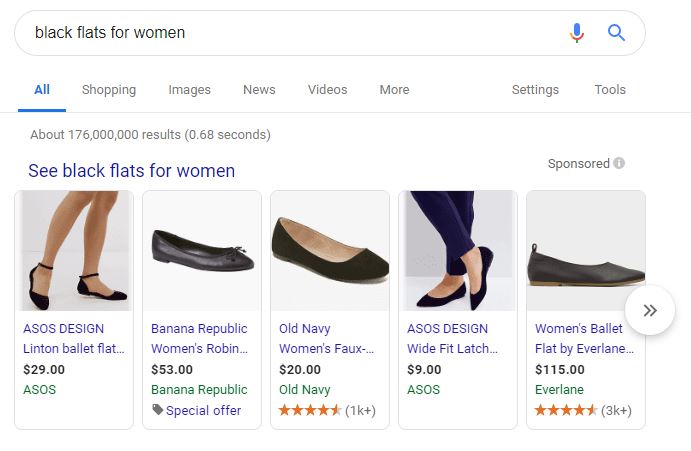
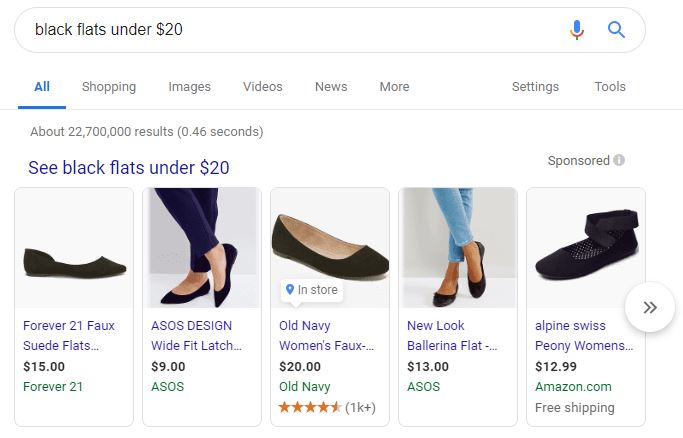
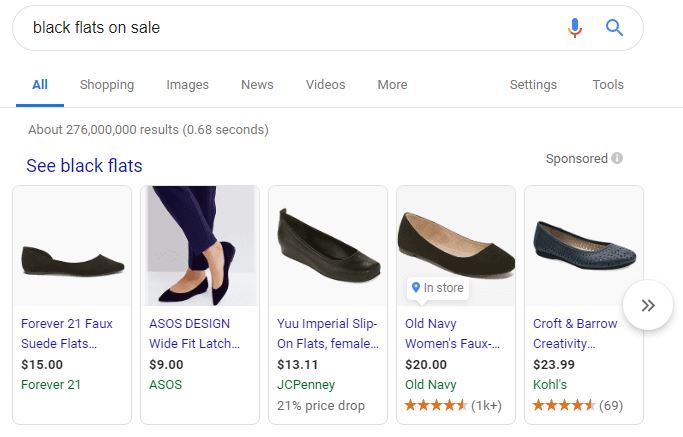
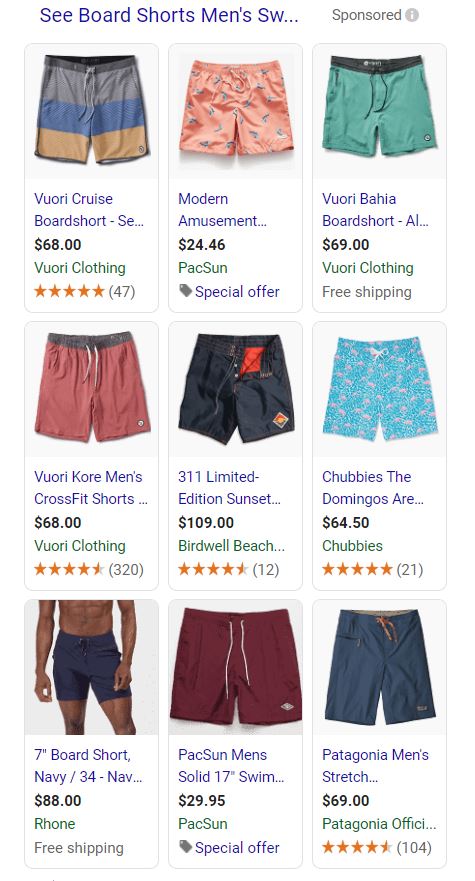
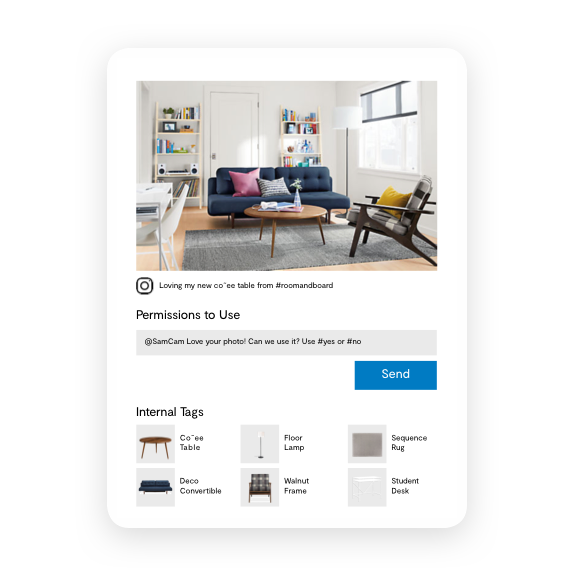
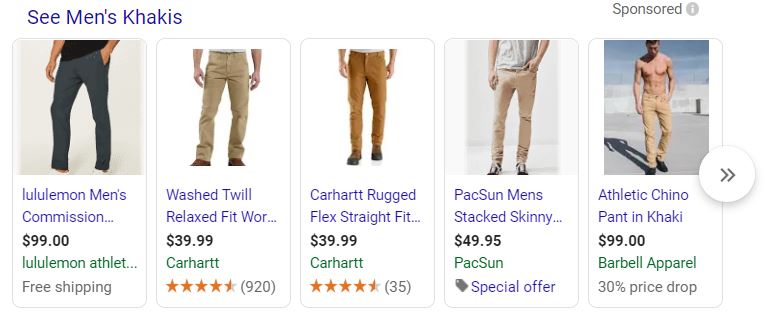
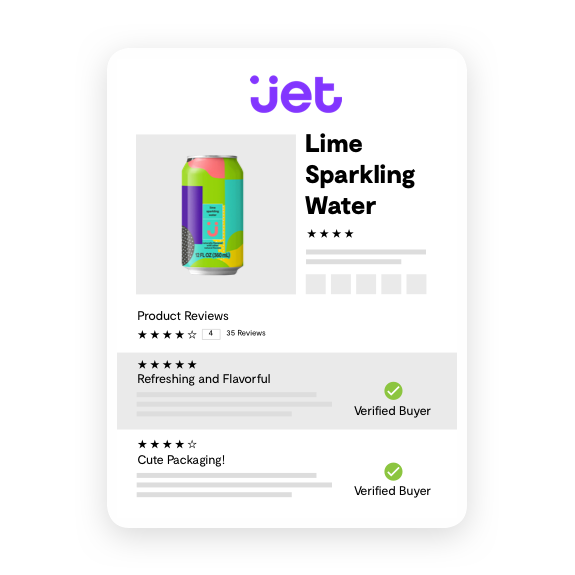
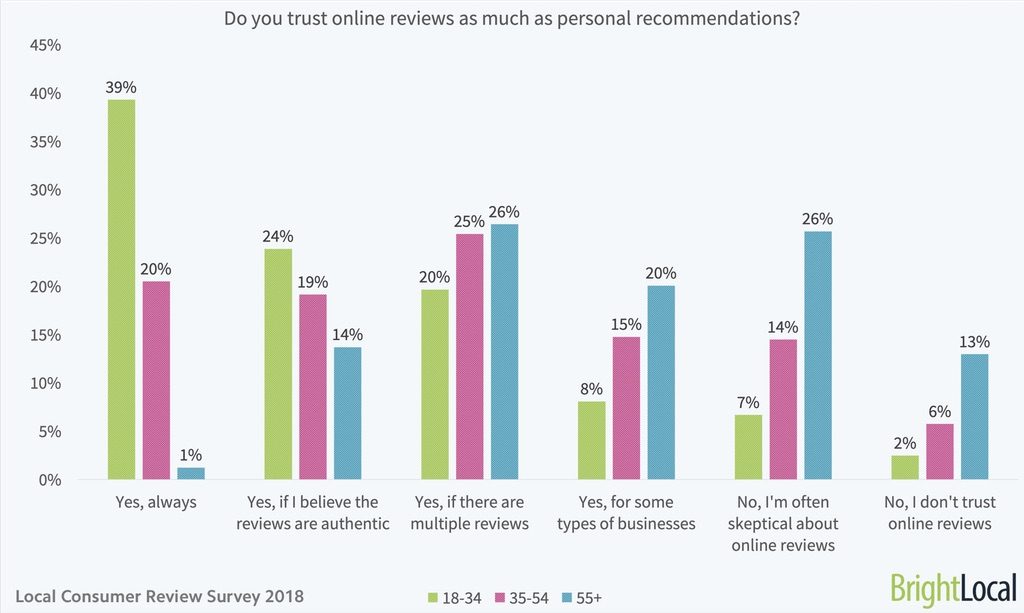
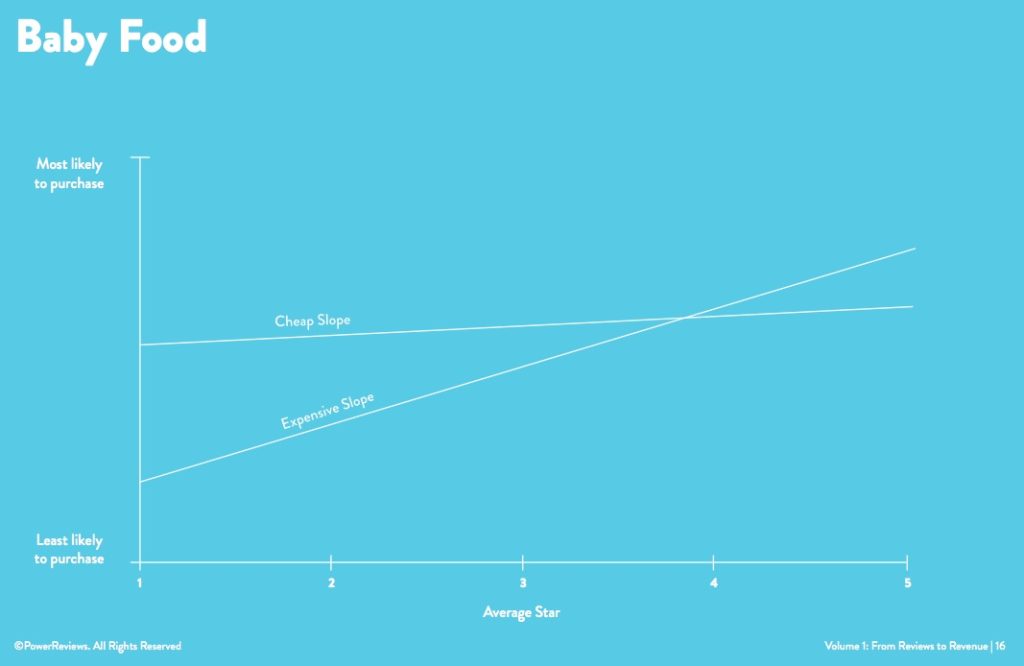

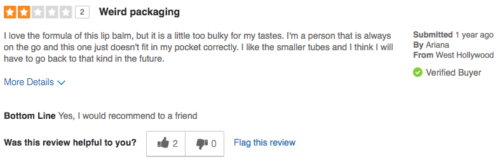
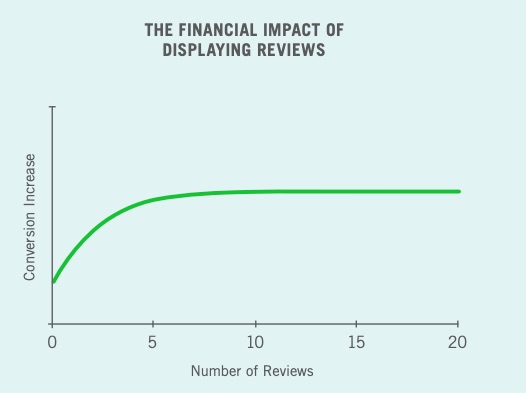
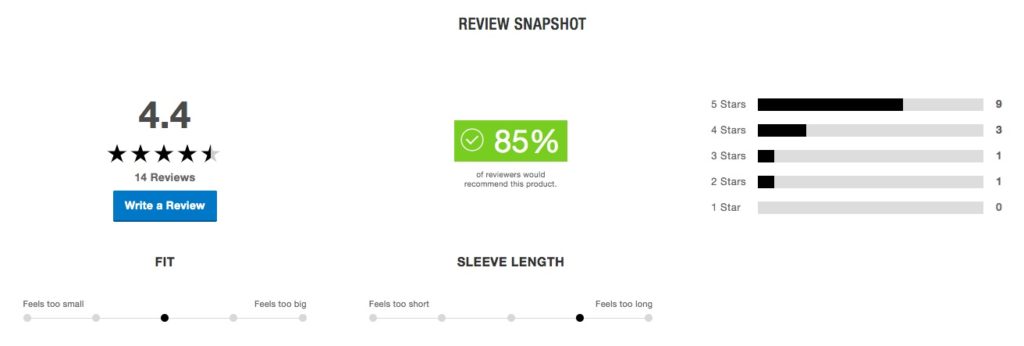
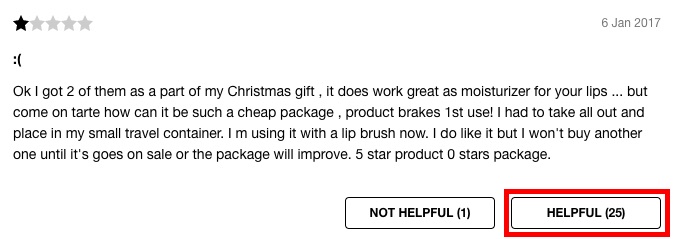
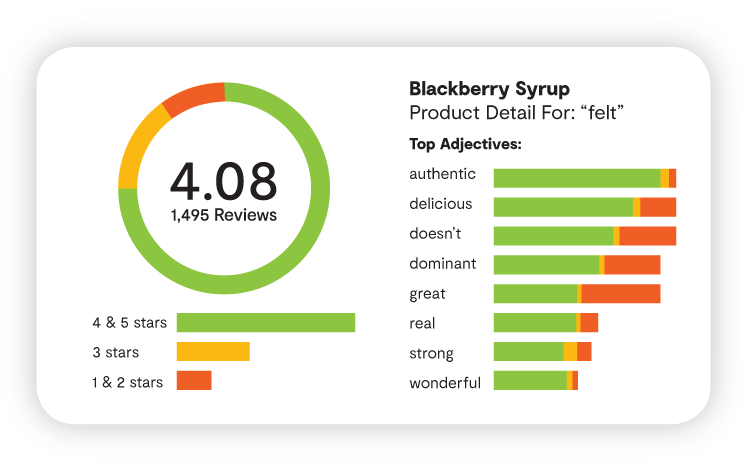
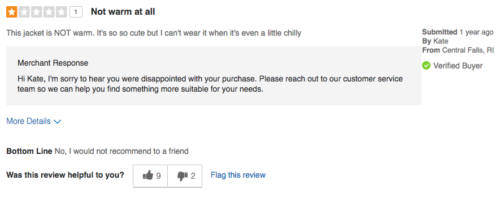
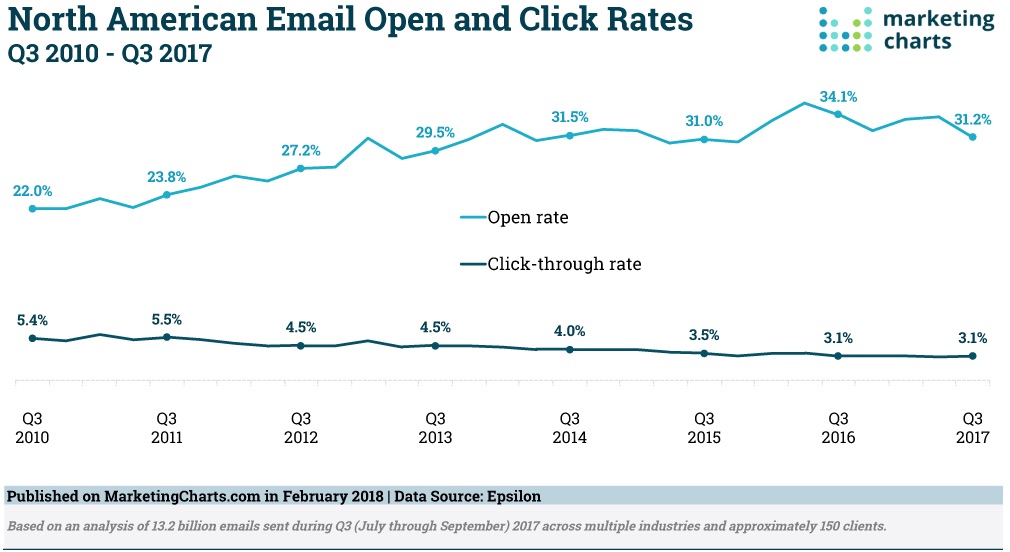
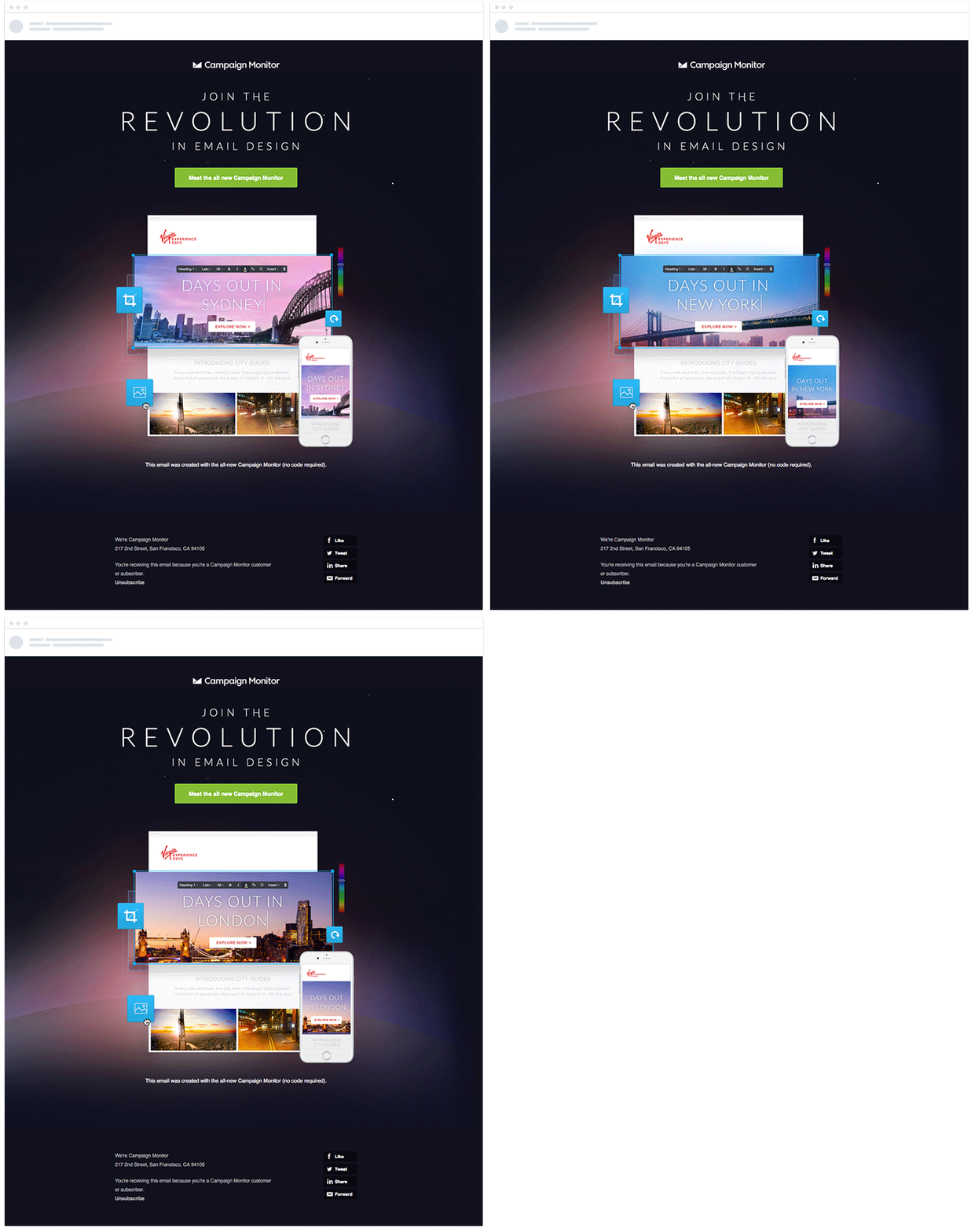
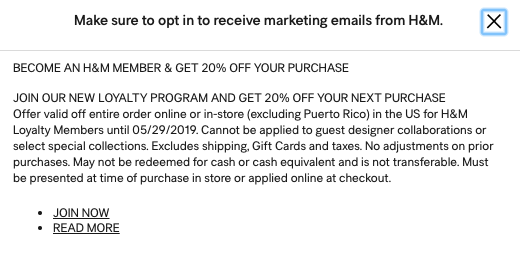
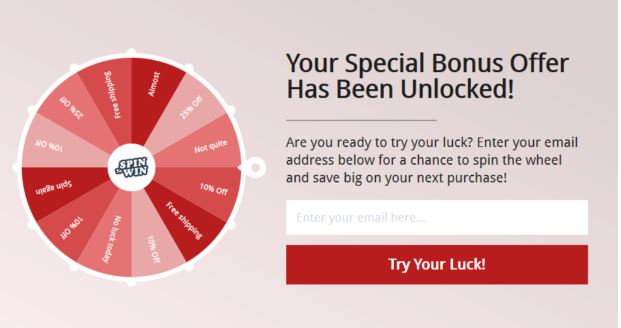
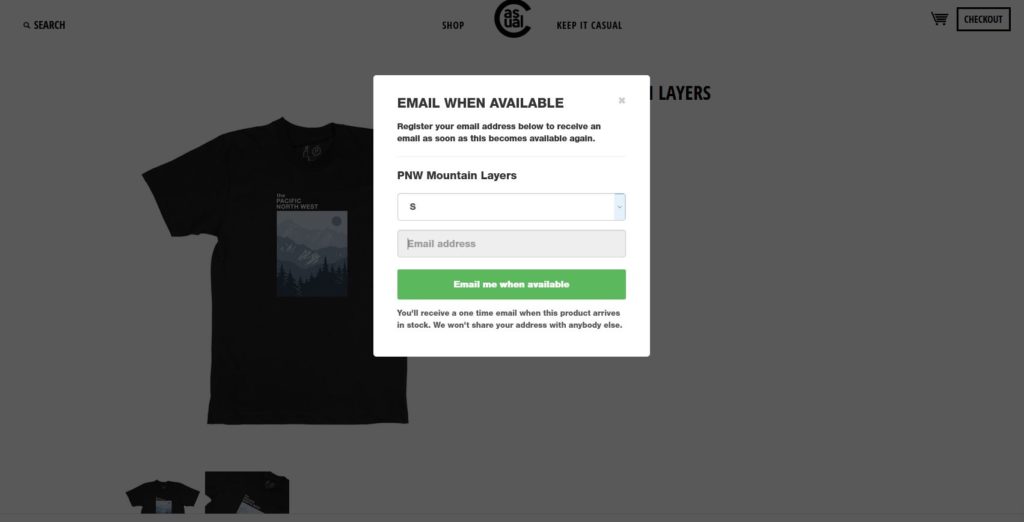
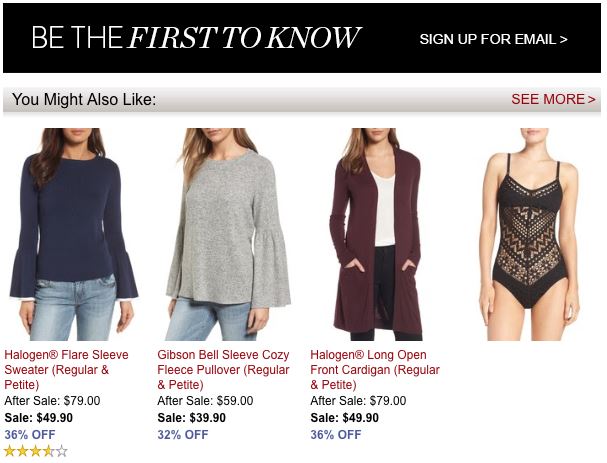
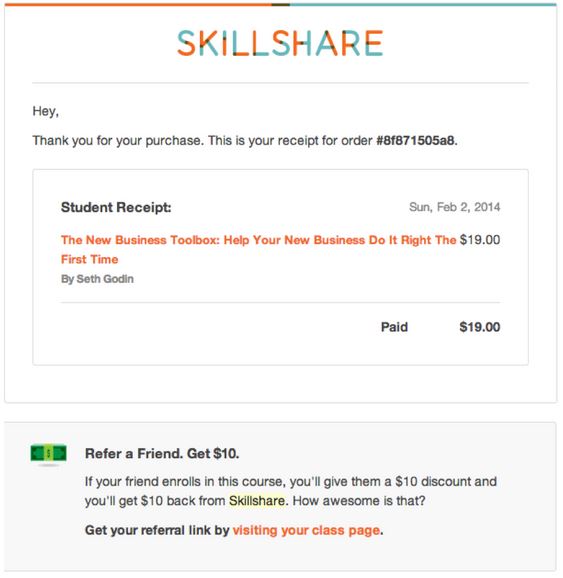
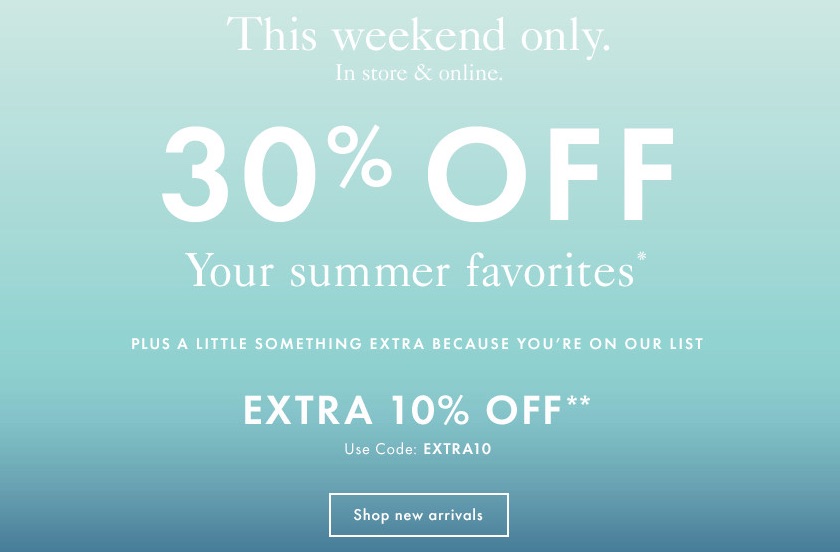
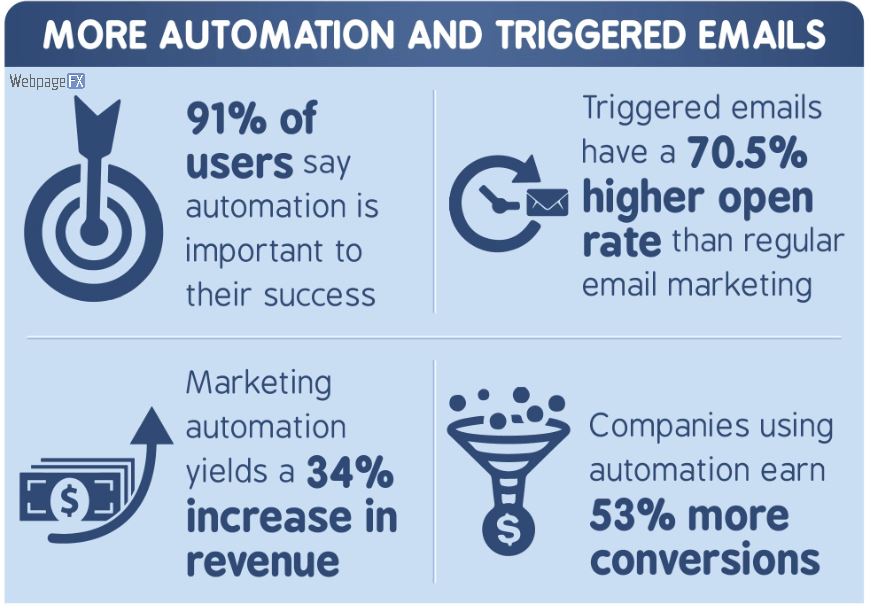
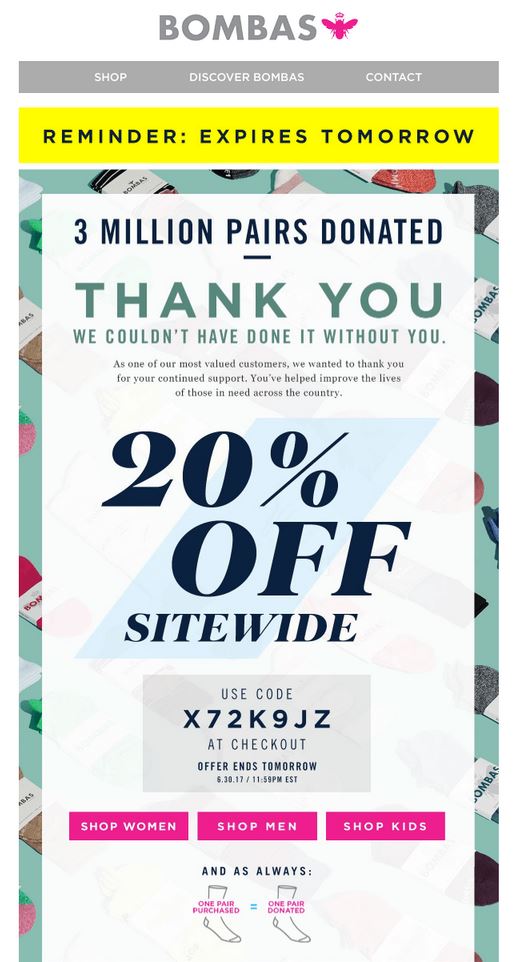
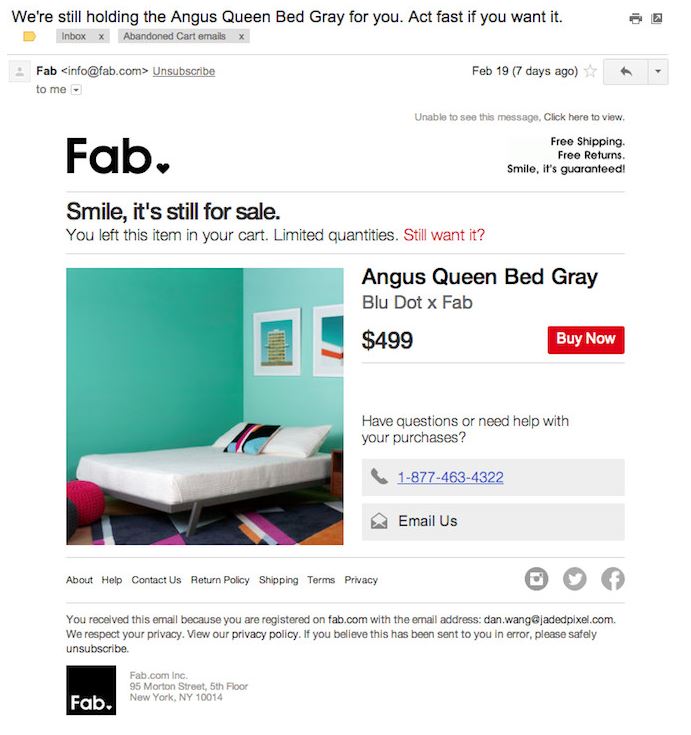
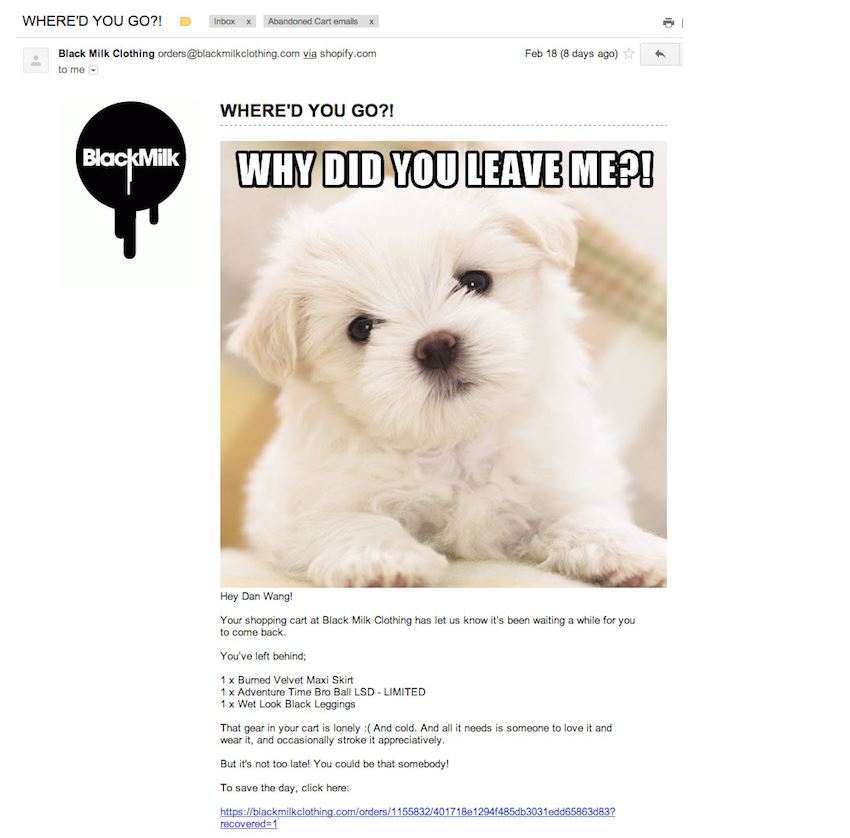
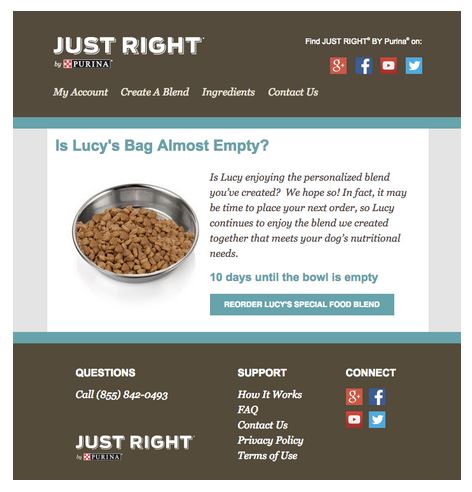
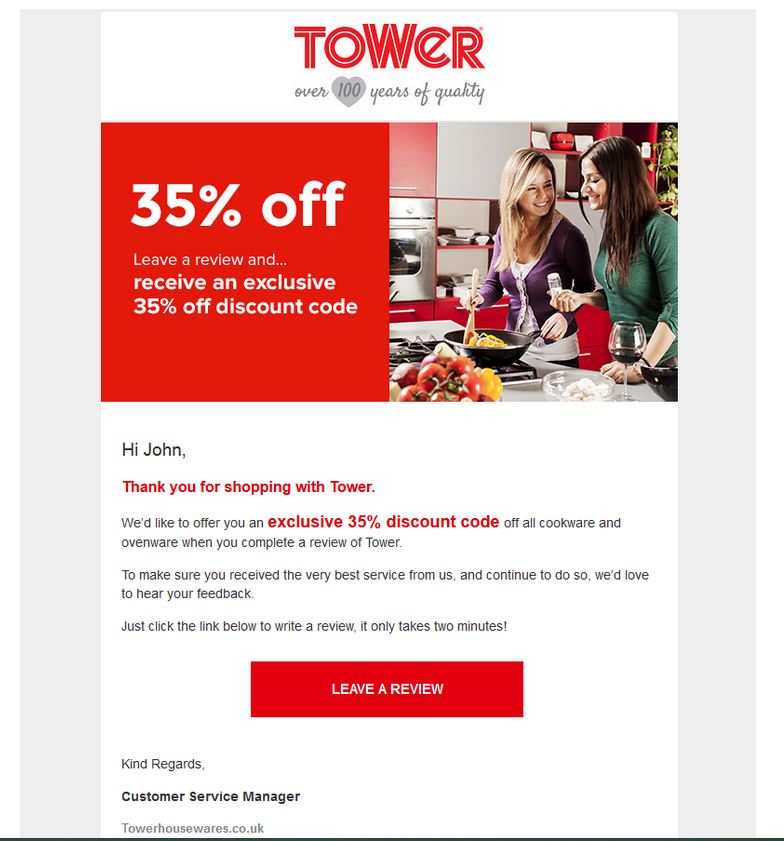
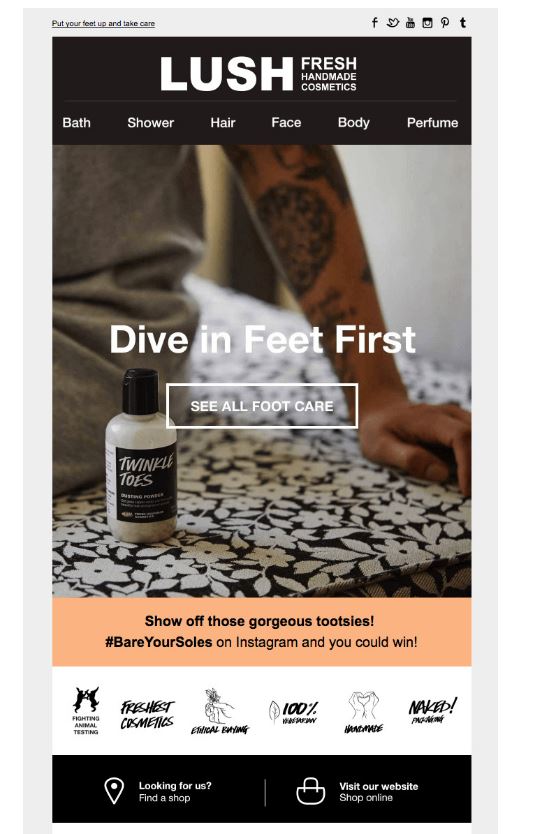
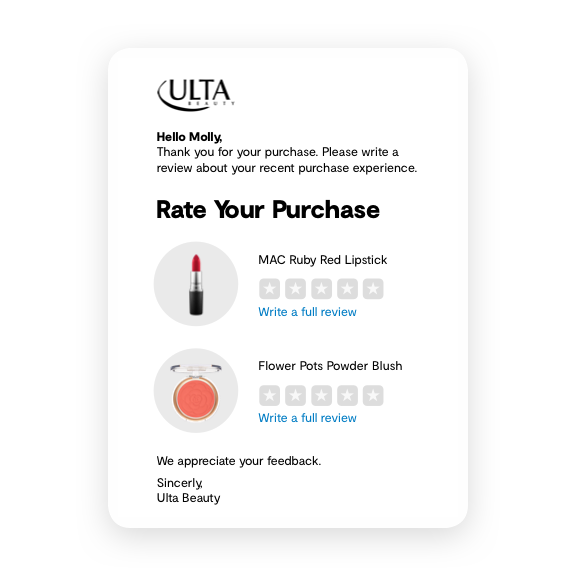
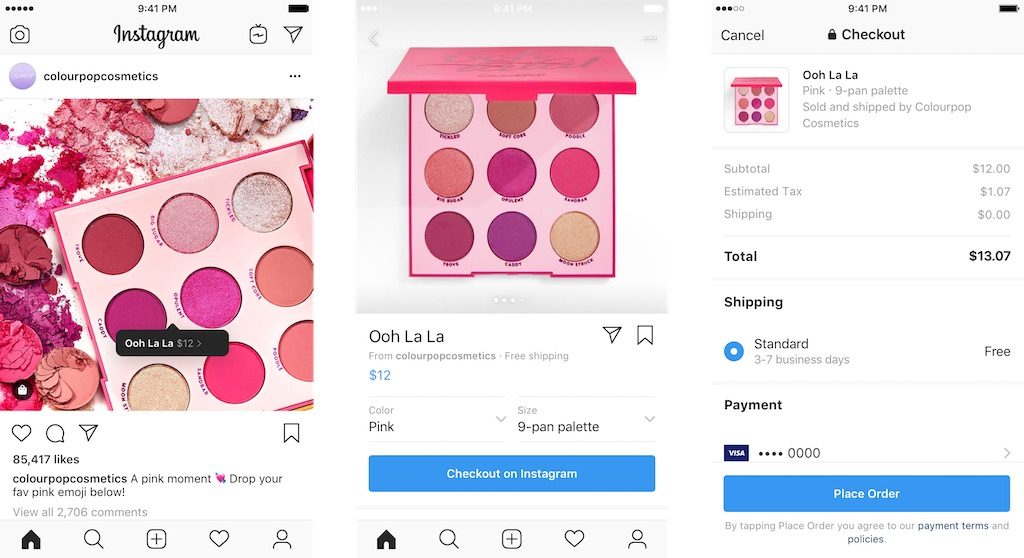


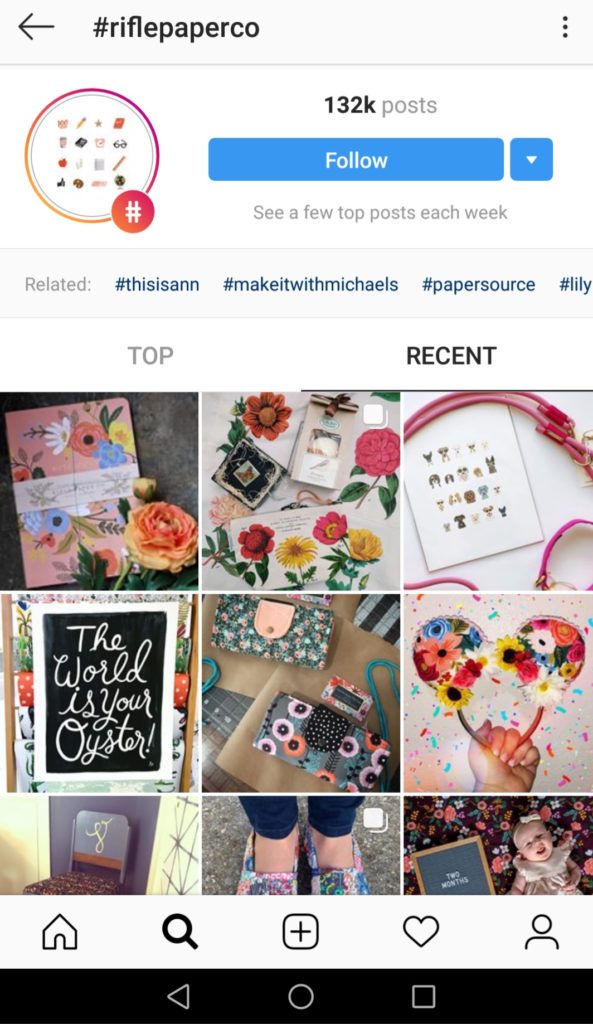
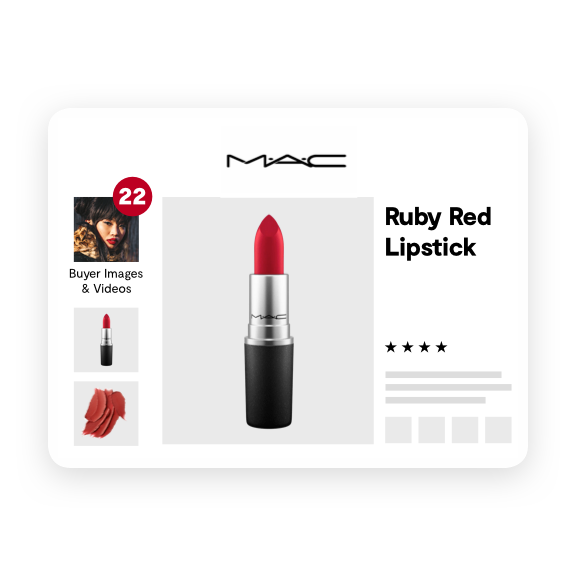

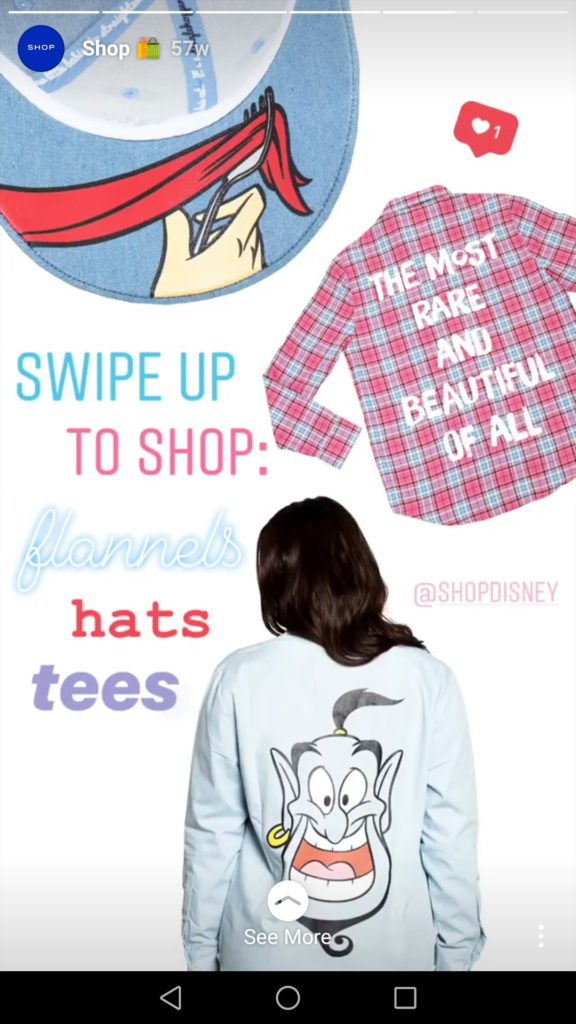

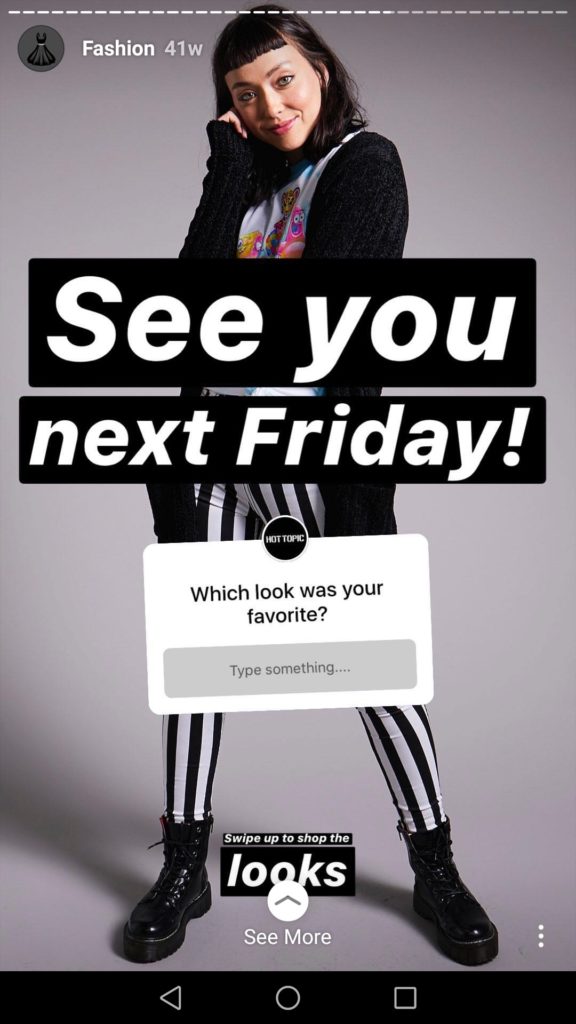
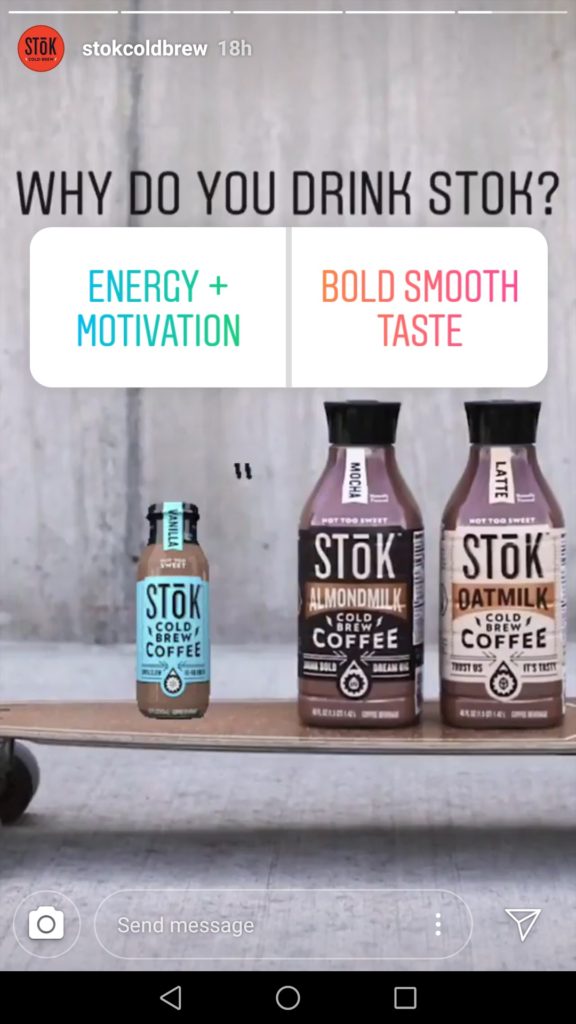 Evolving your Instagram marketing strategy means keeping up with these features to come up with more compelling Stories in the future.