The same study found that product pages have an average effectiveness of 10.4%. In other words, 1 out of every 10 people that visit a product page will add the product to their cart.
If you feel that your product page designs aren’t living up to their potential, you’ve come to the right place.
Ultimately, your product page designs will have a huge impact on your conversion rates. So, let’s make them as effective as possible.
8 Elements Your Product Page Designs Must Have (Including Examples)
There are certain elements that your product page designs must have.
A picture, a description, and product prices are all examples of necessary items your product pages already have.
But you need to go above and beyond if you want to stand out as different.
We’re going to discuss some obvious and some not-so-obvious design elements, and how you can use each of these to make your product pages live up to their potential. Let’s get started!
1. Pictures & Videos That Sell the Story
People love shopping online.
In one study, it was found that the main reason why people shop online is for the convenience of shopping whenever they feel like it.
However, the same study found that more than half of people who prefer to shop in-store do so because they want to see, touch or try on the product before purchasing.
Since people can’t be in physical contact with your products before purchasing, your product page needs to get them as close as possible.
That’s why you need to include clear, up close visuals for your products.
On average, people want to see between 5 to 8 pictures per product. This allows you to give different views of the product and show off important features.
Check out how bag and clothing brand Kaft does this with the images for one of their messenger bags ideal for daily use.
The fact that the bag is water resistant is a very important feature. This picture highlights that feature, and also allows zoom so that users can get a full view.
Another way to make people feel like they’re getting a complete view of your product is by including a video.
Check out how Glossier does this with the video that appears on their Lash Stick page.
By showing real people using their product, Glossier lets users feel like they’ve been able to try the product themselves. This is critical for a driving a moving and authentic feel to the product page design.
2. A True Size & Fit
Especially for apparel brands, it’s important that people feel secure in their purchase. They need to know whether or not this product is going to fit them, without being able to try it on.
To improve conversions on your product page–and significantly limit product returns of wrong size orders–it’s important to include product page designs that clearly show the true fit of your products.
Let’s see three ways that The North Face does this with their product pages.
First, they include the measurements of the model in the pictures and give the size jacket that she’s wearing. It might not seem like much, but it gives the extra details needed when making a purchasing decision.
Next, they include a helpful pop up that allows users to find their perfect size for this particular type of product. This chart allows shoppers to pin point exactly the size and fit to nail down the right jacket.
Lastly, as part of their review section, they include other customers’ ratings on the fit and the sleeve length of the jacket. Everyone knows brands all have various sizes and fits, and in apparel, you have to be exact for your online shoppers.
The Review Snapshot from PowerReviews gives customers more confidence in their buying decisions and helps limit the dreaded, costly returns.
By including detailed pictures with the model’s measurements, an accurate sizing chart, and a rating system for fit and feel, you can give your customers the confidence to purchase your products knowing that they’ll fit right the first time.
3. Questions & Answers to Remove Doubts
No matter how good your product descriptions are, people will probably have some questions.
If you find that people are frequently asking the same or similar questions, why not include a Q&A section for your product page designs?
This will help remove any doubts that people have before they purchase. It also makes it easier for people to get answers, since they won’t even have to leave your product page to do so.
The mattress brand Leesa does this with the FAQ on their product page. Everyone has questions, so why not use your community of shoppers and your own customer service team to provide the answers to purchase-blocking questions?
4. Keyword-Optimized Text
Including keywords in your product page helps users find what they’re looking for quickly, and also helps your product pages rank on search engines. Following the best practices with SEO for ecommerce is essential to get pages to appear in the rankings.
Ideally, you’ll want to aim for long-tail keyword phrases that include various words. For example, instead of Men’s Sneaker, aim for a more specific keyword like Men’s Trail Running Sneaker.
Once you’ve chosen the right keywords, here’s three places you should put them:
URL: The product page URL should have just your main keyword.
Title (H1): The name of your product should be optimized to your keywords and your H1 should include it.
Description: Within your product description, include your main keyword and even try to add related keywords for context.
All this being said, remember not to stuff your product page with keywords. Never add them where they don’t sound right, since this could lead to problems for your website down the road.
See how shoe brand Manitobah Mukluks uses keywords skillfully through their product description? This helps their brand rank organically and also uses unique content that the search engines look for when ranking products.
5. Navigation Tabs to Keep Your Pages Clean
While it’s important to have the right amount of information on your product pages, it’s just as important that your product page designs remain clean and visually appealing.
In other words, don’t clutter your page with text and buttons.
A great way to remove clutter from your product pages is by using navigation tabs. That way, people can click to open a tab and read more, but the page still stays clean.
The women’s underwear brand Knix does this with their product pages really well. There’s not a ton of text at arrival that makes it overbearing to read and buy. However, their navigation tabs allow those who want more product information to easily click and find it.
Some of the most important information to include here is the fit, care instructions and even product quality so shoppers know your materials. The best part is the clutter is removed by clean navigation tabs at the bottom right.
6. Clear & Trustworthy Ratings & Reviews
Another essential element of your product page design are authentic ratings and reviews.
These customer reviews need to be displayed prominently in the product page. One retailer doing this well is Zappos, which showcases the reviews clearly at the top.
Next, you’ll need to display real reviews that specify what your users are looking for in the product. For example, Zappos takes their reviews and displays the most helpful positive review alongside the most helpful negative review.
We already know that 85% of shoppers specifically seek out negative reviews and even typically don’t trust companies with only 5-star rated products. Here we can see Zappos use their reviews to include separate star ratings for comfort and style.
Since shoppers specifically seek out negative reviews, take a lesson from Zappos and display both sides. This actually helps build buyer confidence in your reviews and avoids the “too perfect” product review, which always comes off inauthentic.
Another way to take your reviews one step further is to organize them by topic, like Leesa does in their reviews. This helps people find exactly what they need and right away.
7. User-Generated Visuals for Ultimate Social Proof
While displaying reviews is a great way to build trust in your products (and improve your product page conversion rate), including pictures and videos from real users has an even bigger impact.
In fact, 88% of online shoppers specifically look for visuals submitted by fellow users. The result? After finding user-submitted photos and videos, 65% of shoppers will be more likely to trust in the product.
Check out how furniture brand Wayfair does this by featuring reviews that include real-life user-generated content to drive trust and authenticity in their product page designs.
Need help collecting more visuals for your reviews? PowerReviews’ Visual and Social Suite allows you to add a content gallery of real-life visuals posted by your users either on your website or on social media.
This collection ability could collected by encouraging a branded hashtag to use for your products on social or even by running a product sampling campaign. Whatever your needs, PowerReviews can help–big or small.
So, why are product suggestions considered an essential product page design element?
It’s not just because everyone else is doing it.
Product suggestions help you increase the total amount spent per purchase by giving people great ideas for what to buy. But they also help move shoppers along with the product they’re already looking at to encourage the buy.
Fitbit skillfully includes suggestions in the product page design and is a great example of how to get buyers to add more to the cart. When looking at the product page for the Fitbit Versa, you’ll find suggestions for accessories towards the end of the page.
This is useful to the customer, since not everyone likes the band that the Fitbit comes with and will be eager to spice things up with a new band.
Then, below the recommended accessories, there is a “You might also like:” section, which includes products that can be used in conjunction with the original product.
You can do the same by pairing products that work well together, or by including items that are frequently purchased together on the same product page.
May the Best Product Page Designs Win
Ecommerce is a growing world, and you’re a part of it. If you ace the design on your product pages, constantly adapt to new customer needs and put value on authenticity, you’ll be able to take an even bigger piece of the pie home.
While people love the convenience of shopping online, they also see the disadvantages. That’s why you need to make your online shopping experience just as good (if not better) than shopping in store.
To that end, apply to above tips to create truly fantastic product page designs that capture people’s attention, give them the information they need without overwhelming them and help them put real trust in your products.
Then, your product page design will live up to its full potential.
While every section of your website needs to be optimized, your product pages deserve extra love and attention. Why? Because these pages, along with well-written product descriptions, are the parts of your online store that actually drive sales.
In fact, research from Monetate found product detail pages (PDPs) account for a quarter of all ecommerce landing pages. This means your product pages are increasingly becoming the first touchpoint shoppers have with your brand.
So, if you haven’t spruced them up in a while, it’s high time to do so. We recommend starting with your product descriptions because they play a pivotal role in generating both traffic and conversions.
Well-crafted product descriptions do more than just describe your merchandise. When done right, your descriptions convey your unique voice, get people excited and even help you rank on Google.
In this post, we cover the 11 critical elements to help you create winning product descriptions. Check them out and see what applies to your store!
1. A Distinct & Relatable Voice
Product description writing tip No 1: Inject your copy with a unique voice and tone that speaks to your target audience. If you’re a quirky company that caters to millennials, then you’ll want to adopt a casual tone and maybe throw in a bit of humor.
But If the plan is to target executives at large enterprises, your copy would should feel more serious and professional. It all depends on your voice and who you’re talking to.
Check out this example from iPhone accessories store Zero Gravity. Each of their product descriptions are written in a casual and fun tone, which is great because Zero Gravity specializes in bold and distinctive phone cases.
Meanwhile, the American Red Cross uses a different voice and tone to sell items like instructor kits to teach first aid, CPR and how to use an AED in emergencies. The Red Cross uses a more straightforward tone that appeals to importance of information and newest measures to teach.
So why would you go through all the trouble of sprucing up your copy?
For starters, adopting a distinctive voice—especially one that caters to your audience—strengthens the connection they have with your brand. Speaking the language of your customers makes you relatable, builds trust and increases the chances of conversions.
As a bonus, this practice also enables you to come up with unique content, which helps you with SEO for ecommerce. And this brings us to our next point:
2. The Right Keywords
It’s important for your descriptions to contain the search terms that shoppers would use when looking for your merchandise. This gives you a better chance for your product pages to show up on search engines, which in turn drives traffic and sales.
To first step in optimizing your product pages for SEO is conducting keywords research. Use a tool like Google’s Keyword Planner to search for keywords and identify other terms that your customers frequently use.
Let’s say you’re selling journals, planners and notebooks. A quick search of those terms on Google’s Keyword planner uncovers a variety of other search terms, including “ruled notebook,” “unique writing journals,” “lined notebook paper” and more.
Depending on your merchandise, you can incorporate some of the keywords you find in your product descriptions.
For example, notice how in their description of an 80 Page Lined Journal Notebook, AnyPromo makes it a point to pepper in relevant search terms into the text.
Do the same thing for your product pages. Research the keywords that consumers use when searching for your products, then incorporate those terms into your descriptions. Now, this isn’t to say that you should stuff your description with keywords. Instead, sprinkle a healthy amount of search terms in your copy, while still making it readable and engaging.
Luckily with the help of PowerReviews, we help add structure data to your product pages to get critical and unique review content to be indexed by Google. This means you get more ranking content with the additional reviews you produce.
One of the most common pieces of marketing advice is to focus on benefits over features when describing what you’re selling. People who give this advice make an excellent point.
It really is more effective to tell shoppers how something would benefit them versus just giving them a laundry list of features or capabilities. But this doesn’t mean you should ignore features completely when describing your products. After all, your customers still need to know what a product does and what it’s capable of.
Your product descriptions should have the right balance of features and benefits. They should describe your items and clearly display its specifications, while at the same time, spell out the deeper advantages that each feature brings to the table.
Have a look at Moleskine’s product description for their Classic Backpack. The left column is very benefits-centric.
It talks about how the product helps you “organize your mobile workspace” and how the backpack enables you to “store and organize everything you need as you navigate your day and connect with the people, places and passions that populate the city unfolding before you.”
The right column, on the other hand, is a straightforward list of features. Adopt a similar approach with your descriptions.
Strive to communicate a product’s features AND benefits effectively, while make them easy to find at the same time.
4. Visual Product Variations
Do you sell multiple products with different variations like color, size or print?
You’re not alone. A lot of businesses have various similar products, but don’t show buyers every single option. Some ecommerce folks might think it’s easier to simply show a single image of a variant product and provide more detailed visuals with a specific or high-selling item.
Instead, take the time to get great visual content for every single product you have. There’s no reason to provide fewer images or even videos of a variant product.
No one likes to shop on line and come across this–a small display of images showing the various colors of a sheets for a queen size bed. Before you know it, you’re zooming in and trying to make out what kind of blue is “Lake Blue.”
One of the more important online shopping statistics shows within the next two years, mobile ecommerce is projected make up almost 73% of total ecommerce sales. That means you need to think about the mobile experience and if your customers can see the variant products up close.
For example, iJet does a fantastic job showcasing the various colors for its Samsonite suitcase. It would be easy to mistake certain colors or see if variant products have different features. But the zoomable and various images give shoppers more confidence to buy.
5. A Good Story
Want your product descriptions to make a bigger impact? Tell a better story. Scientific studies have shown that human brains become more active when stories are told, and people are highly receptive to thoughts, ideas and emotions when they understand a particular narrative.
Depending on your products, it may be helpful to incorporate narratives into your descriptions. Stories make your product descriptions stick. They also help people understand your items better, which ultimately prods them to hit the buy button.
Consider sharing a quick anecdote describing how you came up with a product. Lin Manuel-Miranda does just that in the product description of the “Mr. Write” t-shirt on TeeRico:
See if you can do something similar for your products. Find a tidbit or anecdote to describe an item and incorporate it in your copy. It could be just the thing that makes you stand out.
6. Easy to Scan the Page & Copy
Part of ensuring your product descriptions are easy to digest is by making them scannable. Scannable text looks more appealing and encourages people to give it a read.
Here are some of the things that can help shoppers easily scan your copy:
Short paragraphs: Walls of text make your copy look lengthy, which often bores people away. You’ll want to keep your paragraphs short (i.e., 4 lines or fewer) and succinct.
Headers: People on their phone or computer tend to scan product descriptions to find information relevant to them. Help them do that by using headers that break up your content into sections.
Bullet points: Lists and bullet points make text easier to read, particularly if you’re communicating product specs and features.
Adidas does all three in its Ultraboost product description, with one tab focusing on features and benefits and a second tab listing the shoe’s specifications.
The specifications tab, we get down to the nitty gritty details of the product, which might not be as relevant for some shoppers, but still important to display.
This helps consumers know more about the product quality and the materials you chose. As more shoppers focus on organic and sustainable products, it’s essential to keep these details available on product pages, but obstructing the description with too long of text.
7. Social Proof
The importance of social proof (i.e., ratings and reviews, customer photos and endorsements) in your product descriptions cannot be understated. Our own research at PowerReviews discovered around 97% of consumers factor in ratings and reviews when making a purchase and 88% specifically look for photos and videos from other consumers.
Clearly, social proof is critical to creating compelling descriptions, which is why you should incorporate them into your product pages whenever possible. Consider the following:
Ratings & Reviews
We’ve already established that ratings and reviews influence consumer decisions to make a purchase, but did you know having them on your product descriptions also lowers your return rates? Based on 10 years of working with over a thousand brands and retailers, we’ve found that companies see a 20% reduction in product returns for items with ratings and reviews.
So, how do you get more of them on your product pages? Start by actively encouraging customers to rate and review their purchases. Send a post-purchase email asking them to provide feedback, and if possible, throw in an incentive for them to do so.
Nordstrom, for instance, encourages shoppers to review their purchases by giving them a chance to win a $1,000 gift card.
Once you have those ratings and reviews, display them prominently on your product page. Have the star rating as one of the first things people see when they’re on the page, and make sure your ratings and reviews section is prominent and easy to find.
Take the clothing company SCOTTeVEST. In addition to displaying an item’s star rating at the top part of the page, SCOTTeVEST shows the star rating again right above the written reviews section.
What about you? Do you display your ratings loudly and proudly? If not, take a leaf out of SCOTTeVEST’s playbook and make your product’s star ratings more prominent.
Customer Images
The rise of user-generated content (UGC) has changed consumer expectations when it comes to retail visuals. Professional product photos are still essential, but if you want to build trust and convey authenticity, you need to go a step further by including images from other consumers. A study by Olapic found that 63% of U.S. consumers trust customer photos more than brand or retailer photos.
You can easily promote UGC by adding a feature on your product page that lets customers upload photos of themselves using your products. One retailer that’s doing this well is SheIn, which has an upload feature that allows customers to include photos with their reviews.
Try to do the same thing with your product pages. Encourage your customers to snap and share photos of themselves while using your products. With PowerReviews, we provide user-generated content visuals for products that help shoppers understand the product more thoroughly.
In fact, our Snapshot of Ecommerce report found 58% of those between the ages of 18-29 find user-generated content important or very important in their purchasing decisions.
Why limit what your shoppers need to make better decisions? See how our Visual and Social Suite helps you generate more authentic content.
8. Excellent Visuals
Fact: human beings are visual creatures who process image data better and faster than text. For this reason, it’s important to include several visual elements in your product descriptions. Aside from your official product photos and the user-generated content mentioned above, consider adding the following visual elements:
Videos
Videos are great when you want to show your products in action, and as it turns out, they can also drive sales. In the fashion industry, it’s been found that video increases conversions by 134%.
SCOTTeVEST, once again, is doing a great job here. All of their product pages have video descriptions that demonstrate the unique features of each item.
Diagrams
Diagrams serve as effective visual aids for conveying the size and scale of an item. On Giant Hugs, for example, they have size charts that you can access right from the product page to get a better idea of the size and fit of each piece.
9. Trust Signals
Consumers are certainly more comfortable when making purchases online, but many still experience fear or hesitation when it comes to buying something they can’t physically see and touch.
While things like great copy and customer photos certainly build trust, you’ll want to go a step further by throwing in additional trust signals in your descriptions. Money-back guarantees or certificates of authenticity alleviate any misgivings that people have about purchasing your products, so include them whenever you can.
This company, which sells pre-loved luxury goods, Fashionphile, does this on all of their product pages. Fashionphile’s descriptions always spell out their money-guarantee to quell any concerns shoppers may have about purchasing from them.
See if you can do the same thing with your product descriptions. If you offer any guarantees, communicate them clearly in your text to alleviate trust issues and be on your way toward building brand loyalty within customers that will come back and rely on you in the future.
10. Relevant Offerings
Advertising your promotions on the homepage is great. But make sure you include those sale and offer details in your product descriptions as well.
Check out what Guess Factory is doing. In addition to prominently display the sale price and discount on the top of the product page, Guess’ product descriptions also have a line reminding shoppers of their new arrivals promotion.
Remember, a good chunk of shoppers are likely bypassing your homepage and going straight to your product pages. You want to make these users aware of any offers available that might’ve been missed on another page.
Follow in the footsteps of GUESS by spelling out your offers in your product descriptions.
11. Provide Answers to Your Product’s Most Pressing Questions
See to it that your product descriptions answer any questions that shoppers may have. Failing to do so could lead to site abandonment. According to Forrester, approximately 55% of shoppers in the U.S. abandon their online purchase if they can’t find a quick answer to their product question.
Yikes.
When writing your descriptions, go beyond simply telling people about your products. Consider any questions or concerns people have about your product, and then address those in the copy.
You can also consider adding a Question and Answers or FAQ section on the product page itself so shoppers find the answers they need easily. PowerReviews offers Q&A software to do just that.
Make it easy for your customers to access important product questions and see who is actually writing the answer with review badges. And for all the brands out there, it’s essential to make sure your customers are getting the appropriate answers on your retailer sites.
That’s why we created Brand Engage, a tool for brands to answer directly to customers on retailer sites that participate in the Open Network.
For example, PING Golf sells plenty of equipment and accessories across retailer sites like the PGA Tour Superstore. But what if someone has a question about a driver that maybe only the brand would know?
With Brand Engage, PING can answer questions directly on PGA Tour Superstore’s retailer site to give buyers the confidence to click buy.
Take Your Product Descriptions to the Next Level
Great product descriptions go beyond stating facts about your merchandise. Much like a high-performing retail store associate, your descriptions should engage shoppers, build trust and ultimately sell your products.
Are you happy with your product descriptions and ready to take it to the next level? How are you planning to improve them?
Share your thoughts in the comments.
As an ecommerce business, you always look to get more website traffic, new shoppers, better customer feedback and obviously, ways to earn more revenue.
The good news–you have numerous ways to generate traffic and sales. From search and social media to email and referrals, there’s no shortage of marketing strategies to implement and test.
But the bad news? There are numerous ways to generic traffic and sales.
Without a coherent and up to date ecommerce marketing strategy, you risk falling into the trap of trying too many things without knowing what works. Before jumping into traffic-generating tactics, you first have to iron out your ecommerce marketing strategy so it’s able to connect to the modern shopper.
Think of the perfect ecommerce marketing strategy having a roadmap to show you who to target, how to engage your audience and how to measure your efforts so you only invest ROI tactics. On top of that, you need to know the recent market changes and what it takes to succeed in online sales for 2019.
To help you get closer to your objectives, check out our five step ecommerce marketing strategy for 2019:
Step 1: Know Your Audience & Their Problems You Solve
You can’t have a successful ecommerce marketing strategy if you don’t know who to market. That’s why the first step is to get to know your target audience.
Who do you want to reach with your marketing? What messaging resonates them?
Figuring all that out requires creating buyer personas or avatars of your target customers. Begin by asking questions like “Who do we want to attract to our site?” and “Who are our typical buyers?”
The answers to these questions should give you an initial picture of what your target customer looks like. For example, if you’re a fashion boutique that sells high-end vintage clothing, then one of your ideal audiences could be women in their 30s with disposable income.
https://www.instagram.com/p/BwrgzLxH0sn/
Once you have a general idea of who to target, you’ll need to flesh out your personas and make them more real. You can do that by sticking to a few rules.
Focus on a Single Person for a Persona
Each persona should consist of a single individual. This means when you’re building the profile of your avatar, the details entered should apply to just one person.
Instead of saying your persona includes women who are 30-35 years old, the persona should be a 33-year-old woman earning $75,000+ annually.
https://www.instagram.com/p/BvAAI_xg7dv/
Of course this seems counterintuitive since you’re trying to sell to many people. However, focusing on a single customer allows you to uncover more useful and specific characteristics about the key shoppers that you want to reach.
Doing so makes your message more relevant and compelling.
Give Your Persona a Name & Photo
Naming your persona and adding a visual component makes them tangible. It also helps your entire marketing team understand the demographic more clearly.
The realer an avatar is to you and your team, the easier it is know the potential customer such as their likes, dislikes, hobbies and overall buying process.
Get Very Specific With Your Persona Details
Through audience research, you should uncover demographic and psychographic details about your persona. Use the info you gather to develop a rich profile that answers questions like:
How old is your persona?
Where do they live?
How much do they make per year?
Are they married?
Do they have kids?
What do they spend time doing?
What problems or issues puts them in your store?
Here’s an example of what a persona page might look like:
Consider doing something similar with your persona profile. Create a page for them, give them a name and populate their profile with specific details. This will allow you to get a more accurate target audience.
Step 2: Limit Purchase-Blocking Obstacles on Your Website
One of the key objectives of every ecommerce marketing strategy is to drive traffic to the website. As an online retailer or even brand, you want your audience to go to the exact spot where they can buy your products.
That’s why your website has to be easy to navigate and limits the hurdles to get checked out. The last thing you want is to have a smashing marketing campaign that persuades people to check out your brand, only for them to bounce when they reach your website.
Check out this example from Mack Weldon, a mens direct to consumer online clothing store. Their site’s “Quick Buy” functionality lets you choose a color, size and presents the checkout cart all on one window before even getting into the product page.
There isn’t a one-size-fits-all strategy for creating a winning site, but it always helps to make it easy and simple to checkout. And to help you improve your website, here are some general best practices:
Make Sure Your Site Speaks to Your Audience
At this point, you’ve done a lot of research on your target customers. Put all the information into good use by making sure that all the elements of your webpages—from the design and layout to the copy and images—speak to your key audience.
Doing that means using content and imagery with which your target customers can identify. For example, Forever 21, which caters to young girls looking for great deals, uses web copy and imagery to appeal to its audience.
Forever 21’s website has a big, bold design that promotes deals like its One Dollar Shop. The brand also hires models that reflect the types of customers it wants to reach.
The company is constantly trying to connect with its audience by promoting brand advocates and its biggest fans. This helps build a better community between the shopper and retailer.
Promote Trust
Shoppers today are certainly more comfortable buying stuff online, but some still experience uncertainty when making an ecommerce purchase. That’s why it’s important to create a site that instills trust and credibility.
Your site should make customers feel confident about their purchase decisions. You can do that through authentic product reviews and user-generated content that shows shoppers what real customers are saying about your items.
Invest in a Mobile-Friendly Site
Mobile has overtook desktop when it comes to sites visits. A study by Perficient Digital found that in 2018, 58% of site visits came from mobile devices, and mobile made up 42% of total time spent online.
People clearly love browsing on their mobile devices, so if your site doesn’t look or function well on the small screen, you’re in trouble.
Take the necessary steps to ensure that your site is mobile friendly. At the very least, see to it that you’re using a responsive mobile design. And if you have the resources to do so, consider implementing a mobile-first site experience.
There’s also the issue of speed. Mobile site load times are generally slower than desktop, so you’ll need to make mobile-specific adjustments to ensure that smartphone and tablet users can load your site quickly.
Speaking of speed…
Always Find Ways to Speed Up Your Website
Poor website load times is one of the top reasons that visitors leave an ecommerce site. According to data from Google, when a page’s load time goes from 1 to 10 seconds, the likelihood of a mobile user bouncing increases by a whopping 123%.
For your ecommerce marketing strategy, you have to include ways to improve site speeds. As Neil Patel points out, 40% of users leave a website that takes more than 3 seconds to load and 52% of online shoppers said that speedy load times are important to their loyalty to a site.
One way brands and retailers are improving their site speeds is by moving to ratings and reviews providers that use 100% Javascript software on their pages. PowerReviews worked hard to ensure our software was as fast as possible and would not alter page load times being on ecommerce sites.
In fact, we reduced our JavaScript size by up to 26% on product detail pages, which makes PowerReviews more than 40% smaller than some of our major competitors!
How to Improve Page Load Speeds
Speed is paramount in online commerce, so here’s a few other ways to improve your page load times:
Avoid Overly-Large Visuals & Files: Visuals are essential in ecommerce, but using images with large file sizes can slow down a website. Avoid using larger-than-necessary images by shrinking their file size through a tool like Resize Image.
Choose a More Optimal File Type: Additionally when it comes to image files, converting an image file from PNG to JPG compresses the image without compromising a lot in terms of quality.
Prevent Excessive Redirects or 301s: Redirects tell a browser that the webpage you’re trying to visit now goes to another URL. This happens often and seamlessly without customers knowing. However, loading redirect URLs adds another step, which slows down sites. It also makes it more difficult for search engines to rank or read your page.
Limit Unnecessary Plugins or Tools: Plugins can add to your site’s load time, so remove anything that isn’t necessary to each page. Again, it’s critical to know what platforms take up the most and least amount of space on your site.
Know What Slows You Down: Each web property is different, so analyze the performance of your website to identify the issues slowing you down. Google’s own Page Insights tool is a good place to start. It gives your site a speed score, runs diagnostics and surfaces opportunities to speed it up.
Step 3: Determine Your Marketing Channels & Tactics
Is your website in top shape? Good. Now, let’s talk about the marketing channels and tactics you can use to drive traffic to it.
Social Media
People spend hours on social media daily, which makes social networks effective platforms for getting in front of your potential shoppers. There are plenty of ways to implement social media marketing, but in general, your efforts would fall into one of two buckets:
Organic Social Media Marketing
Organic social media marketing is all about growing your following and reach through natural ways. You do this by posting likeable and share-worthy content that appeals to your audience.
Taking advantage of features like hashtags and mentions to get your content in front of a wider audience. Check out this post from Fatty Sundays.
Aside from being witty and timely, the post contains popular hashtags. Fatty Sundays also tagged and mentioned the source of the quote.
Paid Social Media Marketing
Want to pay for more engagement? Paid social media marketing campaigns allow you to extend the reach of your content. Facebook, Instagram and Twitter have native tools that get your posts in feeds of users who aren’t already following your brand.
Whether you want to promote a new product or retarget previous users, there are several social ad tools to check out. For instance, promote a specific product page or offer a deal like Firstleaf in this ad.
Or, you can promote a collection of products by using a carousel ad. Side note: it’s smart to know the various Facebook or Instagram sizes for its carousel images and videos. It’s all about ensuring your content is promoted at the highest quality possible so it fits perfectly into the ad or organic post.
No matter what type of tools you decide to use, keep in mind that the best social media marketing campaigns usually have a mix of organic and paid components. Organic brand reach has decreased significantly over the last few years. So as you continue creating engaging content for your followers, you also need to put money behind your efforts to reach more people.
Email Marketing
Social media marketing can do wonders, but don’t rely on it alone to reach your audience. Here’s why: social platforms essentially control the reach and distribution of your posts. A single algorithmic change can diminish the performance of your content.
With email marketing, you have more control over the distribution of your content. The email addresses of your subscribers live in your database, which means you have a better handle of when and how to get in touch with them.
Any good email marketing strategy starts with a compelling offer to get people to hand over the email address. Here’s one from Amika, which gives people a 15% discount in exchange for their email.
From there, you can craft an email marketing calendar that has a healthy mix of engaging content (i.e., promotions, company news, editorial content) that drives traffic back to your site.
Influencer Marketing
According to MuseFind, a whopping 92% of consumers trust influencers more than traditional celebrities. Influencers clearly have a lot of pull with consumers, which is why it makes sense for brands to engage them.
Influencer marketing comes in many forms but it typically involves building relationships with social media personalities who can influence your target audience.
Think about the people your customers follow on social media. Aside from their friends and family, who are the individuals that they look up to? Whose content do they enjoy consuming?
Once you’ve identified the right people, reach out and see if you can sponsor their content. In some cases, doing this means letting the influencer publish posts featuring your products. Have a look at this example from Wil De Beast, a GNC Canada Ambassador:
In other instances, brands co-create content with the influencer. Rather than an obvious ad, the brand’s product appears as a natural part of the influencer’s story.
You can see this in action the following short film by YouTube stars Wong Fu Productions, which they did in collaboration with homeware retailer Simplehuman.
The nature of your relationship depends on the influencer. Whoever you decide to work with, though, choose to align yourself with individuals who fit your brand’s values.
Affiliate Marketing
Already have an active customer base? Set up an affiliate agreement where they’re rewarded every time they successfully refer someone to your brand.
That reward be a commission, free products, or a discount. There’s no one best way to do it, as the best affiliate marketing structure depends on your business model.
Meal prep company Freshly, for instance, implements a “Give $40, Get $40” referral program to encourage its members to share the service with their friends.
Search Engine Optimization
Search engine optimization (SEO) is a wide topic and it covers a variety of tasks including:
Keyword research
Content creation
Site mapping
Website performance optimization
URL optimization
It’s incredibly powerful to get your brand in front of people who are actively searching for products you sell. That’s why when implemented correctly, SEO for ecommerce is profitable marketing strategy.
Do note that the keyword here is “correctly.” Engaging in unethical or black hat SEO tactics can lead to penalties from search engines, completely derailing your ecommerce site.
Be sure to stay on Google’s good graces when running an SEO strategy or better yet, hire an experienced professional or agency with a proven track record.
Search Ads
SEO is effective, but it takes time and continuous effort to make it to the top of search engine results pages. If you’re looking for a shortcut to the top of SERPs, search ads are the way to go.
The most popular types of search ads in ecommerce are Google AdWords and Google Shopping ads, or Product Listing Ads.
Google Adwords: These are text-based ads that appear on top of organic search results. Unlike social media ads which target users based on their demographics AdWords target search queries. So, if you’re an online retailer that sells teas and tea accessories, you could use AdWords to target users searching for things like “tea infusers” or “loose tea leaves.”
Google Shopping Ads: Like AdWords, Google Shopping Ads appear above the organic search results. Unlike AdWords, Shopping ads are image-based and they pull from the advertiser’s online inventory. Sign up for a Merchant Center account and upload your products into a feed. Then start creating shopping campaigns to get products appearing in relevant searches.
Content Marketing
Marketing doesn’t always have to involve plugging your products. In many cases, creating high-quality content can attract the right traffic—and ultimately, the right customers.
A great example of a brand investing in content marketing is Dollar Shave Club. DSC regularly publishes informative and entertaining content about grooming and lifestyle, which perfectly aligns with its brand.
Offline Marketing
It may be against your instincts to have an offline marketing strategy if you try to drive online traffic. However, a strong physical presence benefits your brand in a number of ways.
For starters, it gives you more credibility. Anyone can build an ecommerce store, but nothing builds your “retail cred” more than having a shop in the real world.
An offline ecommerce marketing strategy also boosts online sales. Research by the International Council of Shopping Centers (ICSC) found opening retail stores increases an ecommerce business’s site traffic by 37%.
Now, you don’t necessarily have to build fully-fledged brick-and-mortar stores to have an offline presence. Many ecommerce brands are starting small by establishing pop-up shops in select markets.
The online pure play Brandless did just that last year. The company opened a pop-up shop in Los Angeles, where people get to know the brand and its products. What’s cool about the initiative is that Brandless used it to drive online sales.
A few days after the pop-up event, Brandless emailed attendees with a $9 credit that they can use towards their first purchase on the site.
Step 4: Execute Your Campaigns & Stay Focused on Goals
You’ve done your audience research, tightened up your website and identified the best marketing channels and tactics for your business. The next step is executing your campaigns.
The specific best practices around campaign execution will depend on your marketing channels, but here are some general things to consider:
Keep Your Team in Sync
If your campaign has several moving parts, you need to ensure that everyone involved is on the same page. You can do this by:
Appointing a Project Owner: Have one person “own” the campaign. They will oversee its various components and will serve as the go-to person for the campaign. When there’s a project owner, those working on the campaign know immediately who to turn to for questions and concerns, leading to fewer miscommunications.
Use an Efficient Communication Channel: One of the best ways to keep your team in sync is to have a shared platform on which people can post updates or raise issues. A project-specific forum or chat room (e.g. Slack channel) where all the stakeholders are present can serve as an effective solution for this.
We're deepening the way tools you already use every day, like email, calendar, calls and files, integrate with Slack. With tools like our new apps for email and calendars, information flows into and out of Slack, removing friction from your work day. #SlackFrontierspic.twitter.com/uR62OS6LwF
“Half the money I spend on advertising is wasted; the trouble is I don’t know which half.”
This line gets passed around in advertising and marketing circles But to this day, countless marketers fall into the trap of trying new ecommerce marketing strategies and tactics without properly measuring and attributing results.
Avoid this with clear campaigns KPIs. Ask yourself what success looks like and determine the metrics by which your campaign’s performance will be measured.
Get the Timing Right
Even the best campaigns fall flat if they’re executed at the wrong time. Make timing an important consideration for your marketing campaigns to maximize their impact.
Keep a marketing calendar that lists all important events and occasions throughout the year. Go beyond the big holidays and pay attention to big pop culture events.
Need inspiration on how to do this right? Check out this campaign from Alex + Ani. Launched in May 2019, the campaign centered on two hot and timely themes: Mother’s Day and Game of Thrones.
Step 5: Measure & Analyze Your Results (Success & Failures)
Analytics is a critical component of any ecommerce marketing strategy. With the right data, you determine which components of your strategy work and what doesn’t. This lets you replicate the positive results and improve on things that not going well.
The key to nailing the analytics side of things is proper attribution. By assigning a tracking component to each initiative, you can trace the results to specific campaigns or efforts.
The right tracking methods depend on what you do. If you market on Facebook, take advantage of Facebook’s ad pixel. If you’re running affiliate campaigns, set up your referral links correctly you can attribute sales to the right sources.
Analyze Your Product Insights Thoroughly
You likely have a mecca of product insights in front you–but are you even using this content to make better product decisions?
Ratings and reviews content helps brands and retailers investigate, detail and improve product launches or faulty occurrences with items in general. That’s why we made Product Pulse.
With the help of Product Pulse, you can dig into the hundreds or thousands of reviews to find common customer sentiment analysis data. For example, it’s easy to see the most popular adjectives for an item at the product level.
You might think it’d be just as easy to dig through reviews and find this data, but we’ve done it, and it’s just not true. It takes a ton of manpower and hours to dig, pull commonalities and even avoid unintended biases with your results.
Or you could use Product Pulse to pull reports on individual products in minutes.
Want to see it in action? Request a demo today to test drive Product Pulse yourself!
Get a Qualitative View of Your Ecommerce Marketing Strategy
It’s important to note that measuring and analyzing your activities isn’t just about the numbers. Produce a more qualitative view of how your ecommerce marketing strategy operates and works.
You can do this catching up with your team on a regular and per-project basis. Let’s say you just finished running a major marketing campaign.
After wrapping up, get the project’s stakeholders together and discuss the results. What went right? What didn’t? How can you improve going forward?
Combined with web analytics data, qualitative insights will give you the full picture, which in turn can help you take your ecommerce marketing strategy to the next level.
And there you have it! The ultimate guide to running a successful ecommerce marketing strategy. We’ve covered a lot of ground in this piece and we hope it gives you a clear picture of how to best market you store.
Good luck!
How well are you actually listening to your customers? Do you know when new complaints arise and when previous issues resurface?
This why so many retail brands rely on customer satisfaction survey questions to identify problems, reevaluate service priorities, and adapt to changing customer demands. Simply put, customer feedback is crucial for brand health.
Survey design can make or break the entire effort. The questions you ask, and how and when you ask them, determine both the value of the data and the amount of brand equity you win or lose.
A well-crafted, well-timed customer satisfaction survey deepens your customers’ emotional investment by motivating them to respond and rewarding them for doing so. So how do you build and deploy a survey that elicits the reaction you want and the insights you need?
Here’s our list of 35 sample customer satisfaction survey questions to get you started and how to go about asking the questions in the first place:
Mastering the Art of the Customer Satisfaction Survey: 3 Key Elements
A customer satisfaction survey is like a blank canvas. The richer the detail, the better the result. Your customers should be able to express themselves using a variety of techniques.
Fine Line Questions
Pointed, close-ended questions create a profile of the shopper and provide context for other survey responses.
What is your age/gender?
How long have you been a [brand] customer?
What was the total purchase amount on your receipt today?
How often do you visit this store?
Did you visit the store based on a promotion or sale?
Based on this experience, would you return to this store for [product/service]?
Would you like someone to contact you?
Tints & Shades Questions
Scale questions are designed to register how positively or negatively your customer reacted to the overall shopping experience and to various touchpoints along the way. While a neutral response might indicate the need for strategic adjustments, responses at either end of the spectrum reveal the most impactful moments in the customer journey.
It’s important to keep these questions as simple as possible for your customers. This is essential for those who struggle to rate experiences on the classic 1-10 scale. A scale of 1-4 makes surveys less burdensome and produces more reliable results.
In-Store Customer Service Questions
Example 1: Coffee shop customers might be asked to rate the particulars below via degree of satisfaction: (1: Completely dissatisfied and 4: Extremely satisfied).
How do you feel about your overall experience at this store?
Was the coffee warm enough?
How well was the coffee counter/area stocked?
How did your beverage taste?
Was your food order accurate?
Were the restrooms generally clean?
In-Store Shopping Experience Questions
Example 2: An apparel retailer might ask the following questions using a different scale: (1: Completely disagree and 4: Completely agree).
Were you made to feel welcome during your visit (greeted and/or thanked by one or more associates)?
Were the outfitted mannequins helpful in building an ensemble?
Were the items appropriately priced?
Did one or more associates offer to help you?
Were the associates friendly?
Were the associates knowledgeable?
Was the merchandise high quality?
Were the items you looked for in stock?
Were the items you looked for easy to find?
Did the store have a wide selection?
Was it easy to find items in your size?
Was the store visually appealing?
Was the wait time at checkout reasonable?
Did the cashier process the transaction quickly and effectively?
Did the store have a reasonable return and exchange policy?
Retention Questions
Example 3: These reflective questions are designed to gauge probability of a future action: (1: Not at all likely and 4: Very likely).
How likely are you to return to this store?
How likely are you to recommend this store to others?
Broad Stroke Questions
Open-ended questions, which can be triggered by negative feedback and/or appear at the end of the survey, give customers the floor. Responses often yield surprising insights.
This upends long-held assumptions about what customers want and how well the brand delivers. It occasionally works as a wake-up call as every brand needs to stay aligned with its customer base.
Why did you choose this rating?
If the item you were looking for wasn’t available, what item(s) would you like to see?
What did you like best about shopping at our store?
How could we have made this experience better for you?
What suggestions do you have for improving the shopping experience?
Make Your Csat Survey Timely & Rewarding
To know the touchpoints performing best and what might be sabotaging sales, it’s important to ask the right questions. It’s also necessary to ask while the experience is fresh in the customer’s mind.
If a survey arrives days (even hours) after an in-store visit, they’re likely to forget key details or lose interest in sharing them. This is also true when customers are asked to log in to complete a survey.
Most survey responses will come from customers who are either extremely satisfied or extremely dissatisfied, thus skewing the results. And you’ll never hear from people who left the store without buying.
The most enticing, effective way to survey your customers is to enlist them as secret shoppers. Give them the means to answer questions about the customer journey in real time, regardless of whether they make a purchase.
They can detail their visit in an objective way while offering their subjective take on what was good, bad and unimportant. With this objective/subjective data mix, you’ll know at once how well brand protocols are being followed, which protocols matter and what’s working against you.
How to Reward Shoppers & Build Brand Equity
Unlike traditional CSATs, which are a chore to complete (hence the typical 2% response rate), real-time in-store CSATs make the shopping experience fun. Your “secret agent” customers become agents of change with an important purpose: contributing to a better brand experience going forward.
The moment you invite a customer to go undercover, you’ll inspire a degree of loyalty most brands can only hope to earn. Forget costly mystery shopping and low-response CSATs.
Managing the in-store customer experience has never been easier. Use Journey IQ to uncover actionable insights into your in-store experience.
Want to learn about our innovative platform leading brands use to monitor and improve their stores and drive foot traffic and loyalty? Request a demo of Journey IQ today!
Identifying and meeting customer needs is the best way your brand boosts its game.
You know how it feels when you have a great idea for a product. Maybe you’ve spent some time developing the idea, refining it and you’re really sure it’s going to work.
After all, you would buy it, so why wouldn’t your customers?
But as you know, some of the best ideas end up being the biggest flops.
We all know the big brands that worked on a major product launch strategy, but never seemed to hold the attention of their audience. This tends to happen when the company isn’t focused on customer needs.
Just think of the Ford Edsel: at a time when Americans were looking to buy smaller, more efficient cars, Ford released a gas guzzler that lost them $350 million in the three years it was being produced.
Hopefully, you’ll never have such a costly flop. But what can you do to make sure your products are meeting the needs of your customers?
First, you need to be aware of the most common customer needs. Then, you’ll need to figure out how to identify which particular needs your customers have right now.
Are you ready to match your brand to the needs of your customers?
8 Common Customer Needs You Should Always Know
While not a complete list, these eight points are some of the most common needs. As we discuss them, we’ll see how different brands have risen to the challenge of meeting their customers’ needs.
1. Price
Customers are more concerned than ever about price. Are they getting the best deal? Is this comparable to a competitor? Are you paying for convenience or are you getting the highest product quality available?
In fact, 60% of customers consider price before anything else, and 81% say that it’s essential to compare prices between different sellers.
Especially if you’re competing against companies with similar products, price could be a big factor in a customer’s purchase decision.
Does this mean you must immediately slash your prices? Not necessarily.
However, offering the right kind of discount to customers who are cost-conscious could help you win more business. Think about where you offer price advantages for customers. For example, you could offer a discount on a product bundle or for orders over a certain amount of money.
Check out how Beardbrand does this with their beard product kits:
Ultimately, buying the whole kit means the customer is saving money since buying the products individually would cost them more. However, the total cart value ends up being more, which means better revenue for the company.
2. Reliability & Sustainability
People need to trust that the product they’re getting will last. They need to rely on its ability to function properly for a reasonable amount of time.
Another aspect that is essential for many customers nowadays is sustainability. Big companies are rolling out new products that promise a much smaller impact on the environment, nailing the needs of their customers (and the planet).
Check out how Hyundai does this with the brand new (and beautiful) Ioniq:
This completely electric car is one of the best of its kind and it comes from a car company focused on its customer needs with an ability to adapt.
3. Risk Reduction
Even if your products are super reliable, people still want to know they’re not at risk of losing their money or time.
That’s why your product return policy and guarantees are so important. This is an essential factor that you’ll need to cover if you want to meet your customers’ needs.
To calm the fears of your customers and show them that they’re not at risk, try doing what sunglass company Sunski did with their guarantee page:
https://vimeo.com/273985860
4. Usability & Convenience
For your products to meet people’s needs, they must be useful and convenient.
It’s up to you to find out exactly what your customers use your products for and why they like them (we’ll talk more about how to do that below). Once you understand the different uses that customers have for your products, you’ll need to adapt to better fit their needs.
While the 365 package has been used by remote workers for years, this toolkit is especially made for large companies that have a mostly freelance workforce. By producing this toolkit alongside freelance marketplace Upwork, Microsoft adapted to the needs of their users.
5. Transparency
People need to know exactly what they’re paying up front and without hidden fees. That’s why companies need to be transparent about what customers are actually going to pay at the checkout.
Transparency can also apply to the ingredients in foods, the supply chain of a retailer or the true size and fit of a product. If you feel like you need to hide information from your customers, this is a big red flag.
Basic Economy? How about some Basic Compassion? No fees to change your flight, check your bags, or have fun on your flight.
Business secrets are hard to keep: sooner or later, they’ll come back to bite you. And in an industry known for its hidden fees and exorbitant costs, Southwest took a stand for transparency in their #Transfarency campaign.
This campaign focused on eliminating fees for checked luggage and changes, which are typically charges that other airlines like to hide until the last second.
This kind of transparency started a trend that continues to generate conversation online and create more brand loyal customers.
This is why some of the largest brands and retailers trust PowerReviews to not only unify customer feedback, but also connect shoppers to one another to tell better and more authentic stories. Having more product details shows true transparency into your catalog and helps push the needle on acquisition.
Want to see how PowerReviews could help you collect and display more authentic content? Request a demo with our helpful team today!
6. Control
Another common customer need is having some control over the product.
This could mean a number of different things. For example, subscription-based brands can offer control over the terms or the length of the subscription. Ecommerce brands can offer different options for shipping, especially during busy holiday seasons.
Also, control could mean customization of the product itself. Check out how bag brand Timbuk2 does this with their fully customizable bags.
Letting the customer take the wheel on creation is just another way you could meet their needs.
7. Empathy & Friendliness
When it comes to customer service, people need to feel that a brand understands and cares about them. In fact, 51% of people who are faced with a bad customer service experience say they’ll never do business with that company again.
On the other hand, customers in the U.S. are willing to pay 17% more for a company that offers excellent customer service.
The takeaway? You need fantastic customer service if you want to meet your customer’s needs.
Starbucks is a brand that’s known for its great customer service on social channels. They reply to hundreds (if not thousands) of Tweets per day, giving customers the help they need (or just celebrating their love of coffee).
These will be restocked by early next week in our stores in the US & Canada!
Another important customer need has to do with information. Whether you sell physical products like clothes, food and makeup, or if you sell digital products like books or software, people may be unsure of what suits their particular needs.
In this case, they need guidance. They need the right information to make an informed purchase and end up happy.
How can you provide this information?
First, make sure you’re available to answer people’s questions. This connects nicely with our last point, and involves running a smooth and friendly customer service operation. You could also include a live chat on your website to answer people’s questions as they shop.
Next, produce informational content. Try to include knowledge bases for software, instructional blog content or video content. Check out how Wayfair does this with their extremely useful buying guides.
Wayfair understands the struggles of picking out the best product. And while their catalog can seem endless, the retailer does an amazing job of giving customers detailed options and scenarios where they might need help making a decision.
Additionally, Wayfair has great video content to help the do-it-yourself designers, who might need a little help knowing how to pick out the best rug for their room. Their YouTube channel frequently posts helpful video content about how to select the right furniture for your home or how to pick specific items in every room.
Furnishing a house isn’t always easy, but these guides help shoppers to make informed choices that will meet their needs. You can do the same by producing informative content for your customers.
Now that we’ve talked about some common customer needs, let’s discuss how you identify what your customers want:
How to Identify Customer Needs
Getting information from your customers shouldn’t be daunting or a troublesome task. In fact, there’s generally two ways to learn about what your customers need:
Method 1: Create a Survey
Surveys help you find out more about your customer base and your target audience. They allow you to get into people’s minds and discover the reasons why they buy from you.
If you’re looking to see how your products can meet people’s needs, you get set up something like what Birchbox has done with their Beauty Profile quiz.
When you sign up for their service, you go through this quiz so that Birchbox can send you the products that best suit your needs.
However, a more detailed survey will also be necessary to really dive into all the needs of your customers, including needs related to customer service and information.
So, don’t shy away from setting up a customer analysis survey. This can easily be done using survey tools such as SurveyMonkey. Ask questions that help you see the attitude people have toward different aspects of your brand, such as:
Individual products
Customer service experiences
Purchase or shipping
Information
Guarantees
For example, set a list of positive and negative adjectives and ask customers to select all that they feel apply to either your individual products or your customer service. You could also include statements about your brand and ask people whether or not they agree.
Include questions that compare your products or services to that of a competitor, and try to understand why your customers have chosen you over other similar products offered by other brands. Use surveys to understand the usage trends of customers.
For example, is there a time of the year when customers purchase a certain product more? Are customers using your products in the way you were expecting or are they using some products to accomplish other goals?
These surveys will allow you to get into the minds of your customers and see exactly what their needs are.
Method 2: Use Social Media & Review Data to Discover Sentiment
Customers and potential buyers know the power of social media and will not hesitate to use these networks to talk about your brand or retailer. That’s why it’s smart to use a social listening tool, such as Hootsuite, in order to monitor conversations and see what people really think of you.
Social listening allows you to monitor online conversations about your products or brand by following certain hashtags or even searching posts by keywords. That way, even when people don’t tag you in their comments, you still see what they’re saying about you.
Collect the data. See what adjectives people use to describe your brand, and the ratio of positive to negative comments. This will help you see where your brand is doing well, but also where you need to put in some extra effort.
Additionally, analyzing your reviews is another way to gain insights into people’s attitude toward your brand. That’s why PowerReviews offers product insights through review analysis.
Our powerful Intelligence Engine breaks down sentiment by individual products, not your entire catalog, so you get actionable insights right away. This takes all the reviews a product has and analyzes the adjectives used to describe certain parts of the product.
You make more informed decisions based on what your customers are telling you through review content. This helps you address your customer needs more effectively and accurately.
Develop a Customer-First Culture
We’ve discussed eight common customer needs, as well as two different methods to identify them. However, your work doesn’t stop here.
Once you learn how to identify your customer needs, you need to apply those insights to your business. Your brand can only grow if you meet your customer’s needs in all areas, from the design and functionality of your products to the way you handle complaints to your guarantees and more!
When you’ve analyzed the survey results, the social chatter and review content, it’s time to put those ideas into action. It’s your job to develop a culture that is based on pleasing customers.
After all, happy customers are the key to brand success.
Brands and retailers know the power of Instagram.
With the rise in popularity of the network, the demand for more advertising opportunities grows too. Data from DigiDay found Instagram ad spend has now eclipsed Facebook by as much as 23%, even though there are millions of more users on Facebook. The report also found both Instagram clicks (9%) and impressions (20%) outperformed Facebook.
And as brands find themselves spending more time on the network, it’s still challenging to know the exact Instagram sizes and ad dimensions for images and videos. Businesses are spending huge budgets on Instagram ads, so it might be worth your time to know what type of content will look the best.
We’re going to make it easy and break down all the Instagram sizes and ad formats by pixels, resolutions, aspect ratios and more to ensure you’re posting the highest quality content.
Jump ahead to any section to get the most up to date Instagram sizes for 2019:
Looking for all the Instagram sizes in one sortable place? Make a copy or bookmark our free up-to-date Google Doc that includes everything in this guide!
Instagram Bio Images
Your bio is incredibly important on Instagram. This is how users link to your store or find more information about you.
That’s why we’re going to start things off with every Instagram size and dimension you’ll need to know in the bio section:
Instagram Profile Photo Size – Recommended 110 x 110 Pixels
With approximately 80% of Instagram users following at least one business account, it’s important to make sure your shoppers find and recognize your account. Whether customers search for you or see you on Instagram paid ads, your logo should be well positioned in the Instagram profile photo.
Instagram Profile Details:
Recommended Resolution: 110 x 110 pixels
Maximum Resolution: 180 x 180 pixels
Aspect Ratio: 1:1 and square photo (shows as a circle)
Instagram Thumbnail Image Size – Displays at 161 x 161 Pixels
When viewing a profile either on desktop or mobile, thumbnail images appear. Whether the post is a video or image, Instagram creates a thumbnail image in your profile. There’s no way to change the dimensions or ratio on the thumbnail images.
Instagram Thumbnail Details:
Displayed: 161 x 161 pixels (thumbnail images)
Aspect Ratio: Appears as 1:1
Instagram Stories Thumbnail Image Size
On the other hand, Instagram recently added image thumbnails for Instagram Stories. This content does not disappear after 24 hours like regular Instagram Stories, but instead, work as a curated image to link to specific video categories in your profile.
Instagram Stories Thumbnail Details:
Displayed: Approximately 86 x 86 pixels
Images Rendered: 150 x 150 pixels
Aspect Ratio: Appears as 1:1
Instagram Image Sizes
In this next section, we’ll cover the various Instagram sizes for published posts. This includes any non-ad image type you can publish to your feed.
Instagram Square Image Size – 1936 x 1936 Pixels
There are three different dimensions for Instagram photos once they are published: square, landscape and portrait. The first one we’ll cover is square, which as you probably guessed, appears as a square on a user’s feed.
Instagram Square Image Details:
Minimum Resolution: 600 x 600 pixels
Max Resolution: 1936 x 1936 pixels
Minimum Aspect Ratio: 4:5 (for square, landscape and portrait)
Max Aspect Ratio: 1.91.1 (for square, landscape and portrait)
Recommended Aspect Ratio: 1:1
Image Formats: JPG or PNG (for all image dimensions)
Max Image File Size: 30 MB (for all image dimensions)
Recommended File Size for PNG: Under 1 MB as larger may be pixelated (for all image dimensions)
Instagram Landscape (Horizontal) Image Size – 1200 x 628 Pixels
Often used for nature and outdoor images, the landscape option is another one of the publishable dimensions. Landscape appears with less image height in feeds, often allowing your caption to appear without scrolling further down.
Instagram Landscape Image Details:
Minimum Resolution: 600 x 315 pixels
Recommended Resolution: 1200 x 628 pixels (or a minimum width of 600)
Recommended Aspect Ratio: 1.91:1
Instagram Portrait (Vertical) Image Size – 1080 x 1350 pixels
Known as the portrait dimension, this shows content vertically in a user’s feed. This is one of the more common sizes because you have to choose the other two, while this works as the preset within Instagram. Additionally, this image format often takes up the majority of the screen–sometimes causing users to scroll down to read captions.
Instagram Portrait Image Details:
Recommended Resolution: 1080 x 1350 pixels
Minimum Resolution: 600 x 750 pixels (or a minimum width of 600)
Recommended Aspect Ratio: 4:5
Instagram Stories Image Size – 1080 x 1920
With the addition of Instagram Stories, brands and retailers have another way to get content in front of users. The best part is this relatively new format works well for companies. In fact, a third of the most viewed Instagram Stories are from business accounts.
Instagram Stories Image Details:
Recommended Resolution: 1080 x 1920 pixels
Minimum Resolution: 600 x 1067 pixels
Max Aspect Ratio: 9:16
Minimum Aspect Ratio: 16:9 to 4:5
Max Image File Size: 30 MB
Instagram Image Ads Sizes
You know it. Your shoppers know it too.
Instagram is a fast-growing ecommerce connection for businesses reaching their core audience. While this is just one of the benefits of Instagram, more brands look to Instagram ads to showcase their products.
Data shows that 72% of shoppers admit to purchasing a product they discovered on Instagram. So make sure your ads are correctly sized and fitted for the visual app.
Businesses have the option to select square, landscape or portrait dimensions for Instagram ads. These ads are placed within users’ feeds, but there are some guidelines to know before you get started.
Instagram Ads Image Details:
Minimum Image Width: 500 pixels
Minimum Aspect Ratio: 4:5
Max Aspect Ratio: 1.91:1
Aspect Ratio Tolerance: 1%
Max File Size: 30 MB
Image Formats: JPG or PNG
Max Caption Length: Under 125 characters (2 lines of text will display)
Max Text Length: 2200 characters
Max Number of Hashtags: 30
Instagram Stories Ads Image Sizes
Just like the square, landscape and portrait image dimensions, Instagram Stories also allows photo ads. However, the details are a bit different because the image takes up the entire screen of the mobile device. These images have their own specific guidelines to follow.
Instagram Stories Ads Image Details:
Minimum Image Width: 500 pixels
Minimum Aspect Ratio: 16:9 to 4:5
Max Aspect Ratio: 9:16
Max Image Ad Duration: 5 seconds (or until user swipes out)
Text to Image Ratio: 20% (more text may result limited delivery)
Recommended Limits: Leave roughly 250 pixels (14%) text- and logo-free at bottom and top of the image (i.e. if photo is 1080 x 1920 pixels, ensure text, CTAs and logos are within 1080 x 1420 pixels)
Instagram Carousel Ads Image Sizes
Instagram carousel ads allow users to scroll horizontally through additional images. This is ideal for brands promoting variants of the same product or a list of products that go well together. Carousel image ads can be square, landscape or portrait dimensions. They follow the same size guidelines as the non-ad formats, despite a few variations.
Instagram Carousel Ads Image Details:
Dimensions: Same as square, landscape and portrait
Aspect Ratio: Same as square, landscape and portrait
Image Formats: JPG or PNG
Ad Text Guidelines: Same as Image Ads
Max Number of Cards in Carousel Ads: 10 images
Instagram Video Sizes
Video content certainly appears to be one of the most valuable segments for brands and retailers. In fact, data from Tubular Insights found when consumers watch a branded social media video, 64% are more likely to make a purchase after viewing.
Statistics like this are the reason why so many businesses flock to Instagram. Video content is growing in popularity, but first–it’s time to learn the Instagram video specs:
Instagram Square, Landscape & Portrait Video Sizes
Much like the image dimensions, Instagram allows videos to follow the three main sizes we discussed earlier. Check out the specific guidelines before you upload your videos to the social media channel.
Instagram Stories gives users the chance to quickly scroll through content and eventually, a slew of ads. The quick moving Instagram Stories are a challenging format for some brands and retailers, but it’s critical to get the appropriate sizes and formats down, so your content meets the requirements and looks fresh.
One of the newest features to come to Instagram is IGTV or Instagram TV. Much like the explore option, this allows users to go through curated video content based on your interests to watch longer video content. Users can subscribe and get the video content as it’s uploaded.
Instagram TV Video Details:
Aspect Ratio: 9:16 (no landscape)
Minimum Resolution: 720 pixels
Video Format: MP4
Video Duration: 15 seconds to 10 minutes (large or verified accounts have up to 60 minutes, but must upload videos via desktop)
Max Video File Size: 650 MB for up to 10 minutes and 3.6 GB for up to 60 minutes)
Frames Per Second: 30 FPS
Video Cover Photo Dimensions: 420 x 654 pixels
Video Cover Photo Aspect Ratio: 1:1.55
Instagram Video Ads Sizes
Instagram is an ecommerce opportunity for brands and retailers to get discovered. In fact, 60% of users discover new products on Instagram, which why you should be targeting your demographics here.
Instagram Square, Landscape & Portrait Video Ads Sizes
It should come to no surprise that Wordstream reported more than half of videos are watched on mobile devices. Luckily for advertisers, Instagram allows paid content to appear on all three video dimensions.
Max Caption Length: Under 125 characters (2 lines of text will display)
Max Text Length: 2200 characters
Text to Image Ratio: 20% (more text may result limited delivery)
Max Number of Hashtags: 30
Video Captions: Optional
Sound Required: No
Instagram Stories Ad Video Size
Instagram’s own data shows it currently has more than 2 million monthly advertisers, which makes the platform a must for brands and retailers. Additionally, half of businesses create at least one or more Instagram Stories a month. Get the right Stories video specs to publish clean and valuable content.
Instagram Stories Ads Video Details:
Aspect Ratio: Same as non-ad Stories video
Video Formats: Same as non-ad Stories video
Max Video File Size: Same as non-ad Stories video
Max Video Ad Length: 15 seconds (then users can exit or select full duration)
Max Video Ad Duration: 60 seconds
Text to Image Ratio: 20% (more text may result limited delivery)
Ad Text Guidelines: Same as Stories Image Ads
Video Captions: Not available
Sound Required: No
URLs: Avoid URLs in ad text (not clickable)
Recommended Limits: Leave roughly 250 pixels (14%) text- and logo-free at bottom and top of the image (i.e. if photo is 1080 x 1920 pixels, ensure text, CTAs and logos are within 1080 x 1420 pixels)
Instagram Carousel Ad Video Sizes
Publishing more videos isn’t necessarily an overkill for customers. Invisia’s list of video statistics showed 90% of users say video plays an essential role in their path to purchase. That’s why Instagram provides carousel video ads, which shows your shoppers multiple videos in a single ad.
Instagram Carousel Ads Video Details:
Dimensions: Same as square, landscape and portrait videos
Aspect Ratio: Same as square, landscape and portrait videos
Video Formats: Same as square, landscape and portrait videos
Max Video File Size: 4 GB
Ad Text Guidelines: Same as Image Ad
Max Number of Cards in Carousel Ads: 10 videos
Max Video Duration: 120 seconds
Video Captions: Optional
Sound Required: No
Sources
To put this information together, we pulled the Instagram sizes from the following sources:
If you’re a business looking to connect Instagram to your product pages to take advantage of user-generated content, contact our team to learn more about the PowerReviews Visual and Social Suite!
Reality check: selling on social media isn’t taboo.
Although brands and retailers once tiptoed around sales messages directed toward their followers, today consumers embrace social commerce with open arms.
Seriously.
New data from Avionos shows more than half of all consumers have already made purchases directly from social media. Meanwhile, product-related posts represent the most popular type of social content in terms of shares and engagement.
Social commerce isn’t as simple as hitting your followers with offer after offer. In fact, some of the most effective ways to encourage your followers to buy is by going beyond social media itself.
Listen–brands and retailers don’t score sales via social media by accident. You need a strategy.
To better navigate the world of social media and ecommerce, we’ve put together a five step social commerce playbook for brands and retailers wanting to drive more sales to modern buyers:
1. Empower Your Customers to Be Your Best Billboards to Drive More Sales
If you want to convert more social followers, look no further than your own customers.
User-generated content in the form of customer photos represents some of your best marketing firepower. There’s a reason why brands are curating and publishing UGC like crazy right now.
After all, PwC found social media to be the No. 1 channel for inspiring purchases from consumers.
From product recommendations to customer photos that pop up in people’s social feeds, enabling your audience to advertise on your own behalf is a game changer.
And encouraging customers to boost your products is easier than you might think. For starters, social-savvy consumers absolutely love to talk up their latest purchases and will oftentimes tag the brands they support.
Maybe they want a shout-out themselves. Perhaps they just want to show you a bit of love.
Regardless, what better way to show off your products than through satisfied customers in the real world? This sort of authentic marketing and advertising is night-and-day versus a lifeless product photo.
Don’t Be Afraid to Ask
But again, this sort of promotion doesn’t happen by accident.
Branded hashtags are a huge piece of any social commerce strategy. Hashtags do double-duty of allowing brands to track their social mentions and reach while also giving customers a point to promote their product photos.
For example, here’s how TopShop promotes its #topshopstyle tag in their Instagram bio (and note how it was featured in the photo above).
And by publishing user-generated content, you can promote your products directly without coming off like a salesperson. It never hurts to specifically ask for styles and looks for apparel brands.
Other industries can use the same strategy by implementing a branded hashtag to get people talking and more importantly, sharing content. This is this type of brand loyalty you want.
User-generated content is a cornerstone of social commerce. That said, curating and publishing means that brands need a streamlined way to discover customer photos and get permissions for them.
Thankfully, tools features from PowerReviews like the Visual and Social Suite help brands manage, collect and display social content from their customers. Our native collection tools are hands down the best in the industry because we believe in making it easy for customers to provide authentic content.
Want to see how our tools do the legwork on behalf of brands and retailers? Schedule a demo to see how PowerReviews empowers businesses by collecting more reviews and social content to increase buyer confidence.
2. Use Social Presence to Increase Your Conversions
Customer photos are a brilliant way to encourage social commerce and more engagement on your brand accounts organically.
However, your social content is also valuable for paid campaigns as well.
How so? Check out how REVOLVE saw an insane lift in ad engagement and conversions through running paid ads on Facebook centered around their social photos.
As noted, not all elements of social commerce are restricted to social media. For example, brands like Steve Madden use their Instagram content as part of their email marketing campaigns.
Given the effort it takes to both create and acquire social content, double-dipping it across multiple channels flat out makes sense. This ultimately allows you to squeeze even more of an ROI from your social marketing.
But arguably the best place to leverage your social content is on site. Many brands feature look books, which pull from their Instagram feeds to bring their products to life.
Here’s a great example from Skechers promoting this content across their site.
This again speaks to the importance of curating social content and how doing so can result in more sales. Applying this content to your website and product pages is a surefire way to increase your customer engagement strategy and build a sense of trust among your shoppers.
3. Reach New Audiences Through Influencer Marketing
For the sake of social commerce, brands are upping their influencer marketing budgets in 2019.
How much so?
Businesses are growing their influencer budgets by a staggering 65% in 2019. That’s up from the 39% influencer budget businesses reported just in 2018.
Considering how both millennial and Gen Z customers are turned off by traditional marketing messages, this trend makes perfect sense. Brands need to achieve a certain sense of authenticity among their customers if they want to nurture them and earn their business.
Influencer marketing represents sort of a spin on user-generated content, encouraging paid relationships between brands and users with relevant audiences to those same brands.
These audiences might mirror your target customer demographics or allow you to tap into a totally new market. No matter what industry you’re in, brands are taking advantage of influencer relationships.
Although influencers are most often associated with the fashion space, just about any type of business can get in on board. Kitchen Aid frequently highlights its influencers on social media.
https://www.instagram.com/p/BuriyJnHNns/
Additionally, influencer marketing is fair game for brands and influencers of all sizes. Even household names like Levi, with millions of followers, regularly engage with smaller influencers.
This signals why micro-influencers are so valuable, given their highly engaged audiences and a sense of authenticity that comes with being “the little guy,” so to speak.
https://www.instagram.com/p/BvPK5oPAUwy/
Of course, building these sorts of relationships takes a lot of research and vetting. That’s where PowerReviews again saves the day with its Influencer and Sampling Suite.
With access to a massive network of everyday influencers, brands and retailers are capable of engaging a slew of new audiences, while ramping up their user-generated content at the same time.
Our product sampling offerings through BzzAgent allow businesses to generate reviews, visual content and new buyers with ease. This approach to influencer marketing is much less time-consuming and simpler for businesses to scale–versus reaching out to influencers one-by-one.
4. Adopt a Hybrid Social Commerce Strategy (Hint: Include Both Paid & Organic)
Let us say tell you this–there is no single “silver bullet” for social commerce.
Brands should be willing to experiment with different channels, including both paid and organic. Likewise, businesses have to understand their own strengths of each channel to make the most of their efforts.
We’ve talked quite a bit about Instagram and know it’s a hotbed for social selling between organic promotion, shoppable posts and influencer marketing. If nothing else, it’s a fantastic platform for keeping your followers up-to-date on your products.
https://www.instagram.com/p/BwZgjnrnjDm/
However, it doesn’t have to be your only social network where you sell your products. Even though Facebook has seen a notably drastic fall in organic reach for brands, its ad platform remains unparalleled.
For brands looking to retarget site visitors or run offers for past customers, tools such as dynamic advertising and remarketing ads could be your bread and butter. It’s all about experimenting with what works with you–and obviously, your customers.
But don’t stop at Instagram and Facebook.
Pinterest has become a valuable–and oftentimes overlooked–avenue for both organic social commerce. The platform’s audience has a ton of buying power and is more than willing to spend.
According to Pinterest, 83% of weekly users have made a purchase based on pins from brands they follow. That’s a lot of buying and selling on the platform you might have been ignoring.
And although Twitter may not be known for its social selling power, it is an invaluable network for providing customer service and building relationships with customers. It’s so simple to go back-and-forth on Twitter.
You also have the chance to make meaningful touch points with followers along the way.
No matter social platforms are your go-to, your priority beyond social commerce should be listening to your customers. After all, not all of your social content is going to be purely promotion.
Simply having conversations with your customers can lead you to crucial insights for social selling.
And hey, that leads us to our last point!
5. Listen Carefully to Your Social Customers
Modern customers aren’t shy when it comes to sound off on social media.
Whether it’s a product that they’re in love with or something that disappointed them, brands should listen carefully to any and all customer feedback they receive.
This is especially true when it comes to products that customers might want to purchase in the future. Just a simple acknowledgement from Hot Topic, in this example on Twitter, can mean all the difference.
We'll pass along your suggestion for next year – thanks!
Listening to the wants and needs of your customers is a no-brainer, but is especially important in an era where consumer relationships are so transparent.
Valuable feedback from customers in any shape or form is another overlooked piece of social commerce. The ability to share the positive experiences of people who’ve purchased from you helps ease the minds of folks on the fence about doing the same.
Attention Brands: Listen to Customers on Your Retailer Sites
More often than not, brands are actually paying some attention to customers on social media and throughout their own websites. But what about retailer sites selling your products?
Say your brand is PING Golf, which sells an assortment of equipment and apparel across the web. And one of your biggest retailers, PGA Tour Superstore, sells your golf clubs.
Luckily, the PGA Tour Superstore does a fantastic job of including questions and answers software, which provides answers to purchase-blocking questions by verified buyers or its own customer support team. But what if your buyers are still a little undecided?
That’s why we created Brand Engage, a platform for brands to connect to potential customers across their retailer sites on the PowerReviews Open Network. In this example, we can see the PGA Tour Superstore provides a great answer to consumer question.
But what if your brand could do this across more retailers?
Brands should address all forms of feedback and Brand Engage makes it easier.
Anything you can do to boost your brand reputation across product pages and social media is essential to effective social commerce.
Want to learn more about Brand Engage? Join our network to connect to some of the leading global retailers in the PowerReviews Open Network!
Is Your Brand on Board With Social Commerce?
Consumers today are more than happy to purchase products via social media. But as noted in this guide, you need a scalable strategy to make it happen.
Rather than settle with the occasional social sale, think about how you can take your follower count and translate them into consistent, loyal buyers. Translate your social presence into dollars and cents while building more meaningful connections with your customers along the way.
Have any recommendations to improve strategies? Hit us up on Twitter!
We understand the importance of our customers’ thoughts and ideas, but what does your brand do to effectively build a customer journey map?
In today’s hyper-competitive landscape, it’s all about learning from our customer interactions before, during and after the sale. The problem is we often make erroneous assumptions that don’t align with our customer’s reality.
Additionally, it’s easy to fall behind on meeting our constantly growing customer expectations and meeting them with a great and ever-changing customer experience.
Your customer journey map describes your customer’s path from the moment your brand enters their awareness through the in-store experience, purchase and post sale. Creating a customer journey map gives you a high-level overview of all of the touchpoints between brand and customer.
Customer journey maps increasingly appear in omni-channel initiatives to ensure the customer experience is consistent across all channels. Mapping out these journeys are invaluable to marketing and customer experience efforts.
But all too often, brands and retailers attempt to understand customers and don’t learn true and valuable frustrations. It’s easy to make assumptions that don’t align with our customers’ reality.
Instead, we have a lot of data about our customers’ experience, but have no way to put the insights into action.
Addressing the Long-Term Customer Journey Map Solution
Retail is relatively stable over the short-term. Brick and mortar stores and the majority of customers aren’t going to disappear in the next year or two. The National Retail Federation even expects a rise of 4.1% in holiday retail spend compared to the previous year’s 3.5% growth. Over time, it will become apparent which brands and retailers decided to tackle the hard questions.
To understand how we can drive brand innovation through the adoption of up-to-date best practices, let’s investigate the process of modern customer experience design, starting with the customer journey map.
Planning Out the Customer Journey Map
To make this easier, we made up a fictional 500-store business called David’s Doors–a retailer selling commercial and residential doors–to plan our customer journey map. Its typical customers are building owners and contractors and we know they sell doors in stores and BOPIS (buy online, pick-up in store).
This company also sells hardware for doors and door installation services. David’s Doors average daily revenue per store is $5,000 and concerned with stagnating sales, they’ve recently commissioned an internal project team to create a customer experience report.
As part of this report, the project team generated a customer journey map:
The customer journey map details the customer’s experience beginning with their brand awareness, through the purchase process and post-sale. During the discovery process, the project team generated a list of key questions regarding the current customer’s experience.
As a result of these inquiries, the project team generated a list of recommendations for best practices moving forward, based on the project team’s research into innovators within the industry and industry leaders.
Best Practices for Retail Brands
From a marketing and customer experience perspective, the shift occurring for retail is best described as a sliding scale between driving procedural efficiency and driving customer acquisition and retention. In the traditional retail paradigm, marketing and customer experience campaigns are implemented on a region-by-region and store-by-store basis.
Additionally, these campaigns are based on segmented lists and past data. In the new retail paradigm, marketing and customer experience are implemented on a customer-to-customer basis and based on individual customer data.
Modern marketing is agile and testing is done on shorter cycles with immediate feedback. Highly targeted messages are delivered to individual customers based on their personal data history and through their preferred mode of communication.
Modern customer experience delivers highly personalized experiences and gives the customer the power to define their shopping experience. With online retail trying to outpace brick-and-mortar and customers’ increasing expectation to define their personal shopping experience, brick-and-mortar retailers face increasing pressure to elevate their brand equity and become and remain their target market’s preferred retailer.
The challenge large retailers face is how they can implement this data and the data from their customer maps at scale while also planning to meet their customers’ future needs.
To tackle this challenge, your implementation must be tested thoroughly. The best ways to test your implementation are through customer surveys and mystery shopping programs. Together, they deliver the required data needed to identify problems and ensure that you have captured the customer journey map as your customer experiences it.
At the heart of every search, there’s an intent to learn.
For those in ecommerce, search is one of the most critical stages to attract and persuade shoppers. People do research to understand a product or its value, which is why so many marketers focus on improving SEO for ecommerce.
Did you know that 35% of consumers begin their purchasing journey on a search engine?
The biggest problem is when consumers search online, they get a wide variety of results. And if your products aren’t showing in search, you lose out on discovery and site traffic.
If you want to rank your product pages online, there are specific ecommerce SEO tactics to learn. While the world of SEO can seem intimidating, don’t panic: we’re going to take you through some of the basics of how to get product pages into search engine results.
Here are the four main areas of focus we’ll cover in this guide:
Click the jump links to move ahead to each area of focus.
We’ll divide our top nine tips to improve SEO for ecommerce within each section. By the end of this guide, you’ll know the steps to drive serious traffic to your product pages.
Let’s get started:
Optimize Your Product Pages & Content Marketing
Search engines care a lot about content. From the words you use in your product descriptions to the articles you post on your blog, content is one of the most important factors in SEO for ecommerce.
Here are three ways to optimize your content for success:
1. Do Your Keyword Research Right
Each and every page on your website must be optimized with appropriate keywords and phrases.
These keywords are words most associated with your content. Again, think of a search as an inquiry to do research. What do you provide them with your content in their research efforts?
Keywords also help the actual search engines understand your page and direct the traffic to appropriate users to find it. No matter how many pages you have on your website, each one needs to be optimized.
If this seems like a daunting task, prioritize your most important pages by traffic, new users or purchases. You’ll be surprised to find a lot of your best performing organic pages are likely already ranking for some keywords.
This makes it even easier to open Google Search Console (which is an absolute must to connect to your ecommerce site), open performance and search your queries for the keywords most associated with your landing pages by clicks and impressions. You can filter pages to break down each page.
Get Help With the Right Tools
Another way to research keywords correctly is through a great and low-cost tool like KWFinder by Mangools. This tool gives you a list of similar keywords, showing you how difficult it is to rank for each one and how many searches this keyword gets per month.
You’ll also see a list of the pages currently ranking on search engines with this keyword and how difficult it is to beat them. A good keyword for a product page should have:
Low difficulty rating
Consistent search trends
A few hundred searches per month (not too much to avoid getting lost in the noise)
Match your product’s intent and be relevant to your shoppers
To go further on the idea of your searchers’ intent, you need to think about exactly what shoppers are trying to learn with that keyword. Are they looking for articles and informational pages? Or are they looking for products to buy? Does it make sense for you to appear in the search engine results page (SERP)?
Say your potential readers search the common pain points of social media marketing, the keyword social media challenges doesn’t fit your audience’s intent. Do some research on the keywords you like before you target them and make sure you’re talking to the right audience.
2. Include Long-Tail Keywords Wherever Possible
Long-tail keywords are phrases with four or five words. These keywords are more specific and narrow searchers down to a very specific intent or inquiry. For ecommerce brands, this is critical toward your products.
Again, moving away for a simple–yet competitive keyword such as cat toys to the long-tail keyword remote control cat toys increases the specificity. This helps your shoppers find your products in the weeds of all the results pages.
Remember: each product page should target its own unique keyword for optimization. It’s important your keywords are as specific as possible to each individual product or have the appropriate canonical set up to tell search engines what the original product should appear.
This is necessary ecommerce SEO tactics for brands who might sell very similar products, but need product pages for each variant.
Where to Insert Keywords on Product Pages
Now that you have your keyword, where should you put it? Start with your page title and headers where it makes sense.
This is where your keyword needs to stand out. However, don’t add too many of the same keyword in all your H1, H2 and H3 as it might appear as keyword stuffing.
Next, make sure to include the keyword in these key places:
The page’s URL: Does the exact keyword appear as close to the domain or subfolder as possible?
Image alt text: Image alt text is typically used for readers with visual impairments, but keywords here still help SEO.
Product description text: This should be a no brainer, but you’d be surprised how many leave out the keyword in product descriptions.
Metadata: Your meta title and meta description should both contain the keyword.
Remember: don’t stuff keywords where they don’t belong. Check out how Knix does this with their short but snappy product page copy.
All of the copy reads naturally and also tells a great story. This product page is written for buyers, not for search engine bots. And while you want to rank and use prevalent keywords, there’s a natural order toward using them.
Make sure your product pages read the same.
3. Create a Fantastic Blog
Now more than ever, creating a blog full of interesting content is essential to get seen in search engines.
In fact, HubSpot has notoriously examined the data and found B2C companies posting blog articles more than 11 times per month get more than four times as many leads than companies posting four or less. Additionally, those who post more frequently were found to have almost triple the web traffic.
So, it’s time to create a blog for your ecommerce website. Write about issues that affect your customers, how to use your products or feature happy customers. Use some of these posts to link back to your product pages to drive more traffic.
Vinebox is a company that offers subscriptions for wine-lovers to taste new wines. Their blog is perfectly crafted to appeal to their audience and draw in new traffic.
Take Care of the Technical Side
Technical SEO may not be the fun part of SEO for ecommerce. Unfortunately, it’s absolutely necessary. Here are two things you need to be doing in order to ensure your ecommerce website is healthy and operational:
4. If You Haven’t Switched to HTTPs, Do It Right Now
Site security is extremely important and this especially true for ecommerce websites. In order for people to trust you (and for search engines to trust you), you need to be using an SSL certificate on your website.
That means in the URL, you’ll see https://yourwebsite.com, instead of http://yourwebsite.com. An SSL certificate makes your website more secure, which is important since people will be entering payment information.
You can normally get an SSL certificate through your hosting provider, or through another certificate authority such as Let’s Encrypt.
5. Add Structured Data Markup to Your Product Pages
Structured data is the information you add to your website in a way that allows search engines to understand what your pages are all about. Essentially, your structured data works as a walkthrough for search engines to know what you’re doing.
And in turn, adding this code helps your products rank better since search engines know much more about your content. The problem is it will involve coding, so make sure you befriend your front-end developers.
This kind of structured data allows your product pages to show ratings, pricing and whether or not the product is in stock, all from the SERPs:
To take it even further, by partnering with a ratings and reviews provider like PowerReviews, we work specifically with Google to enter your product data appropriately to help appear in search. We understand how reviews and SEO work together by pulling more content from brands and retailers selling your products online.
By using PowerReviews’ software, you limit the amount of Javascript with smarter script loads. This means you only use the code you need (or features you’re using), which reduces the risk of affecting your page load speeds with excess code.
Whether you’re working with PPC or search, your reviews content gets seen in search before shoppers even make it your product page.
Want more information on SEO for ecommerce benefits with a ratings and reviews provider? Contact our team today to schedule a demo!
Get Backlinks to Your Site
Backlinks are links from other websites that point back to your pages. These are super important to search engines.
Not only are the essential to ecommerce pages, but they have a huge effect on whether or not your pages will be ranked. But how can you get backlinks to a product page? Here are two of the best ways:
6. Work With Influencers
By working with micro-influencers or everyday influencers, you create content. And when you start building all of this user-generated content, you also get the valuable backlinks from their blogs when they mention your brand.
While some influencers work solely on social media, many have thriving and authority-packed websites that can be goldmines for backlinks.
So, while working with influencers and doing product sampling, ask them to write a blog post about your product with a link back to your page. With a few of these valuable backlinks to your main products, you’ll have a good start toward healthy SEO for your ecommerce website.
7. Get Your Products on Resource Pages
People love to read listicles that cite the best products in a certain topic. How many articles do we see every day about the best acoustic guitars, the best waterproof smartphones or the best travel backpacks?
Another great way to build backlinks is to try and get your products on those kinds of resource pages.
First, find the right pages. By searching Best + [your product], you’ll find plenty of list articles to contact for a product feature. To make sure their backlinks will be valuable, run the site through an authority checker, like SiteProfiler.
Metrics like Domain Authority and Trust Flow help you see if the website has enough SEO power to help you. Remember, getting links from lower domain authority ranking sites is good. However, getting links from pages that have higher domains than you is best.
Once you find the right pages, it’s time to contact the site owners.
This will take time and patience, and a lot of email power. Using a tool like Mailchimp, you can send out multiple emails faster, but remember to personalize each message.
It should look something like this:
Obviously, not everyone will respond. But, if you send out enough of these emails, you’ll get some great new backlinks for your product pages and likely a lot more sales.
Use the Right Tools to Monitor Your Progress
If you really want to succeed at SEO, you’ll need to use the right tools to monitor your website’s situation. Here are two things you’ll need to be keeping track of:
8. Track Your Rank With an SEO Tool
There are plenty of SEO tools that give you information about SEO health, page rankings and much more.
If you’re looking for just the basics, though, try a tool like SERPWatcher.
This rank tracking tool has a lower price, and allows you to keep track of how your pages are ranking for different keywords without all the added frills. You’ll also be alerted to any important changes.
For a more complete SEO tool, try Ahrefs or SEMRush. These tools gives you a more detailed view of what’s going on with your website and they both allows you to track your competition.
By keeping track of your rank, you’ll understand why your pages are ranking for certain keywords and where you can make improvements. This is important for tracking changes you make, for better or for worse.
9. Monitor Website Traffic With Google Analytics
Setting up Google Analytics on your website is also a must if you want to understand your audience and customers. Google Search Console and Google Analytics are probably a SEO’s two best friends, so make sure you fully implement both if you haven’t already.
As for Google Analytics, view under the Acquisition tab to see an overview of your website traffic and how people are arriving to your website.
This gives you a great idea of how many people are coming in from organic search. Use this section to watch how many conversions come from those who found you in the search engine results page versus social or paid traffic results.
Using Analytics, you’ll see whether or not your SEO efforts are working and find the areas where you need to improve.
Get a Handle on SEO for Ecommerce & Boost Your Product Page Traffic
If you want to get more traffic to your product pages, you need to pay attention to SEO. Once you get the technical things out of the way, you’ll need to create attractive content and develop solid backlinks. And of course, always keep an eye on how your changes affect the SEO of your website by using the right tools.
These SEO tips are the groundwork for healthy product pages. The rest is up to you: put these methods into practice and you’ll see just how valuable SEO can be for your business.

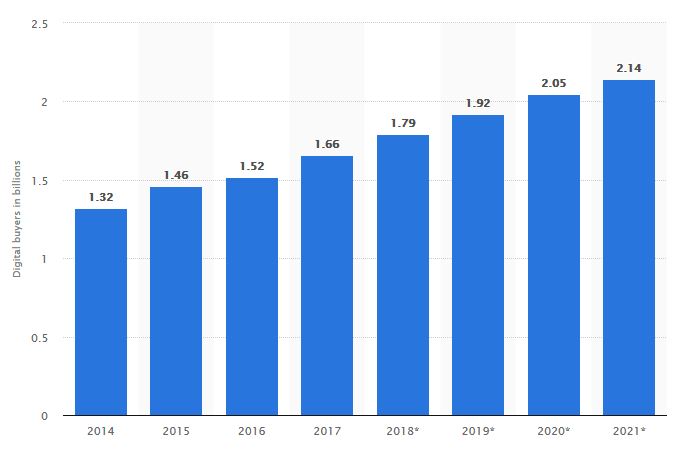 At the same time, this rise in demand has caused an increase in competition, and a decrease in conversion.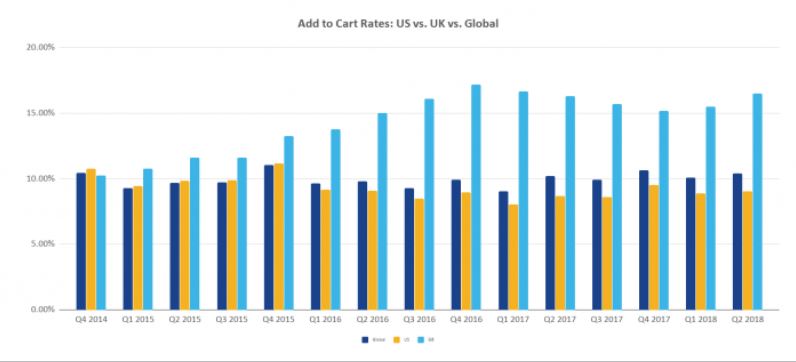

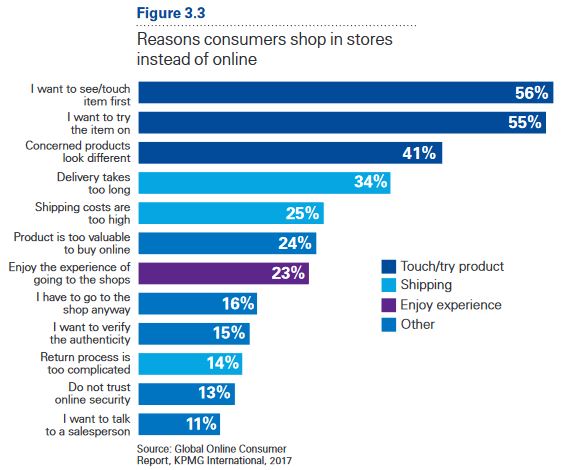
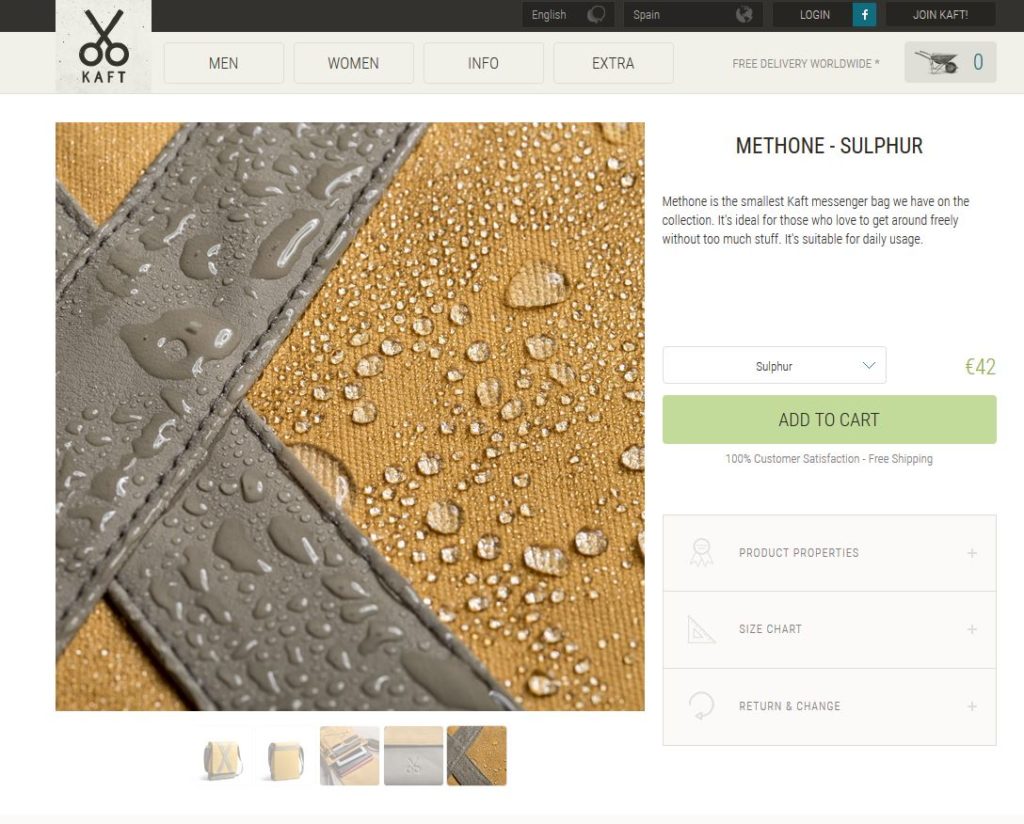
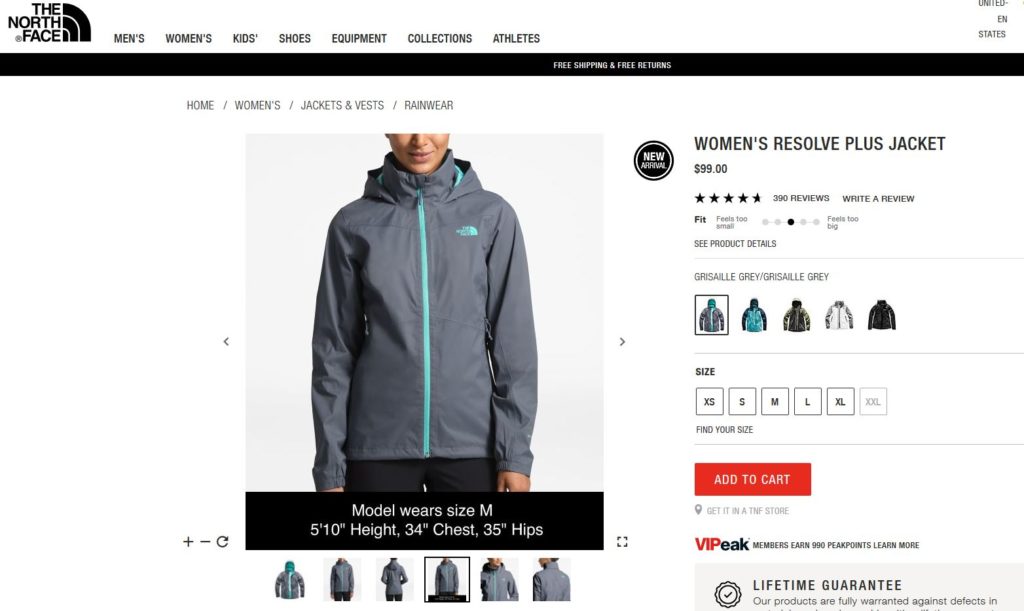
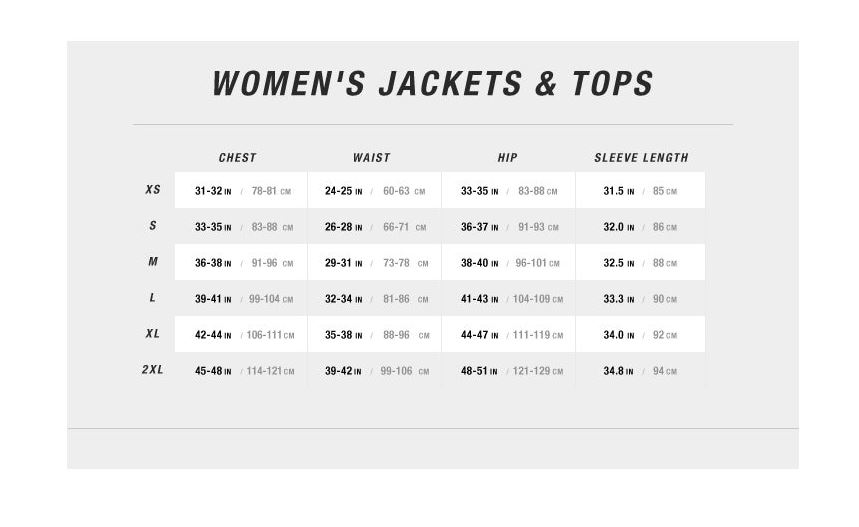
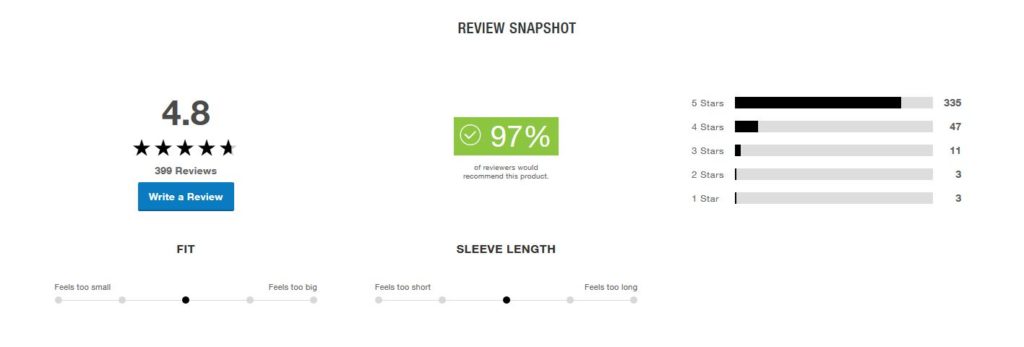
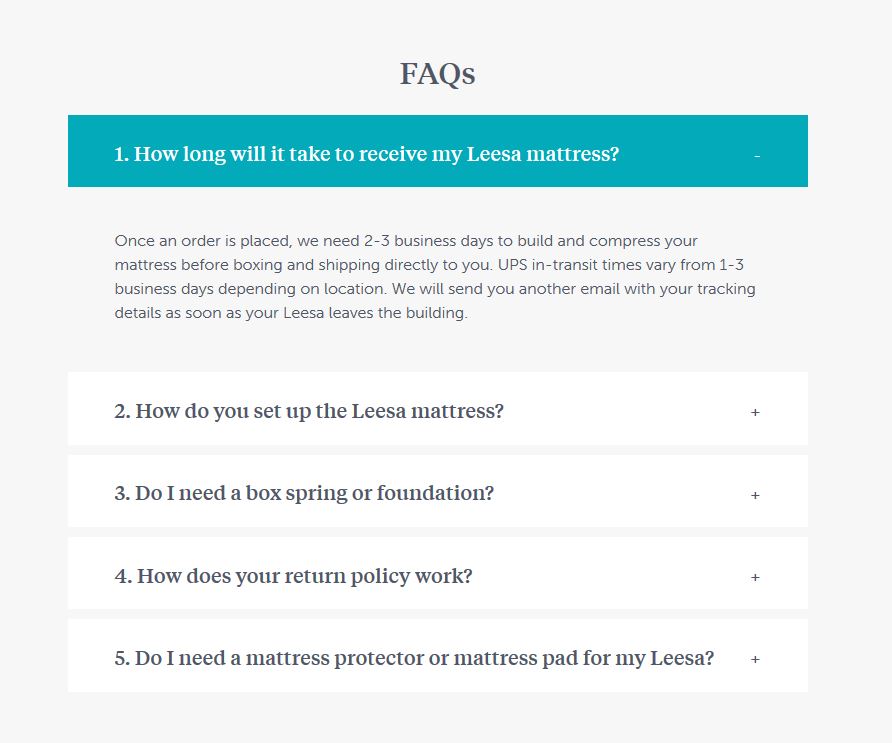
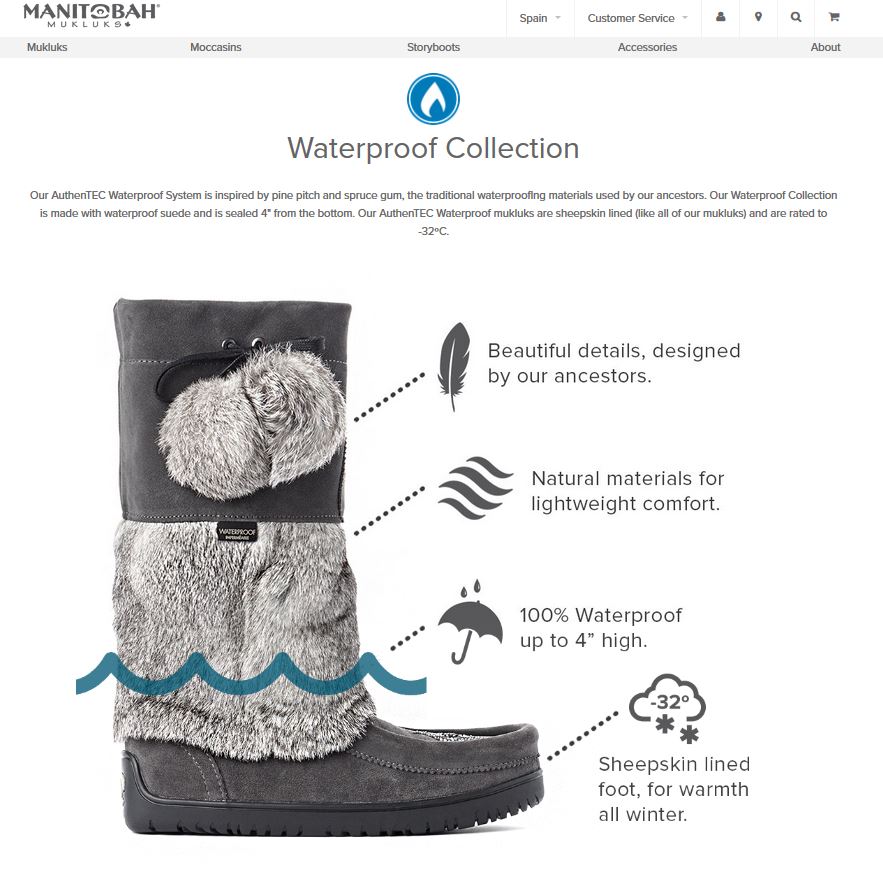
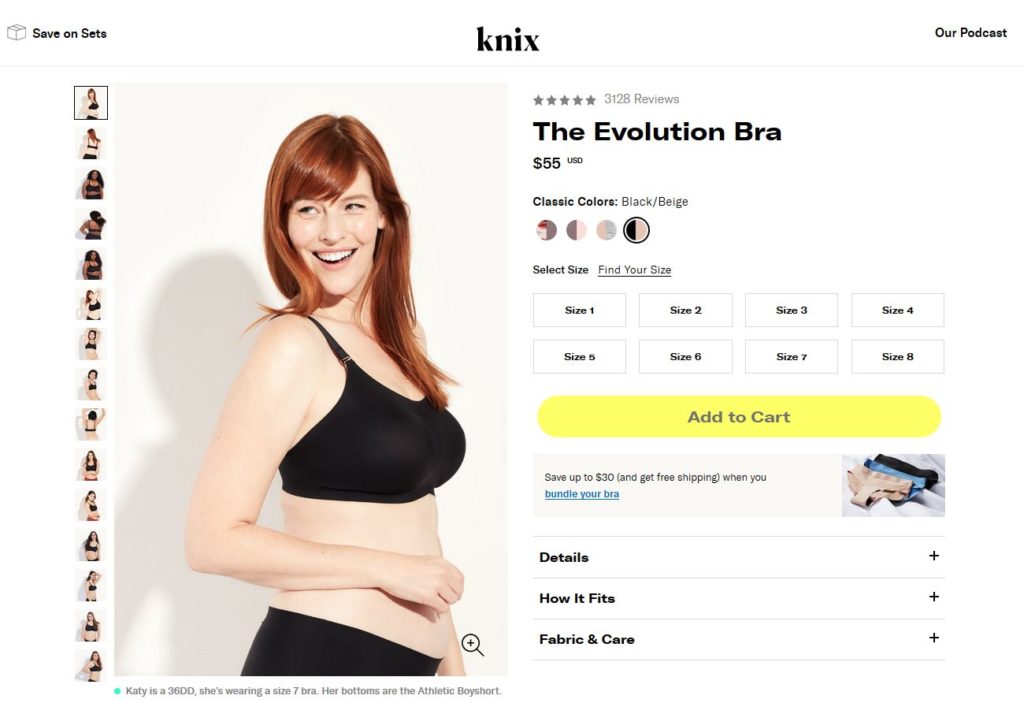
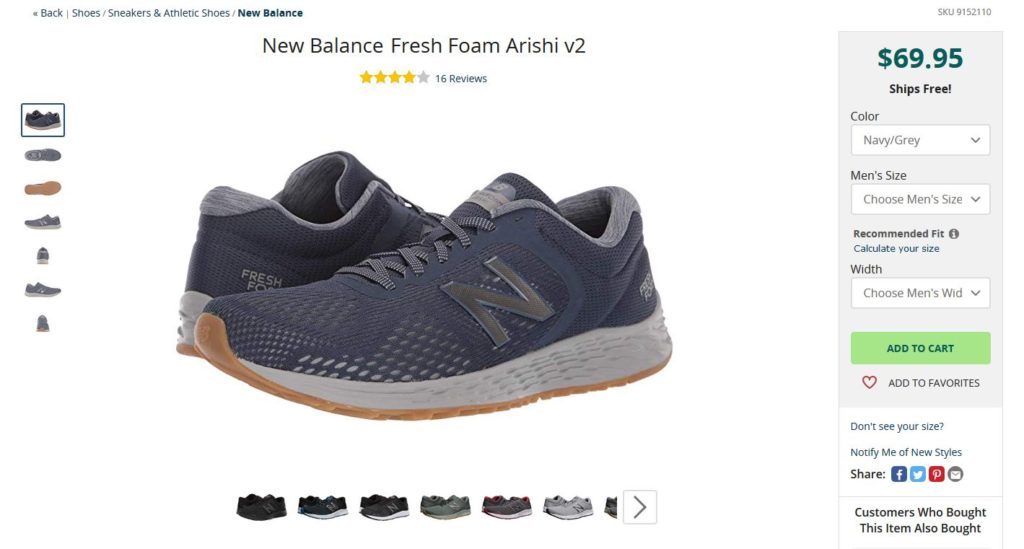
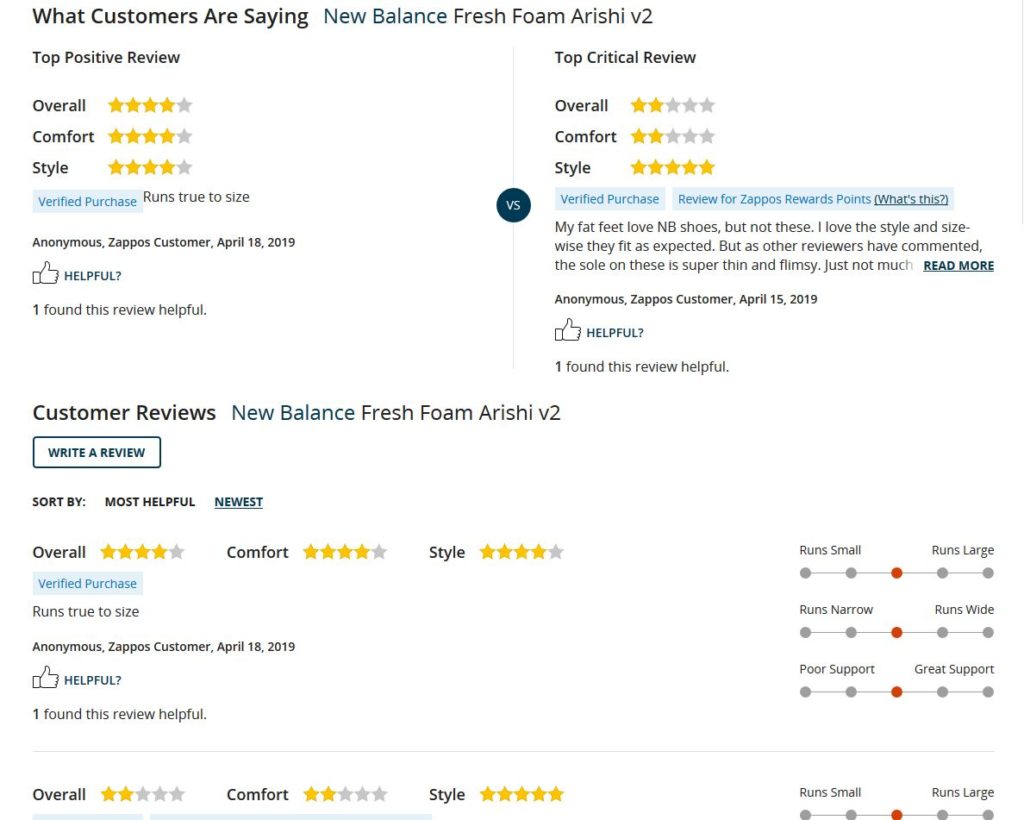
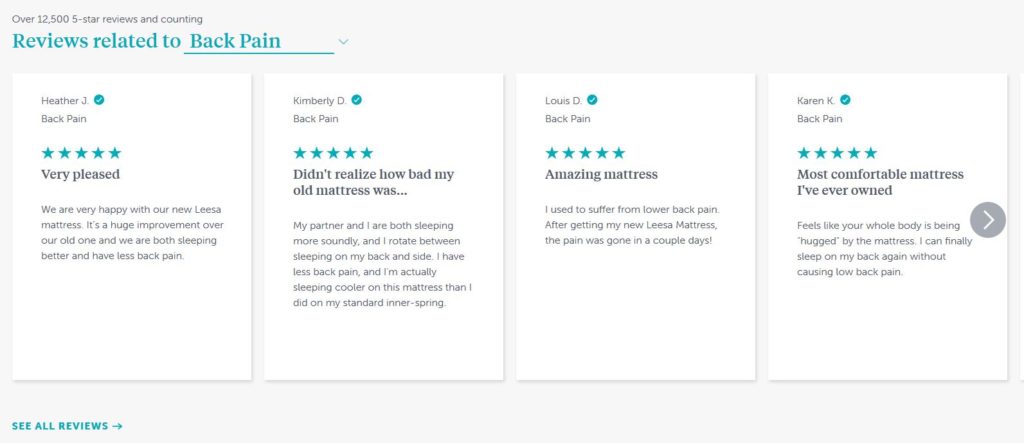
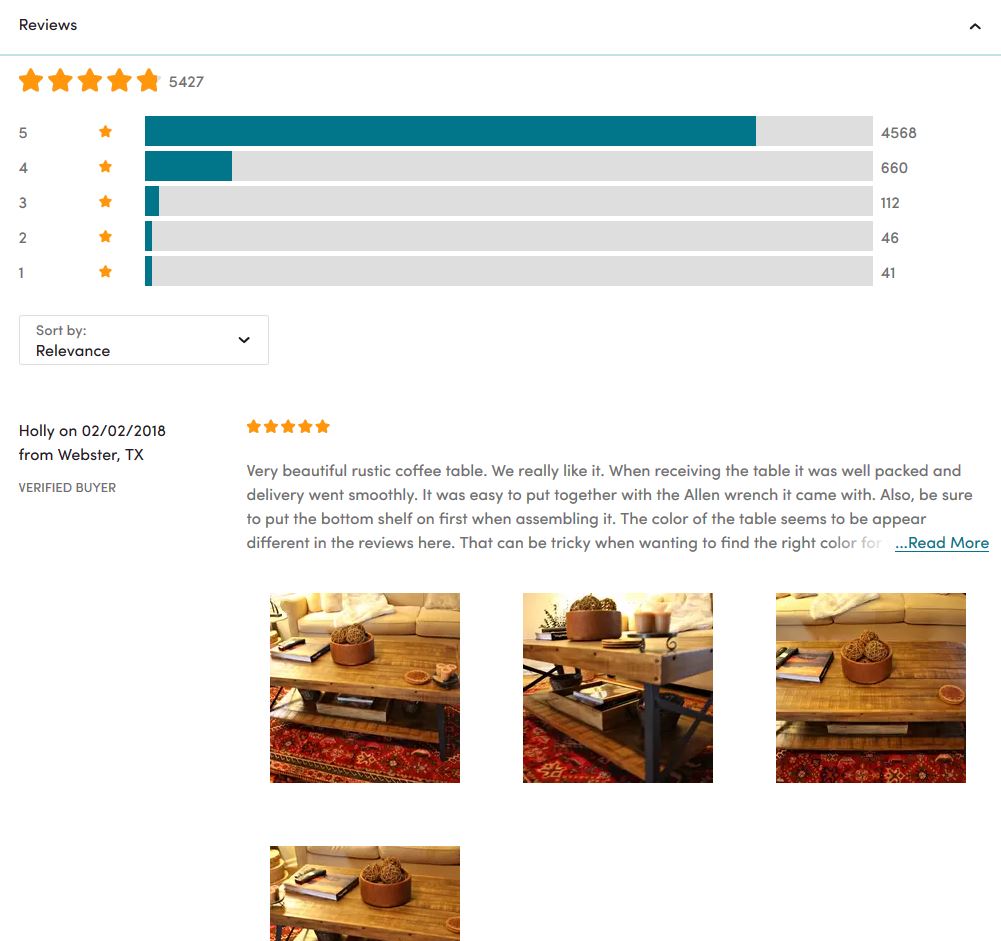
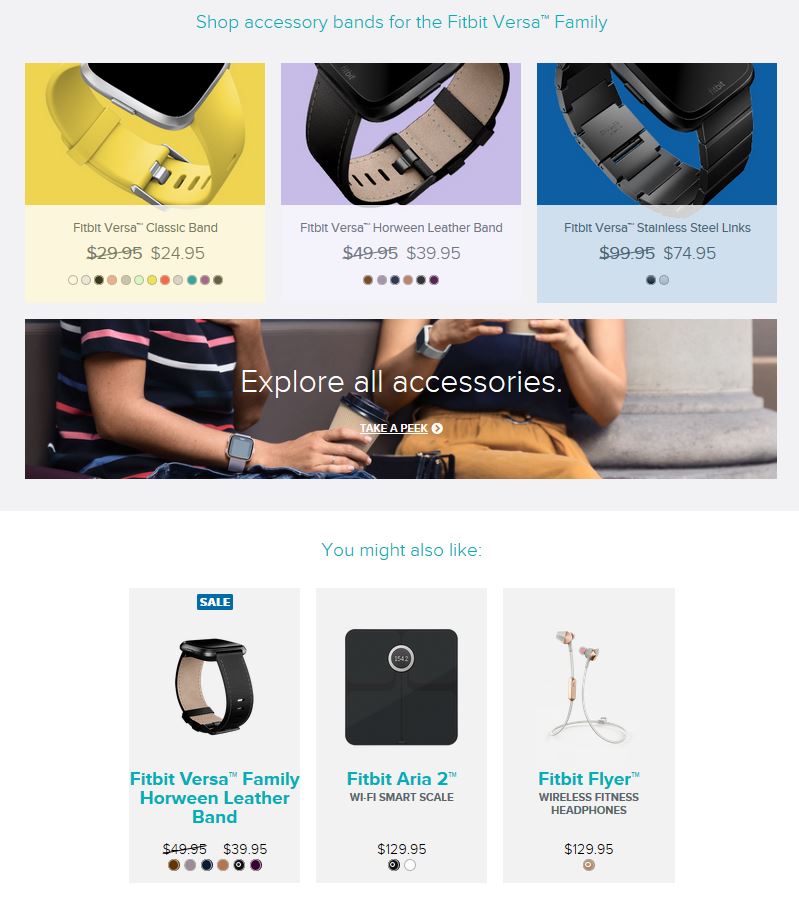
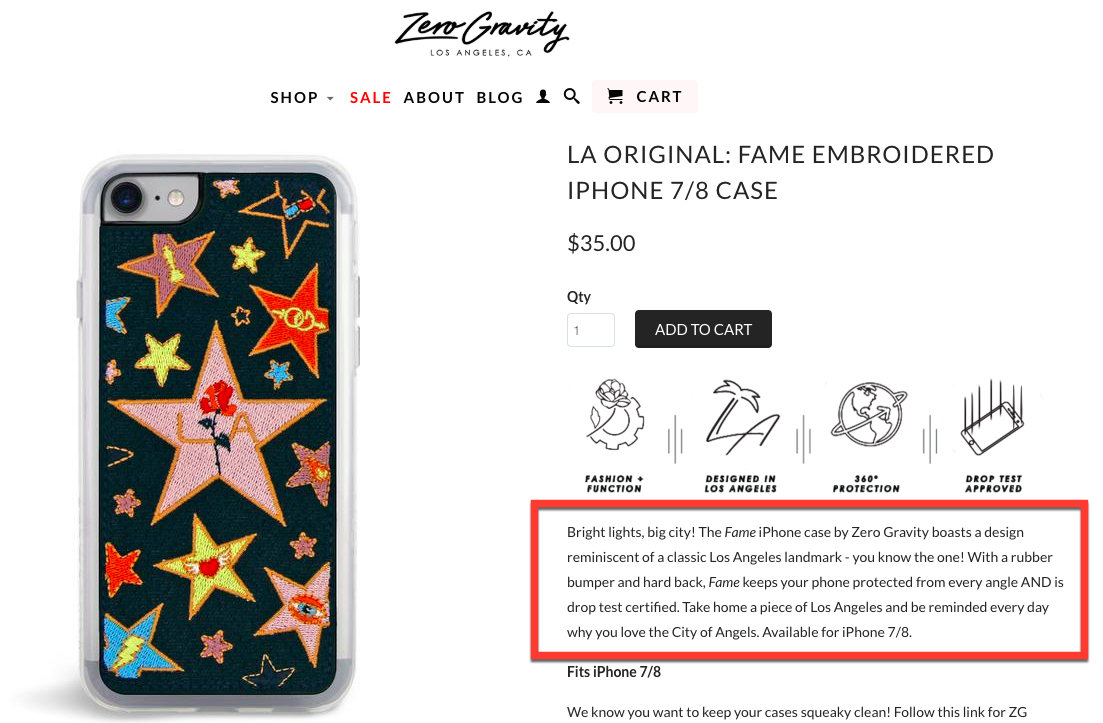
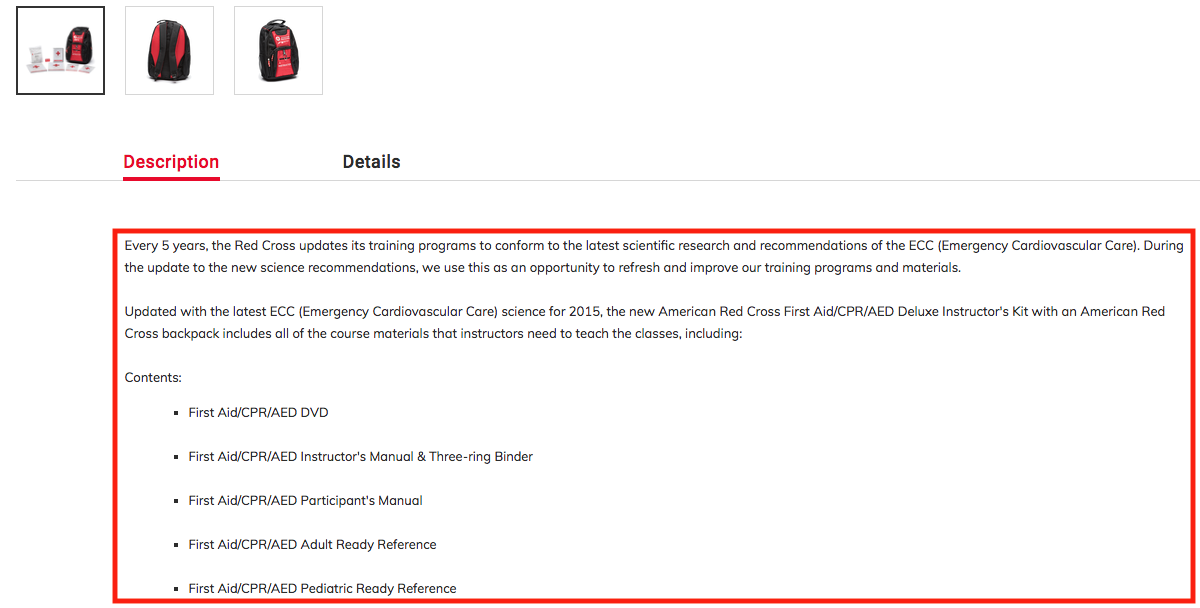
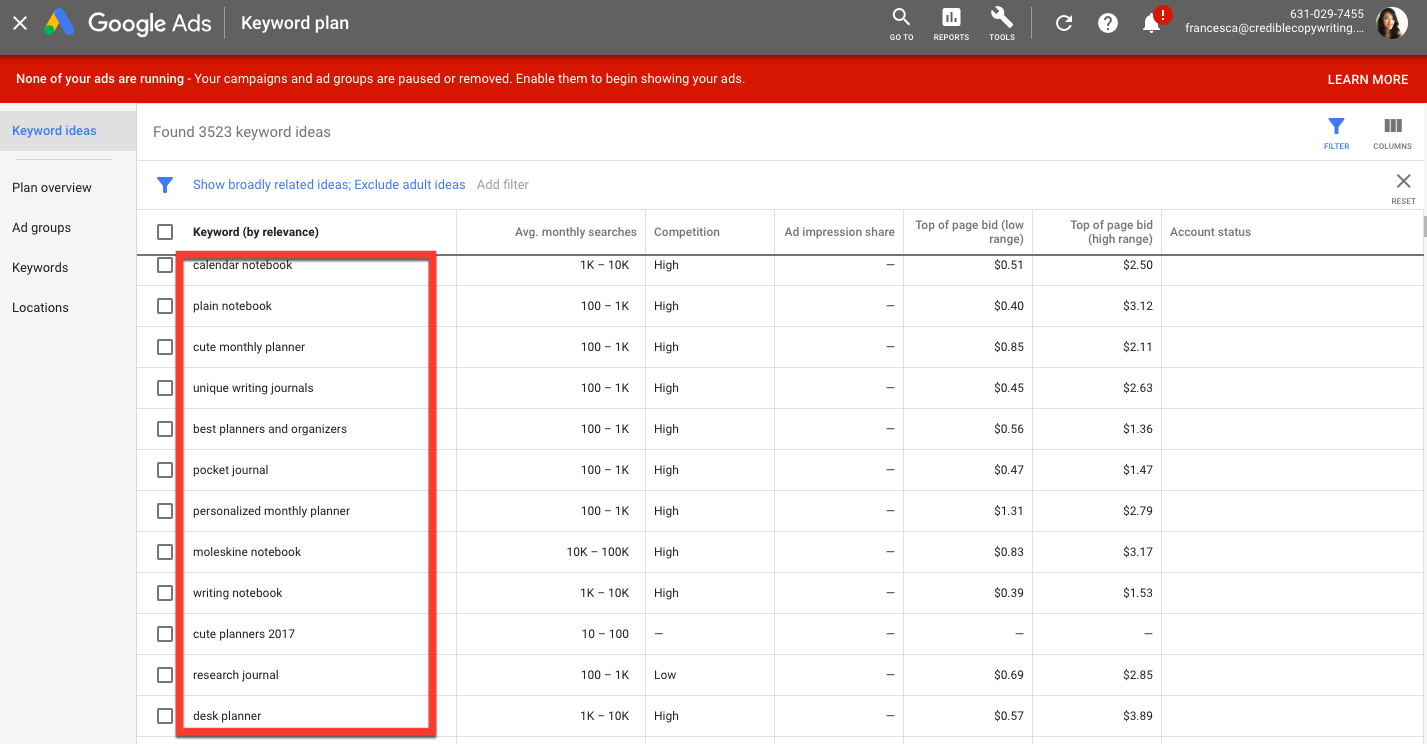
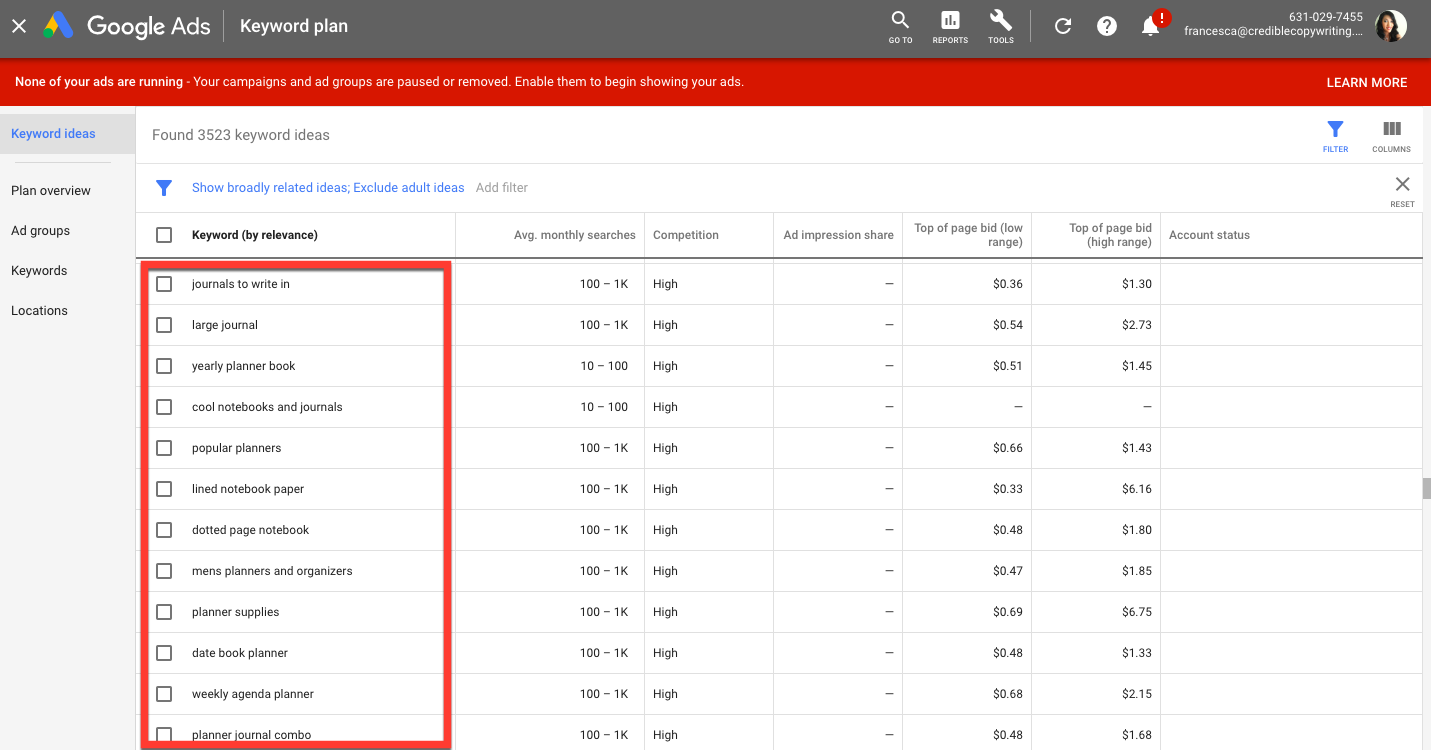
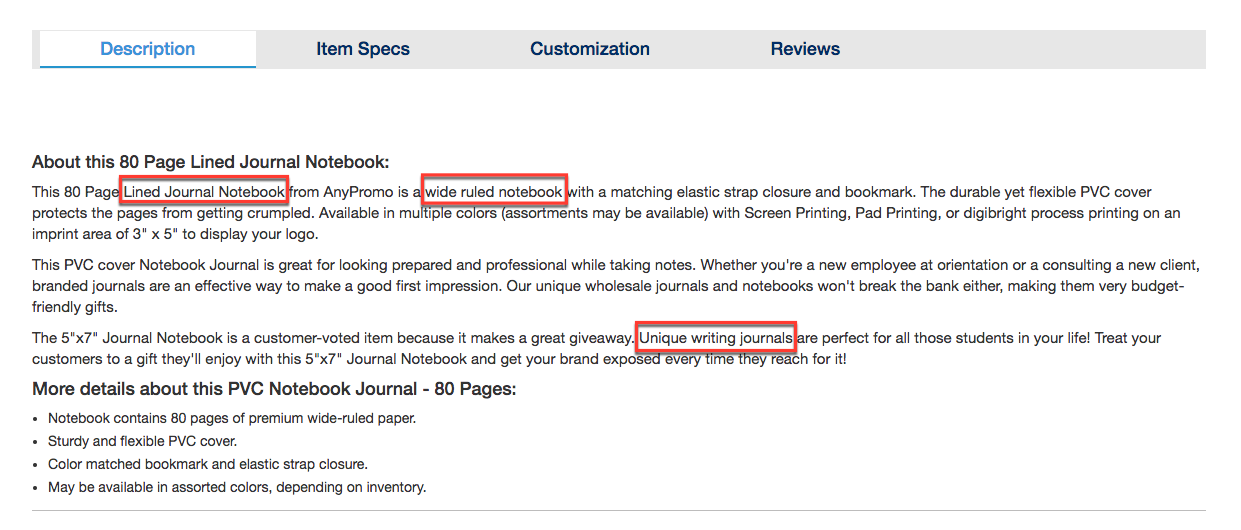
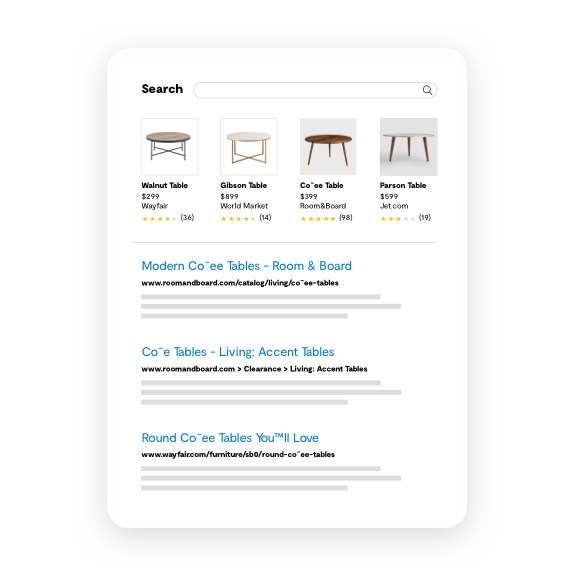
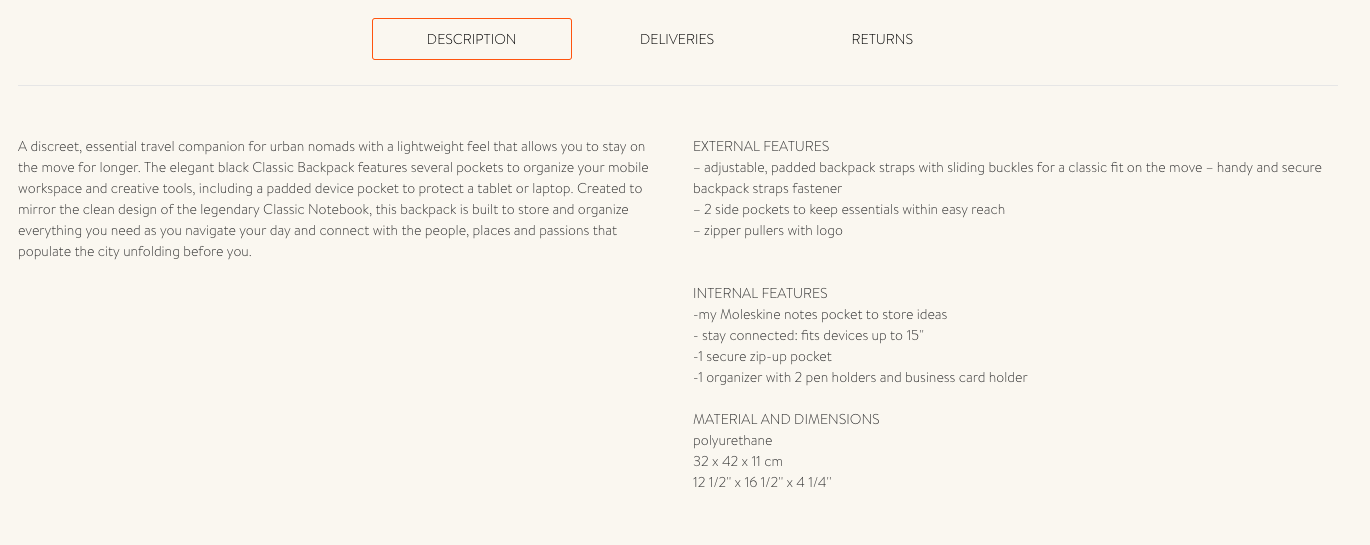

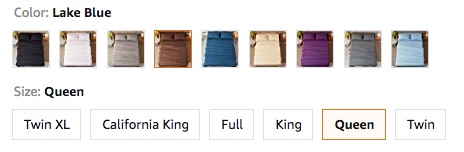
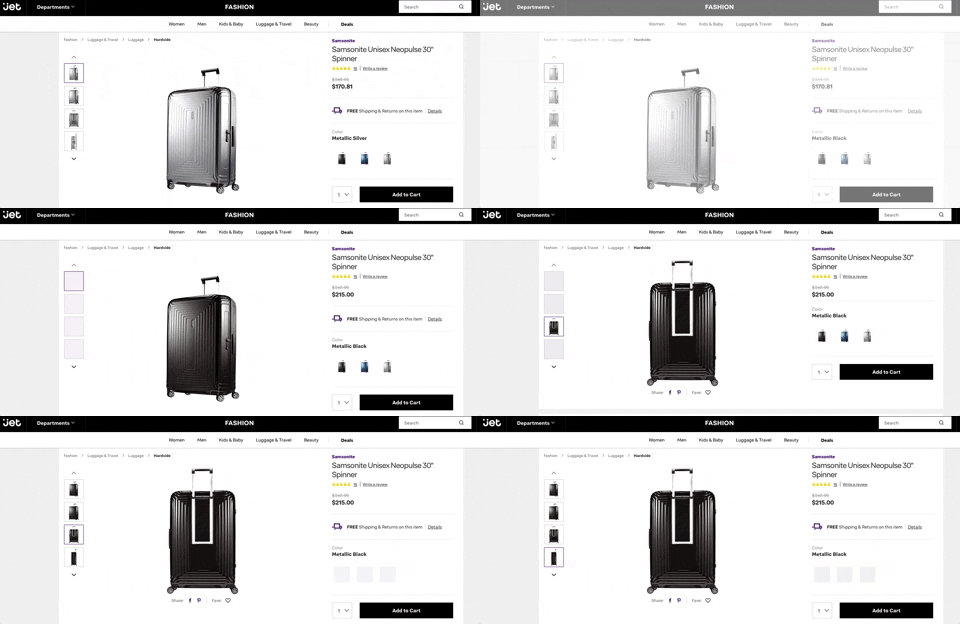

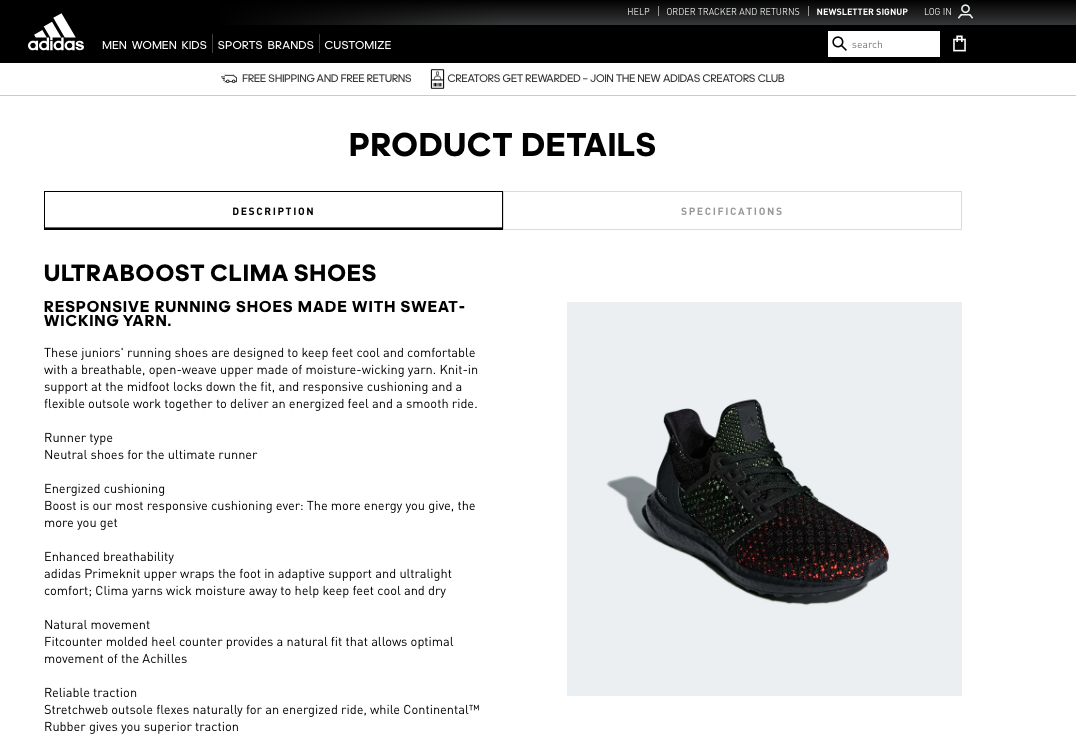
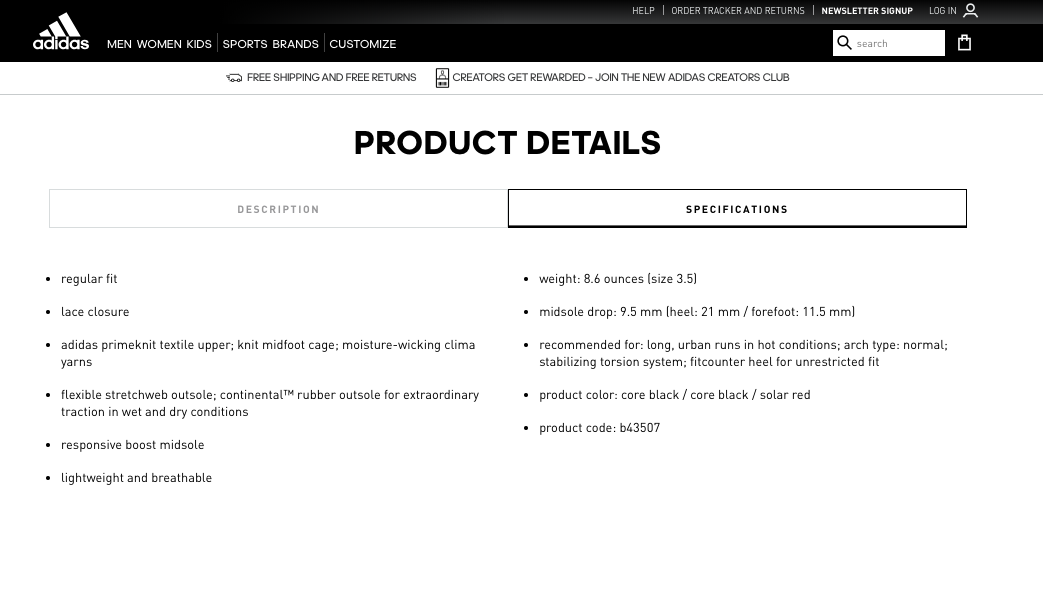
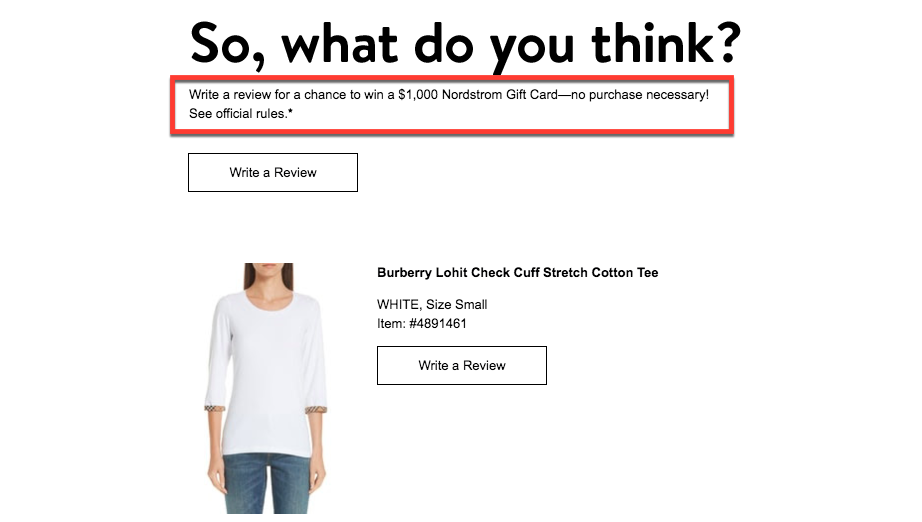
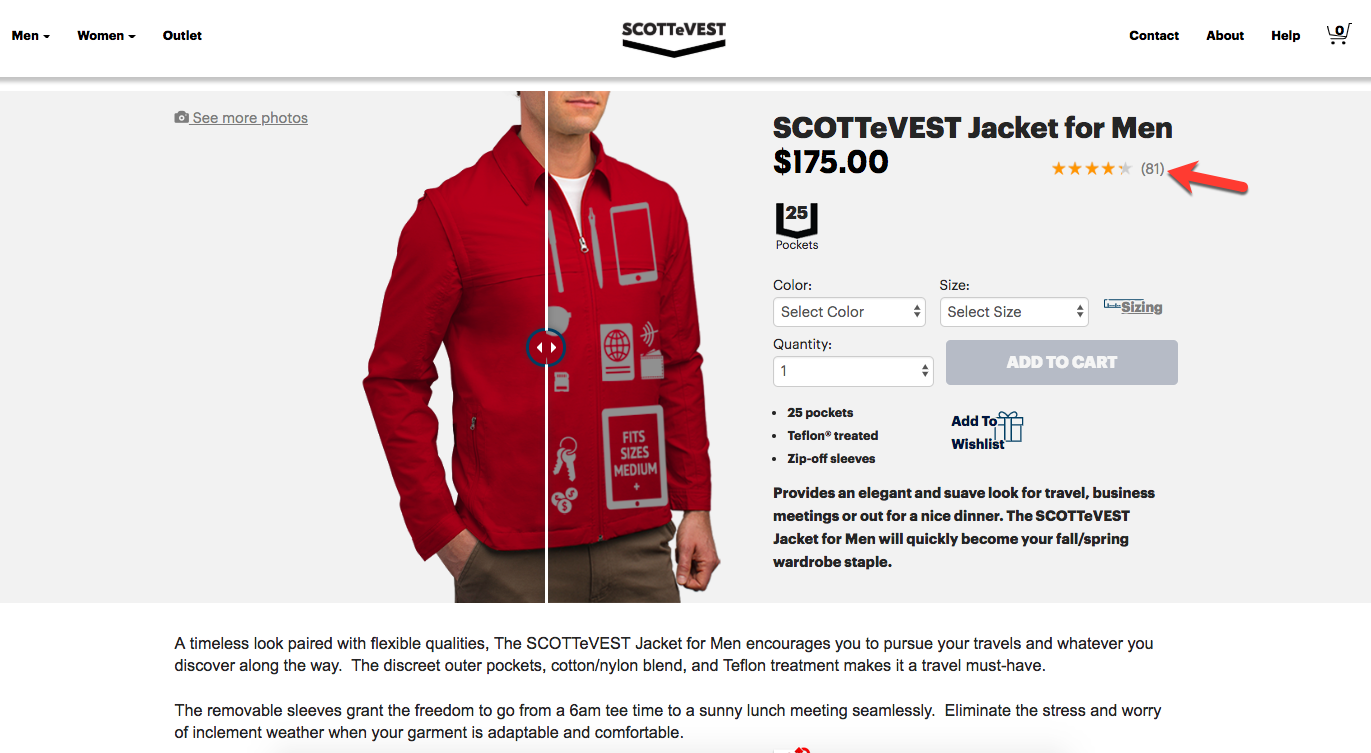
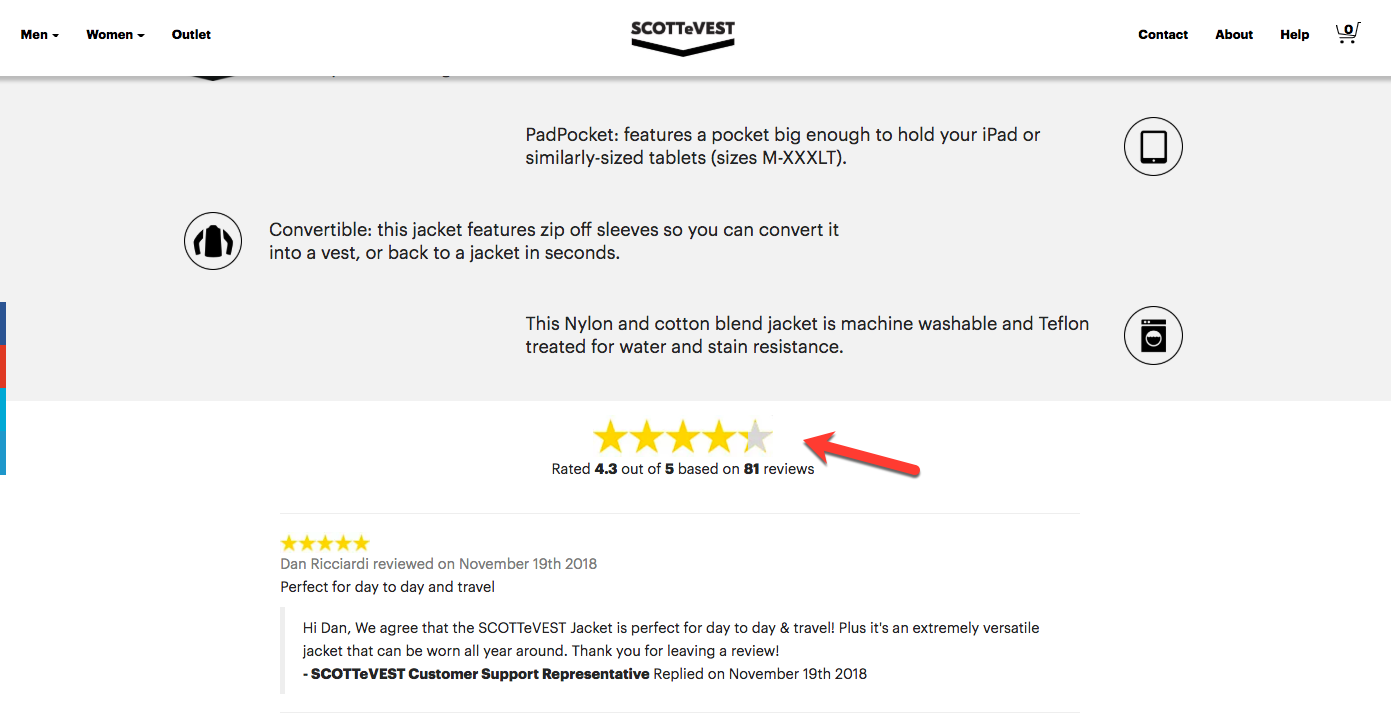
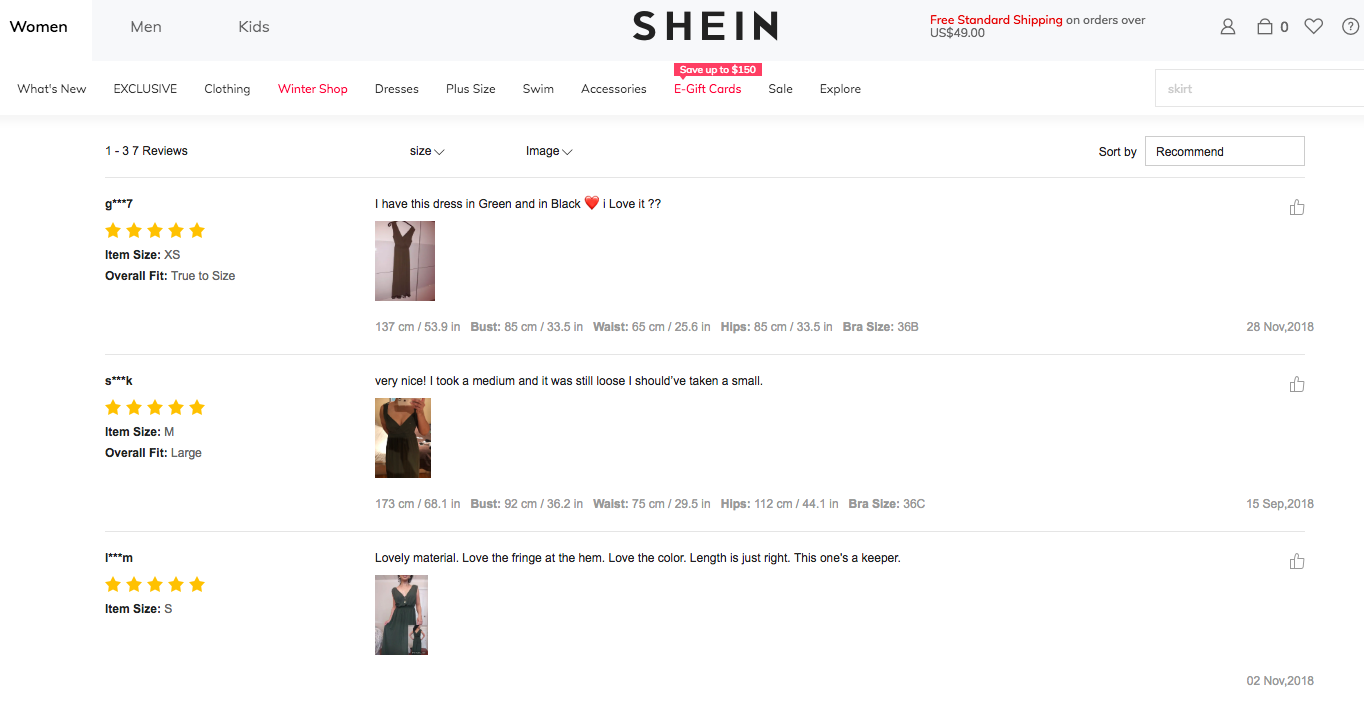
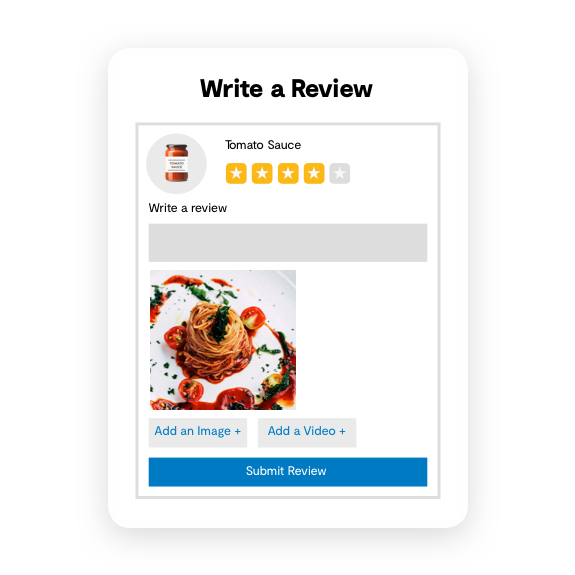
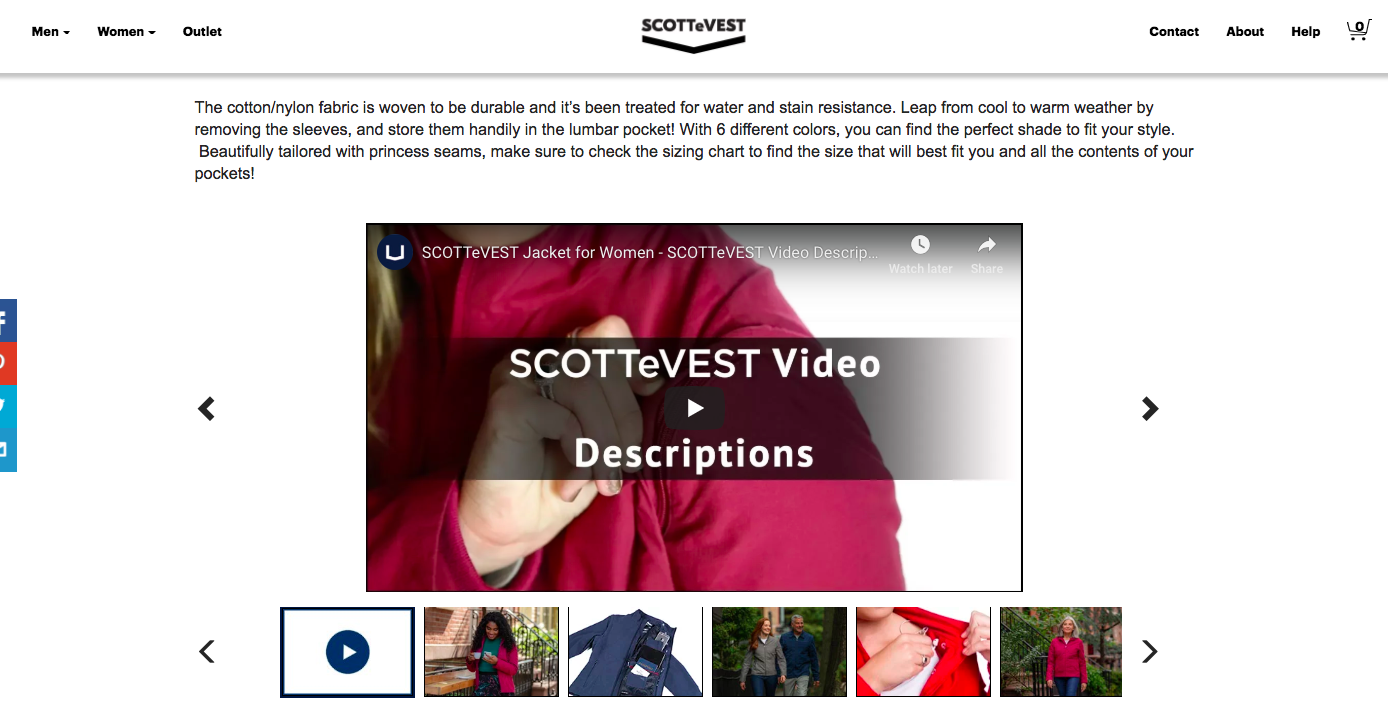
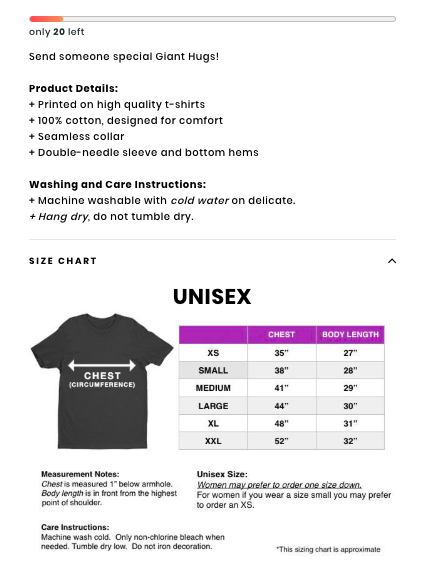
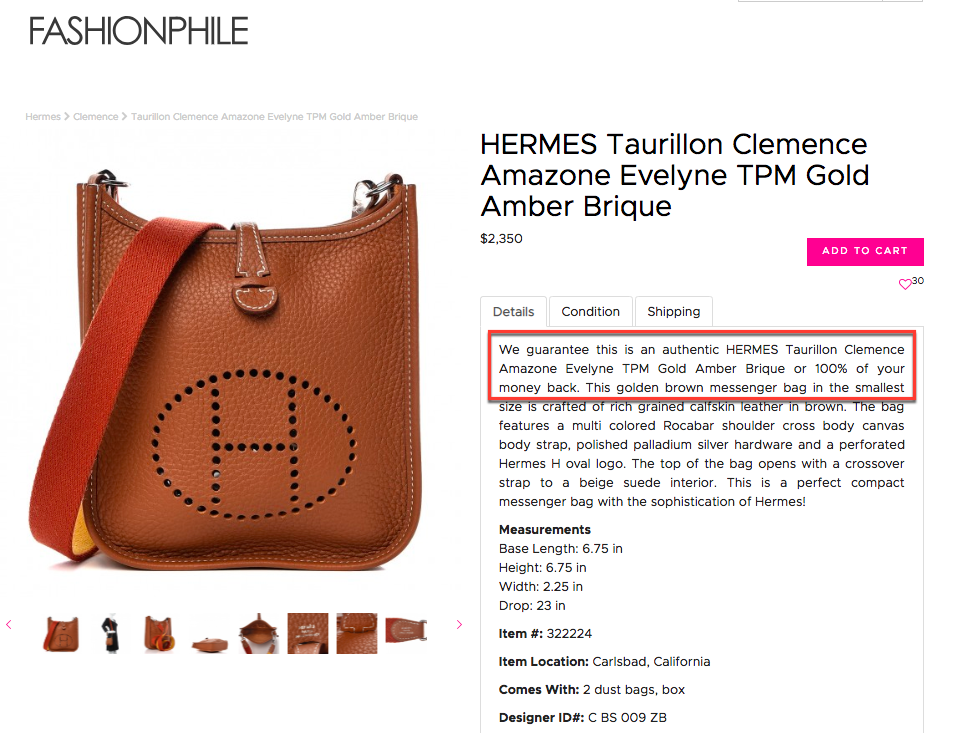
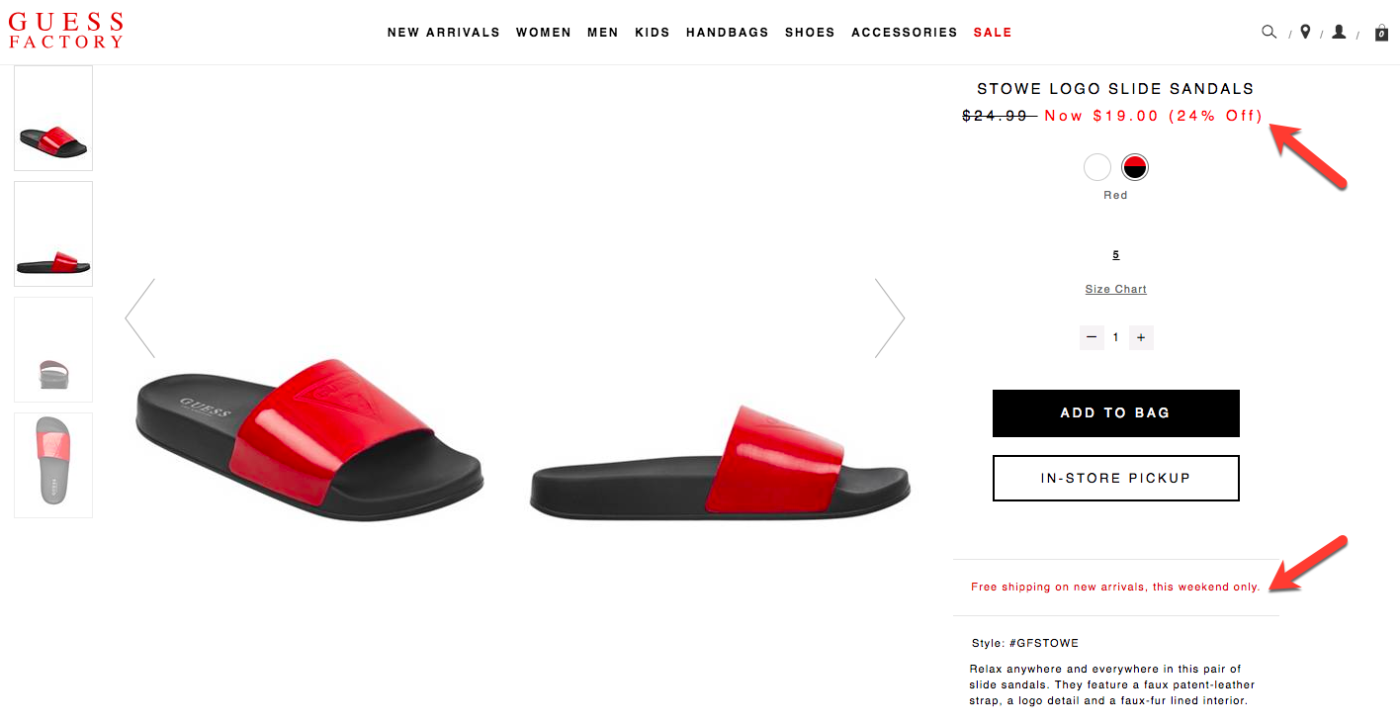
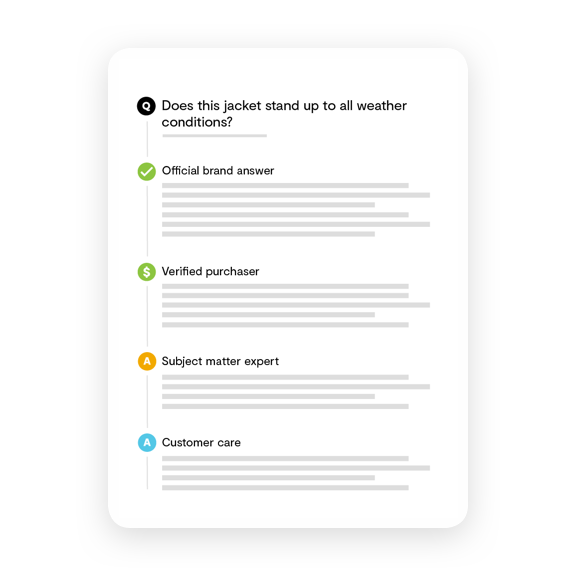
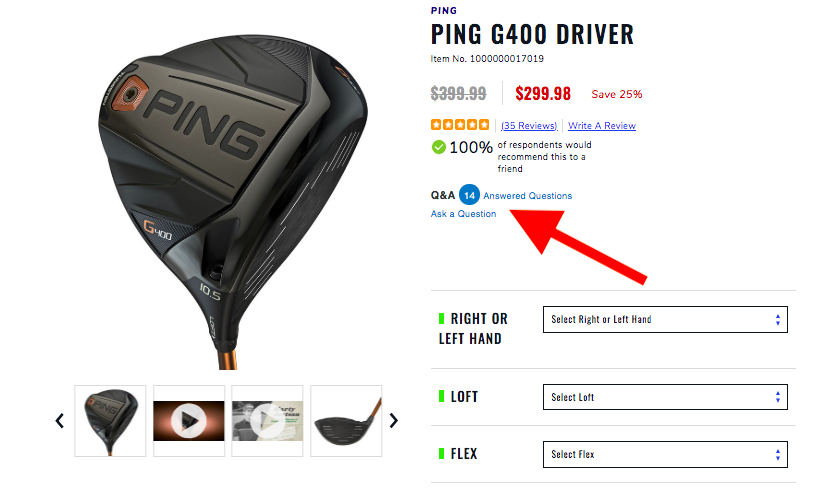
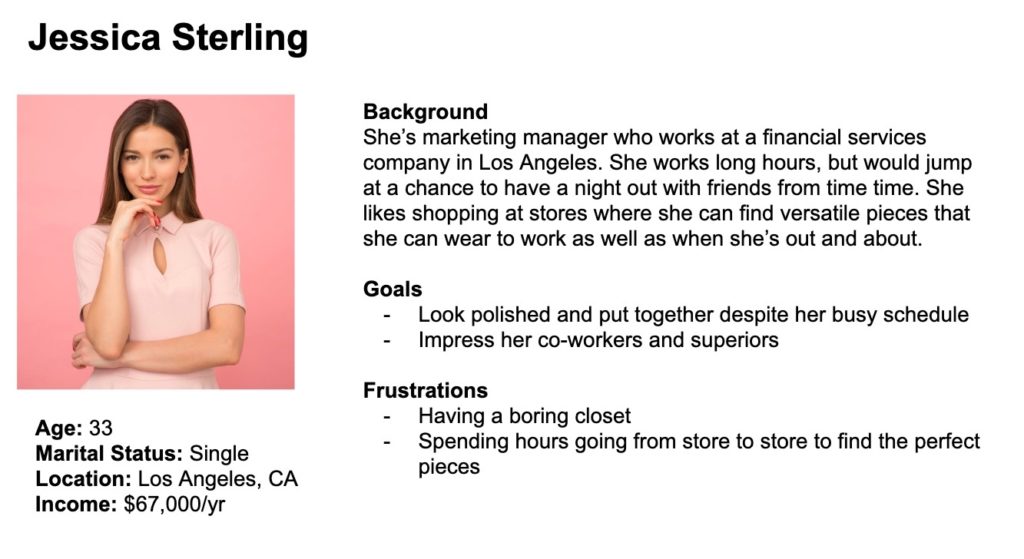
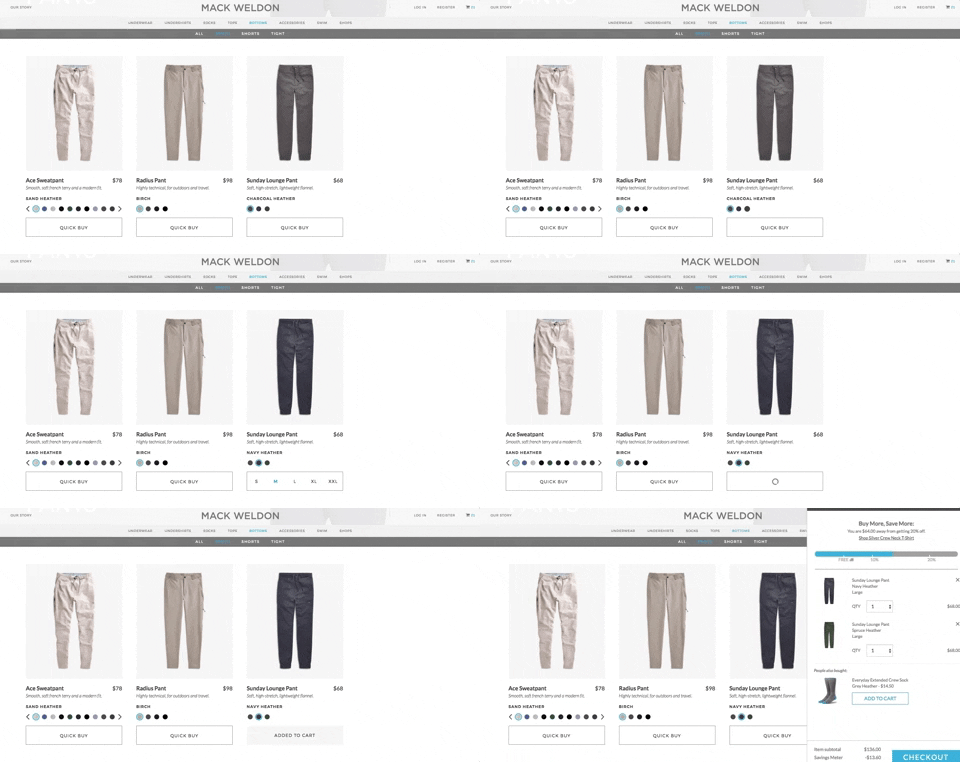
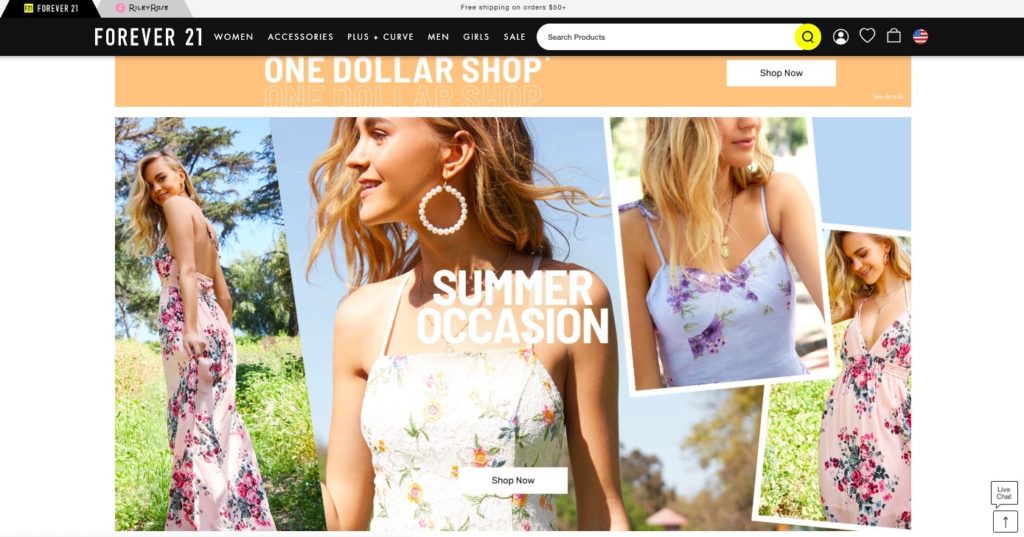
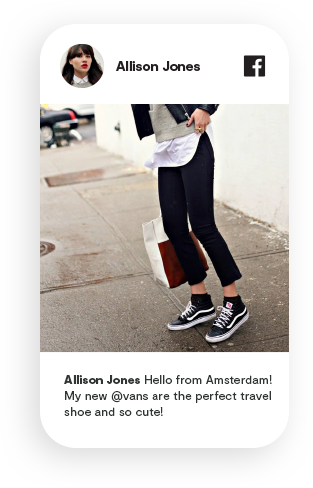
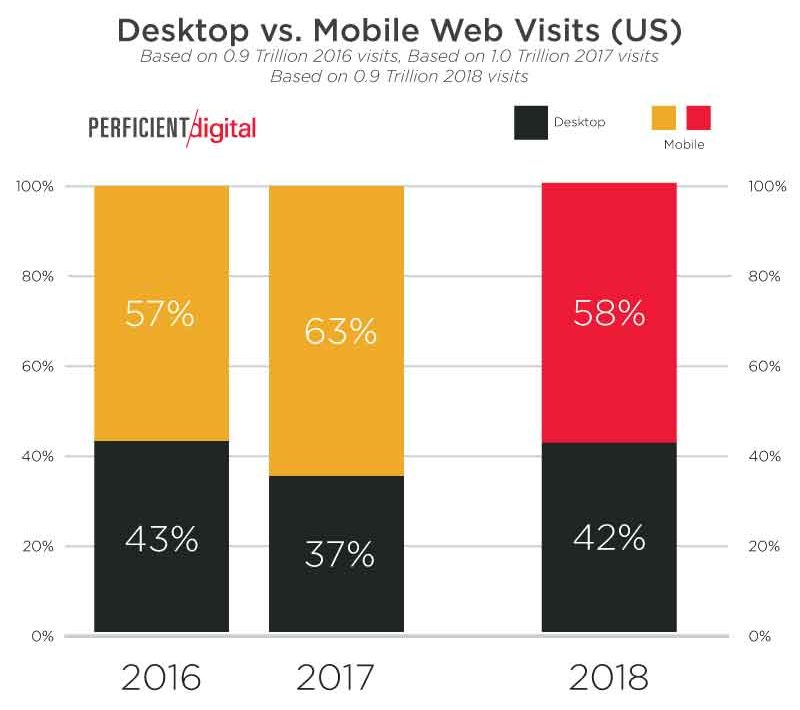
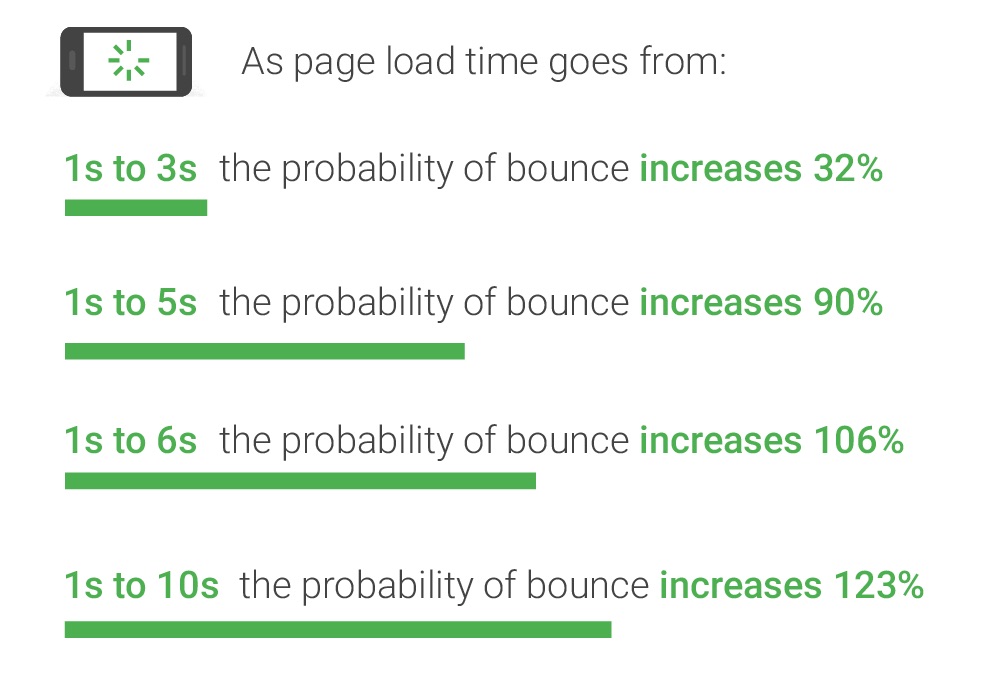
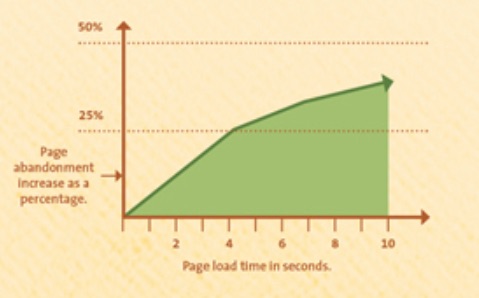
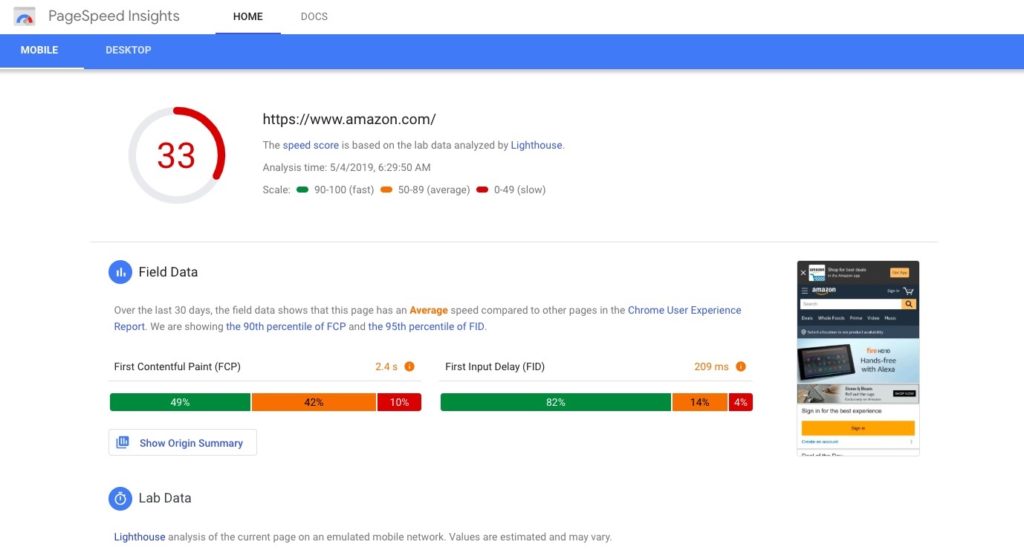
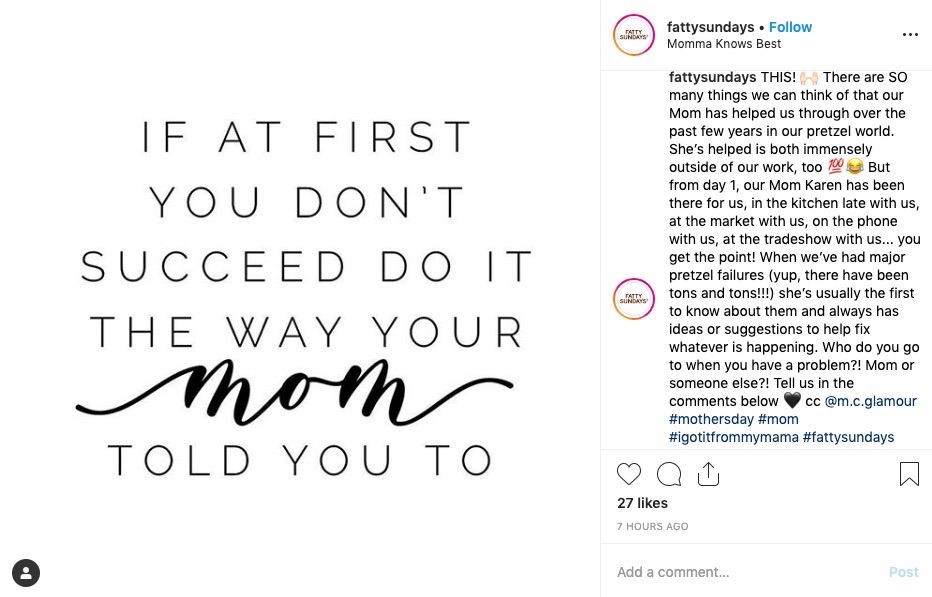
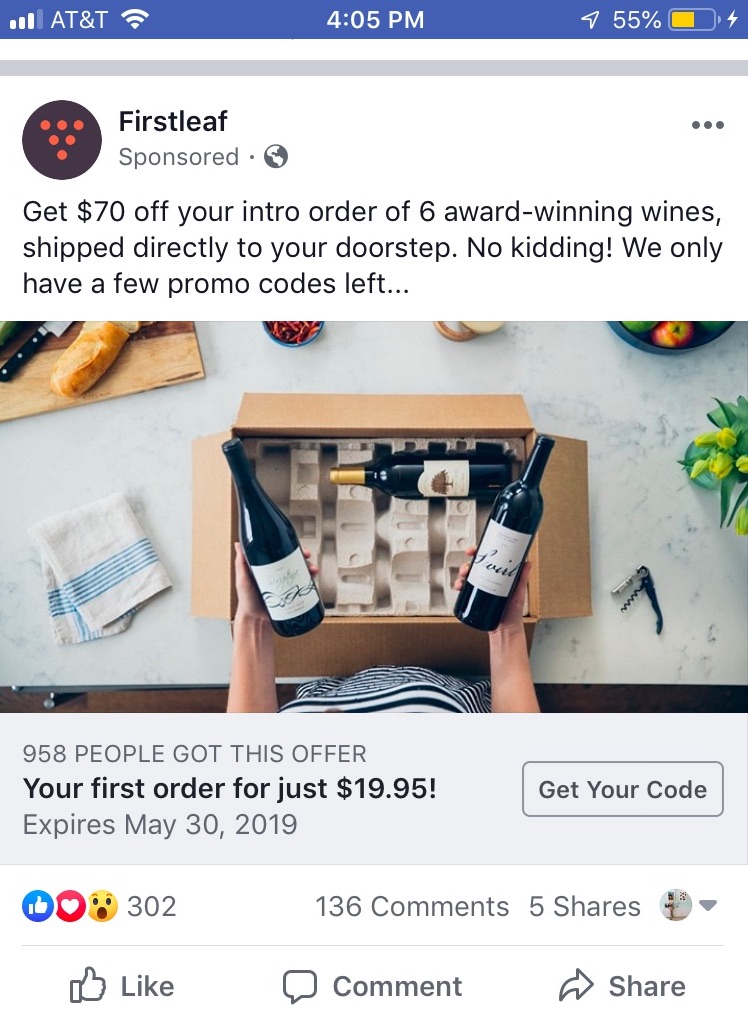
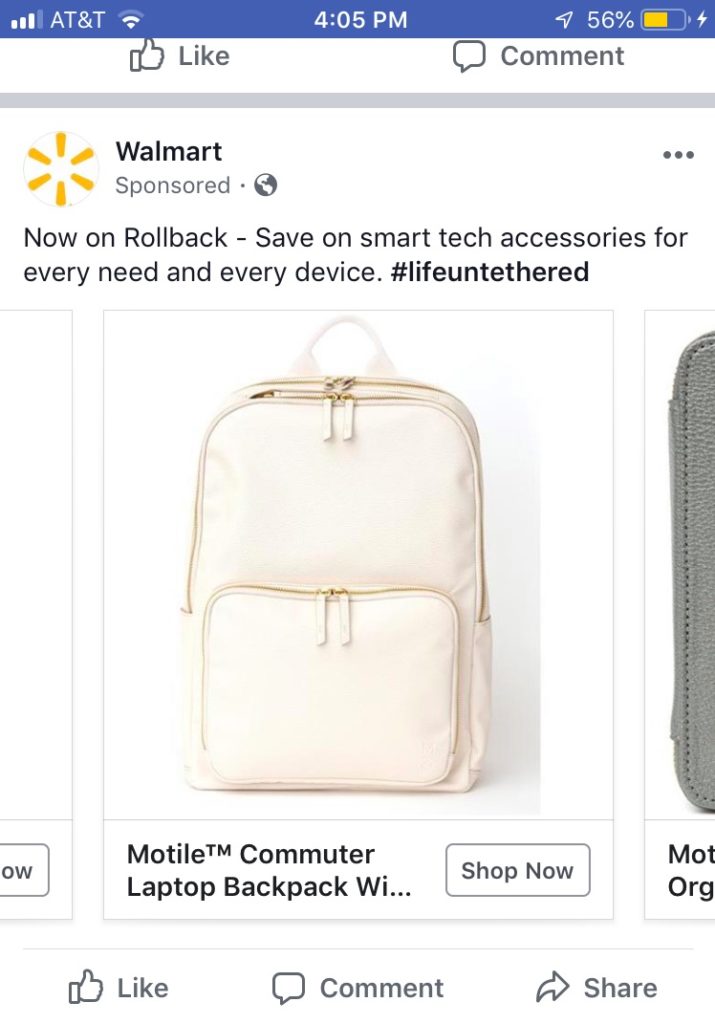
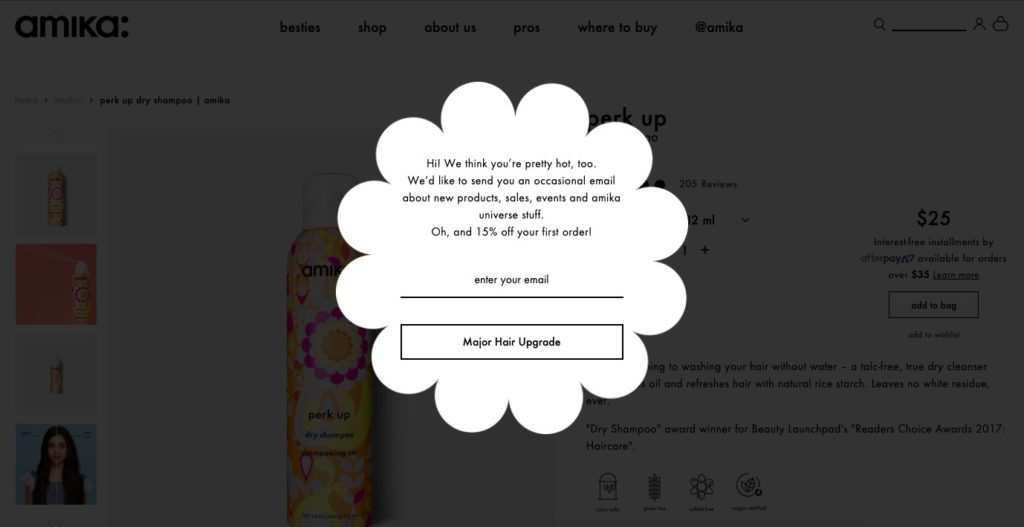
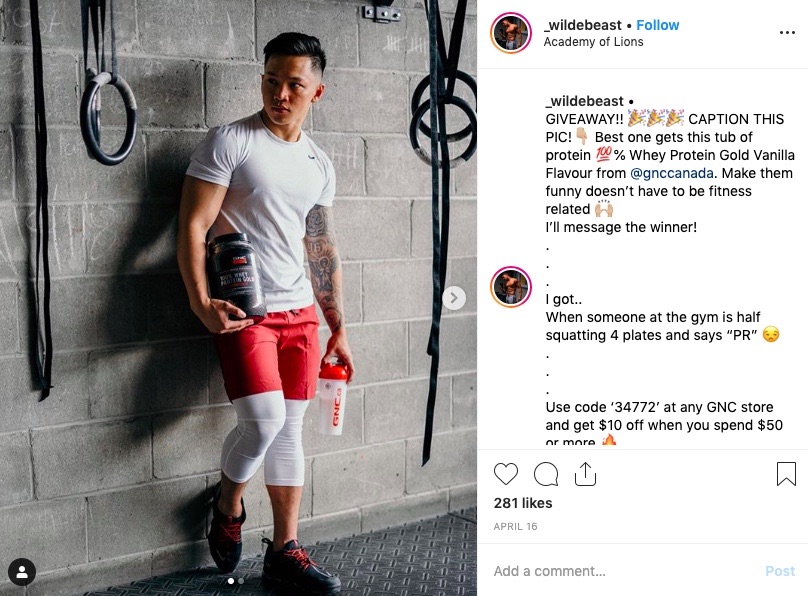
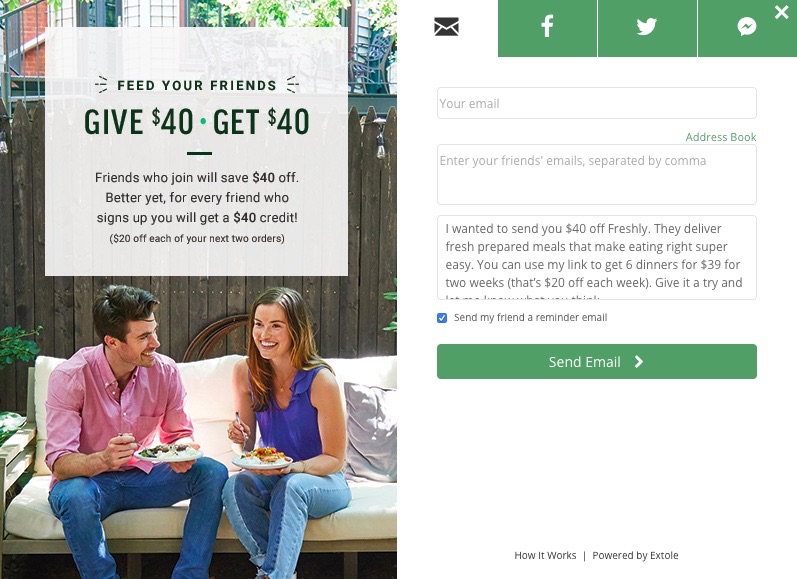
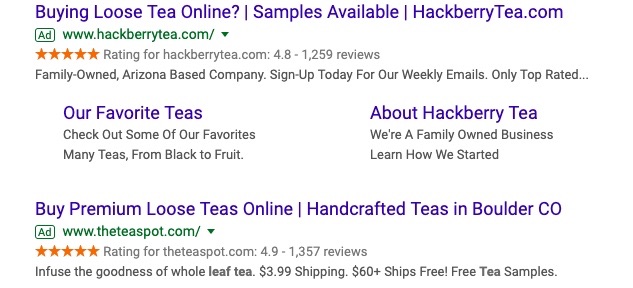
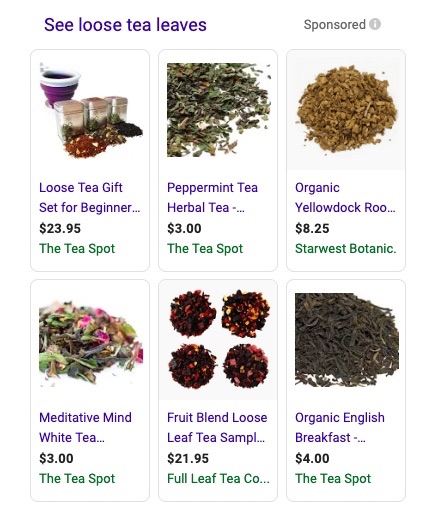
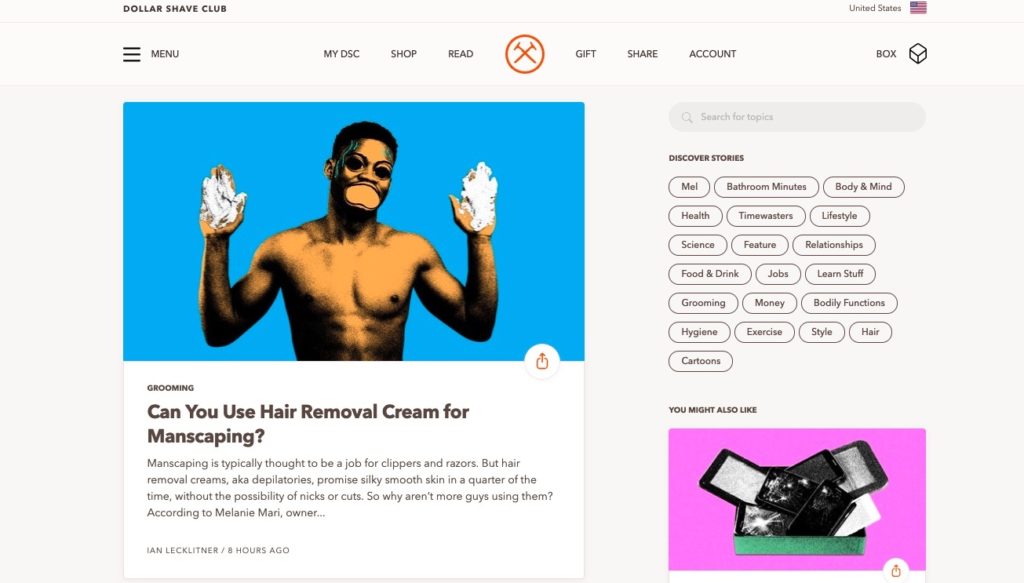
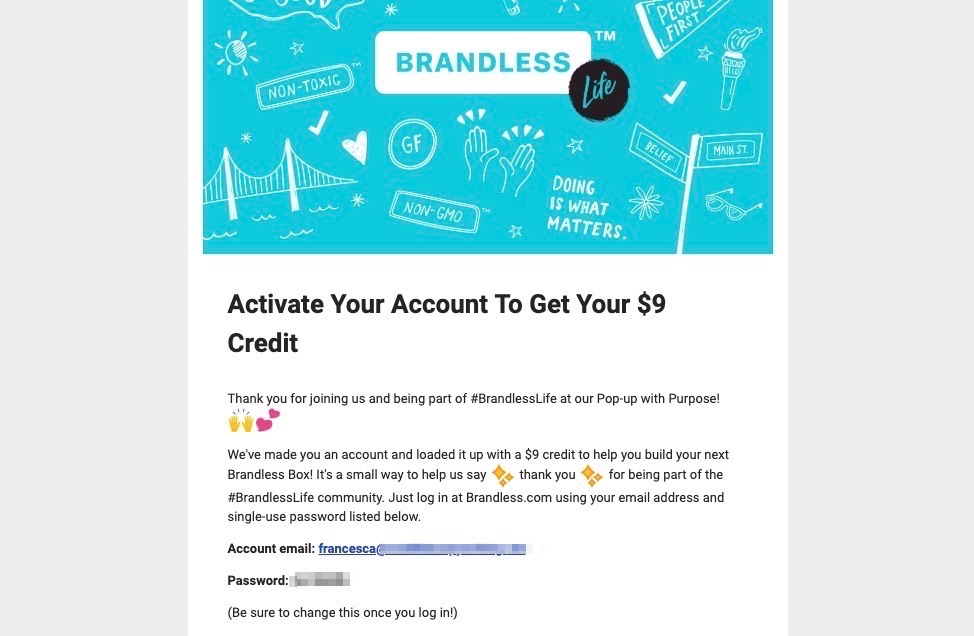
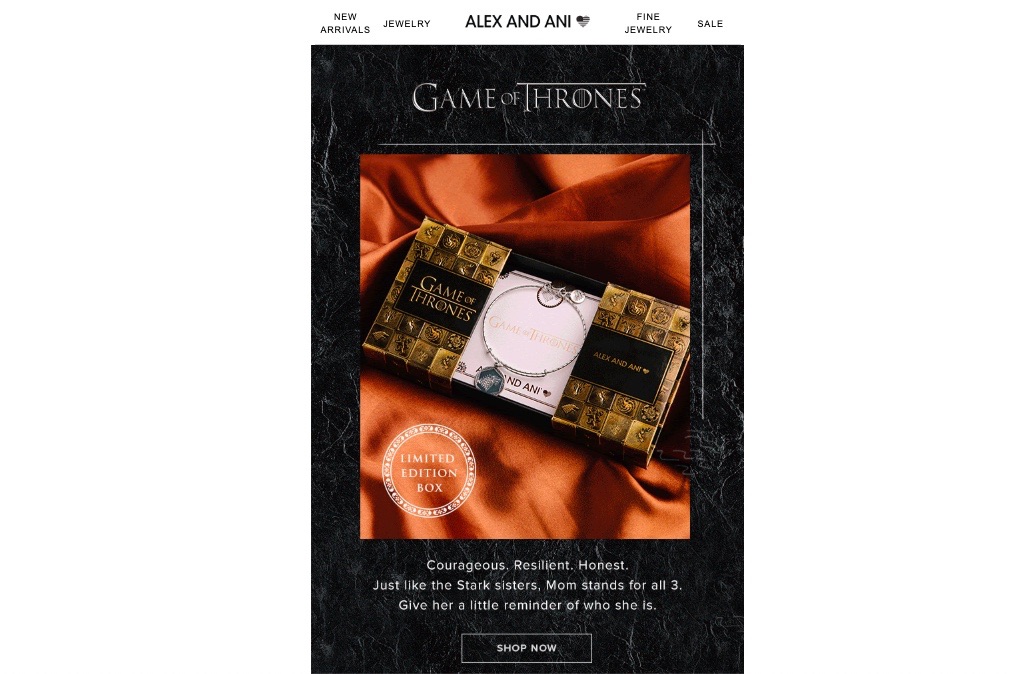
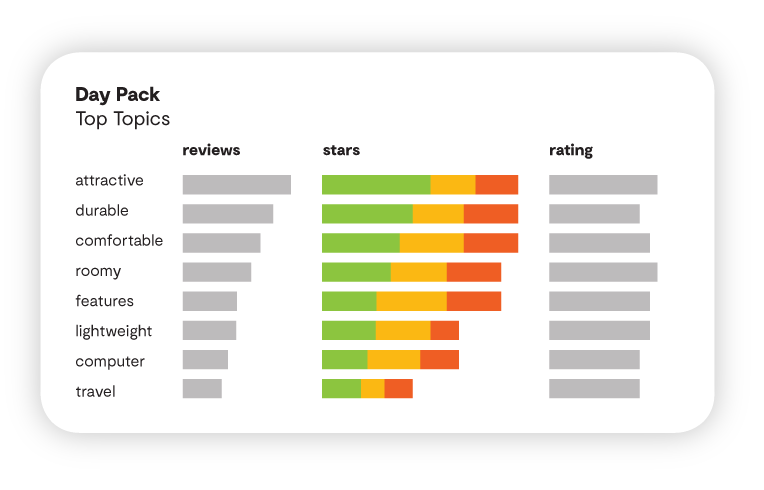
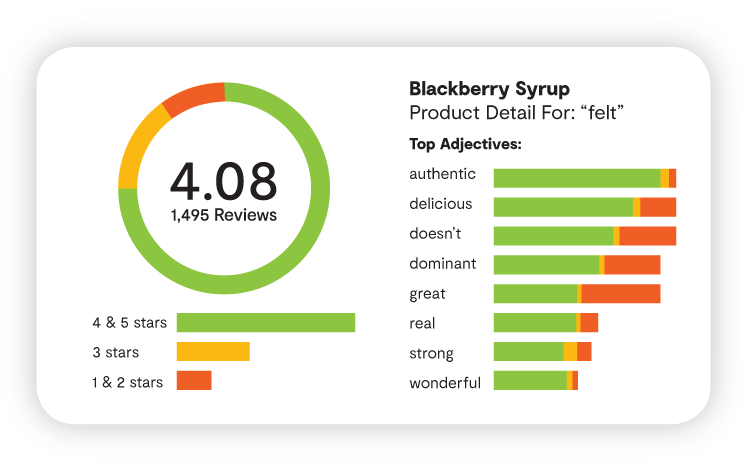
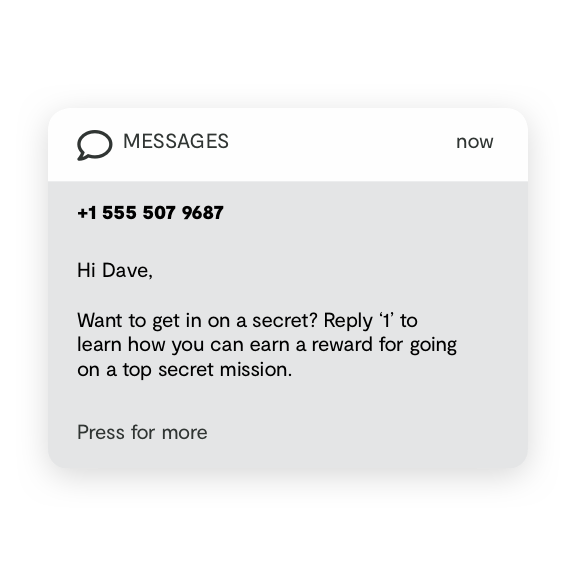
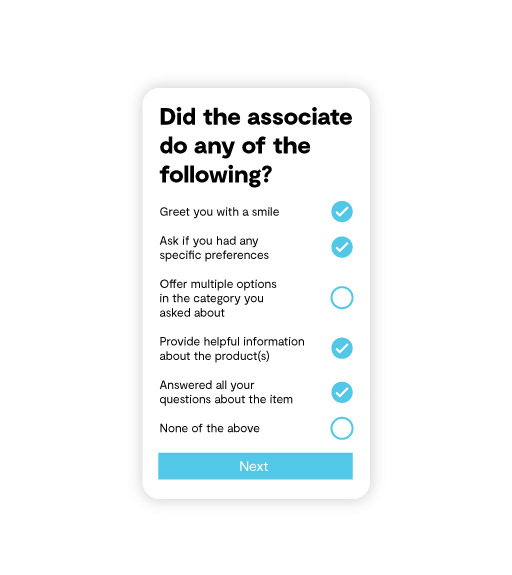
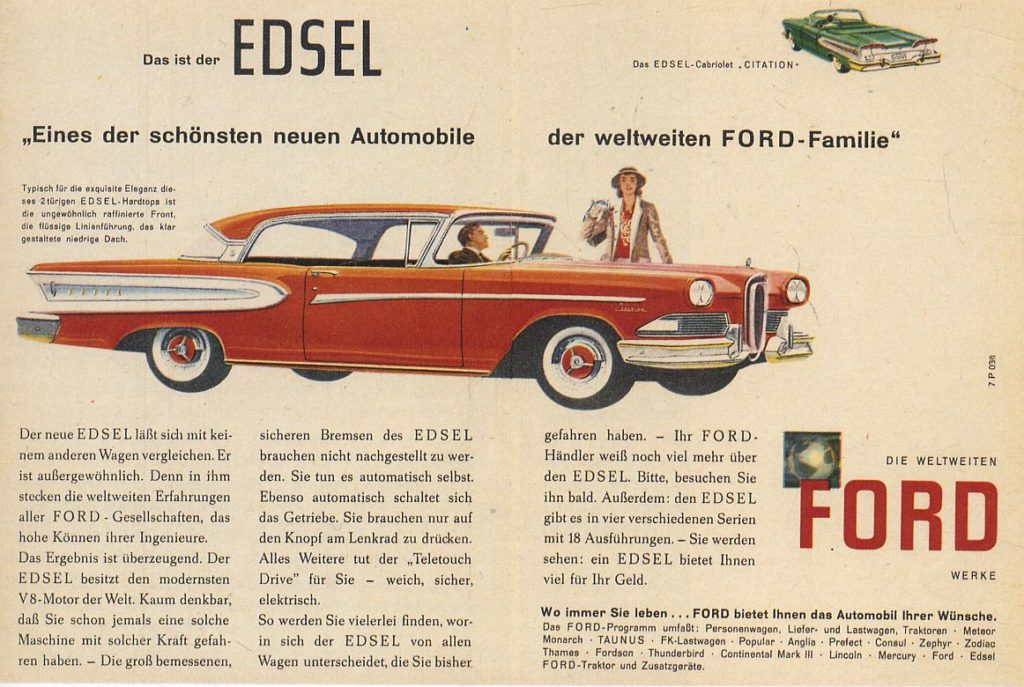
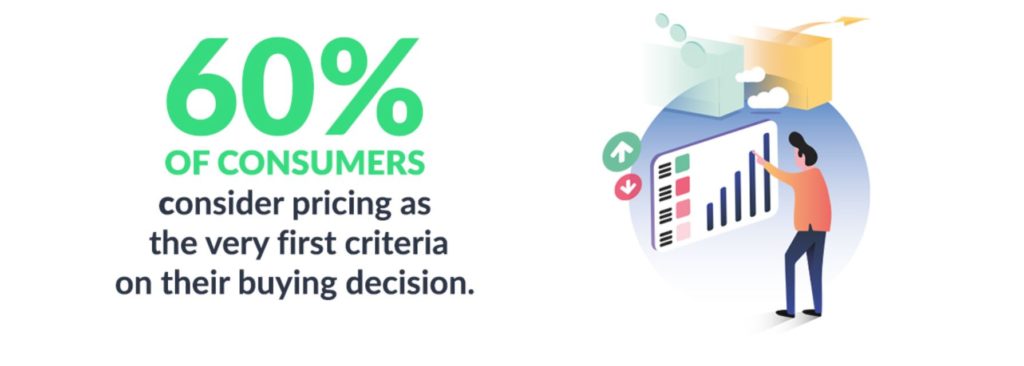
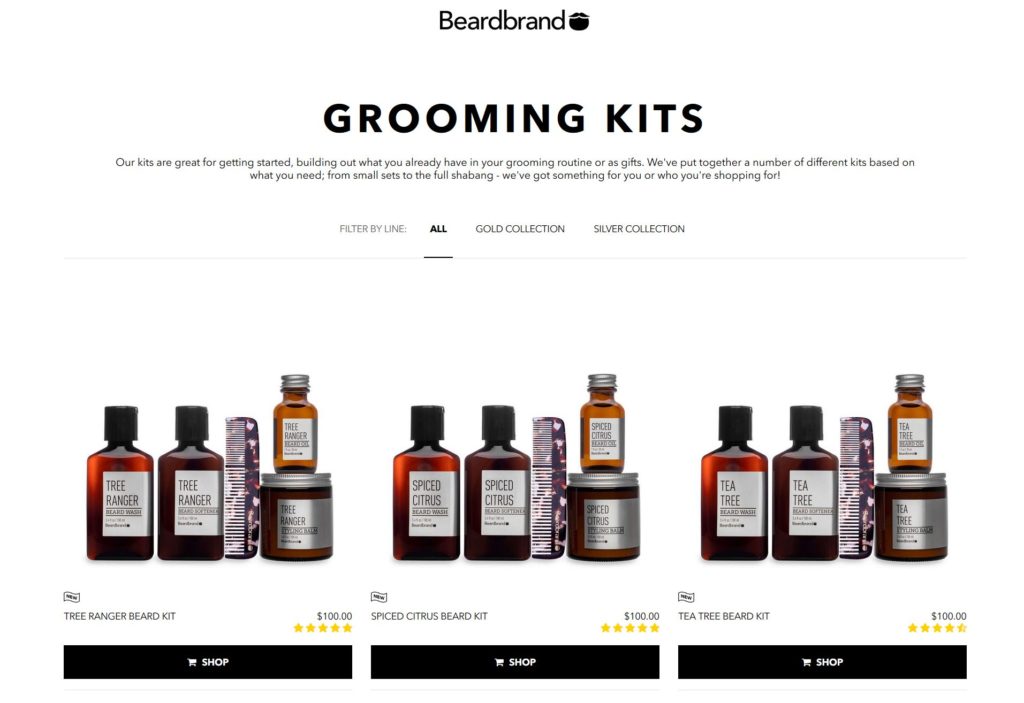

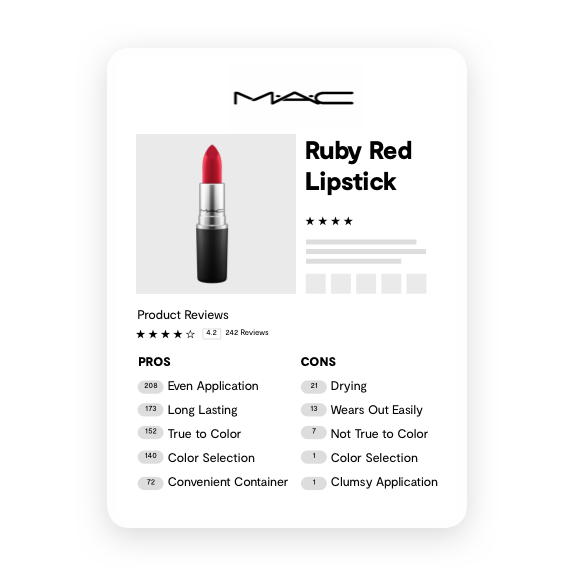
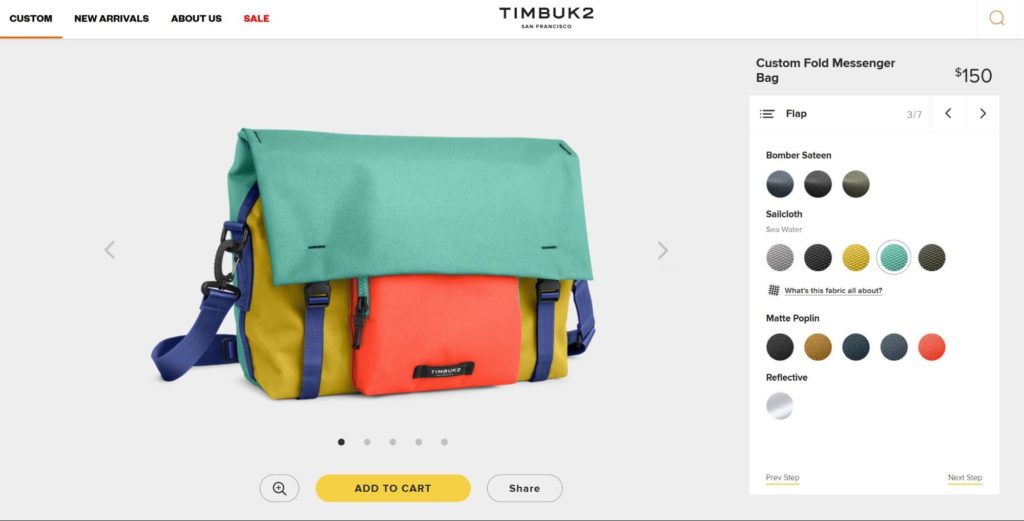
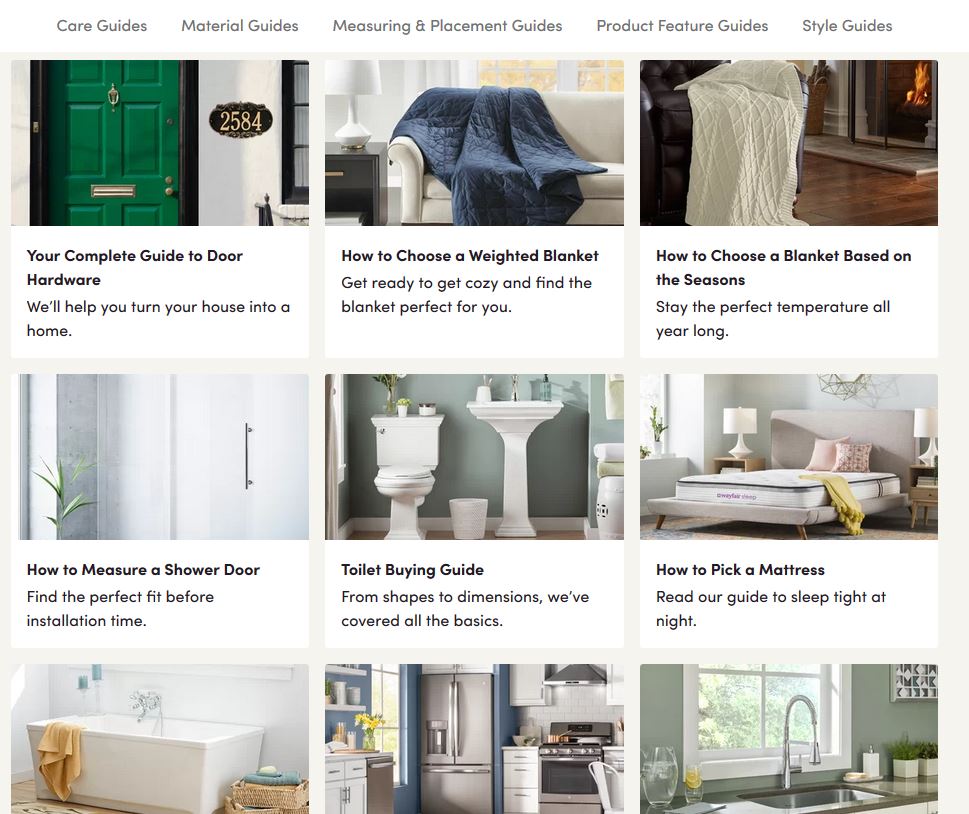
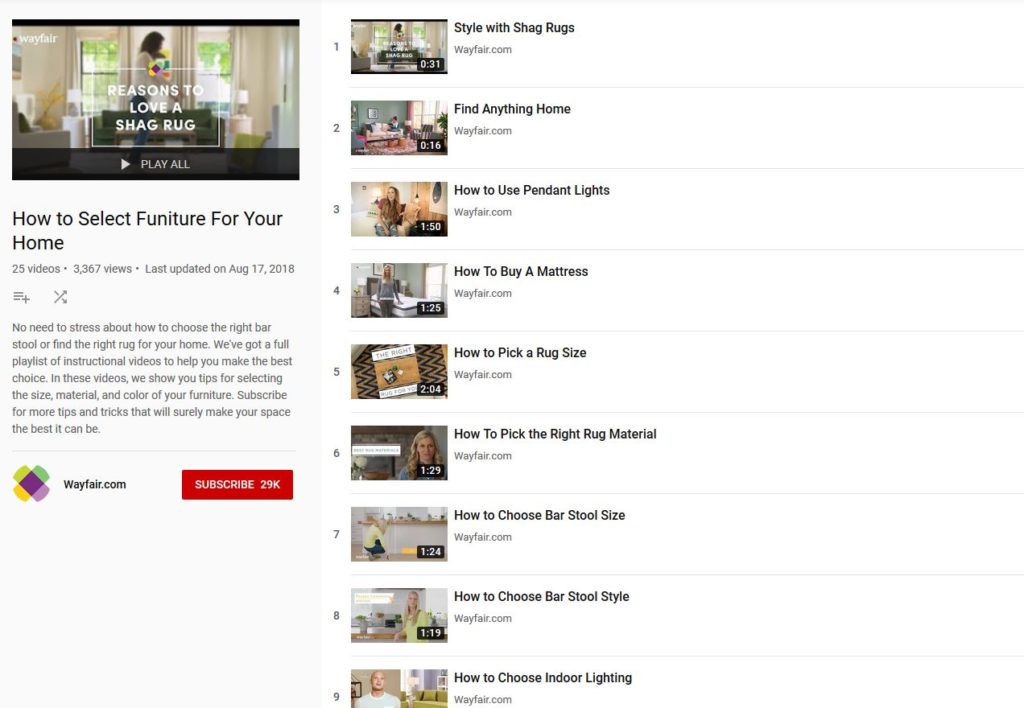
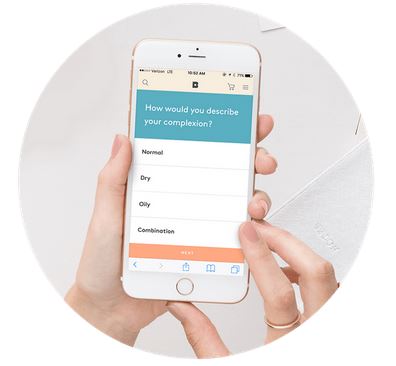
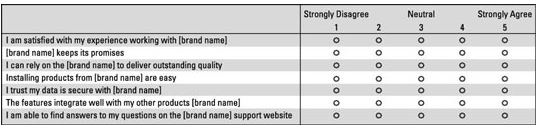

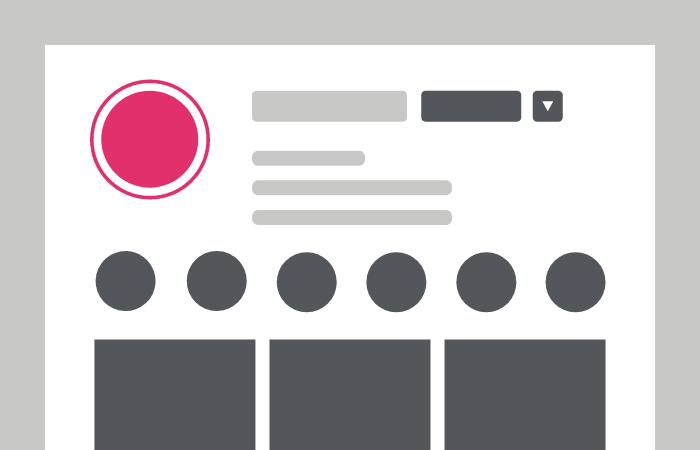
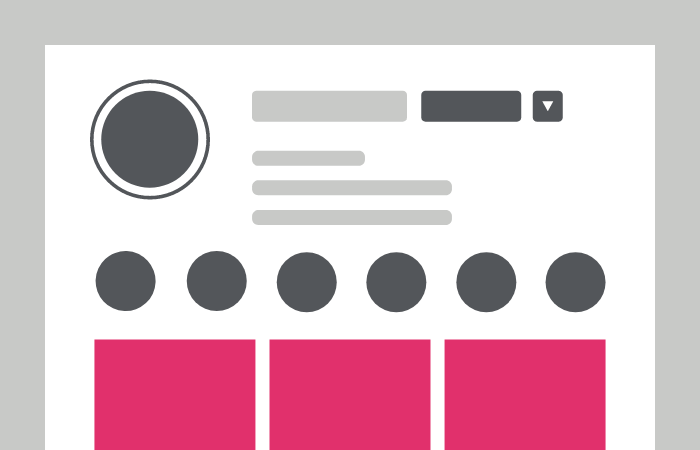
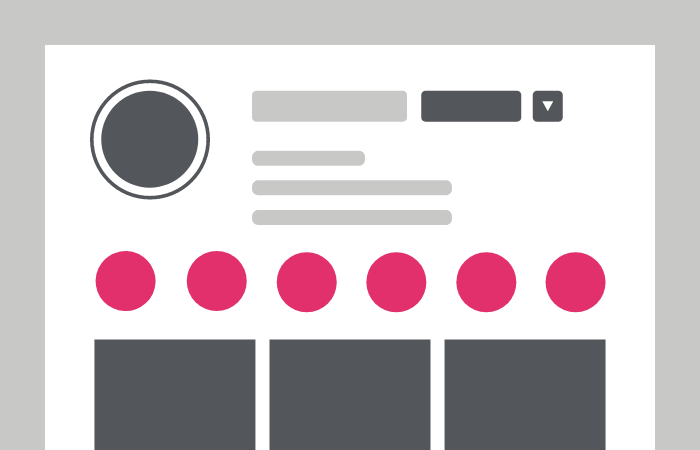

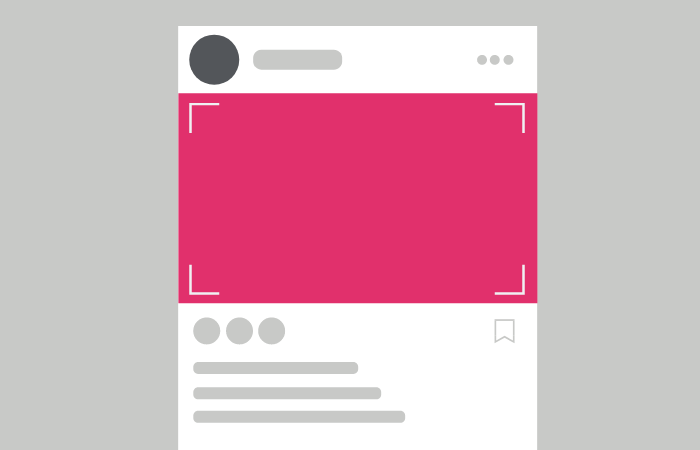
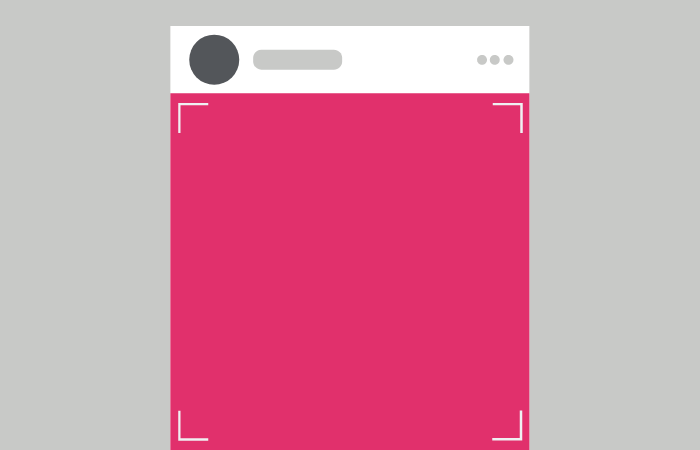
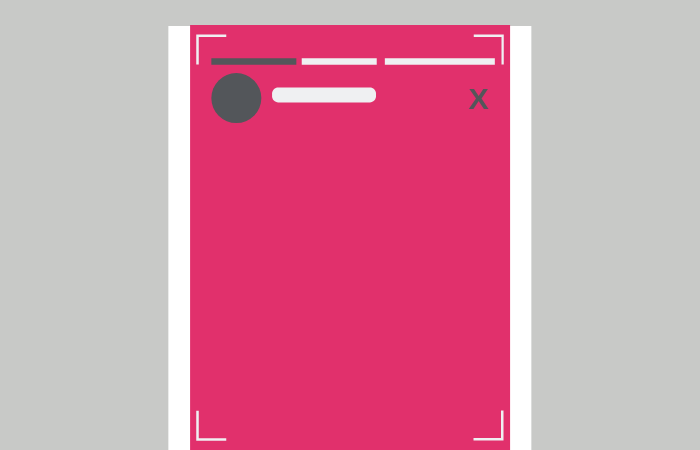
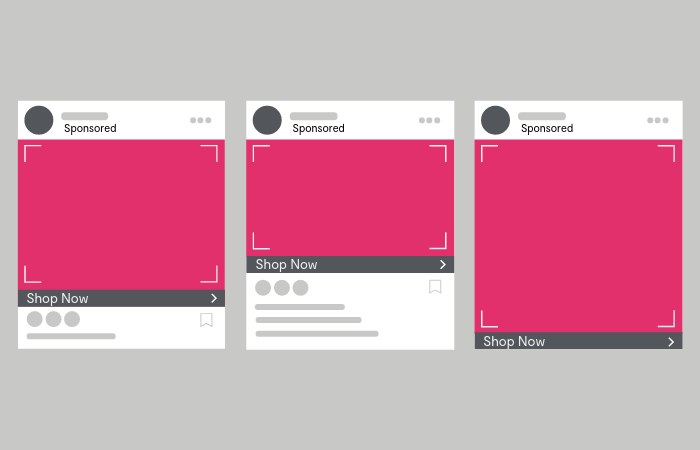
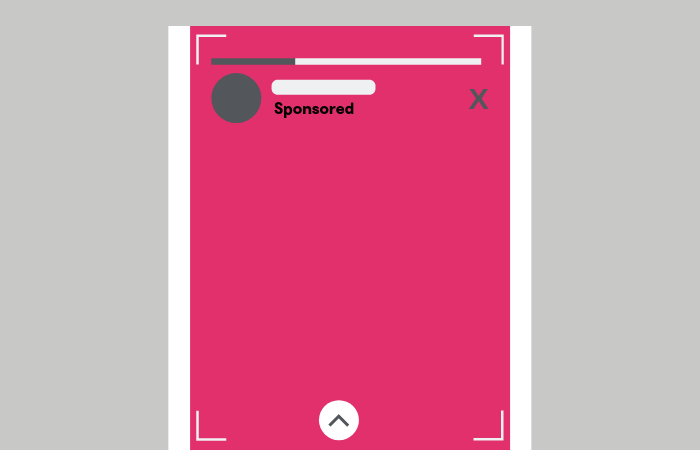
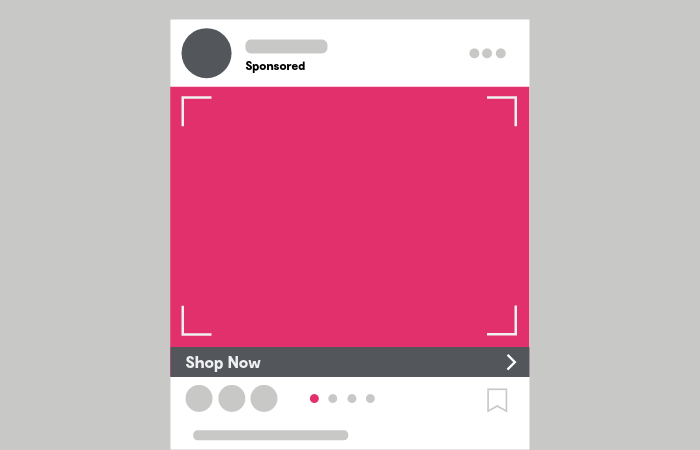
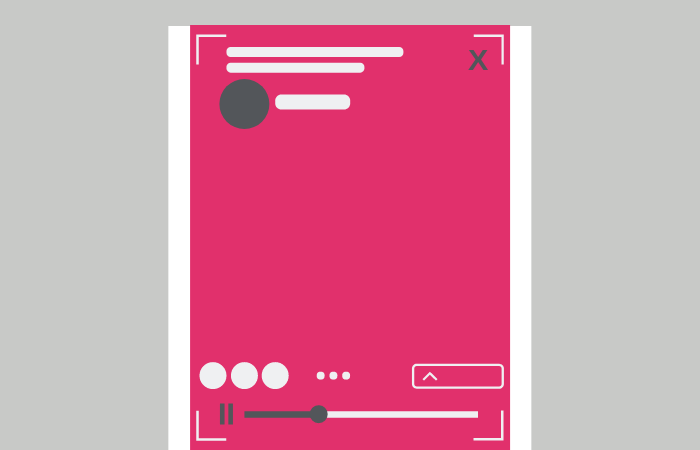
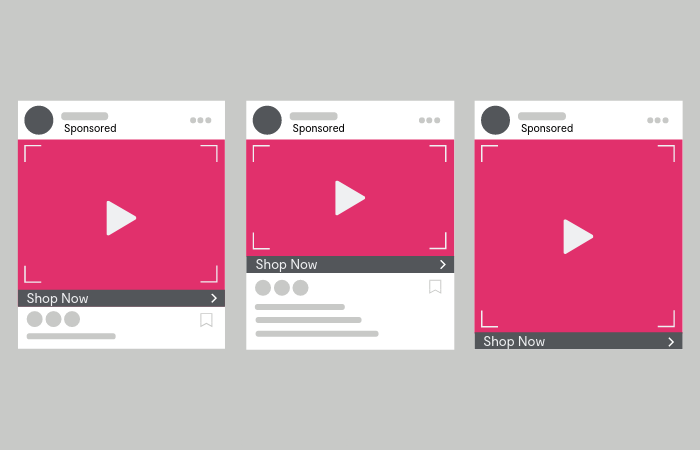
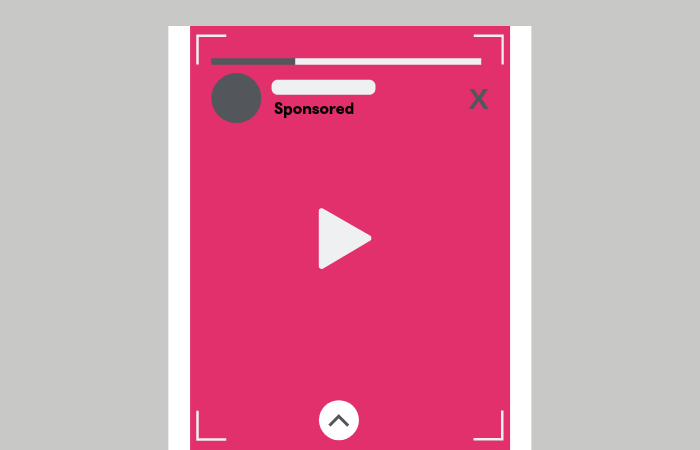
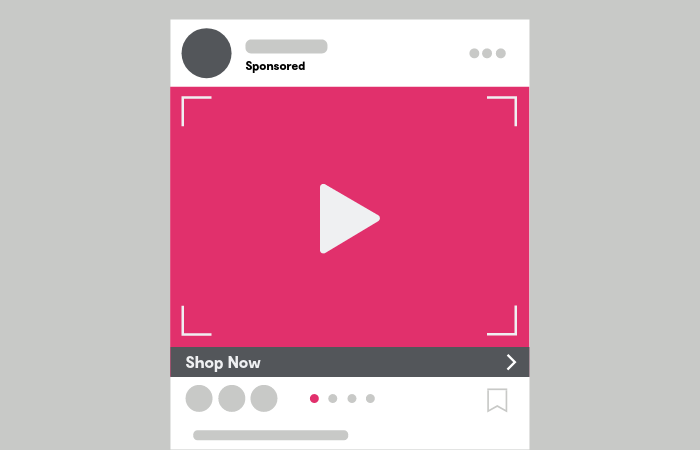
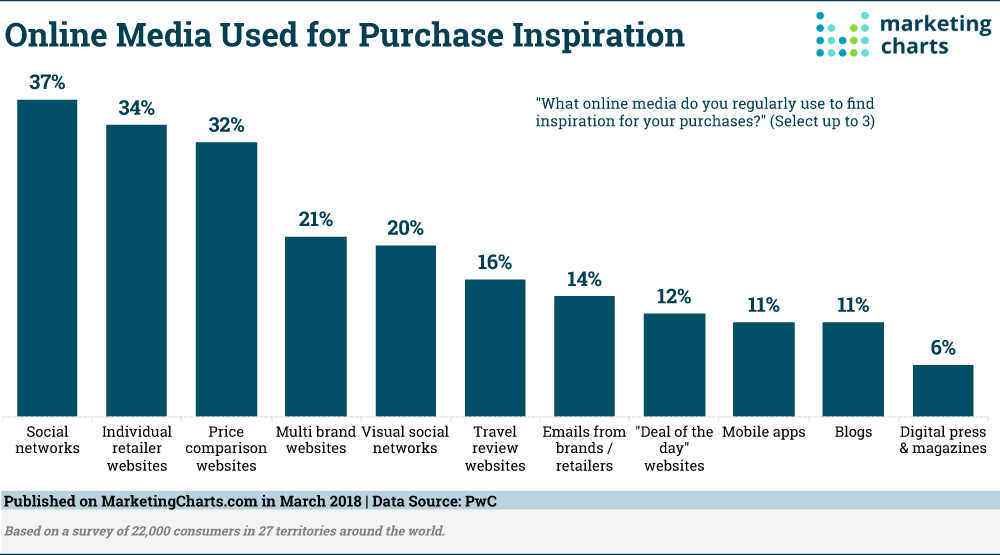
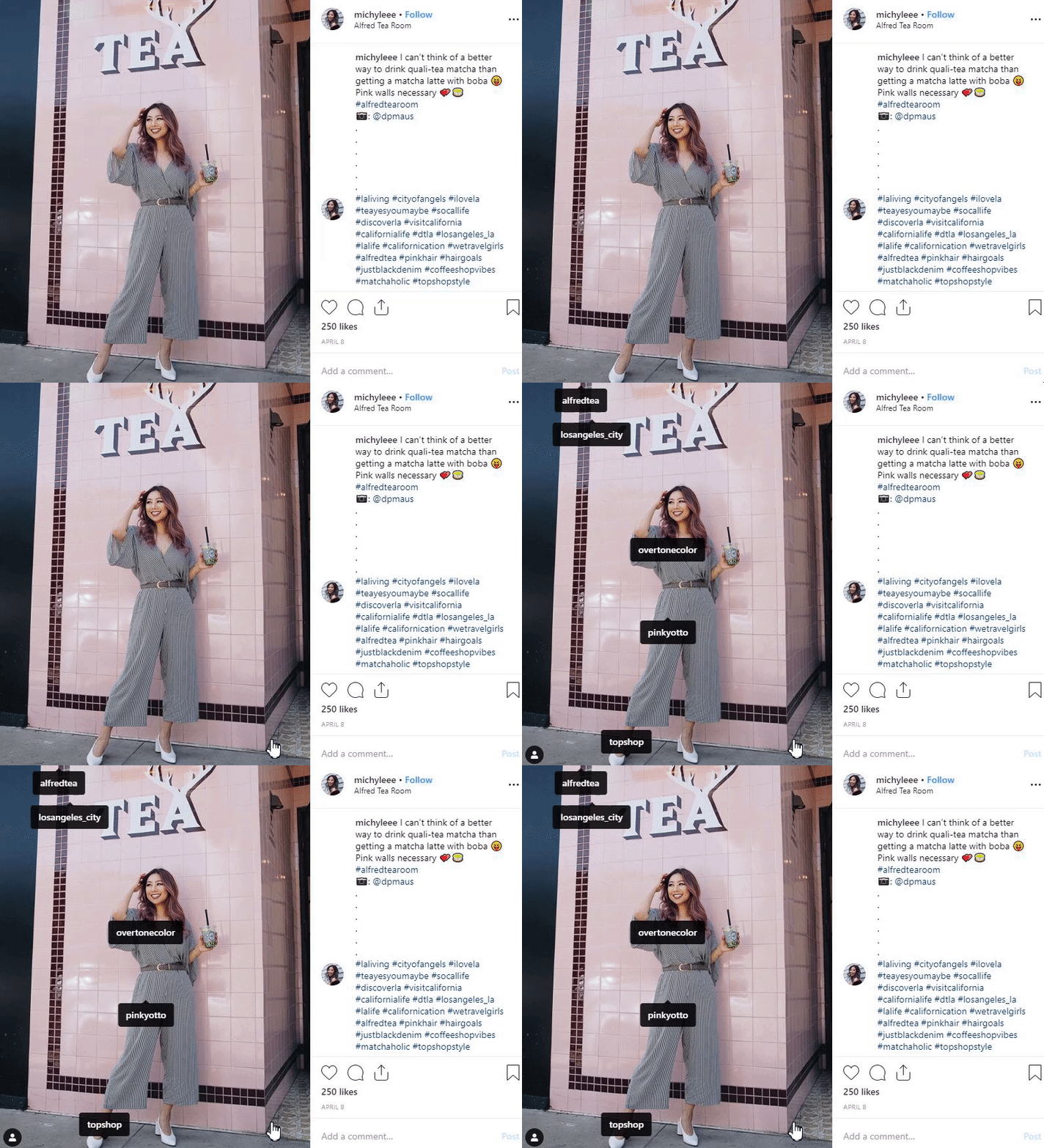
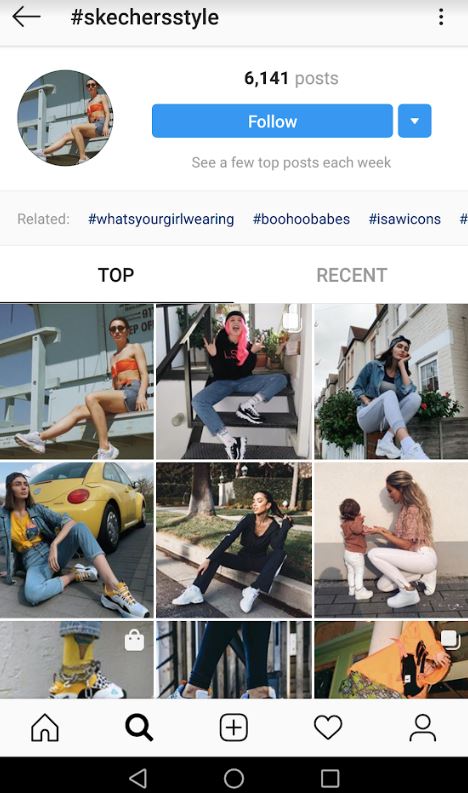
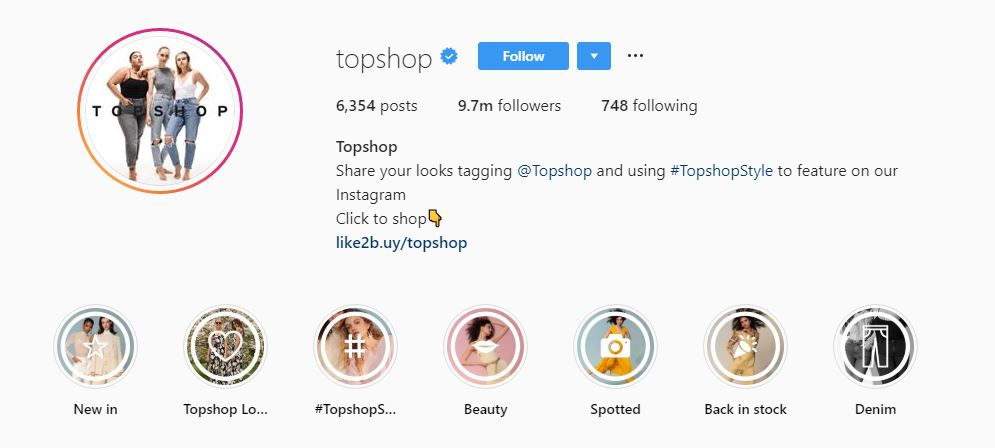
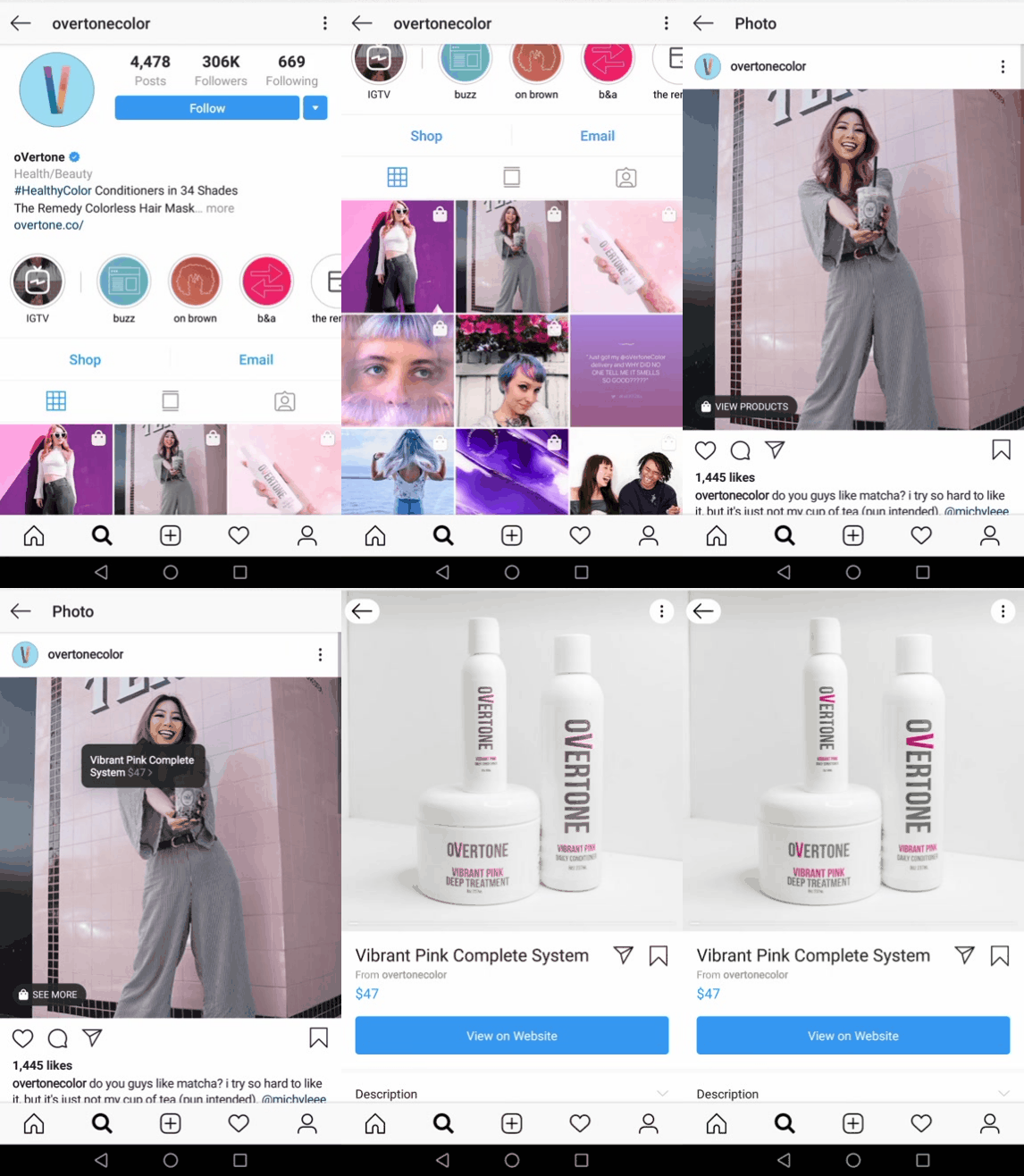
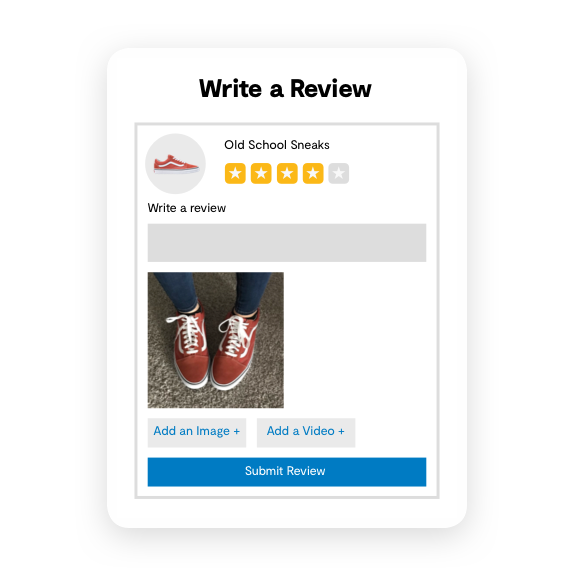
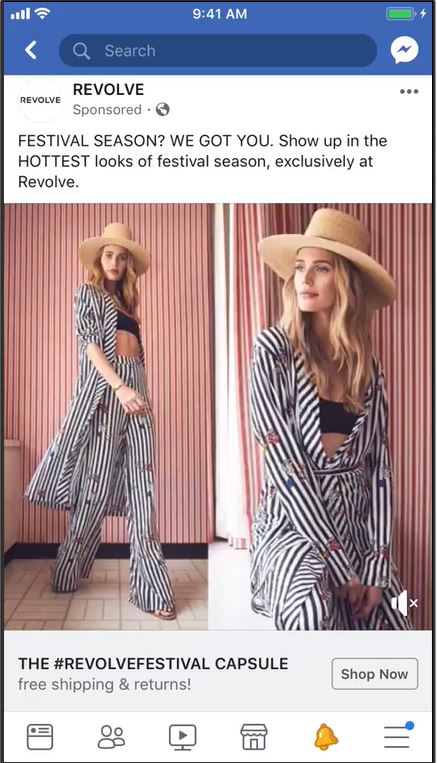
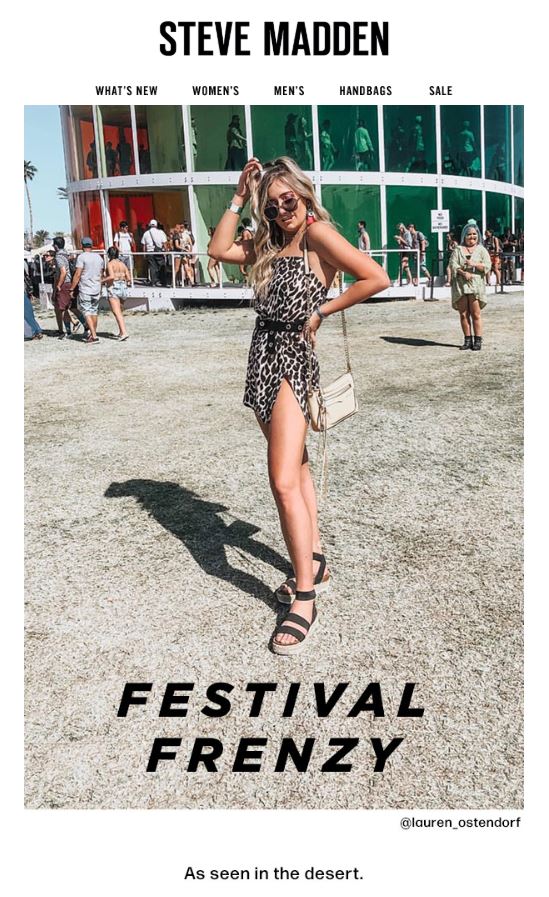
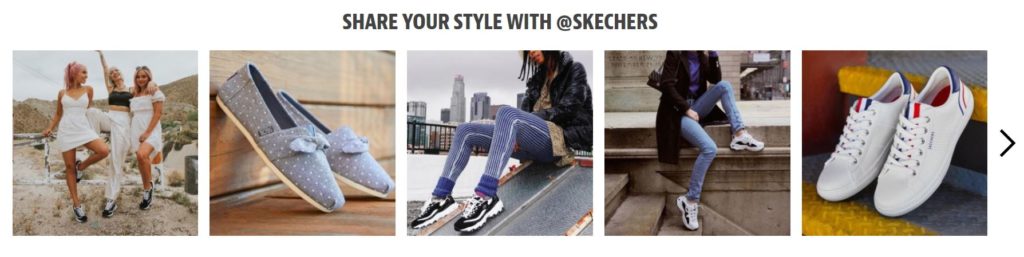
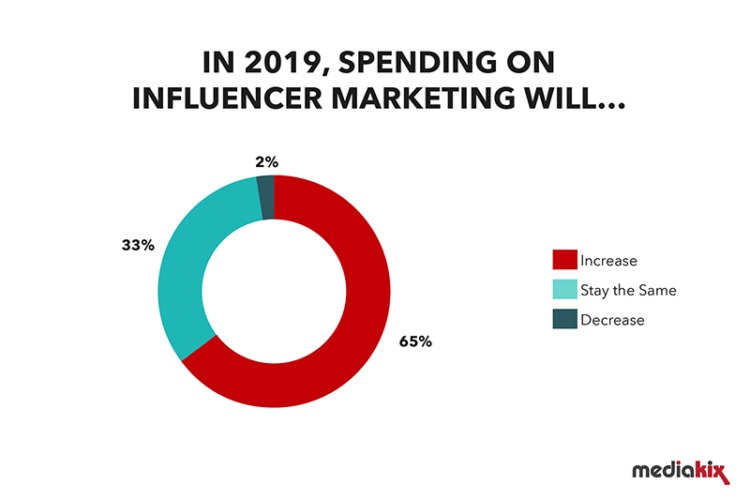
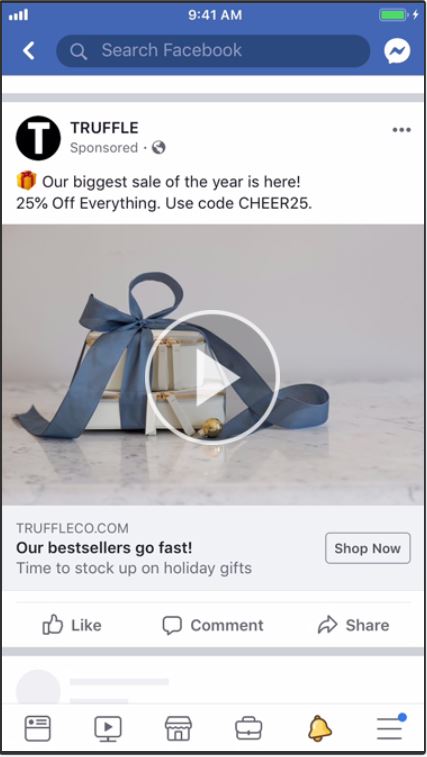
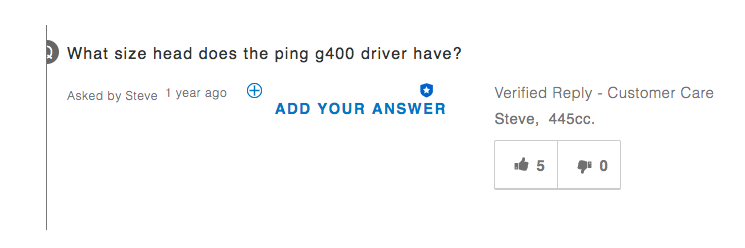 But what if your brand could do this across more retailers?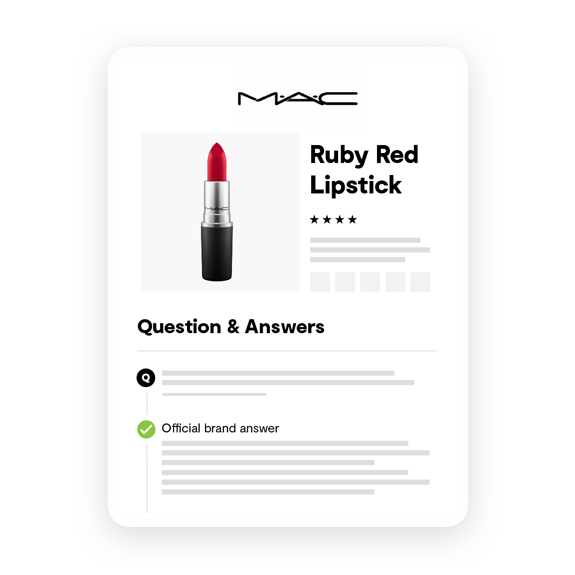
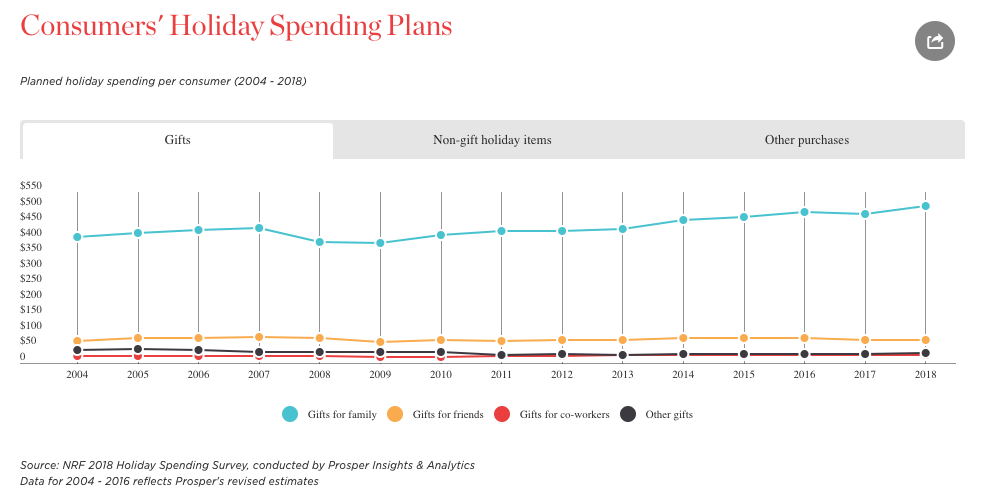
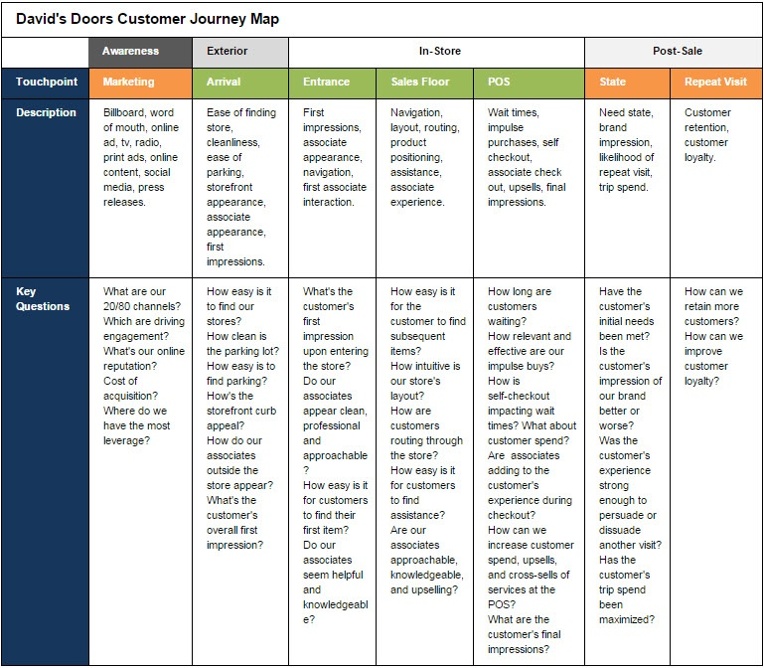
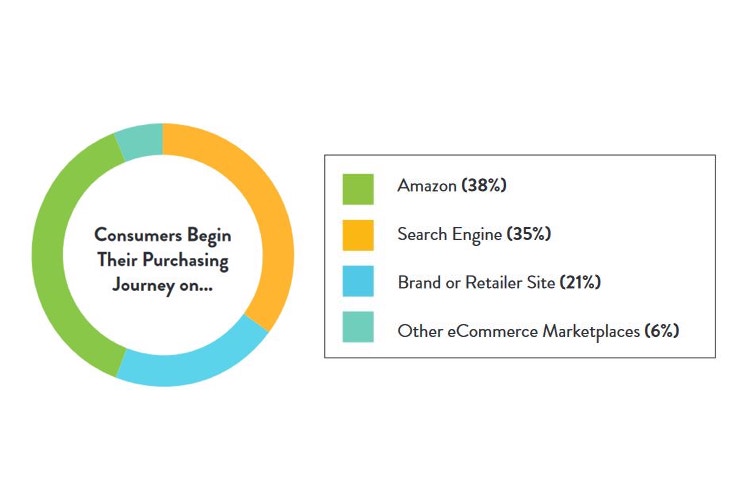
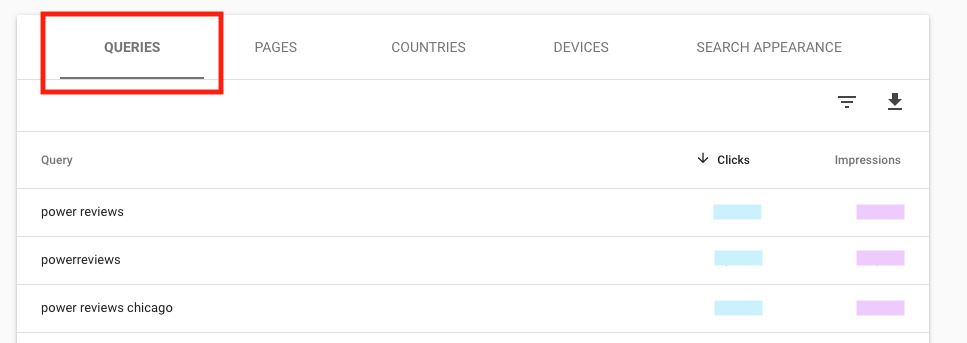
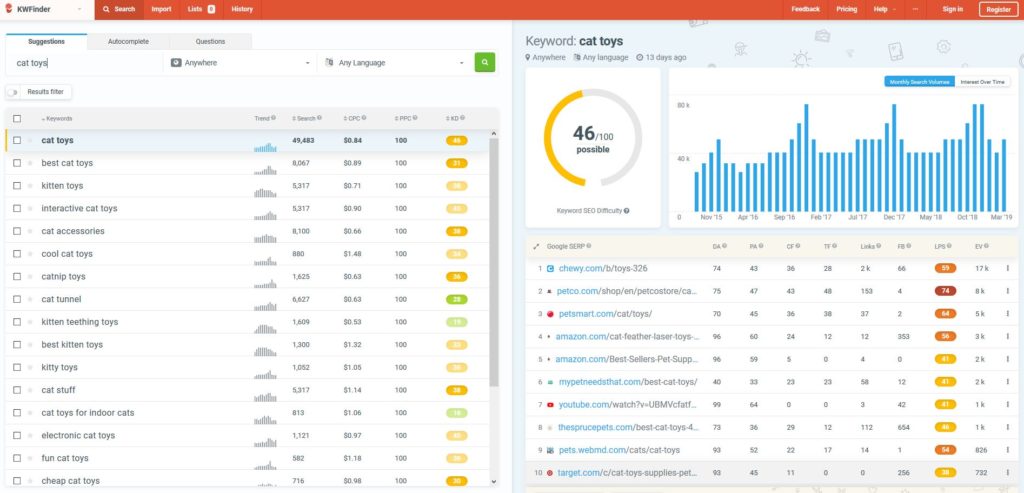
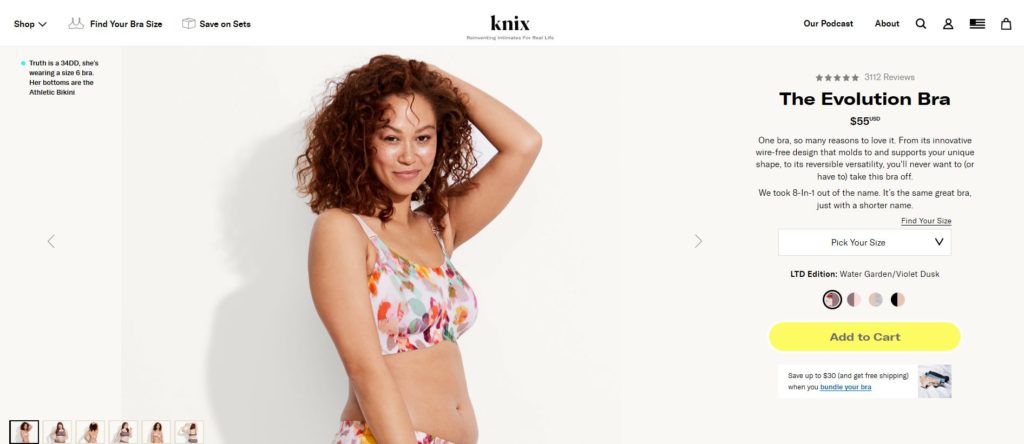
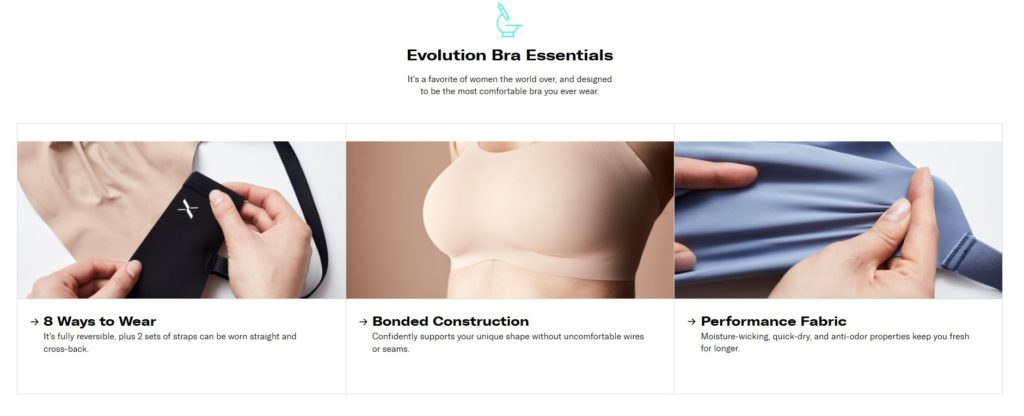
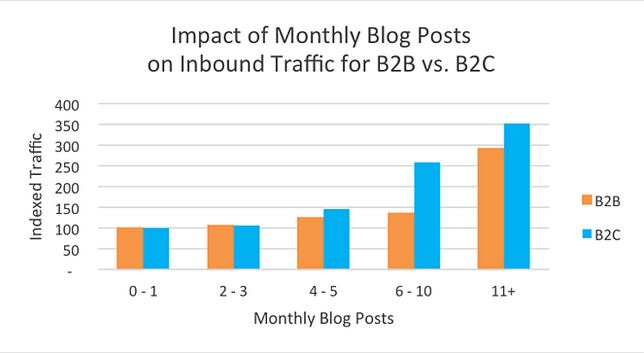
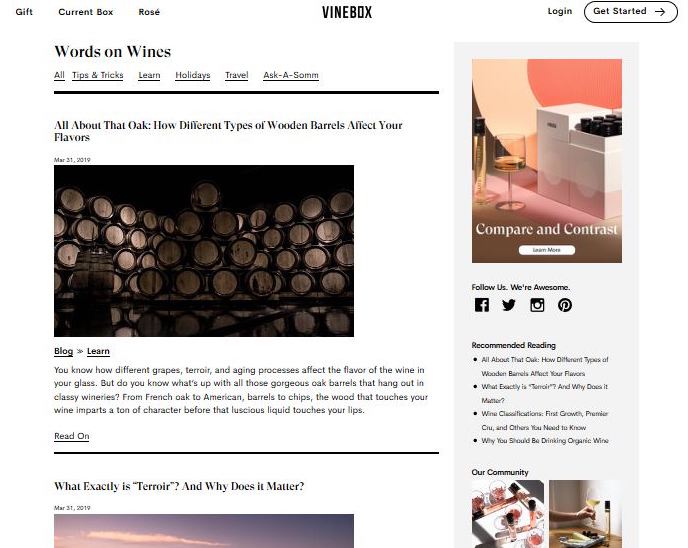
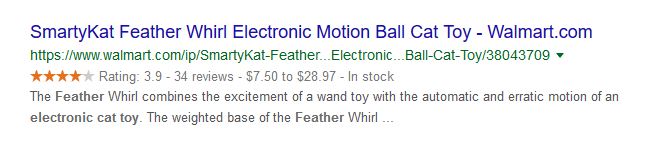
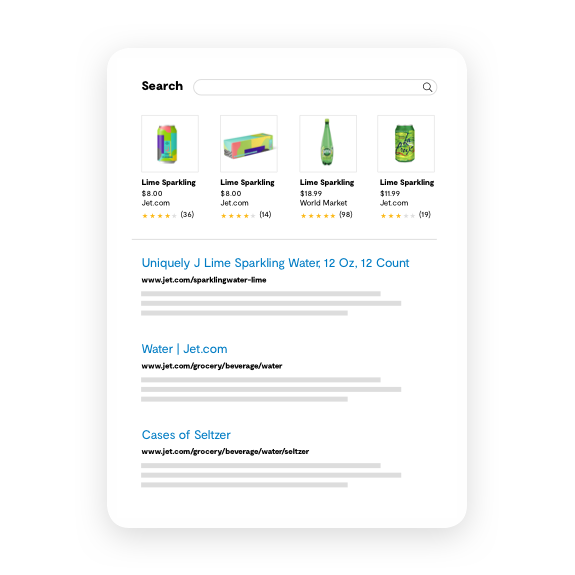 By using PowerReviews’ software, you limit the amount of Javascript with smarter script loads. This means you only use the code you need (or features you’re using), which reduces the risk of affecting your page load speeds with excess code.