Let’s start at the very beginning–Mystery Shopping 101.
If you’re hearing the term mystery shopping for the very first time in your life, you might picture a shadowy character darting around the aisles of a department store looking for a clue to some kind of important crime case.
Although a riveting idea, this is not mystery shopping. The mystery in this case doesn’t mean some type of unsolved problem, but rather the shopper themselves.
Mystery shopping, essentially, is just one of many ways a company typically involved in product-based commerce of some sort can get an idea for the kind of company they are from the customer’s perspective.
First, a dialog is established between the company interested in putting together a program and the mystery-shopping provider itself. After a plan is in place based on the goals of the client, a mystery shopper survey is constructed and given to experienced consumers who enter stores and evaluate the experience as a regular consumer.
The results are compiled, compared and then analyzed to create the starting point for an adjustment plan. Gathering data from this perspective gives companies a much more accurate picture of what’s working and what could use improvement. When it comes to creating the best experience for customers, entering a store and interacting with both the products and the larger brand is critical.
Mystery Shopping 101: Why a Mystery Shopping Program?
A well-designed and executed mystery shopping program provides you with information a company representative could never gather themselves. It sheds light on what your business is to your customers in an unfiltered, (and most importantly) measurable way with the ultimate goal of adjustment to right any wrongs that surfaced during the assessment.
It’s very much a gift that keeps on giving. When designed correctly, mystery shopping will:
Increase sales and profitability via more engaged and comfortable customers
Provide a practical way to improve and optimize services
Motivate employees to better represent the brand and create an enjoyable atmosphere for customers
Generate enthusiasm among customers by meeting and then exceeding their expectations
Mystery shopping is all about valuable customer feedback. While email and in-store surveys on the backs of receipts can give your company a broad picture of customer satisfaction, mystery shopping goes further by providing unbiased information about the “feel” of your company at a deeper level.
Mystery Shopping 101: Where to Start
Once you’re on your way to creating a program for your own company, make sure you tailor the strategy to fit your company’s needs. However, you still still need a place to start.
Many professionals experienced in creating such programs agree it almost always begins with employee training. Don’t think for a second that a mystery shopping program lives on a colorful whiteboard on the wall of an executive boardroom.
Instead, success requires relationship building, idea implementation and investment plans that actually result in noticeable changes. In-store employees are the human link between your brand and your customers.
Have an effective team to represent your company through careful engagement, brand and product knowledge and effective communication skills. These are the foundation customer experience is built.
Companies whose employees provide consistent, complete and friendly service to customers of all kinds will find their brand growing in ways previously unachievable using other methods.
Find the Right Mystery Shopping Company & Get It Right the First Time
Of course, before you can start formulating the initial steps of a mystery shopping program, you need to find a provider who gives you what you need. Try to compare and contrast each provider based upon a standard set of questions so you narrow your list to the best mystery shopping company for you.
The following three questions are a great place to start:
How will this mystery shopping company conduct their program?
How will this mystery shopping company gather and analyze their data?
How will they present the data in a way that drives real results?
After fleshing out the broader aspects of a particular company, dive further to narrow your search. Start by comparing how their methodology relates to your specific objectives.
These questions can start along the lines of:
What will this program do for my business’ bottom line?
In what ways can you customize the program to align with my company specifically?
Mystery shopping is evolving quickly alongside constantly shifting trends in the retail world. As consumer expectations grow and shift to more complicated models through a number of new channels, accurately gauging the quality of customer experience is a vital part of any company’s sustained success.
To learn about Journey IQ, contact our team today to get detailed information on our mystery shopping tools!
Endorsements from famous people don’t carry as much weight as they used to. We now live in an age where consumers value the opinions of real people over big-name celebrities or even influencers.
So, what does that mean for brand advocates?
As pointed out by Convince and Convert, 92% of consumers trust brand advocates while only 18% trust influencers.
And what does that data mean for your brand?
For starters, your customers want authentic interactions with your brand. One of the best ways to build trust in your brand is by involving people your target audience relates to.
https://www.instagram.com/p/BwUwoiwHOv5/
Brand advocacy allows you to increase word of mouth around your company in an authentic way. When implemented correctly, a brand advocacy strategy enables you to build trust and grow your audience.
In this post, we’ll tackle the ins and outs of establishing a brand advocacy program for your business. You’ll also discover the right methods for identifying brand advocates and how to enable them to spread the word about your products.
What Are Brand Advocates?
Brand advocates are typically existing customers or employees who spread positive word of mouth about your products. These individuals know, like and trust your brand and they’re happy to talk you up to their friends, family and followers–usually for free.
What’s the Difference Between Brand Advocates & Influencers?
The difference between brand advocates and influencers is while both “spread the word” about your brand, influencers typically work transactionally, while advocates work more like your employees or biggest fans.
Influencer marketing is highly transactional. You pay or sponsor influencers or micro-influencer to post content about your products and it works much like a celebrity endorsement, but at a smaller scale.
Brand advocacy is all about harnessing the goodwill of people who are already familiar with your brand. While advocates can certainly be incentivized through product samples or free giveaways, their main motivation isn’t the perks— it’s the fact they genuinely feel connected to your brand.
Another distinction? Influencers talk to their “audience,” while advocates share their thoughts with their network of friends and relatives.
How to Successfully Identify Your Brand Advocates
Now that you’re all caught up with what brand advocates are (and what they aren’t), it’s time to figure out how to identify the right ones to work with. Below are the steps you can take when finding brand advocates.
Understand Your Target Market
The first step to identifying brand advocates is to get clear on who you’re trying to reach. Who’s your target audience? What’s their age group? What do they value? Answering these questions will help you figure out the right advocates to approach.
https://www.instagram.com/p/BtbmsPWgkYn/
Let’s say that you’ve decided to market to moms in their 30s who want to stay fit and work on meal prepping. You can do research on that audience and determine the types of people that they follow and listen to.
From there, you’ll have a better idea of the types of advocates to engage.
Look for People Who Are Already Talking About Your Brand
Once you have a profile of the types of advocates that you want to work with, run a social media search for people who are already mentioning your brand in their content. Here are six easy ways to do this:
1. Turn to Your Brand Mentions
Search your social networks for people who mentioned your brand name. Note that these mentions don’t necessarily have to be “official” tags (i.e., with an “@” sign). In many cases, you’ll find the most authentic brand mentions in these untagged posts.
Keep an eye out specifically for people who are responding to questions from other users. For example, in the Twitter conversation below, we see an authentic exchange between moms talking about infant car seats:
These are the types of posts to keep an eye out for. You can use social media listening tools to find and track conversations like this going on about your brand.
2. Look for People Who’ve Tagged You in Their Photos
If you want your brand advocacy program to be more visual, go through your photo tags to identify people who are talking about your brand.
Once you find individuals who fit your advocate profile, put them on a list of users to reach out to.
3. Dig Into Your Product Reviews
The best brand advocates are the ones who are already buying from you. It’s smart to go through your existing customer base to identify advocates you can work with.
One of the easiest way to find previous shoppers who love your products is to look for people who are already sharing positive customer feedback about your products. Go through your ratings and review content on your product pages and identify those who left positive reviews.
See what customers are posting visual content, leaving multiple reviews and certain keywords that pertain to your products. For some brands, this sounds like a lot of manual work.
We get it.
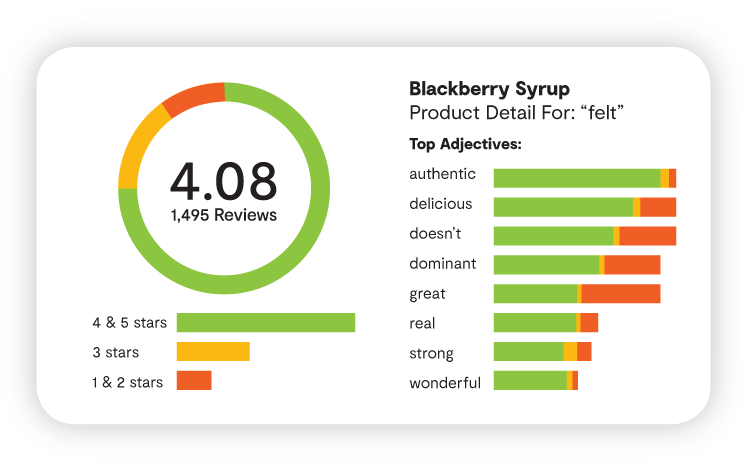
However, we built Product Pulse specifically for this reason. PowerReviews provides brands and retailers with a sentiment analysis tool to easily dig through review content and find helpful insights.
Try to go through your sales reports to see your most active customers. If someone is buying from you repeatedly, chances are they’re a fan of your brand and they’ll happily advocate for you.
This is also a great opportunity to help form your target audience for brand advocates. Sales data let’s you segment your audience, develop messages and find new consumer insights.
It’s about how you connect these insights to your advocacy program!
5. Consider Your Employees’ Communities
Your employees are excellent brand advocates.
Think about it: they work for you, so they know all about your products. And since your staff are already familiar with your story, brand guidelines and rules of conduct, getting them on board your brand advocacy program will be an easy process.
One example of a company that invests in employee brand advocacy is Macy’s. Last year, the retailer launched Macy’s Style Crew, a community of Macy’s employees who are actively posting beauty and fashion content featuring Macy’s products.
Don’t be afraid to use the power of your employees’ communities, like on social media, to promote and communicate their love for your brand.
How to Enable Brand Advocates
Have you already identified people you want to work with? Great! The next step is to connect with brand advocates and encourage them to spread the word about your products to their network.
The following action steps can help you do that:
Be Authentic With Your Outreach
There are several ways to get in touch with brand advocates and the right approach depends on the channel they use. For some brand advocates—such as customers who’ve left reviews—email is the most efficient way to get in touch.
For others, social media comments or direct message are a better approach. Regardless of how you decide to get in touch with them, strive to be authentic and relatable with your approach.
Let your advocates know that you’re grateful for the business and the positive words they’re sharing. Specifically reference the products that they bought or the content they shared, so that they feel like you’re personally connecting with them.
The luggage brand Away, for example, sends personalized replies to customers who mention its brand on social media.
Incentivize Them to Share
Offer up incentives such as discounts and rewards for people who share your products with their friends. To maximize efficiency, integrate this effort with your rewards or loyalty program, so members easily earn points for their referrals.
Buda Juice, a company that sells pressed juices, for instance, includes friend referrals and social sharing in its loyalty program. Members earn $50 points— equivalent to $5—for every friend they refer who makes a purchase.
Another way to earn? Buda Juice gives customers 50 points for following the brand and sharing its content on Facebook, Instagram and Twitter.
Offer Free Samples
Another way to encourage advocates to spread the word about your products? Give them merchandise to talk about. Implement a product sampling program, in which you send free samples to select customers.
If you select the right brand advocates (i.e., highly engaged individuals who fit your target market), then chances are good that they’ll review your products.
Case in point: Vornado, a brand that sells fans, heaters, air purifiers and humidifiers, ran a product sampling initiative to garner reviews for its new products as well as specific items in its catalog.
The program saw a whopping 97% response rate from advocates who wrote a review after receiving product samples. What’s more, the reviews collected from the initiative were 44% longer, indicating that the users who wrote them were highly engaged.
Build Relationships, Not Just Campaigns
Brand advocacy works best when you build relationships, as opposed to one-and-done campaigns. If you’re going to establish a brand advocacy program, you should commit to constantly engaging with your advocates.
You need to do the following, consistently:
Follow your top brand advocates on social media
Monitor your social feed for mentions and tags
Share and reply to the posts of brand advocates
The key is to routinely do these things. You want to be known as a brand who consistently connects with its customers and advocates. In doing so, you’ll not only encourage brand advocates to keep spreading the word about your products, but you’ll also attract new ones.
The apparel retailer Showpo is a great example of a brand that does an excellent job with brand advocates. Their customer engagement strategy is on point as they quickly and regularly promote their buyers.
The Showpo regularly “likes” posts from its customers. Its team also makes an effort to send direct messages to those who mention the brand on social media.
Additionally, Showpo regularly reposts customer content featuring its products. This is a great way to keep customers engaged.
Pro tip: If you’re looking to actively share and repost the content of your followers, manage all your efforts through a visual marketing and social content platform that enables you to stay on top of communications (e.g., outreach messages, permission requests for reposting, etc.) from one place.
Doing so will make your advocacy efforts more efficient, and you’ll easily track your shares and reposts with ease.
Tap into the Power of Communities
You can further strengthen your relationships with advocates by building a community around your brand. Make people feel that they are part of a group of like-minded individuals.
Doing so reinforces the connection that your customers have with your brand — and with each other. This boosts loyalty and keeps you top of mind which, in turn, leads to more word of mouth and referrals.
The fitness brand Peleton is a master at community building. Peleton was one of the first brands to leverage Facebook groups.
It created the Official Peleton Member Page, a place where customers can share stories, ask questions and stay up-to-date with company updates.
The effort proved to be successful. Peleton’s Facebook group has more than 164,000 members and sees 200+ posts per day. The initiative even led to spin-offs, including the Official Peloton Mom Group, Official Peloton Power Zone Pack and Official Peloton UK Member Group.
See if you can adopt a similar approach. If you have an active base of customers and advocates, create a community where they can meet like-minded people and build a stronger relationship with your brand.
Brand Advocacy Is a Must in Marketing
As more consumers crave authenticity in their social and brand interactions, traditional advertising and endorsements just won’t cut it anymore. You need to start enabling the most active members of your customer base to advocate for your brand.
Doing so will lead to higher brand awareness, favorable word of mouth—and ultimately—more sales.
Consumers want products faster, cheaper and without the fluff. So what are brands doing?
An increasing amount are cutting the middle man (sorry retailers) and relying on their own brand manufacturing to sell directly to consumers. Even though the current ecommerce market is incredibly competitive, we’ve seen more brands take advantage of direct to consumer marketing and succeed.
A recent eMarketer report found almost half of internet users expect 40-100% of their purchases to be from direct to consumer brands over the next five years.
Connecting directly with your customers gives brands the upper hand to to be the one-stop shop for their target demographic. More importantly, it prevents customers from in-store shopping or even ordering certain products on online retailers.
That means there’s a lot less comparison shopping–especially when consumers get their everyday products cheaper, faster and often through a monthly subscription.
While that might sound like a win-win strategy for direct to consumer brands, hold that thought for a second.
Whether you create an amazing product launch strategy or increase social media ad spend, there’s still no easy and sure-fire way to get your direct-to-consumer brand to immediately sell. One of the biggest challenges for direct to consumer marketing is getting off the ground in the first place.
That’s because you rely less on foot traffic and more on marketing strategies to target small audiences who might be interested. Consumers already have their typical path to purchase–go online to shop major retailers or buy your everyday products in store.
Disrupting this path definitely worked for some brands, but certainly not everyone. That’s why we’re providing 10 ways to scale your direct to consumer marketing and win in the ultra-competitive ecommerce landscape.
1. Give Your Customers a Personalized Web Experience
Consumers crave an emotional connection. People want to be treated like people, not just numbers.
That’s why successful direct to consumer marketing strategies typically have something in common–personalization marketing. By creating customer experiences based off purchasing behaviors and what consumers truly want, direct to consumer brands build easy and effective buyer journeys.
In fact, a study by Salesforce found 84% of consumers said personalization is a very important aspect for businesses to win them over.
The same study also found 67% of customers will pay more for a great experience with a brand. This is why direct to consumer marketing works so well. Brands create better experiences when they personalize and act as the one-stop shop for their needs.
Trunk Club does this perfectly. The direct to consumer clothing company gets their shoppers to work directly with a stylist to help personalize the type of clothing that gets shipped.
https://www.instagram.com/p/BwCjhSil2Y0/
While other direct to consumer brands offer a similar product, Trunk Club takes it a step further to provide more personalization. The company succeeds because customers know they’ll love what comes in their wardrobe box.
More Than Just Meeting the Needs of Consumers
Personalization is more than just meeting customer expectations–it’s all about exceeding them. Another Salesforce report on customer experience discovered 72% of consumers expect businesses to understand their needs and expectations.
The majority of respondents also added that this affects their brand loyalty. Research showed that consumers were twice as likely to pay attention to personalized offers as compared to general offers.
While retailers have the ability to promote and highlight its brands, direct to consumer marketing goes beyond by giving consumers exactly what they need.
https://www.instagram.com/p/BtTvAYmFNtn/
Casper could’ve stopped at mattresses and bedding, but the brand understands there’s more to a good night sleep. They’re constantly working to provide more products to go above and beyond customer expectations.
2. Drive More Connection & Engagement Through Content
Much like personalization, great direct to consumer brands also connect and engage their audiences really well. These brands make better connections with their core customers through effective content strategies.
Brands need to bring a level of personality that allows shoppers to see them as personal and real. For example, Dollar Shave Club knows shopping for razors is not only expensive, but annoying.
https://www.instagram.com/p/Bv2De4Ejj0z/
The content pushed on social media and through various ad campaigns all try to build a better connection with the men who buy razors. In the example above, Dollar Shave Club connects with its consumer base by talking about one of the biggest questions people have about carry-on items–can you bring a razor?
The best way to build a relationship with a person is to talk with them and provide them information that actually helps. If it’s not product information, another way to connect through content is by being transparent.
Everlane is known as a fully-transparent clothing brand. And to ensure its customers know where their products come from and how they effect the environment, Everlane uses social media to speak out on issues.
We believe that to make good decisions, you need to start with the facts. & no one is better at bringing the truth to light than the @nytimes. This Earth Month, we’re working together to shed light on the most important story: climate change. https://t.co/d4fFqMqExk#NYTxEverlanepic.twitter.com/NWxFEqtEdj
Again, content is a great way to connect to your customers and one way direct to consumer marketing works well is with user-generated content. Data from CrazyEgg shows that user-generated content gets viewed and watched 10 times more than brand content.
With so much trust in other shoppers’ opinions, why wouldn’t you create an easier path to showcase their content about you? Once again, transparency is key. However, showcasing your products through the eyes of your customers removes doubt in the purchasing decision.
https://www.instagram.com/p/BvUN7jDlgA2/
Everlane does a great job of this as well by reposting images of real people using their products on social media. The point is to show your products working for everyday people.
With the help of PowerReviews’ Visual and Social Suite, direct to consumer brands can easily collect, authenticate and display user-generated content to their website or product pages.
This gives shoppers the confidence to know your direct to consumer marketing is trustworthy and effective.
3. Make the Online Shopping Experience Better Than In Store
Innovation is key to building good customer relationships. It’s your job as the brand to discover ways to make the customer experience even better and drive loyalty to get shoppers to come back.
But for direct to consumer marketing, it’s about creating better online experiences than in store. The direct to consumer industry relies heavily on returning customers and continued subscriptions.
The challenge is winning over shoppers to return.
Data from a Temkin Group infographic found 87% of loyal customers will purchase again. Additionally, 79% will recommend your brand to friends or family.
Direct to consumer marketing allows you to build straightforward relationships, which leads to more loyalty. A good brands in the direct to consumer world not only keeps their shoppers loyal, they prevent them from needing an in-store experience.
One of the most popular avenues to win over customers and prevent the in store buy is through free shipping. But you could take it a step further, like Warby Parker, an reinvent the way you shop for a product.
The online eyewear brand solved a huge customer issue–people don’t like to buy glasses without seeing how they look on their face. Instead, they offer to send five pairs of glasses to your home to try on and send back for free.
Have you tried our Virtual Try-On tool yet? It's so accurate, you'll think the frames are actually on your face 🤓 (PS: Our Virtual Try-On tool has been nominated for a #WebbyAward! Cast your vote here: https://t.co/c580LL2yvL) pic.twitter.com/j8dK4cNiqm
But Warby Parker took it even further by providing a virtual try-on tool to sample all frames in the convenience of your home. So even if buyers want to try on more than five frames, they can and at home.
Now the brand has even developed an app that will check your eye prescription right from you mobile phone. This is the pinnacle of being the one-stop shop to a consumer need.
4. Develop More Influencer Relationships
Influencer marketing gets you directly in touch with real customers. This is why so many brands work with influencers to promote products to new customers through authentic recommendations.
By working with micro-influencers, direct to consumer brands have a great way to scale this marketing efforts with the voice of everyday people. These influencers have a more tightly-focused audience, and cost much less than bigger influencers and celebrities.
Best of all, they bring big results.
A study from Tomoson found that brands make an average of $6.50 for every $1 they spend on influencer marketing. Plus, these efforts result in higher quality customers.
By starting a product sampling campaign, direct to consumer brands get the word out of their products much faster and more effectively. Consider running free 1-month or 3-month trials for subscriptions and product sampling strategies for non-subscription items.
This will drive more user-generated content to collect and display on your pages. And more than likely, the process will be much more affordable than any major influencer campaign.
5. Generate Better Review Content
Another way successful direct to consumer brands step up their game is through ratings and reviews content. This content is what helps you show your potential customers you’re a trustworthy and beneficial brand to choose.
The Growing Power of Reviews report found nearly 63% of online shoppers between 18 and 29 years old search for websites that have reviews before buying. That means the content you generate in your reviews is what potential customers want to see in search.
With PowerReviews’ industry-leading ratings and reviews collection tools, you build up your review content across the web to provide your shoppers with more content. And for direct to consumer brands, it’s not easy collecting reviews for multiple products at once.
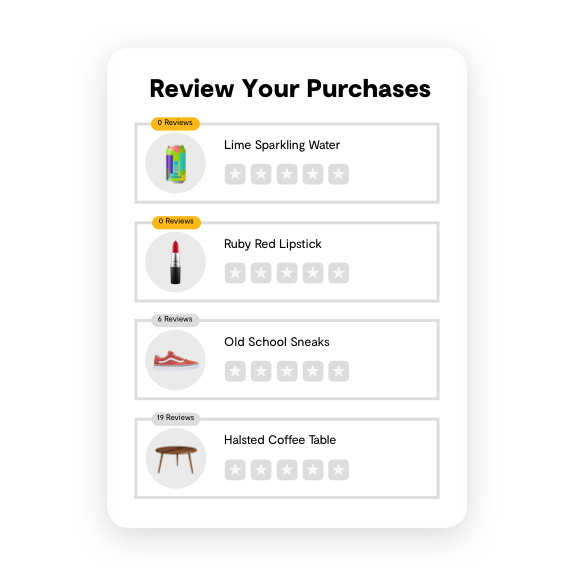
That’s why we offer the Review Your Purchases feature, which allows your brand to collect multiple product reviews in one window. We make it easier on your customers to leave helpful reviews and collect more content for your brand.
At the same time, this doesn’t mean you should only work toward collecting positive reviews. Having a balance of positive and negative reviews actually does your brand more good.
In fact, the same PowerReviews report found 86% of shoppers under the age of 45 specifically look for negative reviews. Even when you’re launching new products, reviews are essential.
6. Listen to Consumer Feedback
Your customers are talking to you: are you listening?
Whether on social media or in their review comments, your customers are giving you valuable insights into their needs (and whether or not your products are fulfilling those needs).
For example, check out these reviews on one makeup brand’s website:
These reviews are from happy and loyal customers, but include valuable tidbits and ideas that the brand can use to improve their products. Make sure to use a good review analytics tool in order to listen effectively to your customers.
Picking out key adjectives, product flaws and things that customers love could give you great insights into your next product development campaign.
7. Create Email Marketing Campaigns to Build Loyalty
Direct to consumer marketing is all about building customer loyalty to your brand. You want customers to buy your product and avoid the in-store experience.
So, your messaging has to be spectacular in every area of your marketing campaign. If you’ve built up an email list, you’ve got to provide that audience with content that will connect and keep interested shoppers’ attention.
By building loyalty means you have to reward your customers who truly connect to your brand. For example, Birchbox sends great email marketing content to their customer base to offer rewards when you get friends and family to join.
Another way to build loyalty in email marketing is by showing customers you understand their life and their needs. Direct to consumer marketing is all about addressing a problem with an item most people buy and making it easier.
Your content has to make this clear.
Hello Fresh makes its benefits easy to understand–no more boring meals. Additionally, they provide a ton of recipes to help its current and potential customers find meals they’ll actually look forward to.
Target your customers with hyper-relevant offers that show you understand their needs. And try to offer your shoppers exclusive discounts that show how much you appreciate them.
8. Retarget Customers & Web Visitors via Social Media Ads
Retargeted ads are nothing new for direct to consumer marketing. This means taking behavioral information from a customer’s web experience and showing the person targeted ads on social media and other places.
However, you need to make sure your retargeted ads are hyper-relevant to the individual user. Imperfect Produce will regularly run Instagram ads, like this organic post below, to showcase mission to reduce food waste and provide customers with an awesome solution.
https://www.instagram.com/p/BwBAE5nlNH0/
By focusing on your true core product benefit, you cut out the unnecessary fluff of your product or service.
9. Capture the Emotion of the Purchase
People purchase for many different reasons. What are the emotions that play into the purchase for your customers?
For some, it may be the thought that they are purchasing products that are good for the environment. Some shoppers like to know part of the proceeds go toward a specific charity.
And for other shoppers out there, the simple excitement of a spontaneous purchase or package coming in the mail makes all the difference. Direct to consumer marketing is about capturing the joy of the product purchased and received.
https://www.instagram.com/p/BwQKrzpJEYX/
There’s even a hashtag used on Instagram to collect user-generated content called #barkboxday. The branded hashtag works to simply highlight customers’ pets enjoying their new treats and toys.
By playing on the excitement of pet owners when unboxing their product, they’ve grown their direct to consumer brand to more than 600,000 monthly subscribers.
Just look at how happy these cute pups are!
10. Track & Optimize the Right Direct to Consumer KPIs
In order to make a success of your direct to consumer marketing, you’ll need to stay up to date on important metrics for your brand.
For example, track metrics that help you see the entire customer journey. Where do your website visitors come from? How many people are clicking on your social media ads?
Then, find the KPIs that tell you the valuable of your customer base. Track repeat purchases, average order values, subscription counts and lifetime order value to see if you’re successfully building loyalty in your customers.
These metrics will help you see if your direct to consumer marketing efforts are working, and will show you areas where you need to improve.
The Future for Successful Ecommerce Brands
Using these direct to consumer marketing tactics, customers see your brand as authentic and personable. Don’t leave any room for doubt and always make sure tor prioritize the customer’s overall experience with your service.
Even in a hyper-competitive landscape, your direct to consumer brand can still succeed by going above and beyond with your customers’ needs.
Ecommerce is quickly becoming one of the biggest markets in the world and the amount of online shopping statistics show us why. Traditional in-store shopping is still a pillar for brands like health and beauty, which rely on consumers to physically inspect and try out products before buying.
However, the overall market changes for brands selling online have morphed. Brands are more efficient at targeting core audiences and getting products in customers’ hands faster.
But how else is the marketing shifting when it comes to online shopping? What are the biggest and newest challenges for online retailers today? What opportunities are on the horizon?
To paint a better picture of the market, we’ve broken down 41 online shopping statistics for 2019 that we think you need to bookmark:
In 2018, online sales worldwide hit an estimated $2.48 trillion, making up 8.8% of total retail sales. That means online sales have almost doubled in value since 2015. (Invespcro)
The average value of online shopping orders in the U.S. is $128.38 on traditional devices, such as a desktop, and $85.05 on smartphones. (Statistica)
The primary reason (43%) U.S. internet shoppers make a purchase online is for convenience. The second-most popular reason was pricing (19%). (Statistica)
64% of people make impulsive purchases online at least once a month. (Finder)
The Lesson
It’s no shock that ecommerce sales are on the rise. The world of online shopping is primed to continue its growth and across all devices.
People love shopping online because it’s convenient. This is a lesson to you: if your online store is going to succeed, the shopping experience needs to be as convenient as possible for your customers. That means including perks like free shipping and easy checkouts.
Mobile Shopping Statistics
90% of shoppers use their mobile device to help make purchase decisions while in store. (The Retail Revolution Report, PowerReviews)
Of all mobile shoppers, 77% say they are more likely to purchase a product if the mobile website or app has product reviews. (The Growing Power of Reviews, PowerReviews)
Mobile devices are used for 24% of all online spending. (Statistica)
By 2021, mobile ecommerce is projected to make up 72.9% of total ecommerce sales. (Statistica)
The Lesson
The point for your ecommerce business is to make sure your website is 100% prepared for mobile. With more shoppers coming in on tablets and smartphones, you’ll need to do various tests to ensure your whole website is just as responsive on a mobile device as it is on a desktop.
Create an easy path to purchase with faster mobile checkouts, easy log ins and adjustable high-quality visuals of your products.
Email, Social & Ads for Ecommerce Statistics
86% of shoppers want to get promo emails every month, while 61% want to see these emails every week. However, 15% of shoppers want promo emails every day. (Marketing Sherpa)
When online shoppers are retargeted with display ads, they’re 70% more likely to convert. (Spiralytics)
When customers have a positive experience with a brand on social media, 70% are likely to recommend that brand to others. (Ambassador)
55% of people say they made an online purchase after discovering a product on social media. (Axios)
80% of Instagram users admit to following at least one business (or even a few). (Instagram)
Approximately a third of the most popular and watched Instagram Stories come from business accounts. (Instagram)
The Lesson
Email, social and paid ads should be at the top of the list for every ecommerce marketer in 2019.
Shoppers are interested in seeing promotional emails in their inbox, so make sure the content stands out. To get the right frequency, ask consumers how often they want to receive promotional emails and segment your email list accordingly.
Social is just as important for promotion as it is for customer service. So, get active where your audience is and respond to both positive and negative feedback.
Finally, use retargeting ads to get shoppers back to your website when they’ve been browsing without purchasing, or even when they abandoned their shopping cart.
Influencer Marketing Statistics
Sponsored posts on Instagram got a total of 1 billion likes in 2017. (Emarketer)
Brands make an average of $6.50 for every $1 they spend on influencer marketing. (Tomoson)
51% of brands that use influencer marketing get higher quality customers as a result. (Tomoson)
54% of shoppers between ages 18-29 think photos and videos from fellow consumers are more valuable than brand or retailer visuals. That number only drops to 50% for those between ages 30-44. (Snapshot for Ecommerce, PowerReviews)
65% of shoppers trust products more when user-generated content, like photos and videos, are in reviews. (Snapshot for Ecommerce, PowerReviews)
The Lesson
Influencers are everywhere. And whether they have a million followers or just a thousand, they can be extremely useful to your brand.
This is a marketing opportunity you can’t pass up. And the best part is that it doesn’t have to chew up a lot of your budget. PowerReviews offers affordable product sampling campaigns you can run to promote a new product launch or get more reviews on a low-rated product.
Of course, the ROI speaks for itself–influencer marketing has the opportunity to get you more than 6 times your money back. These strategies are relatively simple to implement and see results.
Conversion Rate Statistics
The average conversion rate of online shoppers in the U.S. during 2018 was 2.58%. (Statistica)
Ecommerce stores that use video on product pages saw a 134% boost in conversion. (Crazy Egg)
A delay of just 1 second in page response can result in a 7% decrease in conversion rates. (Kissmetrics)
On average, apparel products sold on the PowerReviews Open Network see a 14.48% increase in conversion rate once the items start generating ratings and reviews. (Importance of Reviews for Apparel, PowerReviews)
Products with reviews see a 270% increase in conversion. (From Reviews to Revenue, PowerReviews & Northwestern University)
The Lesson
Looking at the benchmark, how does your ecommerce store match up?
How your website works plays a huge part in your conversion rate. If you’re looking to improve your conversion rates, try adding video content to product pages. If it’s user-generated content, even better!
Also, make sure that your page speed and response time is optimized. This will help reduce your bounce rate and increase conversions.
Online Customer Behavior Statistics
32% of customers are more likely to buy clothing online if a website features photos of real customers wearing the item. (Olapic)
Of the U.S. consumers shopping through online marketplaces, 55% say the most important checkout option is free shipping. (UPS)
Just 3% of shoppers say they never rely on visuals when purchasing online. (Snapshot for Ecommerce, PowerReviews)
On the other hand, 88% of online shoppers specifically look for user-generated content, like pictures or videos, before buying. (Snapshot for Ecommerce, PowerReviews)
The ideal average star rating for purchase probability is 4.2-4.5 stars. Perfect 5-star reviews are considered too good to be true. (From Reviews to Revenue, PowerReviews & Northwestern University)
79% of shoppers say they are less likely to buy from a seller if their site is dissatisfactory or has poor performance. (Kissmetrics)
The Lesson
Basically, people want authenticity. By creating transparency into your products, whether it’s through ratings and reviews or website performance, consumers want trust before buying.
Allowing easy access to product photos and videos will build even more authenticity in your product. It’s essential to add this visual content to your product pages and allow potential customers to see how real people enjoy your products.
Ratings and Reviews Statistics
70% of consumers are interested in accessing product ratings and reviews in store. (The Retail Revolution Report, PowerReviews)
45% of consumers are more likely to come back to a brand that responds to their negative review. (ReviewTrackers)
85% of shoppers specifically look for negative reviews while researching a product. For shoppers between 18 and 29, this number jumps to 91%. (The Growing Power of Reviews, PowerReviews)
66% of shoppers who go to a brand website specifically look for product information to research or verify their buying decision. (Forrester)
Of the shoppers saying they don’t write reviews, 55% said they need an incentive or reward to do so. (The Growing Power of Reviews, PowerReviews)
The Lesson
Again–transparency is key.
Not only do people look for positive review content, they want to see negative reviews as well. Brands need to display both sides of the story to create more transparency into your products.
Display your product reviews clearly. Make the content easy to access, whether users are on a desktop or mobile device.
Returns & Cart Abandonment Statistics
67% of shoppers check the returns page before making a purchase, and 79% want free return shipping. (Invespcro)
While 72% of customers will abandon their shopping cart, only 8% will come back and finish their purchase. (Wishpond)
22% of people who abandon their carts do so because of surprise costs that only showed up while they were checking out. (SmallBizTrends)
92% of online shoppers will buy something again if product returns are easy. (Invespcro)
The Lesson
Making it easy to return your products may seem counterintuitive. However, doing so has obvious benefits for your business.
Not only will people be more likely to purchase, but those who do return often purchase something else. Ecommerce returns may be for something as simple as a sizing problem or a product being damaged in transit.
Additionally, abandoned carts should avoid hidden costs until the end. Be transparent about how much a product will cost from the get-go. Try to avoid posting taxes or shipping costs at the end of the checkout experience.
Online Shopping Keeps Growing: Are You Growing With It?
As we’ve seen from the online shopping statistics for 2019, the market is growing and the demands from consumers are too. If you’re using the right tactics, your ecommerce brand will continue to be ready for the various changes in the industry.
Use the statistics above to improve your ecommerce business and share your favorite stats with us on Twitter!
We can’t talk about the future of retail and ecommerce without bringing up online marketplaces. Digital marketplaces have grown rapidly, gaining the attention of brand considering selling on Walmart Marketplace and other new spaces like the recently announced Target Marketplace.
It’s no surprise why more brands and using these spaces as research by Newegg found that in 2017, the world’s largest online retail marketplaces sold over $1.5 trillion. What’s more even more telling, these marketplaces grew over 30% within that year—double the growth of ecommerce overall.
Businesses are still learning how to compete with Amazon and get their share of the ecommerce pie. While the ecommerce giant leads the overall growth in the U.S., new online marketplaces shouldn’t be overlooked–including the Walmart Marketplace.
The challenge for brands is knowing how to sell on Walmart Marketplace to begin with and what it takes to be successful in this space. That’s why we’ve put together this step-by-step walk through guide to selling on Walmart Marketplace.
You’ll discover what makes the platform work for brands, and you’ll learn the necessary steps you should take to become a seller on the site. Specifically, we’ll cover these main topics:
If your brand has any questions at all, our team is here to help. Contact us today to learn about our relationship with some of the top global retailers in our Open Network!
Why Sell on Walmart Marketplace?
Selling on Walmart Marketplace presents a major opportunity for brands to get its products in front of online shoppers by using the retailers name as a space to sell all sorts of products. Most consumers are familiar with the brands they can buy in store, but online marketplaces make it easy for any brand create an account and sell.
Before diving into specific tactics, here are some of the main reasons why brands should consider Walmart marketplace:
Get in Front of Millions Ready to Buy
Walmart’s website drives hundreds of millions of visitors per month. Even more impressive are Walmart’s numbers when it comes to visitor engagement. The average duration on the site is just above 4 minutes, and users view almost 5 pages per visit.
The numbers show us that people don’t just flock to Walmart in droves; they spend quite a bit of time on the site. Winning just a tiny sliver of Walmart’s visitors can do wonders for your brand by creating a massive channel that goes directly to your product.
Walmart Marketplace Is Poised for Growth
Yes, Amazon is still No. 1 as far ecommerce goes, but Walmart is certainly holding its own. According to the company’s fiscal report for 2019, Walmart’s ecommerce sales grew 43% from the previous quarter. The retailer also recently launched new features on Walmart Marketplace, including free two-day shipping on millions of products, as well as the ability to return marketplace purchases in physical retail stores.
These features are making the platform more attractive to consumers, which means your brand should be paying attention to this type of growth.
Improved Brand Recognition
Selling on Walmart Marketplace puts your brand and products in front of more people. And while not everyone who comes across your company will buy from it, having that increased presence could boost brand recognition and ultimately lead to additional traffic and sales.
Some merchants have even reported seeing their website traffic increase after setting up a listing on Walmart Marketplace. This suggests a brand’s alignment with the retail giant increases awareness, credibility and potentially even sales.
There’s No Monthly or Setup Fees
Unlike Amazon and some other marketplaces, which charge seller subscription costs and other selling fees, Walmart simply charges a category-specific referral fee when you successfully complete a sale.
And this brings us to our next point…
How Much Are Walmart’s Fees?
Walmart’s referral fees range from 6 to 20%, depending on the product category. Below, we’ve broke down the list of the most recent referral fees for contract categories:
Now that you know the advantages of selling on Walmart Marketplace, let’s look at the steps you should take to become a seller on the platform.
Step 1: Apply to Be a Walmart Marketplace Seller
The first thing you need to do is to apply for a Walmart Marketplace account. You can do this by heading to marketplace.walmart.com and clicking the Apply button on the top right. Or you can access the application form directly on marketplace-apply.walmart.com.
The application form takes about 10 to 15 minutes to complete. You’ll kick it off by filling out your basic contact information.
Then comes the fun part–you’ll need to supply other details about your business to legally comply with the marketplace. For example, your company needs to provide the legal company name, tax ID, annual sales revenue and other critical business information.
From this point, you’ll need to tell Walmart about your product assortment. This part of the form requires you to enter details about your top categories and what you actually sell.
Additionally, you’ll need to disclose your revenue and SKUs for each category.
If you have a web store, be ready to provide necessary information about where and how you sell your products. For example, you’ll be asked to specify the number of active SKUs you have on sale as well as the other marketplaces on which you’re selling, such as Amazon, eBay or soon-t-be Target.
Finally, you need to answer questions about your operations. Start by entering the percentage of SKUs you own versus the SKUs you dropship and fulfill with the FBA (Fulfillment By Amazon).
Then you will be asked about your shipping methods and customer return policy.
Once you submit the form, the Walmart Marketplace team reviews your information and gets in contact with your business about the status of your application. Fingers crossed for you!
Step 2: Complete Your Registration
If your application is approved, you’ll receive an email from Walmart inviting you to complete your registration. Typically, the email will look something like this:
To make this part of the process easier, have the following information handy:
At this point, it’s time to complete your registration with the following steps:
Registration Step 1: Create Your Account
The first step in the registration process is to create your account. Walmart will automatically generate your username based on the info you entered in the initial Marketplace application.
However, you’ll need to come up with a password that you’ll use to log in to up your account, add new products and check on sales.
Registration Step 2: Company Registration
Here, you’ll enter your display name, which is the name people see when they shop on Walmart’s site. Additionally, you’ll have to enter your corporate address, which is only for Walmart’s internal use.
Registration Step 3: W-9 Completion
In the next step, you must provide Walmart with a Form W-9. This allows Walmart to issue your business a 1099 at the end of the year.
Registration Step 4: Payment Details
Next up on your registration is setting up the payment details. Walmart has teamed up with Payoneer as its payment processor for Marketplace purchases. To receive payments from Walmart, you need to register for an account on the Payoneer website.
Once that’s done, you’ll be redirected to Walmart’s Seller Center.
Note that your status in Walmart’s Seller Center will remain “INACTIVE” while your Payoneer registration is pending. This should take only take a few minutes, though. After your register of a Payoneer account, you’ll receive a confirmation email shortly.
Registration Step 5: Shipping Information
Once your payment confirmation is complete, you will want to set up your shipping details. This allows Walmart to charge the right fees. But to do this, you first have to decide between two pricing models:
The Price of the Total Order: With this option, you will charge shipping based on the total price of order.
The Number of Item(s) Weight: If you choose this option, you will charge shipping based on the weight of the products and/or how many items need to be shipped.
After setting the pricing model, specify the shipping methods and regions you support. The four default shipping methods include:
Value
Standard
Next Day
Expedited
Then you want to select the shipping regions under each method.
Walmart also lets you set transit time minimums and maximums for each method and region combinations. Take this into consideration with your current online sales and what works for you.
After filling out your shipping details, you can review your settings and click submit.
Step 3: Complete Your Partner Profile
Now that you’ve successfully registered, you can log into Walmart’s Seller Center and complete your Partner Profile. The Partner Profile tells Walmart shoppers all about your company and your policies.
To help you along with this process, we’ll discuss the sections you need to complete to get your profile up and running.
Add Your Company Info
In this section, you’ll enter your seller display name, upload your brand logo and add a brief company description.
Set Your Customer Service Policies
Next up are the details about your customer service policies. You’ll need to add your customer service contact details for your new customers. This includes things like your customer service phone number, email and best ways to contact you for support.
Additionally, you want to include the customer service policy information you’d like shoppers to know.
Pick Shipping Options
In this section, you’ll provide your shipping rates, processing schedule and shipping policies.
Decide Your Returns Policy
There’s also a section for returns, in which you specify your procedures, policies and fees associated with product returns. It’s smart to consider the amount of returns you typically see and how you plan to process items coming back to you both on Walmart and your own site.
Add Your Privacy Policy
Next is the Privacy Policy section. This gives you the opportunity to share how you keep shopper data secure.
Input Your Specific Sales Tax Information
Shoppers may be charged sales tax when purchasing your products. To ensure that customers are aware of their sales tax, you need to provide your tax policies and offer details on the jurisdictions in which you may have a sales tax obligation.
You’ll also need to specify tax codes for each supported shipping method you choose.
Step 4: Add Your Products to the Walmart Marketplace
You’ve finished setting up your Seller Profile—great! Now it’s time to add your products you want to sell on Walmart Marketplace. You can set up your items through a number of integration methods. They include:
API: This is the best method if your team has programming knowledge and you’re setting up a large catalog on Walmart.
Bulk Upload: In this method, you create Excel spreadsheets containing your items to bulk upload to Walmart. This is a good option for sellers who have a limited catalog.
Single Item: With this method, you’ll enter your product details directly into the Seller Center user interface. This method is recommended if you’re setting your first few items and/or if you have very limited product assortment.
Solution Provider: There are a number of solution providers who can help you manage your listings on Walmart Marketplace. You can choose to work with one of Walmart’s approved solution providers to handle your listings for you.
Make sure you do your homework before choosing a Walmart Marketplace solutions provider. There are some services that are tailored to specific products, which could be helpful for your brand.
Step 5: Preview Your Items & Place Test Orders
After the item setup stage, preview what your content and pricing will look like to shoppers. This is a critical step toward understanding what your shoppers will see.
If you’ve set up your items using Bulk Item Setup or REST APIs, you’ll need to check the Feed Status of your items. Here you will want to ensure your products were entered into the system correctly. Once you’ve confirmed, click on the Complete Item & Order Testing link in the Launch Checklist.
How to Preview Your Items
To preview how your items will look on Walmart’s website, click the Preview Item link on the item grid. This will bring up the listing page as it would appear to shoppers.
If this is your first time with Walmart Marketplace, make sure you review these product pages closely and ensure the details are correctly displayed.
How to Place Test Orders
To place a test order, update your price and inventory before publishing. Additionally, you will want to set the test item’s stock level to 1. This will prevent you from accidentally purchasing your product.
After publishing, click the Purchase Item link on the product grid. This will bring you to the live page where you can buy the item.
At this stage, you can test three different order scenarios:
Order cancellation
Order shipping
Order adjustment
Once you’ve completed the tests for those scenarios, simply reset the prices and stock levels of your test items.
This concludes the setup stage of the Walmart Marketplace. After completing these steps, the Walmart team will review your details. If all goes well, your profile and products will appear on the site!
How to Optimize Your Walmart Marketplace Listings & Drive Sales
Congratulations on getting your account up and running on Walmart Marketplace! Now that you’re an official Seller, it’s time to optimize your listings and maximize your views and sales.
It might seem like the hard part is over, but to truly drive sales through the Walmart Marketplace, you have to optimize your listings. By following these four tips, you will have a much better chance at getting products to appear in front shoppers more frequently and effectively:
1. Focus on Your SEO Efforts
To improve your listings’ chances of showing up on search results—both on Walmart’s site and search engines like Google—you need to understand the components of your Walmart listing that are tagged for search.
SEO is a critical aspect toward product listenings and adding items on the Walmart Marketplace is no different. For starters, focus on these product aspects that are tagged for search:
Product Name
Images
Key Features
Description
Attributes
To maximize your visibility, it’s important to optimize each of these components for SEO–here’s how:
Product Name
Your product name should succinctly describe the item you’re selling. Walmart recommends keeping your product names between 50 to 75 characters to promote readability and SEO results.
Walmart recommends following this format when entering your product name:
Brand + Clothing Size Group (if applicable) + Defining Quality + Item Name + Style (if applicable) + Pack Count
Images
Upload multiple images to showcase each item in multiple angles. If possible, use rich content formats such as videos which give shoppers a glimpse of the product in action.
Doing so lets customers see exactly what they’re getting. In turn, this gives customers confidence in their buying decision and the path to purchase.
Here’s an example from Gerber, whose product titles and images follow the above SEO best practices:
Descriptions
Use your product descriptions to tell shoppers about the features and benefits of your products. For best results, write product descriptions that are at least 150 words.
To further optimize the text for SEO, make sure that the product name, brand and relevant keywords are present in the description, but don’t overdo it! The key is to integrate keywords in a natural and readable way.
Otherwise, you’ll be keyword stuffing product descriptions, which search engines like Google, highly frown upon.
Key Features
In the About This Item section, add 3 to 10 product highlights or key features. This will give shoppers an overview of the product.
Call out specific product details and put the most important features first. And just like with the detailed description, you’ll want to naturally include some keywords in this section.
Here is a great example of a page with an SEO-optimized product description. It also lists its key features appropriately.
Attributes
To ensure your items show up on the most relevant search results on Walmart.com, be sure to specify all the relevant attributes when setting up your products. To see which ones are relevant to your products, search for your items on Walmart.com, and check the left-hand panel for a list of attributes.
2. Win the Buy Box
In this next tip, it’s all about the buy box. If you’re products are also sold by others, Walmart will present those items one a single Item Page. This allows the customer to choose the seller when they buy.
While Walmart gives shoppers the option to view listings from other sellers, the item page will prominently display one seller’s listing in the Buy Box. And this is the section of the page that contains the Add to Cart button.
The seller that “wins” the Buy Box typically wins the sale because it’s featured more prominently on the page. For this reason, you should strive to own the Buy Box whenever possible.
Doing that involves two things:
Keep your prices competitive (including shipping): Walmart usually displays the cheapest listing in the Buy Box, so sellers with the most competitive prices win.
Have enough items in stock: Your item won’t appear on the Buy Box if you lack a healthy product stock. Monitor your inventory levels and keep them updated in the Seller Center.
To figure out if your products are winning the Buy Box, generate a Buy Box Report from the Seller Center. This report offers a bulk list of your items and shows which ones have won the Buy Box.
The report is updated every half an hour, so it can offer a near real-time view of your Buy Box status.
3. Generate a Lot of Ratings & Reviews
Having ratings and reviews dramatically increases your search results. Here at PowerReviews, we’ve found traffic to a product increases 108% after moving from no reviews to more than one review.
Additionally, when a product moves from zero to more than one review, the conversion rate increases by 65%. Needless to say, gaining customer feedback leads to a lift in traffic and sales.
In fact, we focus on using a minimal Javascript size to showcase your product reviews even faster on retailer sites and your own. PowerReviews follows Google’s best practices and leverages tags and rich snippets.
Doing so allows your user-generated content in ratings and reviews to be indexed and rendered with Javascript. Ultimately, we increase page and loads speeds as HTML is no longer required.
To add even more good news, Walmart actively helps its sellers to get more product reviews. A few weeks after someone purchases a product, the retailer automatically sends the customer an email inviting them to rate and review their purchase.
Customers who choose to review their purchase are taken to their account, where they rate the item purchased, add comments and upload photos.
That being said, take additional steps to gain even more ratings and reviews. Aside from relying on Walmart to collect feedback, you can implement review syndication through a platform like the PowerReviews Open Network.
Our completely open network syndicates your content to more than 150 of the world’s top retailers. Also, our AI-powered Product Knowledge graph and Content Operations Team matches and moderates your content to maximize your presence on retailer sites and shopping platforms.
SEO will boost traffic and sales, but to quickly drive visits, consider Walmart’s advertising options. To further increase your listing visibility and conversions, Walmart Marketplace offers you the ability to run promotions or paid ads on its site.
How to Implement Promotions
There are two types of promos on Walmart Marketplace:
Clearance: The best option to sell slow-moving stock. Choose this promo type to reduce the original listing price.
Reduced: For savings greater than 5% for items that cost $100 or for savings more than $5 for items that cost over $100, choose reduced.
To manage your promotions, complete the Price and Promo Spec on the Seller Center. The Price and Promo Spec is a downloadable Excel workbook that lets you enter all the details of your promotion (SKU, Price, Promo Status, Promo Price, Promo Type, etc.).
How to Run Ads
Walmart lets a limited number of merchants participate in the Walmart Performance Ads Program (WPA). The feature is a self-service ad platform, which you can create paid campaigns on the Marketplace.
If you’re interested in WPA, request access by submitting the following company details to wpasales@walmart.com:
Business name
Contact details (name, phone, email)
Number of SKUs on the Marketplace
Product categories
Campaign goals
Target customers
Interest in annual plans and/or seasonal advertising
Estimated ad budget
Your approval will be determined by the Walmart Media Group, who will factor in certain performance criteria on Walmart’s website. If you’re approved, you’ll be invited to attend a training webinar.
It takes a lot to get your listings set up. The effort is worth it. We understand the challenges for brands selling on Walmart Marketplace too. That’s why we hope this guide sets you off on the right foot.
Follow these tips to create more opportunities to drive traffic, reviews and sales. All that effort is worth it, especially when you tap into Walmart’s user base.
Remember–timing is key.
The Walmart Marketplace may not be as massive as Amazon–yet. However, the company wants to increase its share of online commerce. Get in early and reap the benefits right now.
Have any tips on the Walmart Marketplace? Reach out on Twitter and let us know what works for your brand!
With regions of the U.S. bound to some of the colder weather in winter months, many brands and retailers fight to ensure products are delivered on time. However, the Polar Vortex sometimes has something to say about that.
Recently some brands sent out shipping delay emails to its customers to warn about the weather and potential setbacks. Retailers like Newegg and Topshop properly set customer expectations by proactively notifying site visitors, either on customer support pages or product detail pages.
But despite the best efforts of retailers, if mother nature throws a wrench in shipping plans, there is little that can be done to control the last mile of the online shopping experience.
To help with these situations, here are some tips for customer service teams that need to communicate a delay in shipping to customers:
Emails Are Easy, Phone Calls Are High Touch
With ecommerce purchases, customers expect most communications from the retailer to be done in the same medium. Depending on the severity of the delay—number of customers affected, dollar value of the order, etc.—always consider calling customers about delivery issues in addition to an email.
Consider the speed with which an issue can be resolved for your customer when discussing solutions in real time.
Be Apologetic
This might seem obvious, but a sincere mea culpa will go a long way when accompanied by reasonable explanations for snafus. You can’t control the weather or if the Postal Service cannot access specific customers.
But don’t be afraid to be honest and open with your customers.
Be Transparent
Customers can often tell when they’re being given a vague reason for a problem, or worse, when they’re being lied to. Try to deliver explanations in real-world terms to help them relate to what went wrong and why.
Deliver Solutions With Options
In some cases, consider giving your customer choices on a platter and let them make the call on how to bring an unsatisfactory issue to a close.
“Would you like to wait until your shoes become available again and we’ll overnight them to you? Or, would you prefer to cancel the order and receive a 10% credit on your next order?”
Choices such as this can quickly change the customer’s mindset from being the victim to being in control.
Under-Promise, Over-Deliver
Make sure you keep any expectations for a quick resolution within reason. You’ve already disappointed the customer once, so don’t do it again by making promises you cannot keep.
On the flip side, a loyal customer knows that your estimated 20-day delivery is probably padded, so don’t go crazy with the under-promise, over-deliver strategy.
Over-Communicate
Keep your customer abreast of progress as you work toward resolving their issue. If goods have finally changed hands from a third-party vendor to your warehouse, tell them.
Treats Are Nice, But Should Be a Final Step
Sending goodies along such as a 15% off coupon code is nice. However, if they’re sent along without a proper apology and straightforward plan of how the issue will be resolved, your brand message might come across as a weak and phony way to keep the shopper spending on your site.
Stop us if you’ve heard this one before:
It costs five times as much to acquire a new customer than it does to retain the ones that you already have.
While businesses should constantly be pursuing new prospects, they also shouldn’t neglect their goldmine of current customers. And more likely than not, your business has customer retention strategies in place. But are you valuing this base who is already willing to buy as much as you should?
Think about it. They know you. They trust you.You’ve already done the “hard part” of scoring that initial sale, right?
So with the right customer retention strategies in place, you turn those one-off buyers into loyal, long-term advocates.
The good news? Companies today are spoiled for choice when it comes to avenues to engage and reactive their customer lists. To squeeze more out of your existing buyers, we’ve broken down a list of 12 actionable customer retention strategies to ensure you’re getting the most out of your current shoppers:
1. Put Your Customer Follow-Ups on Autopilot
Sometimes if you want something, all you need to do is, well, ask.
Perhaps the best place to encourage repeat purchases is your customers’ inboxes. This is especially true given that some people are checking their emails more than 15 times per day. Additionally, email reach isn’t restricted by any fickle algorithms unlike social media.
How often you should hit your list with offers, deals and updates is hotly debated. According to industry search by CoSchedule, between two and four times per month seems to be the “sweet spot” for most industries.
Although you don’t want to go overboard with offers and deals, don’t be shy about following up with your satisfied customers. Whether it’s a discount, new product launch announcement or your latest promotion, an offer is a great excuse to hit up your list.
Here’s an example of customer retention via email from Moo:
Nothing spammy about that, right?
The beauty of email follow-ups is that you can put them on autopilot. In particular, post-purchase emails and autoresponders are an awesome way to bring your previous customers back into the fold.
For example, you can wait a week or so after an initial purchase before following up with an incentive for your customers to leave feedback on-site. Wolverine commonly offers discount incentives for leaving helpful review content.
In terms of customer retention strategies that directly impact your bottom line, cart abandonment emails are a must. In a day and age where three-fourths of all shoppers abandon their carts without making a purchase, a quick email reminder can provide a much-needed push.
No matter how you re-engage, make sure you’re keeping your brand top of mind for your customer list. The best part is many brands do this automatically.
2. Look for Clues in Your Customer Reviews
Scoring repeat purchases means consistently coming up with products that your customers actually want.
No-brainer, right?
To figure out how to grab the attention of customers in the future, look no further than your existing customer feedback. More likely than not, your customers are giving you the biggest clues about what’s great about your product and what most shoppers commonly dislike.
That’s why so many companies use ratings and reviews software. Review content gives you insights into the popular products with actual buyers. In other words, you don’t have to second-guess what people want.
PowerReviews takes it a step further to provide brands and retailers with detailed information through review content analysis. With Product Pulse, companies zero in on top-performing products, but also find the terms and commonly-used adjectives in your reviews to uncover what’s actually working or causing a ton of product returns.
Try to sprinkle these terms throughout your marketing messages as well (think: email and social media). And during your follow ups, you can better address the issues they’ve commented on before.
3. Ramp Up Your Content Promotion
The number of marketing messages your customers see on a daily basis is staggering.
Cutting through the noise means ramping up your content production and posting more often on social media. Popping up in your customers’ social feeds could be the “Oh, yeah!” moment that encourages them to make their next purchase.
And again, research shows that there’s no need to be shy about content promotion. According to Sprout Social data on the best times to post on social media, many businesses engage with customers throughout the day and week on platforms such as Instagram.
This is just another benefit of Instagram because brands have a much easier time interacting with customers in various times of the day. HelloFresh is a shining example of a brand that goes hard when it comes to content promotion.
For starters, they publish multiple eye-popping photos of their dishes daily on Instagram. The visuals beg for engagement from customers. Whether it’s a “yum” or “I gotta try this,” HelloFresh does a wonderful job at keeping customers engaged on Instagram.
The brand also uses the same photos along with positive comments from their customers to create content for their weekly newsletter. This allows them to double-dip their social content to send more emails, making yet another valuable touchpoint with their customers in the process.
4. Encourage Your Customers to Promote Their Purchases
Some of the most effective customer retention strategies can actually be carried out by none other than your customers themselves.
Encouraging your customers to share their photos and experiences helps you fill up your own content calendar and serve as social proof for new buyers.
For example, promoting a branded hashtag (#WhatMakesMeSmile) empowers your satisfied customers to show off on your behalf.
In return, you can regularly publish user-generated content that shows off your brand advocates. By doing this, you not only get your brand in front of more eyes, but you also engage with your loyal customers.
This will help you create a community of advocates who want to share their experiences with your brand. What’s better than eager customers wanting to help you advertise to their own communities?
https://www.instagram.com/p/BvE3F7NjsVa/
If you need any help with the organization of your user-generated content, it’s a cinch with the help of the PowerReviews Visual and Social Suite. Our tools do the legwork of content collection, authorization and even displaying user-generated visuals across your product pages.
Doing this in one fell swoop helps brands save time on searching endlessly through social channels to find the best content from their customers.
5. Regularly Recommend New Products
Here’s some food for thought: product recommendations account for 31% of ecommerce sales.
The takeaway here?
If you want your customers to buy again, offer a suggestion to make it happen. Amazon’s recommendation engine is a shining example of how you can drive repeat purchases based on previous buying behavior.
You can likewise implement recommendations as part of your follow-up email campaigns, much like Crate & Barrel does here.
Note that you don’t necessarily need a full-blown recommendation engine to suggest products. For example, you can simply suggest that customers check out your latest offers and frame them as recommendations.
6. Treat Your Customers as a Community
Consumers today support brands as part of their own identity.
Framing your business as representing a sort of community is a smart move for establishing a stronger sense of brand loyalty.
For example, behind Beardbrand’s line of male grooming products is a message of empowerment and self-improvement for their audience of “urban beardsmen.”
https://www.instagram.com/p/BvKLUlNHtc6/
Meanwhile, ThinkGeek’s shamelessly nerdy messaging goes hand-in-hand with their target audience obsessed with fandoms. It’s all about understanding your customers needs and putting yourself in their shoes.
https://www.instagram.com/p/BvUoIcxAd_j/
See how that works?
Community is all about feedback, which is why it’s so important for brands and retailers to understand what shoppers actually experience in store on online. And what better way to get that feedback than to rely on a community of shoppers who trust and want to help you improve?
Meet Journey IQ, PowerReviews’ latest feature to help companies scale customer experiences, get 360 insights and improve sales, all by improving their journey. Send your shoppers on missions with SMS text messages to get them to provide feedback about their shopping experience.
Instead of traditional mystery shoppers, think of this as a way to incentivize a community that already loves you.
7. Rethink How You Respond to Feedback
Customers have crazy high expectations when it comes to customer service.
This means not only responding to all of your customers’ concerns and questions, but also doing so in a timely manner (like, within 24 hours at the latest).
And those speedy, thoughtful responses are totally worth it as responding to a customer increases the potential for advocacy by as much as 25%. Stepping up your customer service is an example of customer retention that goes beyond your marketing team.
we totally hear you. our engineers are constantly working to improve the Glow app’s functionality. we’ll be sure to update all Glow users when new features are added.
Monitoring your mentions more closely helps you better serve your customers while also coming up with ideas for new products. Ultimately, this keeps folks in your funnel and keeps them from potentially bouncing to a competitor.
There is no “right” way to create that connection, but one way is through supporting a cause. Your customer retention strategies need to focus on the wants your shoppers have and should please them with campaigns you know they’ll love.
For example, Pura Vida highlights how their products support independent artisans and show off their philanthropy via their Instagram Stories.
Another unconventional way to show off the human side and “get real” with your customers is by owning up to your mistakes. In the case that someone might actually fall out of your funnel, a sense of authenticity can actually turn the situation around.
This apology email from Chewy is a prime example of showing sincere concern from your customers. In Chewy’s case, their authenticity turned a potential negative into a brilliant example of customer retention.
This is why I love @Chewy. I didn't email them, I just wrote a review on the food to let other lab owners know that the food didn't agree with my dog pic.twitter.com/tmzJZlaGXu
If you want more organic mentions from your customers, sometimes it helps to sweeten the deal.
Many businesses publish “tag-a-friend” posts and contests, both of which drive engagement while also encouraging new business. Milk Makeup does this with a simple post on Instagram asking their fans to promote. In turn, the brand advocates will receive some samples. It’s nothing crazy, but it’s certainly effective.
https://www.instagram.com/p/BvCICVDnbiu/
And of course, referral programs are a classic way to translate customer loyalty into new business. Anyone who’s willing to refer your products to someone else obviously trusts you and signals themselves as a VIP in your book.
10. Pick Your Customers’ Brains
Remember what we said earlier about the power of asking?
Arguably one of the lowest-hanging customer retention strategies out there is simply asking your customers questions via email or social. This serves as a meaningful way to get conversations going and to create a good back-and-forth with your shoppers.
For example, you can ask about specific products and gather feedback to inform your marketing decisions. Birchbox does this regularly by just asking a question on Instagram to get engagement and see what their customers think.
https://www.instagram.com/p/Bu3pInLjfss/
There are other ways to ask questions on social as well. Again, Birchbox does a great job at engaging their customers.
Here you can see the company is reposting great content from their customers for the sake of encouraging engagement. It’s nothing too ground breaking, but for successful customer engagement strategies, this kind of interaction with your customers pushes them closer toward brand advocacy.
https://www.instagram.com/p/BvSi-orDccF/
11. Compliment Your Customers & Interact ‘Just Because’
As we’ve said many times now, not all customer retention strategies need to be complicated or represent full-blown campaigns. Simple interactions do a lot more good than you likely think.
Take for instance how many businesses shout-out their customers, which for most, might seem completely random or even without a direct mention to a brand. ModCloth goes out of their way to personally compliment customers as part of their routine customer satisfaction and care initiatives.
Additionally, ModCloth also shows customers love with surprises and gifts. This in turn, results in positive mentions and user-generated content. Come on! Who doesn’t like a surprise gift from one of your favorite brands?
We are so glad you got your surprise, Simona! Enjoy all of those magical gifts! ⚡
12. Run Campaigns Specifically Targeting Current Customers
Finally, you can score points with your current customers by running promotions that are exclusive to past buyers.
In other words, you can give your former buyers the VIP treatment.
For example, “for your eyes only” email deals make being part of your list even more valuable while also encouraging another purchase.
You can also run ad campaigns that target former customers directly. Facebook remarketing ads are a great avenue for such campaigns, rewarding buyers for their past patronage.
Anything you can do to make your current customers feel as special should be highly considered. These are the folks already buying from you, so do your best to make them feel wanted and appreciated. You’ll be surprised how far a little favoritism will take you in the eyes of your customers.
And with that, we wrap up our list.
What Customer Retention Strategies Are You Rolling Out?
Rather than constantly chase new customers, consider the value of the people already on your list.
So much of a good customer retention strategy boils down to consistent engagement. Whether through email or social media, one little “push” could be all they need to make that ever-so-important follow-up purchase.
And so the more customer retention strategies you adopt, the more touch points you make to encourage those repeat buys.
With the help of these tactics and tools such as PowerReviews, you can give your customers exactly what they want time and time again.
The consumer buying process in retail and ecommerce comes down to a single decision to add an item to their cart–but that’s just the tip of the iceberg. Plenty of things are going on behind the scenes. Usually a lot of thought and actions beneath that decision are in place to encourage customers to complete a purchase.
With the exception of impulse buys, consumers do a considerable amount of research before deciding to buy. And in today’s marketplace, the brands that thrive are the ones that get in front of shoppers long before they decide to make the purchase.
How exactly can you do that?
It all starts with understanding the full consumer buying process. You need to be aware of the different stages that shoppers experience in their retail journey and find ways to win as they go from one step to the next.
Let’s have a look at what the five essential stages of the consumer buying process and what to do at every step to put your brand at the forefront of your customers’ minds:
Stage 1: Problem Recognition
The consumer buying process starts off with the customer having a problem that can be solved by a product or service. This manifests itself in a number of ways.
In some cases, the shopper starts off feeling the symptoms of an issue. For example, an office worker might find their computer is slowing down, but they’re not sure of the exact problem or how to solve it.
In other cases, the problem is more straight cut. Say a woman develops blisters after wearing a pair of high heels for a full day. She immediately recognizes the problem and knows she needs something (e.g., anti-blister products or new shoes) to fix it.
Nobody: You: I need this too, right? Yeah, definitely.
There are times when consumers discover a problem they didn’t know existed. This might occur in a situation like when a driver sees an auto insurance ad and realizes they’re overpaying. As a brand marketer, you need to understand when and how the need for your product or service arises.
Ask yourself these questions:
What scenarios or incidents push people to look for your offerings?
What ways create a demand for your products?
How do you get people to realize a need you can fulfill?
Once you’ve answered these questions, you figure out what content or campaigns types to create. The ultimate goal is to engage shoppers as they move through the next stage of the buying journey. This is the consumer buying process when they search for more information.
Stage 2: Information Gathering
It might sounds simple, but once the consumer recognizes they have a problem (or symptom of it), they proceed to research to solve the issue. So, the office worker who has a slow computer might start looking for software improvements to speed things up. And the driver who’s overpaying for insurance, they’ll start searching for a way to lower their payments.
The goal at this stage is to put your brand on the radar of your target customers. There are a number of ways to do this.
Leveraging Google
The majority of consumers—85% according to a survey by Kenshoo—turn to Google when looking for product ideas and information. This indicates the search giant is still the top research tool for consumers.
To that end, you need to make sure that your brand shows up for relevant search queries. Accomplishing that requires extensive keyword research and and little help with SEO initiatives. First, you need to figure out the terms and phrases potential customers search for in Google. Then you should optimize your website accordingly.
Let’s go back to that example of the office worker whose computer is slowing down. If you want to get in front of people having that problem, start by determining the phrases most likely searched associated with those pain points.
A quick look at Google Keyword Planner shows some of the top relevant keywords are why is my computer so slow, slow computer and computer running slow.
Use this keyword information to craft content or ad campaigns for your target audience. For example, one of the top search results for the query why is my computer so slow shows a blog post from CMIT Solutions, a firm that offers IT support products and services.
The company wrote up a great article on computer slowness and what consumers can do to speed things up.
Because of that piece of content, CMIT Solutions gets in front of consumers dealing with slow computers. Additionally, this gives them a bit of an edge when a shopper decides to buy a product or hire someone for fixing computers.
Work With Your SEO & SEM Teams
However, getting to the top of Google’s organic search results is tough. This is why some brands invest in SEO teams and agencies. But it’s also why some brands think it makes more sense to invest in advertising.
Insurance companies such as Progressive and AIS are doing just that. These companies bid on keywords to show up in Google searches. And for many marketers reading, you’re likely already knee-deep in SEM and PPC (pay-per-click) strategies.
There’s no single best way to win over Google searchers. Understand if you’re altering any area of the consumer buying process, SEM and SEO could be a major area to help your efforts.
These folks help you figure out what’s best for your brand by understanding the audience and competitive landscape. Then you’ll want to craft your SEO or SEM strategy from there.
Using Online Marketplaces Like Amazon & eBay
Google isn’t the only website that people turn to when researching what to buy. According to the Kenshoo study cited above, 72% of consumers are likely to find product ideas and information on Amazon and 38% on eBay.
These online marketplaces clearly play a role in consumer’s buying journeys. So, if it makes sense for your business, establish a strong presence in these marketplaces.
Everyone wants to know how to compete with Amazon, even if you choose the marketplace route. This is why you have make sure you create product listings on these websites and then optimize them for search.
Let’s say you’re selling anti-blister footpads and want to get in front of Amazon shoppers. Doing this starts with creating a listing with a relevant title and product description.
It’s important to note, though, that marketplaces like Amazon and eBay factor in seller performance and reviews when ranking product listings, which means getting to the top of search results will take time, successful sales and positive reviews.
Just like with Google, if you want to get to the top search results faster, consider investing in sponsored listings. Paid avenues always get you to in front of eyes faster, but again, it’s critical working with your SEM team to ensure you’re targeting the right demographics and keywords.
The last thing you want to do is invest a ton of paid search money into a sponsored search without doing your research first. But when done right, you easily blend your paid content into organic results.
Ramping Up Your Social Media Efforts
Consumers spend a lot of time on social media. Research from GlobalWebIndex’s 2018 flagship report on social media discovered people spend an average of 2 hours and 22 minutes per day on social networks and messaging.
Social is a significant component of people’s daily lives, which is why it makes sense to use these networks to connect with potential customers.
But there’s a major caveat to selling on social media. Unlike with Google, Amazon or eBay, most consumers aren’t actively searching for products on social media.
If you want to get your brand on users’ radars, create demand and convince shoppers you have products that fulfill needs they didn’t know they had. Social media ad campaigns, such as this one by Aaptiv, is a great example of this tactic
A person idly watching Instagram Stories probably isn’t thinking about working out. However, a compelling ad could be just the thing that convinces them otherwise. There’s a ton of benefits to Instagram, but it’s all about how you use visual content to connect with consumers.
Harnessing Word of Mouth
Consumers like to hear recommendations from one another. The power of word-of-mouth marketing is real, which is why we’ve seen such a spike in everyday influencers. Also, consumers research by asking their social networks for solutions and product recommendations.
This one of the reasons why word of mouth is valuable. Now, there are certain things you can do to boost word of mouth and referrals, but ultimately, the best way to get your customers to talk up your brand with their friends is to focus on customer satisfaction.
Regularly monitor satisfaction levels through surveys like NPS, CSAT and CES, and make sure that you’re hearing—and addressing—their concerns.
In doing so, you’ll find that customers won’t just buy from you repeatedly, they’ll also recommend your products whenever the opportunity arises.
Stage 3: Evaluating Solutions
After doing their research, consumers typically make a shortlist of brands or products for their needs. At this stage, shoppers look at specific solutions to their problems.
For instance, someone who’s dealing with a slow computer would be deciding whether they should hire an IT expert, purchase software that or buy a new computer altogether.
The objective is to position your product as the best choice for the shopper. Here are some of the steps you can take to influence your product in the consumer buying process:
Optimize Your Product Descriptions
Write unique and compelling product descriptions that accurately describe your merchandise while enticing people to buy. See to it that your descriptions contain the right keywords and write your copy in a tone and style that’s relatable to your audience.
In terms of formatting, make the text scannable by using shorter paragraphs, headers and bullet points.
Urban Outfitter does this quite well. In its product description below, you’ll see that the retailer’s content is short but descriptive, and the company made good use of headers and bullet points.
Use Great-Looking Visuals
Virtually any retailer needs to have strong visuals, particularly when selling online. If you want your products to be considered, you need to wow them with great-looking photos.
Also, consider taking your visual game to the next level by adding user-generated content to your product pages. Through tools like the PowerReviews Visual and Social Suite, brands easily collect, display and even authenticate user-generated content to appear on your product pages.
Take a page out of Room & Board’s playbook. Aside from having multiple product photos that showcase the store’s items from various angles, Room & Board’s product pages also feature customer-submitted images. This gives shoppers a better idea of how each item would look in real-world environments.
Leverage Ratings and Reviews
Speaking of user-submitted content, make sure your product pages contain numerous authentic reviews. PowerReviews Growing Power of Reviews report shows a whopping 97% of consumers consult reviews before making a purchase. Not having authentic reviews on your site likely causes more damage to your conversions than you think.
But with that said, simply throwing up a bunch of reviews or even going the shady route of paying for reviews on your product pages won’t cut it. Give your customers the best experience possible by keeping your ratings and reviews organized and easy to read.
Check out what Nutrisystem is doing. The review section on its product pages displays rating distributions to give shoppers an at-a-glance view of each product’s ratings.
On top of that, Nutrisystem lists the top pros and cons of each item. The company also provides the most helpful positive and negative reviews. And before you write off a little harsh feedback, consider the fact that many people prefer to see negative reviews before buying.
The same Power of Reviews report found 86% of shoppers under the age of 45 specifically seek out negative reviews before buying. Don’t discount negative feedback because showcasing your pros and cons allows customers to feel confident and trust your review display.
Use Q&As
Shopper questions come up no matter how detailed you make your product descriptions. See to it that you have a system for fielding questions, then get back to customers with the appropriate answer.
Nutrisystem, once again, is doing an outstanding job in this area. The company has questions and answers software on its product pages that contains user-submitted questions and verified answers from the Nutrisystem team.
Having Q&A software addresses customer concerns about the product immediately. And for brands selling products across retailer pages, having limited access to answer questions on retail sites significantly affects sales.
That’s why we created Brand Engage. This solution allows brands to connect to the PowerReviews Open Network and answer customer questions about the brand specifically on retailer sites.
With badged answers, you give shoppers confidence that the product answer to their question comes directly from your brand. If you’re truly wanting to improve the consumer buying process, you can’t forget the retailers who also sell your products.
Stage 4: Purchase Phase
All your efforts led customers to choose your brand at the purchase phase of the buying journey. This is the stage when they’re ready to get the credit card and buy your product.
It’s an excellent position to be in, but don’t get complacent. You can still lose them if you don’t offer a smooth checkout experience.
Strive to make the process as quick and painless as possible. Amazon is a master at this with its one-click checkout. This lets people complete their purchase with a tap of a button.
If that’s not possible for your store, there are still a number of things you could do to successfully get shoppers through the checkout process. The key is to minimize the number of hoops that people have to jump through in order to complete the purchase.
Provide Guest Checkout
For starters, allow customers to check out as guests when buying from your site. Requiring them to create an account adds another step to the buying process, which could lead to shoppers bouncing from your site.
Pre-Fill Shopper Details Whenever Possible
If your shopper with an existing profile decides to buy from you, put their information to good use by making it easy to check out. For instance, if you already have their shipping information, pre-populate the checkout form with their details to speed up the process and limit double entry.
Sephora does exactly that for members of its Beauty Insider program.
Instill a Sense of Urgency
Another effective way to prod customers to complete the checkout process is to instill a sense of urgency. If you’re running a promotion or special pricing, for example, you could add a countdown indicating how much time shoppers have left to finalize their purchase.
Here’s an example from The RealReal.
There are plenty of A/B testing tools out there that allow you add widgets, countdowns and timers to encourage purchasing. The best part is you can test these modals with the standard checkout to see your results.
Stage 5: The Post-Purchase Phase
Finally, we have the post-purchase phase. At this point, you’ve successfully converted lookers into buyers.
Congrats!
Now it’s time to gather feedback. You also want to ensure shoppers remain customers for as long as possible. It’s all about retention if you truly want to increase sales. Check out a few ways you can retain customers in the final stages of the consumer buyer process:
Ask for Ratings and Reviews
The first thing you should do after a customer buys is ask for reviews. This can be done with a simple automated post-purchase email requesting for shoppers to share their feedback. Additionally, you want to get as many reviews as possible.
When shoppers buy multiple items, it’s difficult to get even one review for a single item. But using a form that never leaves another page and lets you consistently ask for reviews for all products is extremely helpful.
PowerReviews’ review your purchase features does just that. Easily collect more reviews by making it simpler for customers to actually write content and provide feedback. Again, the more barriers in the consumer buyer process, the less likely you’ll see positive results.
Measure Customer Satisfaction Over Time
Collecting feedback is just the beginning. To truly get the most out of your customers’ ratings and reviews, make it a point to analyze shopper input to gain actionable insights.
Relevant information should be routed to the right departments (e.g., Product, Sales and Marketing). This let’s your company continuously improve your products, services and positioning.
Encourage Repeat Purchases
You don’t want people to buy from you just once. As much as possible, you want to encourage repeat purchases by regularly keeping in touch with great content and promotions.
Nordstrom does a great job at this. The retailer’s email marketing calendar has a healthy mix of promotions (based on each customer’s shopping history), announcements and invitations to free and informative events.
Here’s a recent example of an email inviting Nordy Club members to a complimentary beauty and style workshops. Such efforts help keep the brand top of mind. That’s perfect when the need for new apparel or accessories comes up so Nordstrom will be highly considered.
Connect With Consumers Every Step of the Way
As you can see, retail purchases don’t just happen. Consumers spend quite a bit of time and effort before arriving at a decision. And brands that want to win sales must engage with shoppers at every stage of their purchasing journeys.
Follow the pointers we’ve outlined in each step and start customizing!
Have any questions? Contact our awesome team to see how PowerReviews could help improve your customer journey.
Let’s start by asking an important question–what’s one of the main reasons why shoppers willing spend more on competitors?
Product quality.
When customers believe they’re getting top-of-the-line product or an item from a trusted brand, shoppers dig deeper into their pockets. In fact, a 2018 Deloitte holiday shopping habits report found when it comes to the importance of a product, 71% of respondents said they look for high-quality items and trusted brands when buying.
So how would you rate your product quality? Are you confident in saying you offer the best in your industry? If you’re realistic, you know that product quality is something that requires constant testing, improvement and customer feedback to know how to make your customers happier.
No brand or retailer is perfect, but those who let product quality slide to the back burner, will more likely see problems reoccur. So what kind of problems?
Here’s four reasons your product quality can make or break your business in today’s market what you can do to fix it:
1. Your Reputation Precedes You
It’s no secret that people talk about your brand online. What they say can make you a hero or a villain. And in a super connected world, it doesn’t take long for a customer experience to trend on Twitter.
You don’t have to spend too much time to think of a brand that’s earned negative press recently. Sadly, it’s a little harder thinking of a company highlighted in a positive way for their customer experiences.
Your brand reputation means everything when it takes just a single poor experience to derail your customer satisfaction strategy. To combat this, brands are interacting more frequently to create positive experiences.
While Blue Apron regularly interacts with customers’ positive tweets, the company also addresses issues and any product flaws. By immediately answering questions or concerns, users know the team is putting in the effort to create a good experience and a better reputation.
Hi Jordan! We're so sorry to hear you're missing a box. Can you send us a DM so we can investigate? Thank you!https://t.co/6Yj1LfK3Ex
The quality of the product or service you provide has a huge impact on what people say about you. In fact, the Sprout Social Q3 2017 Index found 37% of shoppers will share a positive social experience online with friends and family. What’s even better is 45% will share a positive brand experience on social media.
It doesn’t take long for these positive experiences to move through your customers’ feeds and in turn, define your reputation. Whether it’s good or bad, brands have to ensure reputations are in check by answering concerns on social and creating more paths for feedback.
2. Satisfied Customers Will Come Back for More
Satisfied customers are the end goal for most brands and retailers, right? It’s important to know how closely brand loyalty and product quality are tied together, especially for Gen Z shoppers.
In a Yes Marketing survey, the company saw 57% of Gen Z shoppers directly linked quality to brand loyalty. Younger generations continue to get wiser with how they spend.
This will only translate to increased revenue for brands focusing on product quality–as long as they’re good enough for people to keep coming back. Another study from BIA Advisory revealed that 61% of SMBs get more than half of their revenue from repeat customers rather than new customers.
Zenni Optical offers affordable eyewear and frequently highlights its customers who have collections and love to show off more than one pair of frames. The brand’s message is clear and they prove through a quality product, they offer affordable frames and still have style.
https://www.instagram.com/p/BvP315RHCyc/
When you look to improve the quality of the products you provide, people will constantly come back for more. Thus, you’ll have a more valuable customer base and higher revenue.
Set Yourself From the Rest
What are the standards for product quality in your industry? How can you go above and beyond them?
Taking the extra step to consistently improve shows customers you’re not only trusted, but invested in higher quality products. Consumers appreciate when brands are able to improve and make items better with quick turn arounds.
For example, you may not think that much could be done to improve a standard bicycle lock. However, Lattis created an innovative lock that goes above and beyond with GPS tracking, keyless locking and solar panels for self-charging.
A Lab42 report discovered 84% of shoppers want brands to be innovative with their products. By consistently improving your product quality, you get ahead of your competition and further stand out in your industry.
3. Builds a Foundation for Word-of-Mouth Marketing
If you haven’t read our word-of-mouth marketing strategy, bookmark it now! By enabling your fans to do the heavy lifting in your marketing efforts, you draw more traffic to your products by promoting customer voices.
At the same time, you save on friends telling one another the benefits of your business. So how do you build this foundation for your customers to communicate and engage with your business?
Some of the best ways to engage your fans through word of mouth include:
Creating a branded hashtag: By using a social media platform that best works for your customers, you can create a hashtag that encourages your fans to share, shoutout and have a say about your product with the rest of the world. Push branded hashtags in marketing campaigns, contests and product launches.
Promote fan feedback: When you get fans to write review content, you’re not only promoting communication, but you also get detailed product insights at the same time. It should always be encourages to write authentic reviews, but when you work with your loyalists, you can expect more truthful content.
Product Sampling Campaigns: Brands continue to see success in product sampling campaigns to build communities of trusted advocates and everyday influencers to promote your brand. What better way to get your brand out there than to provide a sample with simple guidelines to write reviews, give feedback and share across social? BzzAgent does just this. See how a community of millions of shoppers can help spread the word about your newest products.
Trust Your Quality to Spark More Conversations
While data from an Invesp infographic shows 88% of shoppers put the most faith in word-of-mouth recommendations from people they know, what gets them to talk in the first place? One of the best ways to start a word-of-mouth marketing strategy is to put effort behind a product people know they can trust to tell all their friends and family about.
https://www.instagram.com/p/BvZXzojHKpO/
When you offer a great product, people will feel naturally motivated to refer others. This is the kind of marketing that money can’t buy: it’s truly priceless.
4. Learn from Everything You Do (Both Right & Wrong)
By learning from your customers, you’re better equipped to build a foundation of quality in all your products. Your shoppers want to know their buying decisions were right and that they can trust to come back to you in the future.
Know what worked in past campaigns and take those insights into future products. You have to start by learning who your customers are and what they want. A Salesforce report found only 37% of shoppers believe retailers understand them and their needs.
This should tell you that consumers want the personalization and experience to match what they’re already saying about you. People want authenticity and it starts with you simply listening.
Tune In to Your Product Reviews
One of the best places to listen to your customers and understand what they’re already saying is through product reviews. This content gives you some incredible ideas to how improve your product quality and what they want from you.
If you’re getting hundreds of reviews on your products, it could take you hours to analyze and draw ideas for product improvements. This is why so many brands avoid using the manpower to dig and sift through product reviews.
To fix that issue, PowerReviews launched the review analysis tool Product Pulse to save brands time by analyzing review data per product. Collecting all of this data is as simple as gathering and collecting reviews and tracking the sentiment based around them.
Product Pulse lets you dig through common adjectives, link them to sentiment and discover what your customers really think of your products. This kind of data also help you find areas to improve products, so start listening now.
Make Popular Features Even Better
But if it ain’t broke, why fix it?
It’s true that if you have a feature or a product that people really love, you don’t want to tamper with it too much. However, making data-based improvements on a feature that is already popular can make the whole user experience pop.
Try to improve a feature that your customers already love by:
Understanding how customers use your feature or product
Gathering data and customer feedback where the biggest issues and success stories exist
Finding ways to improve the way a product does what it’s simply made for
By following a few of these tips, you deliberately improve the focused on expanding a feature than just fixing issues. Know what you do best and always look for room to grow.
Your Product Quality Matters: Can You Improve?
Product quality has a huge affect on the success of your business. Bad-quality items ruin your reputation online, whereas improving your product quality builds trust in your customers, set you apart from the competition and can even lower return rates.
Remember, improving your product quality is a constant process. You need to be aware of what people are saying about you online, whether in reviews or on social media, in order to take action and boost sales.
By following these steps, your products (and your business) will finally be able to reach and exceed their potential.


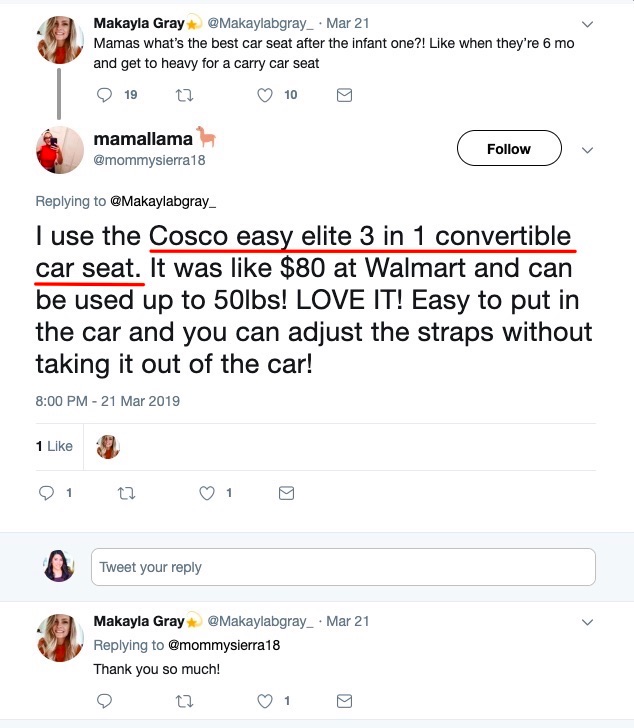
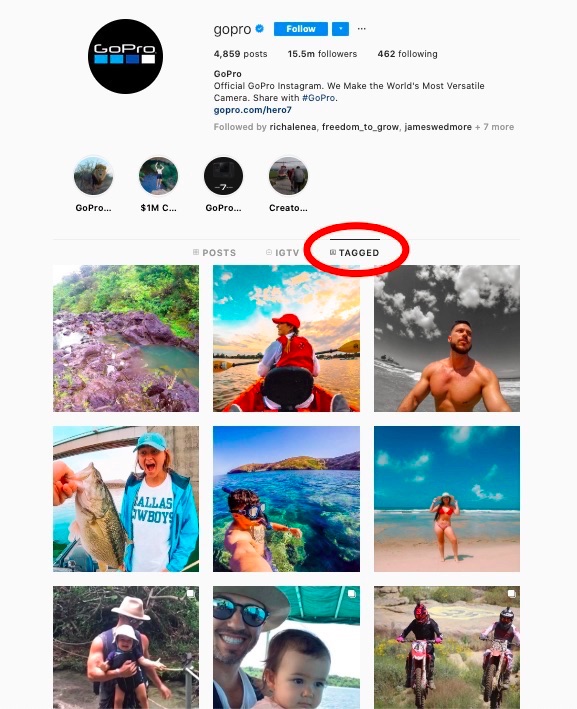
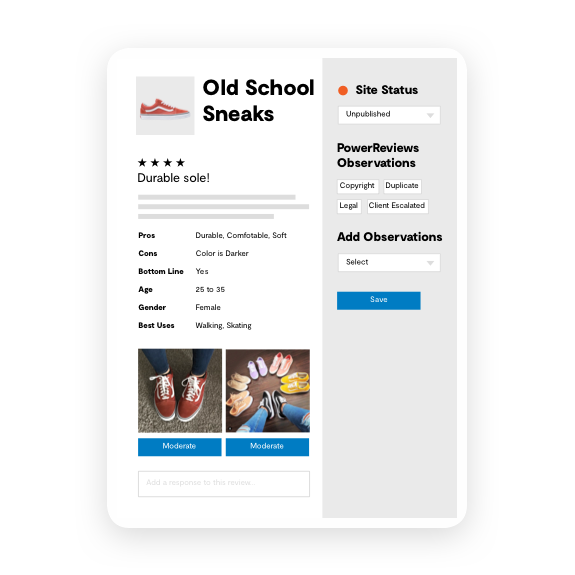
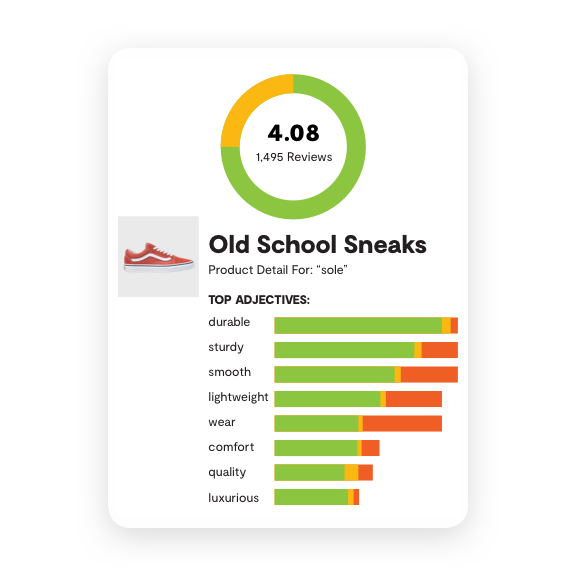
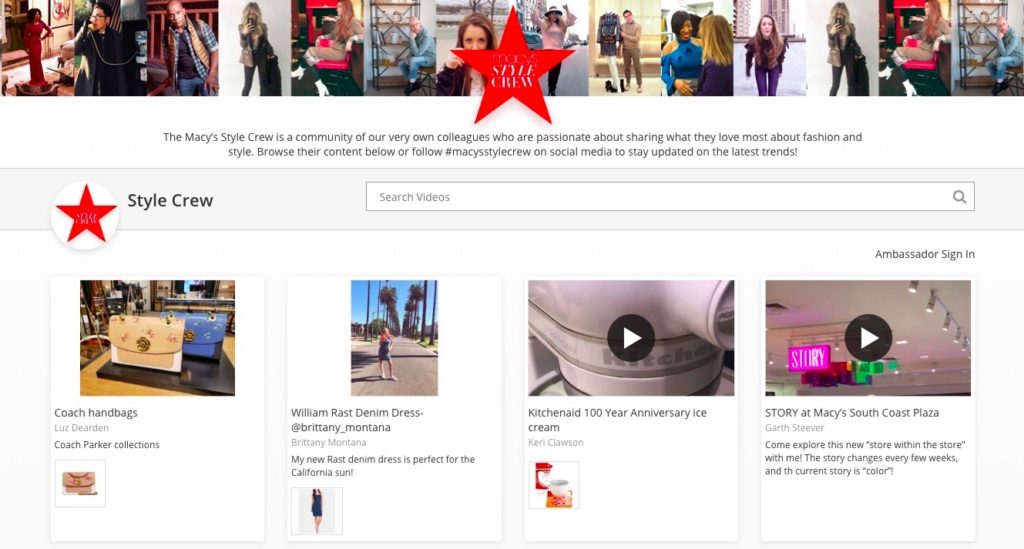
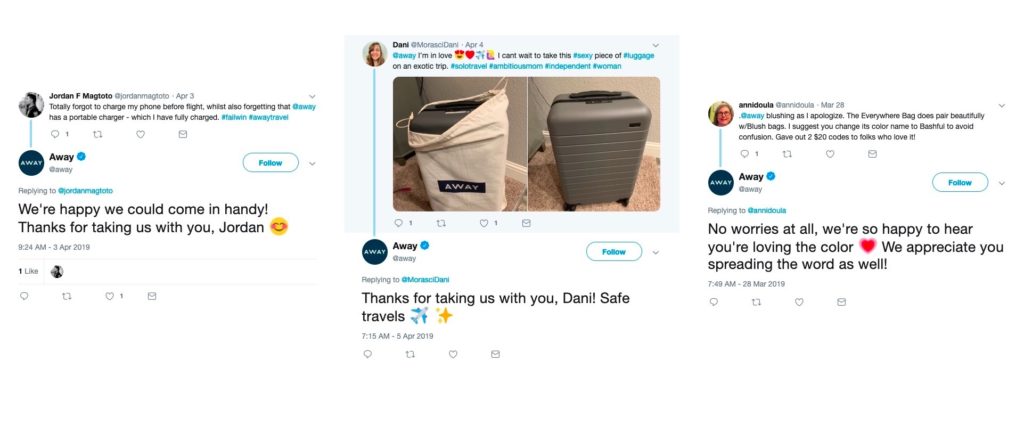
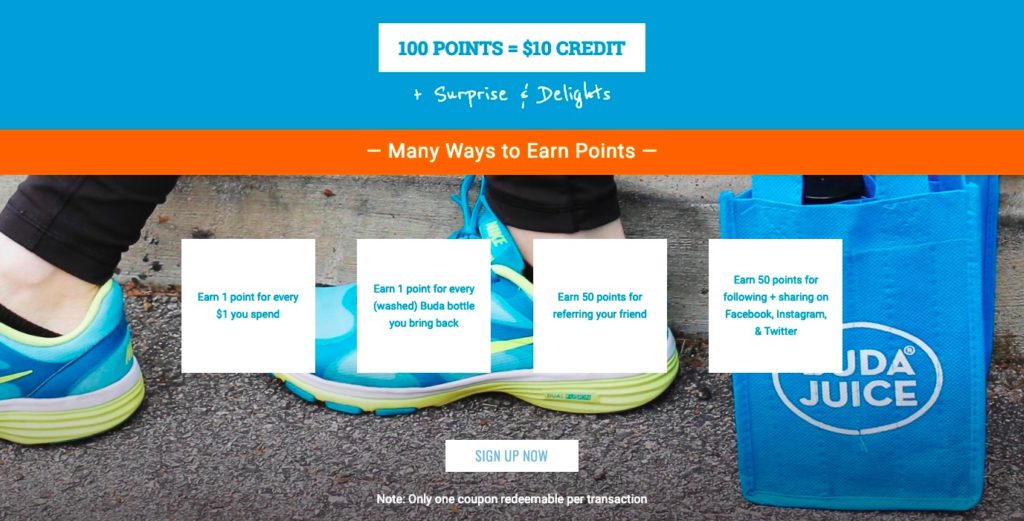
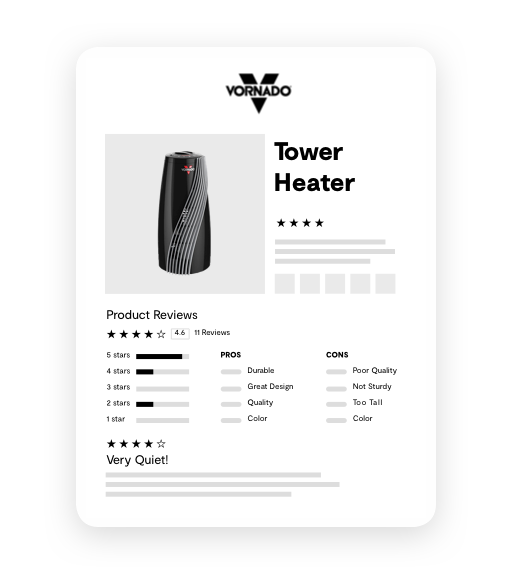
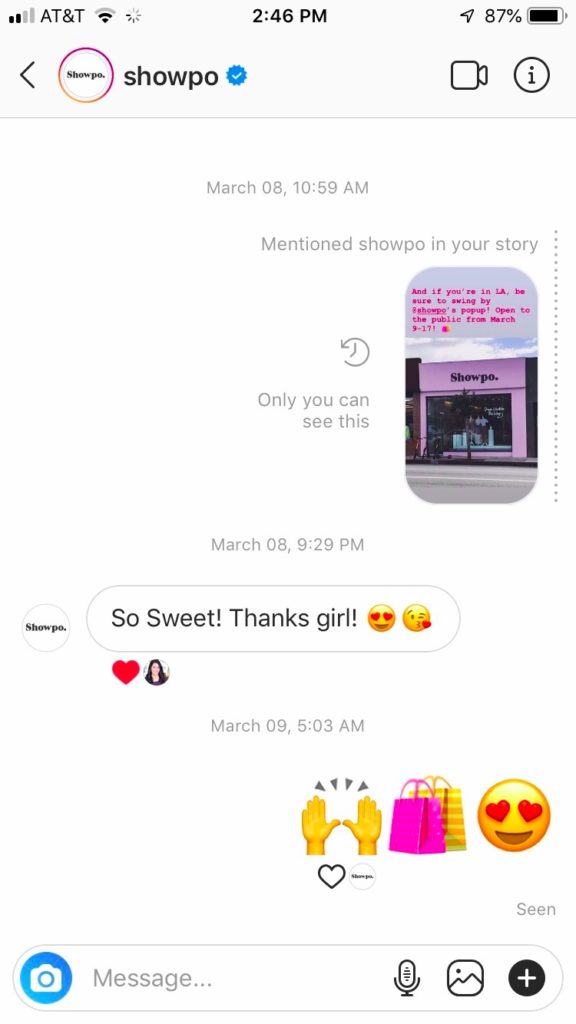
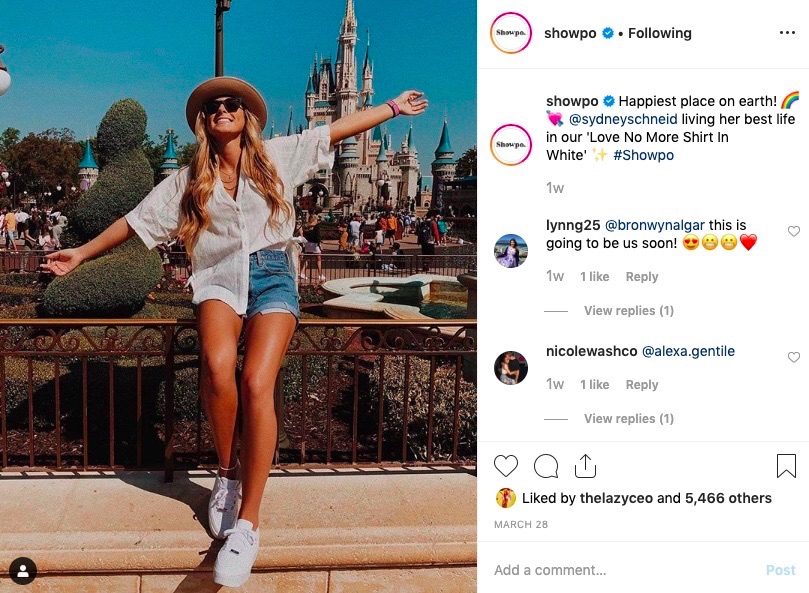
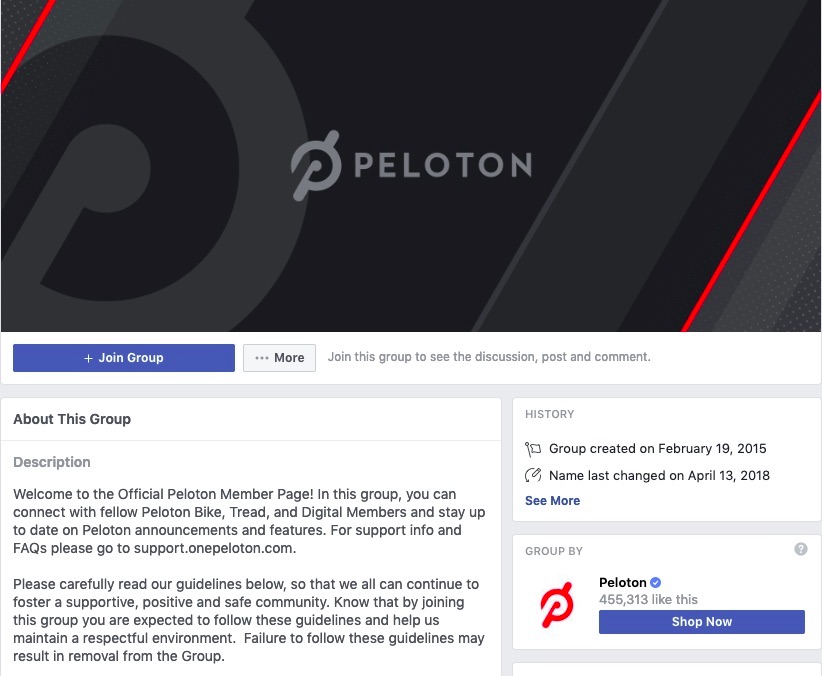
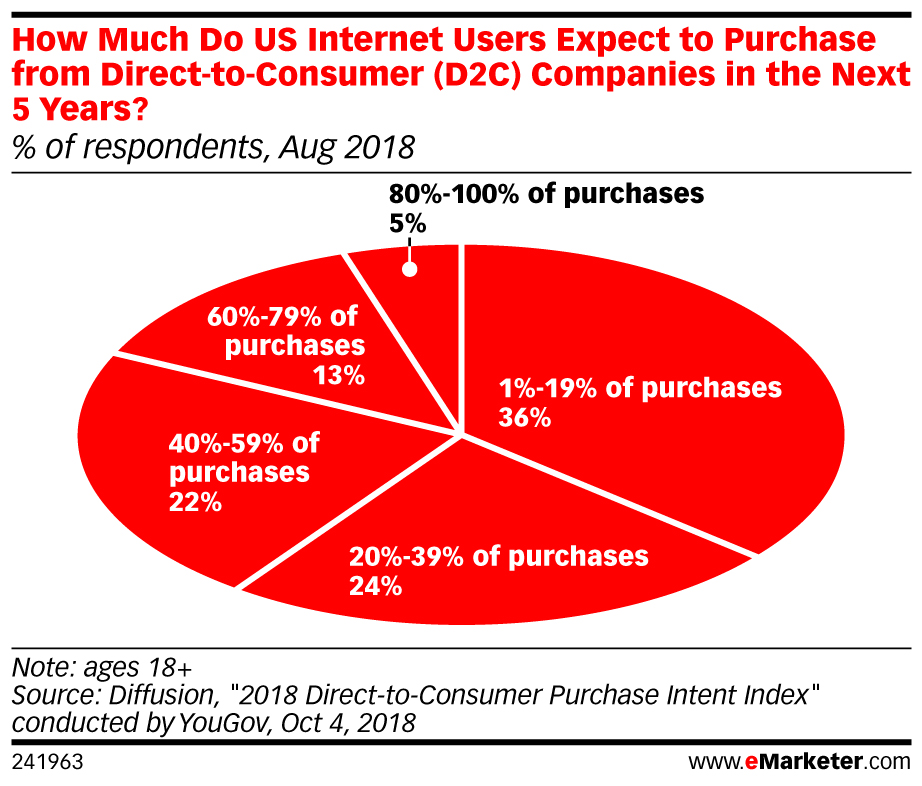
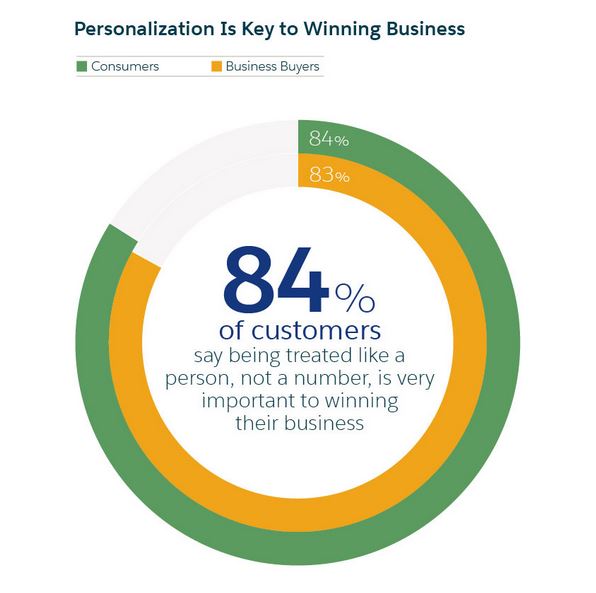
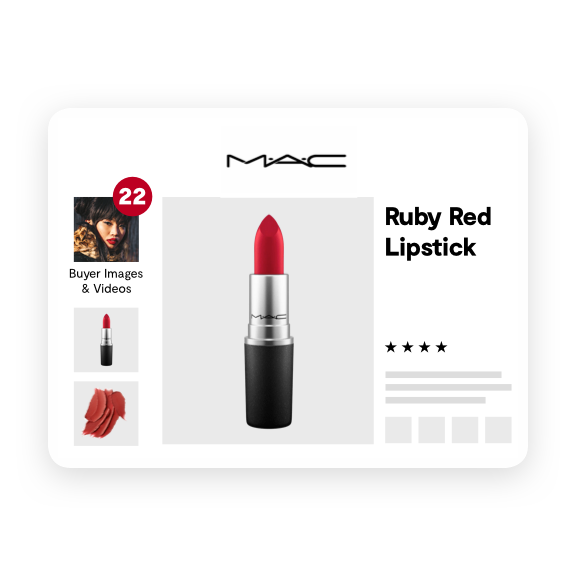
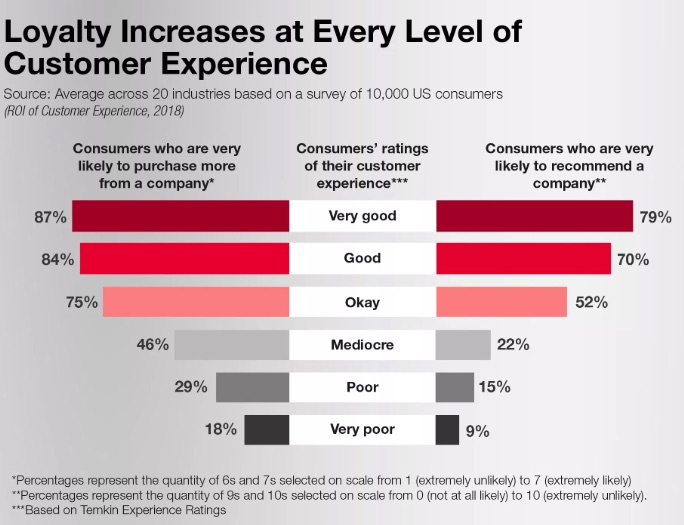


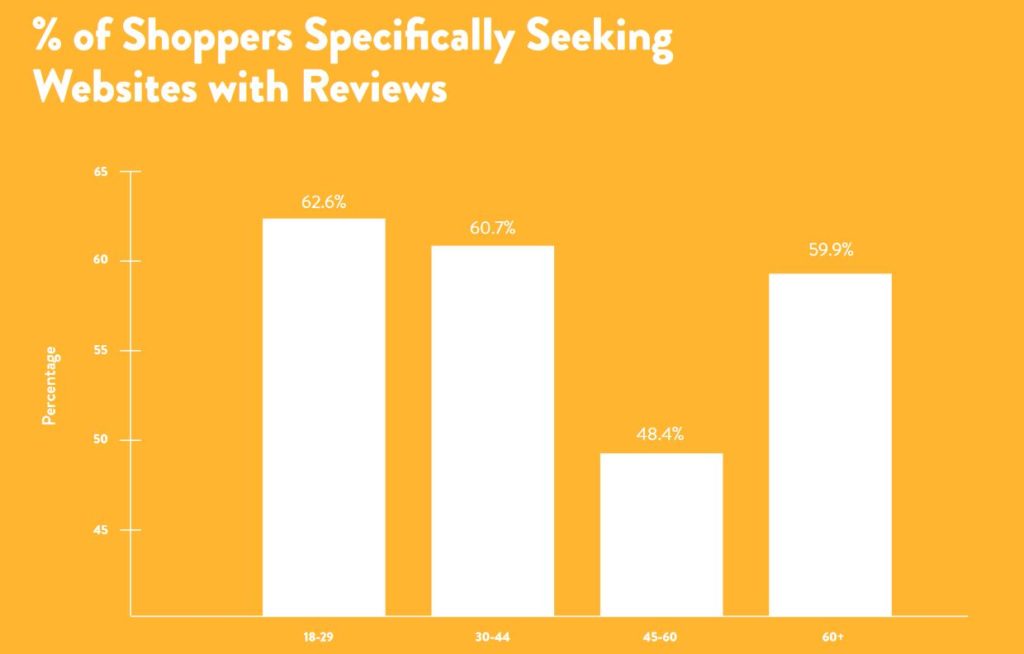
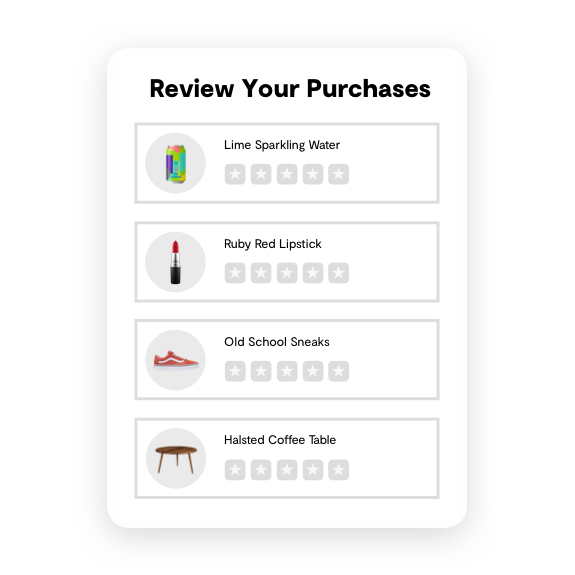
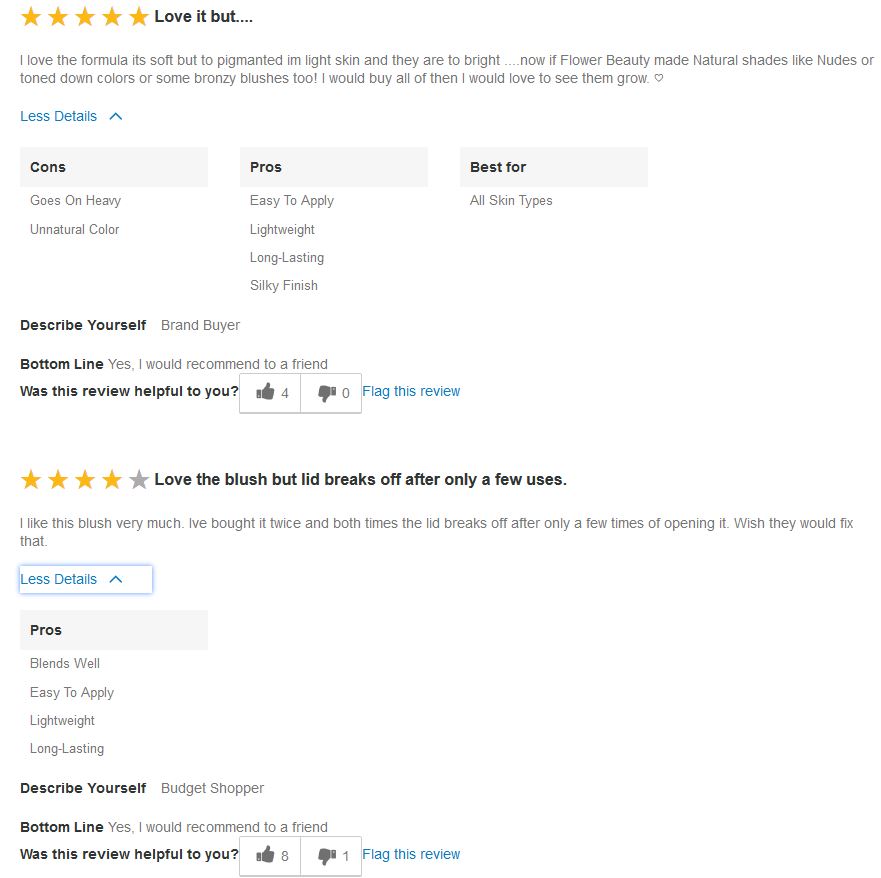
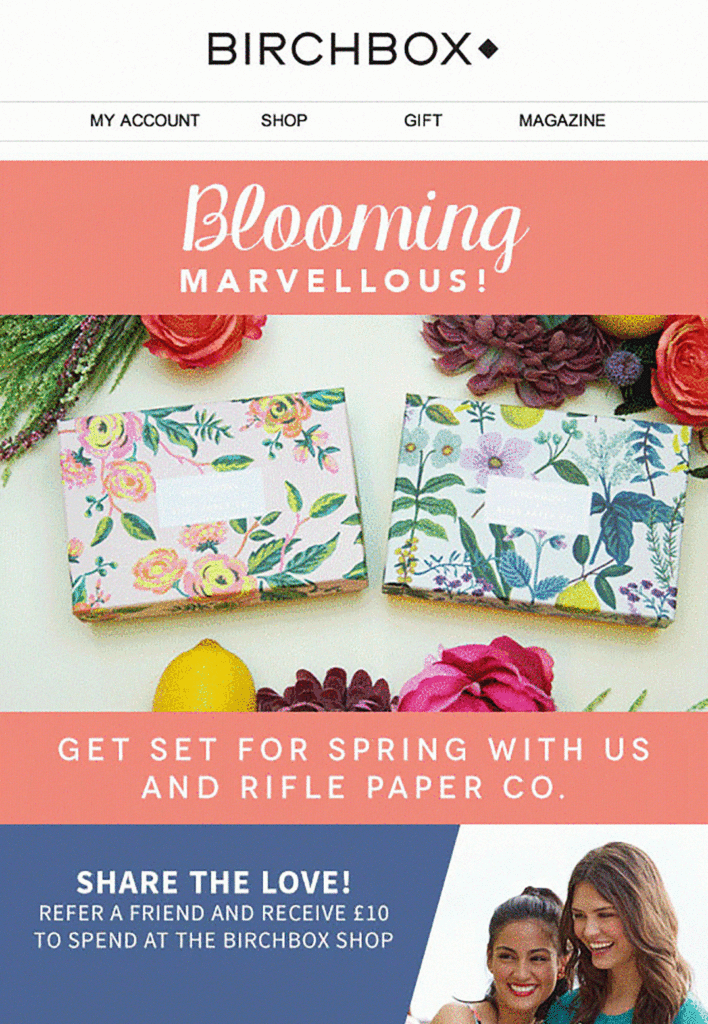
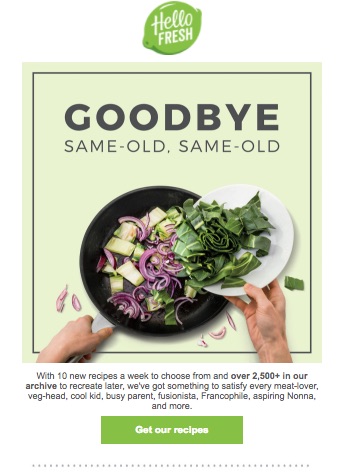


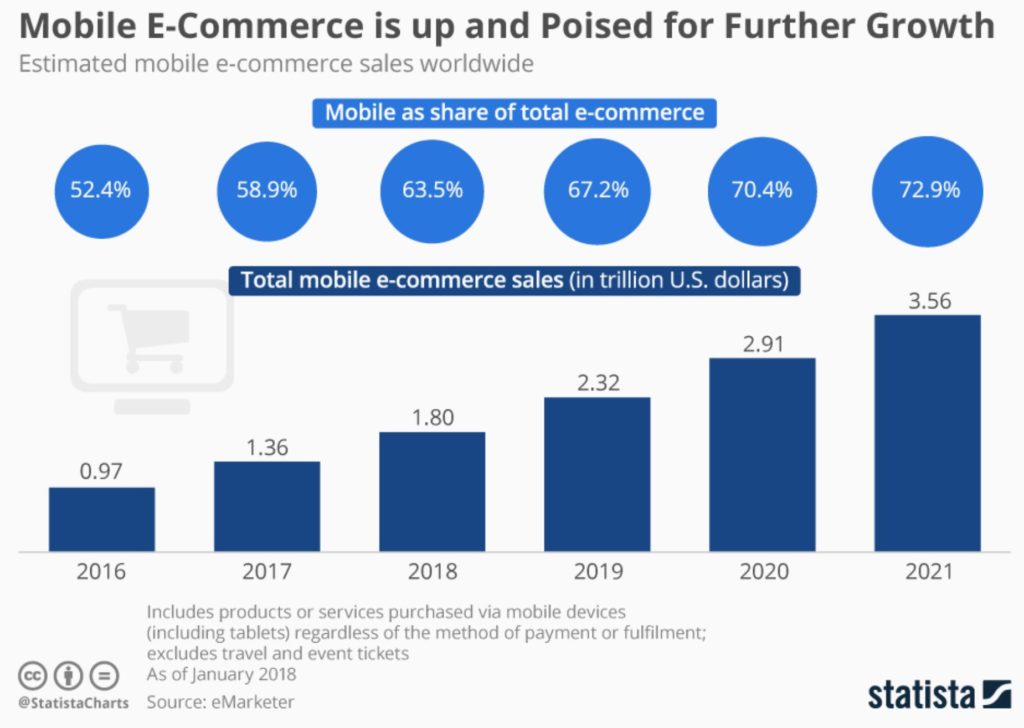
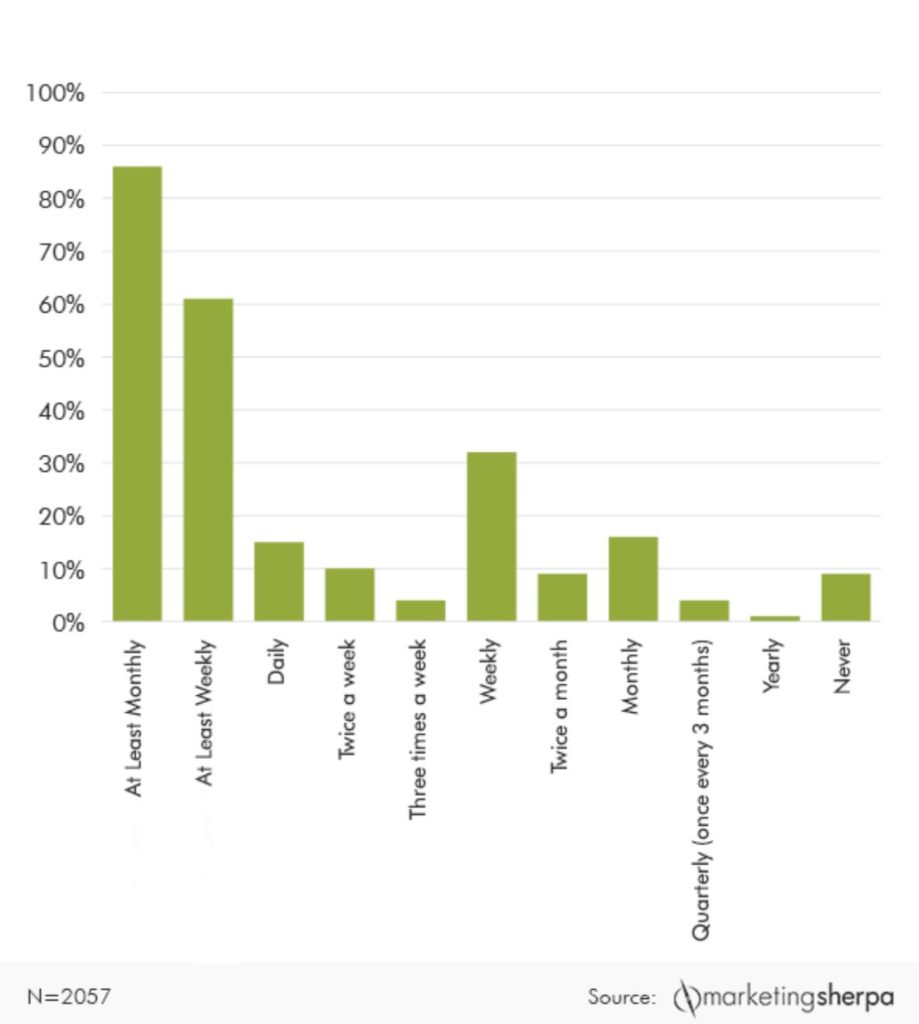
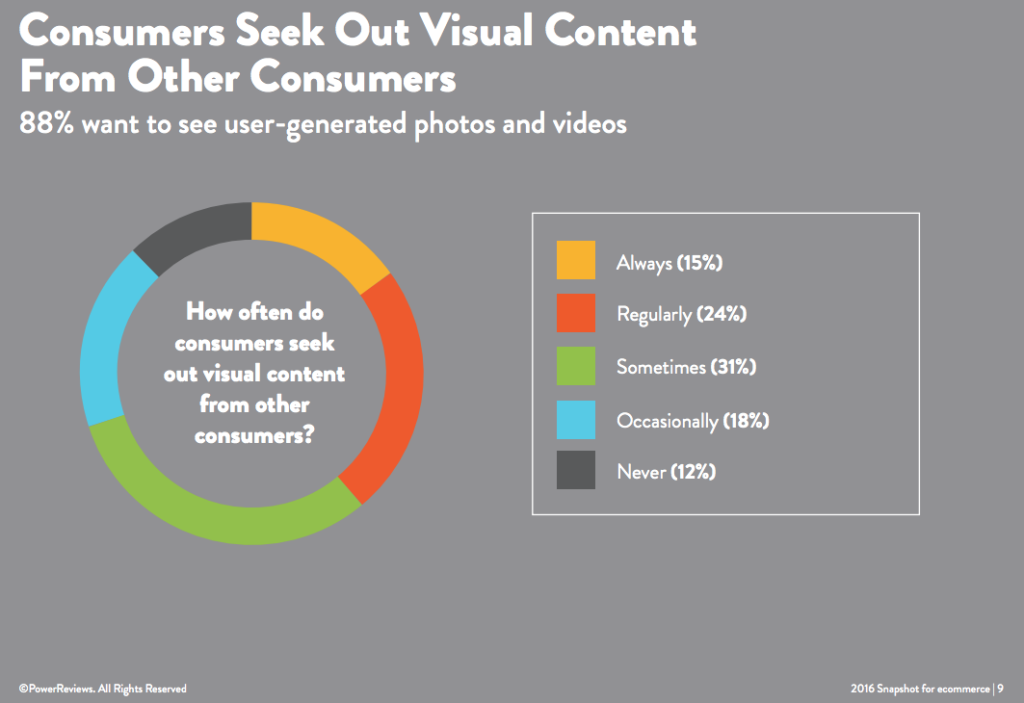
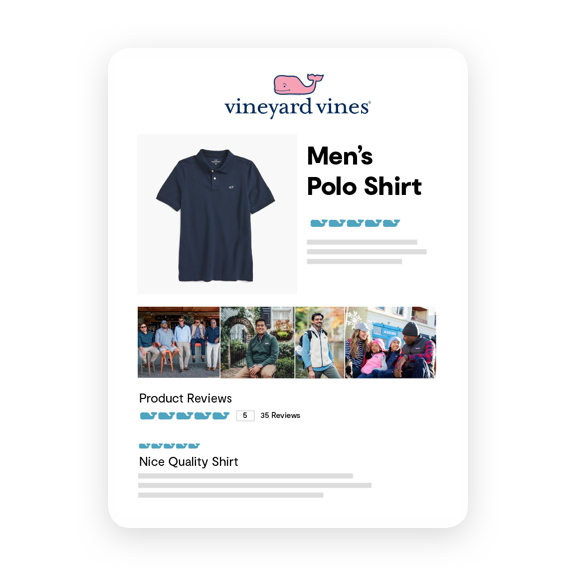
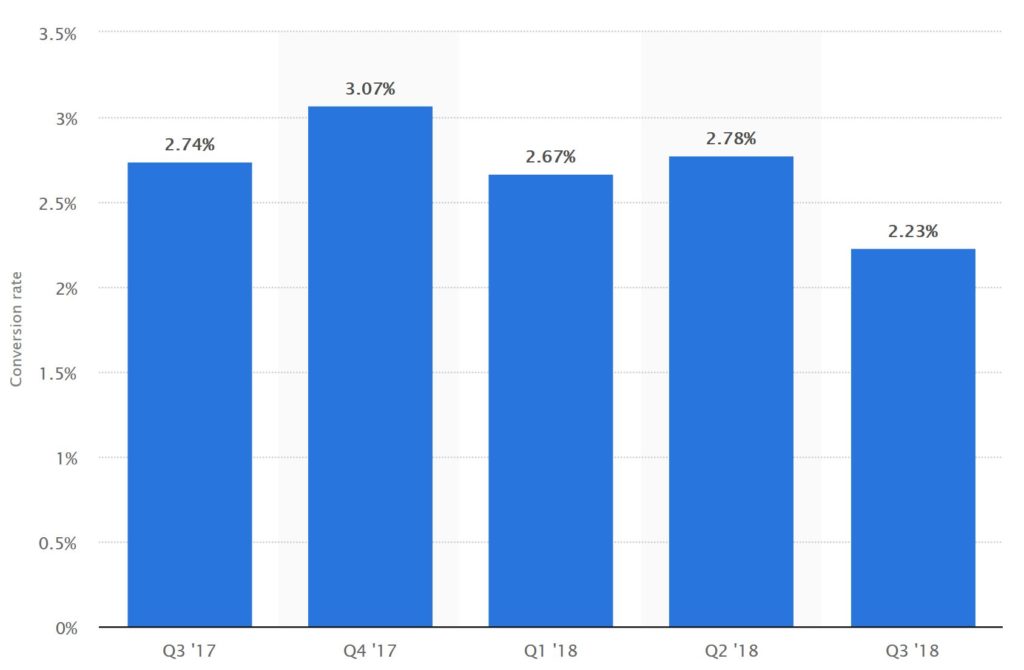
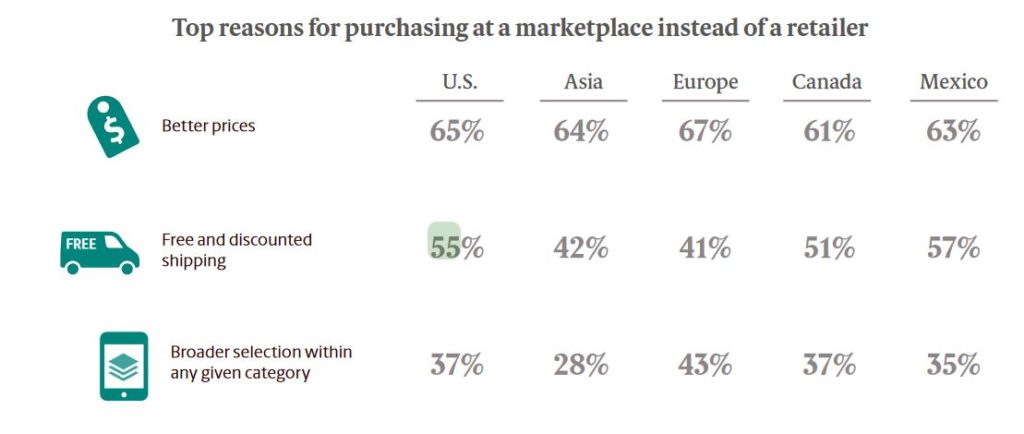
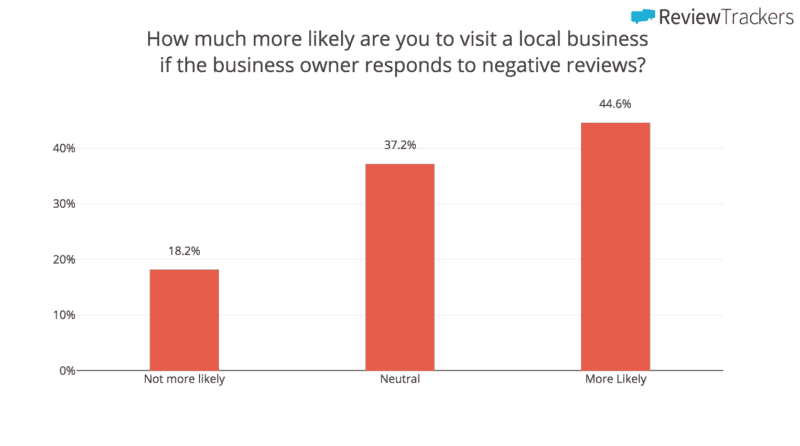
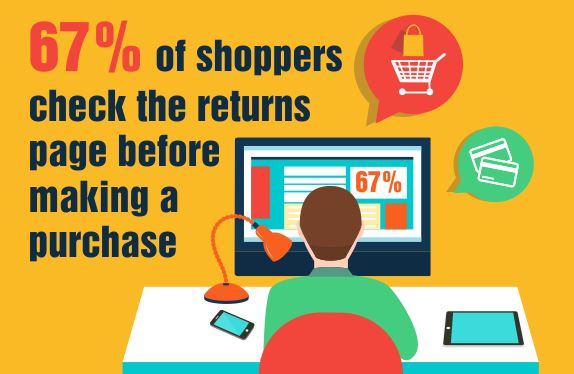
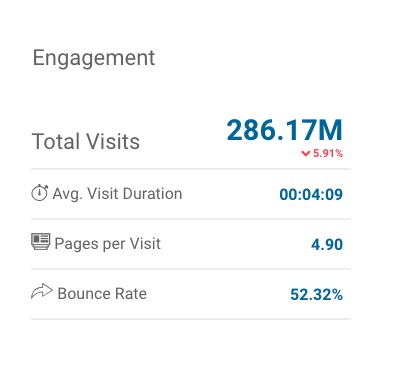
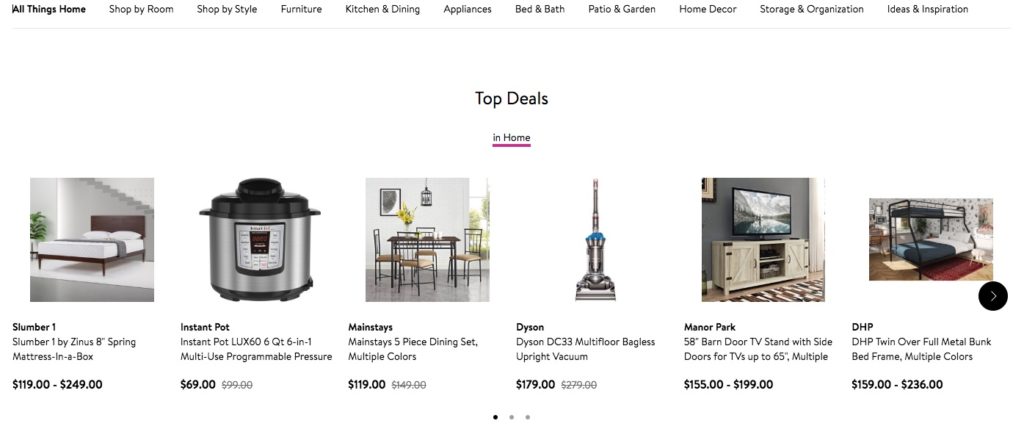
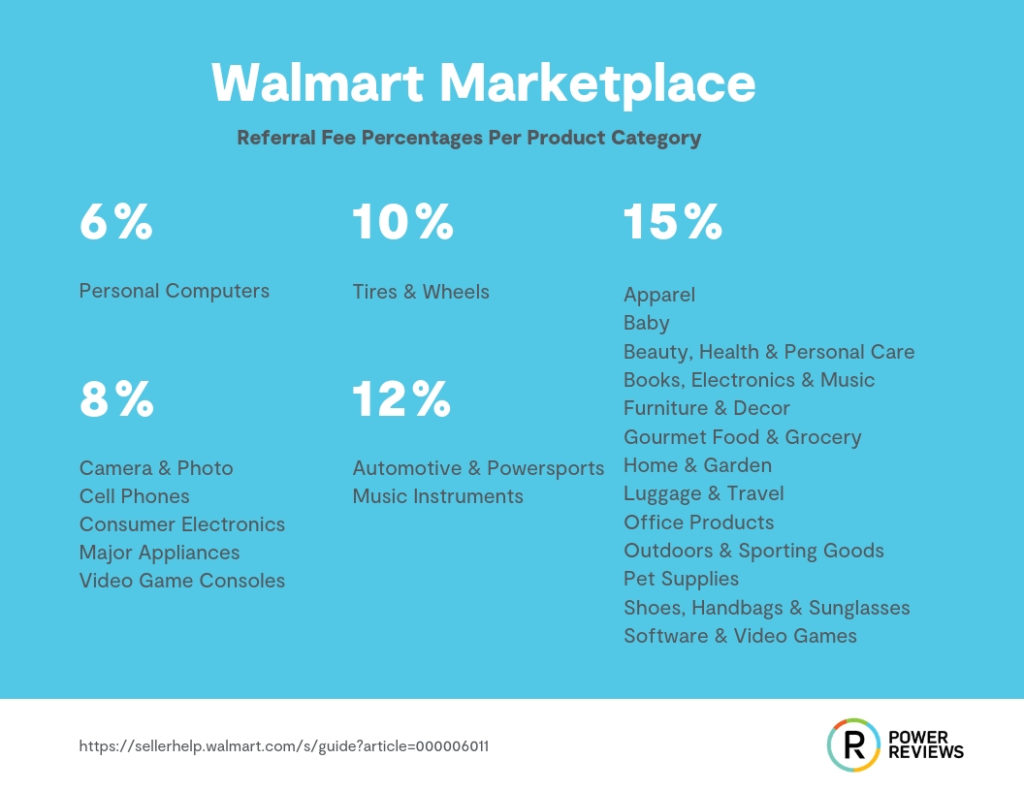
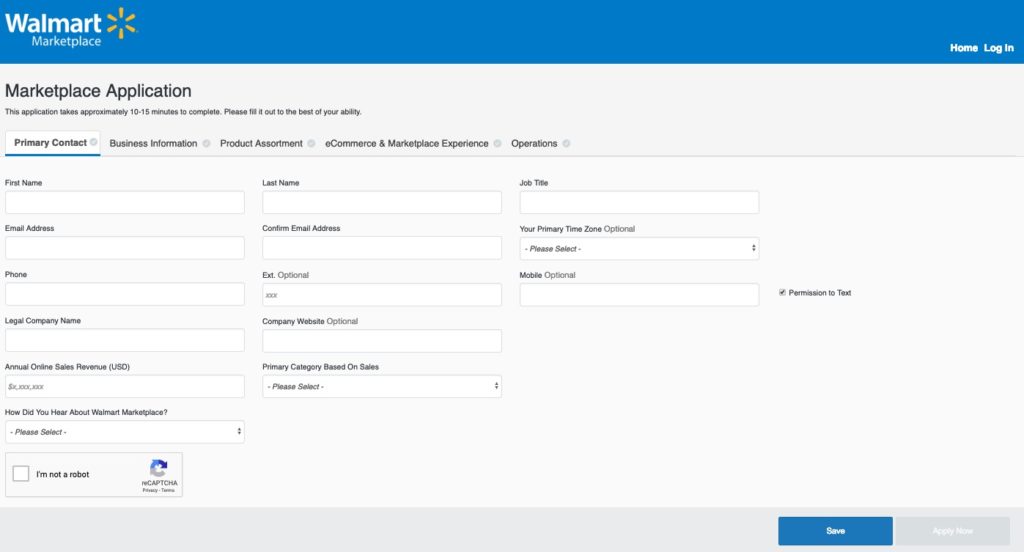
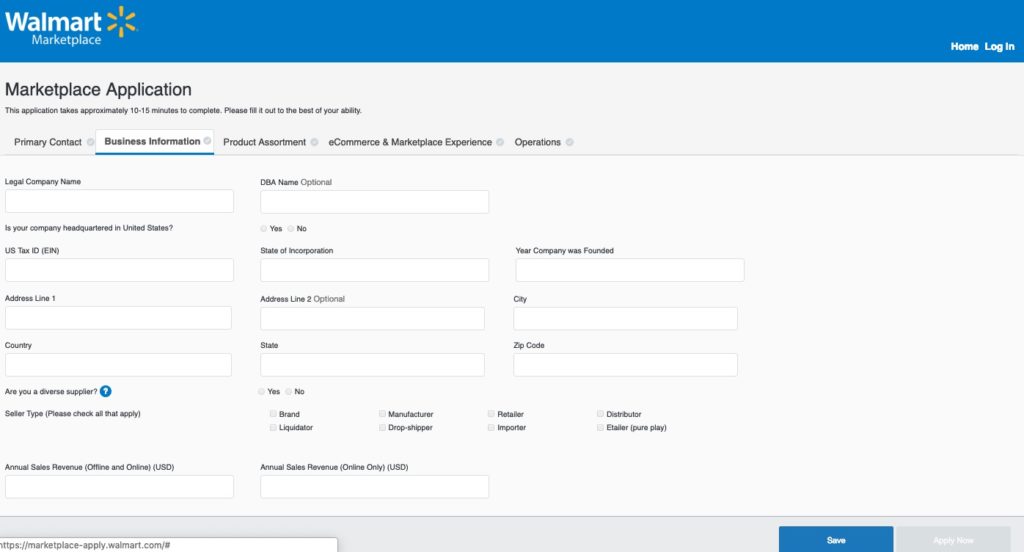
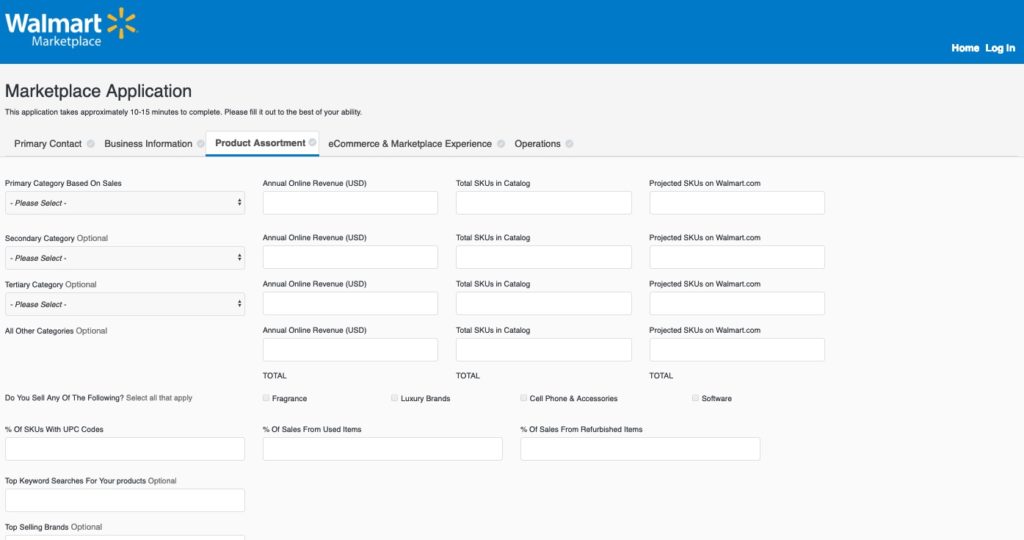
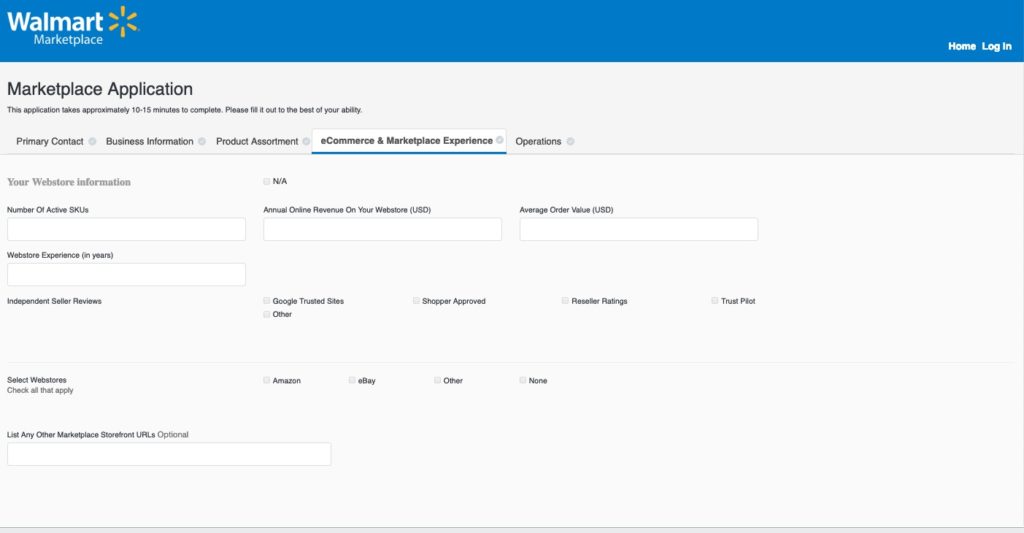
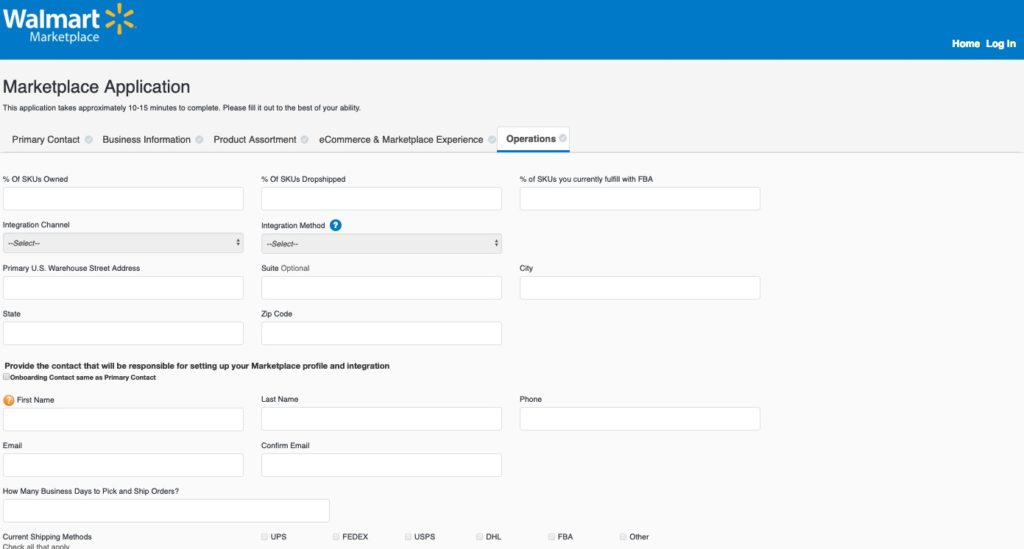
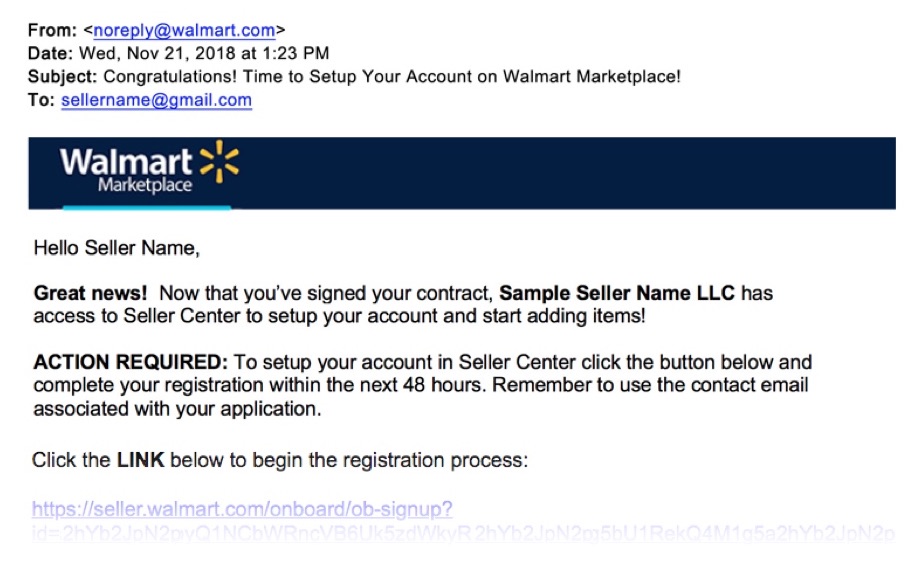
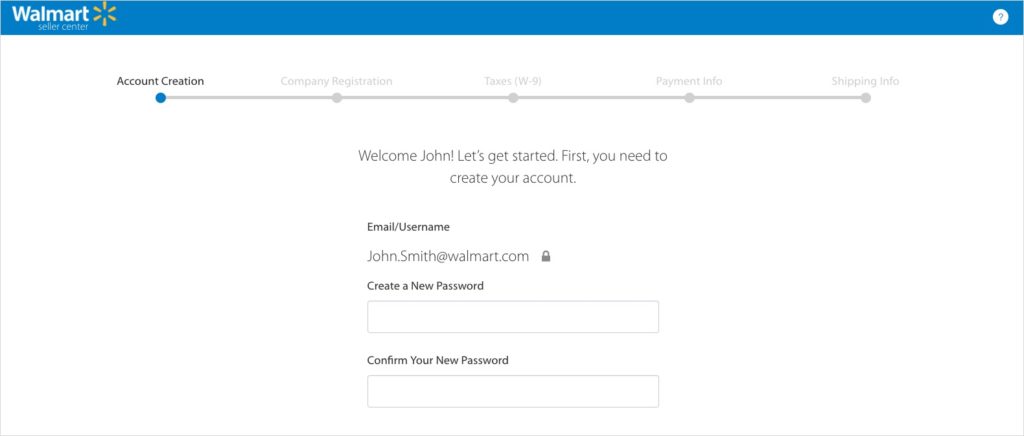
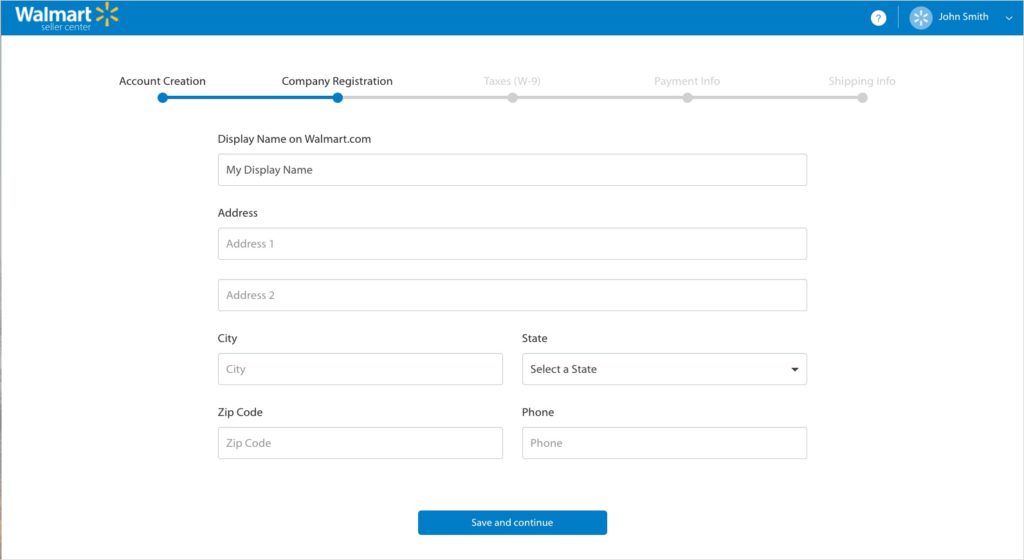
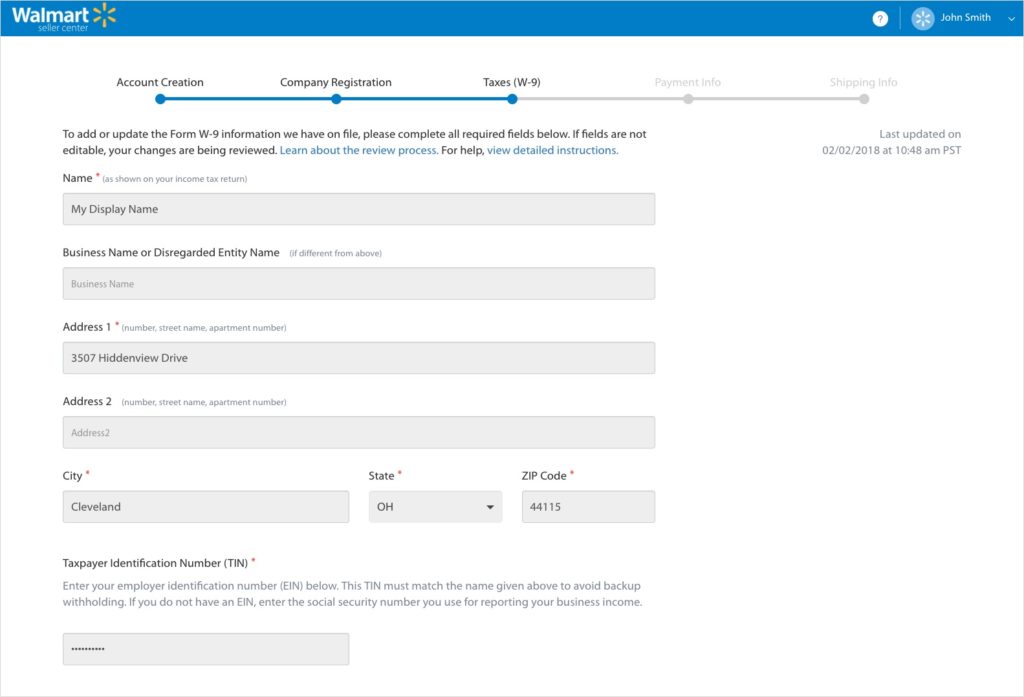
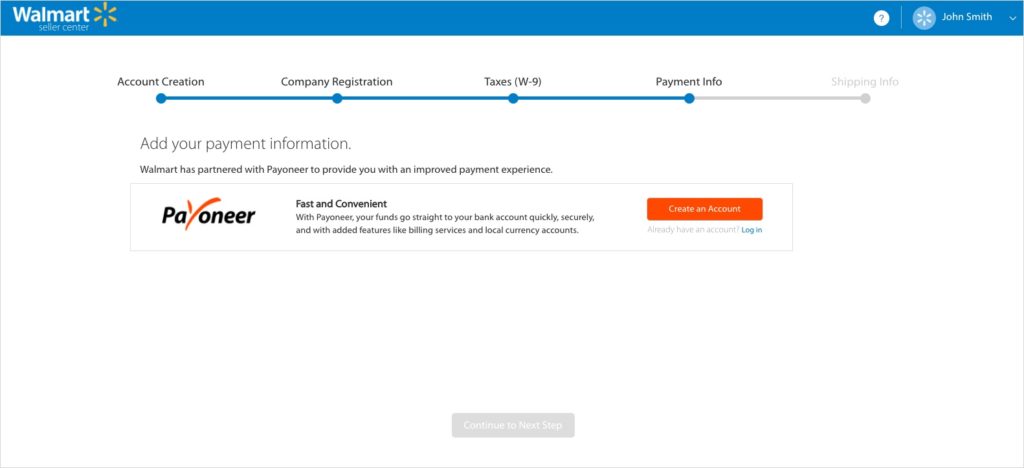
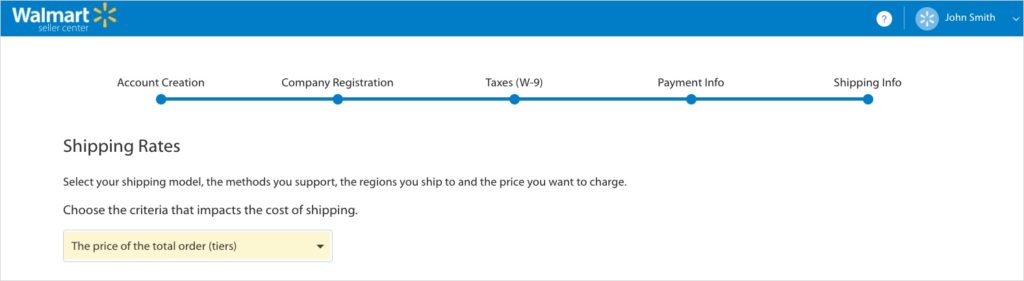
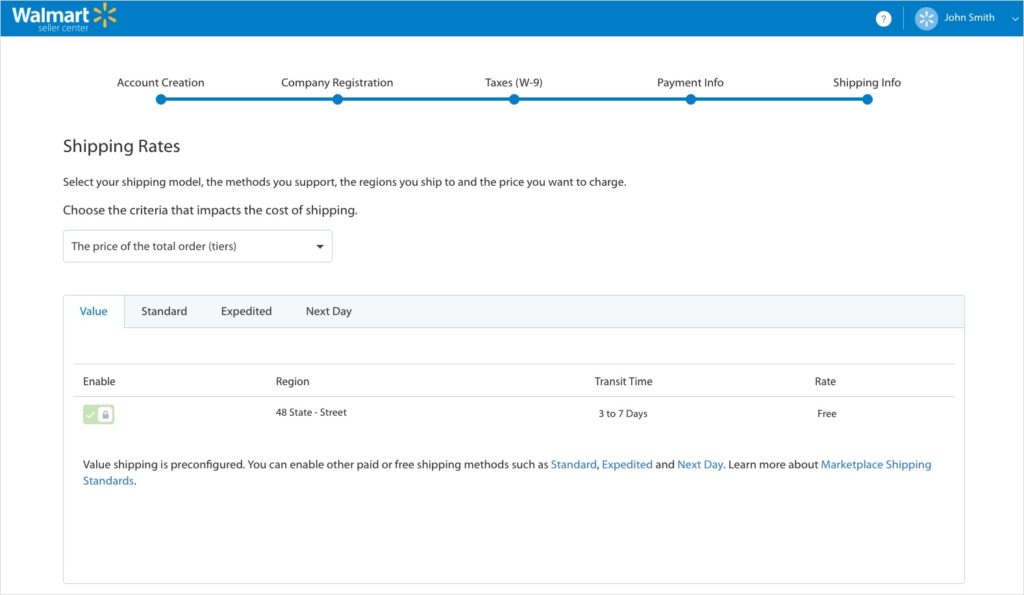
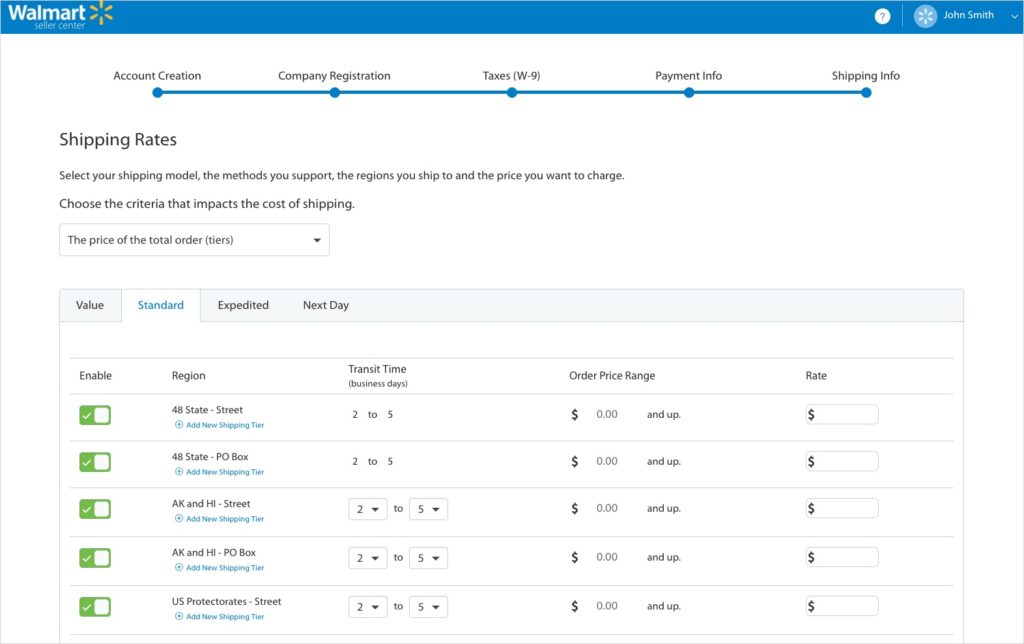
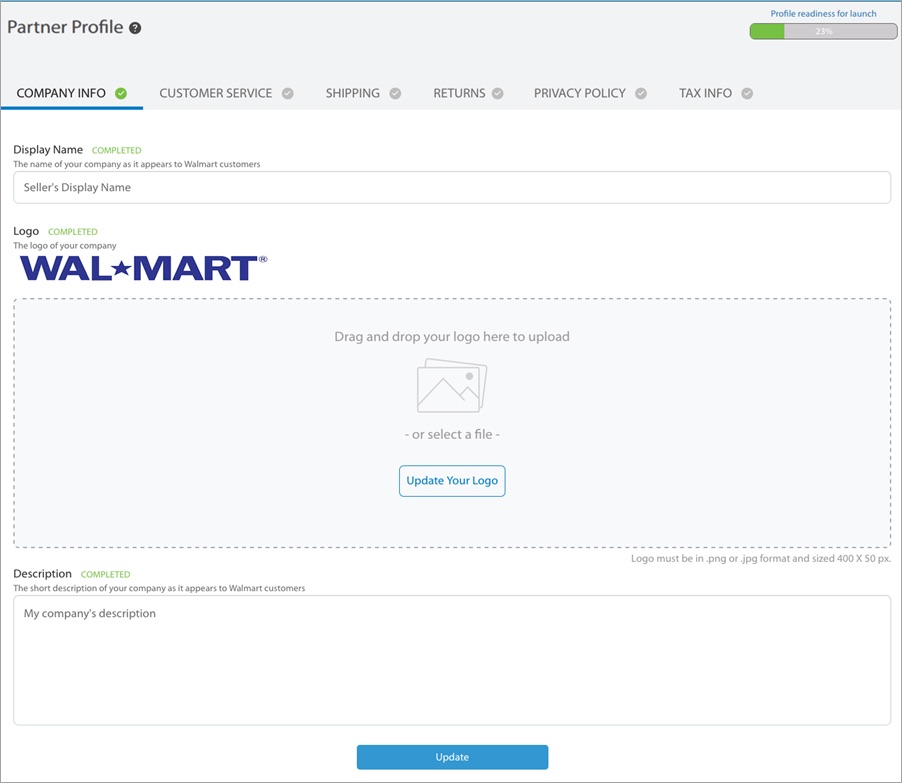
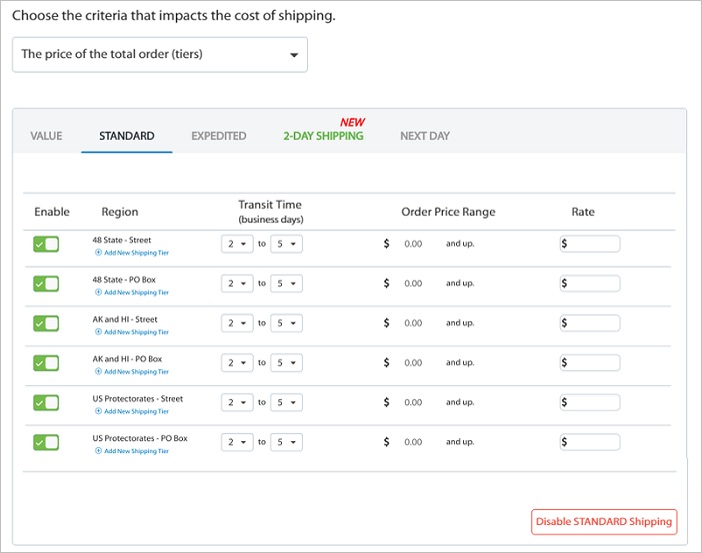
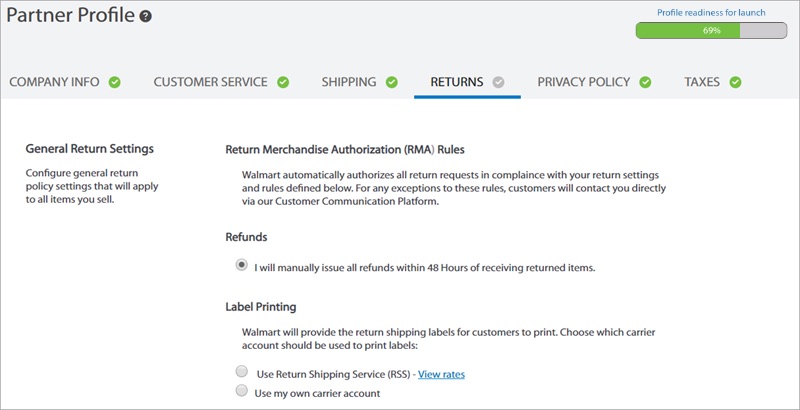
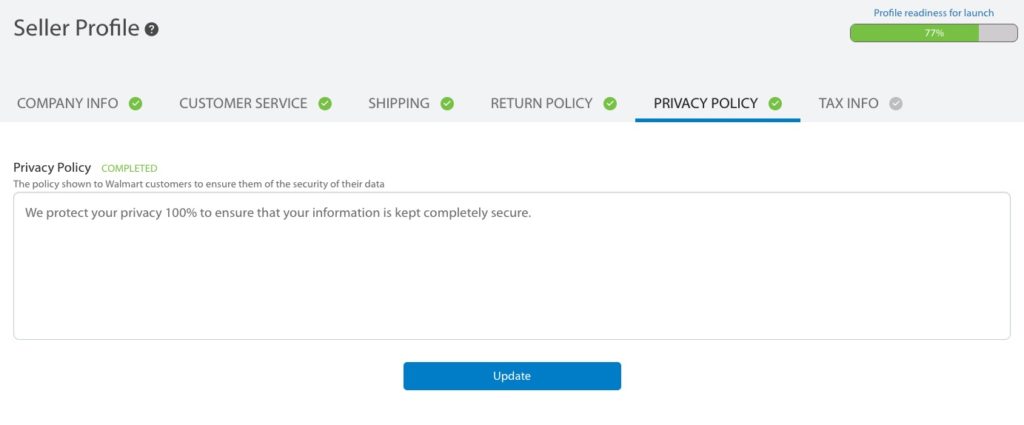
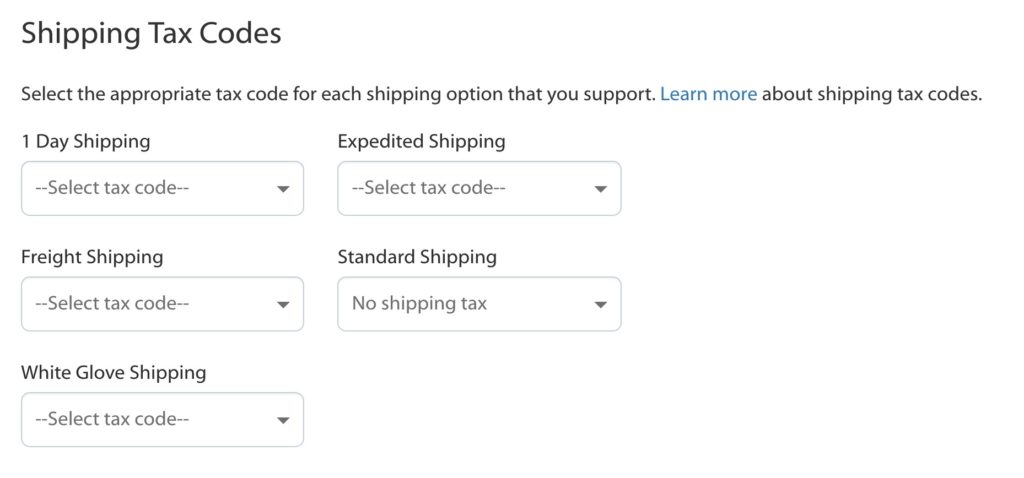
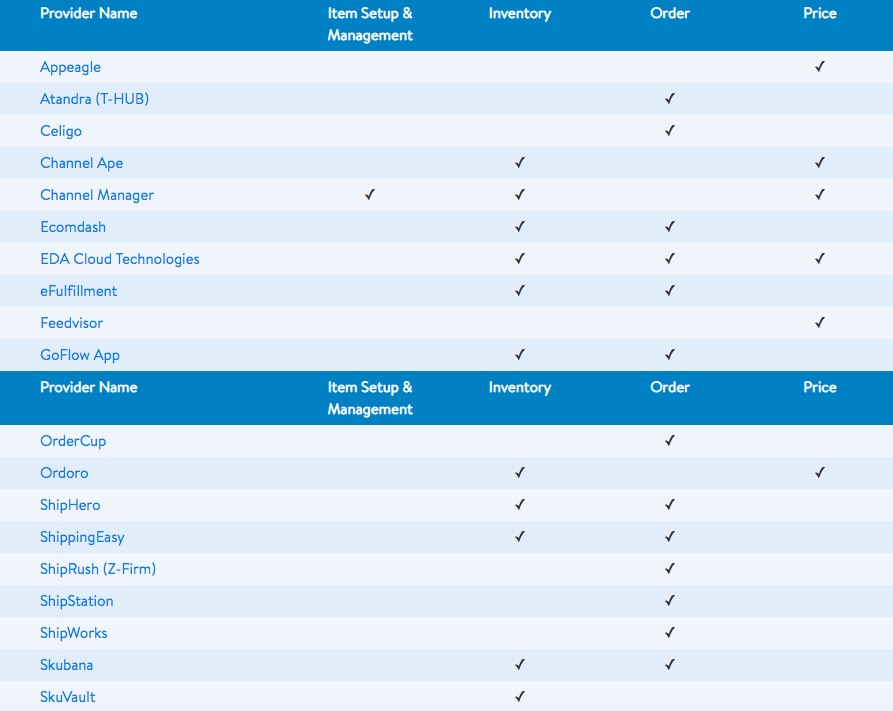
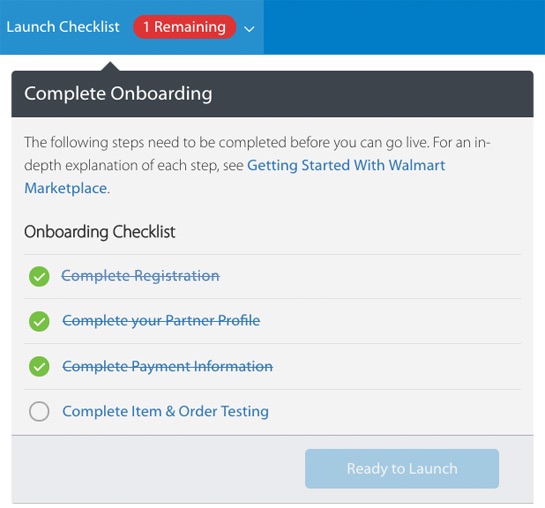

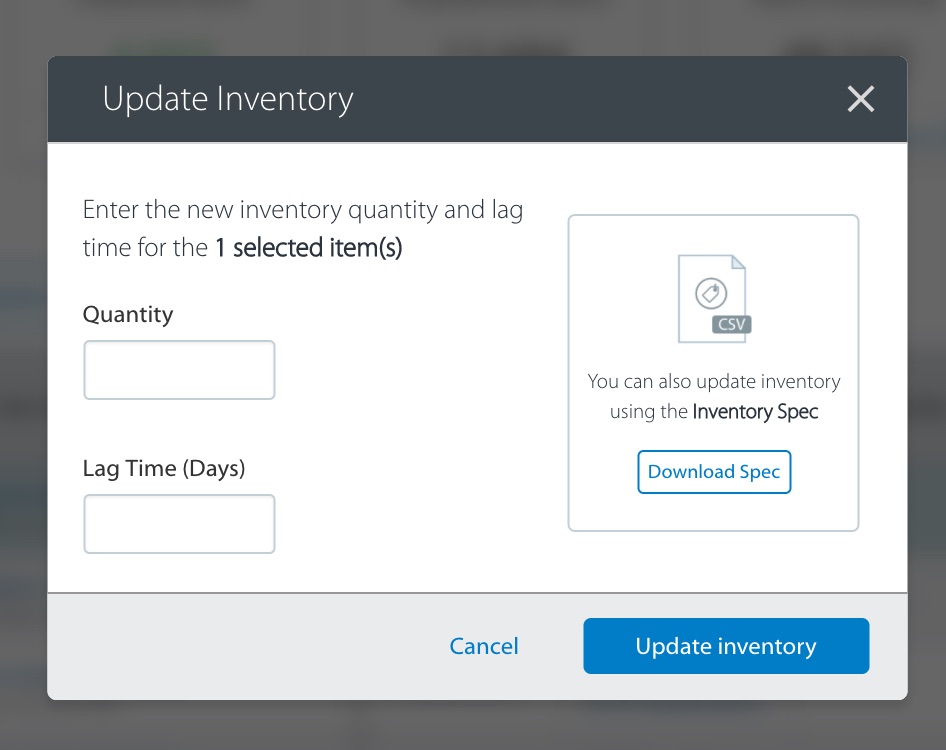

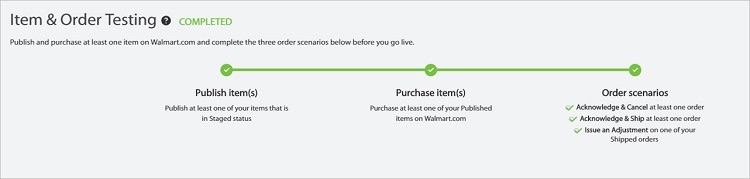

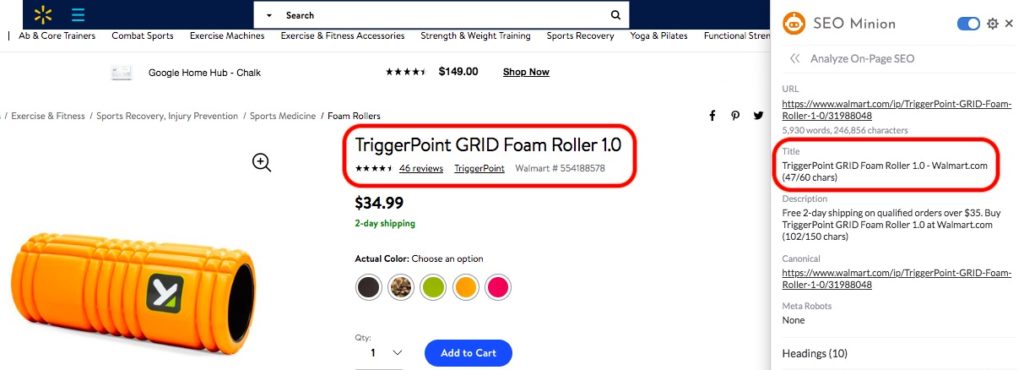
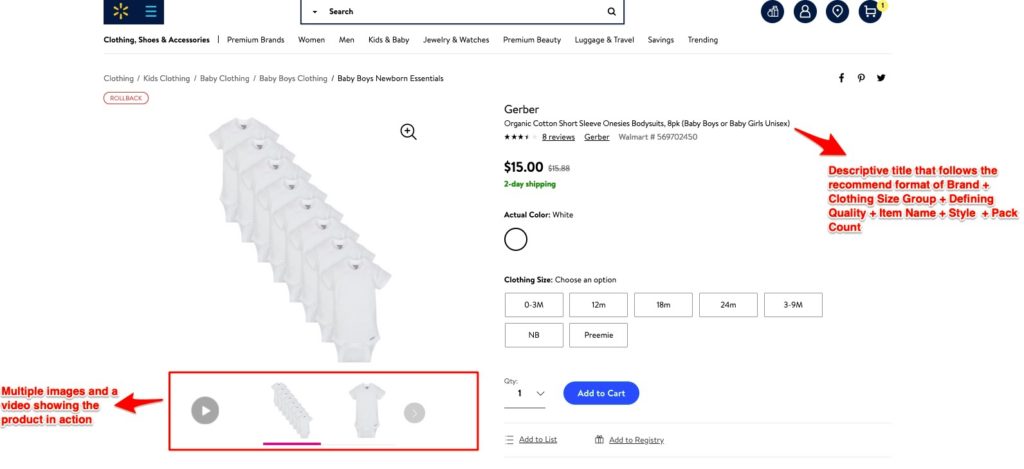
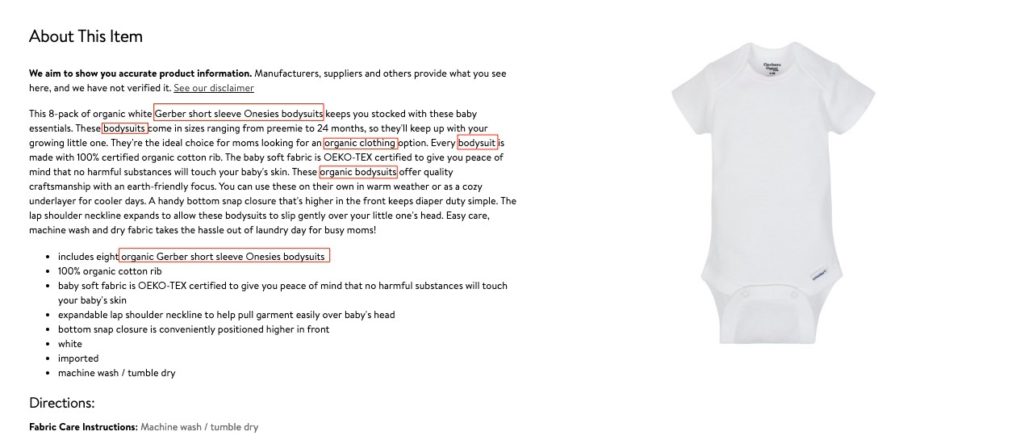
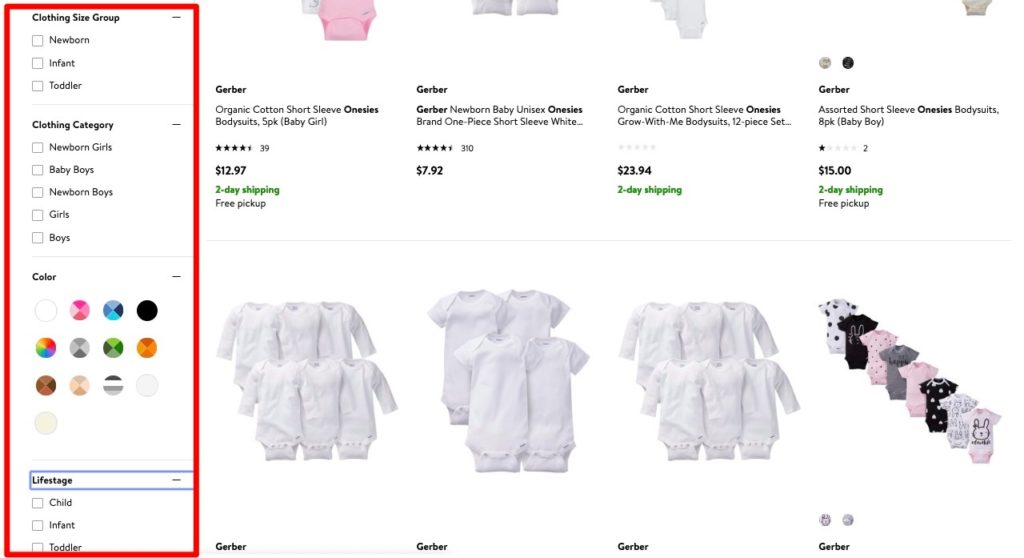
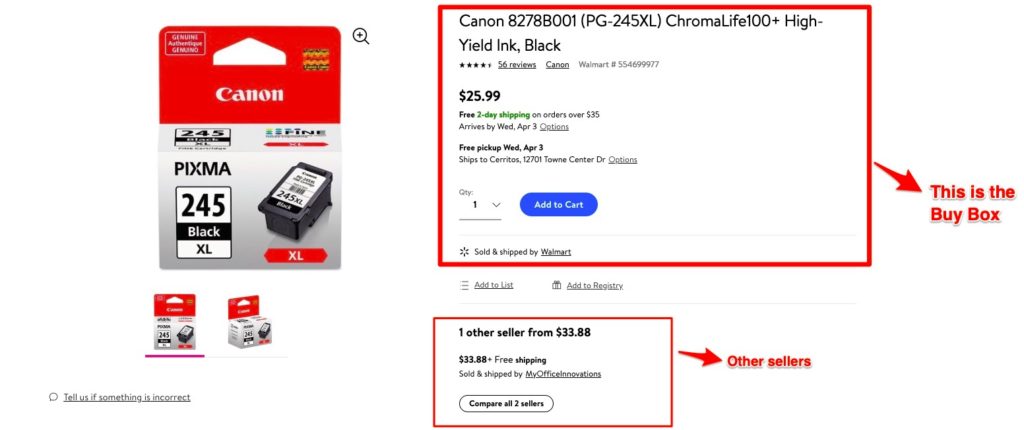
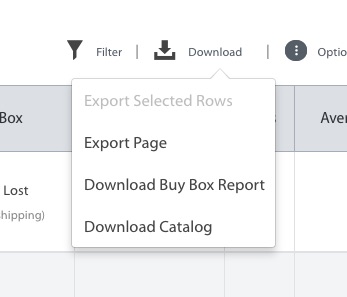

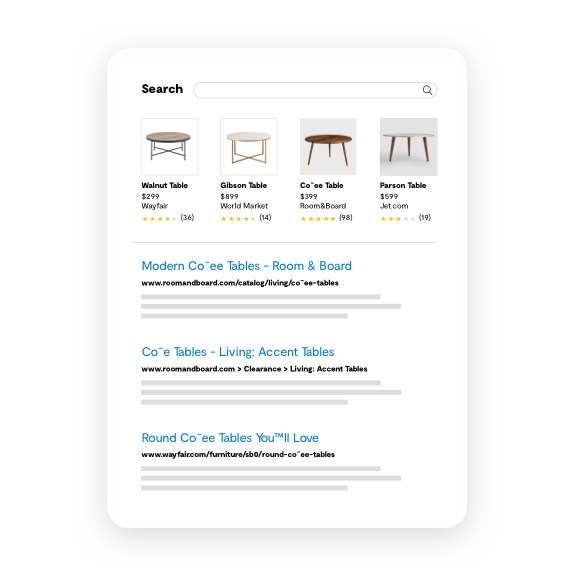
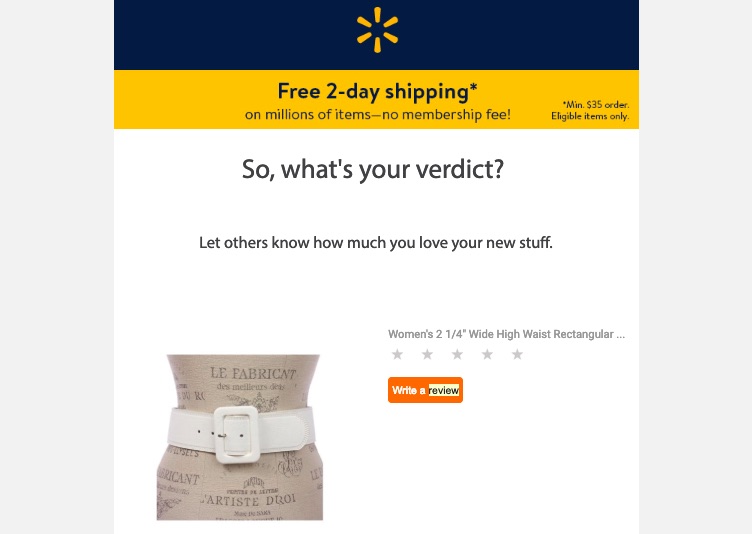
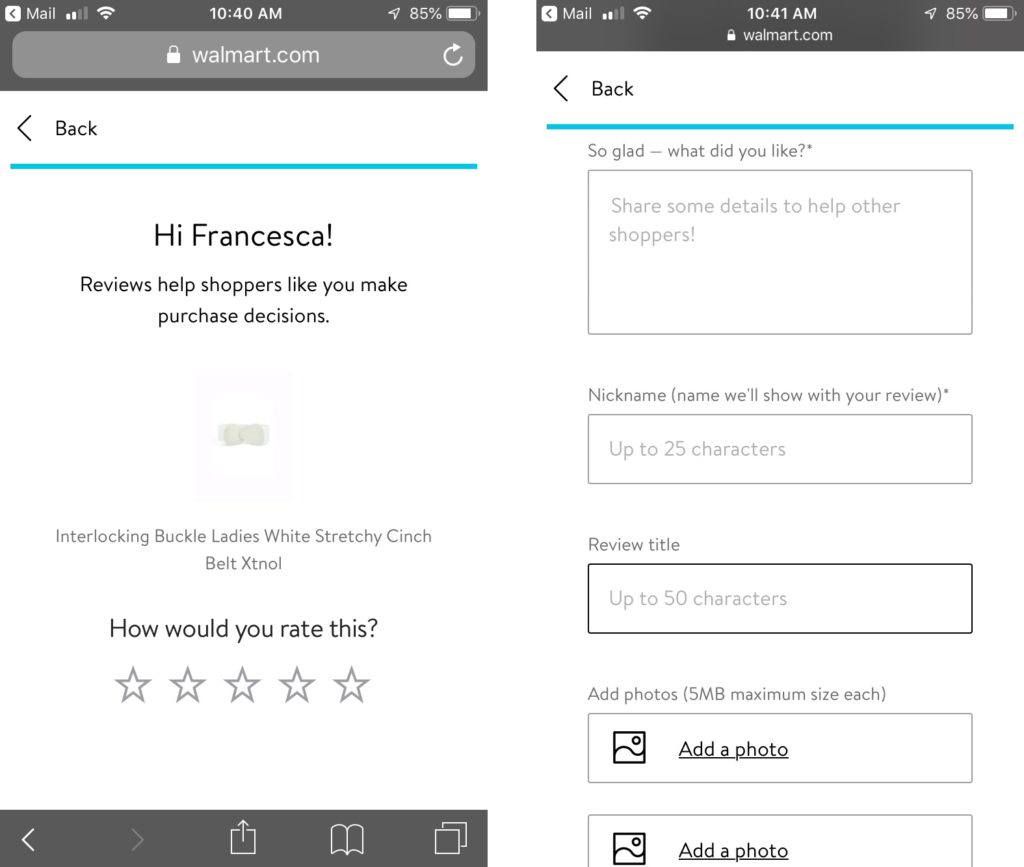

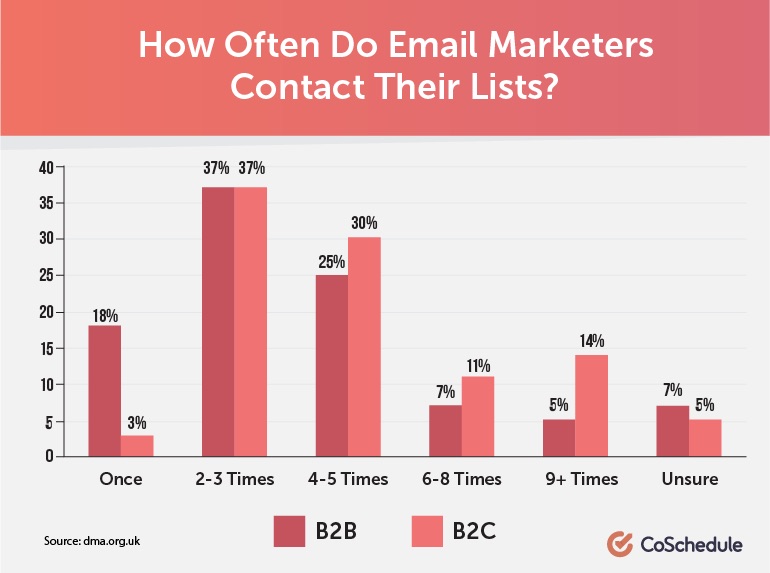
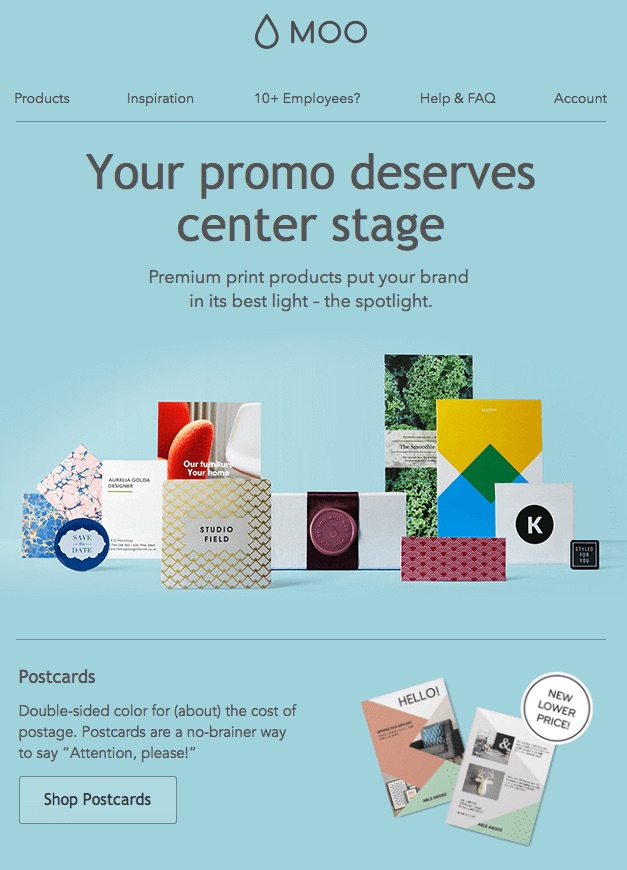
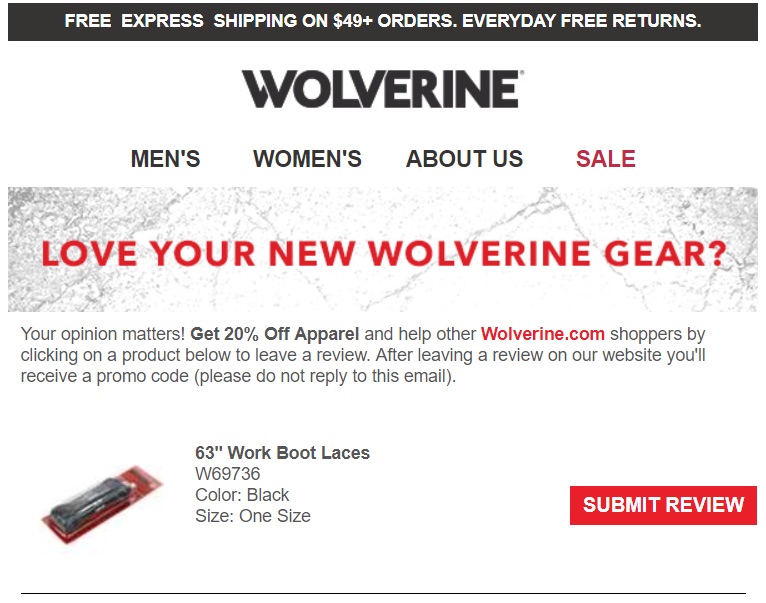
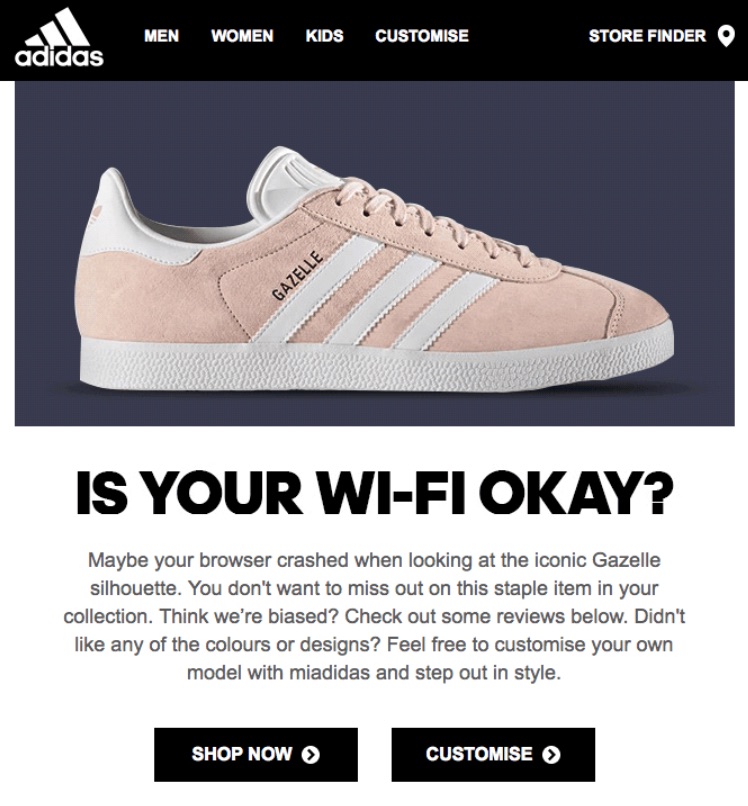
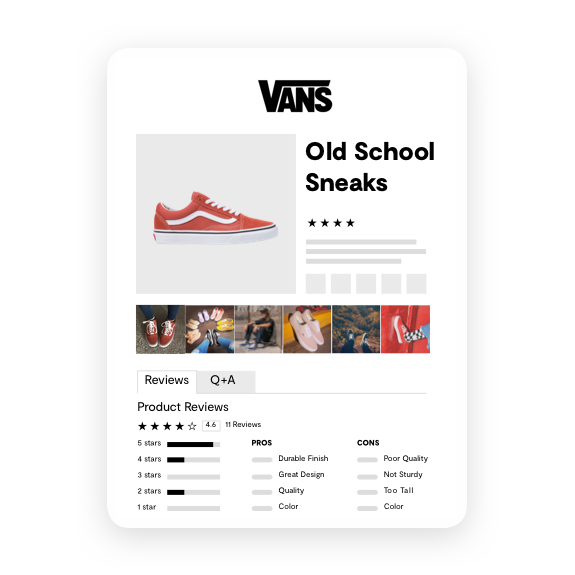
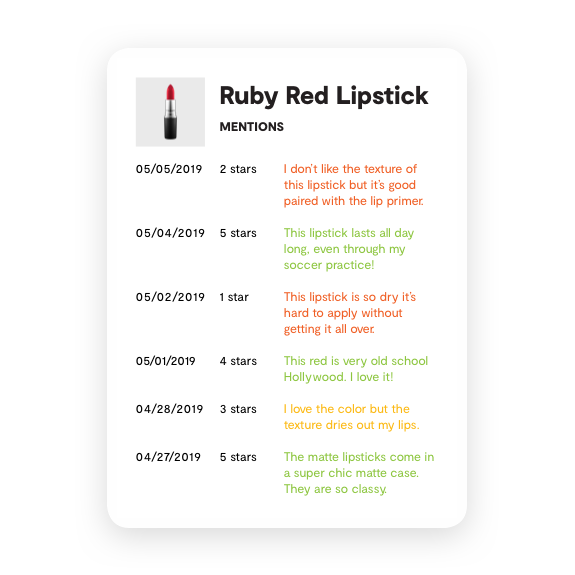
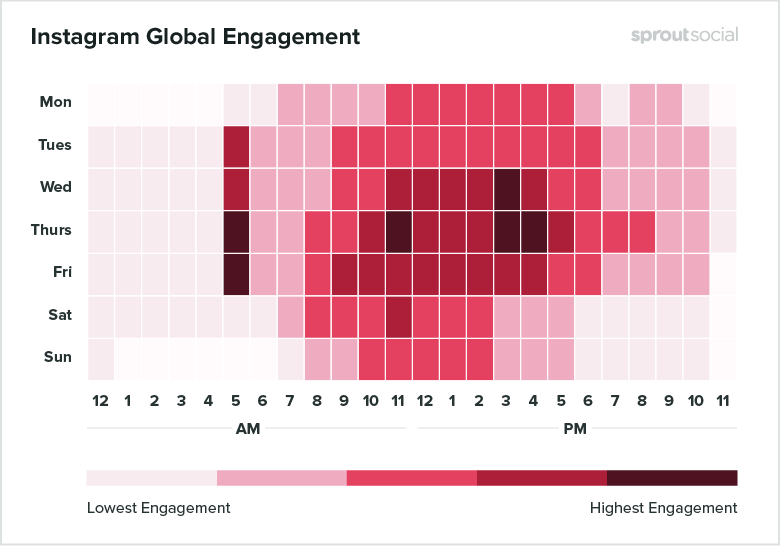


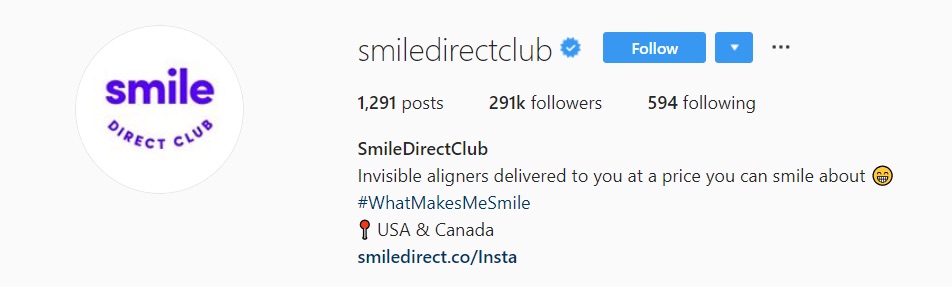
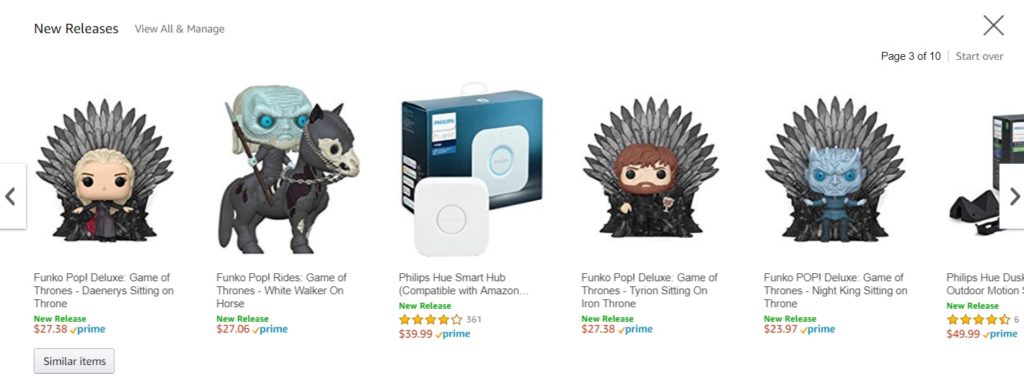
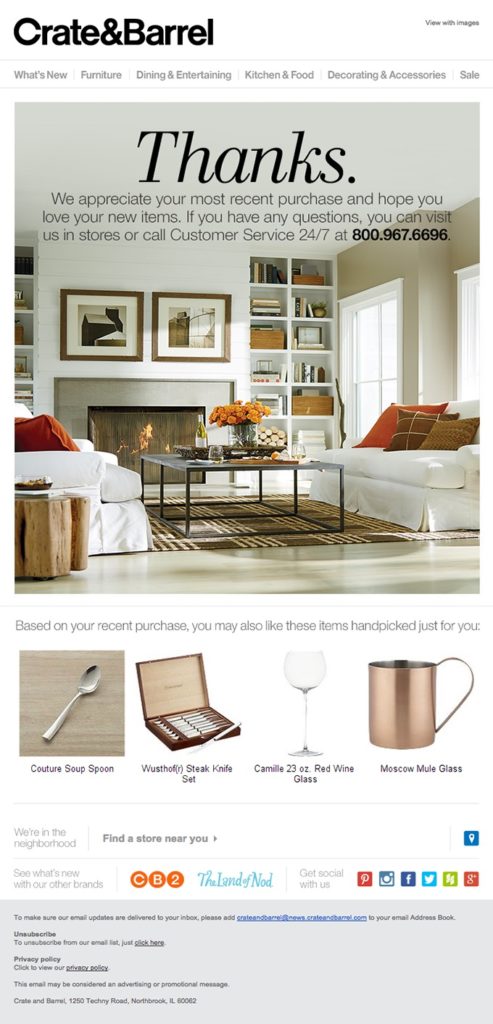
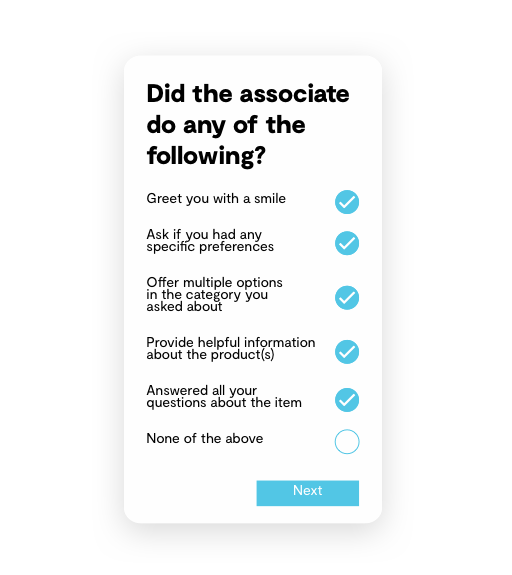
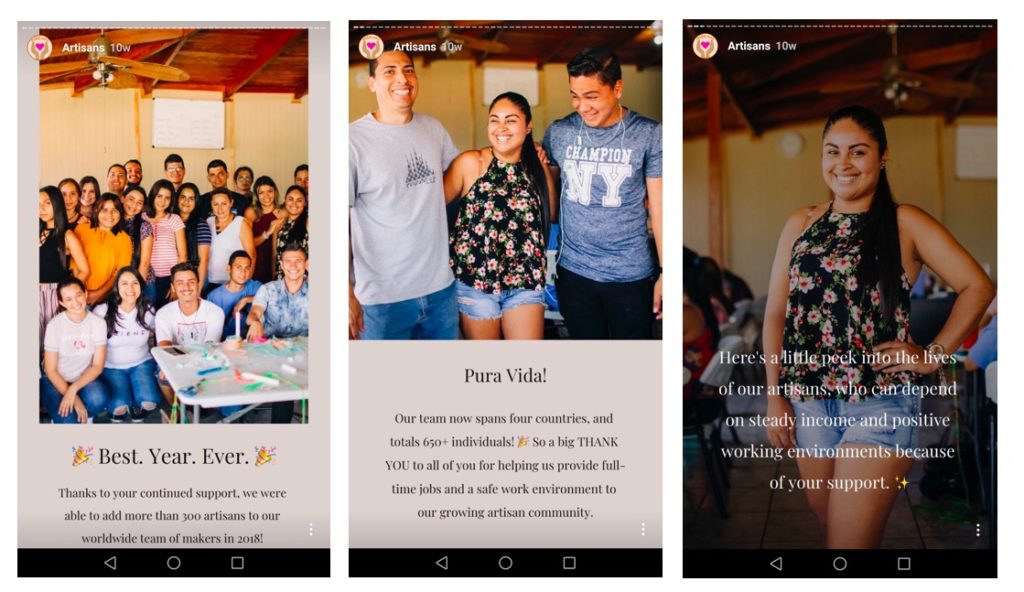
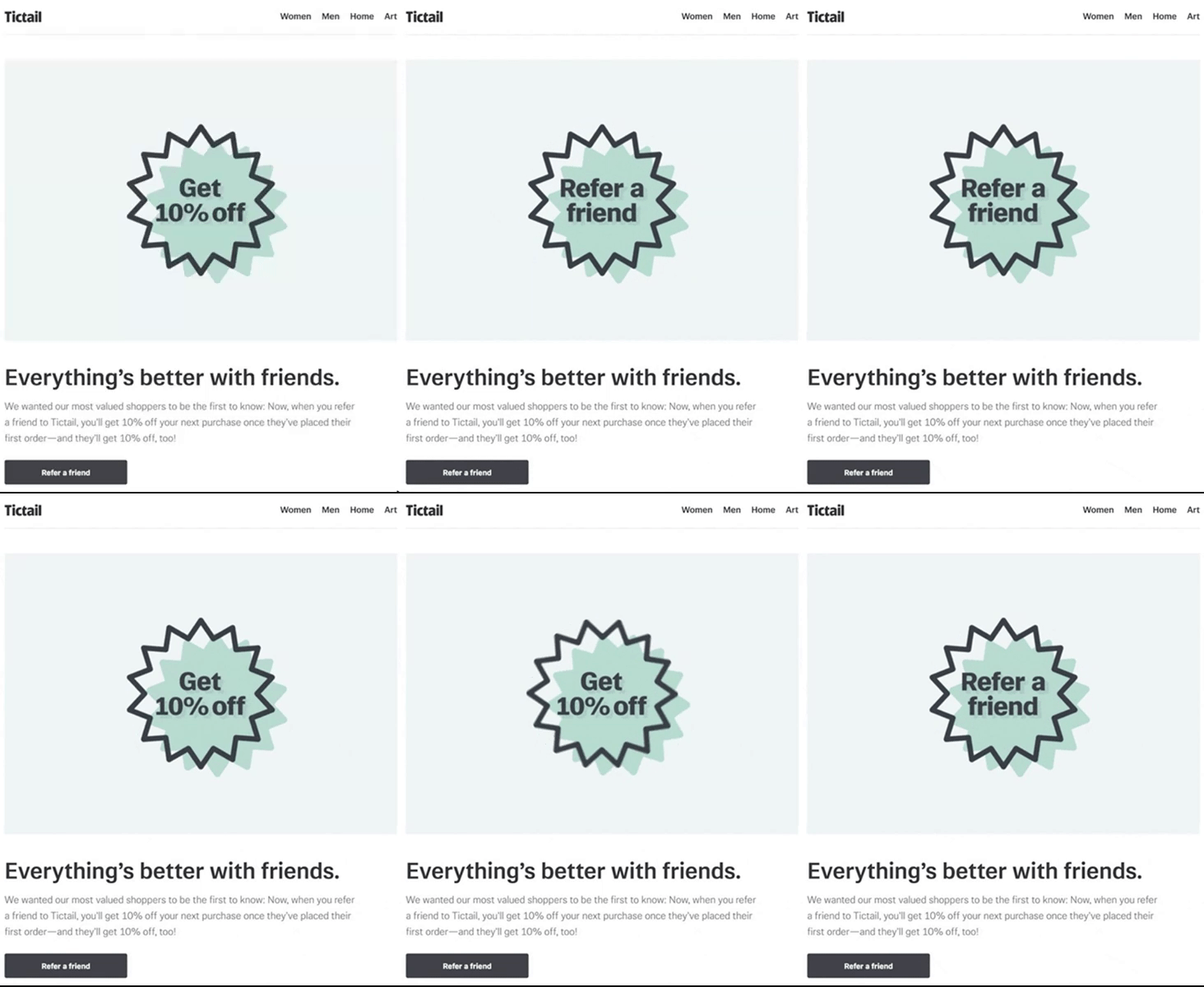
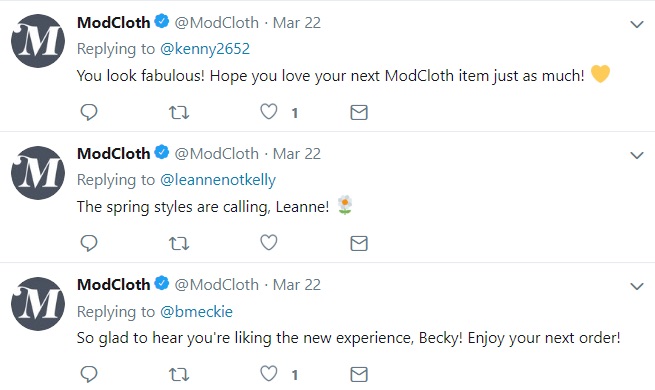
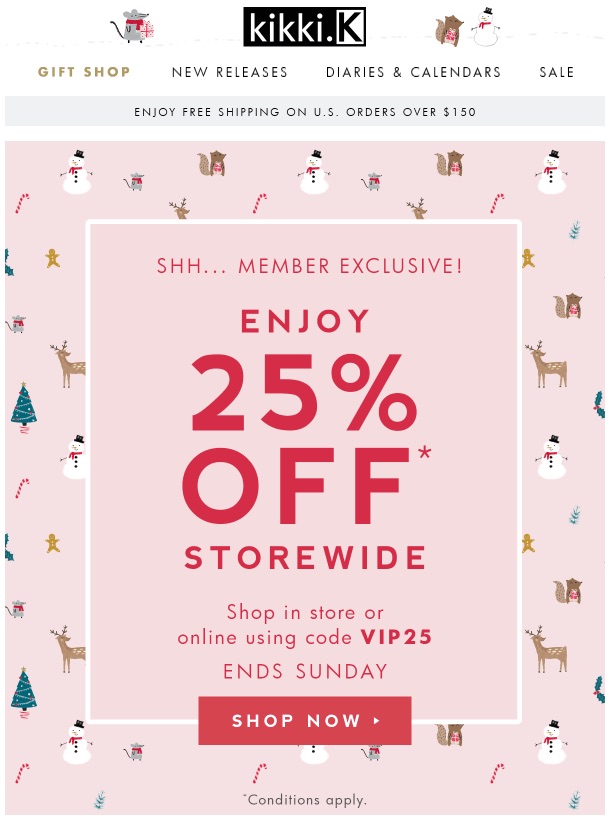
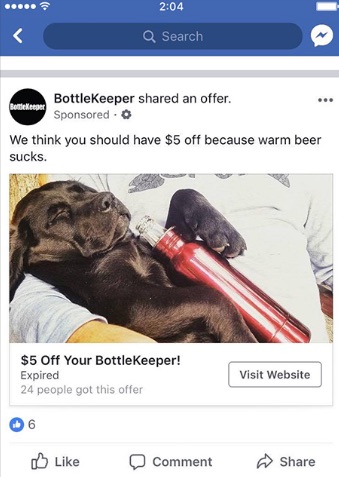

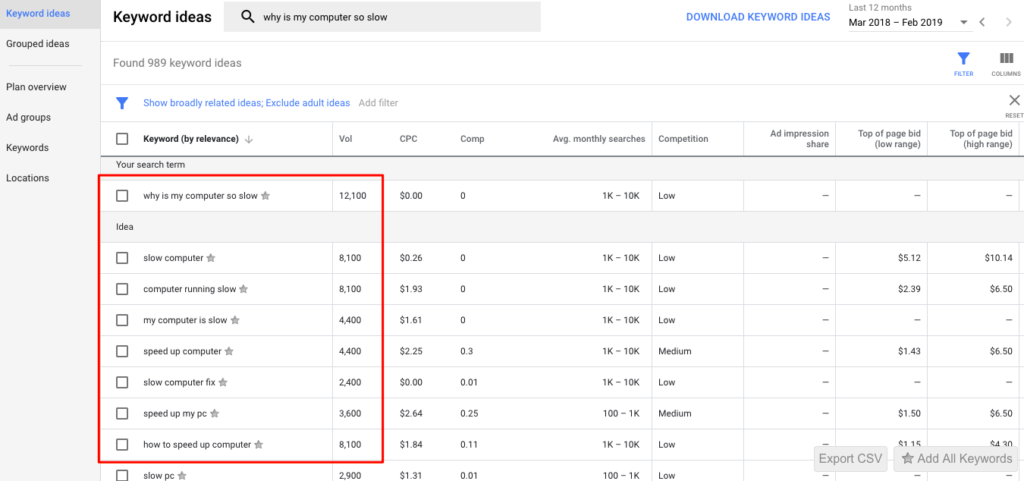

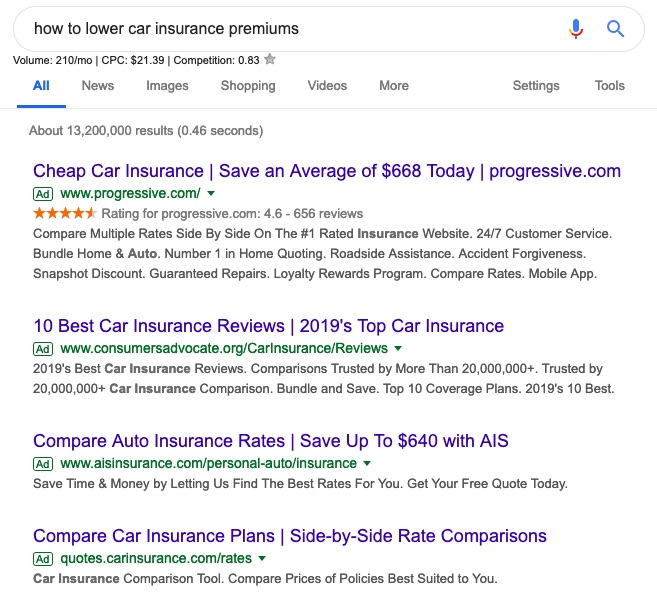 There’s no single best way to win over Google searchers. Understand if you’re altering any area of the consumer buying process, SEM and SEO could be a major area to help your efforts.