If you’re like most people–there are certain stores you dread going into. You might even have to mentally prepare yourself for before entering.
You know the ones I’m talking about–where the sales associate sprays fragrance in your face as a form of greeting. What about the places with associates magically appearing beside you to show you all the electronics you don’t care about?
You duck and weave your way through a gauntlet of sales associates like Indiana Jones and the Last Crusade, just to grab the one product you want and hightail it to the register. The worst part of this is many of the sales associates are told to hound their customers like this, when instead, there are much easier ways to implement suggestive selling techniques.
Store managers and associates think they’re engaging their customers, but they often do the exact opposite–drive people out of stores and produce fewer sales.
If you dread going to the store, chances are low that you will voluntarily return for anything other than necessities. You should leave feeling great about your in-store experience and the brand in general, instead of like you’ve survived an epic battle.
If there’s one lesson to be learned from retail assaults like the example above, it’s this: train your team on suggestive selling techniques. Specifically, train the sales team to approach the customer with selling statements.
Suggestive Selling Techniques That Work
Suggestive selling techniques will simultaneously ensure that the store associates avoid asking bothersome, empty filler questions that the customer simply tunes out and sets them apart as a selling expert. The rest of the customer experience will fall into a natural conversational rhythm from there.
Let’s walk into this store again, and see how suggestive selling changes the customer experience and makes it truly engaging:
1. Welcome Customers With a Hook & Focus on New Products
When you enter the store, you are allowed to decompress. More importantly, no one sprays you down with unwanted fragrances.
The associate approaches you with a simple, genuine welcome and invites you to start your store experience with the newest product launch.
You don’t need to answer an empty question like “What can I help you find today?” (which is just a dressed up closed-ended question) especially when you don’t have anything specific in mind.
Plus, now you know that something new just launched.
2. Connect Customers With Personalized Statements
The sales associate tells you that she will check on you, and she does. Even though there are several other customers in the store, she checks in with you as she has with each of them.
To you, she says, “I love that scarf; it reminds me of a new necklace we just got in!” Now, you’re intrigued by products in the store that work with accessories you already own.
3. Give Customers Product Knowledge Statements
You’ve been staring at a wall of lotions like you’re trying to decode an alien language. The sales associate approaches you again, this time saying: “That item you’re looking at is one of our best-sellers, and a personal favorite of mine.”
Perfect! The sales associate answered a question you had, and now you know that she will be the perfect person to ask about a gift you are trying to put together.
4. Suggest Complementary Items & Share the Best Features
The sales associate, who is now your guru, suggests multiple complementary items instead of asking “Is there anything else I can get you?”
She continues to engage you, saying, “We have a pair of earrings that would be perfect with that necklace; let me show you.” Or, “If you purchase this product, you’ll qualify for a bonus gift—perfect to have on hand for your next occasion!”
Instead of saying “No thanks, I’m just browsing” yet again, you ask questions and take her up on her suggestions. After all, they were exactly what you needed!
You’re grateful for her help, and pleased to have the “inside track” to new products and promotions.
5. Tell Customers About Exclusive Events, Promotions & News
At checkout, the cashier thanks you for your purchase, but he doesn’t stop there. He invites you to a special event the store will host this weekend.
You aren’t really their target audience for this event, but you know that your daughter and all of her friends would love to attend.
Instead of repeating empty words that you’ve heard hundreds of times, this store experience stands out from the crowd—new products, new services, new promotions, exclusive sneak-peeks—all of which were presented to you through easy conversations.
You walk away from this easy, hassle-free store experience knowing that you’ll be back soon!
And that is the power of suggestive selling.
By now you most likely know that a quick-loading webpage is extremely important to your customers’ experience and for your site’s conversion rate. And one of the more important aspects of these metrics has to deal with your Javascript size.
Consumers have a high demand for site performance and speed. In case you’re not sure what all the hype is about, we put together a list of the most interesting facts that show why load times are essential for businesses wanting to improve site experiences:
47% of consumers expect a webpage to load in 2 seconds or less.
79% of users experiencing slow load times won’t make a purchase from that website again.
A 1-second delay means an 11% loss in page views and a 7% decrease in conversion.
A 1-second delay in load time would cost Amazon $1.6 billion each year.
As you can see, consumers don’t have the patience for slow loading sites. And with an endless aisle of options, they don’t need to.
Enhancing Site Speed Is Our Goal
This is why PowerReviews made it one of our goals this year to improve our Javascript size. After all, it’s one of the main aspects powering the customer purchase journey and affecting important load times where you need it the most.
In February 2019, we released enhancements that drastically improved (by limiting) our Javascript size. These enhancements are available right now for our clients without any implementation change!
Additionally, the updates will lead to the reduction in Javascript size throughout every touchpoint on your site’s product pages. For a more detailed breakdown, see the chart below:
The breakdown of pages and their size reduction:
Page Type
Percent Size Reduction
Product Listing Page (Category Pages)
61%
Product Details Pages
20-26%
Write a Review & Review Your Purchases
40%
What Changed?
In order to drastically reduce the size of our Javascript, we added logic to the code to analyze configuration in real time. Now, PowerReviews only loads the components of pages that are necessary. This basically means our Javascript is working smarter, not harder.
How Does This Compare to Others?
To understand how we compare among the rest, we looked at two companies using competitor solutions that offer similar features to PowerReviews. We chose the two examples below based on the fact that they are open about discussing their small Javascript bundle size and quick load times with the public.
Company 1
This company is using a competitor Ratings & Reviews and Q&A solution and has a total Javascript Bundle of 328.4kb. With PowerReviews, this same functionality comes in between 152-173kb, which is 47.3% smaller. That’s almost half the size!
Company 2
This company displays review snippets on their Product Listings Pages, features Ratings & Reviews on their PDPs and has a total bundle size of 266.4kb. With PowerReviews, Company 2 would be able to load their PLPs at 85kb (68% smaller) and their PDPs at 160kb (40% smaller).
How Will This Affect Me?
At PowerReviews, we are focused on helping our clients win. This means investing in different areas of our business that will have a great impact on our clients and ultimately their shoppers.
We identified Javascript size as an area where we could help our clients serve their customers with a greater experience, which in turn will help our clients boost the number of return shoppers and conversion.
How Can We Further Reduce the Size of PowerReviews Javascript Within Our UGC Experience?
Check back in our next installment when we share some ways you can do this! Until then, if you have any questions, please don’t hesitate to reach out!
Let’s face it–you want to know how to get more reviews. But the increased access to online shopping has drastically cut down the amount of brick and mortar businesses we frequent.
In fact, the PowerReviews report on How to Beat Amazon shows that in a single month nearly 60% of people make up to three online purchases through Amazon alone. As online shopping grows, so too does the competition.
And with the Proven Power of Reviews report stating 86% of consumers say reviews are an essential resource for purchase decisions, product reviews are more critical than ever. To effectively drive traffic, conversions and sales you need to know how to get more reviews from your customers.
But don’t sweat just yet–we’re going to tell you how to get more reviews and what actually makes a quality review in the first place. We’ll also show you how to leverage a ratings and review platform to make your life easier and why this content is essential for your shoppers.
To make things easier, use these jump links to navigate between sections. If you’re eager to get to the tips right away, simply click on 8 Ways to Get More Reviews Today:
Want to start getting more reviews today? Get in touch with the PowerReviews team and we’ll show you how our software increases authentic review content by our various collection features.
A Look at the Modern Product Review
Before we dive into the importance of reviews and how to get more product reviews, let’s take a look at a modern example. Typically, the average online review consists of several components, including:
There are also brands and retailers that use ratings and review platforms to customize the look of their forms and the information that they share. This allows brands and retailers to sort reviews by their pros and cons, ask users to describe themselves, add tags unique to product types and customize the CSS to be more on-brand.
Why You Need More Product Reviews
PowerReviews works with thousands of brands and retailers to help collect, display and syndicate user-generated content all over the web. Our years of experience with ratings and reviews gives us access to a ton of data, like customer sentiment analysis, that sheds light on the importance of product reviews. Perhaps the most important concept to understand is the sheer number of consumers that tell us reviews are essential to making a purchase decision.
While that’s all fine and well, ratings and reviews aren’t going to get much company buy-in if they don’t contribute to the bottom line. We’re providing a few statistics to help you understand the true impact of ratings and reviews.
Let’s look at how to improve aspects of your business like traffic, conversion rates, sales and product insights.
Product Reviews Increase Traffic
Data from the PowerReviews report Mapping the Path to Purchase discovered 35% of consumers begin their purchasing journey on a search engine. And if you’re not within the first few positions of the results pages, you’re missing out on incredibly qualified traffic.
That’s where product reviews come in. Google actually indexes product reviews, which means their algorithm reads your product’s reviews and makes them searchable or visible on search. So by getting more product reviews, you increase the number of keywords where your products ranks on Google.
These are especially relevant keywords as they consist of consumer language instead of marketing copy. Think of the “best spring jackets” search example above. Search results show specific products, with reviews and links directly to the product page.
Additionally, examples like Lush show the overall reviews for the product in the organic search result. For example, the PowerReviews customer Lush ranks in search for a popular keyword about shower scrubs thanks to their customers’ reviews.
That’s not an isolated incident. Our customers see an average 108% lift in impressions on their product pages when their number of reviews increases from zero. Also, some of our clients see as much as a 239% lift in impressions to product pages with at least one review compared to none.
Product Reviews Increase Conversions
As customers continue to look online when purchasing more high consideration products, it’s important to reduce barriers to conversion. Imagine you’re looking to make a life-changing purchase online by buying something like a mattress. However, you don’t have the opportunity to feel the mattress in person or the type of mattress you want isn’t for sale in stores around you.
The question becomes is the mattress too soft, too hard or does it feel just right? Product reviews ease those purchasing decision barriers by providing your customers with key insights needed to buy confidently. You spend almost a third of your life in your bed, so we doubt you’d buy a new mattress with no reviews, recommendations or tips from advertisements.
Room & Board, a contemporary home furnishings retailer with mattresses in their online catalogue, fully understands the importance of reviews for their products. The company does a phenomenal job collecting and displaying their product review content, and in turn, providing a ton of pros and cons descriptions found in their reviews.
Product Reviews Create Better Products
To continue with the mattress example, let’s imagine that users who are ordering your beds are frequently leaving reviews commenting on a odd chemical smell that came with the box. Maybe you have a significant amount of reviews saying there’s poor edge support or the material tends to rip easily.
While it’s nearly impossible and quite expensive to try and be perfect with your products, there’s cues your brand can take in review content to make overall improvements. The problem is, digging through the vast amounts of product reviews takes up a lot of manpower and time.
That’s why PowerReviews developed Product Pulse, a feature included in our Intelligent Suite. Product Pulse digs through your review content and provides a detailed report on common adjectives used and other sentiment analysis associated with your product.
Whether by accident or on purpose, there are brands that completely ignore these messages, finding it easier to bury their heads in the sand than respond to criticisms. These companies will see sales dwindle as product ratings and reviews continue to skew negative.
However, there are leading brands that leverage product reviews–both positive and negative–and use that content to create better products. By analyzing common problems, brands can fix products faster and back up their claims with manufactures with data.
The best ecommerce managers take this feedback into consideration and pass it to the proper internal teams to guide improvements. And the top ecommerce managers will actually respond to those reviews alerting their customers their feedback is appreciated. Those customers will feel empowered and future shoppers will see that a brand cares about its customers.
What Makes a Quality Product Review?
Now that we’ve established the importance of increasing product reviews from your customers, let’s move on to what makes a great product review. Obviously it’s important to drive reviews that are more than a few short words, but what else can you do to help increase the quality of content on your pages?
Customized Fields for Product Type
One little-known strategy to generate more robust reviews is to customize each of your displays to share information specific to each product type. For example, if you’re selling a sweatshirt or pair of shoes, then collect and share information on the fit, sizing and comfort to help sway buyers on the cusp of a purchase.
These details help those who are second guessing a purchase feel more confident in their buying decision. With full details in a great review, you eliminate doubt.
Qualified Reviewers Sharing Feedback
Shady tactics exist in the ecommerce space and as competition increases, brands and retailers may feel pressured to find ways to generate less-than-qualified reviews. Whether that’s by writing those reviews themselves or by buying them from someone with no product experience, this has lead to some distrust in the industry.
So it comes as no surprise that more than a third (36%) of shoppers say that reviews which clearly identify who wrote them, such as a verified buyer or a review written as a result of a free sample, were ‘very important’ or ‘important.’ As you start generating reviews, make sure you have a content moderation system in place to help weed out all of the unqualified reviews that could break the trust you’ve built with customers.
Negative Reviews Actually Help
It may come as a surprise, but negative reviews can actually increase your online sales. In fact, 82% of consumers specifically seek out negative reviews when shopping for a product. As strange as it may seem, shoppers say that poor reviews gave balance to their shopping research, stating that a negative perspective was either a “very important” or “important” factor influencing their decision.
Before you hurry to sweep negative reviews under the rug, realize that not only do those reviews lend credibility to your products, but they also offer feedback to help create a better product for your customers. Not only that, but our data shows that customers are less likely to purchase products with a perfect 5-star review than one between a 4.2-4.5 rating.
Answers to Popular Product Questions
Nobody knows what helps a customer convert better than the customers themselves. Let your customers ask questions on the product pages and respond in a timely manner to make the sale. If you can’t support the staff required to answer all of those questions, you can also use a product question and answer tool that allows past purchasers or community experts to respond on your behalf.
Check out this video with Skechers’ ecommerce Merchandising Manager, Timothy Lakin, to see how his team used customer questions to increase their product conversion rates by 32%.
User-Generated Content & Visuals
Almost all customers have a quick way to take a picture of your products to share, and it’s crucial to get them to share those images and videos on the reviews that they leave. Visual content on your product pages is the current must-do to stay competitive online. In fact, our Snapshot for Ecommerce report found 72% of consumers say they regularly or always seek out visual content prior to purchase.
Using a visual and social display platform helps you collect social media content, authenticate it, get permissions and display it on your product pages. If your reviews provider isn’t doing all of these things, it might be time to make a switch. Create easy paths for your customers to share their images and videos with an Image Gallery on your product pages and give other shoppers a real-life look into it in use.
8 Ways to Get More Reviews & Generate More Content From Your Customers
Now that we’ve covered what a modern review looks like, why you need more content and the importance of quality, it’s time to dig into the tips on how to get more product reviews on your site. Let’s take a look at the eight ways to get more reviews from your customer:
Pro Tip: If any of these ideas seem a bit overwhelming, please reach out to our team to learn how to implement, track and collect more reviews!
1. Encourage Customers to Write Reviews With Post-Purchase Emails
The first and potentially most obvious way to get more reviews for your products is to ask customers to submit them. They’re the most qualified to write about your brand.
And assuming they’ve had a good experience, they’re the most likely to write something positive. Unfortunately, reaching out to each individual customer one-by-one isn’t an efficient way to drive as many reviews as you need. This is especially true since our previously mentioned report found only 42% of consumers say they leave feedback for their purchases.
Find a way to collect customer emails at the point of purchase. Whether that’s in your physical location or online, you don’t want too much time to pass before you ask for reviews. That’s why so many brands see great results with post-purchase emails. After enough time has passed since their initial order, you can ask for feedback through emails that recount the exact items you bought.
2. Incentivize Customers to Write Reviews
If simply asking your customers for reviews isn’t getting you the conversion rates you want, try incentivizing the process. Create motivation for your customers to write reviews for your products by offering them incentives for doing so.
Talk about a win-win situation…
You write us an honest review, and we'll give you a $25 Visa gift card that you can use anywhere 💰
But before you start giving away items, be careful of what you offer in exchange for reviews. Even though many websites are fine with offering small incentives, some sites, like Amazon, are a bit more strict with their submission guidelines.
It’s important to remain as transparent as possible with your reviews, and create a system to badge different reviews based on whether the reviewer purchased or received an incentive. This helps build confidence in customers and shows transparency in your review collection process. Here’s a couple ways to authentically incentivize more product reviews:
Review Sweepstakes: On average, our clients see an 83% uplift in review completion rates during sweepstakes campaigns. You can create sweepstakes in-house to promote and generate more buzz about your products.
Offer Free Shipping or Discounts: By giving free or discounted shipping to customers in exchange for reviews, you get more buyers and increase product content. Additionally, using customer experience platforms like Journey IQ help brands and retailers provide discounts for mystery shoppers. Easily collect important experience information to better understand what your customers see when they make a purchase from you.
3. Optimize Your Review Forms for Mobile
If it hasn’t been drilled into your mind enough quite yet, please note that mobile optimization is incredibly important. In fact, StatCounter found mobile internet usage surpassed desktop in 2016.
Another PowerReviews customer who does an amazing job on mobile is Evo, a leading retailer for outdoor apparel and gear. The retailer discovered more than 50% of of their emails are opened via a mobile device, which in turn, incentivizes shoppers to make purchases on these devices.
Instead of viewing this as a potential problem, Evo found a solution to convert those mobile viewers to reviewers. In fact, the retailer teamed up with PowerReviews to update and implement a fully responsive and mobile friendly post-purchase email process.
With the implementation, their team saw a 203% spike in written reviews on mobile devices year over year. Taking advantage of your mobile traffic is just one way you can successfully generate more product reviews.
4. Make It Easy to Review Multiple Purchases at Once
The key to getting more reviews for your products is to make it simple for customers to leave them. Many of your online shoppers buy multiple items at a single time. It doesn’t make sense to send them individual follow-ups asking them to review their purchases one at a time.
Instead, when emailing your customers, include all of their recent purchases so they can review them at a single time. Whether you’re emailing customers from your own database or leveraging a ratings and review platform, including multiple items significantly increases overall collected content on your site.
The less time users spend, the more review content you will collect. After all, no one wants to click back and forth through different pages to leave multiple reviews. Provide an all-in-one view to write content and create a better experience.
5. Use a Product Sampling Program
If you don’t have many recent customers to look to, it’s hard to generate review content. This is even true for the biggest brands and retailers as new product launches often take time to generate buzz or review content.
However, running a product sampling campaign is the best way to generate content when you don’t have the large customer amounts. Reach out to massive sampling communities filled with everyday and micro-influencers to write authentic feedback about your products.
Through product sampling tools like BzzAgent, brands reach a massive group of people wanting to provide visuals and reviews. These folks also want to share their experiences across social channels–all for a free sample. This helps build interest for your products and generate more high quality reviews.
Situations to Run a Sampling Campaign
If you’re still on the fence about product sampling, see some of the most common situations why businesses run them:
A New Product Launch: If you launch a new product with no reviews at all, it’s going to be tough to build trust. Not only will product sampling increase the general awareness of your new product, but you’ll also drive invaluable product feedback.
High Turnover Seasonal Products: When you have seasonal products requiring rapid inventory turnover, it’s tough to get a lot of reviews in a short amount of time. Get a jump on the seasonal competition by increasing traffic and conversion with a product sampling campaign before you launch.
Target Unique Audiences: This is perfect if you need a more targeted audience for your products. Get unique products out to the customers who actually want them and are willing to share their experience with friends.
Small Review Count With Low-Quality Reviews: If you’re your current reviews are low quality, add more reviews. While you never want to promote only positive reviews, running a sampling campaign increases the overall number of reviews. This in turn, increases low-review product pages to high review pages, likely increasing your overall rating.
6. Design & Share Reviews on Social
More than anything, customers just want a platform to express their feedback and know they’re heard. If you don’t recognize that need, you could miss out on valuable reviews. In the previously mention report, we found 55% of consumers who don’t write reviews said they needed a reward or recognition to do so.
One easy way to show users you’re recognizing their contributions is to share their reviews on social. Either directly share their quote–while making sure to give them credit–or simply repost a positive experience.
Casper is always willing to retweet a good customer experience. This creates transparency and it can help drive more reviews if you link to your product pages asking for more reviews!
7. Collect Different Forms of Product Reviews
Images and videos are crucial aspects of strong customer reviews and increase the likelihood of purchase. In fact, our Snapshot for Ecommerce report discovered 72% of shoppers are more likely to buy a product with reviews featuring photos and videos. Allowing customers to submit photos and videos as part of reviews increases the amount of unique content. At the same time, you’ll increase customer conversion.
Leverage a tool with image displays so customers see products on or in use by people just like them. Promote visual content with easy submission features to directly display the content on your site.
8. Use a Trusted Ratings & Reviews Platform
As you likely noticed, this article mentions various ways to generate, display and syndicate product reviews. By implementing this software, brands and retailers increase content collection and the confidence in their purchasing decisions.
To recap, let’s take a look at our reasons we believe you need a trusted ratings and reviews partner:
Collect content from various channels like post-purchase emails and write-a-review forms
Display reviews with customizations like size and fit
Provide ways to host and display visual content like customer images and videos
Optimize your review content for search and increase your traffic and rankings
Syndicate all of the reviews brands generate to retailers or increase a retailer access to reviews from brands
Add functionality to help increase conversion, such as streamlined product questions and answers
So if you’ve tackled all of the strategies that we’ve listed and are still hungry for more reviews, get in touch with PowerReviews to learn how our platform helps brands and retailers drive traffic, sales and insights.
As always, reach out to us on Twitter to provide your best practices as well!
Getting customers to like you isn’t easy–we get it. But if you don’t have a clear customer engagement strategy, how do you get your shoppers’ attention or to participate with your business at all?
Some social media marketers will say the magic numbers for your engagement level is based on likes, shares and comments. But are you doing your part to create an engagement strategy that surpasses social media and covers the entire buyer journey–whether it’s in store or online?
We live in an era of relationship marketing, which means every interaction is critical to improve retention. In fact, a 2021 report found that 30% of consumers will not give brands more than one chance after a bad customer service experience.
Now more than ever, it’s essential to create meaningful relationships, which is why we’re here to talk about the steps you have to take to build a worthwhile customer engagement strategy. In this guide, you’ll discover the basics of a setting up your strategy and 12 methods to engage your customers right now:
What is a Customer Engagement Strategy?
A customer engagement strategy is the process of influencing your current or potential shoppers to interact, share and communicate within an experience your company specifically created. However, it’s just as important to understand the purpose of this strategy as well as to execute it.
The end goal of a customer engagement strategy is to increase brand loyalty and drive more sales through positive shopper experiences. This goes beyond the average sales pitch. Instead, a good strategy involves creating content that catches customers’ attention, draws them in, adapts to their needs and ultimately gives them the best experience possible.
Your customer engagement strategy will only be successful if you pull your eyes away from the dollar signs and focus on the actual people that make up your customer base. In turn, this helps you accomplish other important brand goals, such as:
Increased engagement on social media channels
Higher brand loyalty in your current customers
New advocates for your brand who share their experiences online
Generate and spread more positive content related to your brand
Increased brand awareness
Getting more attention of new customers
And (of course) increased sales
While the end result does involve increased sales, your strategy will never work if you’re only focused on the monetary growth. Think of the value you can provide your customers and how their experiences impact sales.
So, what other elements should you include?
12 Principles to Live By in Your Customer Engagement Strategy
If you want to build loyalty and boost brand awareness on and offline, follow these 12 principles for a successful customer engagement strategy:
1. Inject Every Piece of Content With Personality
There’s a reason why certain brands do well with content, while others struggle. Also, those who succeed usually have something in common–they’re authentic.
Data from Stackla showed 86% of consumers think brand authenticity is essential toward making purchasing decisions and what company to support. To make things even more difficult, consumers can tell when you’re faking it.
The same survey found consumers think more than 50% of content from brands could be considered unauthentic. By focusing on authentic marketing, you build trust with your content.
So how do you push more authentic content?
Get into the head of your fan base. Know your customers’ daily struggles.
Do they hate that Monday-morning feeling or are they workaholics? Are your shoppers addicted to Netflix or to the feeling of a good workout? What’s gets them out of bed in the morning?
Answer these questions to know what your customers love and they’ll appreciate you popping up in their social feeds and email inboxes. To take this one step further, inject that same level of personality into every single piece of content that users see.
Brands like BarkBox have it a bit easier when it comes to sharing fun and authentic content on social. But the communication with their loyal followers engages and sparks participation with ease.
The company doesn’t just stop on social media. Their website is filled with simple instructions that provide open and honest details of their services. The whole point is to keep this fun-loving theme across all channels so people associate these emotions with BarkBox.
Whether it’s the copy in your 404 error page, the brief words included in your email or the short paragraph before your latest infographic, the words must pop with the same personality you include in your most important content.
2. Use the Language of Your Audience
If you really want to get into the mind of your audience, you’ll need to understand their language as well. For local businesses, this could include finding regional phrases and wording that show your brand is in sync with its physical location.
A lot of armchair kickers on here are saying that they could hit that field goal, which we find DOUBTFUL. You’re gonna sit there on your throne of potato chips and vape pens and criticize this dude’s athleticism? GET REAL. 2/5
Goose Island came to the rescue when its local team, the Chicago Bears, lost in the NFL playoffs on a missed field goal. The brewery used social to engage their fans by calling them out for complaining about the missed kick. The conversation and language used is funny and even feels like a typical sports conversation you’d hear over a beer.
To get fans involved, Goose Island held a field goal kicking contest from the same distance where the professional missed. They got a ton of media attention and people to come out in the snow to participate.
The event was a huge hit and had the entire city buzzing about the contest. And even though many fans were still upset over the loss, the connection and engagement idea matched perfectly to their target audience and their brand’s voice.
The right language will allow your brand to be viewed as a friendly personality rather than a cold, impersonal entity.
3. Give Your Brand a Human Touch
In the spirit of personalizing your brand, giving it a face is a great way to get people to engage. Think of who in your company is the most vocal advocate.
Who is really passionate about the brand and the customers? This person can become the face of your brand, speaking in video content, presenting webinars and more.
Another way to give your brand a human touch is by presenting multiple faces from your company on your website and social channels.
Warby Parker does a great job at this by using employees to model their products. Make your customers feel like your employees to get them on your side!
4. Spice Up Your Social Feed With User-Generated Content
Your customers like to read the honest opinions from each other about your products instead of content from your brand. Why do you think ratings and reviews exist in the first place?
This is why so many people trust user-generated content. Data from CrowdTap found user-generated content is 35% more memorable than your average social posts and is 50% more trusted. Additionally, user-generated content is 20% more influential on purchase decisions.
Speedway Motors uses PowerReviews’ Visual and Social Suite to collect and display user-generated content into reviews. Potential buyers can see images of the products in action from shoppers just like them.
Did you know that 88% of consumers specifically look for images and videos uploaded by other consumers before purchasing? If you want people to remember, trust and be influenced by your social feed, it’s time to incorporate user-generated content.
5. Build Relationships With Your Most-Engaged Social Fans
Customer engagement and relationship-building go hand in hand.
To start, always respond to your customers and fans on social media. Check out how Wendy’s does this with style:
She did a great job! 😊 Please DM us your mailing address. We'd love to send some #KidsLoveWendys goodies for her to enjoy!
When you see that a certain user always comments on or shares your posts, it may be time to take this a step further. For example, you could include this user in your influencer marketing strategy (especially if they have a decent social following).
Whether it’s asking these influencers to write a blog, do a social media takeover or provide visual content, you take away the brand and focus on creating relationships with people.
6. Give Your Most Valuable Customers VIP Status
People love to feel special. So, give them a reward for being a great customer!
Creating loyalty and rewards programs for repeat shoppers encourages brand loyalty and increases the overall customer experience.
For example, you could invite repeat shoppers to join your VIP club. Then, send them exclusive offers on products, give them early access to time-sensitive sales or let them pre-order new products ahead of the average shoppers.
PowerReviews’ Journey IQ does just that. We help customers engage with brands by becoming mystery shoppers to uncover insights into the overall shopper experience. And the best part is customers get rewarded with deals and exclusive coupons that makes shoppers feel inclusive with your brand.
These kinds of rewards will help current customers fall in love with your brand even more.
7. Publish Content With Your Current Customers in Mind
Sometimes brands focus too much on new customers than on their existing base when creating content. Stop this trend by creating content that is specific to current users of your products.
Check out how The Home Depot does this with their YouTube channel by providing tutorials to those who just made a purchase and might need a little help using a tool or completing a project:
They regularly upload how-to’s and DIY guides that are super helpful to their current customer base. In turn, customers are likelier to be loyal to Home Depot since they helped them from start to finish with a project.
There’s no doubt about it–this kind of content boosts customer engagement and improves retention. In fact, 69% of online consumers agree that the quality, timing and relevance of branded content influence their view of a brand.
8. Reward New Reviewers
Want to encourage people to review your products online, but you’re having trouble generating content? One of the best ways to get more content is to incentivize the process!
Try offering a reward for taking the time to write a review, give feedback and post images of their content to help future shoppers. Dangling the carrot of a reward could really help produce more results.
Overstock does this with a systematic rewards system for reviewers. It’s not easy getting a bunch of reviews from shoppers all at once, but with the right tools, you can reward shoppers to fill out authentic and honest reviews for all their recent purchases.
It’s smart to drive engagement through post-purchase emails to let customers know about the potential rewards and get their customer feedback while the experience is still fresh in mind.
9. Over-Personalize Content & Offers
We all know personalization is important.
In fact, an infographic by Every Cloud Tech shows that marketers see on average a 20% increase in sales when using personalized web experiences.
Gather customer behavior data to understand what products they’re viewing, where they spend time on your website and if they’ve made any previous purchases. Once you have this data, you can better showcase personalized content to meet their specific needs.
Take this a step further by personalizing the offers you send to your email subscribers. For example, a fashion brand shouldn’t send offers for men’s clothing to a user who has only ever looked at or purchased women’s clothing on their website.
Dive into your customer data to learn purchasing behaviors so you can tailor emails specifically to them and the products they want.
10. Collaborate With Customers to Create & Improve Products
Another tip to follow is getting customers to engage and interact with your brand by inviting their feedback on your products.
Generating ideas from your customers about future products or improvements makes them feel like a part of the process. Also, it might give you an idea for your next big marketing campaign.
Domino’s put this into practice by allowing users to create their own pizza. The campaign was all about engagement and highlighting their customers’ ideas.
In the end, the marketing campaign combined the idea of brand and customer collaboration with a discount. At the same time, Dominos made it easy to share the experience on social media.
11. Generate Interactive Content
Is your blog lacking strong engagement? Try boosting your engagement rate by creating content that involves your audience.
For example, use quizzes to help customers decide on the best product for them. You can also draw them in with a useful calculator that helps them solve a problem. A fantastic example of interactive content is live videos.
Benefit Cosmetics puts live videos to good use on Facebook, showing customers how to use their products in a live demonstration. This allows people to comment as the video is rolling.
12. Deliver Fast & Positive Customer Service on Social Media
Your customers want their voices heard. In fact, Telus International found 72% of millennials are more likely to be loyal to a brand that responds to them over social media.
Additionally, 66% of millennials say that their loyalty would be affected by how fast the brand responds to their feedback on social media. Providing customer service on social isn’t new, there are ways to provide better experiences.
Thanks for the fast response! Great! I'll be sure to look out for it in the coming days.
Support Accounts: A lot of bigger tech and software companies are relied on to be running 24/7, which is why having a direct line to the support team is essential. If you want to direct support questions away from your major accounts, create a new one only for customer questions.
Search for Conversations: Using social media management tools like Buffer, Hootsuite or Sprout Social allow you listen to conversations on social–even when you’re not tagged or mentioned. It’s always good to find conversations about you and providing answers some customers might have wanted to express.
Delegate Social Messages to the Right Team: To speed up your social media answering, make sure you’re delegating questions to the appropriate team. Even if you don’t have a large social team, you can have specific employees from marketing, sales, engineering or recruiting to provide answers to customer questions.
Build Something You’re Proud Of
Increasing brand loyalty, positive feedback and higher sales are all common goals for businesses. But to get there, you need to impress your customers and create experiences that keep them coming back.
It’s all about how you interact and engage with your customers that makes you truly unique in their eyes. Use a customer engagement strategy to build authentic relationships with your audience and prove to them you care.
If done right, you’ll quickly find your own tribe of brand advocates to recommend, share and stand up for your brand. Good luck and let us know on Twitter what you do to build better customer experiences!
From eye-catching advertisements to shopping cart checkouts, there’s an unending amount of areas to improve or simplify in your ecommerce experience. That’s why there are so many helpful (and sometimes unhelpful) ecommerce tools to choose.
Are you using the right ecommerce tools to reach your full selling potential? Have you done enough social media marketing to keep customers engaged? What do shoppers think of your overall customer experience?
Well, there’s a tool for that.
You might wonder why there are so many ecommerce tools, but like most things, the demand is high. In 2018 alone, ecommerce sales in the U.S. skyrocketed to over $504 billion and by 2023, that number is forecasted to hit $735 billion.
If you want a piece of that pie, you need to tackle the new challenges ecommerce businesses face each day. With the right tools in place, processes are easier, take less manpower and put your company in better line for success.
But with so many tools, where should you start? That’s why we’re here to break down the 16 ecommerce tools you should know about in 2019 and how they could help your business:
We know we’re making our own list, but we strongly believe user-generated content, like reviews and questions and answers, is essential to your ecommerce store. Review content gives shoppers confidence to make better purchasing decisions and limits the obstacles to get to check out.
In fact, our study on How to Beat Amazon found 43% of consumers get upset or irritated with poor product descriptions. The challenge is collecting, displaying and syndicating this content across your site and retailer partner sites.
That’s where PowerReviews helps. Our tools not only enable brands and retailers to generate, collect and display authentic ratings and reviews, but also we help businesses draw valuable insights from the content with our Intelligence Suite.
Because 88% of consumers look for user-generated images while going through product pages, we also know the power of social media and ecommerce. Our Visual and Social Suite gives companies the ability to collect, display and get user approval to showcase user-generated content on product pages.
These real-life images give consumers even more confidence to make a purchasing decision. Providing visual cues lets shoppers see products in use from people just like themselves.
Cost: For more pricing info, request a demo today to see our affordable and easy-to-implement options!
Another essential part of getting the word out online is by using the social media channels that your audience is using. Whether you’re looking to improve your Instagram influencer marketing strategies or listen in on consumer conversations, you need a tool to manage social beyond publishing.
With over 800,000 businesses using Buffer, it’s one of the most trusted social media products, making it an ecommerce tool that you need in your toolbox.
Buffer allows you to monitor all of your social media accounts from one place. The tool also helps you engage with commenters from one unified inbox, schedule posts in advance and follow up with performance analytics to improve.
Cost: The free version is a good starting point, but like most ecommerce tools, you’ll want to invest in the paid plans so you get features like social media analytics. The good news is the paid versions start at $15 per month.
While Canva isn’t just for social media, this tool is essential for making your online marketing assets pop, social media banners fit properly and ad banners look their best. Canva is an easy to use design tool that most everyone on your marketing team can work with too!
Additionally, Canva is set up with adaptable templates for email, social, website, ads and more. You can easily add fun graphics, fonts, pictures or patterns to create memorable marketing images for your products.
Cost: Canva offers a free version of their tool as well as differently priced plans depending on team size.
To get a head start at building trust in your audience, it’s vital to get recommendations by the people they trust–each other. And what better place to drive conversation between shoppers than social media?
Enter BuzzAgent–a leading community of everyday influencers that leverage their social powers to promote brands through product sampling campaigns.
In fact, Social Media Week stated 74% of shoppers are influenced by and look to social media when making a purchase decision. If you’re looking to generate buzz about your business online, this tool does all the heavy lifting.
First, BzzAgent works with its trusted community of brand advocates that have a reach of more than 2 million followers. Brands then send product samples to these shoppers wanting and willing to write helpful and honest feedback.
👩🏻🔬 Smooth skin, weight loss, increased energy and improved sleep In just 30 days? BzzAgent @dsignbyamyb is in, and we can't wait to see her results. Are you embarking on your @SeroVital Advanced 30-day challenge? Post your #MySeroVital before pics today! pic.twitter.com/Dzjk641qQu
These everyday influencers share their content across their own social channels and write reviews where you need them most. It’s a win-win for those wanting to try out new products and for your team to build review content and buzz around your product campaigns.
Before you can start sending out emails to your target audience of potential customers, you’ll need to build an email list.
OptiMonk describes itself as a more polite way to increase revenue, by giving you a human-centric marketing tool. You’ll be able to create beautiful pop-ups that get the right message to the right people based on website behavior or even what’s in their shopping cart.
It also connects with a number of other essential ecommerce tools, like BigCommerce and MailChimp.
Once you’ve got your list building tool set up, it’s time to send some emails. MailChimp is one of the biggest names in email marketing for a reason: it’s great!
Creating new email campaigns, promo offers and beautiful landing pages is easy, even for those of us with limited design skills. You can also segment those campaigns for different users and take advantage of email automation to save time.
Plus, you’ll get all the valuable insights that their analytics provide. There’s a reason so many people trust MailChimp with automation, creation and promotion.
Cost: MailChimp is free to use when you have under 2,000 subscribers and allows users to send out 12,000 emails per month. Of course, for bigger brands, MailChimp offers plenty of pricing plans to fit your specific needs.
You need to source products and materials to keep your ecommerce business running, but it’s hard to know who you can trust. If you’ve struggled with product sourcing, this ecommerce tool will help relieve that stress.
Sourcify is a sourcing management platform that simplifies your process of finding and working with manufacturers. By matching your business to the right suppliers all around the world, Sourcify helps you save on resources that take up the most time. For ecommerce brands looking to improve their supply chain, this is an all-in-one tool to help create more transparency.
Cost: Depending on product volume, Sourcify offers different pricing plans.
If you’re looking at a dropshipping style business, Oberlo is an essential tool. This platform allows you to find the perfect products to sell in your ecommerce store.
With an abundant marketplace of verified suppliers, it’s very easy to select the right products for your audience, add them to your list and use analytics to back your purchasing decisions. Oberlo also helps you optimize product pages, track orders and sales and automate your pricing.
Cost: The starter plan is free, allowing you up to 50 orders per month. Paid plans start at $29.90 per month.
This multifaceted ecommerce tool gives you the ability to control your inventory and orders from one place. The goal of EcomDash is to help you run your business more efficiently.
They offer features like dropshipping automation, multi-channel fulfillment, inventory management, order management and much more. Its software helps businesses sell products more effectively and owns features specifically built for retailers looking to improve multi-channel inventory.
Your website is everything to potential customers wanting to learn more about you. Do you know if your CTAs are in the right spot? Do shoppers stop scrolling through pages at similar spots? What links get the fewest and most clicks across your essential product pages?
Luckily, the heat mapping tool, HotJar, is perfect for answering these questions. HotJar allows brands and retailers to quickly and easily discover user intentions through click, scroll, move, share and download heatmaps.
This is the perfect tool for those wanting to further investigate conversion funnels so it’s easy to see where site visitors lose interest. Heatmapping is a must for any brand or retailer relying on organic traffic and selling products on their site.
Cost: Basic plans to collect a max of 2,000 pageviews a day is a free option, but for business purposes, plans start at $29 a month for up to 10,000 pageviews a day.
As the name implies, this tool is perfect for enterprise ecommerce stores or those who are looking to scale quickly. BigCommerce is perfect for those who are serious about scaling their brand with powerful ecommerce tools.
Additionally, BigCommerce offers a drag-and-drop style website builder, an integrated dashboard for multiple sales channels, strong website security, multiple shipping and fulfillment options and a full suite of conversion optimization tools. The tool is also ideal for brands wanting to significantly improve their mobile usability and sales.
Cost: Pricing starts at $29.95 per month. They also offer enterprise plans for large ecommerce stores and B2B businesses.
Brands and retailers wanting to sell right away need an all-in-one solution to cover the point of sale, product page creation and own the analytics to track how you’re performing. This is just a sample-size scenario for businesses who need Shopify.
This powerful ecommerce tool lets you manage everything from product insights to sales and shipping. For those who want to get serious about selling and how to improve, Shopify is a must-have tool in 2019.
Shopify also lets you connect in-store and online for the perfect omnichannel marketing experience. Their plug-and-play hardware, secure payment options, multi-channel selling and inventory management set up ecommerce companies with everything needed to make, track and measure a sale.
Get started by using Shopify’s features to build your brand and store so you can sell anywhere.
Cost: Get started with a free trial and basic Shopify plans start at $29 a month.
Collecting and analyzing massive amounts of data is essential to understanding what’s going on with your ecommerce website and how you can improve it.
While there are many website analytics tools, Woopra is one of the few that is specifically designed for ecommerce websites.
They take your data across products, marketing, sales and support, and go through the hard work of analyzing that data for you. You’ll be able to quickly understand the customer journey, retention stats, cart abandonment rates and more.
Beyond that, Woopra takes the mask off these numbers with People Profiles, showing you who the individual users are and what they’re doing on and off your website. This tool also integrates with many other ecommerce tools and allows you to set up action triggers that automate business processes.
Cost: Most small to medium ecommerce businesses can use a free version, while pro plans start at $999 a month.
Want to make your ecommerce website really stand out while also capturing more sales? What about getting your shoppers to find products they’re actually looking for?
Unbxd is an interactive tool that helps customers discover products while on your website, thus improving UX and giving users a better way to find the products they want, especially on mobile devices.
They offer ecommerce website features such as shop search, product recommendations and personalized browsing experiences based on customer behavior.
Cost: Request a demo to get more pricing information for your specific site.
Now that you’ve enchanted your target audience and built up your customer base, it’s time to keep them happy.
GrooveHQ is a useful customer support product that offers a shared inbox for your customer support team, easy knowledge base setup and reporting that gives you the skinny on your company’s interactions with customers.
This tool is ideal for brands and retailers wanting to scale customer service to provide shoppers with better experiences and easier ways to communicate with your team. As companies look to improve customer satisfaction, tools like GrooveHQ are important to consider.
Did you know that 44% of online shoppers feel that getting their questions answered by a live person during their purchase is one of the most important features an ecommerce website can offer?
That’s why LiveChat is on our list of essential ecommerce tools. We even use this tool on our own site to increase our demand generation efforts. LiveChat helps us answer potential customer questions on the spot and gives us another avenue to open communication with those interested in our services.
This easy-to-use tool allows you to run a live chat on your website with minimal coding. Thus, you can answer customer questions and offer support through the buying process whether your customers are on a desktop or a mobile device.
Cost: LiveChat is free for a 30-day log retention and plans for more users and longer data retention starts at $9.99 a month.
Which Ecommerce Tools Do You Need to Get Started?
Ecommerce is a changing world, but you’ll be prepared for whatever may come when you’re fully equipped with these ecommerce tools. When you’re looking to build trust in your audience and grow brand awareness, rely on tools that you know solve a specific need.
Develop better email marketing strategies and keep your business processes and website in order.
Have any tools you recommend? Reach out on Twitter to give us your favorite ecommerce tools you’re using in 2019!
An army of loyal customers that hangs on our every word.
That’s the end-game for pretty much any business, right?
Fostering brand loyalty and a bond with your base is so important in a day and age where customers are spoiled for choice. Think about it. In the world of ecommerce, consumers are just an email offer or Facebook ad away from bouncing to a competitor.
Oh, and don’t forget the financial benefits of dedicated, repeat customers. After all, it costs five times as much to acquire a new customer than it does to retain the satisfied ones you have.
But all of this that begs the question: how do you turn those one-off customers into long-term advocates for your business?
How to Build Brand Loyalty the Right Way
Reality check: brand loyalty is about more than ensuring that your customers just “like” you.
At the end of the day, loyalty is about trust.
Customers need to know that you’re reliable. They need to know that you have their best interests at heart after they buy. And at the core of that trust are ratings and reviews and customer feedback.
How so? Below are some tactics to help any business foster a sense of brand loyalty among your current crop of customers and prospects alike.
1. Showcase Your Satisfied Customers
When your customers show you love, they’ve already proven their loyalty. And that loyalty can be your most powerful marketing firepower.
User-generated content (UGC) in the form of customer photos, reviews, testimonials and other visual content are crucial to building brand loyalty. In short, UGC allows you to shout-out your current customers while also marketing to new ones.
Social media is a prime place to find positive mentions and customer photos you can show off to the rest of your followers. For example, brands such as MOO regularly retweet and republish photos from their satisfied customers.
Although these moments do happen organically, brands can actively encourage them as well. The most common (and low-hanging) way to encourage UGC is through branded hashtags.
Check out how Yeti puts their #BuiltForTheWild tag front-and-center in their Instagram bio.
In turn, fans and brand advocates have an avenue to tag their positive experiences.
https://www.instagram.com/p/BuSLW21ALpd/
These sorts of customer photos are brilliant marketing materials beyond social media, too. For example, you can display your customer photos as part of marketing campaigns or even on-site.
Speaking of which, the PowerReviews Visual and Social Suite is capable of curating content for social media that you can promote elsewhere. Automatically snagging feedback, visuals and permissions, collecting UGC for your site can be done in no time flat.
And then consider how you can actually leverage your customers’ brand loyalty to increase clicks and conversions on-site.
Let’s look at how Room and Board does exactly through customer reviews and UGC. Star-ratings on your product pages serve as proof that people are digging what you’re selling.
Additionally, coupling your products shows new customers that you already have folks who are all about your brand. So why not promote this type of customer satisfaction to further prove your brand power?
UGC creatives a positive feedback loop between you and your customers that breeds brand loyalty. Doing so is a smart way to include your customers as part of your marketing campaigns.
2. Highlight Your Unique Selling Proposition
Any given industry is crowded with competition.
Beauty. Luxury goods. You name it.
Brands need to figure out sooner rather than later what’s going to set them apart from the crowd. And who better to highlight your unique selling proposition than your own customers?
Customer reviews are a powerful positioning tool in and of themselves. However, reviews are a potential goldmine of terms and ideas for you can separate yourself from competitors.
Maybe your product is “more reliable” or “longer-lasting.” The sooner you can find your angle, the better. And if you’re totally clueless on the sort of features your customers love, don’t panic.
Tools like the Intelligence Suite have you covered. PowerReviews digs through the fine details of your customer reviews to figure out what folks are buzzing about in the content. Is your product insanely comfortable or does the zipper just always seem to catch?
These are critical product insights that would far too many man hours to dig through manually–especially if you’re a brand or retailer generating thousands of reviews each month.
Uncover what shoppers are either praising or complaining about in your reviews and make the changes to improve products. Customers will love the fact that you not only listened, but took action.
Our Intelligence Engine discovers your top terms to clue you in on why your customers bought your products in the first place.
By using these terms in your marketing, you take the aspects of your business that create brand loyalty and put them front-and-center throughout future campaigns.
For example, Bellroy consistently uses phrases like “quick access,” “slim” and “accessible” to highlight their stylish yet minimalist wallets.
And those same benefits are highlighted by customer snippets and shout-outs published throughout their site.
See how that works?
3. Encourage Customer Feedback
Customers today crave conversations with brands. In fact, a study found 80% of shoppers think retailers don’t over personalize product experiences enough to be invasive or too much. That means really driving open communication between your brand and customers is likely not going to overwhelm them.
The more you open yourself up to customer feedback, the better.
Remember what we said about brand loyalty coming from trust? Having an open dialogue with your customers is a good starting point for building that bond.
Bear in mind that there are so many ways for businesses to open up the channels of communication with their customers. Perhaps the most straightforward way is to encourage reviews on-site. Customers want to sound off on the products and services they buy – so let them!
To circle back to our first tip, ratings and reviews are powerful proof that can help win over new prospects. In fact, this particular review from Sketchers is a shining example of how your on-site reviews can display brand loyalty and the quality of your products.
Social media is an obvious avenue to ask for feedback. Making your social presence customer-focused ensures that you’re learning more about how to better serve your base. This not only helps you learn more about what your followers want, but also shows that you’re a good listener.
For example, Beardbrand finds a lot of benefits of Instagram for communication. The brand regularly picks the brains of its followers about what products they’re using and what problems they help solve.
https://www.instagram.com/p/BuhFZOiH84D/
Email is yet another channel to go back-and-forth with your customers. Considering that each of your customers is more than likely already on your list, it’s a no-brainer to get into their inboxes.
For example, you can request a review with a post-purchase emailsor ask for a quick survey to see how you can serve them better. Again, it’s all about positioning yourself as a helping hand that’s looking out for them.
And hey, that actually leads us to our last point.
Be Real & Authentic
One of the key pieces of building brand loyalty is, well, getting “real” with your customers. In other words, don’t be afraid to show off the human side of your business.
This means not only having a distinct tone but also being able to respond to shout-outs and call-outs because you want to, not necessarily because you “have” to. For example, social media is the preferred customer service channel for most consumers because it offers a straightforward, quick avenue for people to bring up their issues.
However, canned responses aren’t going to cut it when your customers have issues. If you want to win people over, even in the face of a complaint or concern, you’re going need to be human.
Here’s an awesome example from Black Milk Clothing who managed to own their mistake during a customer transaction and ultimately won someone over because of how they handled the situation.
Hey, we all make mistakes. Own them.
You might be surprised at how much your customers appreciate your authenticity. In short, responding with grace and transparency can go a long way with today’s buyers.
Aww those ones were limited, so there are no plans to re-stock it once sizes sell out I am sorry ❤️ We never say never though, there is always a tiny chance we might see it again 💕 – Kristen
To wrap things up, let’s run through a quick recap of how brands can use customer feedback to create brand loyalty.
Listen
First thing’s first: your business needs to be a good listener!
This is a two-way street, though. You not only need to know when people are talking about and what they’re saying, but you also need to understand the sentiment behind it.
What are people buzzing about? What are they down on? Your ratings, reviews and customer feedback can clue you in on all of the above.
Respond
Once your customers have sounded off, let them know what you’re listening.
Send them messages. Shout-out them out. Recommend next steps.
Remember: loyalty comes from conversations. Regularly engaging your customers and letting them know what you’re listening is a prime way to do just that.
React & Repeat
After understanding what’s working and what might need fine-tuning, you can adjust your marketing and product strategies accordingly. By continuously rinsing and repeating the steps above, you can improve everything from your products to customer service and beyond over time.
And with that, we wrap up our guide to brand loyalty!
How Are You Building Brand Loyalty?
Listen: brand loyalty doesn’t happen by accident.
If you want to create advocates out of your customers, you’re going to need a concrete strategy.
By soliciting feedback and going back-and-forth with your base, you can provide your customers with the exact products and experiences they want.
The good news? Communicating and curating that ever-so-valuable feedback is easier than ever. With the help of PowerReviews, you gather everything you need to create a stronger bond with your customers ASAP. Want to see our tools in action? Request a demo today!
Are you looking to get the word out about your new products? Do you want the attention of your everyday shoppers without the huge celebrity endorsements? More likely than not, someone on your marketing team has recommended dipping into the power of micro-influencers.
We all know that Instagram influencer marketing is on an uptick. This type of strategy has been on the short list of a lot of major brands. But as we get deeper into the world of influencers, how do brands know what works best when it comes to influencers, micro-influencers and now even nano-influencers?
That’s a lot of different names for what you truly want–brand advocates.
But we’ve already seen success with using influencers to drive product awareness and increase sales. A study by Tomoson found businesses make an average of $6.50 for every $1 spent on influencer marketing and attract higher quality customers at the same time.
The problem is most influencers–and those inspiring to be influencers–have begun to realize their own worth. And now they’re getting expensive.
So, what if your brand doesn’t want to spend major marketing budgets on influencer partnerships? It’s time to dive deeper and work with micro-influencers who simply reach their smaller inner circles of friends and family to influence purchasing decisions.
What Are Micro-Influencers?
Micro-influencers are a type of brand advocates that have much smaller followings and use word-of-mouth marketing to recommend products and services to their followers, which typically only consist of friends and family members. The goal of an everyday influencer is to be a more reliable source of truth with your product or service than the opinions of major social media influencers and celebrities.
Micro-influencers have day jobs. They don’t rely on mass amounts of free samples and paid content opportunities. Instead, these are your everyday, run-of-the-mill shoppers who actually buy from you or would be your target demographic.
Why You Should Work With Micro-Influencers
You might be thinking, if these people have smaller followings, why would you want to have them market your business? But as it turns out, micro-influencers have significant–and sometimes specific–benefits to generate buzz about your products and services.
Here’s just a few reasons why you should work with micro-influencers on your next product launch or marketing campaign:
Attract a Smaller, But More Targeted Audience
Oftentimes, micro-influencers are 100% targeted to a specific niche inside a general product demographic that a larger influencer might not have credibility. Think about it–could Huda Kattan, an extremely popular makeup Instagram influencer, sell fishing and tackle gear to her 33.7 million followers?
https://www.instagram.com/p/BuljCEQh8-k/
While we certain she would drive a ton of traffic to any site she mentions, a brand like Catch Co., which sells monthly fishing gear boxes, would over pay and see a huge drop in cost-per-click (CPC) and cost-per-acquisition (CPA), Instead of relying on mass follower counts, micro-influencers target everyday fishers who can get the word out about your products to a loyal and interested few thousand users.
As they say–fish where the fish are biting.
A more targeted audience also leads to more engagement. In fact, a study by Markerly found Instagram influencers with less than 1,000 followers received likes 8% of the time on their posts and comments at 0.5%.
In comparison, larger influencers with more than 10 million followers received only 1.6% of likes and less than 0.04% for comments. These numbers show micro-influencers have the ability to generate better engagement with their audience than mass-follower counterparts.
Higher Trust Rate in Products
Providing trust in your products is the key to obtaining new customers and limiting obstacles in the path to purchase for those considering you. Brands have to build trust by opening communication and giving customers confidence in your products.
Did you know that 4 in 10 millennials on YouTube believe their favorite influencer understands them better than their friends? That level of trust is incredible.
Stats like this should show everyone the impact of major influencer opinions and how they affect their audiences. But when it comes to micro-influencers, this idea is even more relevant.
While large influencers are extremely relatable to consumers, so are everyday influencers to their own groups. There’s plenty of research showing consumers trust each other over brand messaging–even on social media.
And for everyday influencers, their trust is present because of their friends and family. People constantly seek out recommendations from peers, which means the trust factor is much higher when it’s a friend or family member making a product recommendation.
Put Your Marketing Dollars to Work
Celebrity-level influencers are expensive. Some of the top influencers charge up to $25,000 per social media post to promote a brand or product.
These costs are typically well over brands’ marketing budgets. This has more companies turning to micro-influencers, which typically cost closer to $500 per promotion.
However, there’s another cost-effective way to get the most out of your everyday influencers. PowerReviews Influencer and Sampling Suite provide brands with the opportunity to reach a massive community of brand advocates, micro-influencers and authentic shoppers.
With the help the largest network of pre-qualified everyday influencers, brands increase trust and product awareness with simple product sampling solutions.
In fact, our community delivers more than an 80% delivery-rate on average, which lets brands gain authentic ratings and reviews content, product insights, visual content and valuable customer feedback.
Want to see how you could benefit from a product sampling campaign? Reach out to our team and request a demo to gain more insights!
3 Tips to Scale Your Micro-Influencer Strategy For More Wins
Now that you know a few reasons why you should work with micro-influencers, how do you go about scaling your marketing strategy and overall implementation? We’ve got you covered with three quick tips to get your campaign off on the right foot.
1. Sharpen Your Search Skills to Find Relevant Micro-Influencers
Where in the world are the best micro-influencers for your brand?
To scale your efforts and maintain your budget, you need to sharpen your search skills. Before you start, think about where your target audience lives online.
For example, do a hashtag search for some keywords that not only fit within your niche product, but also words associated with the pain points your product or service resolves. The challenge is finding a hashtag that ins’t too large (think less than 200,000 posts) but isn’t too small where you’ll have any reach.
If you’re a local business, you can also try searching for posts in your physical location.
Another way to search for micro-influencers is by sorting through people who already follow you, use your products and mention your brand on social media. There’s a huge amount of user-generated content on social media that could help increase purchasing decisions when people see visuals of people like themselves on your product pages.
That’s why our Visual and Social Suite is trusted by brands and retailers who know the value of user-generated content. Our software allows companies to easily collect, curate and get approval for user-generated content and then display it across product pages.
2. Assess Your List of Micro-Influencers
Once you start your search, it’s time to narrow down your most relevant influencers.
First, look through their content and see if it aligns with your business. See if the majority of a users’ content is related to your business or would be in the same field.
Next, set requirements that your ideal micro-influencers must have, such as a minimum or maximum amount of followers, follows a certain amount of brands or posts a specific amount of days in the week. Think about your goals and how they could relate toward your specific requirements.
https://www.instagram.com/p/BuhqkzvhC7b/
For example, if your goal is to get better visual content related to your brand, make sure the influencers on your list produce above-average content. We can see the higher quality image in the example above, which is likely why Heritage was more inclined to use this influencer.
It’s also important to check for vital signs. Is the influencer actively posting as well as conversing with their audience? Are they taking their status as an influencer seriously?
Measure their engagement rates across the channels you’re promoting and make sure you’re seeing the numbers that make sense. As we said, micro-influencers normally have much better engagement than larger influencers, but this is just an average and therefore isn’t always true for specific micro-influencers.
Unfortunately, with the rise in popularity of influencers, there are plenty of people trying to game the system. Some buy social media followers in mass and expect brands won’t check to make sure their 2,000 followers are mostly real people.
You can resolve this by calculating the engagement rate of their posts. If they have 10,000 followers, but only get 20 likes and no comments on their posts, something is off.
Additionally, you can use tools like IG Audit (for free) or FakeCheck.co to audit their Instagram followers so you know they have real reach.
3. Ensure Authenticity Within Posts
While the overall authenticity of your influencers is important, you’ll also want to make sure that the actual posts they create for you are authentic.
When scoping out influencers, it’s important to see what kind of comments they write for their posts. Are they just blindly promoting any brand that contacts them? Or are they providing genuine value to their audience in their recommendations?
https://www.instagram.com/p/Bc5CctxgGVa/
For example, audiobook provider Audible used micro-influencer Jesse Driftwood to promote their company. The honest feedback is what helps drive trust in the first place.
This is one of the best benefits of Instagram. It’s easy to spot credible content. Always look for honesty and avoid hiding your more negative feedback.
We know the Proven Power of Reviews study says 82% of shoppers actually look for negative reviews of a product before purchasing.
It’s Time to Get Started
Targeting your core audience comes with a lot of challenges, but there are tools out there that can help you. As we’ve covered, there are several benefits your brand could see with micro-influencers promoting your products or services.
Whether it’s sharpening hashtag search skills or running engagement numbers on posts, make sure your micro-influencers align their with your brand and have the potential to increase visibility. By keeping your team organized, there’s a lot your marketing team can do on a budget.
Conventional wisdom tells us that businesses should prioritize metrics over emotions, right? But what if your customers’ thoughts and feelings were a measurable data point?
Enter the world of customer sentiment analysis.
Listen: customers are sounding off online like never before. And even more so, customers want to hear each other’s thoughts about your products–whether it’s good or bad.
That’s probably why the PowerReviews Snapshot of Ecommerce report showed a staggering 82% of shoppers specifically seek out negative reviews before making any sort of purchase.
Between on-site reviews, social media and third-party review sites, the amount of potential data we can gather from customer feedback is absolutely insane. Through customer sentiment analysis, businesses can take that feedback and translate it into action.
What is Customer Sentiment Analysis?
Customer sentiment analysis examines the emotions, impressions and attitudes surrounding your business to make sales and marketing decisions.
Think about it like this: every time somebody writes a review or gives your business a shout-out, there’s an opportunity to gather data.
What products are your audience most hyped about?
How often are your customers complaining versus singing your praises?
Based on these data points, you can learn more about what customers want and expect. Sentiment has a direct impact on how you position your business and market your products.
Digging into your review data allows you to assess your customers’ feedback and put it into a decision-making context. That’s customer sentiment analysis in a nutshell.
Why Does Sentiment Analysis Matter, Though?
Chances are you’re already monitoring your fair share of metrics.
Hey, we totally get it.
Even so, deeper customer sentiment analysis within your specific products should still make the short list of your consumer analysis. That’s why we’re going to provide some key reasons why more brands are taking customer sentiment analysis to the next level:
Make More Informed Business Decisions (Trust the Data)
This is the big one.
There’s no need for businesses to second guess what products and services their customers want: people are telling you–directly.
And nobody knows your products better than your customer base. Rather than rely on gut reactions and assumptions, customer sentiment analysis answers clue you in on exactly what your customers want.
We doubt you expected green tea chocolate, but when there’s enough sentiment around these keywords, why not provide your loyal customers with what they want?
Continuously Improve Your Products & Services (Keep Them Happy)
Just as your customers’ behaviors and expectations evolve, so should your business.
Collecting feedback and conducting sentiment analysis can help you uncover new products and ideas and features that folks actually want to see. Encouraging ratings and reviews creates a direct line between you and what your customers are thinking.
Listening to your customers and improving your products impacts your bottom line too–and in a positive way! The more details you collect from consumer feedback, the easier it is to make your products. And in the end, the better your products, the fewer product returns you’ll see.
Easily Manage Your Online Reputation (Don’t Let the Haters Win)
As noted earlier, those recommendations are scattered across the web. And while many brands look for the hottest Instagram influencer marketing techniques, more likely than not, you already have your own set of micro-influencers talking about you.
The trick is to find this community and provide them a better avenue to get their voices heard. That’s where our very own BzzAgent comes into play. Through our Influencer and Sampling Suite, we connect brands to a trusted community of more than 200 million followers to spread the word of your products and to write honest and trustworthy feedback about your products.
It’s an effective one-two punch of collecting reviews and getting your products out in the masses between your community of everyday influencers.
And as you generate conversations around your product, customer sentiment analysis helps capture those moments rather than let them slip through your fingers. This results in a more holistic view of your online reputation that keeps your business from living in a bubble.
How to Do Sentiment Analysis the Right Way
Now that you understand the basics of customer sentiment analysis, the question remains: how do you get started with all of this stuff?
There is no “right” approach to customer sentiment analysis as different businesses emphasize different channels of customer feedback. That’s why we’ve outlined the series of suggestions below that you can choose from based on your company:
1. Take Advantage of Intelligence Tools
Sentiment analysis is tricky to do “by hand” because there’s so much to sift through.
At the same time, emotions can be difficult to quantify at a glance.
To overcome these challenges and streamline your sentiment analysis, we recommend taking advantage of tools such as the PowerReviews Intelligence Suite. Our intelligence engine takes care of the legwork involved in sentiment analysis by aggregating loads of data from your business’ reviews and industry at large.
In addition to positive versus negative reviews for individual products, the suite also tracks keywords and terms that customers use to describe those same products. This information is crucial for marketing and discovering the quirks of your products that create positive sentiment.
If you want a comprehensive understanding of customer sentiment minus all the digging, an intelligence tool is a must-have for those looking to uncover incredible product insights.
2. Monitor Your Mentions With Social Listening
Social media is an ever-so-popular place for customers to sound off regarding products these days.
Whether it’s a shout-out or customer service concern, social media is a fast-moving channel that likewise represents a treasure trove of information when it comes to sentiment.
Through social listening, you can collect your brand mentions (including reviews) to assess your brand health in the social space.
In a day and age where one interaction can squander your entire customer satisfaction campaign, social sentiment is worth tracking. And there are plenty of ways to monitor and listen to social cues.
Tools like Sprout Social boast listening features that assess positive versus negative sentiment across social networks in addition to individual mentions. At the same time, brands and retailers can listen to similar sentiment with review content.
More often than not, brands have products sold across their own and other retailer sites. But who’s in charge when a customer asks a question about your product when you have the best answer?
To provide a direct line to consumers across numerous sites, PowerReviews Questions and Answers software gives access to a brand to answer potential purchase-blocking questions.
Our Brand Engage tools let your team answer questions with a badge so customers know the answer is verified and from your brand. When you listen to customers, you have to open your ears to every place where customers talk about you.
Want to see a demo of Brand Engage in action? Request a demo today and see how your brand can improve listening across the web!
3. Curate Feedback From Your Email List
The more reviews on hand, the more accurate your customer sentiment analysis will be.
Given that 70% of buyers will leave reviews when prompted, there’s arguably no better place to curate more reviews than your email list.
Through questionnaires, surveys and post-purchase emails, you pick your existing customers’ brains to figure out what you want to see from you in the future. For example, West Elm does a great job at re-engaging customers with a survey.
In an effort to passively curate reviews, you might also consider setting up post-purchase autoresponder messages to encourage more feedback. You’d be surprised at how receptive your customers are when you simply ask for something.
Anyone who takes the time to respond is obviously invested in your business and therefore valuable to your sentiment analysis efforts.
And hey, that actually leads us to our next point.
4. Be Sure to Weigh Your Customer Feedback
Remember that not all reviews are created equal.
There’s a big difference between a review from a long-term customer and someone who’s purposely nitpicking or trolling your business.
As a result, don’t be shocked by outliers during your sentiment analysis and read into the context of your analysis itself.
Don’t shy away from negative feedback. Thoughtful criticism is incredibly valuable for learning how to improve your products to score more business in the future.
The previously mentioned Snapshot of Ecommerce report also found most consumers prefer to buy products with an average star rating of 4.2 and 4.5 stars. So what does this mean?
Embrace your customer sentiment and learn from it–don’t hide it. Trust is all about open communication, so be sure to listen to your customers.
What Happens After You Collect Customer Data?
Let’s say you’ve gotten your feet wet with customer sentiment analysis and are trying to figure out what to do next.
No matter what sort of reviews you already have, your ongoing goal should be to improve your customer sentiment. Also, don’t just collect data and do nothing with it! Below we give a few ways your business can use sentiment analysis data once your process is underway:
Brainstorm Marketing & Product Ideas
After analyzing your reviews, you might come to realize that your customers have mixed feelings about a certain product. As a result, you can start stressing those high-points in your marketing and consider changes to future products based on the low-points.
Here’s an example from our intelligence suite to illustrate what we’re talking about.
Again, sentiment analysis is something that you’ll be doing for the long-term. Although you don’t need to make any immediate decisions based on your data, you should at least start thinking about changes to make in the future.
Communicate Openly With Your Customers
Like we mentioned before, perhaps the most straightforward way to improve your standing with customers is by communicating with them. Opening up a dialogue not only allows you to gain more insight from your customers but also makes your business seem more authentic and transparent.
Some key ways to communicate with your customers include:
Responding to ratings and reviews
Replying to social mentions and call-outs
Answering more product questions across various sites
Make Positive Feedback Part of Your Marketing Campaigns
If you have customers showing serious love for your business, make a point to show them off in your marketing. For example, you can include testimonials or positive reviews on-site or as part of your email campaigns to serve as social proof.
Another smart move is to integrate customer photos and user-generated content as part of your social strategy. Your satisfied customers are arguably your best billboards on social media and even your own product pages!
https://www.instagram.com/p/BsyYSYFllQf/
Talk About Sentiment Analysis With Your Coworkers
Lastly, customer sentiment shouldn’t be measured in a vacuum.
While front-facing reviews are insightful, chances are you can learn a thing or two about what customers want from your coworkers and colleagues. For example, consider how various departments and teams can contribute to sentiment analysis:
Marketing: details your biggest challenges with soliciting reviews in the first place
Sales: highlights the most common sales objections for existing and new customers
Customer satisfaction: notes the most frequent complaints they receive from customers
Gathering this internal information helps you flesh out your customer sentiment analysis strategy to paint the most complete consumer profile possible.
And with that, we wrap things up!
Are You On Board With Customer Sentiment Analysis?
Breaking down what your customers want is a no-brainer, but how you do it is what requires a conscious effort on the part of your business. With so much customer data and feedback already out in the open, the information you need to start analyzing sentiment is more than likely there.
And with the help of tools like PowerReviews, you translate those reviews into action sooner rather than later. The end result is a data-driven approach to growing your business and more satisfied customers in your pipeline.
Sounds like a win-win, doesn’t it?
Instagram is more than just a way to get jealous about your friend’s vacation photos. Although it hurts to see those travel images while you sit at work, the benefits of Instagram is far reaching.
Just think about the massive amounts of new products and services you’ve likely discovered on Instagram through paid social media ads or friends tagging brands you’ve never heard of in their posts. Of course social media connects us, but what’s difficult is getting those connections to your most important business assets–your customers.
At the same time, we know creating, managing and maintaining an Instagram account is daunting. It takes significant time and consideration to not only make it work, but drive sales.
Before you say–we just don’t have the resources–consider this data from an upcoming PowerReviews health and beauty report. We found 35% of U.S. shoppers between the coveted age of 18-29 use Instagram to research or buy health and beauty products.
For certain industries, leaving Instagram out of your buyer journey could seriously limit your ability to reach new customers. So to help you get on the right track, we’re providing a few tips. Here are seven benefits of Instagram that you might not know:
1. More Businesses & Consumers Are Joining Every Day
With more than 25 million businesses actively using Instagram to market to their target audience, it’s easy to see why so many people use the app to shop. In today’s instant-access retail world, shoppers want visual content to help them make buying decisions.
Not only do they want visuals, but consumers want this content from people just like them.
In fact, the PowerReviews Ecommerce Snapshot report found 72% of U.S. shoppers search for visual content of an item before making the purchase. On the flip side, a menial 3% of shoppers said they never look for visuals before buying.
The growing network of Instagram actually helps brands and retailers leverage visuals to better describe and detail their products. And as the network increases, shoppers understand that Instagram can be a reliable source for more product information and visuals.
That means your target audience is already primed to see your content show up in their feed. Not only do you customers expect it, but Instagram has made their app much more business-friendly in the last few years with various linking, landing page creation and product tagging features.
Simply put, the company is giving you fewer reasons for your business not to join. The customer experience is important to so many brands and retailers, which is why Instagram continues to push these features. The benefits of Instagram grows with its user base, so it just might be time to join or significantly improve your marketing strategy.
2. Easy to Target (and Retarget) Your Audience
We know that targeting the right audience is key in the success of your ads. But how does Instagram help you reach your core audience?
Well, if you’re familiar at all with Facebook advertising, you understand the power and depths available to reach your audience. Some of the targeting features include:
Location: Whether you’re targeting to a whole country or just one city, location isn’t any issue.
Demographics: Want to send your ads only to 37-year-old women who speak Catalan? Instagram can pinpoint language and gender demographics.
Interests: Base your ads on what your audience follows on Instagram, including other businesses that may be your direct competition. You also can base interests on ads they click and apps they use.
Behaviors: Define an ad’s audience by the actions they take on (and off) Instagram and Facebook. For example, easily retarget potential customers who have visited your website in the past but never made a purchase.
Lookalike audiences: Your followers are part of a specific persona who is eager to see your content (and hopefully buy your products). So, you can target ads to people that are similar to the ones that already follow you or have purchased on your website.
Instagram also offers automated targeting, giving you a head start in creating an audience that might be interested in your brand. To get even more information, check out our Instagram sizes and advertising dimensions guide!
Understanding Your Demographics
One of the biggest questions businesses have is about their core demographics and where they shop. For Instagram, many brands and retailers chalk it up to a young-person’s game.
But Pew Research recently found 40% of U.S. adults between 30-49 use Instagram and an overall 35% of adults use the app.
It’s important to not only know your core demographic, but provide them the right channels to shop for your products. We already know that younger generations like Instagram, but targeting older demographics that might be more relevant to your brand is essential.
3. Use All the Visual Marketing Features on Instagram
Like we mentioned, visual content empowers shoppers to make purchases with more in-depth details and images of what they want to buy. But that doesn’t mean you should just add photos and videos of your products every day and call it a day.
Retailers are getting much smarter to how and where they advertise to shoppers on Instagram. Additionally, brands and retailers are creating better content on the platform because they’re focusing on the correct Instagram sizes and features that users actually enjoy.
For example, Overstock relies on Instagram Story ads to beautifully transition consumers to featured products in just a few seconds.
As part of the process of repositioning their brand, Overstock created these video ads and saw an 18% increase in return on ad spend and a 20% decrease in cost per click. Creating engaging content is about capturing shoppers’ attention before they scroll or tap past your message.
To get the most out of your Instagram content, try these tips:
Use large text: Don’t make it difficult for viewers to make out your message on their mobile devices. However, using too much might get an ad rejected.
Be succinct: No reason to try out your best Faulkner impersonation. The last thing you want to do is make your pitch 2 or 3 seconds into the ad. You have to give the value prop immediately.
Avoid over designing: The point of your ad should be to blend in with user content. Sometimes it pays to not use overly-designed content.
Create a clear path: With Instagram shopping, users can review products before moving to your site. Create seamless and easy paths to limit any second-guessing.
4. Engage With Customers Where They Spend Their Time
More than 800 million people use Instagram every month and over 500 million log on every day. The time spent on Instagram is pretty astonishing and for brands and retailers, this is a network to engage and connect with your base.
This is telling because approximately 80% of all Instagram accounts follow at least one business. The visual network is perfect for brands who don’t want to be bombarded by sales copy, announcements and other messaging. Instead, Instagram works like it does when you follow your friends–if you see visual content you like, you engage.
https://www.instagram.com/p/BuY2ZEgHZKU/
King Arthur Flour does a great job at highlighting visual content that could be easily mistaken for a friend or family account. And the best part is that it’s not tricking users, but simply blending in the content to be discovered.
Instagram found that 60% of users have found a new product on the platform. It continues to be the platform for discovery and new product education. So why not use Instagram for what it’s intended for?
5. Build Up User-Generated Content
User-generated content is an essential part of building trust in your brand and products. Why? Because people trust each other more than businesses.
The same Ecommerce Snapshot report found 54% of U.S. consumers between ages 18-29 said consumer-submitted photos and videos were more valuable than retail or brand visual content. And again, younger shoppers are not the only demographic looking for user-generated content. Approximately half of those between the ages 30-44 felt the same way.
And on Instagram, it’s not only a gold mine of user-generated content, but it’s easy to get it produced from your audience. Brands like Southwest regularly promote user-generated content submitted from their loyal customers.
https://www.instagram.com/p/BuXNZvTjA4E/
It’s easy to ask for content through a hashtag to build up content and get your followers engaged. And the best part is you have the ability to collect and display Instagram user-generated content through the PowerReviews Visual and Social Suite to reinforce your product pages with authentic customer content.
Give customers a way to see your products in the hands of or on shoppers just like themselves. By doing so, you limit doubt and increase confidence in their path to purchase.
6. Reveals In-Depth Insights About Your Audience
We now know how important it is to understand and learn your audience. And to know who they are, where they’re from and their likes and dislikes, Instagram can help uncover this information.
First, being engaged in the community online helps you see what these people are all about. By following popular hashtags in your industry, you’ll see what people are talking about, their concerns and problems, as well as their happy moments and daily victories.
Second, Instagram provides essential native insights into your community and followers.
With these Insights, you’ll find information about your followers such as their gender, age, location and the times when they’re most active online.
Lastly, Instagram also gives you insights to see your ROI on the platform. If you’ve ever used the ads manager platform on Facebook, you’ll understand the kind of super-useful information it provides.
For each campaign, you can check reach, clicks, sales, or conversions, plus the total conversion value. You can also break this down by factors such as gender or location.
7. Constantly Updated Marketing Features Within Ads and Stories
Instagram knows you want to sell more products and raise brand awareness. They understand your goals to improve your Instagram marketing strategy and the platform gives you the tools to accomplish them.
On the other hand, Instagram also knows their users. They understand how people spend money online. In fact, 42% of women on Instagram in the U.S. said they love to shop and consider it a hobby.
That’s why major retailers like Dick’s Sporting Goods does stellar work on Instagram to make it completely easy to click, search and buy. The social network created shopping and marketing experiences as an integrated part of their platform specifically to allow brands to advertise without obstructing the process of the platform.
At the same time, running Instagram Story ads lets you add links and product tag widows to learn more in an instant. The constant updates tailored toward businesses make this one of the hottest spots for retailers and brands to showcase their products.
Since launching this feature, over 90 million accounts are tapping product tags to reveal details every single month. With ads that appear in the feed, you can attach links with CTAs like “Shop Now” to encourage shoppers to leave their feed.
How Will You Use These Benefits of Instagram?
Now that you know a few important benefits of Instagram, what will you do with the tips? Remember, Instagram is one of the best places to engage with your target audience and connect through visual content.
Plus, business-specific features such as business profiles, targeted ad campaigns, incredibly detailed insights and shopping buttons in stories and in-feed ads help you get the most out of this platform while boosting your ROI.
Discover the features and let us know on Twitter how you use Instagram to benefit your business!


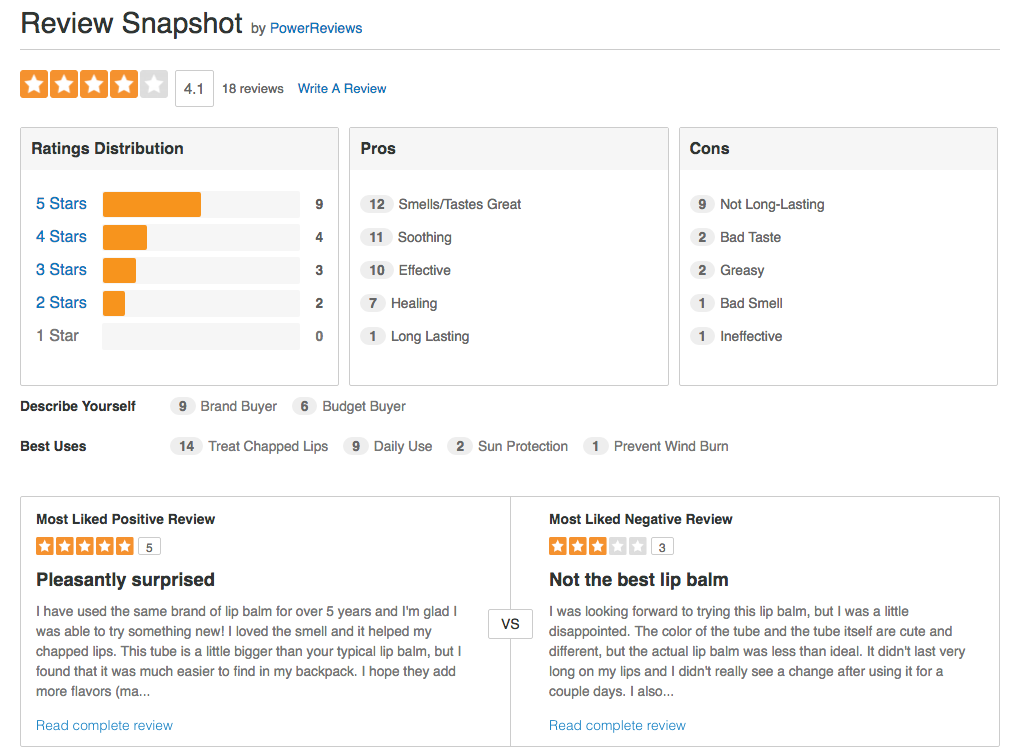
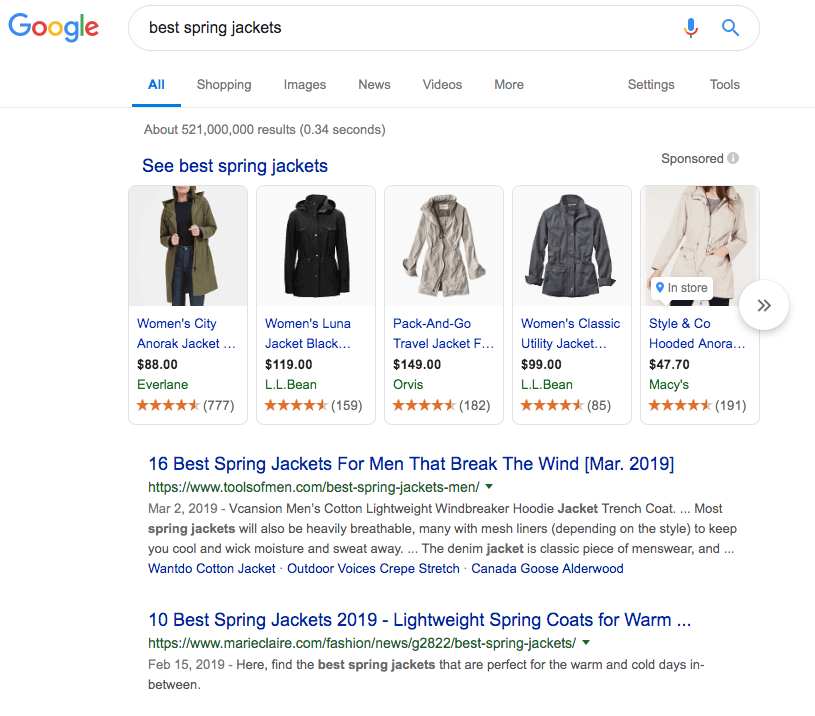
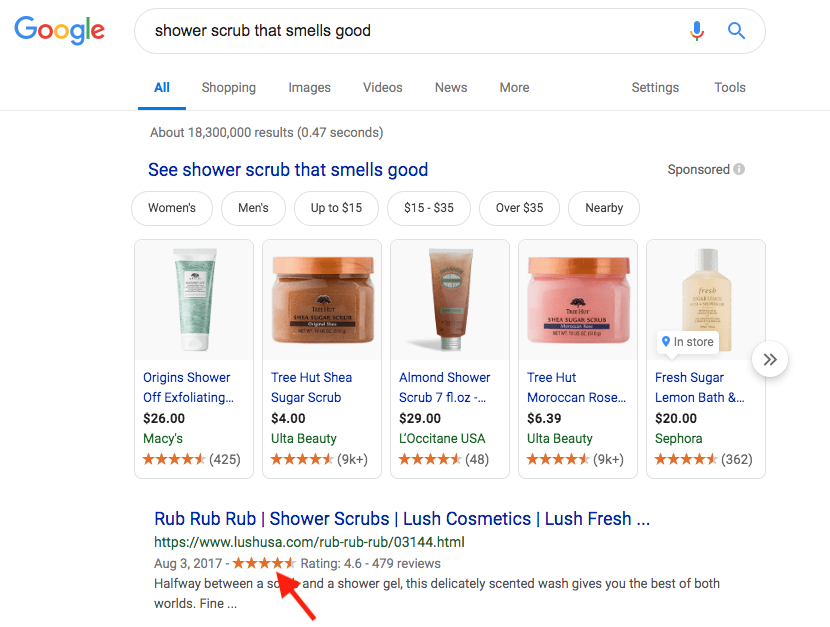
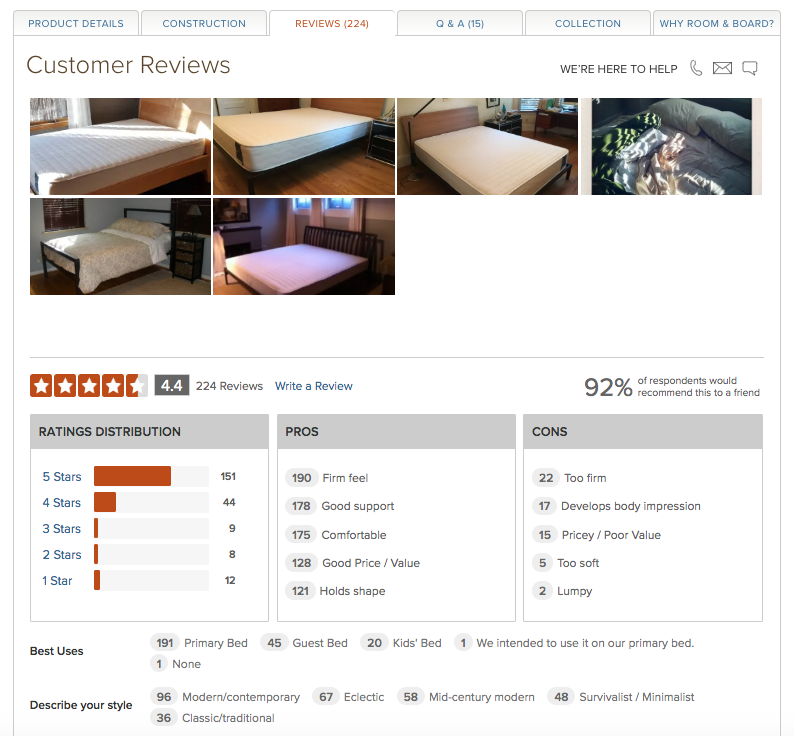
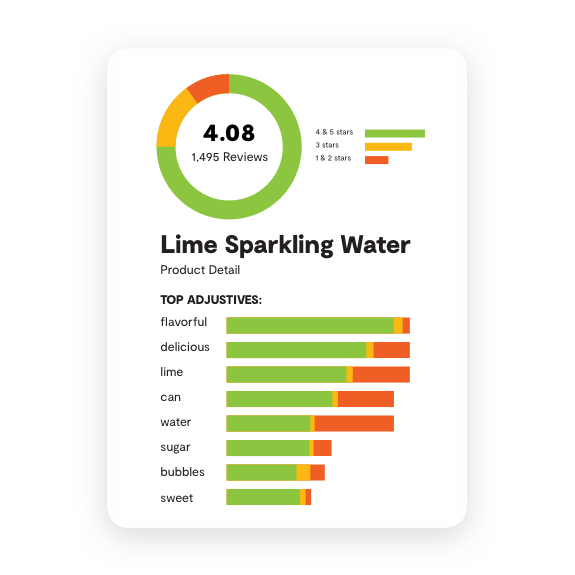
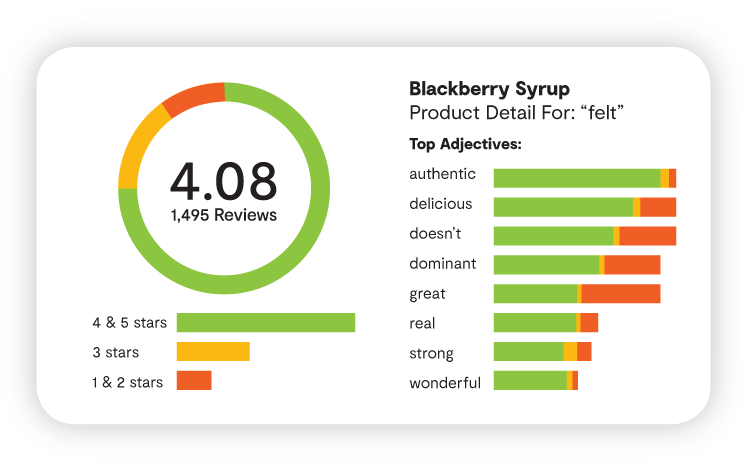
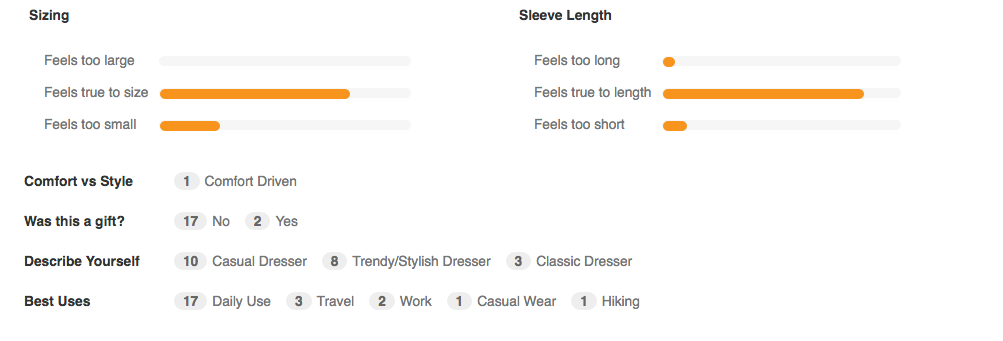
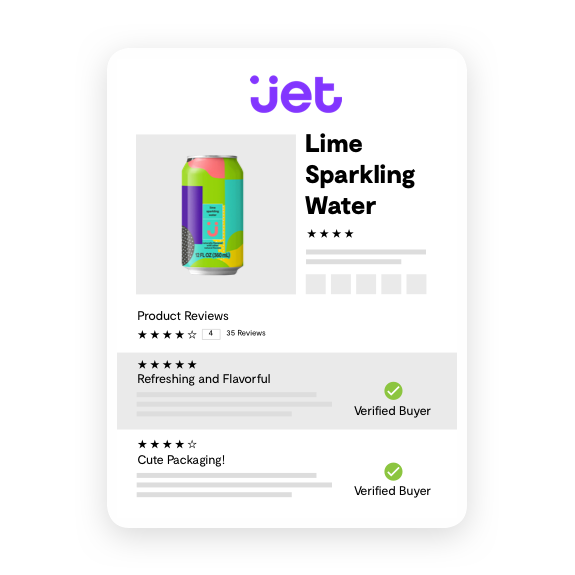
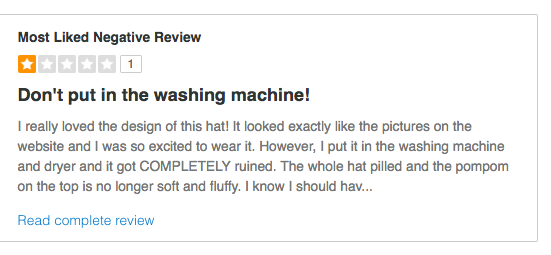
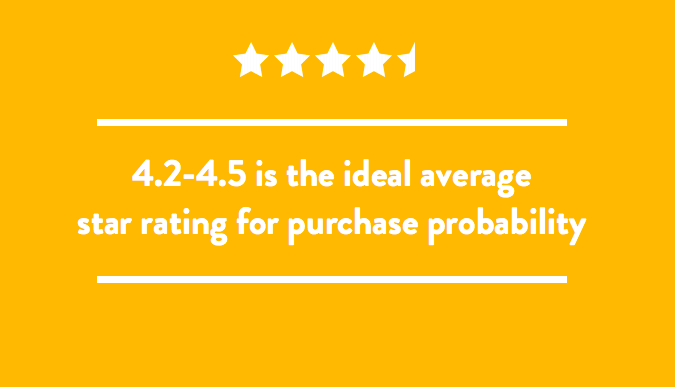
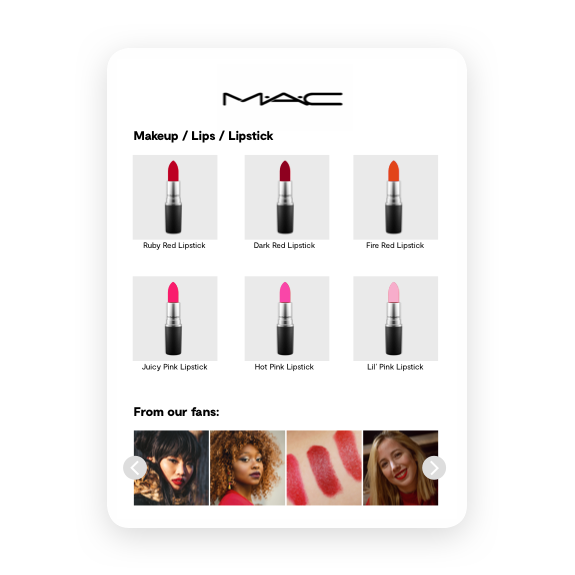
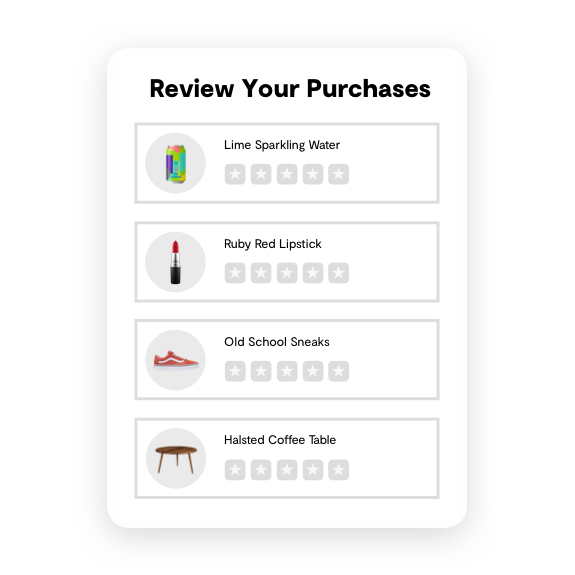
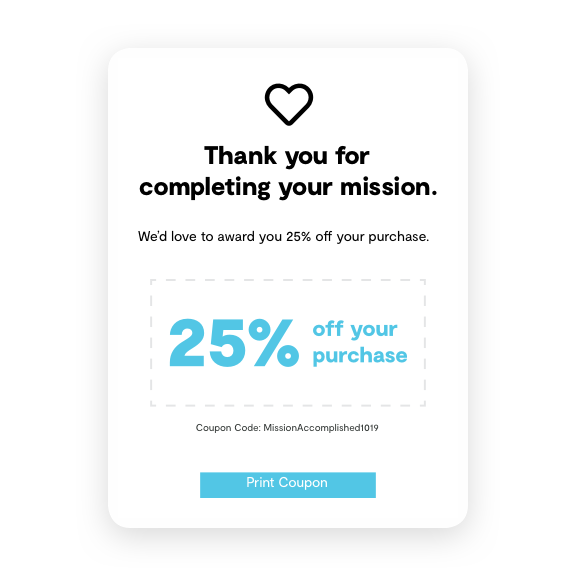
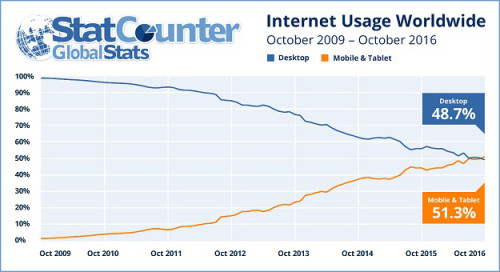
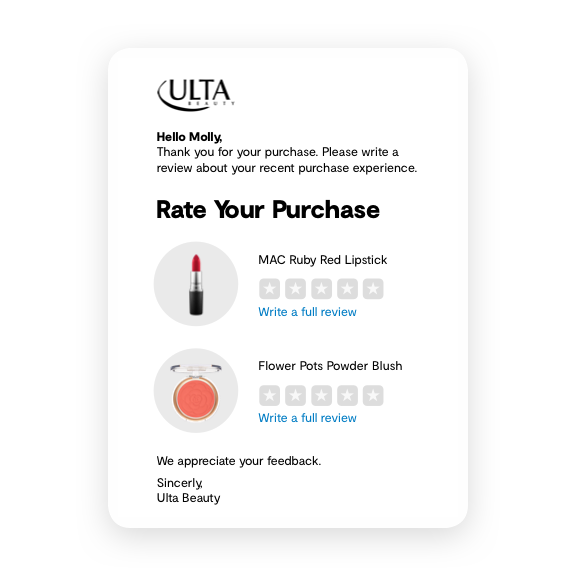
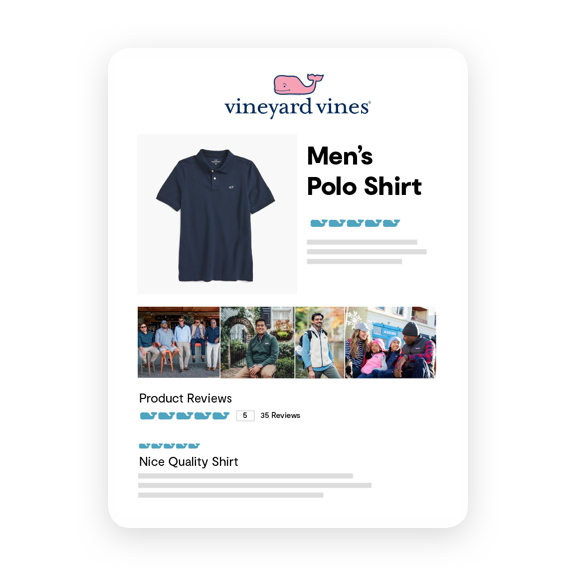
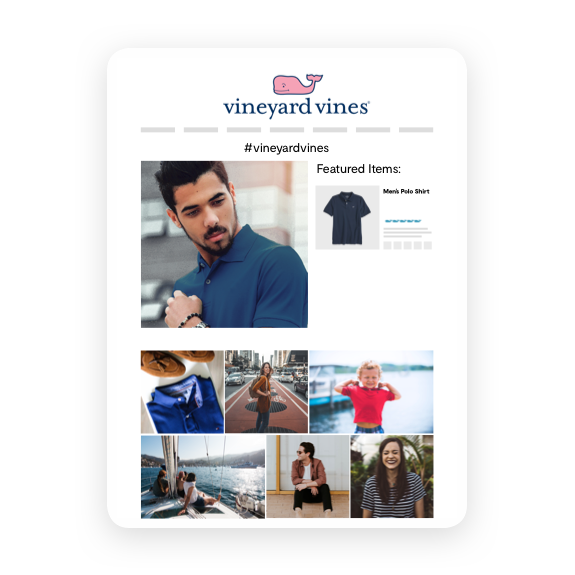

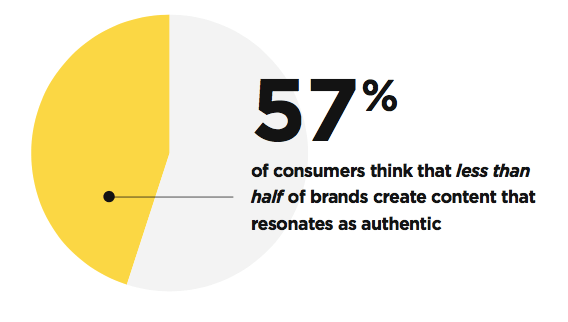
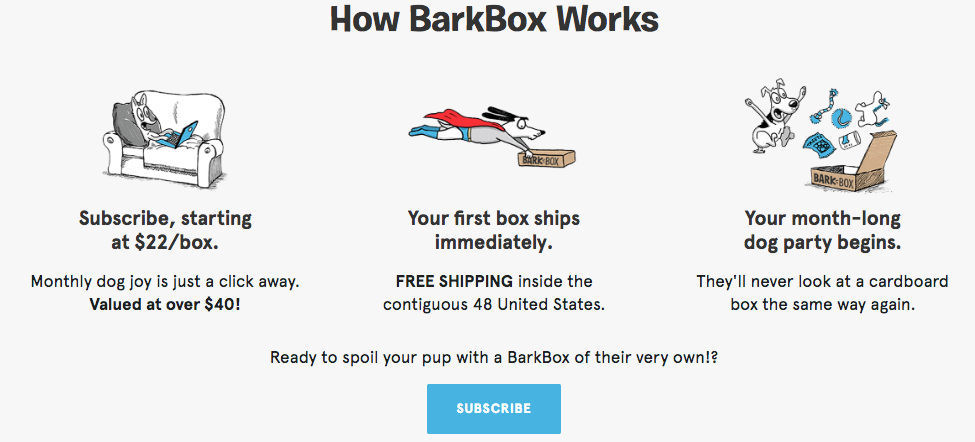
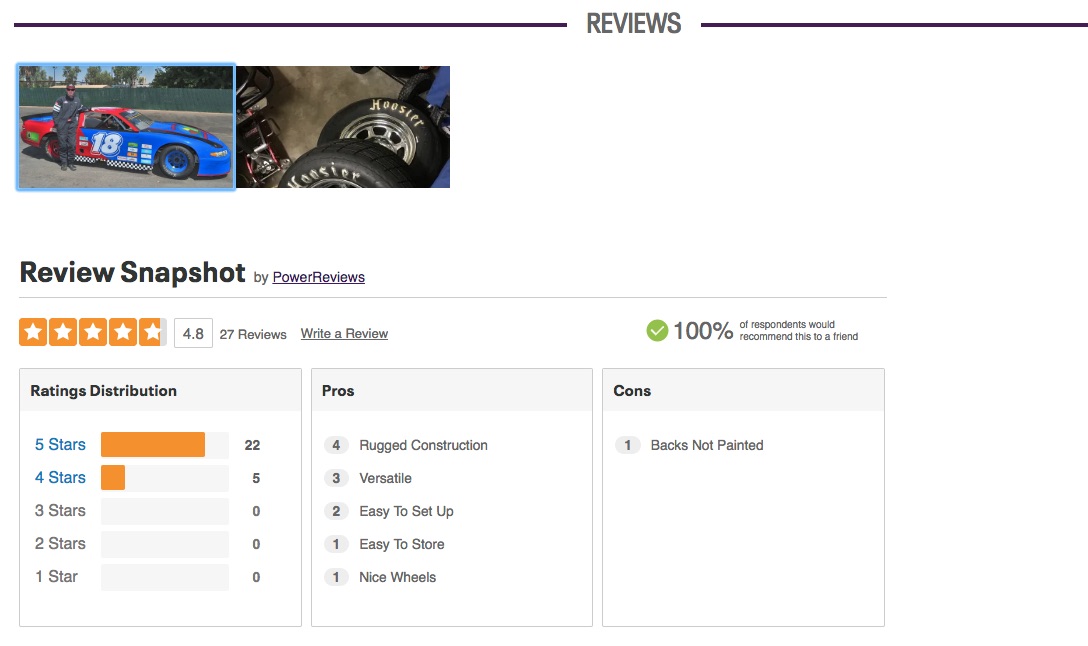
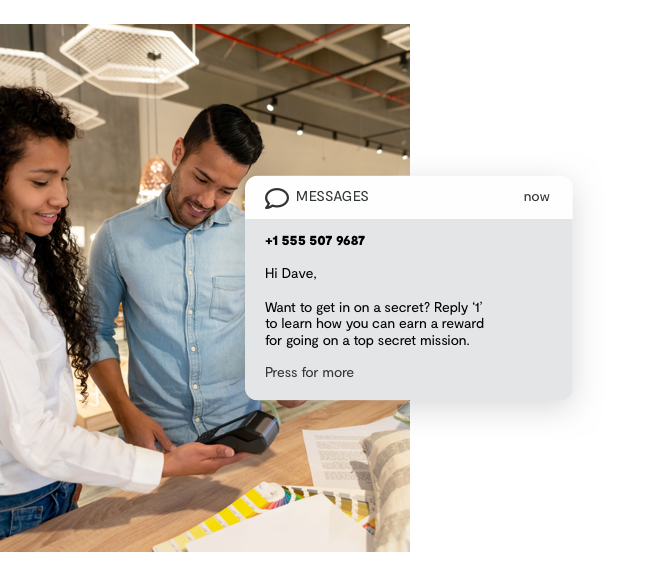
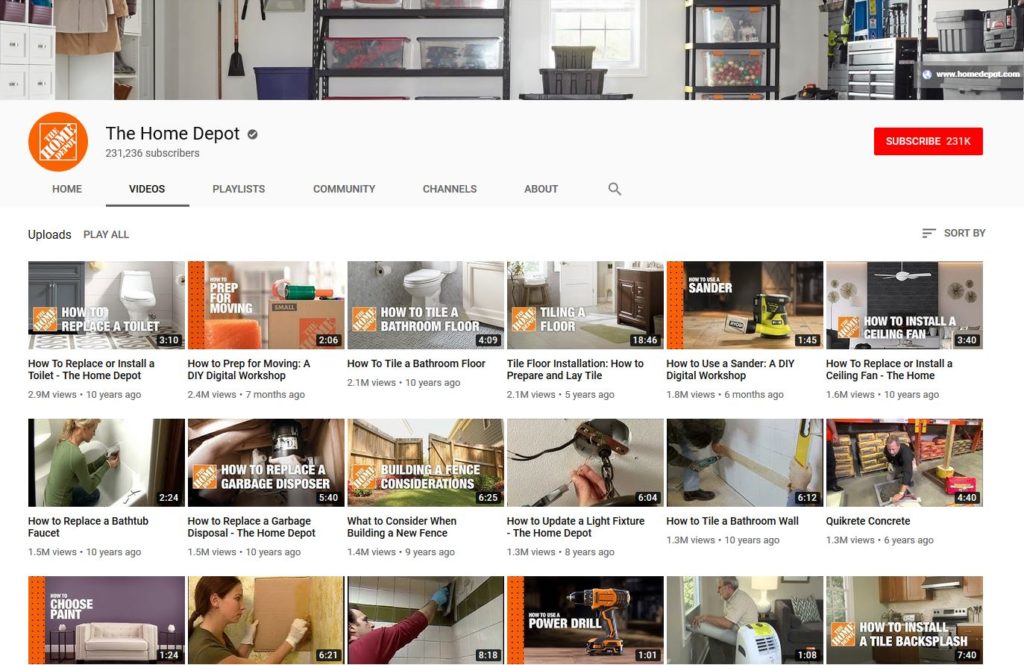
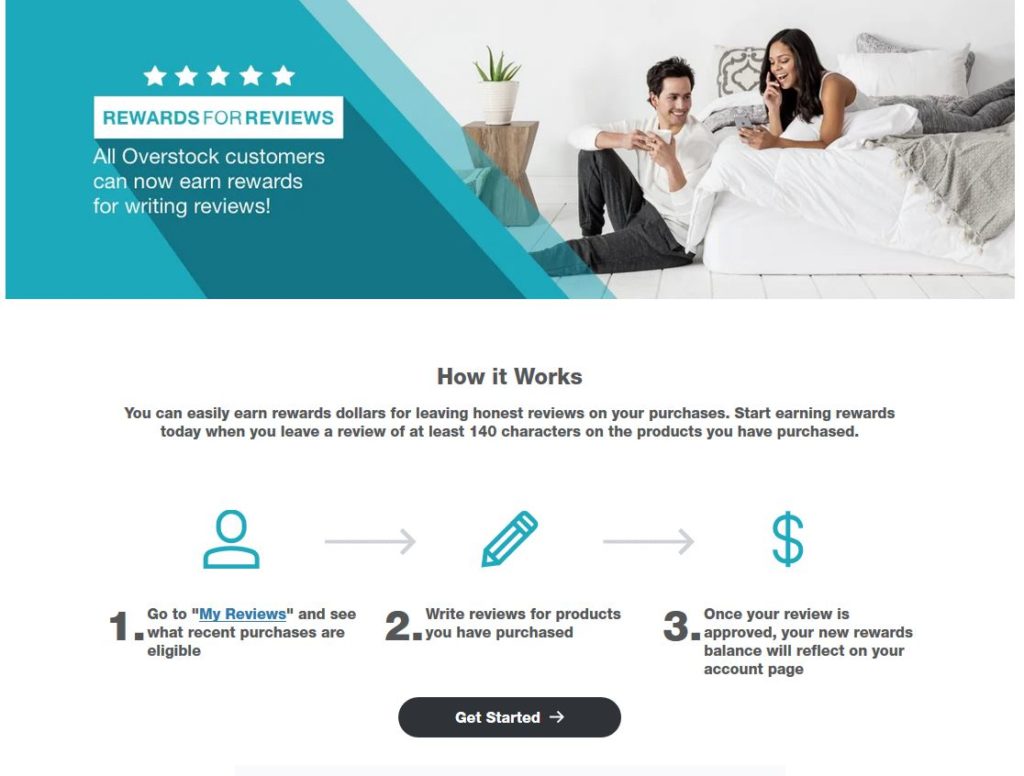
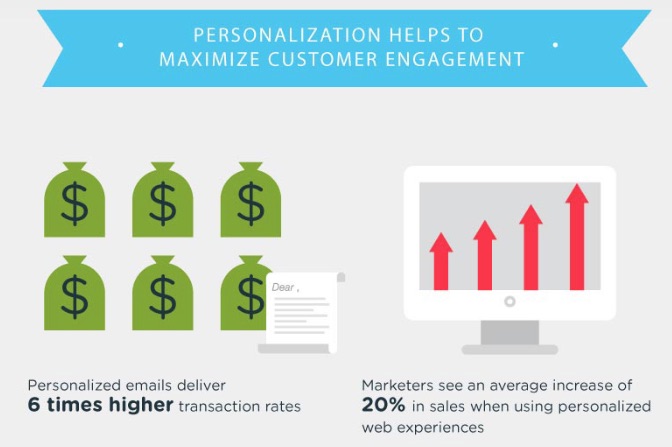
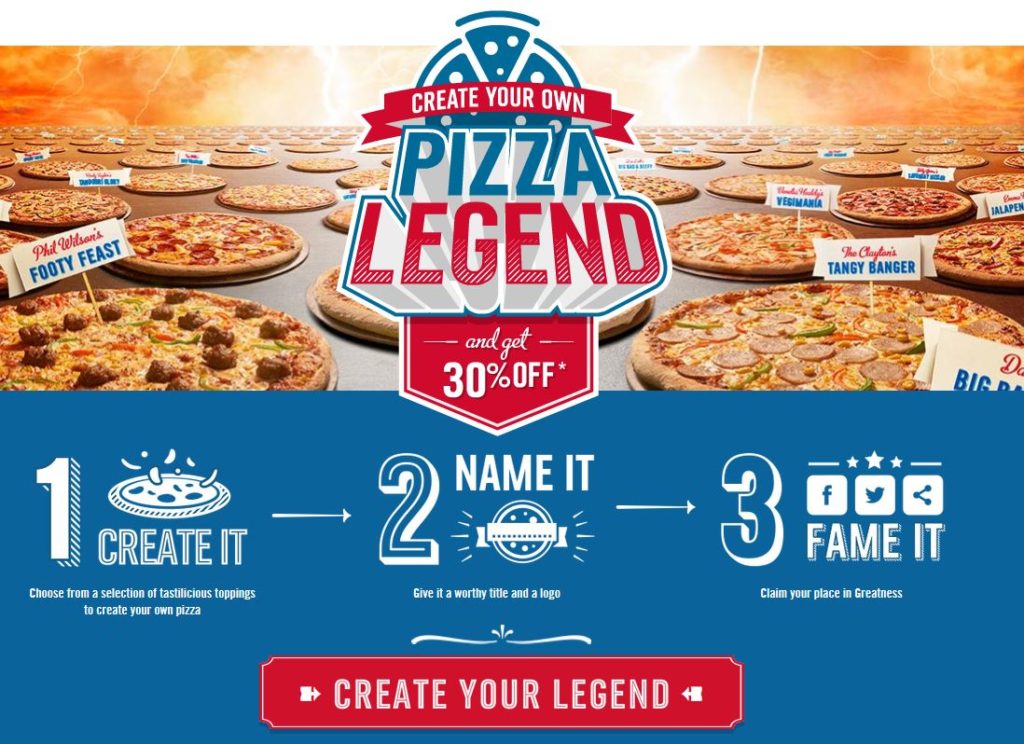
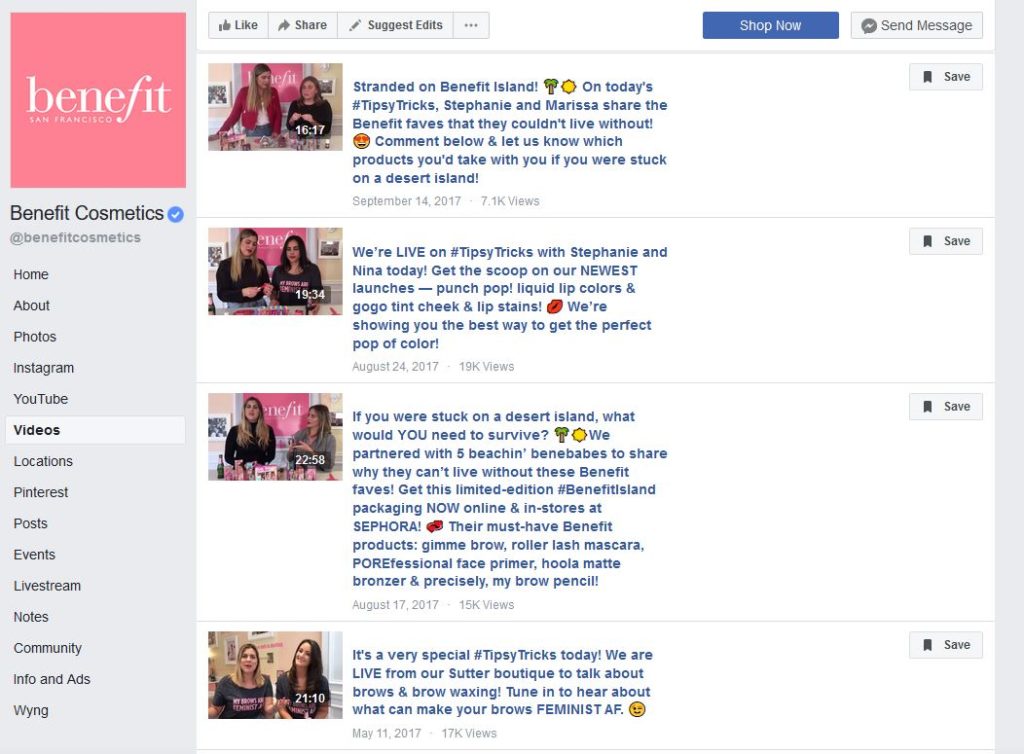

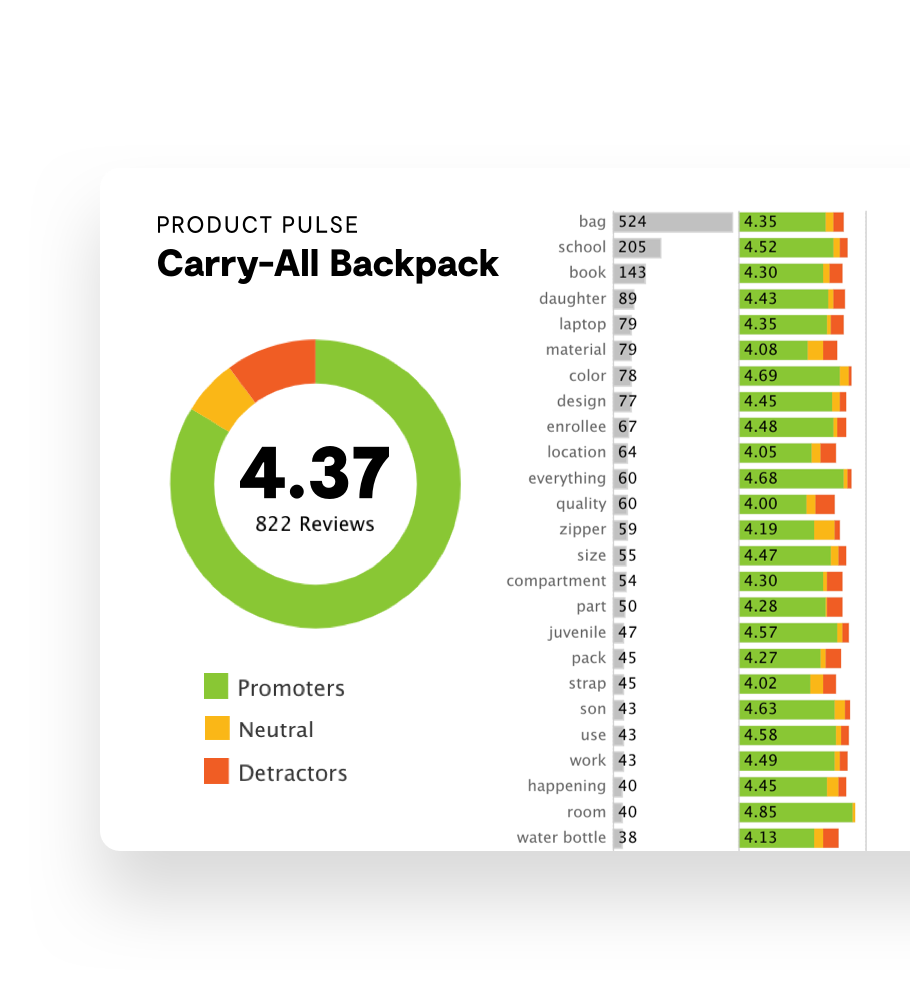
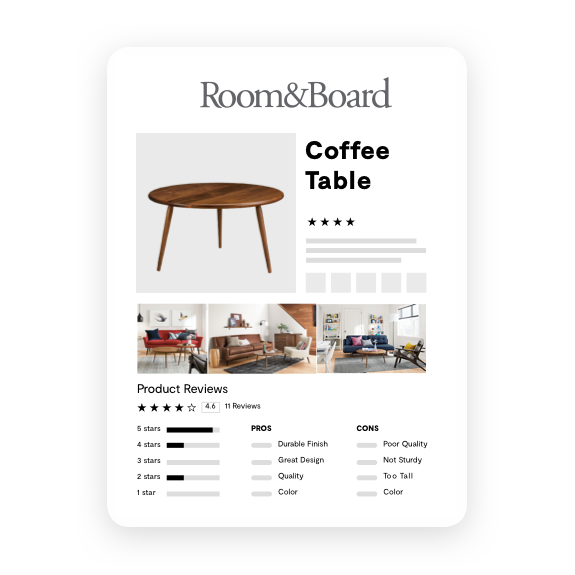
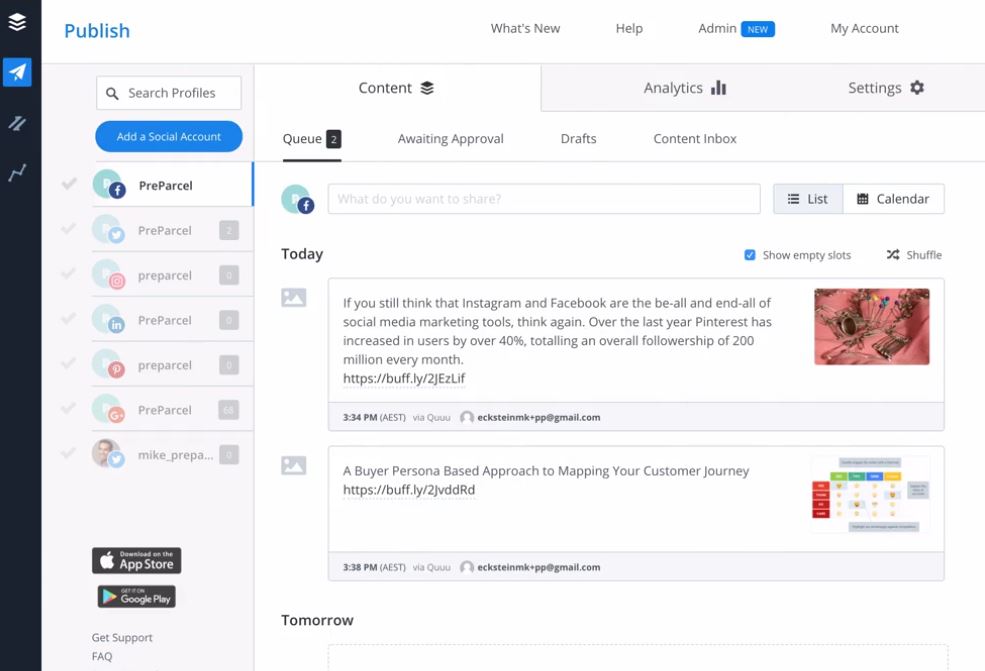
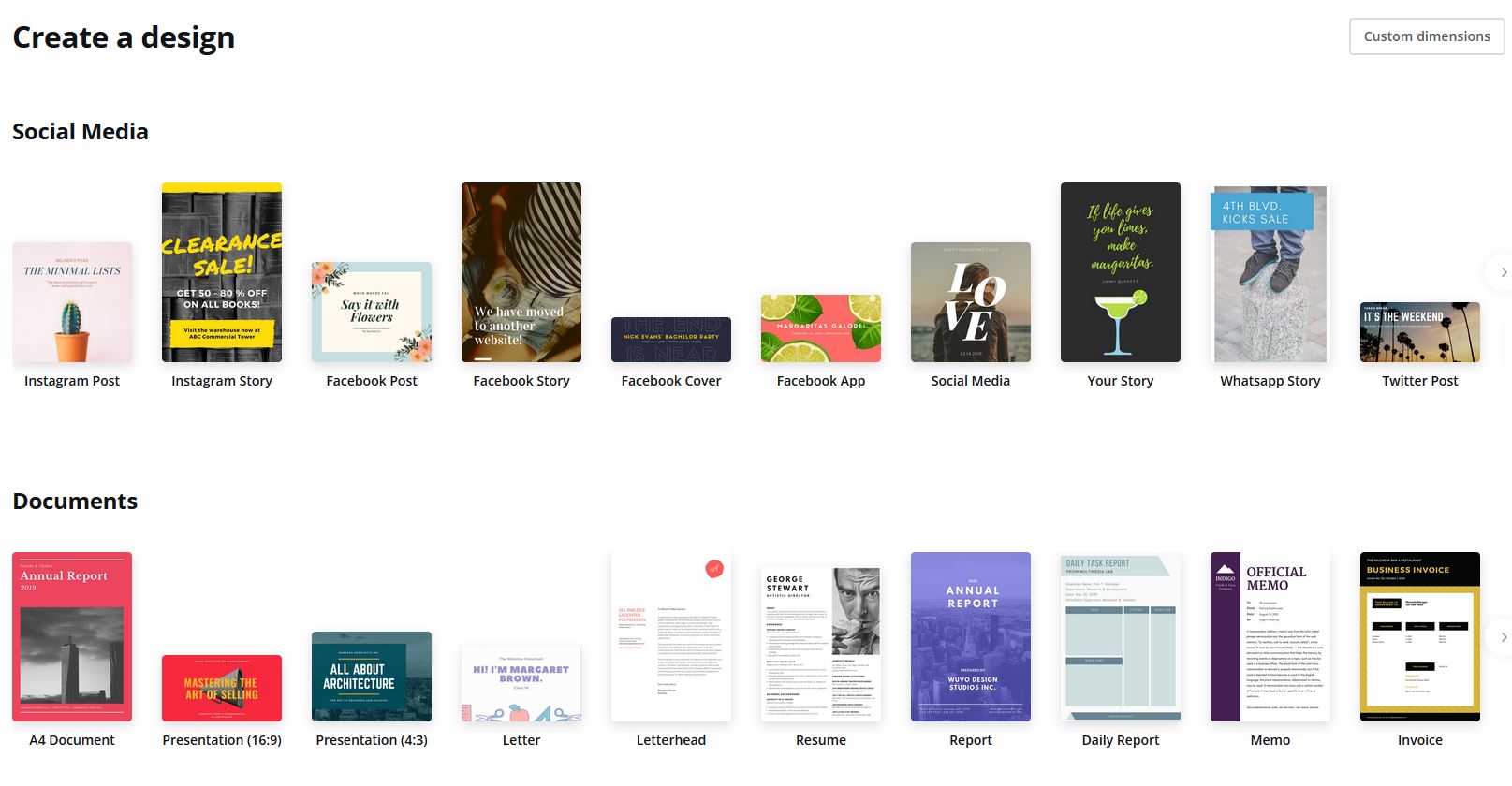

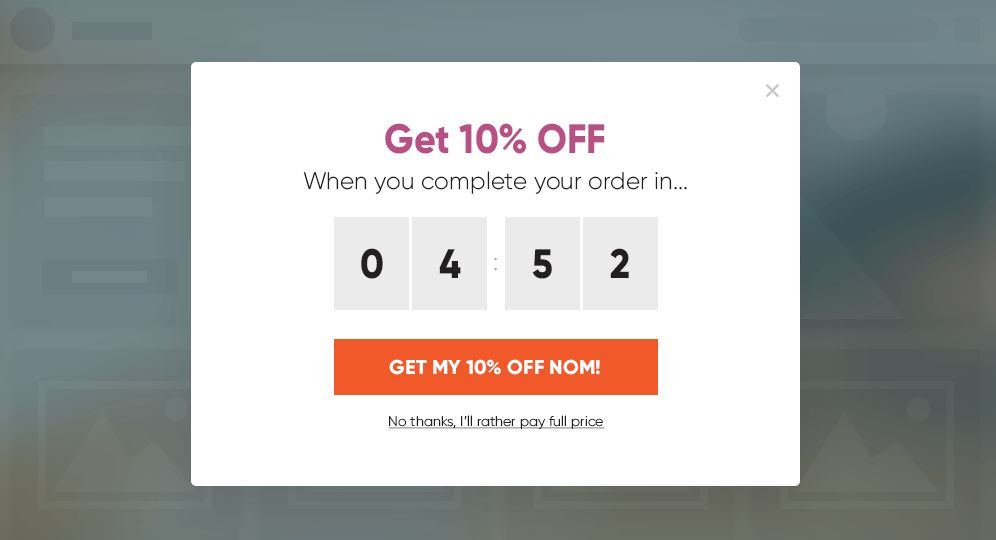

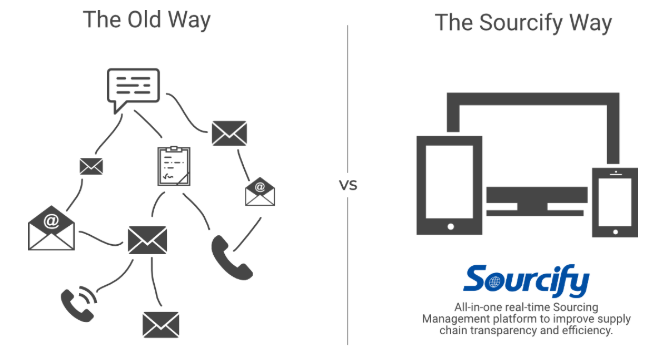
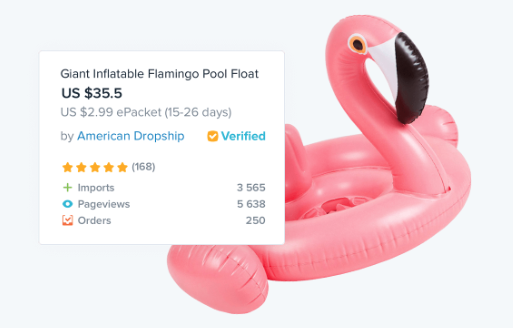

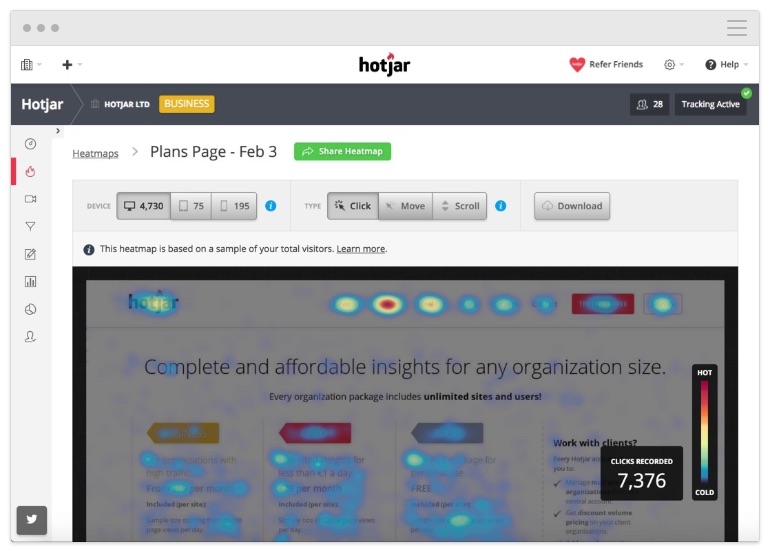
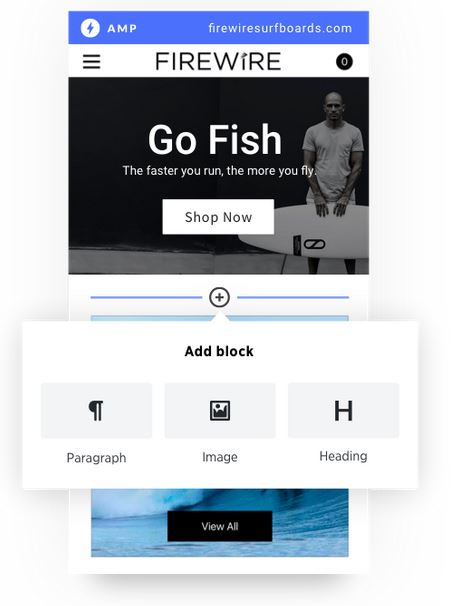
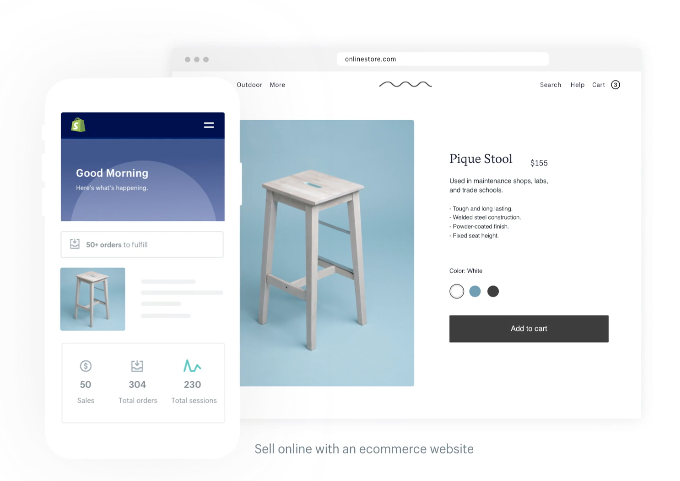
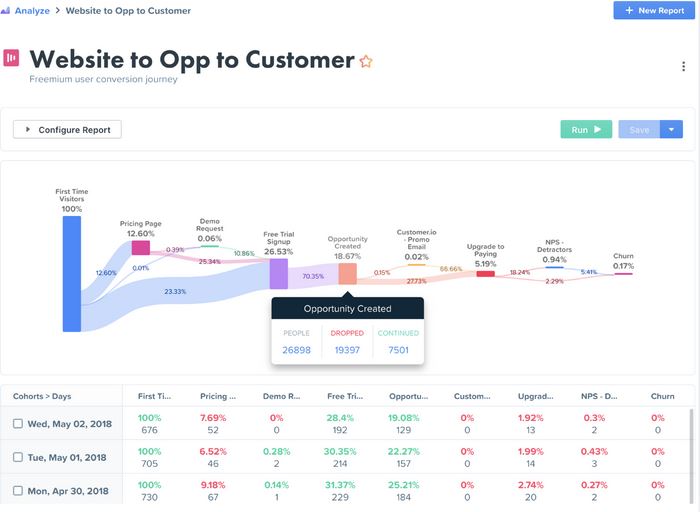

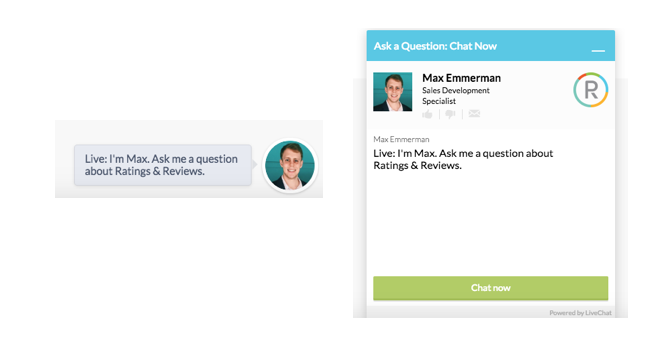

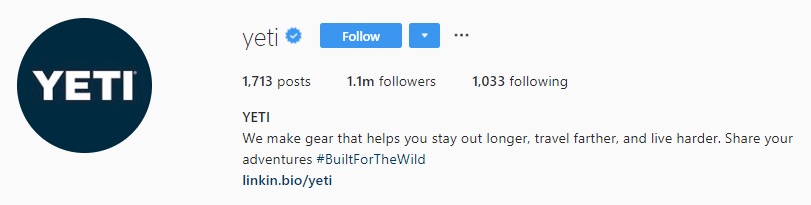
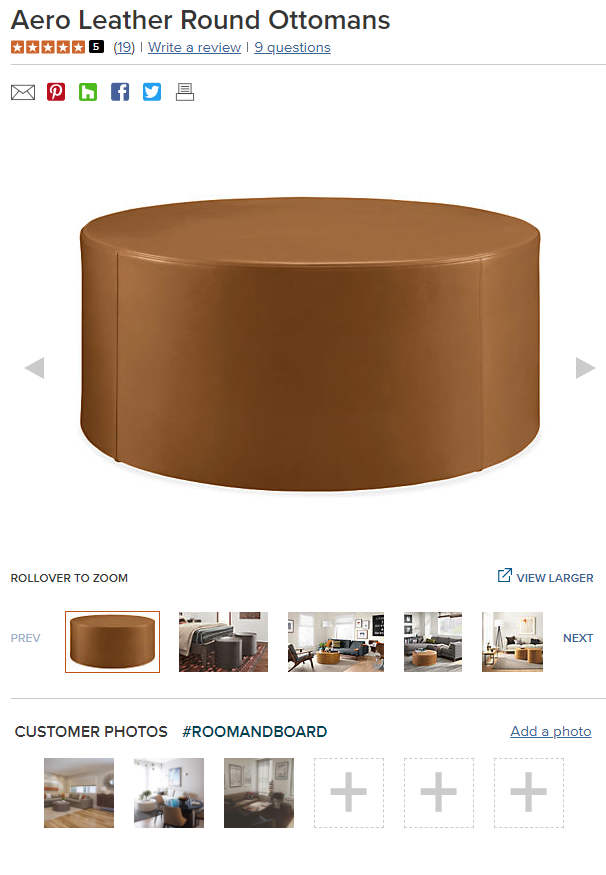

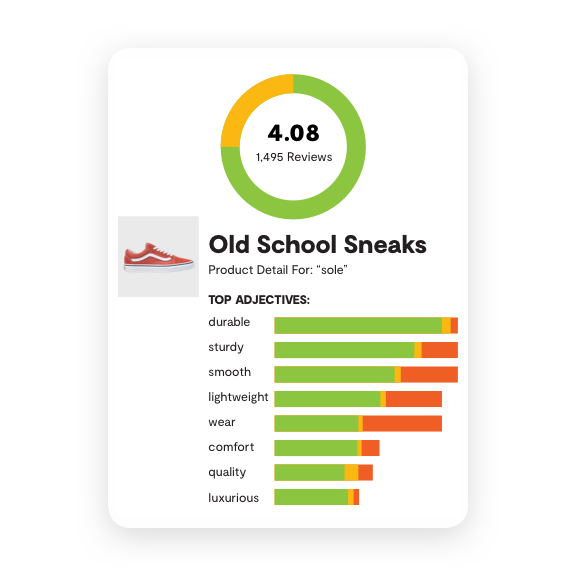
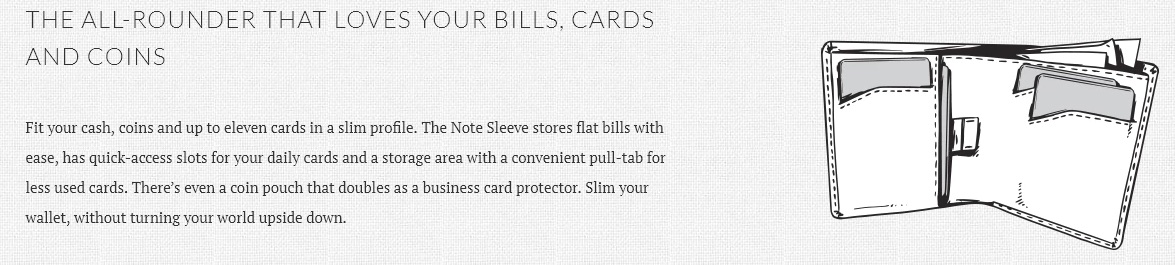


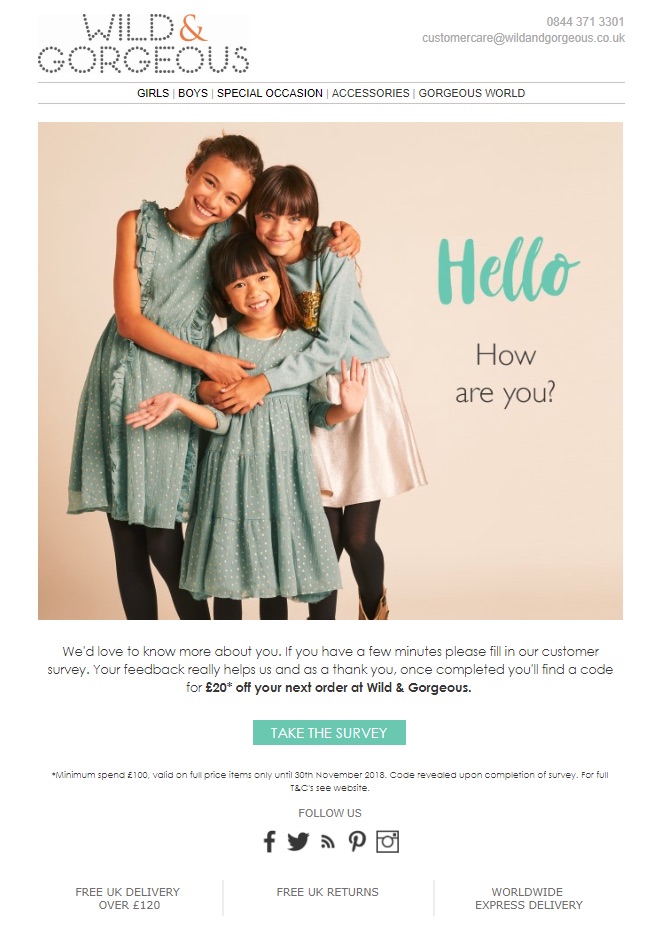
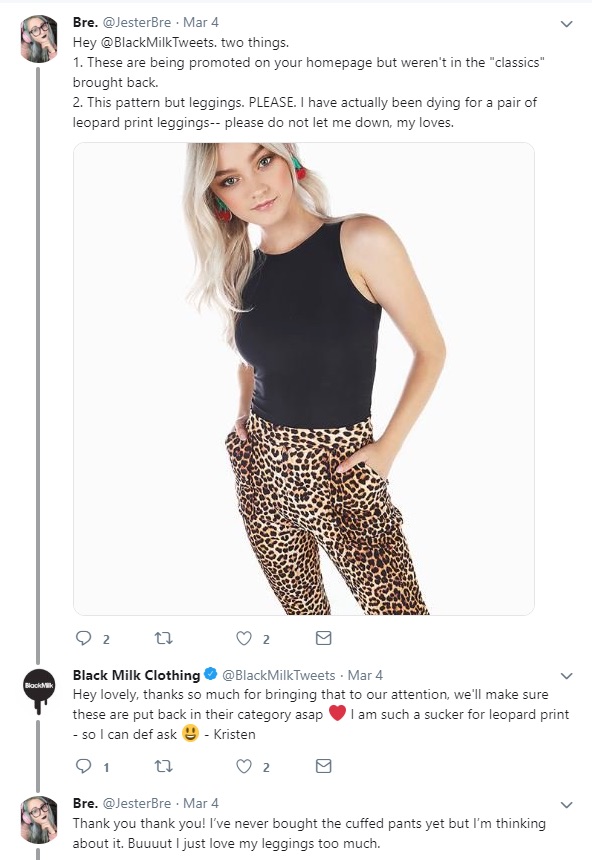
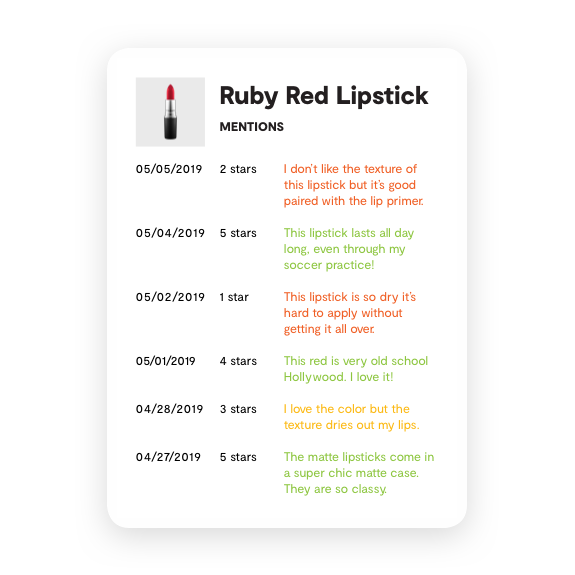
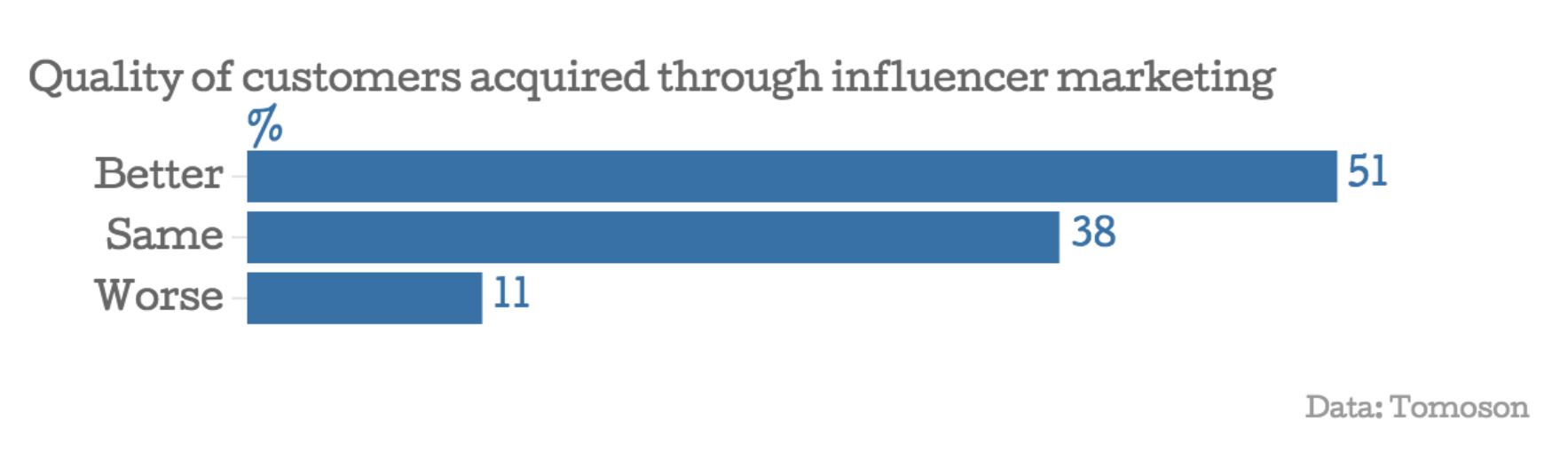
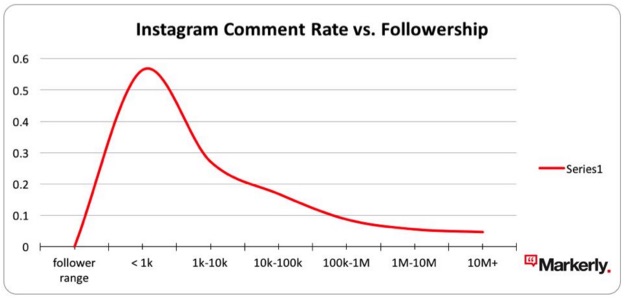
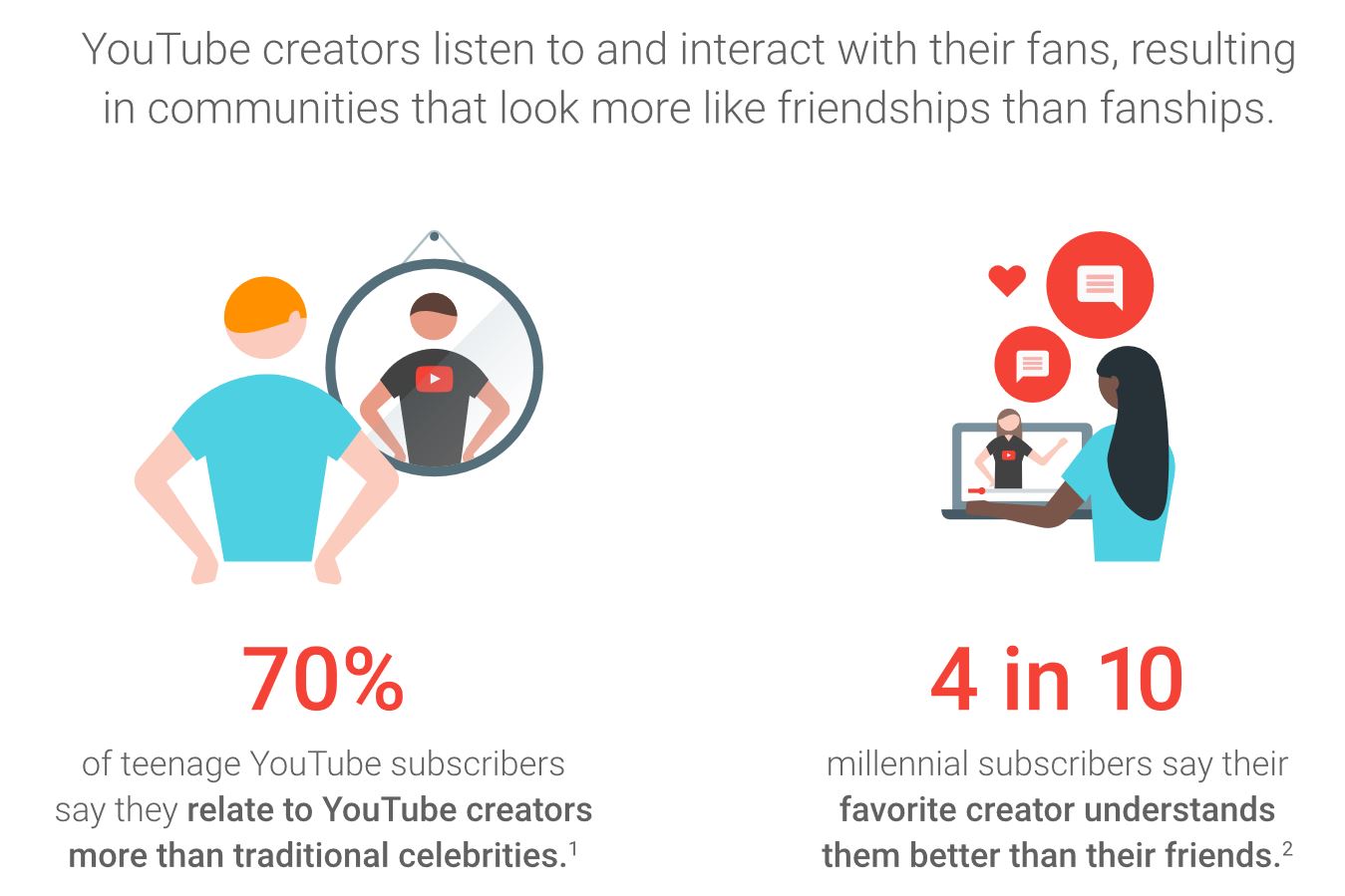

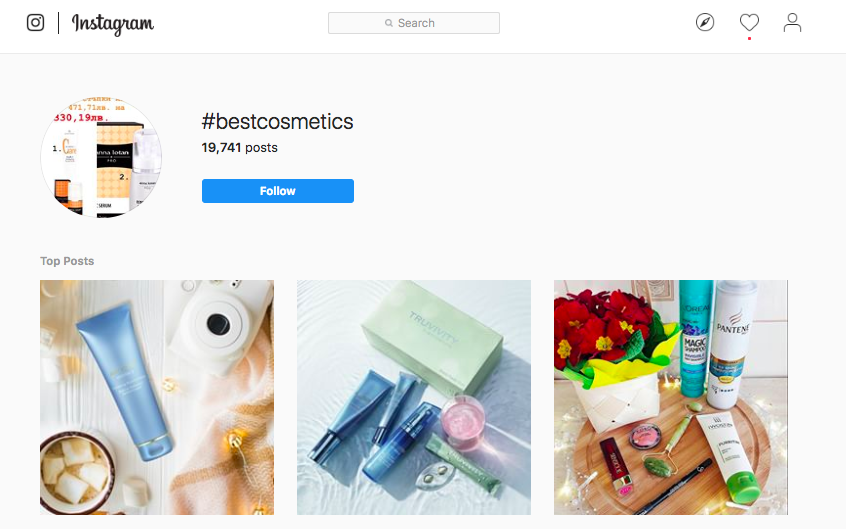
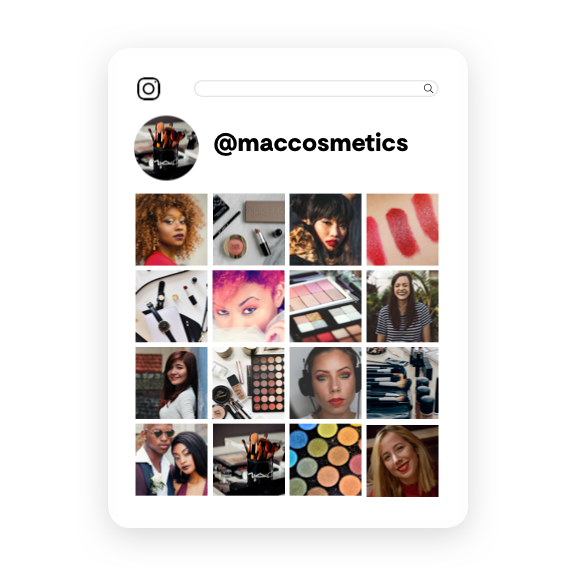
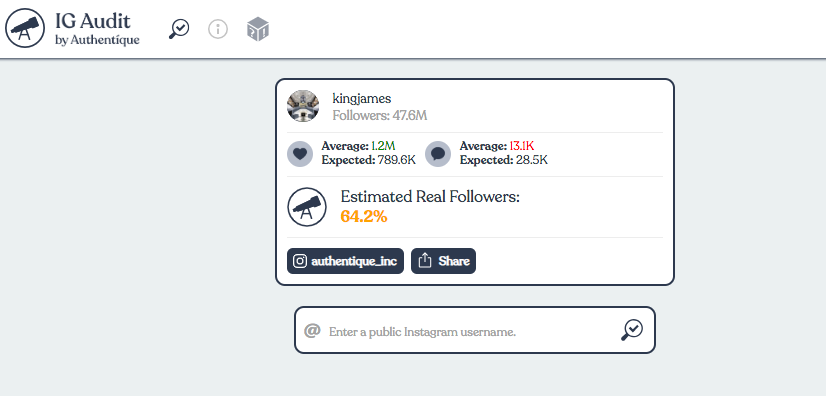

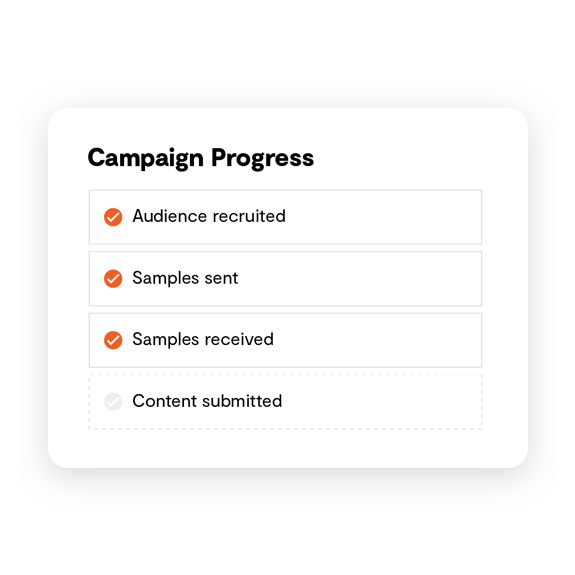
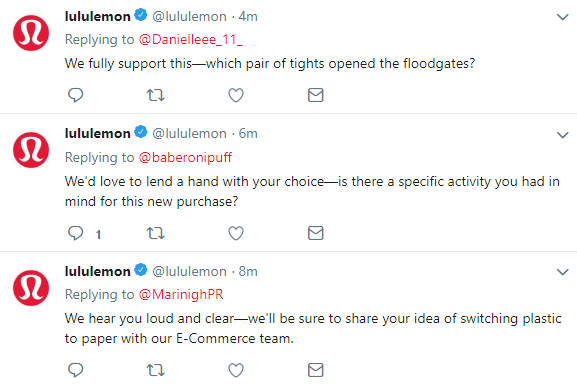
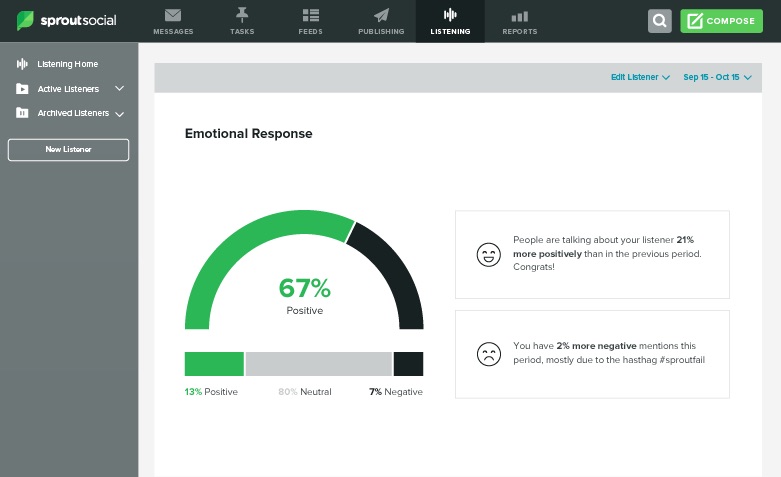
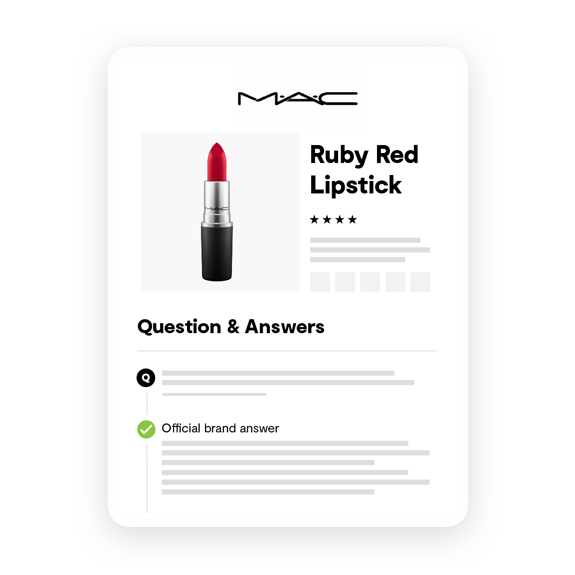

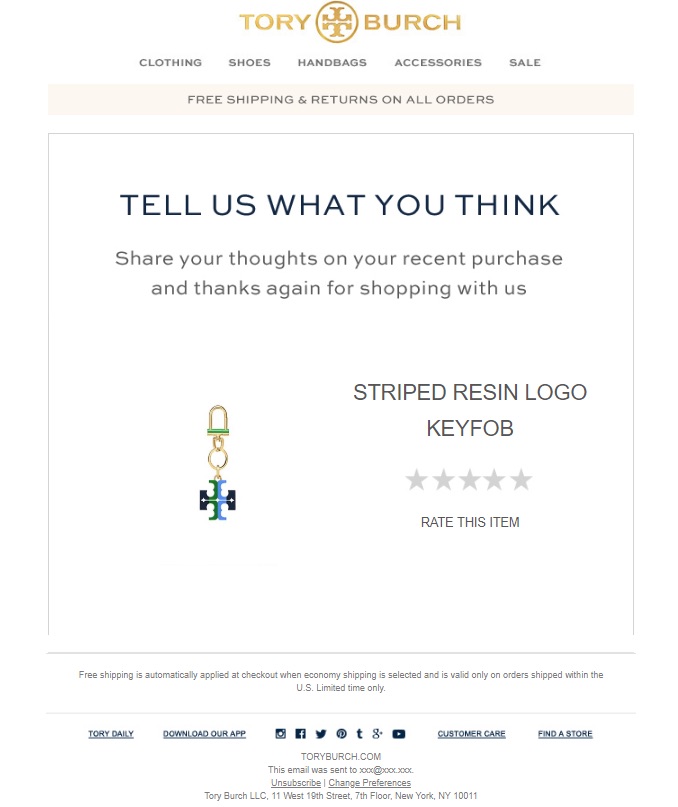
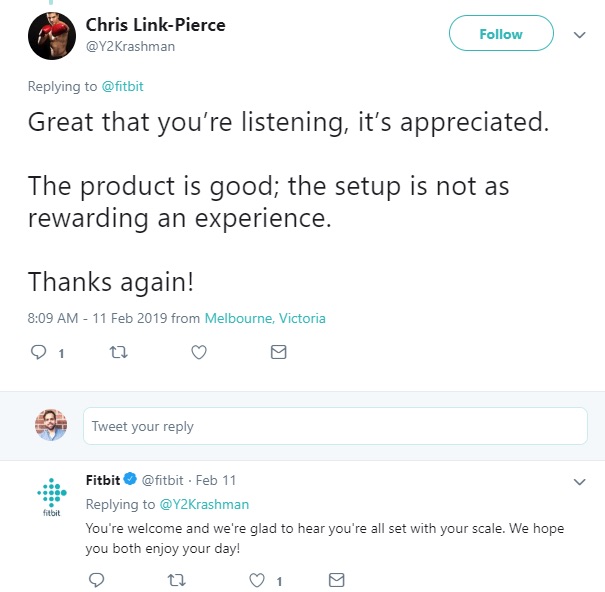
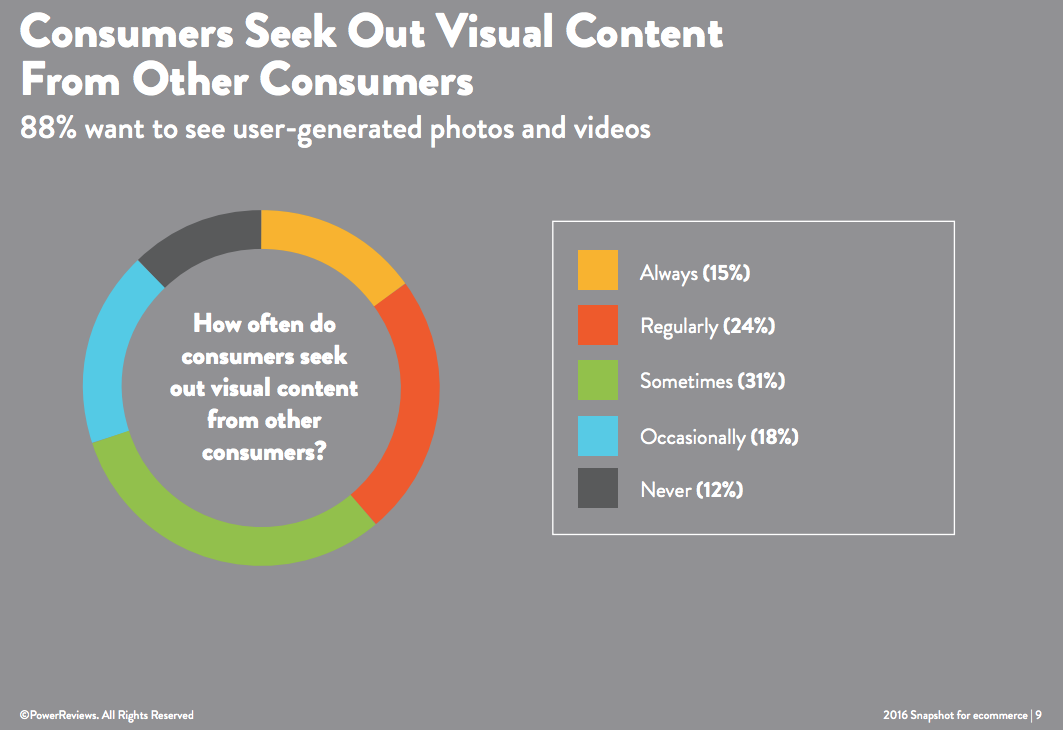
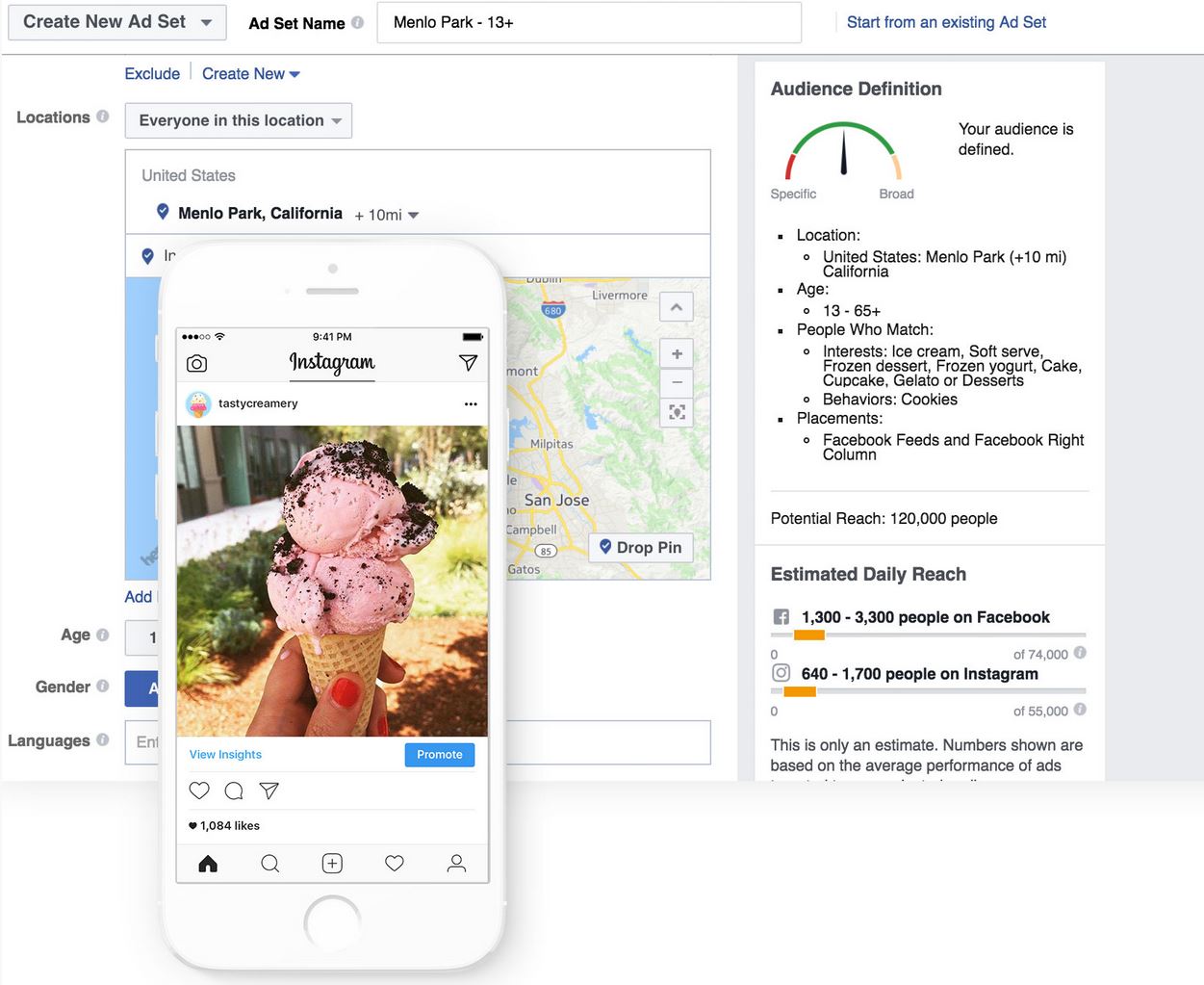
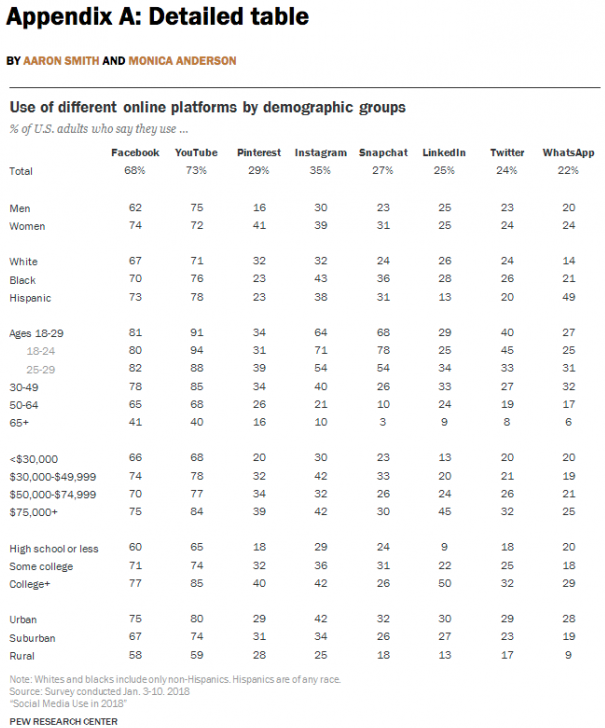 It’s important to not only know your core demographic, but provide them the right channels to shop for your products. We already know that younger generations like Instagram, but targeting older demographics that might be more relevant to your brand is essential.