We ran a webinar last month that explored the concept of “Everyday Influencers”, which is proving an extremely innovative and effective social media strategy for many brands. Our friends at Nautica spoke at length at the successes they have experienced.
In essence, Everyday Influencers are consumers with significantly smaller follower footprints than celebrities. But crucially, the followers they do have trust them implicitly. Think word of mouth recommendations from friends and family. This results in a far bigger impact overall, with authenticity an even more valuable quality than normal right now.
The topic clearly resonated as brands constantly reevaluate how they can get ahead in the everchanging social media environment. We actually had a ton of questions from brands and retailers that we were not able to get to. Here are a few of them and my responses:
What's the difference between an "everyday influencer" and a "micro influencer?"
A micro influencer is typically defined as having 1,000+ social media followers and accepting payments to create and amplify content. An everyday influencer typically has a few hundred followers and will generate authentic content in exchange for product samples. But they do not receive any financial payment - which makes a huge difference. This obviously has significant trust, authenticity and credibility implications.
Are “everyday influencers” getting paid?
A genuine everyday influencer community should not be receiving any financial payment for any reviews generated. At most, product samples and related accessories can be offered to the reviewer. While they can be guided about specific product attributes to focus on, they cannot be forced to leave positive reviews. The FTC governs all rules on review authenticity to ensure these conditions are upheld.
Isn’t that the strategy of legacy brands to hire celebrity ambassadors that drive to brand and speak to it?
This approach relies on a 2 step process: 1) create awareness and 2) drive to brand site. The second step doesn’t necessarily generate any trust as the marketing of the brand will always be consumed with an element of skepticism, unless the brand presents authentic feedback from consumers who have purchased or tried the product. For the cost of hiring a celebrity influencer, many everyday influencers could be employed instead - which generates awareness and immediately establishes trust with their audience, thereby accelerating the path to purchase.
Is verified purchases = trustworthy reviews = trust?
When a review is badged as being sourced from a verified purchaser, this automatically adds credibility. Consumers reading the review know that it’s come from someone who’s actually tried the product. They therefore process the content as being more trustworthy and not influenced by any payment to promote. So yes, this type of review generates trust.
How would you start using Everyday Influencers for a brand that is just starting out?
Start by understanding the category that the brand is being introduced into and the target profile of the ideal consumer for this brand. You may have this customer data already. But if you don’t, external vendors can help. Through our community lifestyle segments, demographic profiles and a craft qualifying survey, we at PowerReviews help brands isolate ideal consumers from within our community. The sheer size of our community ensures that even after filtering, the audience size is still sufficient enough to meet the needs of all our clients.
Do you know where/how consumers provide recommendations?
Consumers share product recommendations in a number of ways, including:
by writing reviews on brand or retailer product pages
by communicating directly to brands and retailers via email & “snail” mail
social media
word of mouth.
Although more brands are beginning to understand the value of everyday influencers, celebrity campaigns are still more popular. Do you think brands will shift more to activating everyday or nano to micro influencers?
Start by understanding the category that the brand is being introduced into and the target profile of the ideal consumer for this brand. You may have this customer data already. But if you don’t, external vendors can help. Through our community lifestyle segments, demographic profiles and a craft qualifying survey, we at PowerReviews help brands isolate ideal consumers from within our community. The sheer size of our community ensures that even after filtering, the audience size is still sufficient enough to meet the needs of all our clients.
If an influencer with 100,000 followers reposted an influencer who has only 1000 followers but is more authentic, how would that be perceived?
That’s an interesting one. I would expect it would be perceived extremely positively. Authenticity wins every time.
How much should we spend on a paid influencer campaign to make it worth our while if we have a pretty tight budget?
Brands should consider how much content is needed to generate authenticity and trust for their products. More high-valued products typically require more reviews. At a minimum, target 50 reviews and consider the average response rate for a sampling community to develop the ideal number of samples to distribute. If the average response rate is 85%, 100 samples will generate 85 reviews. Focus on the products that need content and are important to your portfolio. Also consider the recency of content. You may have a product with hundreds of reviews, but if they are older than 90 days, our studies show the Gen Z consumers tend to discount their value.
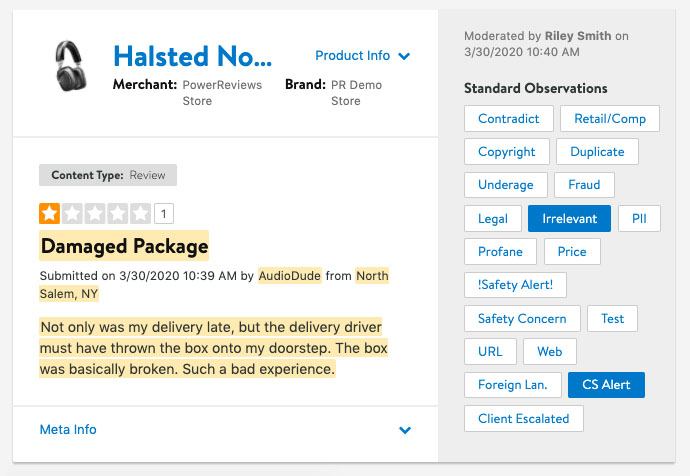
Each month, PowerReviews’ team of human moderators analyzes over half a million reviews.
How do you handle trolls in direct consumer influencers posting?
You have two options. You either do it manually or you invest in some automated technology. At PowerReviews, we offer the best of both worlds. Our automated and human moderation processes ensure that content reaching consumers is as relevant and appropriate as possible. Brands should always respond to negative reviews so that consumers can see that brands are engaged. Brands should invest in generating content on a regular basis to help compensate for negative content.
What do you do when you want to reach new audiences outside of your already existing customer profile?
If a brand is looking to launch a new product that is not related to an existing product audience, leveraging everyday influencers through a large community is ideal. PowerReviews works with brands to build meaningful profiles for campaign participants. Using our existing lifestyle and demographic segments in tandem with surveys, brands find the right community members.
Do you think "everyday influencers" should be compensated for the branded content they produce for a brand?
No. As I say, authenticity wins every time. When financial incentives are involved in exchange for reviews, shoppers instantly discount the value of the review.Because the FTC requires that all reviews generated in exchange for any form of incentive must be disclosed in the review detail, there is no way around this.
What are some successful ways to report on ROI with influencers?
If you are looking to measure ROI, we have conducted numerous studies with Northwestern University that can be found here.
Could partnering with everyday influencers also be considered a good activity to implement in the context of Travel & Tourism services as opposed to Retail products?
Of course! Everyday influencers bring exceptional credibility to both products and services.
Have you seen success with tying PowerReviews with a specific retailer campaign?
Yes, one of our key retail partners uses the PowerReviews sampling community to execute sampling for reviews with its private label products. Our industry-leading high response rate (average 85%+) ensures an efficient spend against the costs of a sampling campaign (recruitment, product samples and fulfillment).
What are some proactive ways that you can engage these everyday influencers to create quality content for the brand? Is it possible to provide specific asks to these "loyal" consumers?
Asking everyday influencers to focus on specific product attributes or applications is definitely recommended to improve effectiveness. If you want to suggest locales or experiences in which to evaluate the product, that also can be included in the campaign details.
I have an emerging jewelry brand and I'd like to try working with Everyday Influencers. Could you suggest how to go about working with them?
As with any marketing activity, it’s all about accurately defining your target market and audience. You need to ensure you get your products in the hands of customers who are qualified and compelled to share with their own networks.
At PowerReviews, we have a huge database of 100,000s everyday influencers. We can therefore match brands with the right influencers with precision to generate the best results.
What are the keys to contracting with micro and everyday influencers? Do you consider alternate payments (non-monetary)?
Micro influencers often require payment for reviews although they typically insist on delivering authentic, not necessarily positive reviews. Contracting them is often conducted on an individual basis. Everyday influencers are best managed through established sampling communities that offer genuine scale and where the third party has established credibility by not offering financial rewards in exchange for review writing.
Approximately how much time should I allocate to starting a relationship with an Everyday Influencer(s) and what have you seen worked out successfully?
Relationships with everyday influencers can be transactional or longitudinal. You can curate them for individual campaigns based on their needs. If you want to include influencers from previous campaigns, your sampling provider should manage all recruitment, minimizing any time effort on your part.
Sampling with PowerReviews generates engagement rates 3.5 times higher than typical influencer campaigns.
Influencers with high following don't necessarily have the most engagement. How do you look at influencers from an ROI perspective? And how do you prioritize awareness vs driving product sales through unique links?
Awareness and trust are not necessarily mutually exclusive. Instead of paying for one high-cost celebrity influencer to drive awareness, investing in everyday influencers with a cumulative reach at the same level is less expensive and generates far greater trust. If you are looking to measure ROI, we have conducted numerous studies with Northwestern University that can be found here.
You’ve talked a lot about trust, but how would you define it?
Trust is earned when a consumer reading a review decides that the author has offered a genuine product evaluation. If the reviewer is either verified or known by the reader, trust is far more likely.
If you want to know more about how PowerReviews helps companies generate consumer trust through everyday influencer campaigns, read our guide or watch the webinar recording.
These are highly unusual, uncertain and unsettling times. The evolution of the COVID-19 story over the past 2-3 weeks has been so rapid that making predictions is tough.
But here are some observations so far:
Retail has changed forever. Digital is driving a large proportion of revenue by necessity right now but these shopping habits are quickly becoming normal.
The digital experience you provide is more important than it’s ever been – both now and once all this is over.
While digital is critical, everyone is struggling. Empathy, authenticity, and trustworthiness are increasingly vital for the foreseeable future.
Digital reliance skyrockets
Reliance on digital engagement has been a clear and predictable trend. Online shopping volumes have increased massively, particularly for household staples – which has been widely reported by now. Peapod experienced a 33% surge in demand in the first week of March (before the crisis deepened). Adobe has more recent figures and reports surges in a number of categories. Overall web traffic is also way up on normal. People are living their lives online right now and this period is only likely to accelerate the digital transformation that has been ongoing for a number of years.
Increased social media usage
Unsurprisingly, there has also been some noticeable shifts in social media activity. During the quarantine period, people can’t go anywhere and have a lot more time on their hands than they usually do. In such a scenario, it’s no surprise that the first thing they probably reach for is their phone when looking to fill their time.
Twitter usage is up, with 164 million people on average having visited that particular social channel in the past quarter – an increase of 12 million from the previous quarter and a 23% jump from a year earlier.
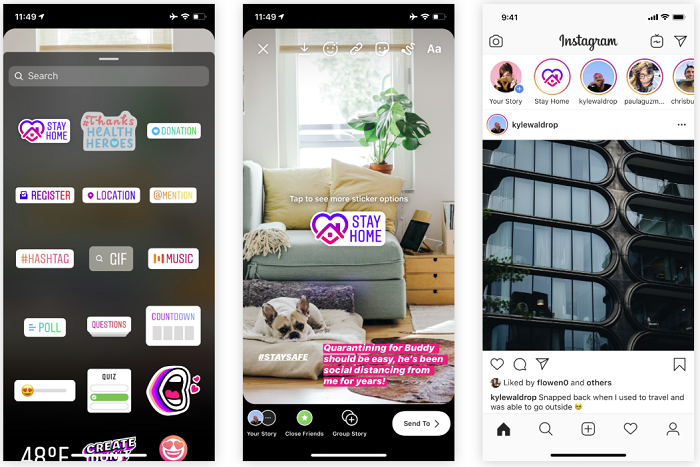
If you use Instagram, you’ll have noticed the addition of a “Stay Home” sticker in the last few days. This was created by the platform to encourage social distancing to stem the spread of the virus. Instagram campaigns generally are proving more successful too, with ad posts attracting 76% more likes than in more “normal” times.
Instagram’s “Stay Home” sticker has been shared broadly on the platform (Credit: Flipweb)
How can retailers and brands be successful right now?
While everyone’s first priority right now is of course the health of themselves and their loved ones, life and business still goes on – as much as that is possible.
Retailers and brands therefore need to figure out how to be successful in these new conditions. They can’t just drop everything.
With this being the case, digital offers the clearest opportunity – both now and whenever we get back to “normal”.
Above all else, though, you need to be empathetic, “real” and authentic. It should go without saying that you need to be sensitive to the emotional toil a lot of people are going through.
Outside of existing conditions, the appeal and effectiveness of sponsored content and celebrity influence were already decreasing.
Another study showed 57% of consumers believe less than half of all brands actually offer meaningful, authentic content. And 60% say content from friends or family influences their purchase decisions, while just 23% say content from celebrities and influencers are impactful. At the same time, brand trust has never been harder to earn. The annual Edelman Trust Barometer found only 34% of consumers have trust in brands they use.
Celebrity campaigns are becoming less and less effective, and are completely inappropriate right now
With all this now occurring against a backdrop of surging social media engagement and ecommerce revenue due to COVID-19, there is a clear opportunity for thoughtful and sympathetic digital engagement.
Celebrity-based campaigns are already perceived to be disingenuous at the best of times, and that is even more likely to be the case in these uncertain times. Even though they can reach huge audiences, messages stemming from these “hired guns” simply come across as not believable. As a result, they do not provide the necessary inspiration to motivate customers to hit the “buy” button.
Celebrity and macro influencers are no longer hitting the mark
In fact, 25% of U.S. consumers do not trust celebrity product recommendations. Add in today’s environment and you actually risk coming across as crass, insensitive and potentially doing your brand more harm than good. More generally, social media influencing is at a critical inflection point: engagement rates are declining (down to 2.4% from 4% in 2016).
What are “everyday influencers”?
Instead, consumers need to be served up a wide array of customer-generated content. What does this mean? Online word-of-mouth style guidance and recommendations that they actually believe. Most importantly, this content must be created by those they trust most – friends and family and everyday ‘people like them’.
“Everyday influencers” are authentic, real and relatable. They are your neighbor, your brother, your mom’s friend, or your college roommate. People you trust and “word of mouth” for the digital age. Most importantly, they are an antidote to the skepticism of online communities.
But the information they share needs to be as emotionally relevant and/or personalized to each customer as possible. Now this may seem an impossible challenge. How can you scale such a personalized approach?
“Everyday Influencers” are real people who customers can relate to.
How to run “everyday influencer” campaigns
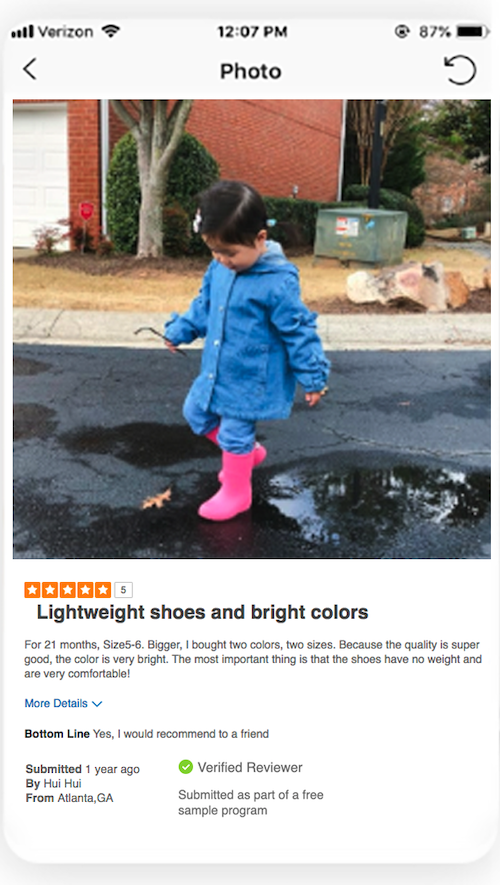
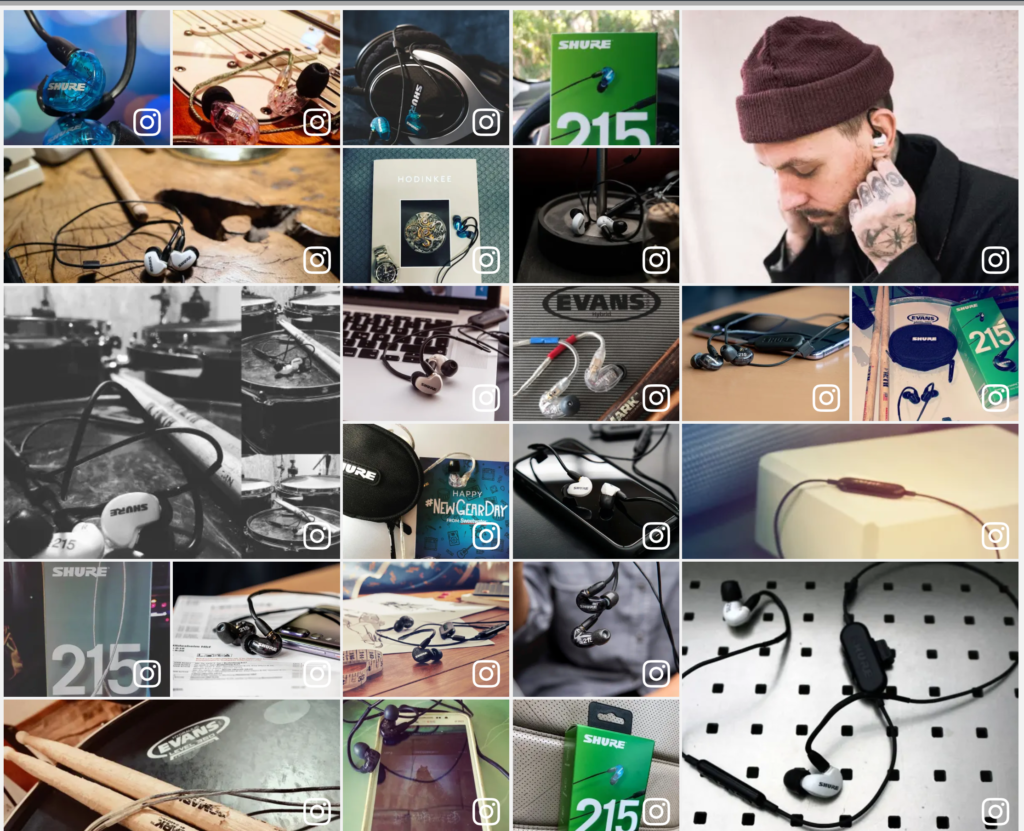
Non-paid “everyday influencers” with an authentic presence on social media are the key. But where do you start? Identifying the right people for your brand from a vast network, engaging them via sampling, and encouraging them to share images through their own personal social media accounts. The cost benefits of such an approach are obvious.
But to ensure ongoing authenticity and effectiveness, you must find the best methods to inspire these consumers, gather their content and use it in a meaningful way. This means targeting the right people with the right samples at the right time.
Certainly, you can leverage your own database and CRM data for this purpose. This should incorporate a lot of the information you need to execute one of these campaigns – from contact information and purchase history and potentially even social media activity.
Alternatively, there are vendors with the expertise to help with this process. We ourselves have a network of more than 480,000 “everyday influencers” who we can target precisely and with efficiency to ensure your products are endorsed in a sensitive and authentic way.
What do I do with this “everyday influencer” content?
The organic social media engagement generated should provide significant visibility and reach. However, promoting this content across your own digital properties provides additional impact (i.e. your social media channels, your website, and mobile app). At a time when people are really searching for a sense of community online, this type of authentic engagement is likely to resonate even more than usual.
In conclusion
COVID-19 presents huge challenges for companies still looking to make the best of a dire situation. They still have jobs to protect and revenue objectives to hit but a customer base that is struggling against a fast-evolving environment.
In these times of social distancing and quarantining, consumers are naturally turning to digital to meet their needs. For organizations figuring out how to be successful, digital is likely to provide any opportunities that do exist. But whatever marketing campaigns they end up implementing, they need to be executed thoughtfully with empathy and understanding.
All this is occurring against a backdrop of consumers generally becoming more suspicious of all content they see online. As a result, celebrity endorsements are not proving as effective as the voices of “real” and “everyday” people – which are deemed more trustworthy and authentic.
Social campaigns that leverage these new types of “influencers” are therefore extremely powerful – not to mention far more cost-effective – in today’s frenetic media market. COVID-19 presents a number of unique opportunities to create meaningful and emotionally-connecting digital engagement through these voices.
If you’d like to find out more about why companies are increasingly looking to the customer-generated content developed by “everyday influencers” in their marketing campaigns:
Download our informative Guide, which includes case studies with Whoa!Dough and Shure Incorporated and comparative cost analysis of different social media campaigns.
From everyone at PowerReviews, stay safe and healthy.
In a world where we are all information-rich, the days when customers make purchase decisions without thoroughly researching them first are long gone.
And they’re looking for very specific types of information as they move from browsing an item to knowing for sure that they must have it…now.
Think about it: you need to advance their thought process. They have intent but they need something extra to motivate them to actually hit the “buy” button. Providing information that’s insightful, accurate and authentic at this make-or-break point of their journey is therefore absolutely critical.
Customer opinions hold more weight than ever in the path to purchase and have become an essential brand marketing asset. A recent PowerReviews study found 95% of consumers rely heavily on ratings and reviews before they buy a product online. This now-entrenched shopping behavior creates both challenges and opportunities for brands as they seek stronger connections with their customers.
As customer feedback becomes more influential, one challenge is the growing concern about the authenticity and transparency of ratings and reviews. To protect their reputations, brands must be increasingly vigilant to ensure that the customer feedback about their brands provides a truthful source for product recommendations.
In this blog, we explore how brands can encourage and collect more high-quality customer-generated content, along with three best practices for doing so in a way that increases trust and authenticity.
Collecting more high-quality customer feedback
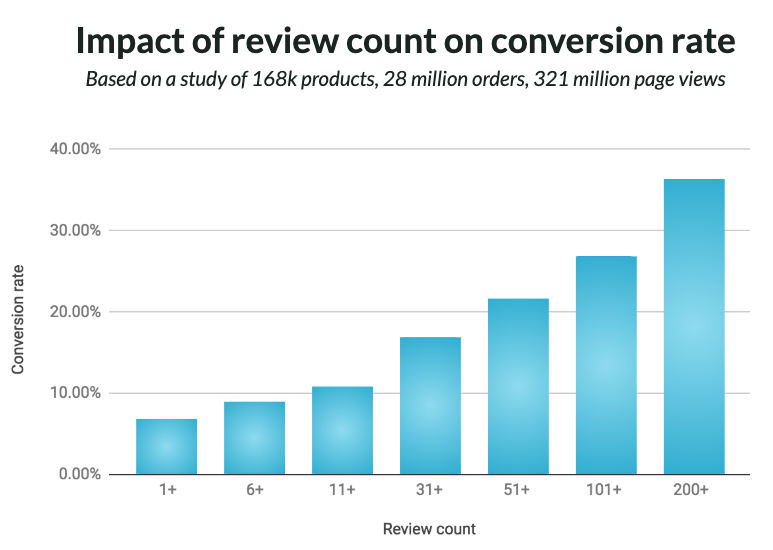
Consumers expect brands to help inform their purchase decisions by including content with images and videos on product pages and by sharing authentic reviews. Collecting that content is essential to help brands increase conversion. In fact, PowerReviews’ data shows a 25% conversion rate increase on products with reviews compared to those without and, as shown in the following chart, the conversion rate goes up as the number of reviews climbs.
Consumers also look to reviews to answer important product questions, which should also encourage brands to collect more customer feedback and reviews. While one user wants a specific answer to a question, others want an overall evaluation of the product. Further, a recent study shows consumers believe a large number of positive reviews about a brand is a more important indicator of product quality than a trusted brand name.
PowerReviews Director of Insights Carol Krakowski says: “In addition to increased conversion, collecting more, high-quality reviews allows brands to draw key insights across all of their customer feedback, to reach more of their audience with relevance and to activate their community of buyers.”
But brands can’t stop with simply collecting more high-quality reviews: authenticity matters. In fact, 86% of consumers say authenticity is important when deciding what brands they like and support, and 85% of shoppers actually seek out negative reviews prior to purchase. Simply put, brand content is more likely to convert when it’s from a trusted source.
So how can brands collect more content and amp up authenticity? Here are three best practices to collect more customer feedback:
1. Engage everyday influencers through product sampling
More credible and cost effective than celebrity influencers and easier to work with as well, everyday influencers are a community of “people like me.” They use their Instagram presence to generate authentic, meaningful interactions with their followers, who are made up mostly of their friends and family. While these influencers typically have only 1,000 – 5,000 followers, when they make product recommendations, their communities listen.
https://www.instagram.com/p/B76EFqypY9W/
Using innovative sampling campaign techniques, PowerReviews targets the right everyday influencers on behalf of brands, providing them with a product sample or coupon along with encouragement to write a timely, authentic review or to share content about the product on their own social media. As a result, brands see the industry’s highest review submission rates and high social media engagement as well.
A MediaKix study found that in some cases, influencers with just 1,000 followers generate 85% higher engagement than those who have 100,000 followers. And Instagram accounts with greater than 10,000 followers generally have about the same Like:Follower ratio whether they have 11,000 or 11 million followers. By contrast, accounts with 5,000-10,000 followers gain nearly 3% higher engagement, and everyday influencers with 1-5k followers gain 2% higher than that.
“Finding the right audience to engage with can be half the battle. But you can target the exact person you’re looking for with a sampling campaign, and then ask for a review,” Krakowski says, sharing a recent example:
“We work with a vacuum cleaner brand that believes its vacuums are the best in the industry at tackling pet hair. They embarked on a sampling campaign to find pet owners frustrated by other vacuums. We found those very specific everyday influencers within our community and sent them $200 vacuums, asking for reviews. As a result, we helped the brand collect more than 2,000+ consumer-generatedimages and achieve a 90% product catalog review coverage.”
For brands, targeting everyday influencers via sampling campaigns means spending less, but still generating a higher volume of authentic reviews and engagement. The customer feedback they collect can be shared across ecommerce platforms, partner websites, search and social media platforms and through integrations. And, by encouraging customers to share their experiences on their social channels, product information reaches even further, to their authentic social networks as well.
Finally, the individual customer reviews generated through PowerReviews sampling campaigns are higher quality and on average 29% longer than others because they come from an engaged community of everyday influencers and go through advanced targeting, screening and qualification.
2. Accelerate customer feedback through social collection
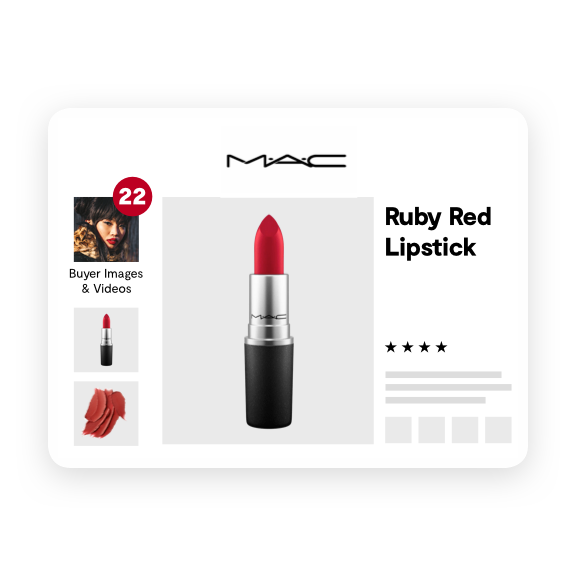
Visuals are a critical element of effective customer feedback because actually seeing products in use in the real world adds a layer of trust. The PowerReviews Snapshot for Ecommerce study found 42% of shoppers say it’s important or very important that a product’s reviews include user-submitted photos and videos, and that number jumps to 58% among consumers 18-29.
“Social collection is another important ‘best practice,’ because one of the best ways to improve the authenticity of your content is to encourage reviewers to submit photos or videos,” says Krakowski. “We know that 88% of consumers specifically seek out visuals submitted by other consumers prior to making a purpose. User-submitted photos show products “in the wild”, giving real-life context to user stories. This is particularly important among the younger demographic.”
By implementing a social collection strategy, brands can gather and manage visual content from social channels, brand hashtags and everyday influencers. PowerReviews helps implement this smart solution at scale, so brands can leverage the visuals customers are already posting on Instagram, quickly identifying the right content and requesting permission to share it.
3. Provide easier methods for customers to provide feedback
The third best practice is really all about streamlining the customer feedback process – for both consumers and brands.
Collecting more high-quality reviews requires brands to create an easy path for customers to write or post their feedback. Today, although 95% of consumers use reviews, a much smaller percentage (45%) takes the time to write one. Why? Reasons vary, but often the technology is not accommodating, there’s no incentive or maybe they were simply waiting to be asked.
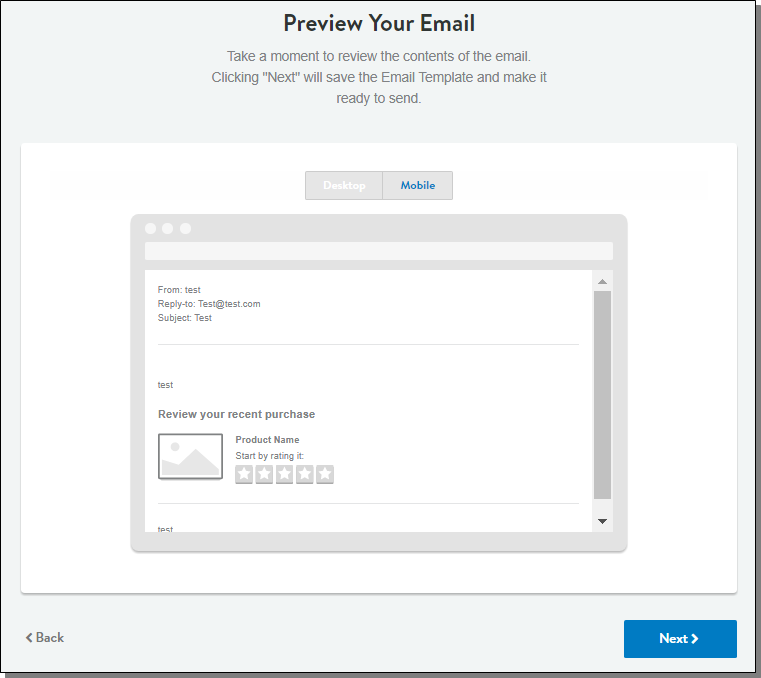
While it may seem obvious, simply asking for reviews online can encourage customers who are debating whether or not to leave feedback. And by following up with post-purchase emails, brands can collect even more content.
In addition, brands can use advanced collection features to collect more customer feedback data:
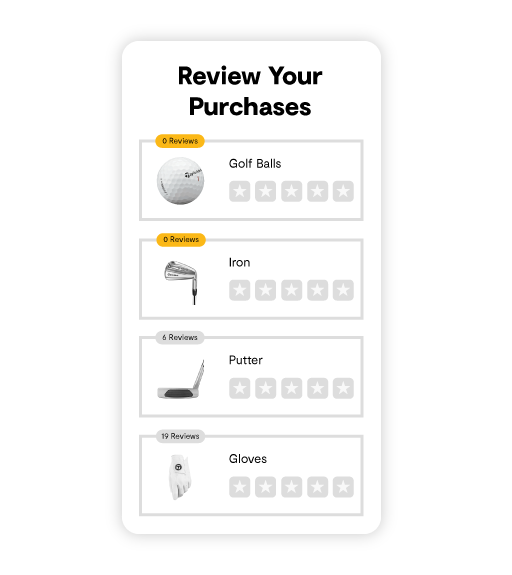
With Progressive Collection, PowerReviews allows the user to flow through reviewing multiple products in a way that’s optimized, showing one product at a time, and having a second question pop up only after they answer the first, etc.
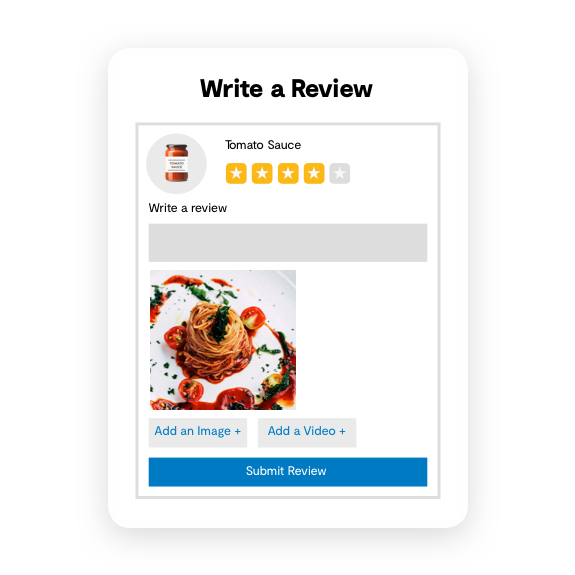
Visual Content Collection gathers more image and video content from customers by allowing them to easily upload visual content straight from their devices or social media profiles.
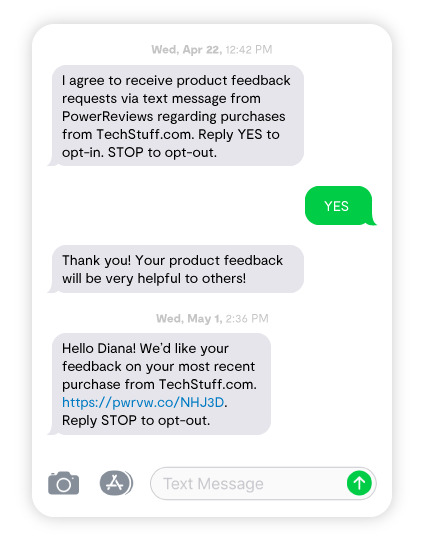
Byallowing customers to submit reviews through text, SMS Collection produces higher open rates than email by reaching customers where they spend most of their time!
Krokowski says another good way to collect authentic customer feedback is by adding a Q&A section, making it easy for customers to not only ask questions but also encouraging them to respond to each other’s questions.
“Shoppers often use this section of a page to learn additional information about a product,” she explains, “and having user-generated questions about the product allows you to highlight some use cases or benefits of the product that other shoppers might not have thought of in a completely authentic way because it comes directly from your customers. And, by responding to customer questions you show that you care about engaging with them. Building that rapport with your community is an important part of letting customers know that you’re listening to them, taking their opinions into account. It’s all about building trust.”
It really is all about building trust
By working with a trusted reviews collection partner like PowerReviews, brands have the ability to collect more high-quality, customer-generated content, while following best practices for increasing authenticity and trust through product sampling, enhancing social collection, and creating easier methods for customers to leave feedback. These best practices help ensure that the reviews you collect are high-quality content that your customers will trust.
And, thanks to our open platform, PowerReviews collects more reviews data than any other provider, embracing data from every brand and retailer who wants to share it, regardless of whether they use our software. Our massive data set allows us to offer brands the best insights and deliver the most authentic, personalized experience for billions of shoppers every month.
A major milestone is coming to the PowerReviews Open Network in an effort to help brands and retailers reach even more customers. PowerReviews is excited to announce an agreement with Yotpo, inviting Yotpo brands to join the Open Network to display content to billions of customers already shopping within the network.
Since launching the Open Network, PowerReviews has committed to the idea of an “open network” for all brands and retailers. On top of that commitment, PowerReviews also established new products and features to continually improve the amount of customer-generated content syndicated within the network.
The agreement not only benefits the brands and retailers sharing content through the Open Network, but it also gives shoppers more content to confidently make purchases both online and in-store. This ensures consumers will continue to have access to trustworthy and authentic content to make more informed purchasing decisions.
“The syndication agreement with Yotpo demonstrates the power of an open network to the benefit of consumers, retailers and brands,” said Matt Moog, CEO of PowerReviews. “Providing Yotpo’s brand clients with greater reach will benefit consumers, brands and retailers.”
The Value of Customer-Generated Content & Feedback
We know that customer-generated content such as ratings and reviews plays a critical role in the shopping experience, and it also leverages purchasing decisions in various ways, including:
of consumers specifically seek out diverse customer reviews such as negative reviews before making a purchase.
0%
of retailers’ review content comes from syndication.
The continuous growth of the Open Network now boasts 30 of the world’s largest retailers such as Walmart/Jet.com, Target, Ulta, BJ’s Wholesale Club, Dillard’s, Dollar General, P.C. Richard, West Marine, Zappos, Nebraska Furniture Mart, Stage Stores, Shoe Carnival and Ace Hardware. These major retailers are among the 150+ already sharing content in the network.
“We continue to see incredible growth around the Open Network and this agreement with Yotpo only drives our momentum further,” said Sara Rossio, chief product officer of PowerReviews. “Brands and retailers have unanimously called for an Open Network that eliminates cost-prohibitive access fees for brands to share their content. And with the invitation to Yotpo brands, PowerReviews will only reaffirm its support of a truly open network by offering direct syndication to even more major brands.”
Why We’re Extending the Invitation
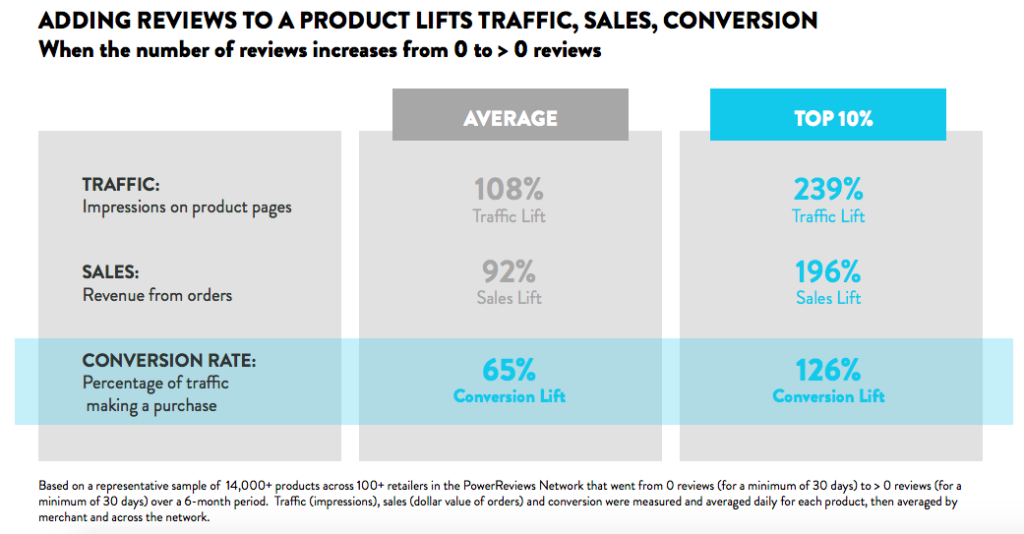
We believe the invitation to Yotpo brands will help both brands and retailers increase sales by collecting and displaying more customer-generated content. For example, when brands move from zero to at least one review on product pages, the traffic, sales and conversion rate increases dramatically:
Once brands collect authentic and fresh content, shoppers are exposed to more customer reviews and product experiences across various ecommerce sites. This ultimately helps customers solidify their purchasing decisions with increased transparency.
Sticking to Our Commitment
Our goal is to provide and grow an open network where retailers, brands and ultimately consumers win. PowerReviews believes retailers should have the opportunity to control the content that appears on their sites, as well as syndication access to the content around their products from various sites, no matter where it originated.
We’re committed to helping brands and retailers distribute content to help increase sales, traffic and conversion rates through a continuously growing open network. The addition of Yotpo brands in the PowerReviews Open Network will only help us expand our customers’ reach.
About PowerReviews
PowerReviews works with more than 1,500 global brands and retailers to collect and syndicate user-generated content and feedback such as reviews, Q&A, images, video and more. Content is syndicated across The PowerReviews Open Network reaching more than 1 billion in-market shoppers every month at the right time and place. User-generated content gives shoppers confidence to make purchases and delivers actionable insights to brands and retailers to drive more traffic, increase sales and improve products and services. To learn more, visit https://www.powerreviews.com.
Brands and retailers continually look for new and inventive ways to get the most out of their user-generated content, whether it’s from social media or ratings and reviews. And to provide clarity and inspire some “outside the box” ideas, PowerReviews hosted four separate hackathon groups of roughly 20 industry experts in retail, CPG and ecommerce.
What was the goal?
We simply wanted to understand the biggest pain points for brands and retailers in terms of review and UGC collection in 2019. Industry leaders don’t require nearly as much convincing when it comes to the power of the voice of the customer, but instead, these experts want more effective ways to collect consumer feedback.
Through the different sessions, there were a lot of similar themes and challenges for brands and retailers to successfully collect content. To help with this, PowerReviews provided insights into the future of review collection and how businesses can get smarter with their technology without spending a fortune.
To break down the commonalities, we’re providing the three biggest takeaways coming from the nearly 80 brand and retailer experts at this year’s hackathon:
1. Use On-Pack Solicitation for Review Collection
There’s one piece of real estate brands own when it comes to the shopping experience–your product packaging and labels. Because there’s such a limit to what brands can do with improving shopping experiences, it’s essential to take advantage of what goes on your product packaging.
Brands are constantly looking for new and inventive ways to spark interest or drive an action through product labeling. One common theme we addressed in each session was the power of asking for reviews specifically on the label.
Through the help of QR codes, the process of collecting reviews is much easier for brands. Additionally, you’re providing customers with an even easier way to write a review with a simple scan of the QR code with a smartphone.
https://www.instagram.com/p/B3HWa4hA3b4/
Pew Research estimates 81% of U.S. adults owned a smartphone in 2018, which is drastically higher than the estimated 35% just eight years prior. What used to be a multi-step approach to get people to download a QR code app and then scan has changed. Now it’s practically a universal feature included on new smartphones.
Shoppers only have to open their smartphone camera, scan the code and get sent directly to a review collection page. Making this process easier improves the chances of content collection, especially if the code sends them to a form instead of the product page, which requires further scrolling to get to the “submit a review” section.
When looking at brands selling perishable products, one of the biggest challenges is collecting ratings and reviews in the first place. But these brands have an opportunity to use QR codes on its packaging to encourage consumers to quickly leave a review while in the moment.
While it sounds like we’re describing the produce aisle of a Whole Foods, there’s no question in the power of fresh and organic review content. One of the bigger challenges of brands running product sampling campaigns is they generate a ton of review content during the initiative, but don’t see reviews to continue to flow in once it ends.
This is why PowerReviews works hard to ensure that our clients don’t just collect content, but generate the most possible ratings and reviews on a regular basis. Even though products with several reviews is a good thing, that sentiment can come to a screeching halt if the last review was from 3 years ago.
That might not seem like a long time, but for consumers, it’s an eternity. Remove the doubt by constantly running campaigns to keep content fresh. One campaign is not enough to plug and forget.
https://www.instagram.com/p/B3cEcV6Dtw8/
Brands have to keep their review content fresh and one way to do this is through a sweepstakes campaign. By running a sweepstakes for your customers, you increase their interest by monetizing their efforts to leave feedback.
Some of the attending brands and retailers explained that event marketing campaigns are also a great (and unique) avenue to generate more reviews. It’s smart to get feedback directly from product samples at various events to have fresh, relevant content.
https://www.instagram.com/p/B3Uul4iDIlg/
At the end of the day, your customers have a natural inclination to talk about your products. So why not provide them with the easiest ways possible to leave reviews or submit user-generated content?
3. Tailor Social Collection to Your Own Needs
We heard you–social collection is essential to your user-generated content campaigns. This type of content helps solidify and build trust in other shoppers’ purchasing decisions.
The challenge is user-generated content collection has a lot of nuances and special needs for each brand. And the problem is many review syndication companies don’t let you tailor social collection capabilities to your specific needs.
PowerReviews believes social collection is not a “one size fits all” solution, which is why we let brands and retailers restructure their collection capabilities to meet the needs of their own processes. Having the ability to put images where you want on your product or category pages is essential to many businesses.
Another common challenge brands and retailers discussed was fitting some of their products into the budget to generate more review content. In fact, several brands have problems getting the budget to get more reviews. This is especially true for the tail-end list of their product portfolio.
This means brands have to get strategic with the way they collect more content and make use of it. One avenue brands forget about is SMS for review collection. We’ve found that brands using SMS review collection see up to 4 times more reviews.
We know that SMS is a great collection capability that delivers more conversation-driving content. Additionally, these features help you keep review content fresh and relevant. It’s all about finding new and unique ways to get more content to your product pages.
Conclusion
We hope everyone who attended the Hoboken Hackathon walked away with some inspiration. It’s time to get strategic about UGC and review collection. For those who didn’t attend, our team felt it was a great opportunity to showcase our knowledge of the industry. We wanted to provide quick ways to win at content collection.
Our next session will be at the London Hackathon October 22 to 23, 2019. So book your spot today to hear our industry experts provide amazing insights into simpler and more effective review collection.
Every savvy ecommerce business knows the holiday season is a time of great opportunity to boost sales, increase brand loyalty and reach new customers. Shoppers are willing to spend hundreds on gifts for loved ones. In fact, Statista found the average U.S. consumer spent $794 on Christmas gifts in 2018. As for Cyber Monday shoppers, there were roughly 122.2 million of them in the U.S. last year.
No wonder it’s ’tis the season for profitability and out-of-the-box marketing campaigns. Holiday cheer aside, the rising ecommerce competition from retailers–and Amazon–has businesses wondering how to approach the holidays all together.
To get in your last-minute changes to your ecommerce website, we’ll help you cover important things like customer engagement, popular retail trends and go over our holiday marketing checklist. Let’s get started.
A Profitable Holiday Season Starts With Engaged Customers
Planning your holiday marketing campaign is a long process. But there are ways to make improvements in the final months to get more out of your campaign. The importance of connecting with your customers is huge for ecommerce brands seeing a spike in web traffic.
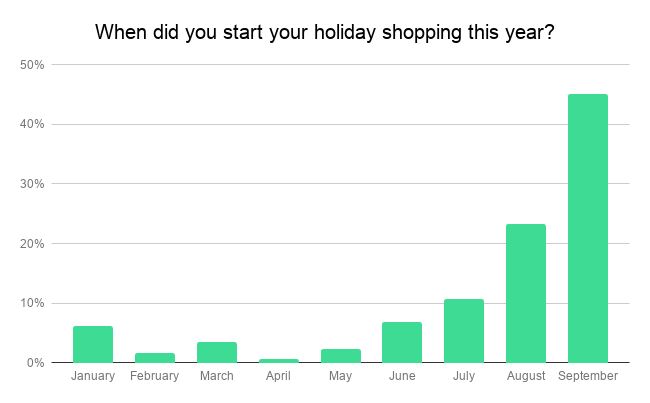
Customers seemingly tackle their lists earlier every year. In fact, a 2018 report from Credit Karma found 86% of consumers started shopping for the holidays between June and September. But don’t sweat it just yet if you’re a little late to the prepping season.
There are still plenty of ways to optimize your ecommerce efforts in time for the holidays to maximize customer engagement and increase conversions. Here are a few ways to get started:
1. Involve Your Customers As Soon As Possible
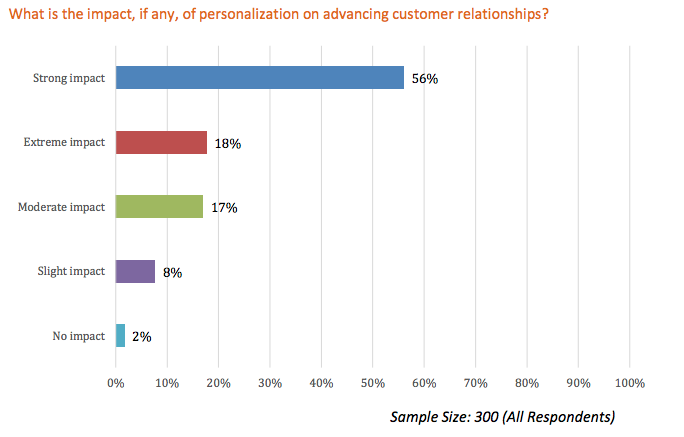
Customers love your attention. That’s why personalization marketing efforts help ecommerce businesses increase sales and conversion rates. A 2018 Evergage report found 87% of marketers accredited personalization marketing to their sales lift.
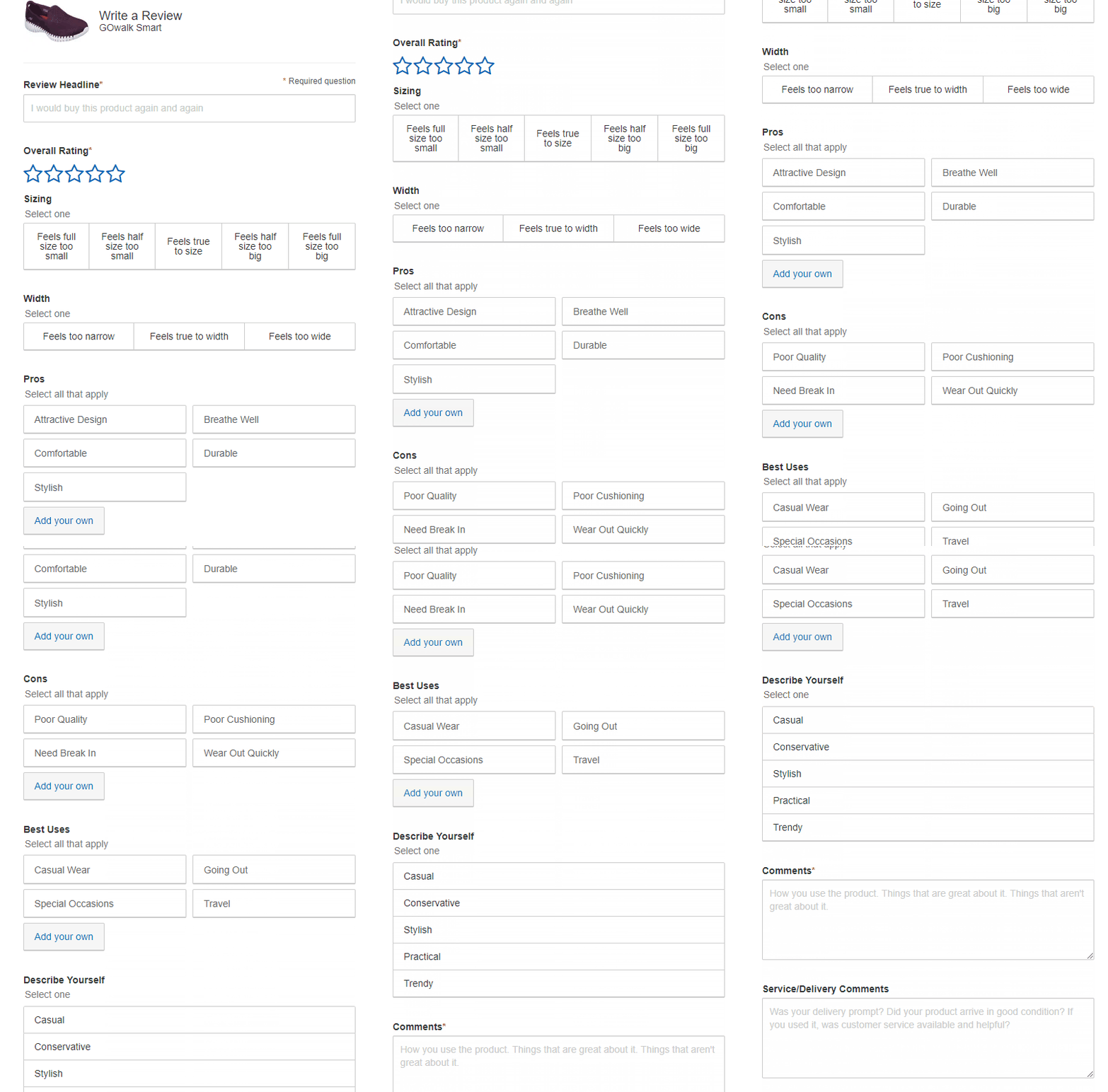
Give your shoppers a better shopping experience by providing in-depth review content that covers everything from size and fit to product pros and cons. A lot of holiday purchases are made for others so product details are more critical.
2. Focus on Shareable Visual Content
Consumers not only want personalized experiences, they also want visual examples from people just like them. In fact, the PowerReviews Health and Beauty Study found 68% of shoppers actively seek product photos and videos from other shoppers before buying.
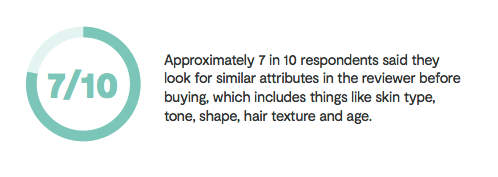
Additionally, 7 in 10 respondents said they look for similar attributes from reviewers’ visual content, such as skin tone, body type and age. Use the power of social media to collect the images and videos your shoppers are already sharing then display this content directly on your product pages. More visual cues will help reduce purchase hurdles.
Already a PowerReviews customer? We can activate social collection for you now! Get started today. Contact our team!
3. Incentivize Holiday Shopping for Customers
A 2019 eMarketer report found the majority of shoppers “always” or “often” use coupons or discount codes for the items they buy online. Incentivizing shoppers during the holidays with specific discount codes could be the push you need.
Another way to incentivize is through holiday product sampling campaigns. By running a product sampling for reviews campaign, the turnaround makes it easier to get in last minute reviews to your most important products.
This is a great way to get prepared for the holiday season by generating more reviews through influencers and product sampling. And for last-minute marketers, this is even more critical.
Important Holiday Shopping Trends to Watch
Every holiday season brings about a new trove of trends to keep up with. As you continue to plan through the end of the year, it’s important to be on top of some of the trends taking over the retail industry.
To help you out, we’ve put together a list of holiday shopping retail trends that you might have missed in your preparation:
Consumers Are More Confident About Shopping Online
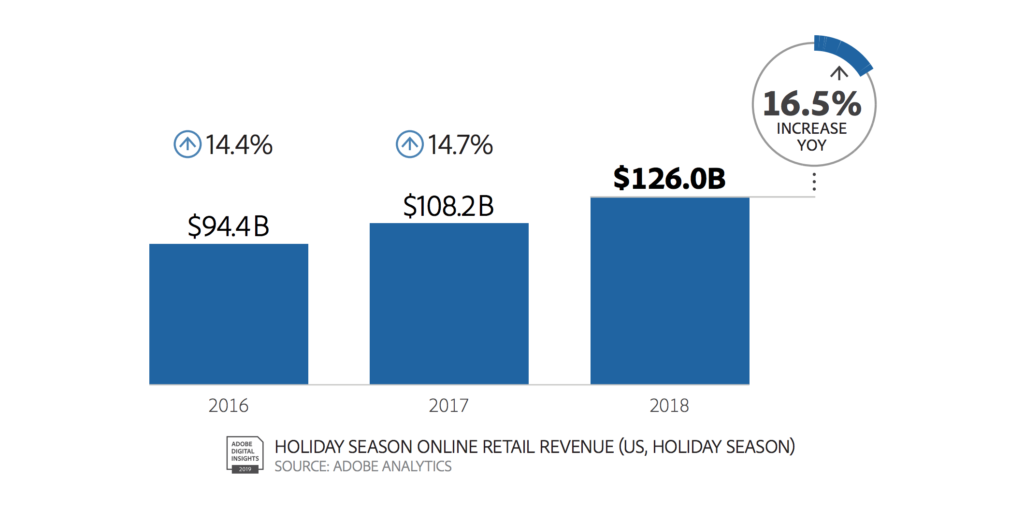
Data from Adobe Digital Insights found online sales increased by 16.5% in 2018 year over year. The highest online sales day was–predictably–Cyber Monday. Ecommerce continues to evolve and an emphasis on quality user experiences continues to be a driving factor in purchasing decisions.
Retailers With Engaging Online & In-Store Experiences Have the Upper Hand
The same report also found retailers with both brick-and-mortar and online storefronts had a 50% increase in buy online, pick up in-store (BOPIS). The growth of BOPIS in 2019 has been astronomical–especially as bigger players like Walmart and Target have invested more into this option. BOPIS checkout carts typically have fewer items, which allows retailers to upsell customers once they’re in-store. Visual in-store experiences maximize the opportunity to chip away at higher sales.
AI Will Help Retailers Retain More Abandoned Carts
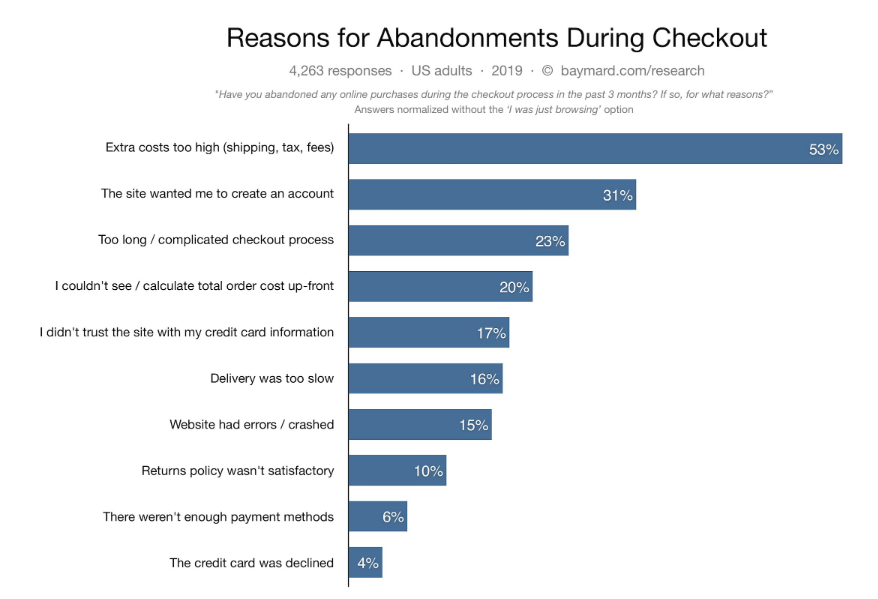
A Baymard survey discovered the three biggest factors for online abandoned carts were extra costs, the need to create an account and complicated UX. What was once a tool for larger companies is now a tool used by merchants of all sizes. AI in ecommerce is a must for brands wanting to retain customers, limit shopping cart abandonment and provide better user experiences.
NRF’s Annual October Holiday Consumer Survey found 60% of respondents want gift cards or certificates instead of other gifts. Consumers crave flexibility, so having gift cards available on your site is key—especially for last-minute shoppers. The best part is this sort of implementation is ideal for last-second marketers looking to make small changes that will have a big impact.
The Holiday Planning Checklist for 2019
If your customers start shopping earlier for the holidays, you really need to jump ahead of their search. There are so many moving parts when planning for the holiday season, which is why we’ve put together this checklist to keep you on track.
Holiday Marketing Checklist: Phase 1
Reassess last year’s efforts and numbers: Deep dive into last year’s campaign and rehash your theme, plan of execution, goals and areas of improvement. If you’re just getting started, now is the time to track everything. Historical data is your best friend because it gives you the quickest answers to overall performance.
Establish new goals for 2019: You know where you need to improve from last year, so start setting goals that achieve a specific initiative in your campaign. Whether it’s increased relevant traffic, average order sizes, conversion rates on specific products or post-purchase engagement, you have to set goals you know are at least possible. Unrealistic goals will only do harm to your team.
Develop your launch strategy: As you begin your initial planning, now is the time to develop your go-to-market or launch strategy. Holiday campaigns are complicated, which is why it’s crucial to create a detailed plan. This is when you assign roles to team members and set up communication avenues to keep the team updated on goals.
Map out your email strategy: Email is a powerful marketing tactic during the holidays. Your competitors are ramping up their email efforts so it’s imperative to think outside the box and develop a sequence that will resonate with your customers.
Holiday Marketing Checklist: Phase 2
Launch gift guides with your holiday hashtag: Finalize your gift guide to allow customers an early look at your deals, biggest products and other holiday offerings. A quality gift guide is visually engaging, highlights popular products based on consumer trends and is easy to navigate. At the same time, this is when you want to launch your branded hashtag or jump on a popular holiday hashtag.
https://www.instagram.com/p/BrTTOjvHvhm/
Segment and leverage your audiences: The holiday season is a great time to fine-tune your personalization efforts. Figure out how you want to slice your email lists and how best to leverage them. Try segmenting email addresses from a previous launch by order value to help you retarget these customers.
Implement any last minute site changes: The holiday season brings big traffic numbers for ecommerce businesses, but it’s also a time where developers slow down their work. Get website implementations finalized now to avoid delays in development work through the actual holiday period.
Holiday Marketing Checklist: Phase 3
Prep your inventory. There’s nothing worse than hiccups with inventory management during the holiday season. Use current and historical data to make informed inventory decisions right now. Your inventory management system should be equipped to support this busy time.
🛍 Still waiting to get your hands on our new away kit? 🔥
Optimize your campaigns: As things truly start to pick up, this is the time to monitor campaign performance and make tweaks or small changes to optimize growth. Compare campaign performance with the benchmarks you set in September and adjust accordingly.
Celebrate small wins with your team: You didn’t get to this month alone, so make sure you celebrate with your team and show the results of your campaign so far. Even if they’re not the prettiest numbers yet, you want to find encouragement to prevent fatigue or burnout through the holiday push. This is the time to order your team lunch and show gratitude. Bigger celebrations come later.
Holiday Marketing Checklist: Phase 4
Deploy countdowns on shipping: Communicate to customers when to place orders to ensure timely shipment. Use popup modals clearly displayed on your site to ensure shoppers know your delivery capabilities.
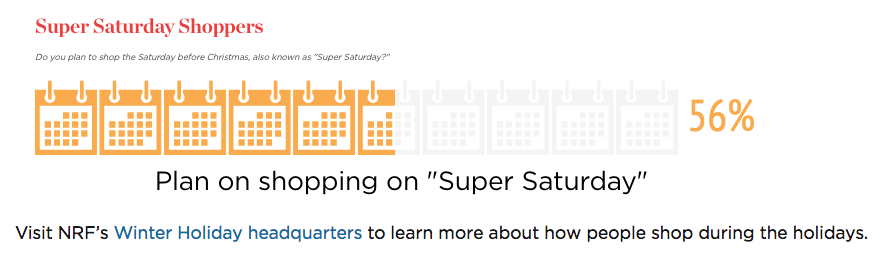
Give last-minute shoppers plenty of options: Super Saturday, known as the Saturday before Christmas, is one of the busiest shopping days of the season. The National Retail Federation found 56% of consumers said they shop on this day. Additionally, 70% of shoppers between the ages 18 and 24 are more likely to purchase gifts the last week before Christmas. The two weeks before Christmas are prime spots for boosting sales, so extend sales or offer free shipping to get last-minute customers to spend.
Take note of what’s working for future campaigns: As mentioned earlier, collecting data is highly encouraged. In fact, you should use what you’ve learned so far to begin planning your post-holiday events. Watch for the most impactful tactics and strategize how these ideas could boost sales in 2020.
Hold a post-holiday debrief with your team: After the craziness of the holidays, it’s smart to connect with your team and assess what went right and wrong. This is the perfect time to collect notes for next year’s holiday campaign while this one is still fresh in your mind. And don’t forget to celebrate and reward your team for their hard work.
Last-Minute Moves Can Make the Difference
Planning for the holiday season gives you the chance to really figure out what tactics will work best for your brand based on current trends and past campaigns. Don’t be afraid to make adjustments on the fly to get maximum results. Sometimes it’s the smallest thing that prevents you from massive conversions in sales.
PowerReviews can take your customer review collection, analysis and customer experience to the next level. Contact us today, and a member of our team will help find the solution that’s right for you.
Your customers are always a few taps away from launching an investigation of the century into your products and brand on their smartphone. While this seems a little scary, it’s simply the reality of how shoppers leverage online customer reviews.
Whether it’s choosing an auto shop, jeweler, restaurant or finding the best place to buy a new dog bed, online customer reviews heavily impact purchasing decisions. For ecommerce brands and retailers, product reviews are now a common step of the decision making process.
Data from the PowerReviews Health and Beauty Study found 95% of consumers say online customer reviews play a role in their product search and another 86% said reviews are essential to the purchase decision.
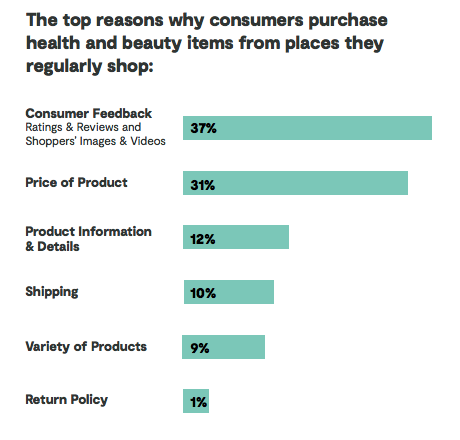
Specifically for health and beauty products, respondents said the No. 1 reason they buy from the places they regularly shop is because of the customer feedback–like ratings and reviews. Consumers want to hear about the experiences of others like them. The easiest way to satisfy this need for information is by leveraging online customer reviews.
If you’re still on the fence about the impact of feedback, see our five recommendations to leverage online customer reviews to attract and convert shoppers:
1. Invest In Advanced Review Collection Capabilities
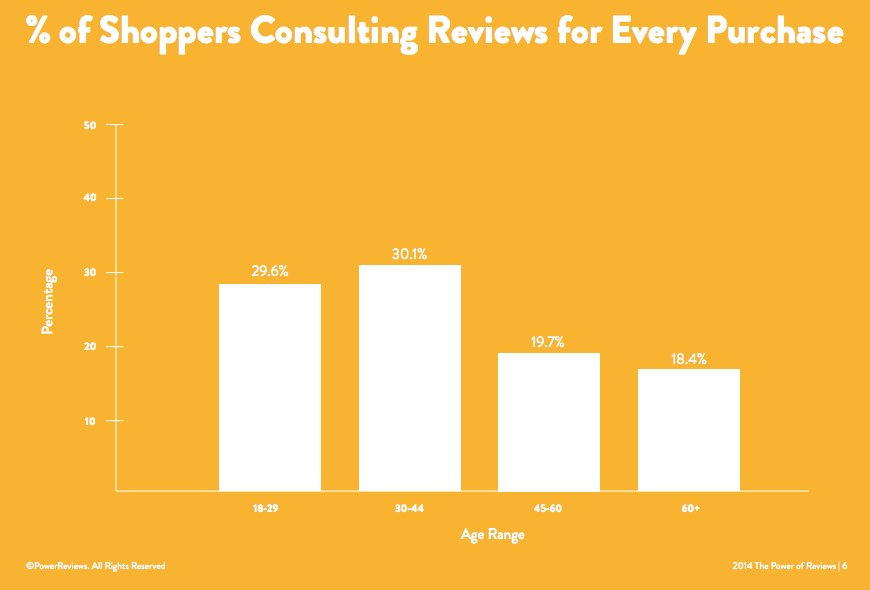
Online customer reviews are capable of swaying shoppers into making a purchase. Data from our Power of Reviews survey found approximately 30% of respondents between ages 18 and 44 look at reviews before every single purchase.
That’s a huge amount of trust going into your review content. But one of the biggest hurdles for businesses is having enough online customers reviews on product pages to actually influence shoppers.
Brands and retailers are often hesitant on heavily investing in customer feedback because they’re unsure how to generate more reviews to begin with. PowerReviews own customer data shows when products move from zero to more than one review, the conversion rate increases by up to 65%.
How to Collect More Online Customer Reviews
We’ve gone over the impact of review content, but how do you actually generate more customer feedback on your products? Here’s a couple of ways you can immediately boost your review collection capabilities:
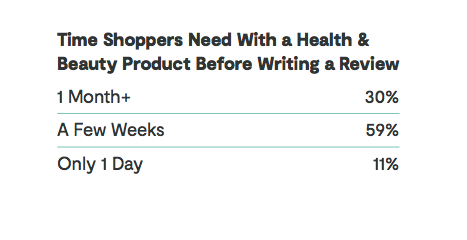
Post-Purchase Emails: Your customers just bought your product, so why aren’t you sending requests to ask for a review afterward? Data from the same Health and Beauty Study found 59% shoppers need a few weeks with a product before giving feedback. Try to analyze the best time to send post-purchase emails for your specific products.
Make Review Collection Easy for Customers: Reviews are hard to collect because there’s not a lot of benefit in leaving a review versus reading a review. Make review collection simple by avoiding lengthy forms or by asking too many questions. Provide clear instructions with a simple user-experience that don’t navigate to separate pages for each review.
Ask for Reviews for Key Products First: If a customer buys a $5 dog food bowl and a $75 dog bed, you’re likely going to want to push for a review on the higher-priced item. PowerReviews’ Progressive Collection lets you set high-value products or items in need of reviews to the top of a multiple review collection form to ensure you get the reviews you need first.
PowerReviews discovered when brands use a single review form for multiple products reviews, the average increase in review volume grew by 92% year over year–compared to a review form for each product. If you truly want to increase your review count, contact our team today to see a demo our advanced review collection capabilities!
2. Put Your Reviews Front & Center on Product Pages
When shopping online, 63% of consumers specifically seek out websites that have product reviews. Additionally, 77% of mobile shoppers are more likely to purchase an item if the website or app offers product reviews.
Once you’ve started generating reviews, start prominently displaying this content on your product page designs so shoppers can easily find it, regardless of the device they’re using to shop. A good rule of thumb is to pass the 3-second test.
Shoppers, well, all of us, have a very short attention spans, which means you need to capture the eyes on your product page quickly. In 3 seconds, can you easily find where to read online customer reviews on your product page?
If you don’t think you passed the test, it’s high time to invest in a reviews collection platform that makes it incredibly easy to find and locate customer reviews. Don’t give your shoppers any reason to exit your product page by making sure consumers have a great breakdown the product reviews.
For a lot of online retailers, clothing products are difficult to show true size and fit to make customers confident in their purchase. In fact, the majority of product returns for these companies are due to items not fitting correctly.
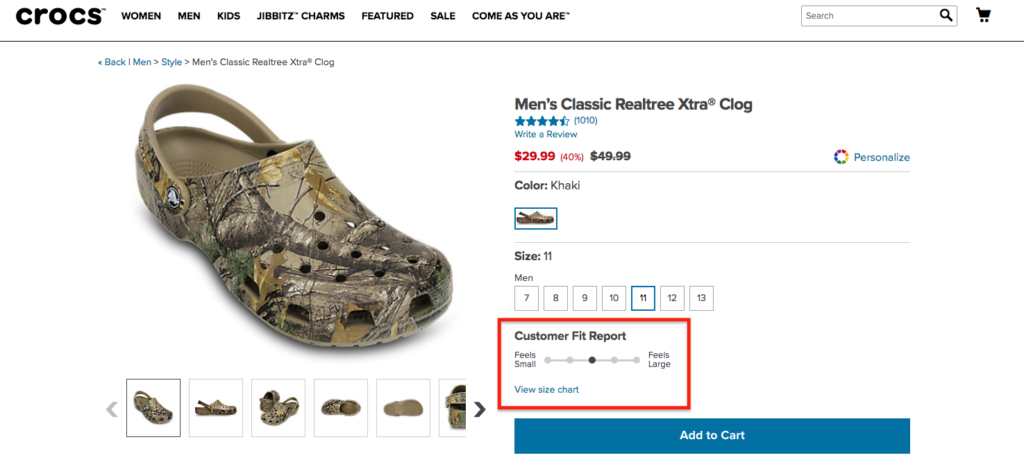
That’s why we recommend adding size and fit features to your product pages so customers get a much better understanding of how an item will actually look on them. Reviews are always a great way to understand size and fit, but by collecting size and fit data from your reviewers, you present more accurate information–front and center.
Don’t just stop at your product pages too. Look for opportunities to include ratings and reviews on other parts of your website like category pages and even your homepage.
3. Highlight Your Customer Reviews In-Store
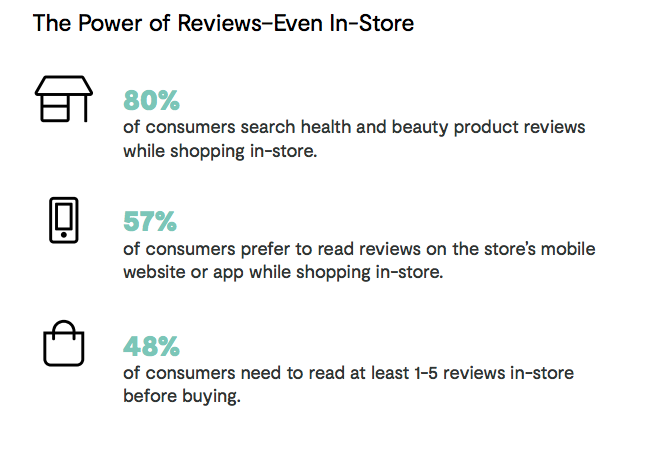
A growing number of consumers turn to reviews to make their in-store purchases too! In fact, data from the same PowerReviews Health and Beauty Study discovered 80% of shoppers search for product reviews while shopping in-store.
In addition to ensuring this content is easy to find and read on your website from any device, look for opportunities to display review content in your brick-and-mortar store locations. For example, include star ratings and excerpts from reviews on signage alongside key products.
Like we mentioned at the very beginning, consumers are seconds away from reading your product reviews online. That means it’s getting easier to browse review content while shopping in-store.
Now more than ever, it’s extremely important that your review content is easy to access and more importantly, mobile friendly. That means using appropriate font sizes and ensuring page load speeds are as fast as possible.
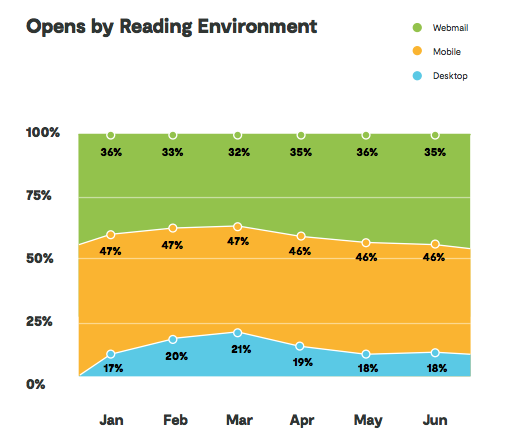
In a 2018 Email Client Market Share Trends Report by Litmus, the company found mobile devices were responsible for 46% of all email opens–beating out desktop. The data should have businesses perking up a bit. So make sure your review content is accessible and readable for shoppers in-store.
4. Syndicate Reviews for More Coverage
Review syndication might not sound appealing to some businesses wanting more reviews. However, it’s one of the best and most authentic ways to give your shoppers more access to online customer reviews.
For example, review syndication is the transfer of user-generated content like ratings and reviews collected on a brand site to its retail partners. If you’re a brand that syndicates content to retail sites, you benefit by getting content in front of more shoppers and locations.
On the flip side, if you’re a retailer accepting syndicated brand content, you benefit from increased review coverage and depth. That means you don’t have to worry about generating all the content yourself. In fact, retailers receive an average of 58% of their review content from syndication.
So, how does the process work? There are essentially two major steps to the review syndication process:
Step 1: Product Matching
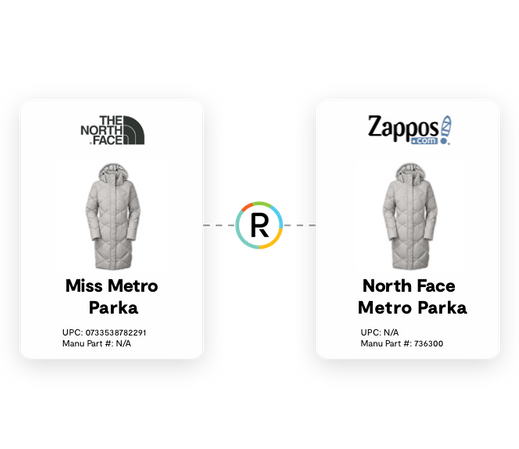
The complex process of product matching is to ensure review data is correctly connected across one site to another. This allows brands and retailers, who might use different product names, numbers and codes, to match and align items.
In fact, PowerReviews’ AI-powered Product Knowledge Graph automatically matches on UPC, which gives brands 79% more products matched compared to other providers.
Step 2: Share & Display Review Content
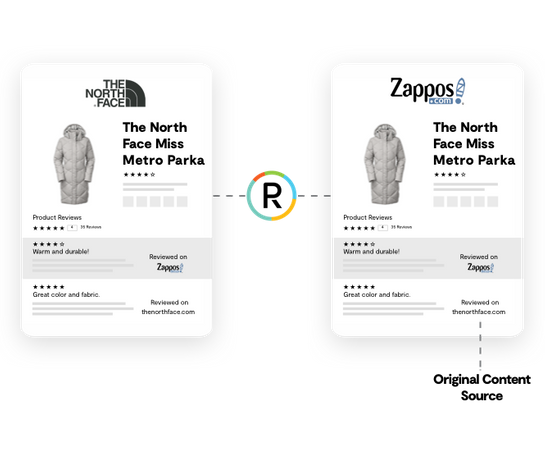
After products are matches across retailer sites, the reviews are then shared to retailers to display across their own sites. To provide authenticity and transparency, there’s a requirement to show the original review collection location.
PowerReviews has brands include their name, logo and a link on reviews displayed through retailer sites. This helps customers be confident in the content and it’s original location.
Want more info on review syndication best practices? Contact our team to learn about the PowerReviews Open Network. Our network features more than 150 of the world’s largest retailers and more than 1,000 brands!
5. Embrace Negative Reviews & Don’t Be Afraid of Critical Feedback
Perfect online customer reviews might seem ideal, right? But consumers consider products with 5-star reviews are less helpful than those with both positive and negative feedback.
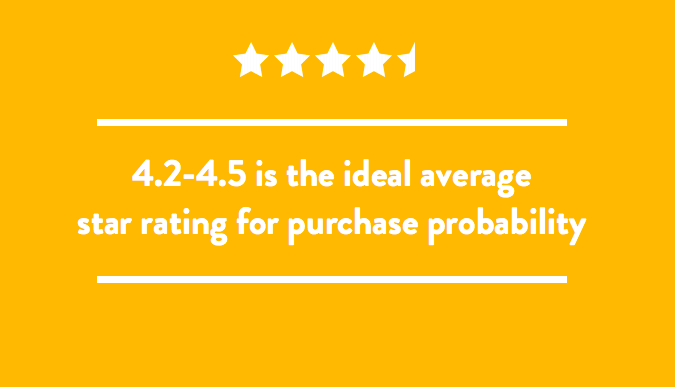
Our research with Northwestern University found that purchase probability peaks when a product’s average star rating is between 4.2 and 4.5. The mythical perfect 5-star review was deemed to be less profitable.
Additionally, the PowerReviews report How to Beat Amazon found a third of shoppers believe poor reviews gave balance to their shopping research. Consumers agreed that a negative perspective was actually very important to their overall purchasing decision.
That’s why brands and retailers shouldn’t be afraid of negative reviews, but instead, embrace the critical feedback. The same report found 85% shoppers specifically seek out negative reviews before making a purchase. That number increases to 91% when looking at consumers between the ages of 18 and 29.
There’s a growing demand for transparency with businesses today. It’s up to brands and retailers to provide authenticity with consumers. This is especially true as the number of fake reviews continues to increase across Amazon. And the company’s fake review problem doesn’t just affect their customers, but all online shoppers.
No business should aim for negative reviews. But allowing both positive and negative feedback on your site adds authenticity to your content and builds trust.
Help your shoppers make better purchasing decisions by providing more authentic online customers reviews. And if you need any help through the process, our team is happy to provide more information on the value of reviews.
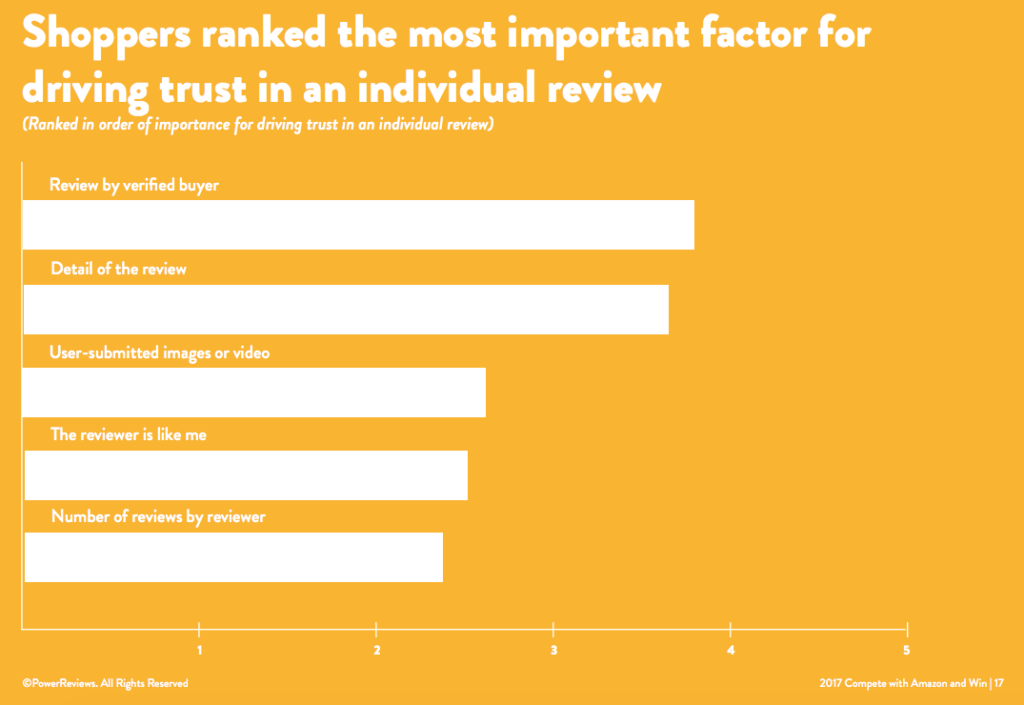
The amount of customer content has skyrocketed in recent years, which leaves many wondering about the credibility of reviews. That’s why PowerReviews partnered with Northwestern University’s Spiegel Digital and Database Research Center. Our goal was to understand how reviews vary depending on whether they’re written by verified buyers or anonymous consumers.
In the case of verified buyers, a shopper makes a purchase online and receives an email from the brand requesting a review. Reviews from verified buyers are tied back to a transaction.
But with anonymous consumers, a shopper navigates to a brand or retailer website without any prompting and writes a review. Since these reviews aren’t tied to a specific transaction, there’s no way to determine if the reviewer actually purchased the product.
The amount of fake reviews can be detrimental to the customer decision making process, which why brands and retailers have to increase the credibility of their reviews. So what can brands and retailers do?
Here are five practical recommendations to preserve the credibility of reviews:
1. Get More Reviews From Verified Buyers
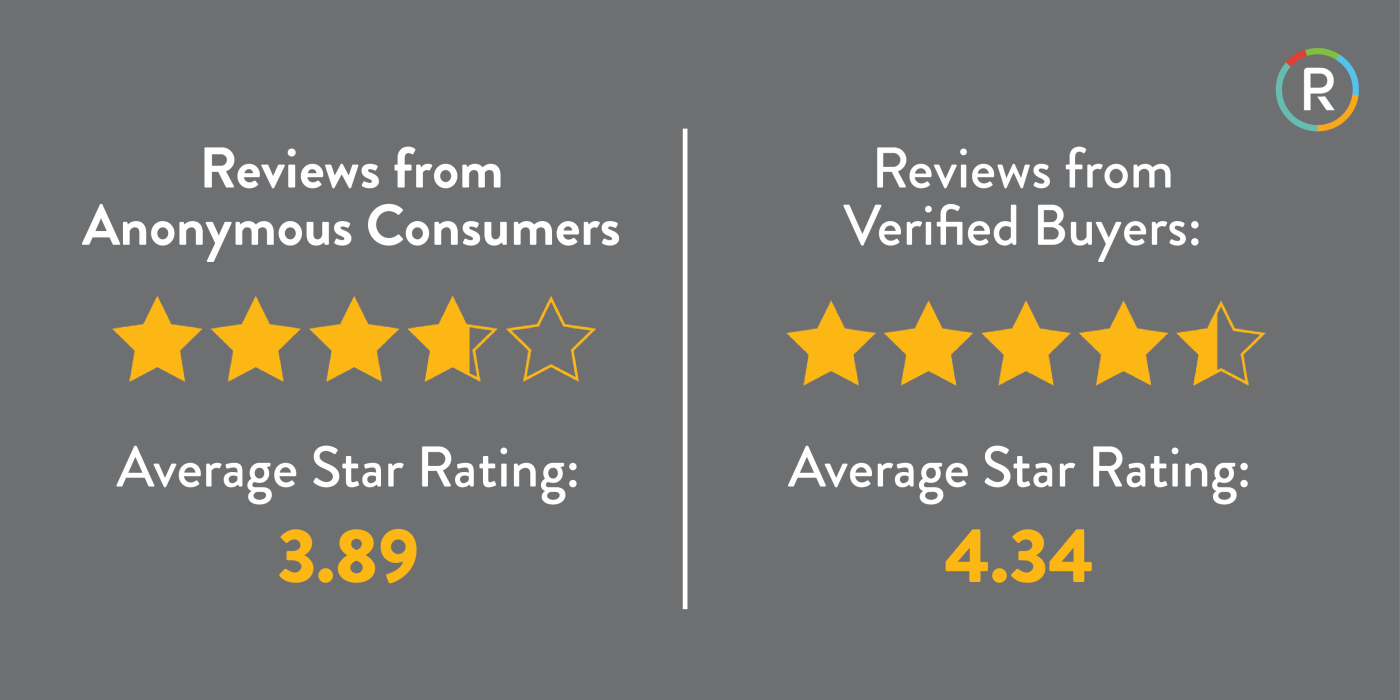
The biggest insight from this research is reviews from verified buyers are significantly more positive than reviews from anonymous consumers. The average star rating for reviews from verified buyers is 4.34.
Take that into comparison to an average star rating of 3.89 for reviews written by anonymous consumers. Reviews from verified buyers boast a larger percentage of 5-star ratings too.
In fact, reviews from anonymous consumers have a larger percentage of 1-star ratings. But reviews from verified buyers own 6.5% more product “pros” and 50% fewer product “cons.”
This is consistent with a theory that users who write reviews without prompting are likely to have extreme (often more negative) opinions.
2. Eliminate Fake Reviews Right Now
Allowing reviews to be submitted via the web opens retailers up to the possibility of receiving fraudulent reviews. And fake reviews can tarnish the trust you’ve built with your consumers.
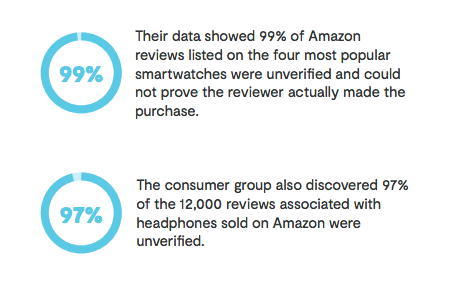
A recent report from the company Which? found Amazon to have an outstanding amount of fake reviews for popular items like smartwatches and headphones.
That’s why it’s key to have measures in place so review content remains authentic and fraud-free. For example, all content submitted on the PowerReviews platform passes through our advanced technology. This is so we ensure the content is fraud-free and free of innuendo and profanity.
The content is then reviewed by our team of human moderators before it’s displayed on a client’s site.
3. Be Transparent About Who Writes Reviews
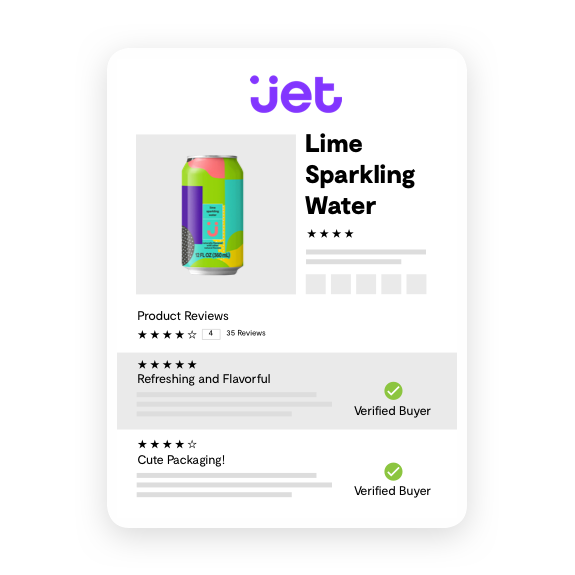
Though it’s unclear whether consumers place more trust in reviews from verified buyers, it’s important to be transparent about the source of reviews. Ask your ratings and reviews provider if they allow you to use a Verified Buyer badge so future shoppers know who wrote each review.
This allows shoppers to have the information they need to make their own decisions on the reviews. Don’t leave out details that could make shoppers second-guess your content.
4. Implement a Post-Purchase Email Program to Collect More Reviews
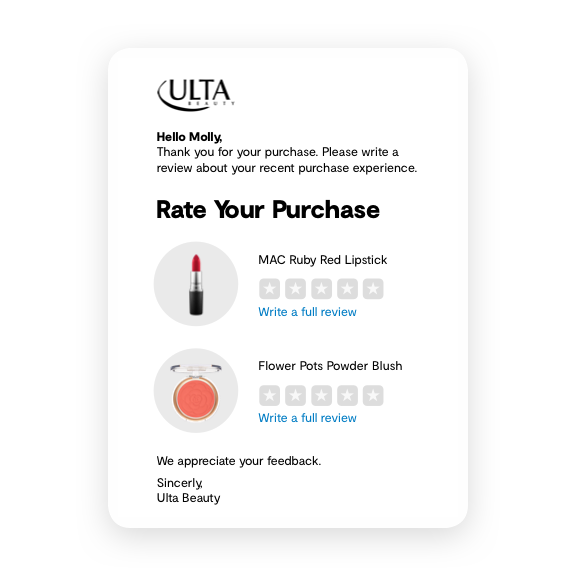
If you aren’t already, be sure to send a post-purchase email to each shopper reminding him or her to review the products he or she has recently purchased. Reviews from verified buyers not only build credibility for retailers by capturing the opinions of customers who’ve actually used the product, but also help drive sales with consistently positive sentiment.
Additionally, you have to consider timing with your asks. Timing on a customer writing a review varies between different products. The PowerReviews The State of Consumer Trust in Health & Beauty Shoppers discovered there’s a massive difference between asking for reviews 1 day after the consumer made the purchase or 1 month.
Our data found nearly 60% of shoppers need a few weeks with a health and beauty product before writing a review. This means you should first ask your customers how long they need with your product or test different periods of time.
5. Provide Incentives to Attract a Better User Sample
When you generate more reviews, you gather more insights from the content. But the problem is not all review readers are writers.
In fact, PowerReviews research found while the vast majority of consumers use reviews, only 42% write them. And more than half of consumers who aren’t writing reviews cited needing motivation to do so.
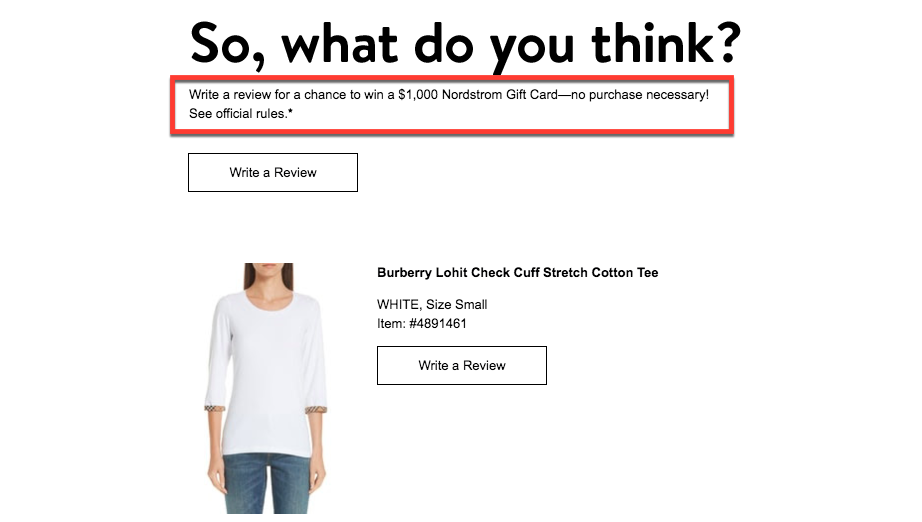
Test different incentives in your post purchase emails, like a sweepstakes, giveaway contest, coupon code campaign for free shipping or by leveraging an existing loyalty or rewards program. Again, transparency is key.
Ask your reviews software partner if they allow you to indicate whether a reviewer received a sample or other incentive for writing a review so future shoppers have a clear picture of who wrote each review.
Want to see how product sampling, post-purchase emails and review moderation all fit under one umbrella? Contact our team today see a demo of PowerReviews in action so you can immediately impact the validity of your reviews!